


Last Updated: June 29, 2026

Chinese medicine treats colds by identifying the symptom pattern first, then matching herbs, food therapy, acupuncture, and home care to that pattern. The two most common cold patterns are Wind Cold and Wind Heat. Wind Cold usually involves chills, clear mucus, sneezing, and body aches. Wind Heat usually involves sore throat, fever, thirst, and yellow or sticky mucus.
This pattern-based approach is what makes Traditional Chinese Medicine different from a one-size-fits-all cold remedy. A person with chills and watery nasal discharge does not need the same support as someone with throat inflammation and heat signs. The goal is to identify what the body is expressing, support the exterior, regulate Wei Qi, and help the body recover without using the wrong warming or cooling strategy.
A common cold can cause runny nose, congestion, cough, sneezing, sore throat, headache, mild body aches, and sometimes low-grade fever. These symptoms often peak within two to three days, but medical care is important when symptoms become severe, last too long, or worsen after improving.
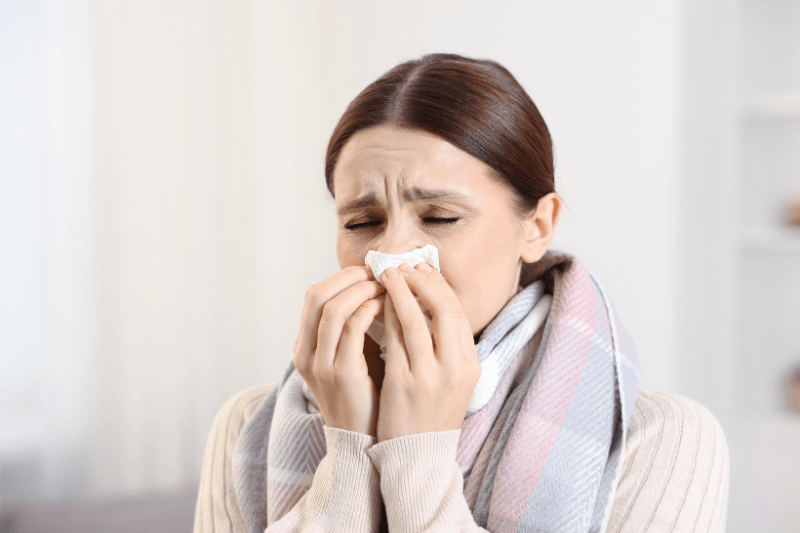
In Chinese medicine, a cold is usually understood as an exterior condition caused by Wind invading the body’s defensive layer. Wind may combine with Cold or Heat, creating different symptom patterns. The treatment strategy depends on whether the body needs warming, cooling, dispersing, or strengthening support.
In Traditional Chinese Medicine, the body’s defensive system is called Wei Qi. Wei Qi protects the surface of the body, including the skin, pores, nose, throat, and respiratory passages. When Wei Qi is weakened by stress, poor sleep, digestive strain, sudden weather changes, or exposure to wind and cold, the body becomes more vulnerable to external pathogens.
The Lung and Spleen systems are especially important in TCM cold patterns. The Lung governs respiration, the nose, the skin, and the circulation of defensive Qi. The Spleen supports digestion, fluid transformation, and the production of Qi. When Spleen Qi is weak, fluids may become Dampness or Phlegm, which can worsen congestion and mucus.
This is why Chinese medicine looks beyond the virus itself. It asks a more specific clinical question: What pattern is the body showing right now?
That question determines whether the person needs warming herbs, cooling herbs, acupuncture, moxibustion, cupping, food therapy, or preventive immune support.
Wind Cold and Wind Heat are the two main TCM cold patterns. Wind Cold is marked by chills, clear mucus, stiffness, and sensitivity to cold. Wind Heat is marked by sore throat, fever, thirst, yellow mucus, and inflammation.
Correct pattern identification matters because Wind Cold and Wind Heat are treated differently. Warming remedies may help Wind Cold but may irritate Wind Heat. Cooling remedies may help Wind Heat but may worsen chills and watery mucus in Wind Cold.
With Wind Cold, chills are usually stronger than the fever. The person may feel cold and have difficulty warming up.
With Wind Heat, fever or internal warmth is usually stronger than the chills. The person may feel hot, flushed, or restless.
Wind Cold typically causes clear, thin, or watery nasal mucus.
Wind Heat is more likely to produce yellow, sticky, or thick mucus.
Wind Cold may cause mild throat scratchiness, but significant soreness is usually absent.
Wind Heat commonly causes a sore, red, swollen, or painful throat.
Wind Cold often causes a stiff neck, body aches, fatigue, and sensitivity to cold.
Wind Heat may cause thirst, irritability, restlessness, and a general feeling of heat or inflammation.
People with Wind Cold may experience little or no sweating, although mild sweating may occur depending on the specific pattern.
People with Wind Heat may sweat more easily or feel noticeably hot.
The general treatment approach for Wind Cold is to warm the body, release the exterior, and gently promote sweating. Common support may include ginger, scallion, Gui Zhi Tang, and moxibustion when appropriate.
The general treatment approach for Wind Heat is to cool the body, clear Heat, and vent the exterior. Common support may include honeysuckle, forsythia, mint, and Yin Qiao San when appropriately matched to the symptoms.
Wind Cold is a cold pattern marked by chills, clear mucus, sneezing, body aches, stiff neck, and sensitivity to cold. It is usually supported with warming herbs, warm fluids, rest, and gentle exterior-releasing strategies.
Wind Cold often appears after exposure to cold air, sudden weather shifts, wind, damp conditions, or lowered resistance from fatigue. The body feels closed and tight. Muscles may ache. The neck and upper back may feel stiff. The person may want blankets, warm drinks, and a quiet place to rest.
Common Wind Cold symptoms include:
From a TCM perspective, Cold constricts the exterior. This can make the pores, muscles, and channels feel tight. The treatment principle is to warm the surface, support the Lung, regulate Wei Qi, and release the exterior gently.
Helpful Wind Cold support may include:
Wind Cold care should not be aggressive. The goal is gentle warmth and light sweating, not intense exercise, overheating, or forcing the body into exhaustion.
Wind Heat is a cold pattern marked by sore throat, fever, thirst, yellow mucus, and signs of irritation or inflammation. It is usually supported with cooling herbs, throat-soothing remedies, hydration, and Heat-clearing strategies.
Wind Heat may appear during warmer weather, after exposure to crowded indoor environments, or after a Wind Cold pattern begins to transform into Heat. The symptoms feel more hot, dry, swollen, or inflamed.
Common Wind Heat symptoms include:
From a TCM perspective, Heat rises and irritates the throat, head, and upper respiratory tract. It may thicken fluids, which is why mucus often becomes yellow, sticky, or harder to clear.
Helpful Wind Heat support may include:
Ginger-heavy remedies are not ideal when sore throat, thirst, fever, or yellow mucus dominate. In Wind Heat, too much warming support may increase irritation.
A cold can begin as Wind Cold and later show Wind Heat signs. This shift may happen when chills and clear mucus give way to sore throat, fever, thirst, yellow mucus, or stronger inflammation.
This is one reason cold treatment in Chinese medicine should be reassessed as symptoms change. A person may start with chills, sneezing, and clear nasal discharge, then develop throat pain, thick mucus, and heat sensations a day or two later.
When symptoms shift, the formula may need to shift too.
For example:
This pattern movement is also why self-treating with one herb for every cold can be unreliable. Chinese medicine works best when the remedy matches the stage, pattern, constitution, and symptom picture.
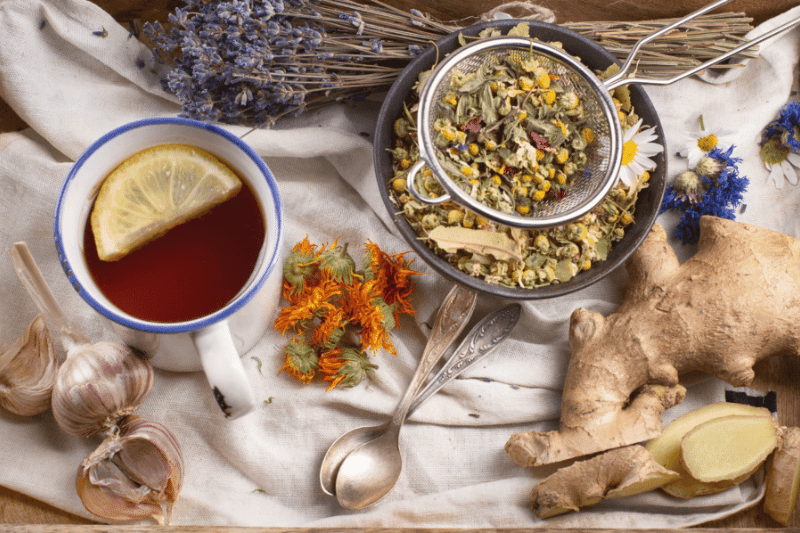
Chinese herbal formulas for colds are selected according to the person’s symptom pattern rather than the name of the illness alone. The appropriate formula depends on whether the symptoms indicate Wind Cold, Wind Heat, Cold Phlegm affecting the Lung, or a mixed presentation.
Because formulas can have different warming, cooling, dispersing, or strengthening effects, choosing the wrong one may aggravate symptoms. Before using Chinese herbs, consider medications, pregnancy, chronic health conditions, age, allergies, and medical history. The National Center for Complementary and Integrative Health also notes that herbal products may interact with medications and that some products may present contamination or quality-control concerns.
Gan Mao Ling is commonly used during the earliest stage of a heat-type cold. It is generally associated with a developing Wind Heat pattern and may be appropriate when symptoms begin with throat irritation, mild fever, warmth, head heaviness, or general heat-type discomfort.
This formula is not usually the best fit when strong chills, cold intolerance, and clear watery nasal discharge are the dominant symptoms.
Yin Qiao San is a classical formula traditionally used for early Wind Heat, particularly when the throat is the main area of discomfort. Common signs may include a sore or scratchy throat, mild fever, thirst, dryness, and yellow or sticky mucus.
Honeysuckle, forsythia, mint, and licorice are among the herbs traditionally associated with this formula. From a TCM perspective, Yin Qiao San helps vent Wind Heat from the exterior while soothing throat irritation.
Because it is a cooling formula, it should not be used as a general remedy for colds dominated by chills, cold sensitivity, and clear mucus.
Gui Zhi Tang is traditionally used for certain Wind Cold patterns in which the body’s exterior defenses are not fully secure. Unlike formulas intended to produce strong sweating, it provides gentler regulation.
This pattern may involve chills, sensitivity to wind or cold, mild sweating, body aches, fatigue, and clear nasal mucus. In traditional terms, Gui Zhi Tang harmonizes Ying and Wei, supports the exterior, and helps regulate the body’s natural sweating response.
Proper pattern identification is important because not every Wind Cold presentation includes the exterior deficiency signs associated with this formula.
Jing Fang Bai Du San is traditionally used for stronger exterior Wind Cold presentations. It may be considered when symptoms include pronounced body aches, chills, headache, neck stiffness, sinus pressure, or a heavy feeling that the cold is not moving.
This formula has a more dispersing action than mild food-based remedies such as ginger tea or warm soup. It may not be appropriate for people who are weak, depleted, overheated, or experiencing a more complex or mixed pattern.
Xiao Qing Long Tang is traditionally used when Cold disrupts Lung function and fluid movement. This pattern may produce coughing, wheezing, chest tightness, and thin, watery, or frothy phlegm. Symptoms may also worsen after exposure to cold air.
Because Xiao Qing Long Tang is a warming formula, it should not be used casually when fever, sore throat, thirst, yellow mucus, or other strong Heat signs dominate.
The most appropriate herbal formula may change as the illness progresses. A cold that begins with chills and clear mucus can later develop sore throat, fever, or yellow mucus. Herbal treatment should therefore be reassessed when the symptom pattern changes, especially when symptoms persist, worsen, or involve the chest or breathing.
TCM home remedies work best when they match the symptom pattern. Ginger and scallion are better suited to Wind Cold. Peppermint and honeysuckle are better suited to Wind Heat. Warm soups, congee, hydration, rest, and gentle care can support recovery in both patterns.
Ginger scallion tea is a traditional home remedy for early Wind Cold symptoms.
It may be helpful when symptoms include:
Fresh ginger warms the exterior. Scallion white helps release the surface. Brown sugar adds mild warmth and makes the tea easier to tolerate.
This remedy is not ideal when sore throat, fever, thirst, or yellow mucus are the dominant symptoms.
Peppermint and honeysuckle tea is better suited for early Wind Heat symptoms.
It may be helpful when symptoms include:
Peppermint is cooling and dispersing. Honeysuckle is traditionally used to clear Heat and soothe throat-centered inflammation.
This remedy is not ideal when the person feels very cold, has watery mucus, or wants only warm drinks.
Warm, simple foods support the Spleen and help the body conserve energy during illness. In TCM, digestion plays a major role in recovery because the Spleen helps transform food into Qi and fluids.
Good recovery foods may include:
Heavy, greasy, sugary, or dairy-heavy foods may worsen phlegm in some people. During a cold, the goal is to reduce digestive burden so the body can focus on recovery.
Steam may help loosen mucus and soothe irritated nasal passages. It can be useful when congestion feels thick, dry, or stuck.
Use caution with steam around children, older adults, and anyone with asthma, sensitive airways, or dizziness. Essential oils such as eucalyptus may irritate some people and should not be used casually around infants or sensitive individuals.
Food therapy in Chinese medicine depends on whether the cold pattern is cold, hot, phlegmy, dry, or weak. The best foods are simple, warm, easy to digest, and matched to the person’s symptoms.
Choose warming, light foods such as:
Avoid iced drinks, raw cold foods, and exposure to cold wind.
Choose lighter, cooling, hydrating foods such as:
Avoid alcohol, spicy foods, fried foods, and excessive ginger.
Choose foods that reduce digestive heaviness and support fluid transformation:
Limit dairy, sugar, fried foods, and very greasy meals if they worsen mucus.
Acupuncture, moxibustion, and cupping may support cold recovery by helping regulate Lung Qi, release the exterior, ease body tension, improve circulation, and support Wei Qi. The treatment approach depends on whether the person shows Wind Cold, Wind Heat, phlegm, fatigue, or deficiency.
Acupuncture point selection is individualized. A practitioner may use different point combinations depending on the symptom pattern.
Common point strategies may include:
Moxibustion is usually more appropriate for Cold patterns, especially when chills, cold intolerance, fatigue, or Yang deficiency signs are present. It adds warmth and should not be used over Heat-type presentations without professional guidance.
Cupping may help release upper back tightness, support circulation, and relieve muscle tension around the Lung area. It can be especially helpful when the neck, shoulders, and upper back feel tight during a cold.
These therapies can support comfort and recovery, but they do not replace medical care for severe respiratory symptoms, high fever, chest pain, dehydration, or worsening illness.
Chinese medicine helps prevent future colds by strengthening Wei Qi, supporting Lung Qi, improving digestion, reducing phlegm tendency, and aligning lifestyle habits with seasonal changes. Prevention focuses on building resilience before symptoms begin.
In TCM, people who catch colds frequently may have underlying patterns such as Lung Qi deficiency, Spleen Qi deficiency, Wei Qi weakness, Dampness, or Kidney Yang weakness. A practitioner looks for signs such as fatigue, sweating easily, poor digestion, recurring congestion, frequent phlegm, cold intolerance, or slow recovery.
Certain herbs are traditionally used for prevention and resilience, not necessarily for every active cold.
These may include:
Astragalus is especially important to use correctly. In many TCM frameworks, it is better suited to prevention or deficiency support rather than the early stage of an active exterior cold. A practitioner can determine when tonifying herbs are appropriate.
TCM prevention also includes seasonal habits.
In fall, the Lung system is more vulnerable to dryness and wind. Warm fluids, scarves, adequate sleep, and simple cooked foods may help.
In winter, the focus shifts toward preserving warmth and Yang. Overexposure to cold, underdressing, and exhaustion can weaken the body’s defenses.
In spring, Wind patterns may appear more often. People prone to allergies, headaches, or throat irritation may need more careful seasonal support.
In summer, Heat and dehydration can aggravate irritability, thirst, sore throat, and dryness. Cooling but not overly cold foods may be more appropriate.
Chinese herbs should be used carefully when a person is pregnant, breastfeeding, taking prescription medications, managing chronic illness, treating a child, caring for an older adult, or living with an autoimmune or immune-suppressed condition.
Herbs can be powerful. They may affect metabolism, blood pressure, bleeding risk, immune activity, digestion, sleep, or medication response. NCCIH notes that some herbal supplements may interact with medications, and some Chinese herbal products have had quality concerns such as contamination or manufacturing errors.
Use professional guidance if you:
Chinese medicine is safest when herbs are sourced carefully, matched correctly, and coordinated with the person’s full health history.

A TCM practitioner can help when cold symptoms are mild to moderate, pattern identification is unclear, symptoms keep changing, or the person wants support with herbs, acupuncture, cupping, moxibustion, or prevention.
A medical doctor or urgent care provider is needed when symptoms suggest something more serious than a routine cold.
Seek medical care if you have:
These warning signs are consistent with current CDC guidance for common cold care.
Also seek care for chest pain, severe weakness, confusion, blue lips, persistent vomiting, severe throat pain, ear pain, wheezing, or concern for flu, COVID-19, pneumonia, strep throat, or another infection.
For babies and young children, medical guidance is especially important. Mayo Clinic advises medical care for newborn fever, breathing trouble, wheezing, ear pain, unusual drowsiness, poor feeding, or more intense symptoms in children.
Chinese medicine may support cold recovery by matching herbs, acupuncture, food therapy, and home care to the person’s symptom pattern. The main TCM distinction is usually Wind Cold versus Wind Heat. This approach can be helpful because it separates chills, clear mucus, and stiffness from sore throat, fever, thirst, and yellow mucus. Matching the treatment to the pattern helps avoid using warming remedies for Heat signs or cooling remedies for Cold signs.
There is no single best Chinese herb for every cold. The best herb or formula depends on the pattern, symptoms, constitution, and stage of illness. Wind Cold may call for warming herbs such as ginger or cinnamon twig. Wind Heat may call for cooling herbs such as honeysuckle, forsythia, mint, or chrysanthemum. A licensed practitioner can help match the formula correctly.
Acupuncture may help support cold recovery by regulating Lung Qi, easing congestion, reducing body tension, supporting Wei Qi, and addressing headache or neck stiffness. Point selection depends on the pattern. Wind Cold, Wind Heat, phlegm, and fatigue patterns may each require different treatment strategies.
Chinese herbs can sometimes be taken with cold medicine, but they should be reviewed by a qualified practitioner or healthcare provider first. Herbs may interact with medications or affect how the body responds to treatment. This is especially important for people taking blood thinners, blood pressure medication, immune-modulating drugs, sedatives, or multiple prescriptions.
TCM may help reduce recurring colds by strengthening Wei Qi, supporting Lung and Spleen function, improving digestion, reducing phlegm tendency, and adjusting seasonal habits. Prevention may include acupuncture, food therapy, sleep support, stress management, and carefully selected herbs such as Astragalus or Reishi when appropriate.
See a doctor if you have trouble breathing, signs of dehydration, a fever lasting longer than 4 days, symptoms lasting more than 10 days, symptoms that improve and then worsen, or a chronic condition that is becoming harder to manage. Medical care is also important if you experience chest pain, severe weakness, confusion, wheezing, blue lips, severe throat pain, ear pain, or symptoms that may point to flu, COVID-19, pneumonia, strep throat, or another serious infection.
Chinese medicine offers a structured way to support cold symptoms by identifying the pattern, choosing the right therapy, and adjusting care as symptoms change. The most effective approach is not simply choosing an herb. It is understanding whether the body is showing Wind Cold, Wind Heat, phlegm, deficiency, or a mixed pattern.
The same approach can also be helpful for people who catch colds often or feel slow to recover. In those cases, care may focus on strengthening Lung Qi, supporting Spleen Qi, improving digestion, managing stress, and building seasonal resilience.
At ACA Acupuncture & Wellness, our practitioners take the time to understand your symptoms and create a care plan that fits your needs. If you are looking for natural support during cold and flu season, acupuncture may be part of a broader approach. Depending on your symptoms and goals, Chinese herbal medicine, cupping, moxibustion, ear seeding, reflexology, Tuina massage, food therapy, or thermal therapy may also support circulation, ease discomfort, regulate Wei Qi, and promote whole-body recovery.
Sources:
Cheng, Y., Zhang, J., Hou, Y., Shen, J., Wang, S., & Liu, B. (2018). Acupuncture for common cold: A systematic review and meta-analysis protocol. Medicine, 97(10), e9963.
Chen, W., Balan, P., Popovich, D. G., & Hong, S. (2014). Chinese proprietary herbal medicine listed in ‘China national essential drug list’ for common cold: A systematic literature review. PLOS ONE, 9(10), e110560.
National Center for Complementary and Integrative Health. (n.d.). Traditional Chinese medicine: What you need to know.
Recent Comments