


Your TCM body type is your constitutional pattern based on the balance of Qi, Blood, Yin, Yang, and body fluids. It influences how your body responds to stress, illness, diet, climate, and aging, helping guide personalized recommendations for acupuncture, herbal medicine, nutrition, and lifestyle.
Traditional Chinese Medicine (TCM) recognizes that no two people experience health in exactly the same way. Two individuals with migraines, digestive problems, fatigue, or insomnia may receive completely different treatments because the root cause of their symptoms is different. Instead of focusing solely on a disease or diagnosis, TCM evaluates the body’s overall pattern of balance and imbalance.
Your TCM body type, also called your constitution or Ti Zhi, reflects your long-term physiological tendencies rather than temporary symptoms. It is shaped by genetics, early development, lifestyle habits, emotional health, nutrition, environment, and aging. Understanding your constitution helps explain why you naturally run warm or cold, why stress affects your digestion, why your energy fluctuates, or why certain health issues seem to recur throughout your life.
Rather than treating isolated symptoms, TCM seeks to restore harmony between Qi, Blood, Yin, Yang, and the body’s organ systems. This personalized approach allows practitioners to recommend treatments that address the underlying pattern contributing to your symptoms while supporting your overall health and resilience.
In Traditional Chinese Medicine, a body type is far more than a description of your physical appearance. Known as Ti Zhi, it represents your body’s natural constitution and reflects how efficiently your internal systems produce energy, circulate Blood, regulate temperature, metabolize fluids, and respond to emotional and environmental stressors.
Think of your constitution as your body’s baseline operating system. It influences how easily you recover from illness, how resilient you are during stressful periods, which symptoms tend to appear repeatedly, and which preventive strategies are most likely to keep you healthy.
Unlike a medical diagnosis, your constitution is not considered a disease. Instead, it describes long-term tendencies that may make certain imbalances more or less likely to develop.
For example, someone with a Qi Deficiency constitution may become fatigued more easily after illness or prolonged work, while someone with Yin Deficiency may be more susceptible to dryness, insomnia, and internal heat. Both individuals can experience completely different symptoms because their constitutions function differently.
Understanding your body type allows practitioners to create individualized treatment plans rather than applying the same treatment to everyone with the same diagnosis.
Traditional Chinese Medicine approaches health differently from conventional medicine. While Western medicine often identifies a disease based on laboratory tests, imaging, or structural abnormalities, TCM evaluates how well the body’s systems work together as an integrated whole.
Health is viewed as the dynamic balance between several essential substances and organ systems.
These include:
When these systems remain balanced, the body is better able to regulate digestion, circulation, immunity, sleep, emotional health, and recovery from illness.
Rather than waiting until disease develops, TCM focuses on identifying subtle constitutional changes before they progress into more significant health concerns.
This preventive philosophy has been a defining feature of Traditional Chinese Medicine for thousands of years.
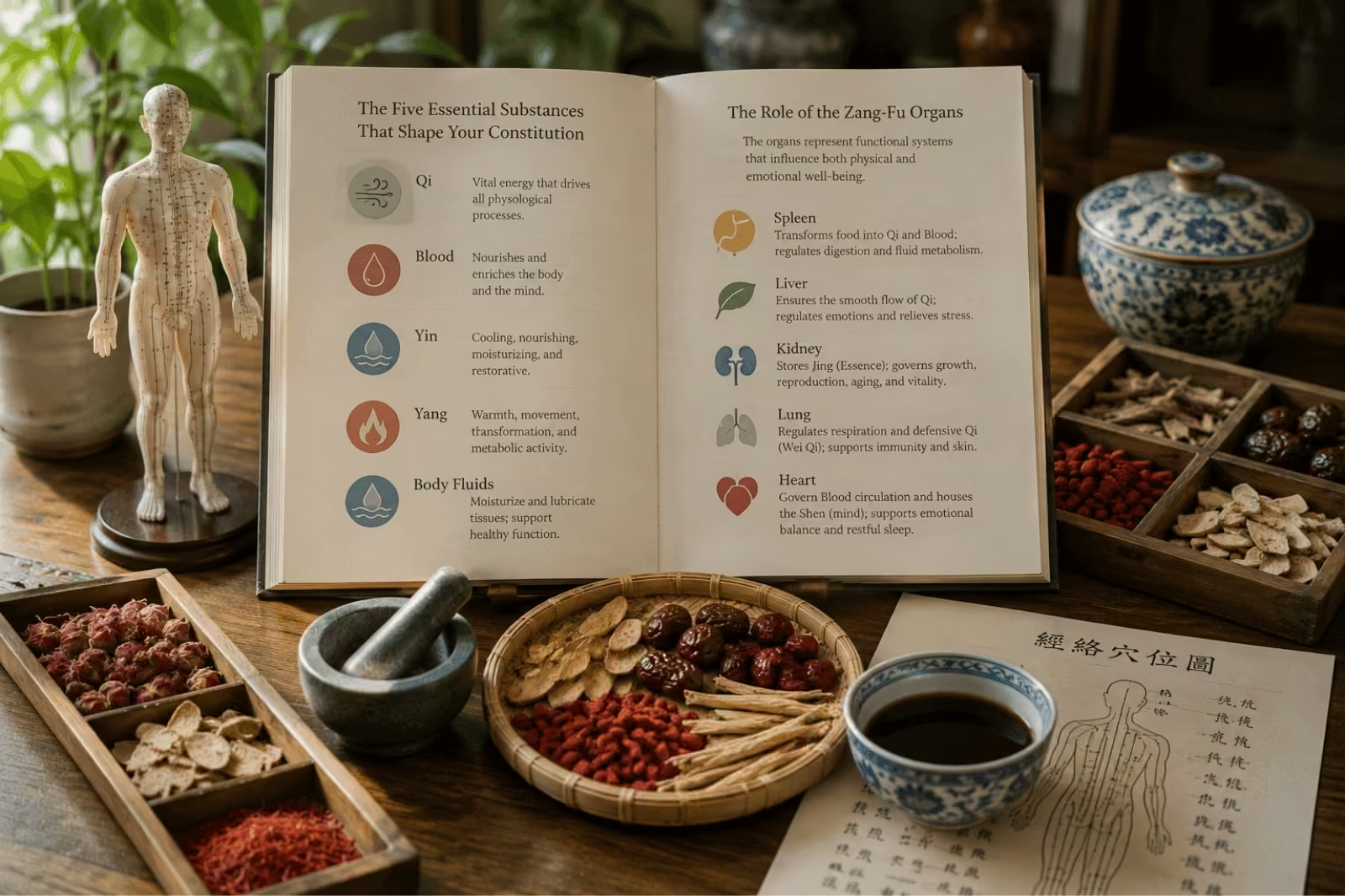
Every constitutional pattern is influenced by the interaction of five fundamental substances.
Qi is often translated as vital energy, but its meaning extends beyond physical energy alone. Qi drives every physiological process in the body, including movement, digestion, circulation, breathing, immunity, metabolism, and organ function.
When Qi flows smoothly, the body has the strength to perform daily activities, adapt to stress, and heal efficiently.
When Qi becomes deficient or stagnant, fatigue, digestive problems, reduced immunity, or pain may develop.
In Traditional Chinese Medicine, Blood represents more than the blood measured through laboratory testing.
Blood nourishes muscles, tendons, skin, hair, eyes, and the Shen, or mind. Adequate Blood supports healthy sleep, emotional stability, concentration, memory, and physical recovery.
When Blood becomes deficient or circulation becomes impaired, symptoms such as dizziness, dry skin, muscle cramps, insomnia, or chronic pain may occur.
Yin represents the cooling, nourishing, moisturizing, and restorative aspects of the body.
Healthy Yin helps regulate body temperature, lubricate joints, hydrate tissues, promote restful sleep, and prevent excessive internal Heat.
When Yin becomes depleted, dryness and signs of internal Heat often develop.
Yang provides warmth, movement, transformation, and metabolic activity.
It supports healthy digestion, circulation, physical strength, hormone regulation, and the body’s ability to generate heat.
Insufficient Yang often leads to feelings of coldness, sluggish digestion, reduced energy, and water retention.
Body fluids include saliva, digestive fluids, joint lubrication, and other nourishing fluids that maintain healthy tissues throughout the body.
Proper fluid metabolism helps prevent the accumulation of Dampness and supports healthy digestion, circulation, and tissue function.
Unlike Western anatomy, the organs in Traditional Chinese Medicine represent functional systems rather than individual anatomical structures.
Each organ influences specific physiological and emotional functions.
The Spleen transforms food into Qi and Blood while regulating digestion and fluid metabolism.
Weak Spleen function commonly contributes to:
The Liver ensures the smooth circulation of Qi throughout the body.
Imbalances may contribute to:
The Kidneys store Jing, or Essence, and govern growth, reproduction, aging, bone health, hearing, and long-term vitality.
Kidney imbalances often appear with:
The Lungs regulate respiration and defensive Qi, also known as Wei Qi.
Healthy Lung function supports:
The Heart governs Blood circulation while housing the Shen, the aspect of consciousness associated with mental clarity, emotional balance, and restful sleep.
Because these organ systems constantly interact, an imbalance rarely affects only one area of the body. Instead, symptoms often develop across multiple systems, reinforcing the importance of evaluating the body as an integrated whole.

Although online quizzes can introduce the idea of TCM constitutions, they cannot accurately determine your body type. In clinical practice, a licensed acupuncturist evaluates your overall pattern of health rather than relying on one symptom or a checklist.
This process is called pattern differentiation, or Bian Zheng, which is one of the core diagnostic principles of Traditional Chinese Medicine. Instead of asking, “What disease do you have?” practitioners ask, “What pattern best explains everything happening in your body?”
Because every system in the body is interconnected, practitioners collect information from several sources before identifying your constitutional pattern.
The consultation begins with a detailed discussion about your overall health and lifestyle. Rather than focusing on a single complaint, practitioners look for recurring patterns that have developed over months or years.
Common questions include:
For example, fatigue, poor appetite, bloating, and loose stools may all point toward Spleen Qi Deficiency, even if the patient initially sought treatment for headaches.
Tongue diagnosis is a common TCM assessment method that helps practitioners evaluate patterns related to Qi, Blood, Yin, Yang, and body fluids. Practitioners examine the tongue as part of a broader health assessment, not as a standalone diagnosis.
Key features include:
Tongue findings are interpreted together with symptoms, pulse, medical history, lifestyle, and overall presentation.
Pulse diagnosis evaluates more than heart rate. Practitioners assess the pulse at three positions on each wrist using different levels of pressure to understand the body’s overall balance.
Common pulse qualities include:
Pulse findings are always interpreted alongside tongue appearance, symptoms, medical history, and overall presentation to determine the underlying TCM pattern.
One of the defining characteristics of TCM is that symptoms are rarely viewed in isolation. Practitioners look for patterns, or groups of signs, that repeatedly appear together.
For example:
Looking at these patterns helps practitioners identify the underlying imbalance rather than treating each symptom separately.
Yes. Most people have a combination of TCM body types rather than fitting into a single category. In clinical practice, practitioners often identify one primary constitution along with one or more secondary imbalances.
Common combinations include:
Practitioners determine which pattern is the root (the primary constitutional imbalance) and which are the branches (secondary patterns that develop over time). For example, long-term Spleen Qi Deficiency can weaken fluid metabolism and eventually lead to Dampness. Addressing both the root cause and secondary imbalances allows for a more personalized and effective treatment plan.
A TCM constitution and a TCM syndrome are related, but they are not the same.
For example, someone with a balanced constitution may temporarily develop a Wind-Cold pattern after exposure to cold weather. Once the illness resolves, they usually return to their baseline constitution.
Someone with Qi Deficiency may also develop Damp-Heat after weeks of fried foods, alcohol, or digestive stress. The acute pattern may improve, but the deeper Qi Deficiency may still need support.
This is why TCM treatment plans can change over time. Practitioners address both the immediate symptoms and the deeper constitutional tendencies behind recurring health concerns.
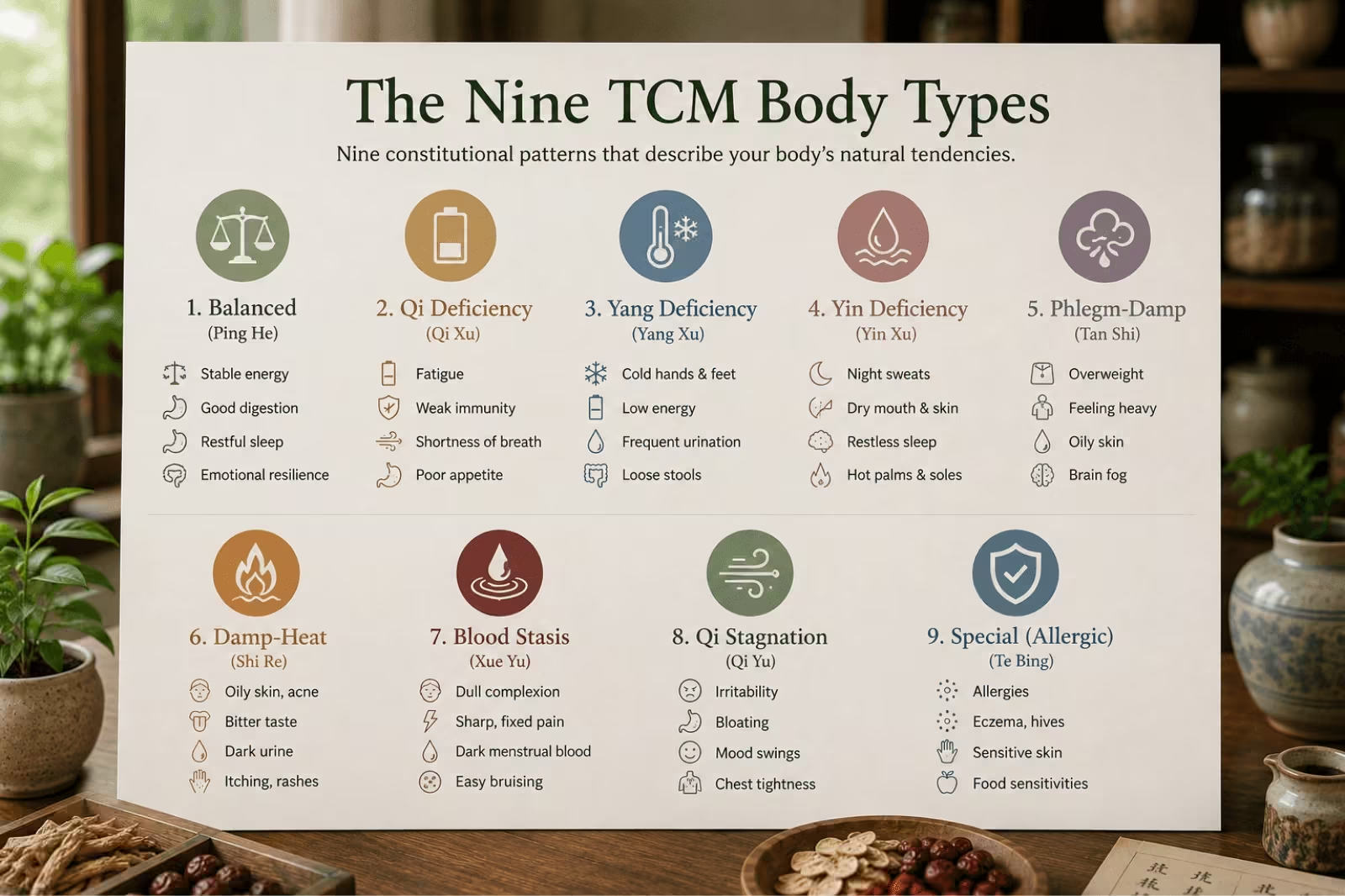
Traditional Chinese Medicine recognizes nine constitutional body types, including one balanced constitution and eight constitutional imbalances. These constitutions describe your long-term physical, emotional, and physiological tendencies, helping explain how your body responds to stress, diet, climate, aging, and illness. While your constitution is relatively stable, it can gradually change over time due to lifestyle, health conditions, and environmental factors.
A Balanced Constitution is considered the ideal TCM body type. Qi, Blood, Yin, and Yang are in harmony, allowing the body to function efficiently and recover well from physical or emotional stress. People with this constitution generally enjoy good overall health and adapt well to seasonal and lifestyle changes.
General wellness recommendations include maintaining consistent sleep, eating balanced seasonal meals, exercising regularly, managing stress, and continuing healthy lifestyle habits that preserve overall balance.
Qi Deficiency occurs when the body does not produce or maintain enough vital energy to support normal physical and mental function. It is one of the most common constitutions in modern life and is often associated with chronic stress, overwork, poor sleep, digestive weakness, or prolonged illness.
General wellness recommendations include eating warm, nourishing meals, maintaining regular eating and sleeping schedules, avoiding overexertion, and engaging in gentle exercises such as walking, tai chi, or qigong.
Yang Deficiency occurs when the body’s warming and activating energy becomes insufficient. As a result, metabolism slows and the body struggles to generate warmth and energy.
General wellness recommendations include eating warm cooked foods, avoiding excessive cold foods and drinks, dressing warmly, staying physically active, and prioritizing restorative sleep.
Yin Deficiency develops when the body lacks sufficient cooling, nourishing, and moisturizing fluids. Without enough Yin, internal Heat may develop, leading to dryness and restlessness.
General wellness recommendations include prioritizing quality sleep, staying hydrated, managing stress, avoiding excessive physical exertion, and eating nourishing foods that replenish Yin.
The Phlegm-Damp Constitution develops when the body cannot efficiently transform and transport fluids, allowing Dampness and Phlegm to accumulate. This pattern is commonly associated with digestive weakness and modern dietary habits.
General wellness recommendations include supporting digestion with balanced meals, limiting sugar, dairy, fried foods, and alcohol, exercising regularly, and maintaining healthy body weight.
Damp-Heat develops when excess Dampness combines with internal Heat, often affecting the digestive system, urinary tract, skin, and Liver-Gallbladder network.
General wellness recommendations include eating lighter meals, increasing vegetables, staying hydrated, limiting alcohol and greasy foods, and managing stress.
Blood Stasis occurs when Blood does not circulate smoothly, leading to localized pain and poor circulation. It may develop after injuries, surgery, chronic inflammation, or long-term Qi Stagnation.
General wellness recommendations include staying active, stretching regularly, maintaining good circulation, and avoiding prolonged sitting.
Qi Stagnation develops when the smooth flow of Qi becomes blocked, often because of chronic emotional stress or prolonged tension. Symptoms commonly fluctuate with stress levels.
General wellness recommendations include regular exercise, stress management, breathing exercises, meditation, spending time outdoors, and maintaining healthy emotional expression.
The Special Constitution, sometimes called the Allergic Constitution, is characterized by an inherited or acquired sensitivity to environmental factors. People with this constitution are generally more prone to allergic and hypersensitivity reactions.
General wellness recommendations include avoiding known triggers, supporting immune health, eating a balanced diet, managing stress, and working with a licensed TCM practitioner to strengthen the body’s natural resilience.
A person’s constitution is relatively stable, but it is not permanent.
Over months or years, your body type can gradually shift in response to lifestyle, health, and environmental factors.
Changes may occur because of:
For example, years of untreated Qi Deficiency may gradually progress into Yang Deficiency, while chronic stress may evolve from Qi Stagnation into Blood Stasis.
This is why TCM practitioners reassess patients regularly rather than assuming the same treatment remains appropriate indefinitely.
Although each body type has unique recommendations, several habits benefit nearly everyone.
These include:
Small, consistent lifestyle improvements often have a greater long-term impact than dramatic short-term changes.

Acupuncture does not treat body types with a standard protocol. Instead, each treatment is tailored to the individual’s constitutional pattern, symptoms, and health goals.
Depending on your diagnosis, acupuncture may help:
As treatment progresses, point selection may change as your constitutional pattern improves or new imbalances emerge.
Yes. Most people have a primary constitution along with one or more secondary patterns. For example, Qi Deficiency may occur alongside Dampness, or Qi Stagnation may eventually contribute to Blood Stasis. Treatment focuses on addressing both the underlying cause and the current symptoms.
No. A TCM body type describes your constitutional tendencies rather than a specific disease. It helps explain how your body functions and responds to different internal and external influences but does not replace a diagnosis from a qualified healthcare professional.
Yes. Although your constitution is relatively stable, it can gradually change because of aging, illness, pregnancy, menopause, chronic stress, sleep habits, nutrition, and other lifestyle factors. Regular reassessment allows your treatment plan to evolve with your health.
Online quizzes can provide a general introduction, but they cannot accurately determine your constitution. A licensed TCM practitioner considers your symptoms, tongue appearance, pulse qualities, medical history, digestion, sleep, emotional health, and other factors before identifying your constitutional pattern.
Not necessarily. Blood Deficiency is a Traditional Chinese Medicine pattern based on constitutional signs and symptoms, whereas anemia is a medical diagnosis confirmed through laboratory testing. Some people may have both, but one condition does not automatically indicate the other.
Treatment frequency depends on your symptoms, health goals, and the severity of the imbalance. Acute concerns may require more frequent sessions initially, while chronic constitutional patterns often improve with a gradual course of treatment combined with lifestyle and dietary modifications.
Your TCM body type offers a practical framework for understanding why your body responds differently to stress, food, exercise, weather, and illness than someone else’s. Rather than assigning the same treatment to everyone with similar symptoms, Traditional Chinese Medicine recognizes that long-term health depends on restoring balance according to each person’s unique constitution.
Whether your primary pattern involves Qi Deficiency, Yang Deficiency, Yin Deficiency, Blood Deficiency, Blood Stasis, Qi Stagnation, Dampness, Damp-Heat, or a combination of constitutions, identifying these tendencies can guide more personalized decisions about nutrition, lifestyle, sleep, stress management, and preventive care.
At ACA Acupuncture and Wellness, our licensed acupuncturists take the time to understand your complete constitutional picture, not just your symptoms. Through comprehensive assessments, personalized acupuncture treatments, and evidence-informed Traditional Chinese Medicine, we help patients restore balance and support their long-term health naturally.
Sources:
Yang, J.-J., Wang, Q., & Jiang, W. (2025). Harmonizing the mind and body: The interrelationship between traditional Chinese medicine body constitution, mental health and sleep quality. World Journal of Psychiatry, 15(3), 103033.

Recent Comments