


Summer solstice wellness means helping the body stay cool, hydrated, rested, and adaptable during the longest, brightest, and often hottest days of the year. Overheating is not just a comfort issue. It can affect energy, digestion, sleep, mood, exercise tolerance, and in severe cases, safety.
The summer solstice invites more time outdoors, more sunlight, later evenings, and more movement. That can be energizing, but it can also strain the body’s cooling systems. Sweat, circulation, electrolytes, hydration, appetite, and sleep all have to adjust. Alongside healthy hydration, balanced nutrition, and adequate rest, many people also incorporate supportive therapies such as acupuncture massage to help relieve muscle tension, encourage relaxation, and promote overall well-being during the warmer months. Current public health guidance continues to emphasize that heat-related illness can include heat cramps, heat exhaustion, rhabdomyolysis, heat syncope, heat rash, and heat stroke, with heat stroke requiring urgent emergency care.
Summer solstice wellness is the practice of matching your hydration, food, movement, sleep, and recovery to the season’s highest light and heat exposure.
The summer solstice brings longer outdoor exposure, later plans, more intense exercise, warmer nights, and more sweating. The issue is not sunlight alone. The issue is total heat load.
Your body cools itself through widened blood vessels, sweat evaporation, thirst signals, kidney function, sodium balance, breathing, and heart rate changes. When heat, humidity, exertion, dehydration, and poor recovery build faster than the body can compensate, overheating begins.
This is why summer solstice wellness should be practical. It means protecting thermoregulation, preserving fluids, replacing electrolytes, reducing unnecessary heat stress, and giving the nervous system enough rest to recover. It also reflects the broader idea of caring for the body before seasonal stress builds, which is why preparing your body in summer can be a helpful resource for understanding preventive wellness.
Extreme heat is also a growing public health concern. Climate and occupational health organizations continue to report that rising heat exposure affects safety, hydration needs, sleep quality, productivity, and recovery during warmer seasons.
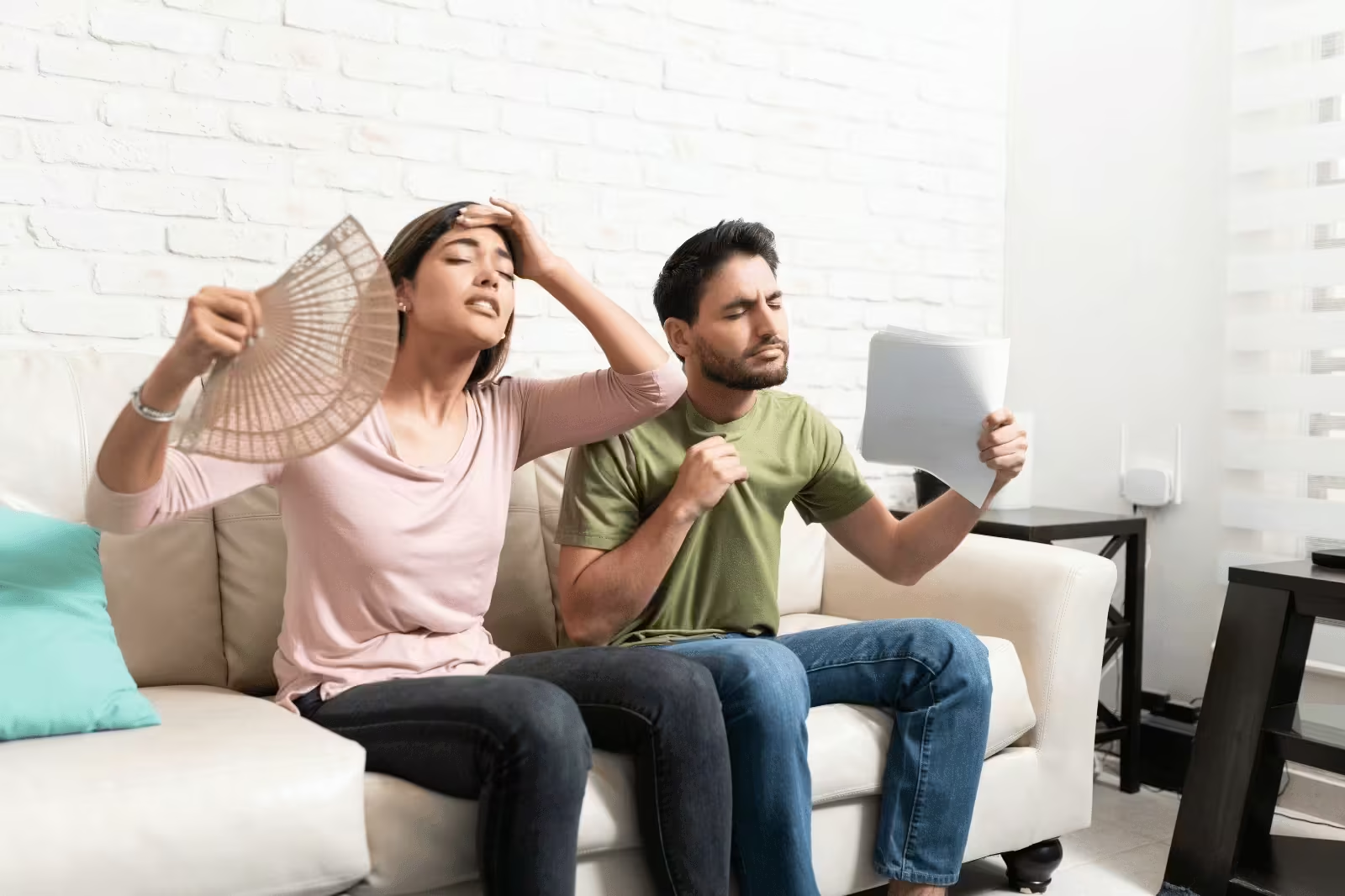
Overheating happens when the body gains or produces more heat than it can release through sweating, circulation, breathing, and behavioral cooling.
Many people think overheating only happens during extreme exercise or desert-level temperatures. In reality, it can happen during ordinary summer routines: walking errands, commuting, gardening, standing at an outdoor event, taking a midday run, or sleeping in a hot room.
Several factors increase heat strain:
Thirst is useful, but it is not a perfect early-warning system. During heat, the goal is to drink before thirst becomes intense, especially if you are sweating, exercising, working outdoors, or spending time in direct sun. It is also important to stop activity, move to a cooler place, and rest if you start feeling faint, weak, dizzy, nauseated, unusually tired, or overheated.
Humidity deserves special attention. A hot, dry day and a hot, humid day can feel completely different because sweat cools you only when it evaporates. When the air is already heavy with moisture, sweat stays on the skin, clothing becomes damp, and core temperature can rise faster.
Heat exhaustion is a serious heat illness marked by heavy sweating, weakness, dizziness, nausea, headache, and cool or clammy skin. Heat stroke is a medical emergency marked by dangerous body overheating, confusion, collapse, loss of consciousness, or hot skin.
Heat illness exists on a spectrum. Early symptoms may feel mild, but they can escalate if the person keeps moving, stays in the sun, or cannot cool down.
Common early signs include:
Heat exhaustion may include:
The best first steps are to stop activity, move to shade or air conditioning, loosen clothing, sip fluids if fully alert, and cool the skin with damp cloths, a cool shower, or a fan in safe conditions.
Heat stroke can include:
Heat stroke requires emergency medical help. The National Weather Service states that heat stroke is a severe medical emergency and recommends calling 911, moving the person to a cooler place, and reducing body temperature with cool cloths or a bath.
Natural wellness strategies are for prevention and mild heat strain. They are not a substitute for emergency care when warning signs become severe.
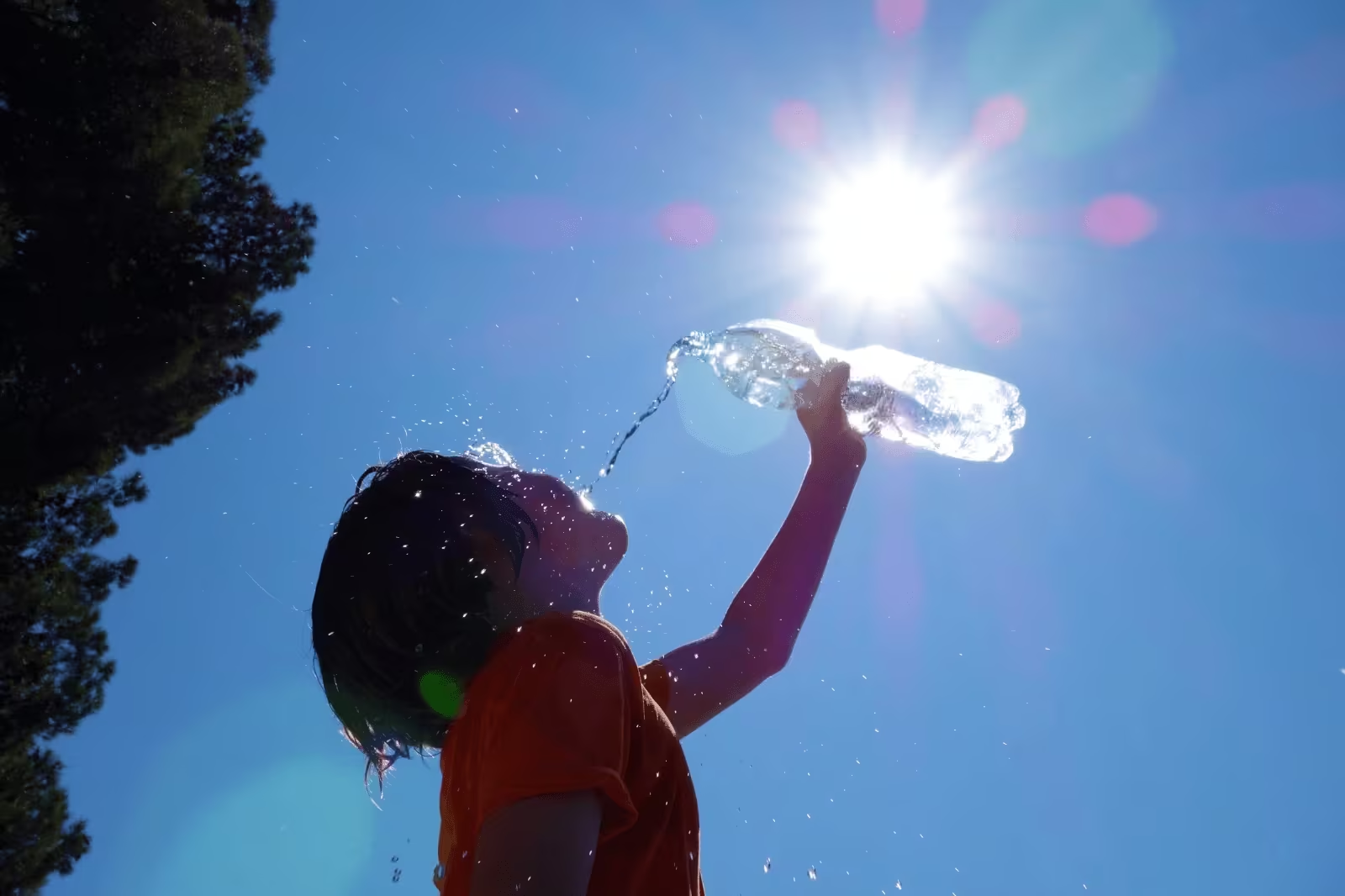
The best hydration strategy for summer heat is steady fluid intake paired with electrolyte support when sweating, exercising, or spending long periods outdoors.
Water is the foundation. For many people, plain water is enough for light activity and short heat exposure. But during heavy sweating, the body loses more than water. Sweat also contains sodium, chloride, and smaller amounts of potassium, magnesium, and calcium. Replacing fluids without considering minerals can leave some people feeling weak, headachy, or depleted.
A simple summer rhythm works better than occasional large amounts:
Natural options can be useful when you want mineral support without relying on sugary sports drinks:
Sports drinks are not always necessary, but they can be appropriate during prolonged exertion, intense sweating, endurance exercise, outdoor labor, or heat exposure lasting more than an hour. People with kidney disease, heart failure, high blood pressure, or sodium or potassium restrictions should ask a healthcare professional before increasing electrolyte drinks or salt intake.
Cooling summer foods are water-rich, mineral-rich, easy to digest, and refreshing without being overly heavy.
Food affects heat tolerance in three ways. It contributes water. It provides electrolytes and antioxidants. It changes digestive workload. A heavy, greasy meal in the middle of a hot day can leave the body feeling sluggish because digestion requires blood flow and metabolic effort. A lighter meal can help you stay alert, hydrated, and comfortable.
These foods naturally support hydration:
Watermelon is popular for a reason. It provides water, natural sugars, potassium, and a refreshing texture that makes hydration easier. Cucumbers and celery are especially useful because they fit into salads, snacks, infused water, and chilled soups.
Bitter greens are valuable because they bring contrast to sweet summer fruit and support a lighter meal pattern. Arugula, dandelion greens, endive, romaine, radicchio, and watercress can make meals feel cleaner and less heavy.
In Chinese medicine, bitter flavors are often associated with clearing heat and supporting the Heart and Small Intestine channels. In practical nutrition terms, bitter greens also encourage more diverse plant intake and pair well with citrus, olive oil, herbs, and lean proteins.
The goal is not to under-eat. It is to eat in a way that keeps energy steady. Good summer solstice meals include:
Some people feel great with raw salads in summer. Others get bloating, loose stools, or fatigue from too much raw food. If digestion is sensitive, lightly cooked vegetables, room-temperature meals, soups, congee, or warm herbal teas may work better than ice-cold meals.
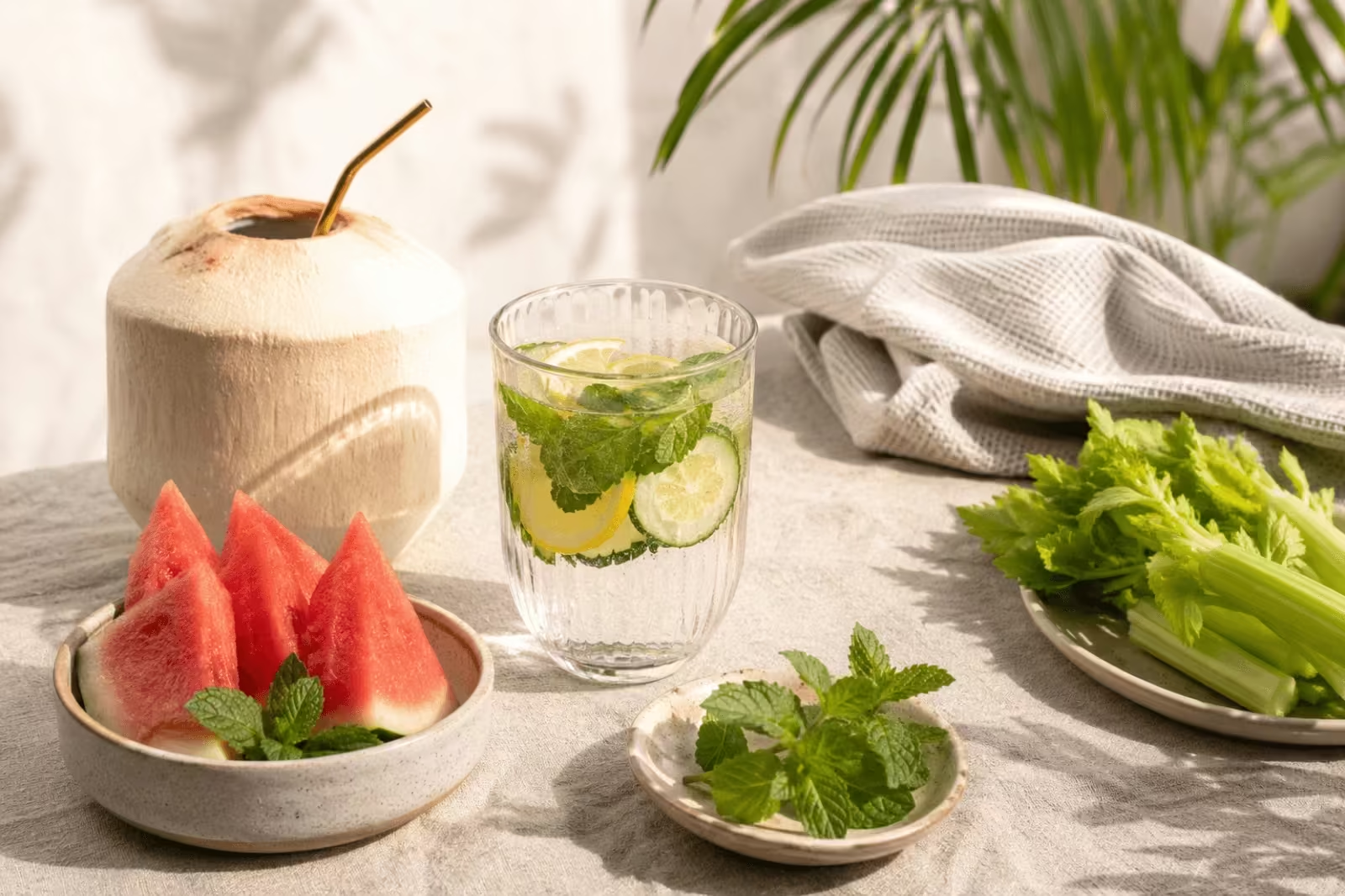
Cooling herbs and teas can support summer hydration, but they should be used as gentle wellness tools rather than treatments for heat illness.
Herbal drinks can make hydration more appealing. They also create a seasonal ritual, which matters because consistent habits prevent overheating better than one dramatic intervention.
Hibiscus tea has a tart, cranberry-like flavor and is often served chilled. It pairs well with citrus, mint, berries, and a small amount of honey. Hibiscus is also rich in plant compounds called anthocyanins.
People taking blood pressure medication, diuretics, or certain medications should ask a clinician before drinking hibiscus frequently, because it may not be appropriate for everyone.
Mint feels cooling because menthol activates cold-sensitive receptors in the mouth and skin. Mint tea, mint-infused water, tabbouleh, cucumber mint salad, and smoothies can all help summer meals feel lighter.
Chrysanthemum tea is traditionally used in Chinese medicine during warm seasons. It is often taken warm, room temperature, or lightly chilled. It has a gentle floral taste and is commonly paired with goji berries.
People with ragweed or chrysanthemum family allergies should be cautious.
Mung bean soup or tea is a traditional summer food in parts of East Asia. It is commonly used as a cooling food and can be served lightly sweetened or savory. From a modern nutrition perspective, mung beans provide fluid, minerals, fiber, and plant protein.
Lemon balm is not a traditional Chinese herb in the same way Chrysanthemum is, but it can be useful in summer routines because it supports a calming evening ritual. It works well as a caffeine-free tea before bed.
Herbal support should be individualized during pregnancy, while breastfeeding, when taking medication, or when managing chronic medical conditions.
Acupuncture and Chinese medicine approach summer overheating by looking at the person’s pattern: fluid depletion, damp heat, stress, sleep disruption, digestion, sweating, and recovery.
In Chinese medicine, summer is associated with heat, movement, outward energy, and the Heart system. When heat is balanced, people may feel social, active, clear, and open. When heat becomes excessive, they may feel restless, irritable, flushed, thirsty, sweaty, depleted, or unable to sleep well.
A Chinese medicine lens can be helpful because not everyone overheats in the same way.
Summer heat with fluid depletion may feel like thirst, dry mouth, darker urine, fatigue, restlessness, and poor sleep.
Damp heat may feel like heaviness, sticky sweat, bloating, nausea, brain fog, skin irritation, or a coated tongue.
Qi depletion from sweating may feel like weakness, shortness of breath with exertion, low motivation, and feeling wiped out after being outside.
Heat disturbing sleep may feel like trouble falling asleep, waking hot, vivid dreams, irritability, or a racing mind at night.
Acupuncture is not a treatment for heat stroke or emergency overheating. It may support summer wellness by helping the body settle stress, improve sleep quality, ease muscle tension, support digestion, and promote nervous system balance.
For people who become more restless, tense, sleep-deprived, or digestion-sensitive during summer, acupuncture can be part of a broader wellness plan that also includes hydration, food changes, cooling routines, and safer activity timing.
Acupressure should feel comfortable, not painful. Use light to moderate pressure for 30 to 60 seconds while breathing slowly.
Commonly used points include:
Self-acupressure is not emergency care. Stop and seek medical help if symptoms include confusion, fainting, chest pain, severe weakness, persistent vomiting, or collapse.
The goal of summer heat management is not to avoid the season. The goal is to reduce unnecessary heat load so the body can enjoy summer safely.
The most effective strategies are often simple.
Schedule errands, walks, workouts, gardening, and outdoor chores for early morning or later evening. Midday sun brings stronger radiant heat, higher UV exposure, and greater dehydration risk.
Choose:
Tight clothing traps heat and sweat. Dark clothing absorbs more solar radiation. Breathable layers allow air movement and sweat evaporation.
Cooling the wrists, neck, temples, feet, and inner elbows can help you feel relief quickly because these areas have superficial blood vessels and high sensory feedback.
Try:
Fans can help sweat evaporate in many warm conditions. But in very high heat, fans alone may not be enough and can sometimes increase heat strain if the air is extremely hot. The National Weather Service cautions that fan use may be unsafe when heat index temperatures are in the high 90s or above.

The safest summer exercise plan reduces intensity, respects humidity, and gives the body time to acclimatize.
Exercise produces internal heat. Summer adds external heat. That combination can become risky when workouts are too intense, too long, too sunny, or too humid.
The body can adapt to heat, but it needs time. Start with shorter, easier sessions and increase gradually over 1 to 2 weeks. Early heat exposure should feel manageable, not heroic.
Better options during high heat include:
If you cannot speak in short sentences during a summer workout, the intensity may be too high for the conditions. Slow down, move into shade, or stop.
Stop activity and cool down if you feel:
These symptoms can signal that your body is struggling to regulate heat. Move to a cooler place, rest, sip water if you are fully alert, and use cool cloths or a cool shower to bring your temperature down.
Summer heat can disrupt sleep by raising bedroom temperature, delaying the body’s nighttime cooling process, and extending evening light exposure.
Sleep is one of the most overlooked parts of summer heat resilience. Poor sleep makes the next day harder. It can increase cravings, reduce exercise tolerance, worsen mood, and make the body less efficient at adapting to heat.
The body normally cools slightly at night. A warm bedroom interferes with that natural drop in temperature. If the room stays hot, sleep may become lighter, more fragmented, and less restorative.
Long daylight can also shift bedtime later. More evening light may delay melatonin release, especially if paired with screens, late meals, alcohol, and social activity.
A summer sleep routine can include:
In Chinese medicine terms, summer sleep issues often reflect heat disturbing the Heart or fluids becoming depleted. In everyday language, that may feel like a hot, restless body with an overactive mind.
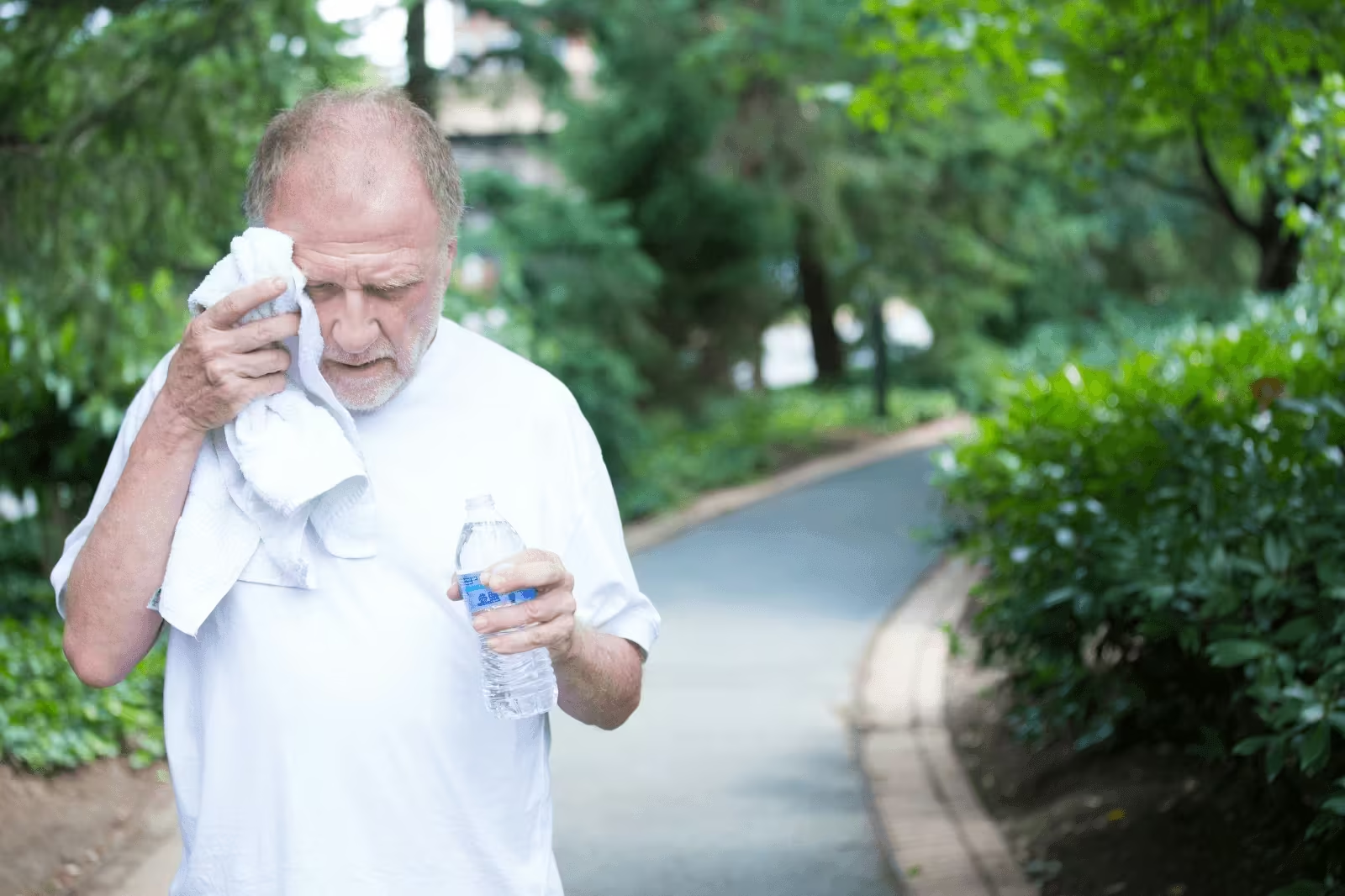
People at higher risk during summer heat include older adults, infants, young children, pregnant people, outdoor workers, athletes, people without reliable cooling, and people with certain medical conditions or medications.
Extra caution is not weakness. It is smart prevention.
Higher-risk groups include:
People with multiple sclerosis often experience heat sensitivity, and many MS wellness resources emphasize cooling strategies, pacing, hydration, and avoiding overheating during summer. This is one reason heat guidance should never be one-size-fits-all.
If you have a medical condition, take medications, or have a history of heat illness, ask a clinician how to adjust fluids, electrolytes, exercise, and cooling strategies during summer.
A good summer routine starts early, protects the middle of the day, and helps the body release heat before sleep.
Start with water before coffee. Add lemon or a pinch of salt if you sweat heavily or plan to be active. Eat a breakfast that includes fluid and protein, such as yogurt with berries, eggs with fruit, or a smoothie with greens and coconut water.
If you exercise, morning is usually best. Keep the first 10 minutes easy so your body can assess the conditions.
Make midday the cooling anchor of the day. This is the time for shade, lighter meals, reduced exertion, breathable clothing, and steady fluids.
A strong midday meal might be a cucumber tomato salad with fish, a chilled rice bowl, or gazpacho with a protein side. If you feel heavy or foggy, choose smaller meals and more frequent hydration.
This is when dehydration often catches up. Use a hydration check. If urine is dark, your mouth is dry, or you have a dull headache, drink fluids and rest in a cooler place.
A mint or hibiscus iced tea, fruit with salt, coconut water, or a light broth can be useful depending on your needs.
Shift from stimulation to recovery. Walk after sunset if the air has cooled. Keep dinner lighter than lunch if hot nights affect your sleep. Try a cool shower, dim lights, and a calming tea.
If you wake hot at night, cool your neck, wrists, or feet. Avoid turning the evening into another cycle of screens, alcohol, and heavy snacks.
Natural cooling strategies are not enough when overheating causes confusion, fainting, collapse, severe weakness, persistent vomiting, chest pain, seizure, or loss of consciousness.
Call emergency services for suspected heat stroke. Move the person to a cooler place, remove unnecessary clothing, and cool the body while waiting for help. Do not give fluids to a person who is confused, unconscious, vomiting repeatedly, or unable to drink safely.
Contact a healthcare professional if you repeatedly feel overheated, dizzy, unusually fatigued, or intolerant of heat. Persistent heat sensitivity can be related to hydration status, medications, thyroid function, cardiovascular issues, menopause, nervous system conditions, or other health concerns.
Water is the best drink for removing heat from the body because it supports sweating, circulation, and temperature regulation. For heavier sweating, coconut water, citrus water with a small pinch of sea salt, hibiscus tea, mint tea, or an electrolyte drink can help replace fluids and minerals.
You can reduce body heat naturally by drinking water consistently, eating cooling foods, staying in shade, wearing loose breathable clothing, avoiding midday exertion, applying cool cloths to the neck and wrists, and choosing lighter meals. Cooling foods such as cucumber, watermelon, celery, citrus, mint, and leafy greens can also help the body feel less overheated.
Watermelon is one of the best fruits for reducing heat because it is high in water, naturally refreshing, and easy to digest. Other helpful summer fruits include oranges, berries, cantaloupe, honeydew, peaches, pineapple, and grapefruit.
The five common heat-related conditions are heat rash, heat cramps, heat syncope, heat exhaustion, and heat stroke. Heat stroke is the most dangerous stage and requires emergency medical care, especially if there is confusion, fainting, seizure, collapse, or loss of consciousness.
Drinks that help with heat stress include water, oral rehydration drinks, electrolyte drinks, coconut water, mineral water, citrus water with a pinch of salt, and light broths. Hibiscus tea and mint tea can also be refreshing, but severe heat stress needs cooling and medical attention, not only fluids.
The fastest way to cool your body down in summer is to stop activity, move to shade or air conditioning, loosen tight clothing, sip water if you are alert, and apply cool water or damp cloths to the neck, wrists, armpits, and groin. Call emergency services if there is confusion, fainting, collapse, seizure, or severe weakness.
Summer solstice wellness is about rhythm. The body can enjoy long days, sunlight, movement, and seasonal abundance when it is supported with hydration, minerals, cooling foods, shade, rest, and intelligent pacing.
The best approach is not extreme. Drink earlier. Eat lighter. Move at cooler times. Sleep in a cooler room. Learn your warning signs. Use herbs and acupressure gently. Seek medical help when symptoms are serious.
At ACA Acupuncture & Wellness, we take a personalized approach to summer wellness by looking at sleep, digestion, stress, sweating, energy, and overall resilience. If summer tends to leave you feeling drained, restless, overheated, or out of balance, request an appointment today and get personalized acupuncture care that helps your body feel steadier, cooler, and more resilient through the warmer months.
Sources:
Centers for Disease Control and Prevention. (2026). Heat-related illnesses.
National Weather Service. (n.d.). Heat cramps, exhaustion, stroke.
National Oceanic and Atmospheric Administration. (2026). Annual 2025 global climate report.

Recent Comments