


Acupuncture works better with physical therapy because it reduces pain, muscle tension, and inflammation, making it easier to move, tolerate rehabilitation exercises, and recover function more effectively.
Pain relief alone is not always enough to heal an injury or restore movement. Many people begin physical therapy but struggle because pain, stiffness, or muscle tension makes exercise uncomfortable. Others try acupuncture for symptom relief but still feel limited in strength, mobility, or stability.
This is where combining acupuncture with physical therapy can help.
Rather than competing approaches, acupuncture and physical therapy often complement one another. Acupuncture can calm pain signals, reduce muscle tightness, and improve circulation, while physical therapy helps retrain movement, rebuild strength, and restore long-term function. Together, they create a more complete recovery strategy that addresses both symptoms and the underlying movement problem.
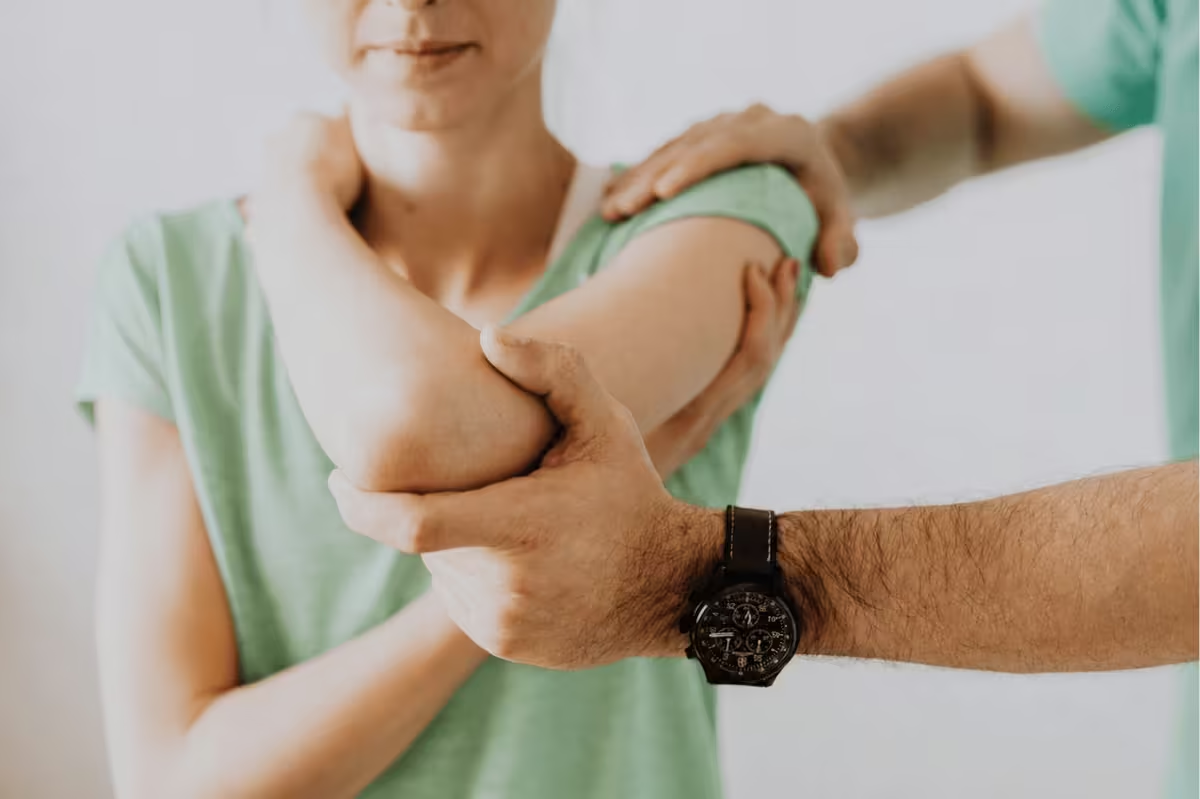
Acupuncture helps calm pain and improve tissue readiness, while physical therapy restores movement and function. Together, they support both short-term relief and long-term recovery.
Many painful conditions involve two separate problems happening at the same time.
The first problem is pain, inflammation, muscle guarding, or nervous system sensitivity. The second problem is dysfunction, meaning weakness, poor movement mechanics, stiffness, instability, or compensation patterns that developed over time.
Acupuncture primarily addresses the pain and nervous system side of recovery. Physical therapy focuses on restoring movement, mobility, strength, and coordination.
When combined, these treatments may help patients move better and participate more fully in rehabilitation.
Acupuncture works through several mechanisms that modern pain science increasingly recognizes.
Fine needles stimulate the nervous system and may trigger the release of natural pain-relieving chemicals such as endorphins and serotonin. These neurochemicals can help reduce pain sensitivity and improve relaxation.
Acupuncture may also help regulate overactive pain signaling. In people with chronic pain, the nervous system sometimes becomes hypersensitive, a process known as central sensitization. Even minor movements can feel painful because the body becomes overly protective.
By calming pain signaling, acupuncture may create a better opportunity for rehabilitation exercises.
Many patients describe this as feeling “looser” or more comfortable moving after treatment.
Pain relief matters, but recovery also depends on restoring movement.
Physical therapy focuses on improving mobility, rebuilding strength, correcting posture, and retraining movement patterns that may have contributed to pain in the first place.
For example, someone with low back pain may have weak core muscles, poor hip mobility, or movement compensations that continue stressing the spine. A physical therapist works to correct these patterns through targeted exercises and manual techniques.
Without restoring function, pain relief may only be temporary.
Some patients struggle with physical therapy because pain limits participation. Exercises that should help recovery may feel too uncomfortable to perform consistently.
On the other hand, relying only on acupuncture may relieve symptoms without fully correcting the mechanical issues contributing to the problem.
This is why an integrated approach often works well. Acupuncture may make physical therapy more tolerable, while physical therapy helps create lasting improvements in movement and strength.
Reduced pain and muscle tension often create a better window for movement, allowing patients to participate more comfortably in rehabilitation exercises.
Pain changes how the body moves.
When something hurts, people naturally avoid certain motions, guard muscles, or shift weight away from painful areas. Over time, this can create new movement problems.
Acupuncture may help reduce discomfort enough for patients to participate more fully in physical therapy exercises.
For example, someone with shoulder pain might struggle to lift their arm during rehabilitation. After acupuncture reduces pain and muscle guarding, stretching and mobility work may feel easier and more productive.
This temporary “window of opportunity” can improve rehabilitation sessions.
Tight muscles often limit progress in physical therapy.
Acupuncture is commonly used to address trigger points, muscle tension, spasms, and fascial restrictions that interfere with movement.
When muscles relax, physical therapists may be able to work more effectively on flexibility, joint mobility, and strengthening.
This can be especially helpful for people with:
Healing tissues require oxygen, circulation, and nutrient delivery.
Acupuncture may support blood flow to injured areas while also helping reduce swelling and localized inflammation.
Physical therapy then builds on that progress through movement-based rehabilitation that strengthens tissues and restores function.
Instead of simply masking pain, the goal becomes improving how the body heals and moves.
Pain is not only physical.
Stress, poor sleep, anxiety, and nervous system overload can influence how strongly people experience pain.
When the body remains stuck in a heightened stress response, muscles tend to stay tight and recovery can feel slower.
Acupuncture may help regulate the autonomic nervous system and encourage a more restorative state. Patients often report feeling calmer or more relaxed after treatment, which may support overall recovery and pain tolerance.
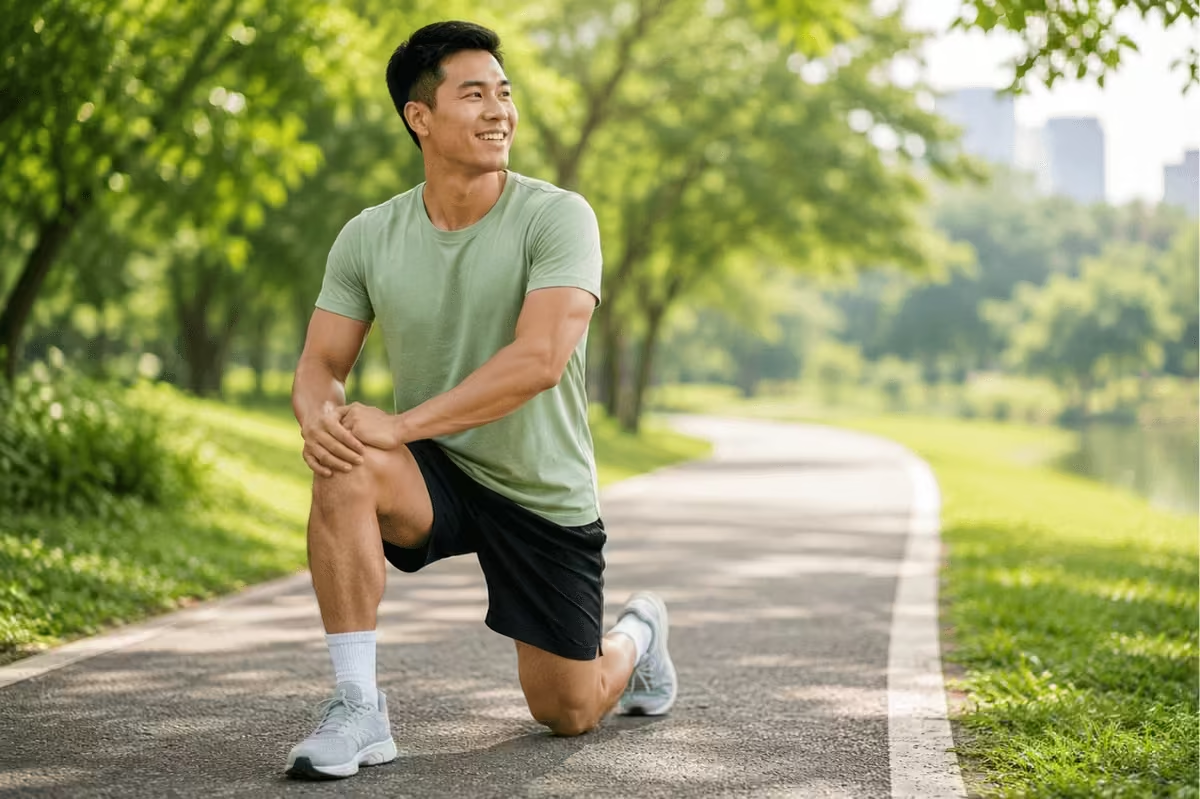
Combined acupuncture and physical therapy are commonly used for conditions involving both pain and movement dysfunction.
Back pain often involves more than one issue at a time.
Muscle tension, joint stiffness, disc irritation, poor posture, and movement compensations can all contribute to symptoms.
Acupuncture may help calm pain and reduce muscle tightness, while physical therapy addresses stability, posture, mobility, and strength.
People who spend long hours at desks commonly develop tight shoulders, neck stiffness, headaches, and poor posture.
Acupuncture may help relax overworked muscles while physical therapy focuses on posture correction and movement retraining.
Frozen shoulder can severely limit mobility and make rehabilitation painful.
Acupuncture may help reduce pain and muscle guarding, making range-of-motion exercises easier to tolerate.
Physical therapy remains essential for restoring shoulder function and preventing long-term stiffness.
Athletes often use acupuncture and physical therapy together during recovery from:
Acupuncture may help manage pain and muscle tightness, while physical therapy restores strength, mobility, and sport-specific movement.
Arthritis-related pain and stiffness can make movement difficult.
Acupuncture may help reduce discomfort, while physical therapy improves joint stability, mobility, and muscle strength that supports the knee.
Recovery after orthopedic surgery often includes pain, swelling, stiffness, and muscle weakness.
Some rehabilitation programs incorporate acupuncture to help reduce discomfort and stiffness while physical therapy rebuilds strength and movement.
Most combined treatment plans use acupuncture to reduce pain and improve mobility while physical therapy focuses on rebuilding strength and movement quality.
Every recovery plan looks different, but many patients receive acupuncture and physical therapy during the same phase of treatment.
Acupuncture may happen before physical therapy to help reduce pain and loosen tight muscles before exercises begin.
Physical therapy sessions then focus on movement retraining, stretching, strengthening, balance work, and correcting biomechanics.
Some people alternate treatment days, while others receive same-day care depending on scheduling and clinical recommendations.
The right frequency depends on pain severity, goals, injury type, and how the body responds.
The best place to start depends on your pain level, movement limitations, and overall condition, but many people benefit from using both together.
If pain is severe and movement feels nearly impossible, acupuncture may help create enough relief to begin rehabilitation more comfortably.
If weakness, instability, or poor movement patterns are the main concern, physical therapy may become the primary focus.
In many cases, the strongest approach is not choosing one over the other. It is using both strategically.
The number of sessions depends on the condition, pain severity, and recovery goals. Some people feel improvement within a few visits, while chronic or post-surgical cases may need a longer treatment plan.
Yes, they can often be done on the same day. Some patients prefer acupuncture first to reduce pain and stiffness before physical therapy exercises.
Yes. Acupuncture and physical therapy may help with lingering pain, stiffness, weakness, or compensation patterns from older injuries.
Acupuncture may help reduce muscle tension, soreness, and discomfort after rehabilitation exercises, especially when the body is adjusting to new movement.
People with pain, stiffness, limited mobility, sports injuries, arthritis, postural tension, or post-surgical weakness may benefit from combining both therapies.
Not exactly. Acupuncture mainly helps with pain, tension, and nervous system regulation, while physical therapy focuses on strength, mobility, and long-term movement correction.

Recovery often requires more than pain relief alone.
Acupuncture and physical therapy work differently, but together they may offer a more complete approach to healing. Acupuncture may help reduce pain, muscle tension, and nervous system sensitivity, while physical therapy focuses on rebuilding strength, restoring movement, and improving long-term function.
For people struggling with chronic pain, stiffness, sports injuries, or post-surgical rehabilitation, combining these therapies may create a smoother and more effective recovery process.
The best results usually come from individualized care plans that address both pain and movement, rather than focusing on only one side of recovery.
Sources:
Xu, B., Zhang, L., Zhao, X., Feng, S., Li, J., & Xu, Y. (2024). Efficacy of combining acupuncture and physical therapy for the management of patients with frozen shoulder: A systematic review and meta-analysis. Pain Management Nursing, 25(6), 596–605.

Recent Comments