

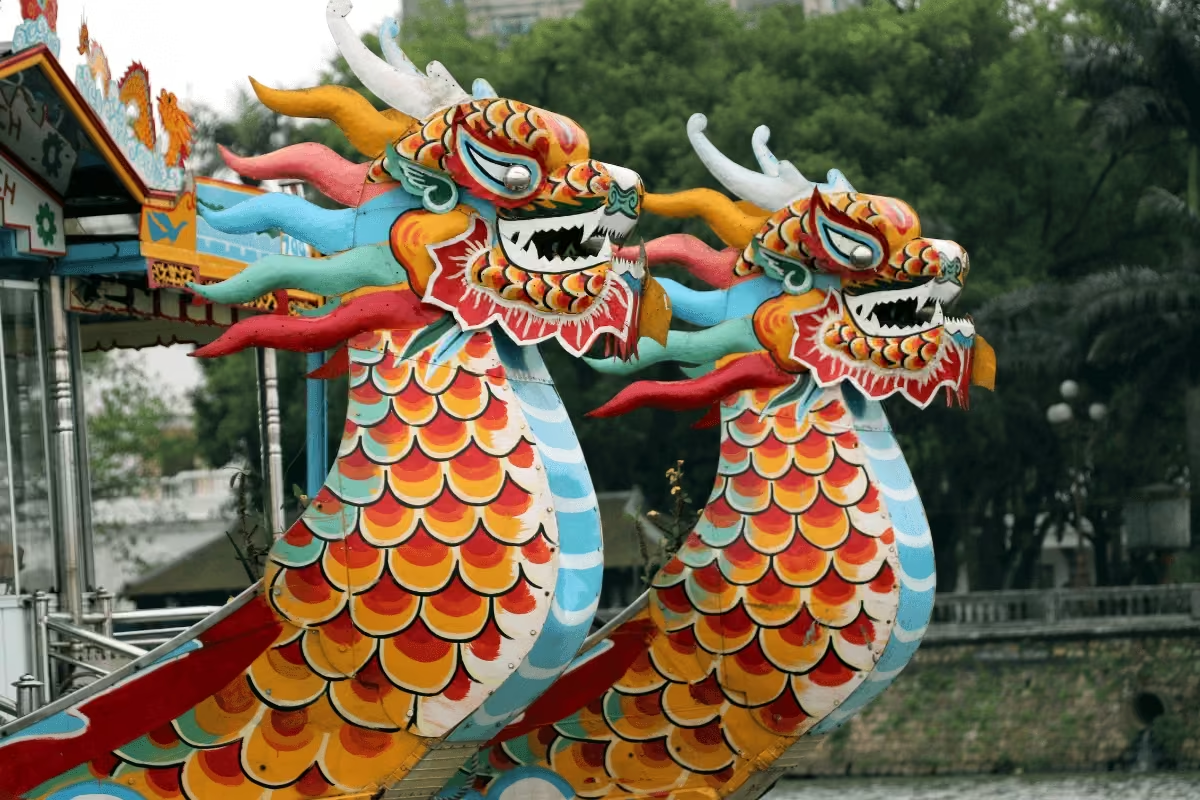
Dragon Boat Festival wellness is rooted in the Traditional Chinese Medicine idea that early summer is the time to prevent heat, dampness, digestive heaviness, emotional agitation, and seasonal fatigue before they become stronger.
The Dragon Boat Festival, also known as Duanwu Festival, is often recognized for dragon boat racing, zongzi, mugwort, calamus, and the story of Qu Yuan. Yet beneath these cultural traditions is a practical seasonal health message. The festival arrives as summer heat rises, humidity builds, insects become more active, and the body begins adjusting to longer, warmer, more Yang days.
In Traditional Chinese Medicine, summer is not only a change in weather. It is a shift in the body’s rhythm. The season is associated with peak Yang energy, the Fire element, the Heart system, circulation, joy, sweating, sleep, and emotional vitality. When summer energy is balanced, it can feel expansive, social, creative, and energizing. When it becomes excessive, it may show up as irritability, poor sleep, bloating, fatigue, restlessness, thirst, heavy limbs, or digestive sluggishness.
The wellness wisdom of the Dragon Boat Festival is simple: prepare the body for summer before imbalance takes hold. That means eating in a way that clears heat without weakening digestion, moving enough to circulate Qi without exhausting the body, resting before burnout, and using seasonal customs as reminders to protect the home, the Heart, and the digestive system.
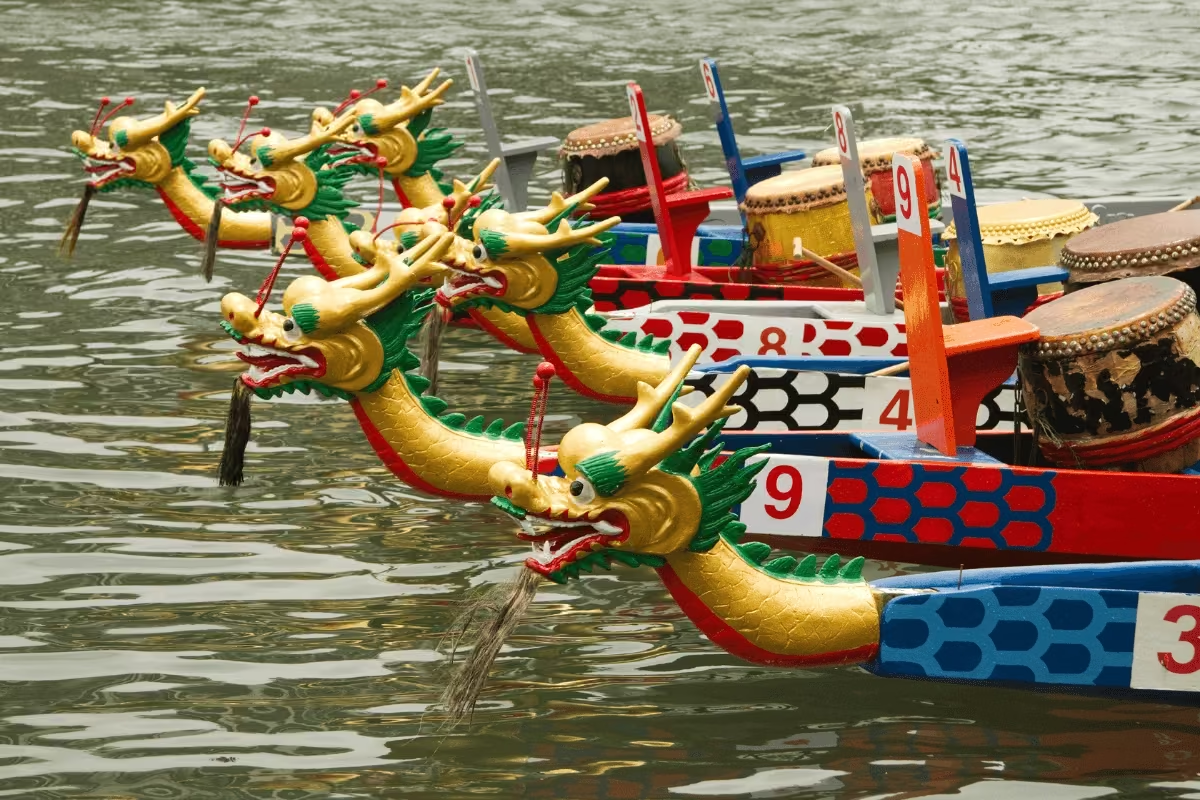
The Dragon Boat Festival is a seasonal health reminder because it arrives at the beginning of summer, when heat, humidity, insects, rich festival foods, and increased activity can challenge the body.
Duanwu falls on the fifth day of the fifth lunar month. Many of its best-known customs are cultural, historical, and symbolic, but they also reflect older ideas about seasonal protection. Dragon boat racing expresses movement, rhythm, teamwork, and Yang activity. Zongzi connects families to memory, ritual, and nourishment. Mugwort, calamus, and aromatic sachets reflect the desire to protect the household during a time traditionally viewed as vulnerable to illness, pests, and environmental heaviness.
In TCM, this timing matters. Early summer is when the body begins responding to stronger sunlight, warmer air, longer days, increased sweating, and heavier humidity. These changes can be beneficial when the body adapts well. They can become disruptive when digestion is weak, fluids are depleted, sleep is shortened, or emotional energy becomes overstimulated.
This is why Dragon Boat Festival wellness still feels relevant today. It gives modern readers a seasonal framework for summer health that is practical, culturally rich, and deeply preventive.
In Traditional Chinese Medicine, summer is the season of peak Yang energy. Yang is warm, active, bright, expansive, and outward-moving, so summer wellness depends on enjoying energy and connection without tipping into heat, agitation, or exhaustion.
TCM organizes seasonal health through patterns in nature. Spring is associated with growth and movement. Summer is associated with fullness, warmth, expansion, and expression. This is the most Yang time of the year, which means the body naturally wants to move outward through activity, social connection, sweating, and emotional openness.
Summer is also associated with the Fire element and the Heart system. In TCM, the Heart is not limited to the anatomical heart. It is connected with circulation, sleep, consciousness, joy, speech, emotional regulation, and the Shen, often understood as the spirit or mental presence.
Dragon Boat Festival wellness teaches that summer should be enjoyed, not feared. The goal is not to suppress Yang energy. The goal is to guide it. Healthy summer living allows warmth, joy, and activity while protecting the body from extremes.
Summer heat and dampness are two of the most important seasonal patterns in TCM. Heat creates thirst, agitation, sweating, and restlessness, while dampness creates heaviness, bloating, swelling, sluggish digestion, and fatigue.
Hot weather is not the only challenge of summer. In many places, humidity is just as important. TCM describes this heavy, sticky environmental quality as dampness. Dampness can come from the outside environment, but it can also develop internally when digestion is overburdened.
Internal dampness is often linked with the Spleen and Stomach in TCM. These systems are responsible for transforming food and fluids into usable energy. When digestion is weakened or overloaded, fluids may not move smoothly. The body may feel heavy, swollen, cloudy, or slow.
The Dragon Boat Festival arrives at the moment when these patterns may begin to build. Its customs encourage people to refresh the environment, eat with awareness, move the body, protect digestion, and avoid extremes.
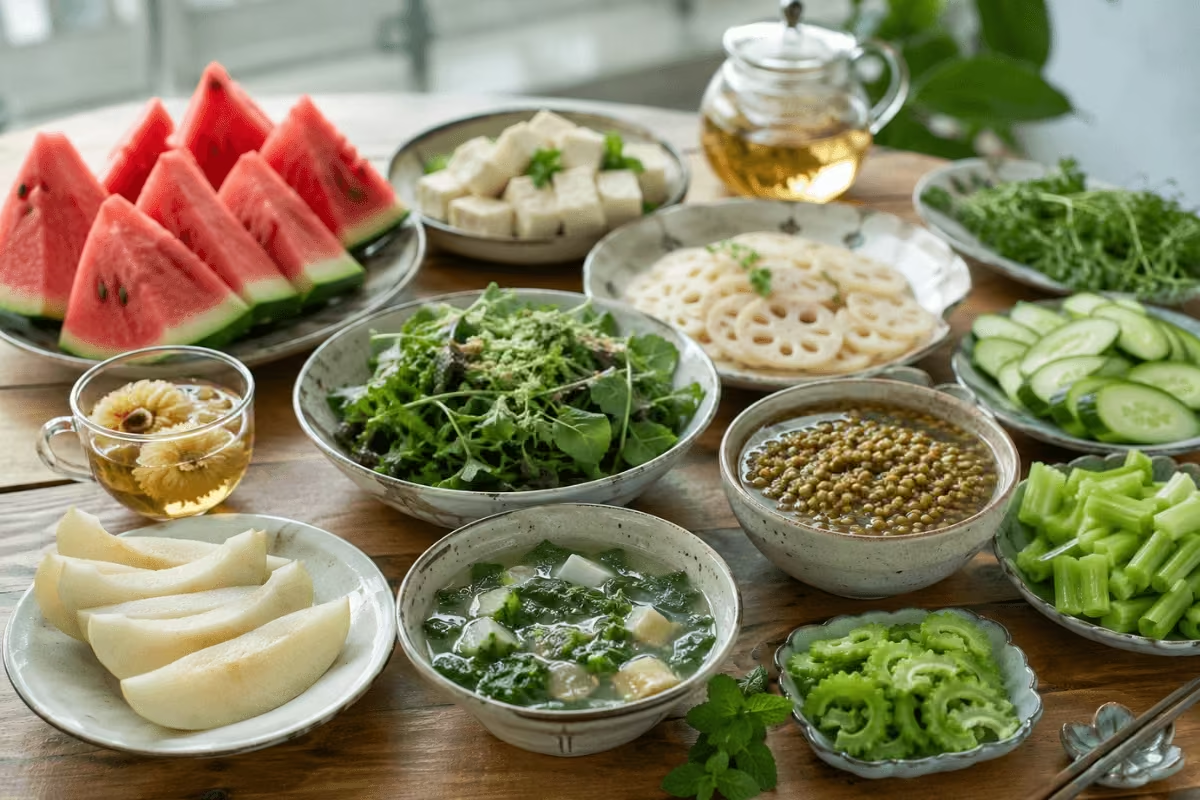
A TCM summer diet focuses on clearing excess heat, protecting fluids, supporting digestion, and preventing dampness. The best summer meals are usually light, colorful, hydrating, seasonal, and easy to digest.
Cooling foods in TCM do not need to be frozen or ice-cold. A food can be energetically cooling even when served warm, lightly cooked, or at room temperature. This is an important distinction. TCM looks at how food affects the body after digestion, not only its physical temperature.
Mung beans are especially relevant during summer because they are commonly used in Chinese food therapy to help clear heat and ease seasonal heaviness. Cucumber and watermelon support hydration. Lotus root can help nourish fluids. Bitter greens can help balance Fire when used appropriately.
The goal is not restriction. The goal is seasonal intelligence. During summer, the body often does better with meals that are lighter but still nourishing.
Zongzi is the signature food of the Dragon Boat Festival, but it is dense and filling because it is usually made with glutinous rice. TCM-inspired eating does not require avoiding zongzi. It encourages moderation, timing, and digestive awareness.
Zongzi carries cultural meaning. It connects families to the festival, to regional food traditions, and to the memory of Qu Yuan. Some versions are sweet. Others are savory. Fillings may include red dates, beans, pork, salted egg yolk, peanuts, chestnuts, mushrooms, or other regional ingredients.
From a digestive perspective, zongzi can feel heavy because sticky rice is dense. It may be especially challenging for people who already experience bloating, reflux, poor appetite, loose stools, fatigue after eating, or signs of dampness.
Zongzi should not be treated as unhealthy simply because it is rich. It is festival food. The TCM lesson is to enjoy it with respect for digestion.
TCM cautions against excessive iced drinks because cold temperature can weaken digestive function and contribute to internal dampness. Summer hydration is essential, but TCM favors steady fluids, room-temperature water, light teas, and cooling foods over constant cold beverages.
This is one of the most misunderstood summer teachings in Chinese medicine. TCM is not anti-hydration. It does not suggest ignoring thirst. It teaches that the digestive system works best when its transforming and transporting function remains active.
In TCM language, the Spleen and Stomach prefer warmth and regularity. When a person drinks iced beverages all day, especially with meals, digestion may feel slower. Some people notice bloating, cramping, loose stools, reduced appetite, or a heavy feeling in the abdomen.
This does not mean a cold drink is harmful for everyone. It means that constant iced drinks may not be ideal for people with weak digestion, bloating, dampness, fatigue, or cold sensitivity.
Heat safety still matters. Anyone experiencing dizziness, fainting, confusion, rapid heartbeat, severe weakness, or signs of heat illness should seek appropriate medical care.
Mugwort, calamus, and herbal sachets are Dragon Boat Festival customs connected with protection, purification, insects, and seasonal transition. In TCM, aromatic herbs are valued for their ability to move, open, disperse, and transform heaviness.
During Duanwu, families traditionally hung mugwort and calamus near doors. Children sometimes wore fragrant sachets filled with aromatic herbs. These practices were associated with warding off harmful influences, refreshing the home, repelling pests, and protecting the household during a season historically viewed as vulnerable to illness.
Aromatic herbs have a particular role in Chinese medicine. Their fragrance is associated with movement. They can help cut through heaviness, refresh the senses, and shift the feeling of a space. This makes them symbolically and practically suited to the humid, insect-heavy, heat-rising season around Dragon Boat Festival.
Mugwort also has a clinical role in moxibustion, a TCM technique in which processed mugwort is burned near specific acupuncture points to warm and stimulate the body. This is different from simply hanging mugwort at the door. Moxibustion should be performed or guided by a trained practitioner.
The modern lesson is not to copy every ancient custom literally. It is to understand the seasonal wisdom behind the custom: refresh your space, improve airflow, reduce pests, lighten the environment, and pay attention to how the home affects the body.
Dragon boat racing expresses the healthy Yang of summer through movement, rhythm, teamwork, and joy. The TCM lesson is not extreme exertion. It is circulation without depletion.
Summer is the season when the body naturally wants to move outward. Movement helps Qi circulate, supports sweating, releases tension, and connects the body with the season. Dragon boat racing captures this through synchronized paddling, collective effort, and rhythmic intensity.
There is also a Heart-centered lesson in the race. Dragon boat racing is communal. Paddlers move together. The drum sets the rhythm. The group becomes coordinated through shared timing and shared effort. In TCM, this reflects the Heart’s relationship with joy, communication, connection, and collective vitality.
The best summer movement leaves the body open, warm, and refreshed. If exercise creates exhaustion, overheating, or poor sleep, the timing, intensity, or recovery plan needs adjustment.
Summer belongs to the Heart in TCM, so emotional health is central to summer wellness. The goal is not to suppress joy. The goal is to enjoy life without overstimulation, scattered attention, or burnout.
The Heart system is connected with Shen, which refers to mental clarity, emotional presence, spirit, and consciousness. When the Heart is settled, people often sleep better, communicate more clearly, feel emotionally steady, and experience joy without agitation.
Modern summer can easily disturb this balance. Longer days can lead to later nights. Social events can become overcommitment. Travel can disrupt meals and sleep. Heat can increase irritability. Screens, caffeine, alcohol, and constant activity can make the mind feel overstimulated.
Try this for three minutes in the afternoon or evening:
This practice is simple, but it reflects a core summer principle: the Heart needs space.
Summer sleep in TCM follows the season’s longer light while still protecting recovery. Many people do well with slightly earlier mornings, a calm evening routine, and a short midday rest during the hottest part of the day.
Because summer is more Yang, people may naturally feel drawn to longer days and more activity. This can be healthy when balanced. It becomes harmful when late nights, heat, stress, alcohol, heavy meals, and screens begin to deplete Yin and disturb the Heart.
Sleep is especially important in summer because sweating, heat, and activity can consume fluids and energy. Rest helps restore Yin, settle the Shen, and prevent the nervous system from staying activated.
A short rest during the hottest part of the day can prevent summer Yang from becoming excessive. Even 20 to 30 minutes of quiet time, breathing, or closing the eyes may help restore energy. This is especially useful for people who feel heavy, overheated, irritable, or mentally scattered in the afternoon.
A midday rest does not need to be a deep nap. It can be a pause that tells the body it does not have to push through heat at full speed.
Acupuncture, cupping, and moxibustion can support summer wellness by helping the body regulate stress, circulation, digestion, tension, sleep, and seasonal transitions. These therapies should be personalized because TCM treatment depends on each person’s pattern.
Acupuncture is often used to support the body’s regulatory systems. In a summer wellness context, a practitioner may look at heat signs, dampness signs, sleep quality, digestion, sweating, thirst, emotional stress, headaches, muscle tension, and fatigue. Point selection depends on the person, not only the season.
Cupping may be used to support circulation and release muscle tension. It is often requested for tight shoulders, upper back tension, neck discomfort, and a feeling of stagnation. Cupping can leave temporary circular marks, so proper technique and informed expectations matter.
Moxibustion uses processed mugwort near acupuncture points to warm and stimulate the body. Although mugwort is associated with Dragon Boat Festival, moxibustion is not automatically appropriate for every summer pattern. Someone with strong heat signs may not need warming techniques. This is why practitioner guidance matters.
A Dragon Boat Festival-inspired routine should clear heat, transform dampness, protect digestion, support the Heart, and preserve energy. The most effective routine is simple enough to repeat.
The morning is the best time to move with the rising energy of the day.
Try:
Good breakfast options may include congee, oatmeal, eggs with greens, rice porridge, warm soup, or a simple protein with lightly cooked vegetables.
Midday is when heat is strongest.
Try:
A good lunch may include rice, tofu or fish, steamed greens, cucumber, and a light soup.
The afternoon is when dampness and fatigue may become more noticeable.
Try:
If you feel foggy, heavy, or bloated, review lunch, hydration, sleep, and iced drink intake.
Evening is the time to help Yang settle.
Try:
The evening routine is especially important for Heart balance. A calm night protects sleep, and sleep protects summer resilience.
Choose one or two repeatable practices each week.
Options include:
The best wellness plan is not the most complicated one. It is the one you can actually maintain.

Summer imbalance may need more support when symptoms repeat, intensify, or interfere with daily life. TCM can be helpful, but persistent or severe symptoms should also be medically evaluated.
Seasonal self-care is useful, but it is not a replacement for proper care when symptoms are significant. TCM is strongest when it is individualized.
The Dragon Boat Festival is important in Chinese culture because it honors Qu Yuan, brings communities together through dragon boat racing and zongzi, and preserves traditional customs for health, protection, and summer seasonal balance.
The Dragon Boat Festival is connected with health because it occurs as summer heat and humidity rise. Its traditional customs reflect a preventive approach to seasonal wellness, household protection, digestion, movement, and emotional balance.
Summer is linked with the Heart because it corresponds to the Fire element, Yang energy, joy, circulation, sweating, sleep, and emotional expression. TCM uses this relationship to explain why summer can bring both vitality and restlessness.
Common TCM summer foods include watermelon, cucumber, mung beans, lotus root, leafy greens, tofu, pear, mint, and chrysanthemum tea. These foods are used to cool, hydrate, and lighten the body during hot weather.
Zongzi can be part of a healthy festival meal when eaten in moderation. Because it is usually made with glutinous rice, it can be dense and heavy for digestion, so smaller portions and lighter pairings are best.
TCM discourages excessive iced drinks because cold temperature can weaken digestive function and contribute to internal dampness. The goal is not to avoid hydration, but to hydrate in a way that supports digestion.
The Dragon Boat Festival is more than a cultural celebration. It is a seasonal reset that teaches prevention, moderation, protection, movement, and rest.
Its customs point toward a practical way to live with summer. Eat cooling foods, but do not weaken digestion. Enjoy zongzi, but respect its richness. Move the body, but avoid overheating. Celebrate joy, but protect the Heart from burnout. Use herbs and aromatics with respect. Rest before exhaustion becomes the body’s only signal.
Traditional Chinese Medicine does not ask people to fight summer. It asks them to move with it wisely. Duanwu reminds us that the healthiest summer is not the busiest one. It is the one where warmth, joy, nourishment, and rest stay in balance.
At ACA Acupuncture & Wellness, our acupuncturists can help you understand your summer health patterns through a personalized Traditional Chinese Medicine perspective. If you are dealing with seasonal fatigue, poor sleep, digestive heaviness, stress, tension, or heat-related discomfort, acupuncture and supportive lifestyle guidance may help you feel more balanced through the warmer months. Contact us to schedule a visit, or find our clinic nearest you.
Sources:
Gu, W., Zhang, Y., Long, C., & Li, R. (2021). Ethnobotanical study on medicinal plants from the Dragon Boat Festival herbal markets in Qianxinan, southwestern Guizhou, China. Journal of Ethnobiology and Ethnomedicine, 17, 1-17.
National Center for Complementary and Integrative Health. (2025). Acupuncture: Effectiveness and safety. National Institutes of Health.
World Health Organization. (2026). Heat and health. World Health Organization.

Recent Comments