

Last Updated: June 29, 2026
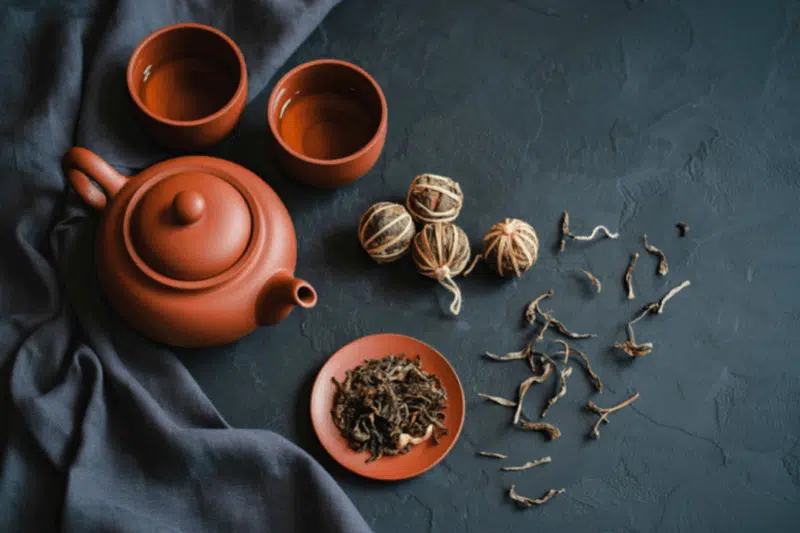
Chinese herbal teas are used in Traditional Chinese Medicine to support sleep, digestion, and stress by matching herbs to the body’s pattern of imbalance. Sleep teas often calm the Shen, digestive teas often support the Spleen and Stomach, and stress teas often help move Liver Qi.
Herbal tea can be a simple daily ritual, but in Chinese medicine, it is also more than a warm drink. Each herb has a temperature, flavor, channel relationship, and traditional function. A tea that feels calming for one person may feel too cooling, too warming, or too stimulating for another.
That is why Traditional Chinese Medicine, often called TCM, does not choose herbs by symptom alone. It looks at the whole pattern. Sleep, digestion, stress, body temperature, energy, mood, appetite, bowel habits, and overall constitution all help guide the right choice.
At ACA Acupuncture & Wellness, herbal recommendations are often considered alongside acupuncture and other supportive therapies. The goal is not to chase one symptom at a time. The goal is to understand why the body is feeling restless, sluggish, tense, depleted, or out of rhythm.
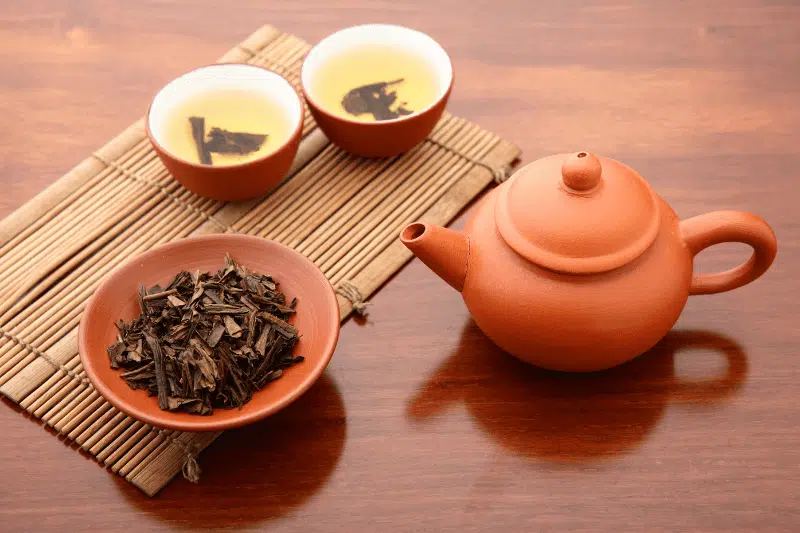
Chinese herbal teas work by matching the qualities of an herb to the pattern showing up in the body. In TCM, herbs are commonly understood through temperature, flavor, organ channel, and function.
A warming herb may be used when digestion feels cold, slow, or heavy. A cooling herb may be used when stress shows up with heat signs such as irritability, red eyes, headaches, or restlessness. A sweet or neutral herb may help harmonize a blend or support the Spleen and Stomach.
Common TCM concepts include:
This pattern-based approach is what makes Chinese herbal medicine different from a simple “one tea for one symptom” model.
Racing thoughts before sleep may be associated with a Shen disturbance or an imbalance involving the Heart or Liver. Suan Zao Ren or Bai Zi Ren may be considered, depending on the full pattern.
Frequent waking or vivid dreams may reflect a Heart and Liver Blood deficiency pattern. Suan Zao Ren is commonly considered for this type of sleep disturbance.
Bloating that becomes worse during periods of stress may indicate that constrained Liver Qi is affecting the Spleen and Stomach. Peppermint or Bo He may provide gentle support, while a formula such as Xiao Yao San should be used with practitioner guidance.
Slow digestion, abdominal coldness, or symptoms that improve with warmth may be associated with Cold in the Stomach or Spleen Yang weakness. Ginger tea is often considered for this pattern.
Irritability accompanied by headaches, red or tired eyes, or facial tension may reflect Liver heat or constrained Liver Qi. Chrysanthemum tea may be considered when cooling support is appropriate.
Emotional heaviness, grief, frustration, or difficulty relaxing may be associated with Liver Qi constraint and an unsettled Shen. He Huan Pi is traditionally considered for this type of emotional tension.
Abdominal fullness, heaviness, bloating, or a sensation of sluggishness may involve dampness, phlegm, or Qi stagnation. Hou Po may be considered, but it should generally be used with guidance from a licensed practitioner.
Mild restlessness or difficulty winding down in the evening may be related to continued nervous system activation. Gentle teas such as chamomile, lavender, or lemon balm may support relaxation.
This guide provides general information and is not a diagnosis. A licensed practitioner can help determine whether your symptoms reflect heat, cold, dampness, deficiency, stagnation, or a combination of patterns.
The best Chinese herbal teas for sleep are the ones that match the reason sleep is disturbed. In Traditional Chinese Medicine, insomnia may involve an unsettled Shen, Heart Blood deficiency, Liver imbalance, Yin deficiency, phlegm-heat, or stress-related Qi stagnation.
Sleep issues can look different from person to person. Some people cannot fall asleep because their mind races. Others fall asleep but wake often. Some wake around the same time every night. Others sleep lightly, dream intensely, or feel tired even after a full night in bed.
Chinese herbal tea works best when the pattern behind the sleep issue is understood.
Suan Zao Ren, or sour jujube seed, is one of the most recognized Chinese herbs for sleep support. In TCM, it is traditionally used to nourish the Heart and Liver, calm the Shen, and support more settled rest.
It is often considered when sleep is affected by restlessness, irritability, vivid dreams, or waking during the night. In formula form, Suan Zao Ren is also the lead herb in Suan Zao Ren Tang, a traditional formula studied for insomnia. Clinical research has explored Suan Zao Ren decoction for insomnia, although research quality and formula selection vary across studies.
Best suited for: restless sleep, waking at night, vivid dreams, and a busy mind.
Preparation note: Suan Zao Ren is a seed, so it is usually simmered rather than steeped quickly like a flower tea.
Bai Zi Ren, or arborvitae seed, is traditionally used to nourish the Heart, calm the Shen, and moisten dryness. It may be considered when sleep trouble appears with overthinking, emotional sensitivity, dryness, or mild constipation.
In Chinese medicine, this matters because sleep is not separated from the rest of the body. A person with dryness, deficiency, and restlessness may need a different approach than someone with heat, phlegm, or digestive heaviness.
Best suited for: light sleep, overthinking, dryness, and restlessness connected with deficiency patterns.
Preparation note: Like Suan Zao Ren, Bai Zi Ren is a seed and is usually prepared more like a decoction than a quick infusion.
He Huan Pi, or silk tree bark, is traditionally associated with emotional constraint, mood tension, and difficulty settling the mind. It is often used in Chinese medicine when sleep is affected by grief, irritability, frustration, or emotional stress.
Its traditional role is not simply to “make someone sleepy.” It is more closely related to helping ease constraint and calm the Shen when emotional tension is part of the sleep picture.
Best suited for: stress-related sleep disruption, emotional heaviness, irritability, and difficulty unwinding.
Preparation note: Because He Huan Pi is bark, it typically needs simmering to extract its qualities.
Wu Wei Zi, or schisandra berry, is known in Chinese medicine for its five flavors. It is traditionally used to astringe, nourish, and support resilience. In some patterns, it may be used when stress, fatigue, and restlessness overlap.
Wu Wei Zi is not the right choice for every person. Its astringent quality can be useful in some deficiency patterns, but it may not be ideal when there is strong excess heat, acute illness, or stagnation that needs to move outward.
Best suited for: stress-related depletion, scattered energy, and certain deficiency patterns involving restlessness.
Chamomile and lavender are not classic Chinese herbs in the same way as Suan Zao Ren or He Huan Pi, but they are commonly used in modern wellness routines for relaxation. They may fit well as gentle evening teas when someone wants a calming ritual before bed.
Chamomile is widely used for mild relaxation, while lavender is often associated with calm and sleep routines. These herbs should still be used carefully by people with allergies, medication concerns, pregnancy, or chronic conditions. NCCIH notes that herbal supplements can carry risks, including interactions and contamination concerns, so “natural” does not always mean risk-free.
Best suited for: evening wind-down routines, mild tension, and creating a consistent sleep ritual.
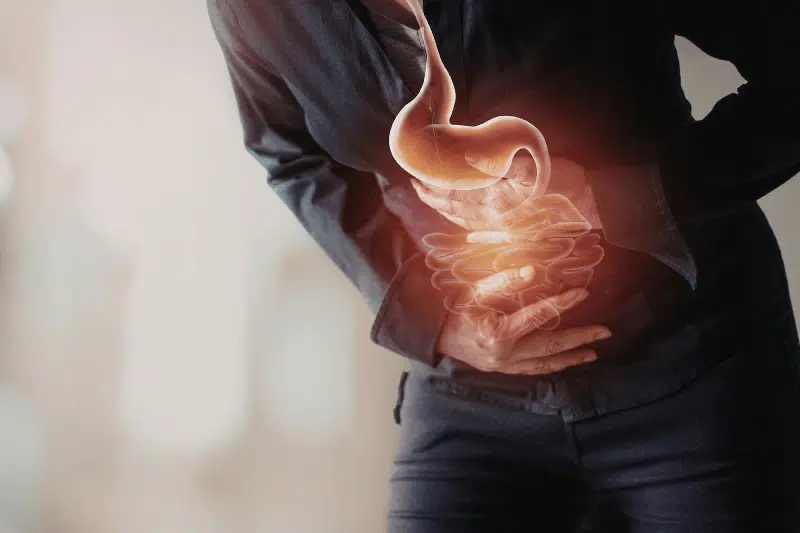
The best Chinese herbal teas for digestion depend on whether the digestive pattern is cold, hot, damp, stagnant, deficient, or stress-related. In TCM, digestion depends heavily on the Spleen and Stomach, which transform food into Qi and Blood.
Digestive symptoms are not always about the food itself. Stress, worry, irregular meals, overeating, cold foods, rich foods, and weak Spleen Qi can all affect how the body processes food.
A person with cold, sluggish digestion may need warmth. A person with irritability, reflux, or heat signs may need a different approach. A person with stress-related bloating may need help moving Qi.
Ginger, known as Sheng Jiang in Chinese medicine, is warming and aromatic. It is commonly used to support the Stomach, ease nausea, and warm cold digestion.
In TCM, ginger is often considered when digestion feels slow, heavy, or cold. A person may feel better with warm drinks, cooked foods, or gentle movement. Ginger has also been widely studied for nausea and digestive support in modern research contexts.
Best suited for: cold digestion, nausea, sluggishness, and feeling better with warmth.
Use with caution if: you have strong heat signs, active reflux, bleeding concerns, or take medications that may interact with ginger.
Peppermint, called Bo He in Chinese medicine, is cooling and moving. It is often used when Qi feels constrained, especially when stress affects the chest, ribs, abdomen, or digestion.
For digestion, peppermint may be considered when bloating, gas, or abdominal tightness worsens with stress. In TCM terms, this may reflect Liver Qi affecting the Spleen and Stomach.
Best suited for: stress-related bloating, abdominal tightness, gas, and a sensation of stuckness.
Use with caution if: you have significant reflux, because peppermint may aggravate symptoms in some people.
Chrysanthemum, or Ju Hua, is cooling and traditionally associated with the Liver channel. It is often used when heat signs appear with stress, irritability, red eyes, headaches, or tension.
For digestion, chrysanthemum may be helpful when digestive discomfort is part of a broader heat or Liver Qi pattern. It is not usually the first choice for cold, weak, or sluggish digestion.
Best suited for: irritability, mild headaches, eye strain, heat signs, and tension-related discomfort.
Licorice, or Gan Cao, is sweet and harmonizing in Chinese medicine. It is often used in formulas to support the Spleen, moderate harsh qualities of other herbs, and bring a formula together.
However, licorice is not appropriate for everyone. It can affect blood pressure, potassium levels, and medication interactions, especially in concentrated forms or frequent use.
Best suited for: formula harmonization and certain Spleen-supportive patterns.
Use with caution if: you have high blood pressure, kidney disease, heart concerns, low potassium, or take medications that may interact with licorice.
Hou Po, or magnolia bark, is a stronger Chinese herb traditionally used to move Qi, transform dampness, and reduce fullness or abdominal distension. It may be considered when digestion feels heavy, stuck, or burdened by dampness.
This is not a casual daily tea for everyone. Hou Po is more medicinal in nature and should generally be selected with professional guidance.
Best suited for: fullness, bloating, dampness, and abdominal distension in appropriate patterns.
The best herbal teas for stress in Chinese medicine are usually chosen based on how stress appears in the body. Stress may show up as Liver Qi stagnation, heat, digestive disruption, sleep disturbance, fatigue, or an unsettled Shen.
Some people become tense and irritable. Others feel heavy, tired, and foggy. Some lose appetite, while others crave sugar or feel bloated after eating. Many people notice that stress affects both sleep and digestion at the same time.
This is why TCM often connects emotional balance with the Liver, Heart, Spleen, and Stomach.
He Huan Pi is one of the most relevant Chinese herbs when emotional tension is central. In TCM, it is traditionally used to help soothe constraint, calm the Shen, and support emotional ease.
It may be considered when stress feels heavy, stuck, or tied to grief, frustration, or mood changes.
Best suited for: emotional tension, irritability, grief-related stress, and difficulty relaxing.
Chrysanthemum is often used when stress has a hot or rising quality. This may include irritability, red eyes, headaches, facial tension, or a feeling of pressure.
In this pattern, stress is not just emotional. It has a physical direction. It may rise upward into the head, eyes, jaw, neck, and shoulders.
Best suited for: stress with heat signs, headaches, eye strain, and irritability.
Wu Wei Zi is often discussed as a resilience-supporting herb. In TCM, it may be used when stress has left a person depleted, scattered, or unable to feel steady.
Because Wu Wei Zi has an astringent quality, it should be chosen carefully. It may not be the right herb when the body needs to release an exterior condition, move strong stagnation, or clear excess heat.
Best suited for: stress-related depletion, scattered focus, and certain deficiency patterns.
Lemon balm, lavender, and passionflower are Western herbs often used in calming tea blends. They are not always classified through traditional Chinese materia medica, but they can still complement a wellness routine when used appropriately.
These herbs may support relaxation, especially when combined with sleep hygiene, acupuncture, breathing practices, and a steady evening routine. However, they may interact with sedatives, sleep medications, anxiety medications, alcohol, or other supplements.
Best suited for: mild stress, evening wind-down routines, and relaxation support.
Chinese herbal tea and Chinese herbal formulas are not the same thing. A simple tea may use one or two gentle herbs, while a Chinese herbal formula is a structured combination designed for a specific pattern.
This distinction matters.
A casual tea, such as ginger or chamomile, may be used as part of a daily routine. A formula, such as Suan Zao Ren Tang, Xiao Yao San, or Wen Dan Tang, has a more specific therapeutic purpose. It is usually selected after assessing the person’s full pattern.
A formula may include chief herbs, deputy herbs, assistant herbs, and harmonizing herbs. These roles help guide the formula’s direction and reduce the chance of imbalance when used correctly.
Because formulas are stronger and more targeted, they should be used with guidance from a licensed practitioner trained in Chinese herbal medicine.
Traditional Chinese herbal formulas are pattern-based combinations, not one-size-fits-all remedies. The same symptom, such as insomnia or bloating, may require different formulas depending on the underlying pattern.
Suan Zao Ren Tang is a classic formula traditionally used for sleep difficulty associated with restlessness, irritability, and deficiency patterns. Its lead herb is Suan Zao Ren.
It is often discussed in relation to insomnia, and research has evaluated Suan Zao Ren decoction for sleep support. However, studies vary in design and quality, so it should not be treated as a universal sleep solution.
Traditionally considered for: restless sleep, irritability, night waking, and deficiency-related insomnia patterns.
Xiao Yao San, often translated as Free and Easy Wanderer, is a well-known formula for Liver Qi stagnation with Spleen involvement. It is often considered when stress, mood changes, digestion, and hormonal patterns overlap.
In a TCM pattern, Liver Qi stagnation may disrupt the Spleen and Stomach. This can lead to bloating, appetite changes, fatigue, tension, and emotional reactivity.
Traditionally considered for: stress-related digestive issues, mood changes, PMS-related patterns, and Liver Qi stagnation.
Wen Dan Tang is traditionally used when phlegm, dampness, Stomach disharmony, and Gallbladder heat contribute to unsettled sleep or anxiety-like symptoms.
This pattern may include poor digestion, nausea, heaviness, chest discomfort, a thick tongue coating, or a sense of mental fog.
Traditionally considered for: sleep trouble with digestive heaviness, phlegm-dampness, nausea, or unsettled feelings.
The right herbal tea depends on your pattern, not just your symptom. Two people may both have insomnia, but one may need a nourishing sleep approach while the other may need help clearing heat, resolving phlegm, or moving Liver Qi.
Here are common pattern clues:
You may prefer warming support. Signs may include cold hands and feet, slow digestion, loose stools, low energy, and feeling better with warm foods or drinks.
Possible tea direction: ginger or other warming digestive support.
You may need a cooling or clearing approach. Signs may include irritability, red eyes, headaches, thirst, flushed feelings, or restlessness at night.
Possible tea direction: chrysanthemum or other cooling herbs, depending on the full pattern.
This may involve Spleen Qi deficiency, dampness, food stagnation, or Liver Qi affecting digestion.
Possible tea direction: ginger for cold patterns, peppermint or Bo He for Qi stagnation, or practitioner-guided herbs for dampness.
Stress can constrain Liver Qi. When Liver Qi affects the Spleen and Stomach, digestion may feel tight, irregular, or reactive.
Possible tea direction: peppermint, Bo He, or a practitioner-guided formula such as Xiao Yao San when appropriate.
This may involve an unsettled Shen, Heart Blood deficiency, Liver Blood deficiency, heat, or overwork.
Possible tea direction: Suan Zao Ren, Bai Zi Ren, chamomile, or lavender, depending on the pattern.
Night waking may reflect several possible patterns, including deficiency, heat, phlegm, stress, or Liver involvement.
Possible tea direction: Suan Zao Ren may be considered in deficiency-restlessness patterns, but a full assessment is best.
Brewing method affects the strength and quality of an herbal tea. In Chinese herbal medicine, preparation is part of the treatment logic.
Delicate herbs such as chrysanthemum, peppermint, lavender, and chamomile are usually steeped rather than boiled.
General method:
Dense herbs such as Suan Zao Ren, Bai Zi Ren, He Huan Pi, and Hou Po usually need simmering.
General method:
Quality matters. NCCIH notes that some Chinese herbal products have raised safety concerns due to contamination, heavy metals, pesticides, microorganisms, or manufacturing errors.
Choose reputable sources and avoid unknown products, unlabeled blends, or formulas with unclear ingredients.
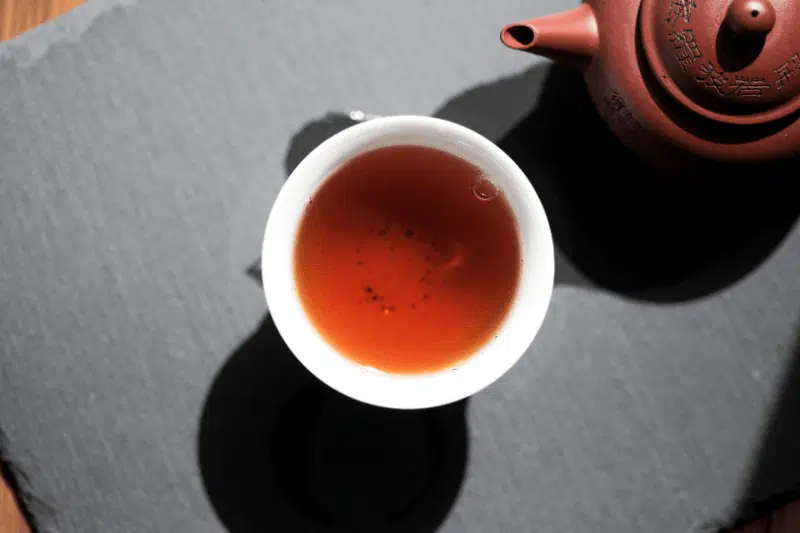
Chinese herbal teas can be gentle, but they are not automatically safe for every person. Herbs may have physiological effects, may interact with medications, and may not be appropriate for certain health conditions.
Speak with a qualified healthcare provider or licensed practitioner before using Chinese herbs if you are:
NCCIH emphasizes that herbs and botanical products can carry risks such as drug interactions, direct toxicity, and contamination concerns.
You should also seek medical care promptly for severe insomnia, unexplained weight loss, persistent digestive symptoms, vomiting blood, black stools, severe abdominal pain, chest pain, suicidal thoughts, or sudden changes in mood or mental status.
The best Chinese herbal tea for sleep depends on the pattern causing the sleep issue. Suan Zao Ren is commonly used for restless sleep and night waking, while Bai Zi Ren may be considered when sleep issues appear with dryness, overthinking, or deficiency signs.
Ginger tea is often used for cold, sluggish digestion. Peppermint or Bo He may be used for stress-related bloating. Chrysanthemum may be considered when digestive discomfort appears with heat, irritability, or tension.
He Huan Pi, chrysanthemum, Wu Wei Zi, and Bo He may be considered for different stress patterns. He Huan Pi is often used for emotional constraint, chrysanthemum for heat-related irritability, and Bo He for Qi stagnation.
Some gentle herbal teas may be appropriate for daily use, but not every herb is meant to be taken every day. Stronger herbs and Chinese formulas should be selected based on your constitution, symptoms, medications, and health history.
Not always. Some herbs can interact with medications, including blood thinners, sedatives, antidepressants, blood pressure medications, and other supplements. Always speak with a qualified healthcare provider before combining herbs with medication.
An herbal tea may contain one or two gentle herbs for general support. A Chinese herbal formula is a structured combination designed for a specific TCM pattern. Formulas are more targeted and should usually be chosen with practitioner guidance.
Herbal teas and acupuncture can complement each other when they are chosen for the same pattern. Acupuncture may help regulate Qi, calm the nervous system, and support the body’s natural function, while herbs may provide daily support between visits.
Some teas may feel soothing the same day, especially calming or digestive teas. Deeper pattern support usually takes longer and depends on the person’s constitution, symptom history, lifestyle, and whether the herb matches the correct pattern.
At ACA Acupuncture & Wellness, our practitioners take the time to understand your symptoms and create a care plan that fits your needs. Sleep, digestion, and stress are often connected, so care begins with looking at the full picture, including your constitution, lifestyle, daily habits, and current TCM pattern.
If you are looking for natural support for better sleep, smoother digestion, or stress relief, acupuncture may be part of a broader approach. Depending on your symptoms and goals, Chinese herbal medicine, cupping, moxibustion, ear seeding, reflexology, Tuina massage, or thermal therapy may also be considered when relevant.
Rather than choosing herbs at random, ACA’s practitioners can help determine whether your pattern involves heat, cold, dampness, deficiency, Qi stagnation, or Shen disturbance. From there, your care plan can be personalized to support relaxation, digestive comfort, nervous system regulation, circulation, and whole-body balance.
Sources:
National Center for Complementary and Integrative Health. (n.d.). Traditional Chinese Medicine: What you need to know. National Institutes of Health.
National Center for Complementary and Integrative Health. (n.d.). Herb-drug interactions. National Institutes of Health.
Song, Z., Chen, X., Liu, J., & Zhang, H. (2020). Suan-Zao-Ren decoction for insomnia: A systematic review. Medicine, 99(32), e21556.
Zhou, Q. H., Zhou, X. L., Xu, M. B., Jin, T. Y., Rong, P. Q., Zheng, G. Q., & Lin, Y. (2018). Suanzaoren formulae for insomnia: Updated clinical evidence and possible mechanisms. Frontiers in Pharmacology, 9, 76.
Yang, C. S., Chen, G., & Wu, Q. (2014). Recent scientific studies of a traditional Chinese medicine, tea, on prevention of chronic diseases. Journal of Traditional and Complementary Medicine, 4(1), 17–23.

Recent Comments