

Last Updated: July 03, 2026
Chinese medicine treats sore throat by identifying the pattern behind the symptom. A sore throat may be related to Wind-Heat, Lung Heat, Dryness, Yin Deficiency, Phlegm-Heat, or another imbalance. Treatment may include acupuncture, Chinese herbal medicine, food therapy, and lifestyle support based on the person’s full symptom picture.
A sore throat can feel sharp, raw, swollen, dry, burning, scratchy, or tight. It may appear suddenly with a cold, linger after an illness, flare with allergies, worsen after talking, or return during stressful seasons. Because the causes can vary, Traditional Chinese Medicine does not treat every sore throat the same way.
In Chinese medicine, the throat is closely connected to the Lung system, immune defense, body fluids, digestion, and the movement of Qi. A practitioner looks at how the sore throat started, what makes it better or worse, whether mucus or fever is present, and whether the throat feels dry, hot, swollen, or irritated.
This pattern-based approach is what makes Chinese medicine different from basic symptom relief. Rather than only numbing the throat temporarily, care is focused on understanding why the irritation is happening and what the body needs to recover more fully.
Last Updated: July 03, 2026

Chinese medicine treats sore throat by identifying the pattern behind the symptom. A sore throat may be related to Wind-Heat, Lung Heat, Dryness, Yin Deficiency, Phlegm-Heat, or another imbalance. Treatment may include acupuncture, Chinese herbal medicine, food therapy, and lifestyle support based on the person’s full symptom picture.
A sore throat can feel sharp, raw, swollen, dry, burning, scratchy, or tight. It may appear suddenly with a cold, linger after an illness, flare with allergies, worsen after talking, or return during stressful seasons. Because the causes can vary, Traditional Chinese Medicine does not treat every sore throat the same way.
In Chinese medicine, the throat is closely connected to the Lung system, immune defense, body fluids, digestion, and the movement of Qi. A practitioner looks at how the sore throat started, what makes it better or worse, whether mucus or fever is present, and whether the throat feels dry, hot, swollen, or irritated.
This pattern-based approach is what makes Chinese medicine different from basic symptom relief. Rather than only numbing the throat temporarily, care is focused on understanding why the irritation is happening and what the body needs to recover more fully.

In Traditional Chinese Medicine, a sore throat is viewed as a sign of imbalance affecting the throat, Lung system, immune defense, body fluids, or internal Heat. The same symptom can have different causes, which is why pattern identification is central to care.
A sore throat that starts suddenly with fever, chills, headache, or body aches may suggest an external pathogen pattern. In TCM, this is often described as Wind-Heat when the throat feels red, swollen, hot, or painful.
A dry, scratchy, or burning throat that worsens at night may suggest Lung Dryness or Yin Deficiency. This pattern is often linked with depleted fluids, stress, poor sleep, overwork, or recovery after illness.
A swollen throat with thick mucus, a coated tongue, or a feeling of heaviness may point toward Phlegm-Heat or Dampness. A raw throat with reflux, bloating, or a sour taste may involve digestive disharmony that irritates the throat from below.
This is why a TCM practitioner does not only ask, “Does your throat hurt?” They also ask when it started, what it feels like, whether you have mucus, fever, thirst, dryness, fatigue, digestive symptoms, allergies, or recurring infections.
Different sore throat patterns require different treatment strategies. In Chinese medicine, matching the treatment to the pattern is more important than choosing an herb simply because it is known for throat discomfort.
| Sore Throat Presentation | Possible TCM Pattern | Common Treatment Direction |
| Sudden sore throat, fever, mild chills, headache | Wind-Heat | Release the exterior, clear Heat, support immune defense |
| Red, swollen, painful throat with intense heat sensation | Lung Heat or Heat Toxin | Clear Heat, reduce swelling, soothe the throat |
| Dry, scratchy throat that worsens at night | Yin Deficiency or Lung Dryness | Nourish Yin, generate fluids, moisten the throat |
| Sore throat with thick mucus or post-nasal drip | Phlegm-Heat or Damp-Heat | Transform phlegm, clear Heat, support Lung and Spleen function |
| Recurrent throat irritation during stress or fatigue | Qi deficiency, Yin Deficiency, or weakened Wei Qi | Strengthen the body’s defenses and reduce recurrence triggers |
| Hoarseness or throat strain after talking | Qi and fluid depletion, local irritation | Rest the voice, nourish fluids, support recovery |
This pattern-based view helps explain why two people with sore throat may receive different herbal formulas, acupuncture strategies, and lifestyle recommendations.
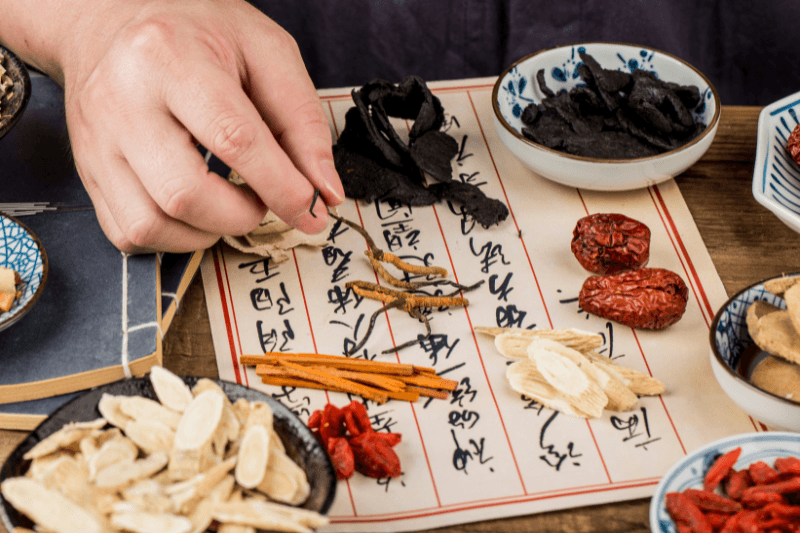
Chinese herbs for sore throat are selected according to the underlying pattern. Some herbs clear Wind-Heat, some cool internal Heat, some moisten dryness, and others support the Lung system or help guide a formula to the throat.
Herbs should be used carefully and preferably under the guidance of a qualified practitioner. This is especially important for children, pregnant people, people with chronic health conditions, and anyone taking prescription medications.
Wind-Heat sore throat often appears quickly. The throat may feel hot, swollen, or painful, and the person may also have fever, mild chills, headache, thirst, or early cold symptoms.
Common herbs in this category may include:
These herbs are not usually used alone as a do-it-yourself solution. A practitioner may combine them with other herbs depending on whether the person has fever, cough, mucus, dryness, chills, or digestive symptoms.
When throat pain is more intense, TCM may describe the pattern as Heat, Lung Heat, or Heat Toxin. This can involve redness, swelling, painful swallowing, swollen glands, or a strong sensation of heat in the throat.
Common herbs may include:
Because red, swollen, or severe sore throat can also be associated with infections such as strep throat or tonsillitis, it is important to seek medical evaluation when symptoms are intense, persistent, or worsening. Strep throat can cause fever, painful swallowing, red swollen tonsils, swollen lymph nodes, and white patches or pus on the tonsils.
Not every sore throat is hot and swollen. Some people feel dryness, burning, hoarseness, scratchiness, or irritation that lingers after an illness. In TCM, this may involve Lung Dryness, Yin Deficiency, or fluids that have been depleted by stress, poor sleep, overuse of the voice, or chronic irritation.
Common herbs may include:
Dry throat patterns often require a different approach from acute sore throat formulas. Strong cold herbs may not be suitable for everyone, especially if the person also has digestive weakness, fatigue, or cold sensitivity.
Some sore throats are less about sharp pain and more about mucus, throat clearing, post-nasal drip, coughing, or a feeling that something is stuck in the throat. TCM may connect this pattern with Phlegm-Heat, Dampness, Lung Qi constraint, or Spleen-related fluid metabolism.
Common herbs may include:
In these cases, the goal is not only to soothe the throat. The formula may also support mucus transformation, Lung function, digestion, and the body’s ability to clear lingering irritation.
Chinese herbs are usually prescribed as formulas because a sore throat rarely comes from one factor alone. A person may have Wind-Heat with dryness, Phlegm-Heat with weak digestion, or chronic throat irritation with stress and reflux.
Personalization matters because the wrong herb strategy can be unhelpful or irritating. For example, very cold herbs may not be appropriate for someone with weak digestion or chronic cold symptoms. Moistening herbs may not be enough if the main issue is thick mucus and Dampness. Heat-clearing herbs may not address a sore throat caused by reflux, allergies, or vocal strain.
A licensed practitioner can evaluate the full pattern, including tongue, pulse, symptom timing, energy, digestion, sleep, stress, and recurring triggers.
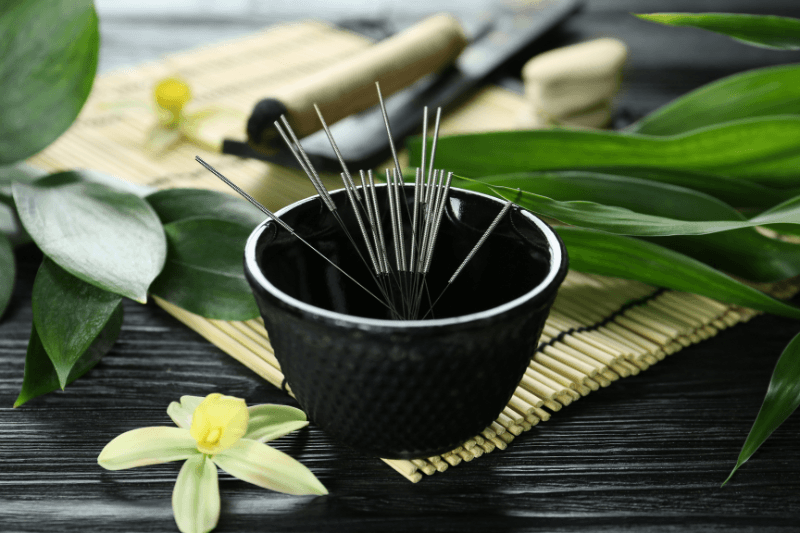
Acupuncture for sore throat is used to support the body’s healing response, reduce discomfort, and address the broader pattern behind the symptom. A treatment may focus on the throat area, Lung system, immune defense, stress response, circulation, or related symptoms such as congestion, cough, fatigue, or tension.
From a TCM perspective, acupuncture may help regulate the movement of Qi, clear Heat, release exterior pathogens, support Wei Qi, and reduce stagnation around the throat and neck. From an integrative wellness perspective, acupuncture may also support relaxation, nervous system regulation, and overall resilience.
The point selection depends on the person’s presentation. A sudden sore throat with fever and body aches would be approached differently from a chronic dry throat that worsens after talking or a recurring sore throat linked with stress and poor sleep.
Acupuncture is not a replacement for urgent medical care when symptoms suggest a serious infection or airway issue. Instead, it may be part of a broader supportive care plan when appropriate.
Food therapy in Chinese medicine focuses on choosing foods and drinks that match the person’s pattern. During a sore throat, the goal is usually to reduce irritation, protect fluids, support digestion, and avoid foods that worsen Heat, Dryness, or Phlegm.
Helpful options may include:
If the throat feels hot, swollen, or inflamed, spicy foods, alcohol, fried foods, and greasy foods may worsen internal Heat. If the throat feels dry and scratchy, very dry snacks, excessive caffeine, and dehydration may aggravate symptoms. If mucus or post-nasal drip is present, heavy dairy, greasy foods, and sugar may make some people feel more congested.
Food therapy should be supportive, not extreme. The best approach is usually simple, warm, cooked, hydrating, and easy to digest.
Certain habits can make throat irritation worse, regardless of whether the pattern is acute, chronic, dry, or phlegmy.
During a sore throat, it may help to avoid:
Whispering can also strain the voice for some people. If the throat is irritated from speaking, it is usually better to rest the voice and speak gently only when needed.
Chinese medicine may be especially helpful for people whose sore throat keeps returning or does not fit a simple cold pattern. Chronic or recurring sore throat may involve more than one factor, including dryness, allergies, post-nasal drip, reflux, vocal overuse, stress, poor sleep, or weakened immune resilience.
In TCM, recurring sore throat may be linked with:
A practitioner may also ask whether the sore throat is worse in the morning, at night, after meals, during allergy season, after talking, or during periods of burnout. These details help clarify whether the care plan should focus on clearing Heat, moistening Dryness, transforming Phlegm, supporting digestion, calming stress, or strengthening the body’s defenses.
Chinese herbal medicine has been studied for sore throat, and it is commonly used in Traditional Chinese Medicine practice. A Cochrane review examined Chinese medicinal herbs for sore throat and noted that these remedies are widely used, but the overall evidence has limitations and results should be interpreted carefully.
This does not mean Chinese medicine has no value. It means the evidence should be presented honestly. TCM care is individualized, and clinical outcomes can depend on the correct pattern diagnosis, formula selection, timing of treatment, symptom severity, and whether the sore throat is viral, bacterial, allergic, reflux-related, or caused by irritation.
For patients, the practical takeaway is simple: Chinese medicine may be used as supportive care for sore throat, especially when treatment is personalized. However, severe, persistent, or worsening symptoms should be evaluated by a medical provider.

A sore throat is often caused by a viral infection and may improve with rest and supportive care. Mayo Clinic notes that a sore throat caused by a virus usually improves on its own within 5 to 7 days, and antibiotics do not treat viral infections.
You should seek medical care if you have:
The CDC recommends medical evaluation for difficulty breathing, difficulty swallowing, dehydration, rash, blood in saliva or phlegm, or symptoms that do not improve within a few days or get worse. Mayo Clinic also lists red flags such as severe sore throat lasting longer than a week, trouble breathing, trouble swallowing, rash, fever, repeated sore throats, and hoarseness lasting more than two weeks.
Possible strep throat should also be tested and treated appropriately. Strep throat can cause sudden sore throat, fever, pain with swallowing, swollen lymph nodes, red swollen tonsils, and white patches or streaks of pus on the tonsils.
At ACA Acupuncture & Wellness, sore throat care begins with understanding the full pattern behind your symptoms. Your practitioner may ask about the timing of your sore throat, whether it feels dry or swollen, whether mucus is present, how often it returns, and whether stress, sleep, digestion, allergies, or voice use may be contributing.
Depending on your needs, your care plan may include acupuncture, Chinese herbal medicine, food therapy, and lifestyle guidance. Cupping or moxibustion may also be considered when appropriate for your pattern, but not every sore throat needs the same approach.
The goal is to support your body while addressing the factors that may be keeping the throat irritated. For some people, that means clearing acute Heat. For others, it may mean nourishing dryness, supporting immune resilience, calming stress, or reducing recurring triggers.
Sources:
Centers for Disease Control and Prevention. (2024, April 17). Sore throat basics. U.S. Department of Health and Human Services.
Centers for Disease Control and Prevention. (2026, January 15). About strep throat. U.S. Department of Health and Human Services.
Huang, Y., Wu, T., Zeng, L., & Li, S. (2012). Chinese medicinal herbs for sore throat. Cochrane Database of Systematic Reviews, 2012(3), CD004877.
Chinese medicine views sore throat as a sign of an underlying pattern. It may be related to Wind-Heat, Lung Heat, Dryness, Yin Deficiency, Phlegm-Heat, or weakened Wei Qi. A practitioner looks at the full symptom picture before recommending treatment.
Common Chinese herbs for sore throat may include Jin Yin Hua, Lian Qiao, Niu Bang Zi, Jie Geng, Xuan Shen, Mai Men Dong, Ban Lan Gen, Huang Qin, and Gan Cao. The right herbs depend on whether the throat is hot, swollen, dry, phlegmy, chronic, or linked with an acute illness.
Acupuncture may support sore throat care by helping regulate Qi, reduce tension, support immune function, and address related symptoms such as congestion, cough, stress, fatigue, or neck tightness. The treatment approach depends on the underlying TCM pattern.
Warm, soft, hydrating foods are often recommended. Soups, broths, cooked grains, steamed vegetables, warm teas, and pear-based preparations may be helpful depending on the pattern. Spicy, greasy, fried, or drying foods may worsen some sore throats.
Chinese medicine may support chronic sore throat by identifying recurring patterns such as Yin Deficiency, Lung Dryness, Phlegm-Heat, weak Wei Qi, reflux-related irritation, allergies, or vocal strain. Chronic symptoms should also be evaluated medically to rule out more serious causes.
Chinese herbs can be helpful when properly selected, but they are not appropriate for everyone. Herbs may interact with medications or be unsuitable during pregnancy, for children, or for people with certain medical conditions. It is best to work with a qualified practitioner.
LOCATIONS
MANHATTAN
QUEENS
NEW JERSEY
CALIFORNIA

The over $4 billion US acupuncture market offers a great opportunity with over 10% annual growth rates and a continuing flow of new patients interested in the benefits of acupuncture.
