

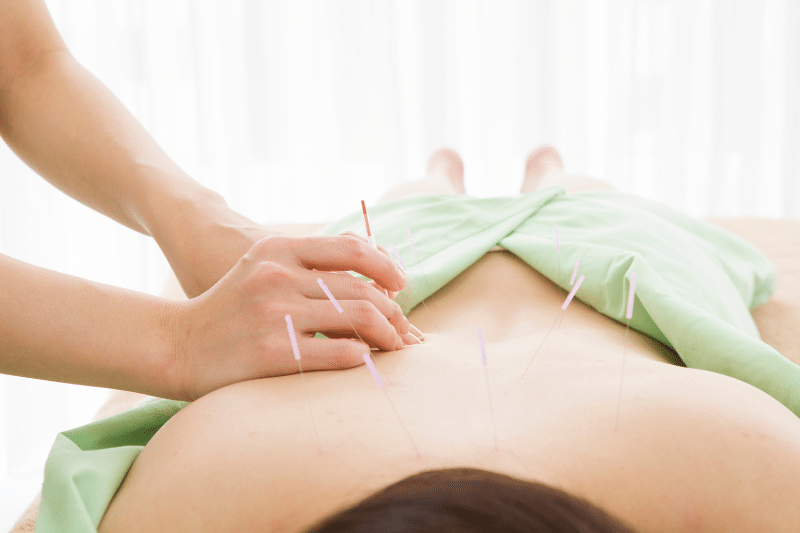
Acupuncture can support people with chronic conditions by helping reduce pain, ease stress, improve mobility, and make everyday function easier to manage. Global Accessibility Awareness Day is a timely reminder that accessibility is not only about websites, technology, or physical spaces. It is also about whether people can move through daily life with greater comfort, independence, and support.
For people living with chronic pain, arthritis, headaches, fatigue, stress-related tension, neurological symptoms, or other long-term health concerns, accessibility can shape work, sleep, movement, transportation, family life, and self-care. Acupuncture may be one supportive part of a broader care plan, especially when symptoms interfere with daily routines and quality of life. This version keeps the GAAD angle while making the article useful beyond one awareness day.

Global Accessibility Awareness Day encourages people to think more deeply about access, inclusion, and the barriers that can prevent people from participating fully in everyday life. While the day is often connected to digital accessibility, its message also applies to health care, chronic conditions, mobility, communication, and daily function.
For someone with chronic pain, accessibility may mean being able to sit through a workday, climb stairs, prepare meals, walk to an appointment, sleep through the night, or care for family without feeling overwhelmed by symptoms. For someone with fatigue, neurological symptoms, or stress-related tension, accessibility may mean receiving care that is paced, clear, comfortable, and adaptable.
This is why the conversation should continue beyond one awareness day. Accessibility is not only about whether a service exists. It is about whether people can realistically use that service in a way that respects their body, symptoms, and daily needs.
Chronic conditions can create daily barriers that are not always visible. Pain, stiffness, fatigue, dizziness, headaches, weakness, digestive symptoms, anxiety, and poor sleep can affect how a person moves, works, rests, and participates in life.
Some people may struggle with walking or standing for long periods. Others may find it difficult to sit at a desk, drive, climb stairs, exercise, cook, focus, or maintain a consistent schedule. These challenges can affect independence, confidence, productivity, and emotional well-being.
Chronic symptoms can also fluctuate. A person may feel capable one day and limited the next. This can make planning difficult and can create frustration when others do not understand how unpredictable chronic conditions can be.
Everyday function may be affected by:
When chronic symptoms limit these activities, accessibility becomes a health issue, not just a design issue. Supportive care should focus on helping people function with more comfort, confidence, and consistency.
Acupuncture supports everyday function by addressing symptoms that may interfere with movement, comfort, sleep, stress regulation, and physical participation. Treatment is individualized, so the goal is not only to reduce symptoms. The goal is to help the person function better in daily life.
Acupuncture involves the insertion of very thin needles at specific points on the body. From a modern perspective, acupuncture may influence pain signaling, nervous system activity, local circulation, muscle tension, inflammatory responses, and the body’s natural regulatory processes. From a Traditional Chinese Medicine perspective, treatment is guided by the person’s symptom pattern, constitution, and overall balance.
For chronic conditions, functional goals may include:
This function-first approach matters because many people with chronic conditions are not only searching for pain relief. They are looking for a way to keep moving, working, resting, and participating with fewer barriers.
Acupuncture may help chronic pain by influencing pain pathways, easing muscle tension, supporting circulation, and helping the nervous system move away from a persistent stress and pain response. It is commonly used for back pain, neck pain, knee pain, osteoarthritis, headaches, and other musculoskeletal concerns.
For people with chronic pain, mobility is often affected in layers. Pain can lead to guarded movement. Guarded movement can lead to stiffness. Stiffness can reduce confidence. Reduced confidence can lead to less activity, which may make daily tasks feel even harder over time.
Acupuncture may support this cycle by helping reduce discomfort enough for patients to move more comfortably, participate in physical therapy, stretch, walk, rest better, and return to daily routines with more confidence.
Chronic back pain can make sitting, standing, lifting, sleeping, commuting, and exercise difficult. Acupuncture may be used to support pain relief, reduce muscle guarding, and improve comfort during movement.
For people whose back pain affects work or daily responsibilities, treatment goals may focus on practical function. That can include sitting through meetings, standing while cooking, walking farther, or sleeping with fewer pain interruptions.
Neck pain can affect posture, screen use, driving, sleep, and concentration. It often appears with shoulder tension, headaches, jaw tightness, or upper back discomfort.
Acupuncture may help relax overactive muscles, reduce pain sensitivity, and support better range of motion. For people who work at computers or experience stress-related tension, care may also include posture awareness, gentle stretching, and stress regulation support.
Knee pain can affect stairs, walking, exercise, and independence. Osteoarthritis may also create stiffness, swelling, reduced range of motion, and fear of movement.
Acupuncture may be considered as part of a broader plan that includes medical evaluation, movement, strengthening, physical therapy, and joint-friendly activity. The goal is not only to reduce pain, but to support more comfortable movement.
Recurring headaches can interfere with work, sleep, focus, mood, and social participation. Acupuncture is often used for tension-type headache patterns, migraine-related symptoms, neck tension, stress, and sleep disruption.
Patients may benefit from tracking triggers such as stress, sleep changes, hormonal shifts, hydration, screen strain, jaw tension, and posture. This helps treatment focus on both symptom support and prevention strategies.

Acupuncture may support stress, sleep, and nervous system regulation by helping the body shift toward a calmer physiological state. This matters because chronic conditions often become harder to manage when pain, stress, and poor sleep reinforce each other.
Stress can increase muscle tension. Muscle tension can worsen pain. Pain can disrupt sleep. Poor sleep can heighten pain sensitivity. Over time, this cycle can affect mood, energy, digestion, concentration, and resilience.
Many patients seek acupuncture not only because something hurts, but because their body feels stuck in a state of tension. They may describe feeling wired but tired, physically guarded, emotionally drained, or unable to fully relax.
Supportive acupuncture care may focus on:
Daily function depends on more than pain scores. A person who sleeps better, feels calmer, and experiences less tension may have more energy for movement, work, therapy, family responsibilities, and self-care.
Acupuncture is often used as supportive care for conditions that affect daily participation, including chronic pain, arthritis, headaches, stress-related symptoms, neuropathy-like discomfort, digestive concerns, menstrual symptoms, and recovery-related challenges.
Not every chronic condition has the same cause, and not every patient needs the same approach. Two people may both have back pain, but one may have pain driven by muscle tension and stress while another may have arthritis, nerve irritation, injury history, or inflammatory factors. This is why individualized assessment matters.
Musculoskeletal pain includes pain related to muscles, joints, tendons, ligaments, posture, repetitive strain, and movement patterns. It may affect the back, neck, shoulders, hips, knees, wrists, or ankles.
Acupuncture may help reduce pain, relax tight muscles, and support mobility. Depending on the patient, care may also include cupping, TuiNa, therapeutic movement guidance, or heat-based therapies when appropriate.
Arthritis can make movement feel slow, painful, or unpredictable. Morning stiffness, swelling, reduced flexibility, and activity-related discomfort can all affect independence.
Acupuncture may be used to support comfort, circulation, and mobility. It should be part of a larger plan that may include medical care, movement, anti-inflammatory lifestyle support, and joint protection strategies.
Some patients experience numbness, tingling, burning, or altered sensation. These symptoms should be medically evaluated, especially if they are new, worsening, one-sided, or associated with weakness.
When appropriate, acupuncture may be used as supportive care for nerve-related discomfort. Treatment planning should consider the underlying cause, medical history, medications, diabetes status, chemotherapy history, spinal issues, and neurological findings.
Digestive symptoms can affect daily life in less obvious ways. Bloating, nausea, constipation, diarrhea, reflux, and abdominal discomfort can influence travel, work, eating, sleep, and social life.
In Traditional Chinese Medicine, digestive patterns are often assessed alongside stress, diet, energy, temperature, bowel habits, and constitutional factors. Acupuncture may be used supportively, but persistent or severe digestive symptoms should be evaluated by a medical provider.
Painful periods, cycle-related headaches, pelvic discomfort, mood changes, and fatigue can affect school, work, exercise, and daily responsibilities.
Acupuncture may support symptom management for some patients, especially when care is consistent and individualized. Medical evaluation is important for severe pain, heavy bleeding, irregular bleeding, suspected endometriosis, fertility concerns, or new symptoms.
After injury, surgery, stroke, or illness, patients may need support for pain, stiffness, sleep, stress, and confidence with movement. Acupuncture should not replace rehabilitation or medical care, but it may complement a recovery plan when used safely.
For patients in rehabilitation, functional goals may include improved comfort during therapy, better sleep, reduced tension, or support for stress during a long recovery process.
Accessible acupuncture care should account for comfort, mobility, communication, safety, pacing, and the patient’s real-life limitations. A treatment plan is more effective when the patient can receive care consistently and comfortably.
Accessibility can include:
For some patients, lying flat may be uncomfortable. Others may need support under the knees, side-lying positioning, seated treatment, extra time getting on and off the table, or a quieter environment. These adjustments can make the difference between care that is technically available and care that is genuinely supportive.
An acupuncture visit for chronic conditions begins with listening. The acupuncturist should understand the patient’s symptoms, medical history, daily limitations, medications, comfort needs, and treatment goals before choosing a care plan.
A visit may include:
At ACA Acupuncture & Wellness, care is tailored to each patient’s symptoms, comfort level, and daily function goals. Treatment may include acupuncture, electroacupuncture, cupping, moxibustion, ear seeding, TuiNa, reflexology, Chinese herbal medicine, or lifestyle guidance, depending on what best supports the patient’s needs.
The most important part is that treatment should not feel rushed or one-size-fits-all. Patients with chronic conditions often need care that adapts to their body from visit to visit.
Acupuncture fits into a larger care plan by supporting symptom relief, nervous system regulation, mobility, recovery, and quality of life. It should not replace emergency care, diagnostic testing, prescribed medication, physical therapy, mental health care, or specialist treatment when those are needed.
For chronic conditions, the strongest care plans often combine multiple forms of support. A patient may need medical diagnosis, medication, movement therapy, nutrition support, stress management, sleep strategies, ergonomic changes, and complementary care.
Acupuncture can be one part of that plan. It may help patients feel more comfortable, more regulated, and more able to participate in the activities that support long-term health.
This is especially important for patients who feel caught between “nothing is wrong” and “nothing can be done.” Chronic symptoms often live in that difficult middle space where the goal becomes better function, better comfort, and better support over time.
People may consider acupuncture support when chronic symptoms interfere with daily life, mobility, sleep, stress, or comfort. The best candidates are often those looking for individualized, supportive care alongside appropriate medical guidance.
Acupuncture may be helpful for people managing:
A good treatment plan should focus on realistic goals. For one patient, progress may mean fewer headaches. For another, it may mean walking a few more blocks. For someone else, it may mean sleeping more comfortably or feeling less tense during the workday.
Some symptoms need medical evaluation before or alongside acupuncture. Patients should seek medical care promptly for sudden, severe, unexplained, or worsening symptoms.
Speak with a medical provider first if you have:
Acupuncture is generally considered safe when performed by a qualified practitioner using sterile needles, but safety still depends on the patient’s condition, medical history, and treatment approach. This is why a careful intake matters.
Patients can make acupuncture care more effective by communicating clearly before and during treatment. A good acupuncturist should welcome this information and adapt care when possible.
Helpful steps include:
Tracking function can be especially useful. Instead of only asking, “Is my pain gone?” patients can ask:
These questions often give a clearer picture of progress.
Acupuncture may help chronic pain by influencing pain signaling, relaxing muscle tension, supporting circulation, and helping regulate the nervous system. It is commonly used for back pain, neck pain, knee pain, osteoarthritis, and headaches.
Acupuncture may support mobility when pain, stiffness, or muscle tension limits movement. By helping reduce discomfort and guarding, acupuncture may make it easier for some patients to walk, stretch, exercise, or participate in rehabilitation.
Acupuncture may support everyday function by helping reduce symptoms that interfere with movement, sleep, comfort, and stress regulation. For some patients, progress may mean walking farther, sleeping better, sitting longer, or managing daily tasks with less discomfort.
Accessibility matters because chronic symptoms can affect how people move, work, rest, travel, communicate, and participate in daily life. Supportive care should consider the person’s comfort, mobility, energy, safety, and real-world function.
Acupuncture does not replace prescribed medication or medical care. It is best used as supportive care alongside appropriate diagnosis, medication, rehabilitation, lifestyle support, and specialist guidance when needed.
The number of sessions depends on the condition, severity, duration of symptoms, overall health, and treatment goals. Chronic conditions often require a series of visits, followed by reassessment based on symptom changes and functional progress.
Global Accessibility Awareness Day is a valuable reminder that access and inclusion should not be limited to one date on the calendar. For people with chronic conditions, accessibility is part of everyday life. It can affect how someone moves, works, rests, receives care, and participates in the activities that matter most.
Supportive care can help patients focus on practical goals such as easing pain, sleeping better, calming stress, improving mobility, and feeling more comfortable in daily routines. At ACA Acupuncture & Wellness, treatment may include acupuncture, cupping, moxibustion, ear seeding, TuiNa, reflexology, Chinese herbal medicine, or lifestyle guidance based on each patient’s needs.
If chronic symptoms are making daily life harder to manage, acupuncture may be one supportive step toward better comfort, movement, and function. Visit ACA Acupuncture & Wellness to explore care that supports your body, your daily routine, and your quality of life.
Sources:
Global Accessibility Awareness Day. (n.d.). Global Accessibility Awareness Day.
Lucas, J. W., & Sohi, I. (2024). Chronic pain and high-impact chronic pain in U.S. adults, 2023. National Center for Health Statistics.
National Center for Complementary and Integrative Health. (n.d.). Acupuncture: Effectiveness and safety. National Institutes of Health.

Recent Comments