

Mother’s Day is a meaningful reminder to care for the women who care for others, but rest and wellness should not be limited to one day a year. Acupuncture offers a natural way to support stress relief, better sleep, pain management, emotional balance, and whole-body wellness for mothers, caregivers, and women who often put their own needs last.
For many moms, the most thoughtful gift is not another item to store or another plan to manage. It is time to pause. It is space to breathe. It is care that helps the body feel calmer, more comfortable, and more supported.
Whether you are honoring your mother, celebrating a partner, supporting a new mom, or finally making time for yourself, acupuncture can be a meaningful way to encourage rest, balance, and long-term wellness.

Acupuncture is a thoughtful Mother’s Day wellness option because it gives mothers something many rarely receive: uninterrupted time to rest, recover, and reconnect with their own body.
Traditional gifts can be beautiful, but many mothers also need support that goes deeper than celebration. They may be carrying physical tension, emotional stress, sleep loss, hormonal changes, digestive discomfort, or the quiet exhaustion that comes from always being responsible for others.
Many Mother’s Day gifts are centered on objects, plans, or short-lived gestures. Acupuncture offers something different. It gives the recipient a quiet appointment dedicated to her own well-being.
For a mother who is usually organizing, remembering, preparing, and caring for everyone else, a wellness visit can feel deeply personal. It says that her rest matters. It also gives her permission to receive care without needing to justify it.
A wellness-focused gift can feel especially meaningful because it meets a real need. Some mothers need help with neck tension or back pain. Others need support for stress, sleep, fatigue, digestion, hormonal changes, or emotional overload.
This is what makes acupuncture more than a seasonal idea. Mother’s Day may be the reason someone first considers treatment, but the need for rest, balance, and support continues throughout the year.
Many mothers experience stress as a full-body pattern, not just a mental feeling. It can show up as tight shoulders, jaw tension, headaches, shallow breathing, digestive changes, fatigue, irritability, poor sleep, or a sense of being constantly “on.”
A mother may be working, caring for children, managing the home, supporting aging parents, remembering appointments, planning meals, and carrying emotional responsibilities all at once. Even when the day is technically over, the mind may continue making lists, solving problems, and preparing for what comes next.
This hidden load can become so familiar that many women stop recognizing it as stress. They may simply feel tired, tense, reactive, or disconnected from their own needs.
Stress often becomes physical before a person realizes how much pressure she is under. Neck tightness, headaches, digestive discomfort, restless sleep, low energy, and muscle tension can all be signs that the body needs support.
Acupuncture offers a structured space where the body is invited to slow down. Instead of pushing through discomfort, the patient has time to rest, breathe, and receive care.
Many mothers wait until symptoms become difficult to ignore before seeking help. They may feel responsible for everyone else first, or they may tell themselves that their own discomfort is not urgent.
Preventive wellness care can help change that pattern. Acupuncture can be used not only when symptoms are severe, but also as a regular way to support balance, resilience, and recovery.
Acupuncture supports rest by stimulating specific points on the body selected according to the patient’s symptoms, constitution, and Traditional Chinese Medicine pattern.
Many patients describe feeling calmer during treatment. Some feel deeply relaxed. Others feel warmer, lighter, sleepier, or more grounded after a session.
From a modern wellness perspective, acupuncture is often discussed in relation to the nervous system, circulation, muscle tension, connective tissue, and the body’s natural pain-modulating responses. For mothers who are used to constant stimulation and responsibility, that quiet reset can feel especially valuable.
From a Traditional Chinese Medicine perspective, acupuncture helps regulate the movement of Qi and Blood, calm the Shen, and restore balance where there may be stagnation, deficiency, heat, cold, dampness, or internal tension.
This is why acupuncture is not a one-size-fits-all treatment. A mother who feels wired, tense, and irritable may need a different approach than someone who feels depleted, cold, and exhausted.
Acupuncture can support stress relief by helping the body move away from constant tension and toward a more regulated state.
Stress does not always look dramatic. For many mothers, it appears as a tight chest, clenched jaw, tense neck, racing thoughts, disrupted sleep, digestive discomfort, irritability, or emotional fatigue.
These symptoms can become familiar enough that they start to feel normal. A mother may not describe herself as anxious or overwhelmed, but she may notice that her body never fully relaxes.
In Traditional Chinese Medicine, stress may involve patterns such as Liver Qi stagnation, Heart Shen disturbance, Spleen Qi deficiency, Kidney deficiency, or mixed patterns that include both stagnation and depletion.
This is why two mothers with “stress” may receive different treatments. One may feel wired and restless. Another may feel exhausted and emotionally flat. Another may feel tense, headachy, and uncomfortable after long days of caregiving or work.
A personalized care plan looks beyond the word “stress” and considers how that stress is affecting the whole person. Sleep, digestion, pain, mood, energy, cycle changes, temperature patterns, and daily responsibilities can all influence the treatment approach.
The goal is to support the person, not just the symptom.
Acupuncture can support sleep and energy by addressing patterns of tension, depletion, restlessness, and nervous system imbalance.
Sleep is one of the first things many mothers sacrifice. New mothers may wake throughout the night. Working mothers may stay up late to finish tasks. Caregivers may sleep lightly because they are listening for someone else. Even mothers with grown children may carry emotional stress that makes it difficult to fully relax.
When sleep becomes inconsistent, the body has less time to repair and reset. This can affect mood, focus, digestion, pain sensitivity, and overall energy.
In Traditional Chinese Medicine, poor sleep may relate to Heart, Liver, Spleen, Kidney, Yin, Blood, Qi, or Shen patterns. Fatigue may come from deficiency, poor digestion, postpartum depletion, chronic stress, or a body that has been operating in overdrive for too long.
Some mothers feel tired but restless. Others feel heavy, depleted, and unmotivated. Some wake during the night and cannot return to sleep. These differences matter because they help guide care.
Acupuncture may help create the conditions for deeper rest by supporting relaxation, easing tension, and helping the body shift out of a high-alert state. When appropriate, care may also include lifestyle guidance, food therapy, ear seeding, or Chinese herbal medicine.
Small changes between visits can also support sleep, such as consistent wind-down routines, reduced late-night stimulation, warm foods when appropriate, and better awareness of stress patterns.
Acupuncture can support mothers with common pain patterns such as neck tension, shoulder tightness, low back pain, headaches, hip discomfort, and joint stiffness.
Motherhood and caregiving can be physically demanding. Lifting children, carrying bags, nursing positions, stroller use, desk work, long commutes, cooking, cleaning, and elder care can all place strain on the body.
The neck, shoulders, upper back, low back, hips, wrists, and knees are common areas where tension can build. Some women also experience headaches linked to posture, stress, jaw tension, or shoulder tightness.
Pain often develops from repeated small movements rather than one major injury. Carrying a child on the same hip, bending over a crib, sitting at a laptop, driving for long periods, or sleeping in awkward positions can all contribute to discomfort over time.
Pain can also affect more than the body. It may interfere with sleep, mood, mobility, patience, exercise, work, and daily quality of life.
Acupuncture may be part of a broader pain care plan that also includes movement, posture awareness, medical evaluation when needed, cupping, Tuina massage, or thermal therapy.
Cupping may be considered for tight muscles and back tension. Tuina massage may support musculoskeletal discomfort. Thermal therapy may be helpful for selected cold or tension-related patterns. The right approach depends on the person’s symptoms and overall presentation.
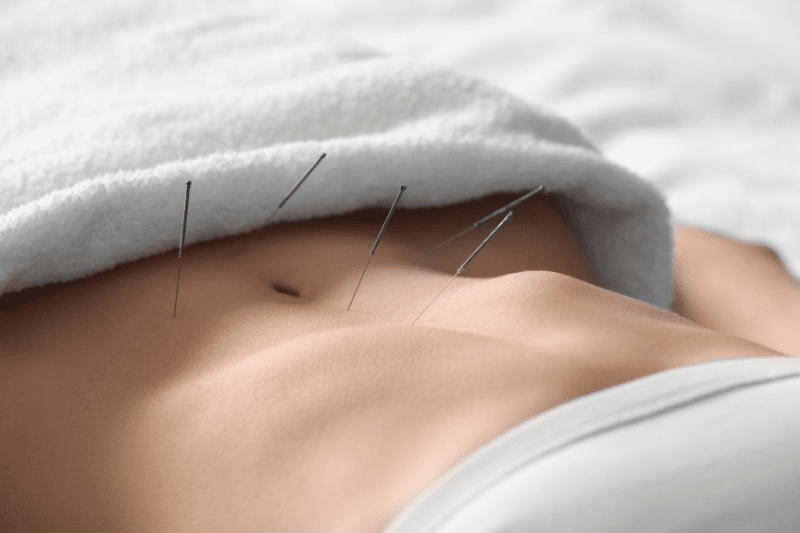
Acupuncture can support women through hormonal transitions by addressing the full pattern behind symptoms such as PMS, menstrual discomfort, fatigue, mood changes, hot flashes, poor sleep, and postpartum recovery needs.
Some mothers experience cycle-related symptoms such as cramps, breast tenderness, headaches, mood changes, bloating, fatigue, or irregular timing. In Traditional Chinese Medicine, these concerns may relate to Qi stagnation, Blood deficiency, cold, heat, dampness, or other patterns.
Acupuncture care is personalized based on how symptoms appear, when they occur, and what else is happening in the body.
Many mothers move through perimenopause or menopause while still caring for children, partners, parents, or relatives. This can be a demanding stage because hormonal changes may overlap with stress, sleep disruption, work responsibilities, and caregiving.
Symptoms may include hot flashes, night sweats, irritability, poor sleep, fatigue, mood shifts, brain fog, and changes in cycle patterns. In TCM, the approach may vary depending on whether the pattern involves Yin deficiency, Yang deficiency, heat, cold, stagnation, deficiency, or a combination of factors.
For postpartum mothers, care should be especially thoughtful. The fourth trimester can involve physical recovery, feeding demands, sleep loss, emotional changes, and identity shifts.
Acupuncture may support relaxation, pain patterns, energy, and recovery. However, severe postpartum depression, intense anxiety, thoughts of self-harm, heavy bleeding, fever, or sudden symptoms require prompt medical attention.
Acupuncture can support digestive wellness by addressing the connection between stress, the nervous system, and the body’s ability to process food comfortably.
Many mothers eat quickly, skip meals, snack while multitasking, or choose convenience foods because their schedules leave little room for preparation. Stress can also affect appetite, bloating, reflux, bowel patterns, abdominal tension, and overall digestive comfort.
When the body is under stress, digestion may feel less settled. Some people feel tightness, nausea, irregular appetite, or discomfort that becomes worse during busy or emotional periods.
In Traditional Chinese Medicine, digestion is often connected to the Spleen and Stomach systems. The Liver also plays an important role because stress can interfere with smooth Qi movement.
When stress affects digestion, a person may notice bloating, nausea, tightness, alternating bowel habits, or abdominal discomfort. Treatment may focus on supporting digestion, moving stagnation, reducing tension, or strengthening underlying deficiency.
Care may include acupuncture, food therapy, lifestyle guidance, or Chinese herbal medicine when appropriate. The goal is not to give every patient the same wellness advice. The goal is to understand what the body is showing and support a more balanced internal rhythm.
For some patients, this may include warm, nourishing meals. For others, it may involve reducing foods that aggravate symptoms, improving meal timing, or supporting digestion during stressful periods.
Ear seeding offers gentle, non-needle stimulation that may help support relaxation, stress awareness, sleep routines, and symptom management between acupuncture visits.
Ear seeds are small seeds or beads placed on specific points on the ear. They are often held in place with adhesive tape and may stay on for several days, depending on the practitioner’s instructions.
Patients may be instructed to gently press them at certain times, creating a simple way to reconnect with the treatment goal between appointments.
For mothers who feel busy, overstimulated, or short on time, ear seeding can feel practical because it extends care beyond the treatment room. It may be considered for stress, sleep, relaxation, cravings, tension, or general wellness support, depending on the person’s needs.
Ear seeding is not a replacement for medical care, but it can be a helpful addition to a personalized acupuncture plan.

A first acupuncture visit usually begins with a conversation about symptoms, health history, lifestyle, stress, sleep, digestion, pain, cycle patterns when relevant, medications, and wellness goals.
Your practitioner may ask about the main reason for the visit, but also about symptoms that may seem unrelated at first. Sleep, digestion, temperature, mood, energy, pain patterns, menstrual history, postpartum history, stress, and daily routines can all provide useful information.
This helps shape a care plan that reflects the whole person rather than one isolated complaint.
Very thin sterile needles are placed at selected acupuncture points while you rest in a calm treatment setting. Many patients find the experience peaceful, and some even fall asleep during the session.
The goal is to create a treatment that feels supportive, safe, and appropriate for the patient’s needs.
After treatment, some patients feel relaxed, sleepy, lighter, or more grounded. Others notice changes in pain, tension, mood, or sleep over the following days.
Your practitioner may recommend follow-up visits, ear seeding, supportive therapies, food therapy, or lifestyle guidance depending on your goals and response to treatment.
Acupuncture can be a good Mother’s Day gift because it supports rest, relaxation, and wellness in a personal way.
The best wellness gifts show that you understand what someone may need. For some mothers, that is quiet time. For others, it is pain support, better sleep, stress relief, or simply permission to focus on themselves for an hour.
Acupuncture can feel meaningful because it gives Mom a chance to receive care instead of only giving it.
If your mother, partner, wife, daughter, sister, or friend has never tried acupuncture, present it gently. Instead of framing it as something she “needs,” frame it as something she deserves.
A wellness visit can be offered as an experience of care, not as a correction. It can also help to explain that the appointment begins with a conversation and that treatment is personalized to her comfort level and health history.
Mother’s Day may be the moment that starts the conversation, but mothers deserve support in every season. A single visit can introduce someone to acupuncture, while ongoing care may support longer-term goals such as stress regulation, pain relief, sleep, hormonal balance, or whole-body wellness.
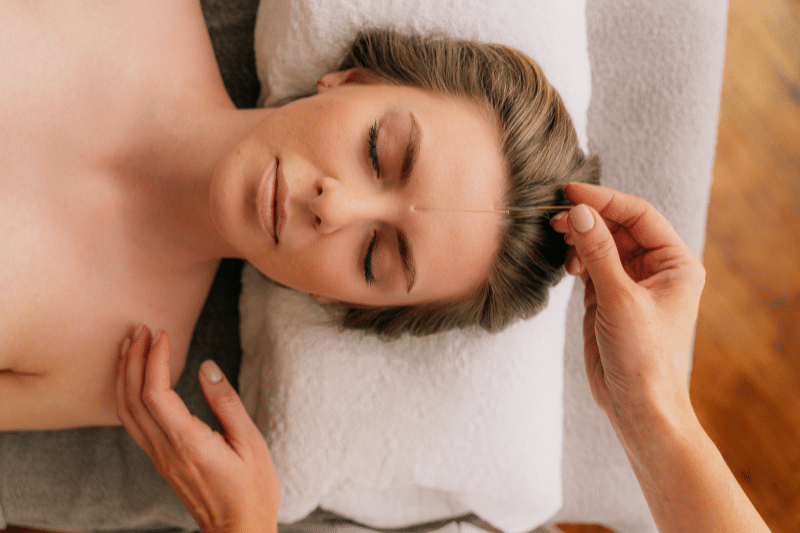
Acupuncture may be especially helpful for mothers and caregivers who feel physically tense, emotionally overloaded, tired, depleted, or disconnected from their own needs.
This may include:
The common thread is not age or life stage. It is the need for care that recognizes the whole person.
Acupuncture is generally considered safe when performed by a trained practitioner, but some situations require additional medical guidance.
Patients should speak with a healthcare provider before starting acupuncture if they are pregnant, have a bleeding disorder, take blood thinners, have a pacemaker, are undergoing complex medical treatment, or have a serious medical condition.
It is also important to share all relevant health history, medications, and recent changes before treatment begins.
Sudden severe pain, chest pain, neurological symptoms, fever, heavy bleeding, severe postpartum depression, or thoughts of self-harm require urgent medical attention.
Acupuncture can be part of a wellness plan, but it should not delay emergency or medically necessary care.
Safety is always part of the care process. When symptoms suggest something more serious, patients may be encouraged to seek medical evaluation before or alongside acupuncture care.
Yes. Acupuncture can be a thoughtful Mother’s Day gift because it offers rest, relaxation, and wellness support instead of another object. It is especially meaningful for mothers who experience stress, poor sleep, fatigue, headaches, muscle tension, or chronic pain.
Acupuncture may help support stress relief by calming the nervous system, easing physical tension, and helping the body shift toward a more relaxed state. In Traditional Chinese Medicine, treatment is personalized based on the patient’s stress pattern, energy, sleep, digestion, and emotional state.
Acupuncture may support better sleep by addressing patterns related to stress, restlessness, fatigue, pain, and nervous system imbalance. Some patients feel deeply relaxed during treatment, which can help create a stronger foundation for rest.
Acupuncture is commonly used for neck pain, shoulder tension, back pain, headaches, and other musculoskeletal concerns. It may be part of a broader pain care plan that includes posture awareness, movement, cupping, Tuina massage, heat therapy, or medical care when needed.
Many new mothers seek acupuncture for postpartum recovery support, stress, sleep disruption, fatigue, pain, and emotional balance. However, postpartum symptoms should be evaluated carefully, especially if there is severe depression, intense anxiety, heavy bleeding, fever, or thoughts of self-harm.
Acupuncture may support women through menstrual changes, PMS, postpartum recovery, perimenopause, and menopause by addressing the full pattern behind symptoms. In Traditional Chinese Medicine, treatment is personalized based on signs of stagnation, deficiency, heat, cold, dampness, or other imbalances.
At ACA Acupuncture & Wellness, care begins with understanding what each person is carrying physically, emotionally, and energetically. A mother experiencing neck tension, poor sleep, and stress may need a different approach than someone navigating postpartum fatigue, digestive changes, or perimenopausal symptoms.
Depending on your needs, your care plan may include acupuncture, Chinese herbal medicine, cupping, moxibustion, ear seeding, reflexology, Tuina massage, or thermal therapy. The goal is to support rest, nervous system regulation, pain relief, sleep, and whole-body balance in a way that feels personal and practical.
Mother’s Day is a beautiful reason to begin, but wellness support does not have to be seasonal. Whether you are caring for your mother, honoring a partner, supporting a new mom, or finally making time for yourself, ACA Acupuncture & Wellness can help you take the next step toward feeling more rested, supported, and balanced.
Sources:
National Center for Complementary and Integrative Health. (n.d.). Acupuncture: Effectiveness and safety. National Institutes of Health.
Office of the Surgeon General. (2024). Parents under pressure: The U.S. Surgeon General’s advisory on the mental health and well-being of parents. U.S. Department of Health and Human Services.
Lucas, J. W., & Sohi, I. (2024). Chronic pain and high-impact chronic pain in U.S. adults, 2023 (NCHS Data Brief No. 518). National Center for Health Statistics.

Recent Comments