

Traditional Chinese Medicine explains human development through predictable life stages. Women follow a 7 year life cycle, while men follow an 8 years cycle, both rooted in the gradual transformation and decline of Kidney Essence, or Jing. These patterns originate from the huangdi neijing life cycles, one of the most influential frameworks in classical East Asian medicine, and they describe how growth, fertility, strength, and aging unfold in a structured, measurable way over time.
In practical terms, this means the body is not changing randomly. It is moving through phases that affect hormones, energy, metabolism, and emotional resilience in consistent intervals. What many people experience as “sudden” fatigue, hormonal imbalance, or aging is often part of a predictable transition within these cycles.
Many people notice shifts in their energy, mood, or physical health as they age but lack a framework to understand why these changes occur when they do. In our clinical experience at ACA Acupuncture & Wellness, these patterns are not random or purely lifestyle-driven. They reflect deeper physiological rhythms that were carefully documented thousands of years ago. When patients begin to understand their place within the 7 year life cycle or 8 years cycle, their symptoms start to make more sense, and their approach to health becomes more proactive rather than reactive.
The huangdi neijing life cycles originate from the Huangdi Neijing, or Yellow Emperor’s Inner Classic, a foundational medical text that continues to shape Traditional Chinese Medicine today. This text presents a structured view of human life, explaining that development is governed by the rise and decline of three essential substances: Jing (Essence), Qi (vital energy), and Blood.
Jing is considered the deepest layer of vitality. It is partially inherited at birth and partially supported by lifestyle. It governs growth, reproduction, and aging. As Jing matures, the body becomes stronger and more capable. As it declines, signs of aging begin to appear, including reduced fertility, slower recovery, and decreased resilience.
What makes this framework especially relevant today is how clearly it maps onto real-life milestones. Puberty, peak fertility, hormonal shifts, and menopause or andropause all align closely with these cycles. While modern medicine explains these changes through endocrinology, TCM provides a broader systems-based perspective that connects physical, emotional, and energetic changes into one cohesive model.
Women move through the 7 year life cycle because their physiology is closely tied to Blood, menstruation, and reproductive function. Key milestones such as the onset of menstruation and menopause are central to this rhythm.
Men move through the 8 years cycle because their development is more closely associated with Qi, physical strength, and the gradual decline of Kidney energy. Their changes tend to be more gradual and less defined by a single event, but they are still highly predictable within this framework.

During the first phase of the 7 year life cycle, Kidney Qi begins to strengthen and establish the body’s foundation. Physical development is visible through the growth of hair, the emergence of teeth, and steady increases in coordination and strength. This stage sets the groundwork for all future development, making nutrition, rest, and overall health especially important.
This phase marks the beginning of puberty. Tian Gui, the reproductive essence, begins to activate, leading to the onset of menstruation. The Ren and Chong meridians, which regulate reproductive health, become more active. Hormonal shifts become noticeable, and emotional sensitivity may increase as the body adjusts to rapid internal changes.
Growth stabilizes, and reproductive function becomes more consistent. Hormones regulate more smoothly, and the body transitions from rapid development into a more balanced state. This phase often reflects increasing independence, both physically and emotionally.
This is considered the peak of the 7 year life cycle. Kidney Qi is at its strongest, fertility is highest, and physical performance is optimal. Muscles are strong, skin appears vibrant, and energy levels are generally stable. From a TCM perspective, this is the period of maximum physiological balance.
Subtle signs of decline begin to emerge. The Yang Ming channels, which influence the face and digestive system, start to weaken slightly. This may show up as changes in skin elasticity, digestion, or energy consistency. While still a strong phase, recovery may not feel as effortless as before.
Hormonal shifts become more noticeable. Hair may begin to thin, skin may lose some elasticity, and stress may have a greater impact on the body. Many women begin to feel changes in metabolism and energy, especially if lifestyle habits are not aligned with their body’s needs.
This phase represents the transition into menopause. The Ren and Chong meridians begin to decline, and menstruation gradually stops. Fertility ends, and the body shifts into a new long-term balance. While often viewed as a loss, TCM sees this as a natural transition into a different kind of strength, one that is less focused on reproduction and more on conservation and internal balance.
In the early stage of the 8 years cycle, Kidney Qi builds steadily. Teeth and hair develop, and the body establishes its physical structure. Growth is consistent, and foundational strength begins to form.
Puberty begins as Kidney energy becomes more abundant. Sperm production starts, and reproductive capacity develops. Physical strength increases, and hormonal changes influence mood, energy, and growth patterns.
This phase is marked by rapid gains in strength, endurance, and physical performance. The body becomes more resilient, and recovery is typically fast. It is a period of expansion, both physically and mentally.
This is the peak stage of the 8 years cycle. Muscle strength, vitality, and reproductive energy are at their highest. From a TCM perspective, Kidney Qi is fully developed, supporting optimal performance and resilience.
A gradual decline begins, though it may be subtle. Energy levels may fluctuate more, and recovery may take longer. This stage often coincides with increased stress from career and lifestyle demands, which can accelerate the depletion of Jing if not managed carefully.
Hormonal changes become more apparent. Stress tolerance may decrease, and physical endurance may shift. Sleep, recovery, and metabolic efficiency may require more attention to maintain balance.
The Liver system, which governs tendons and flexibility in TCM, begins to weaken. This can show up as stiffness, reduced mobility, or slower physical recovery. Signs of aging become more visible, both internally and externally.
Kidney Essence declines more significantly. Vitality decreases, and aging accelerates. Teeth and hair may weaken, and overall resilience is reduced. At this stage, preservation of energy becomes the primary focus rather than expansion.
The 7 year life cycle and 8 years cycle are rooted in one of the most fundamental concepts in Traditional Chinese Medicine: the gradual use and transformation of Jing, or Kidney Essence. Jing is considered a finite resource. It is inherited at birth and continually shaped by lifestyle, stress, nutrition, and overall health.
As Jing matures, the body grows, develops, and reaches peak vitality. As it declines, the body begins to show signs of aging, including reduced fertility, slower recovery, and decreased resilience. These changes are not viewed as failures or dysfunctions in TCM. They are expected transitions that follow the natural rhythm outlined in the huangdi neijing life cycles.
What makes this framework especially powerful is its precision. Instead of describing aging in vague terms, TCM organizes it into predictable stages tied to measurable shifts in Kidney Qi, Blood, and hormonal function.
From a modern perspective, these cycles closely mirror key biological milestones. Puberty aligns with the activation of reproductive hormones. Peak fertility corresponds with optimal endocrine function. Menopause and andropause reflect the gradual decline of hormonal output and cellular regeneration.
The difference is that TCM does not isolate these changes. It connects them into a single, continuous timeline. This allows both practitioners and patients to anticipate what is coming next and adjust proactively rather than reactively.

Most people experience the effects of the 7 year life cycle or 8 years cycle without realizing there is an underlying pattern guiding these changes. What often feels random or frustrating is actually highly structured when viewed through the lens of the huangdi neijing life cycles.
Energy levels, for example, tend to rise and fall in alignment with these phases. A person in their late 20s or early 30s may feel naturally driven and resilient, while someone entering their late 30s or 40s may notice that recovery takes longer and energy requires more intentional support.
Hormonal changes are another clear expression of these cycles. Shifts in estrogen, progesterone, and testosterone influence mood, sleep quality, metabolism, and reproductive health. These changes often follow the timing outlined in TCM, even when explained through modern endocrinology.
Physical appearance also reflects internal balance. Skin elasticity, hair thickness, muscle tone, and bone density all change in predictable ways as Jing declines. These are not isolated cosmetic concerns. They are external indicators of deeper physiological transitions.
Emotional resilience evolves as well. Many people notice shifts in stress tolerance, focus, and emotional stability at different stages of life. TCM connects these changes to the strength of Kidney energy and the balance of Qi throughout the body.
When patients begin to understand these patterns, their perspective shifts. Instead of asking “What is wrong with me?” they begin asking “What phase am I in, and how can I support it?” That shift alone can be transformative.
At ACA Acupuncture & Wellness, our acupuncturists approach the 7 year life cycle and 8 years cycle as a roadmap rather than a limitation. Each phase has different needs, and our goal is to support the body as it transitions from one stage to the next with as much stability as possible.
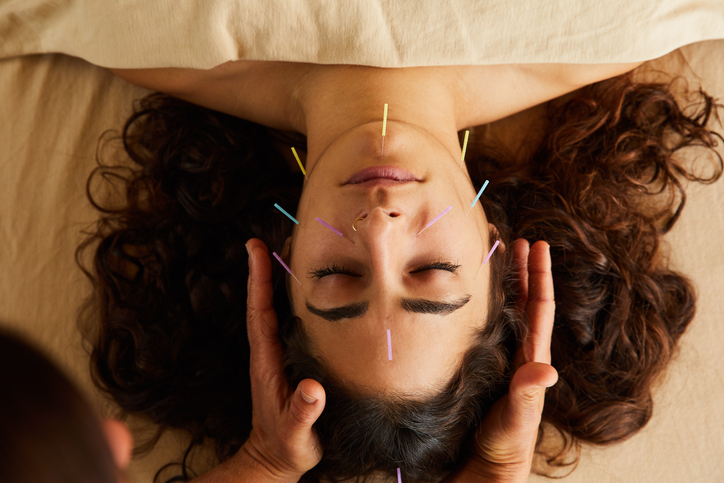
Acupuncture plays a central role in this process. By regulating Qi and Blood, we help the body adapt more smoothly to hormonal and energetic changes. Treatments are tailored to the individual’s stage of life, symptoms, and overall constitution.
For women, we often focus on supporting menstrual health, optimizing fertility, and easing the transition into menopause. This may include regulating cycles, reducing symptoms like fatigue or mood swings, and strengthening Blood and Kidney energy.
For men, our focus is often on maintaining energy, improving stress resilience, and supporting long-term vitality. As the 8 years cycle progresses, we work to preserve Kidney Jing and prevent premature depletion caused by chronic stress, overwork, or poor recovery.
What sets this approach apart is timing. Instead of waiting for symptoms to become severe, we intervene early, aligning care with the body’s natural rhythm. This allows for more sustainable, long-term results.

Supporting your place within the 7 year life cycle or 8 years cycle does not require extreme changes, but it does require consistency and awareness. Small, daily habits have a cumulative effect on how quickly Jing is used and how well the body adapts to each stage.
Nutrition is foundational. Warming, nourishing foods such as soups, broths, and root vegetables help support Kidney energy and digestion. Adequate protein and mineral intake also play a role in maintaining strength and resilience over time.
Sleep is one of the most important factors in preserving Jing. Deep, consistent rest allows the body to repair and regenerate. Chronic sleep deprivation, on the other hand, accelerates depletion and can push the body into earlier decline.
Stress management is equally critical. High stress levels disrupt hormonal balance, weaken Qi, and accelerate the aging process. Practices such as acupuncture, breathwork, and mindful movement can help regulate the nervous system and protect long-term health.
Herbal medicine can provide additional support during transitions. Specific formulas are often used to nourish Kidney Yin or Yang, support Blood, and ease symptoms associated with menopause, andropause, or fatigue. When used appropriately, herbs can help bridge the gap between life stages more smoothly.
The key is consistency. Small, supportive habits practiced over time can significantly influence how each phase of the huangdi neijing life cycles unfolds.
Interest in the huangdi neijing life cycles continues to grow as more people look for structured, holistic ways to understand aging. Today, conversations around longevity, hormone optimization, and preventative health are more mainstream than ever, and many of these modern approaches echo principles that have existed in TCM for thousands of years.
Research in areas like endocrine health, circadian biology, and cellular aging increasingly supports the idea that the body changes in predictable phases. While the language differs, the underlying patterns are strikingly similar to those described in the 7 year life cycle and 8 years cycle.
What makes this framework especially valuable today is its practicality. It does not just explain what is happening. It provides a roadmap for how to respond. Instead of reacting to fatigue, hormonal imbalance, or aging after the fact, individuals can anticipate these shifts and support their bodies in advance.
The 7 year life cycle is a framework that describes how women grow, reach peak fertility, and transition through aging in seven-year stages, guided by changes in Kidney energy and reproductive function.
Men experience predictable shifts in strength, fertility, and vitality every eight years as part of the 8 years cycle, reflecting the gradual rise and decline of Kidney Essence.
While the huangdi neijing life cycles come from ancient medical theory, they closely align with modern understandings of hormonal development, reproductive health, and biological aging patterns.
Yes. Acupuncture helps regulate Qi, support hormonal balance, and improve the body’s ability to adapt to each phase, making transitions smoother and reducing common symptoms associated with aging.
Not exactly. The 7 year life cycle and 8 years cycle provide a general framework based on the huangdi neijing life cycles, but individual experiences can vary depending on genetics, lifestyle, stress levels, and overall health. Some people may experience earlier or later transitions, especially if their Kidney energy is either well-supported or significantly depleted.
You can estimate your stage based on your age in relation to the 7 year life cycle or 8 years cycle, but symptoms often provide additional clues. Changes in energy, sleep, hormones, skin, hair, and recovery can indicate a transition between phases.
Understanding the 7 year life cycle, 8 years cycle, and the broader huangdi neijing life cycles offers a more strategic way to approach health. Instead of viewing symptoms as isolated issues, they become signals that reflect where you are within a larger physiological timeline.
This perspective changes how decisions are made. Energy is managed more intentionally. Hormonal changes are anticipated rather than feared. Lifestyle choices become aligned with long-term resilience instead of short-term fixes.
At ACA Acupuncture & Wellness, we view each phase not as a decline, but as a transition that can be supported and optimized. With the right approach, every stage of life can feel stable, purposeful, and balanced.
By working with the body’s natural rhythms rather than against them, long-term wellness becomes more achievable, more predictable, and ultimately more sustainable.
Sources:
Scheid, V. (2007). Traditional Chinese medicine—What are we investigating? Complementary Therapies in Medicine.
Huangdi Neijing (Yellow Emperor’s Inner Classic). (n.d.). In Wikipedia.
Acupuncture Today. (n.d.). I Ching and cycles of Jing.

Recent Comments