


Grounding, also known as earthing, is the practice of making direct physical contact with the Earth’s surface, usually by walking barefoot on grass, soil, or sand, sitting or lying on the ground, or using a conductive grounding system indoors.
The basic idea is simple. Grounding connects the body electrically to the Earth through direct contact with a conductive surface. Supporters propose that this connection may influence processes related to sleep, stress, inflammation, circulation, and physical recovery. While grounding is easy to practice, many of its proposed health effects have not yet been established by large, high-quality clinical trials.
For most people interested in grounding, the simplest approach is also the most accessible: safely spending some time barefoot outdoors.
Grounding and earthing generally describe the same practice: creating direct conductive contact between the human body and the Earth.
The easiest example is walking barefoot across grass.
Other forms can include standing barefoot on soil, sitting on the ground with bare skin touching the surface, walking along a sandy beach, or wading in natural water.
The concept is based on the electrical properties of both the human body and the Earth.
Because the human body contains water and dissolved electrolytes, it conducts electricity. The Earth’s surface also has an electrical potential. When a conductive body makes direct contact with the Earth, electrical potential can equalize between them.
Grounding advocates propose that this electrical interaction may have biological effects.
This should not be confused with electrical grounding in buildings, where grounding is primarily a safety mechanism for electrical systems. It is also different from psychological grounding exercises used to manage overwhelming thoughts, emotions, or anxiety.

Grounding works by creating direct contact between the body and a conductive surface connected to the Earth. Because the human body conducts electricity, this contact can change the body’s electrical potential.
The Earth acts as a large conductive body. When the body makes conductive contact with the ground, electrical charge can redistribute until its electrical potential approaches that of the Earth.
Walking barefoot on grass, soil, or another conductive surface creates a pathway for electrical charge to move between the body and Earth. This electrical effect can occur quickly, although it does not necessarily translate into health benefits.
The earthing theory proposes that electrons from the Earth may interact with reactive molecules associated with oxidative stress. This mechanism remains a hypothesis rather than an established explanation for grounding’s potential health effects.
Grounding has also been associated with relaxation and changes in autonomic nervous system activity. However, outdoor grounding often involves other calming factors, including movement, nature exposure, fresh air, and time away from screens.
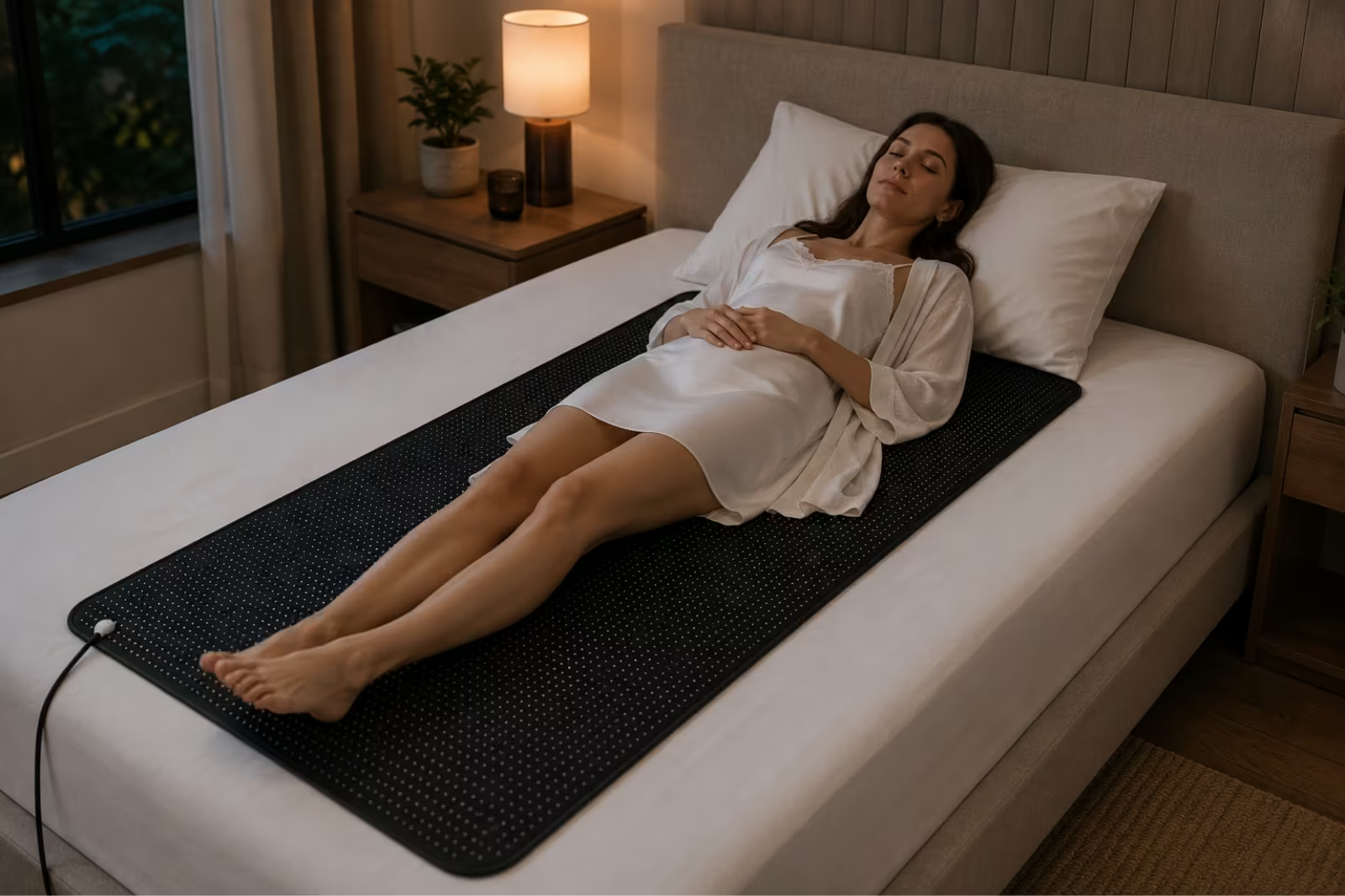
Grounding has been associated with potential benefits related to sleep, stress, inflammation, physical recovery, circulation, mood, and energy. However, these effects are not guaranteed, and grounding should be considered a complementary wellness practice rather than a medical treatment.
Outdoor grounding requires no specialized equipment. The simplest approach is direct skin contact with a safe natural surface.
Always check outdoor areas for sharp objects, hot surfaces, insects, contaminated soil, and other potential hazards.
Not every surface conducts electricity equally well. Moisture and direct connection with the Earth generally improve conductivity.
Yes. Indoor grounding products are designed to create an electrical connection to the Earth when direct outdoor contact is not practical.
Common options include:
Indoor grounding products should always be installed and used according to their instructions. Never improvise connections involving electrical outlets or wiring.
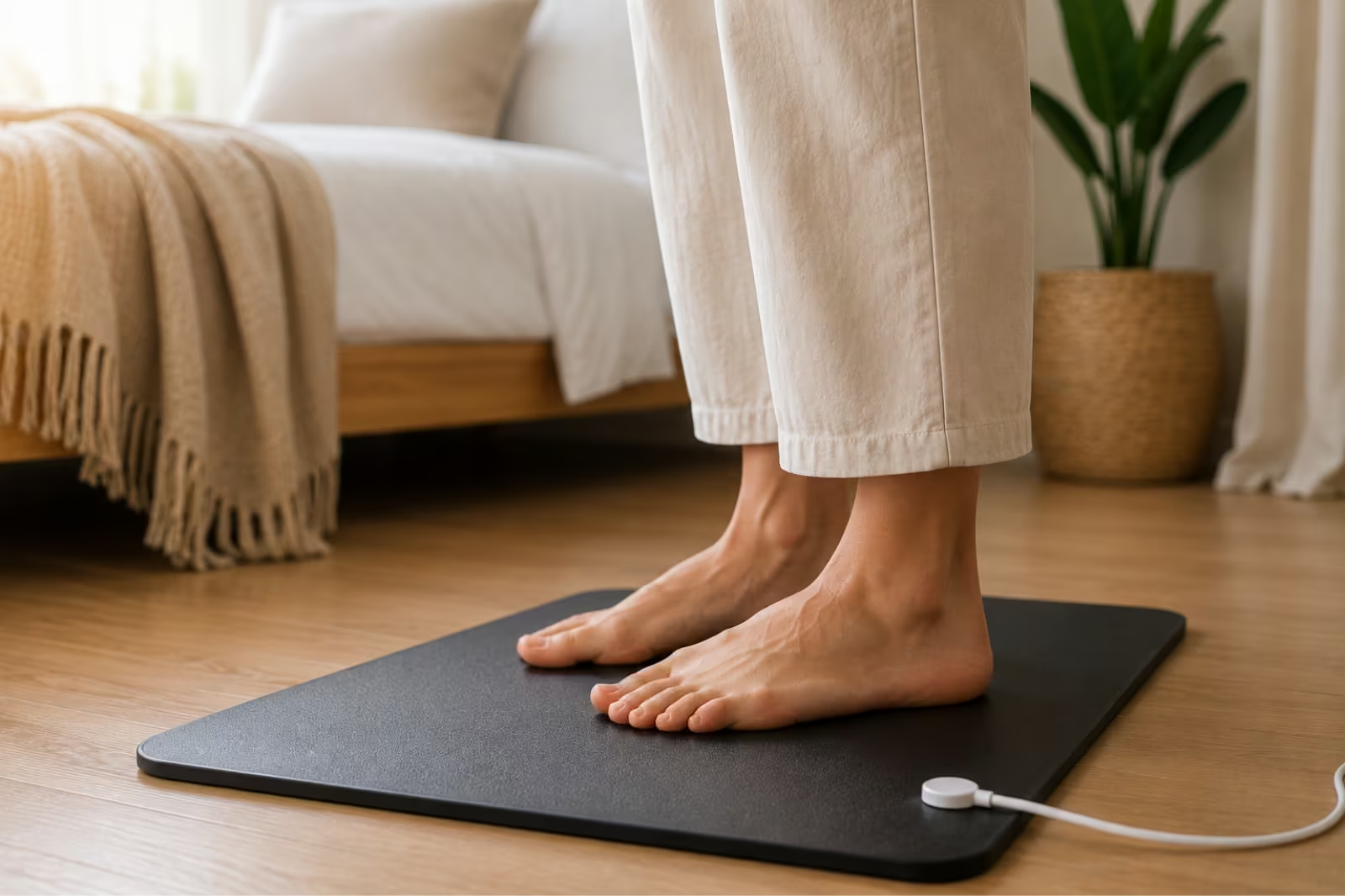
Outdoor grounding has one obvious advantage: it does not require purchasing specialized wellness equipment.
Walking barefoot outside can also provide movement, natural light, sensory stimulation, and exposure to natural surroundings.
Indoor grounding systems offer convenience. Someone who lives in a high-rise building, works long hours indoors, or lives somewhere with extreme weather may find outdoor grounding impractical.
But indoor equipment introduces another consideration: the electrical connection must be appropriate and safe.
There is also an important scientific difference.
Outdoor grounding combines numerous experiences at once. Indoor grounding equipment may make it easier to investigate electrical grounding independently from the effects of being in nature, although study design still matters.

No.
Grounding specifically refers to establishing conductive physical contact between the body and Earth.
You can spend hours outdoors without grounding if you are wearing insulating shoes or sitting on an insulated surface.
Likewise, an indoor grounding mat is intended to electrically ground someone without requiring exposure to nature.
The distinction matters because spending time in natural environments can have benefits unrelated to electrical grounding.
Walking outside may involve physical activity, daylight exposure, social interaction, reduced screen time, sensory stimulation, and a change in surroundings.
These factors make it difficult to determine whether feeling better after a barefoot walk comes from grounding specifically or from the overall experience.
Grounding is generally low risk for many healthy people, but outdoor and indoor methods require basic safety precautions.
Walking barefoot can expose you to sharp objects, insects, hot surfaces, contaminated soil, and uneven terrain. Always inspect the area before removing your shoes.
Grounding mats, sheets, and other equipment should be used according to the manufacturer’s instructions and connected only to an appropriate grounding source. Never improvise electrical connections.
People with reduced foot sensation, open wounds, poor wound healing, mobility problems, implanted medical devices, or certain medical conditions may need additional precautions. If you have concerns about grounding equipment interacting with a medical device or treatment, consult an appropriate healthcare professional first.
Grounding can be simple. Find a safe outdoor space and spend a comfortable amount of time barefoot on grass, soil, or sand while walking, standing, or sitting.
You can combine grounding with gentle movement, stretching, breathing exercises, meditation, or quiet time outdoors. Focus on how you feel rather than expecting immediate results.
Grounding is best viewed as a complementary wellness practice alongside healthy sleep, regular movement, balanced nutrition, stress management, and appropriate healthcare.
Traditional Chinese Medicine does not explain grounding through the electrical concepts used in modern earthing. Instead, TCM emphasizes harmony between the body, Qi, and the natural environment.
There is no established best time for grounding. Morning may pair well with a walk, daytime can provide a break from prolonged sitting, and evening may fit into a relaxation routine. Choose a time that is comfortable and easy to maintain consistently.
Shoes made from rubber or synthetic materials can interfere with direct electrical contact between the body and the Earth. Bare feet provide more direct contact, but footwear should always be worn when the terrain presents a risk of injury.
Electrical changes may occur quickly once conductive contact with the Earth is established, but this does not prove an immediate health benefit. Some people may feel relaxed within minutes, while other perceived effects can vary considerably.
There is no established medical recommendation for how long a grounding session should last. Common suggestions such as 10, 20, or 30 minutes are not clinically established requirements, so comfort, consistency, and safety are more important than reaching a specific duration.
Children can spend time barefoot outdoors when the environment is safe and appropriate for their age. Parents or caregivers should inspect the area for sharp objects, hot surfaces, insects, contaminated soil, and other hazards. Grounding products that connect to an electrical ground require additional caution and should only be used according to their safety instructions.
Moisture generally increases electrical conductivity, so damp soil, wet grass, and wet sand typically conduct electrical charge more effectively than very dry surfaces. However, greater conductivity does not necessarily mean greater health benefits, since there is no established grounding dose or level of conductivity required for a therapeutic effect.
Grounding is appealing partly because it is simple. You can step outside, remove your shoes in a safe environment, and spend a few quiet minutes in direct contact with the ground.
It may also encourage habits that are worthwhile regardless of the electrical grounding hypothesis, such as spending time outdoors, walking, slowing down, disconnecting from screens, and paying closer attention to your surroundings.
Grounding can therefore be approached as an optional addition to a healthy lifestyle rather than a cure or replacement for established healthcare.
At ACA Acupuncture and Wellness, we take a holistic approach to well-being by considering how lifestyle, stress, movement, sleep, and restorative practices work together to support overall health. Alongside healthy daily habits, treatments such as acupuncture and cupping therapy can be incorporated into a personalized wellness plan based on your individual needs and goals.
If you are interested in exploring how acupuncture, cupping, and other holistic approaches may fit into your wellness routine, contact us to schedule an appointment and discuss a personalized treatment plan.
Sources:
Park, H.-J., Lee, G. R., Kim, Y., Kim, J., Sohn, M., Kim, S. H., Rhie, S. J., Kim, K.-R., & Shim, I. (2025). A randomized, double-blind, placebo-controlled study on the improvement of sleep quality with Earthing mat. Advances in Integrative Medicine, 12(3), 100458.
Oschman, J. L., Chevalier, G., & Brown, R. (2015). The effects of grounding (earthing) on inflammation, the immune response, wound healing, and prevention and treatment of chronic inflammatory and autoimmune diseases. Journal of Inflammation Research, 8, 83–96.

Recent Comments