


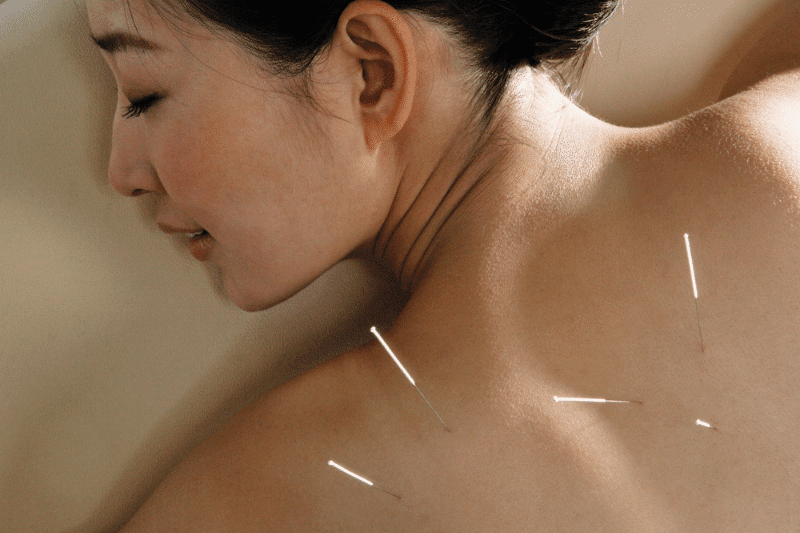
Acupuncture for women helps regulate hormones, improve sleep quality, reduce stress levels, and support reproductive health by influencing the nervous system and endocrine pathways that control menstrual cycles, mood, fertility, and menopause symptoms.
Each year, International Women’s Day highlights the importance of prioritising women’s wellbeing. However, supporting hormonal balance, emotional resilience, and restorative sleep is not a once-a-year focus. It is an ongoing commitment to long-term health. Acupuncture for women’s health offers a natural, integrative approach that supports the body’s internal regulatory systems across every stage of life.
By improving communication between the brain, ovaries, and adrenal glands, acupuncture helps regulate cortisol production, enhance pelvic blood flow, and stabilise sleep-wake hormone cycles. It may reduce inflammation linked to conditions such as PCOS and endometriosis while supporting ovulation patterns, menstrual regularity, and menopausal symptoms including hot flashes and insomnia.
The benefits of acupuncture for women extend beyond temporary symptom relief. Regular care provides a non-pharmacological method to manage pain, stress, and hormonal imbalance from menstruation through pregnancy, postpartum recovery, perimenopause, and menopause. While International Women’s Day serves as a meaningful reminder to honour women’s health, acupuncture remains a year-round strategy for strengthening hormonal stability, improving sleep quality, and supporting overall wellbeing.

Women move through predictable but physiologically complex hormonal transitions across puberty, menstruation, pregnancy, perimenopause, and menopause. These stages rely on stable signaling along the hypothalamic-pituitary-ovarian axis, which governs estrogen, progesterone, luteinizing hormone, and follicle-stimulating hormone production.
Chronic stress disrupts this axis through sustained cortisol elevation. When the hypothalamic-pituitary-adrenal axis remains activated, ovulation may become irregular, progesterone production may decline, and inflammatory cytokines linked to pelvic pain conditions can increase.
Sleep disturbances further impair hormonal signaling because melatonin interacts directly with estrogen receptors and ovarian follicle development. This interconnected neuroendocrine loop explains why PMS, irregular cycles, anxiety, fatigue, insomnia, and hot flashes often appear together rather than in isolation.
This is one of the primary reasons acupuncture benefits for women often involve improvements across multiple symptoms at once rather than targeting a single condition.
Our acupuncturists at ACA use precise point stimulation to influence neurological and endocrine function involved in women’s hormonal regulation.
Recent reproductive endocrinology research through 2024 suggests acupuncture may normalize luteinizing hormone pulsatility and improve ovulatory frequency by modulating hypothalamic signaling.
Acupuncture for women promotes autonomic balance by shifting the body toward parasympathetic dominance. This rest-and-digest state may reduce heart rate variability disruptions associated with anxiety and hormonal dysregulation.
Clinical trials involving women experiencing perimenopausal insomnia have demonstrated reduced evening cortisol levels following structured acupuncture treatment.
Needle stimulation may increase endogenous opioid peptides, serotonin, and dopamine levels, supporting mood stability and pain reduction.
Doppler ultrasound studies have shown improved uterine artery blood flow after acupuncture sessions, which may influence implantation and endometrial receptivity.
Markers such as interleukin-6 and tumor necrosis factor-alpha have been observed to decrease following regular treatment cycles.
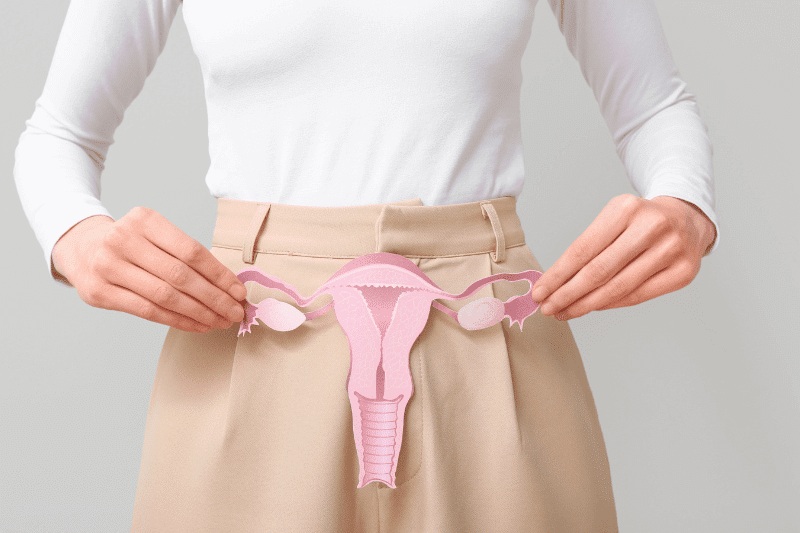
Hormonal imbalance may manifest as irregular periods, acne, mood swings, infertility, weight fluctuations, brain fog, or persistent fatigue. Because female hormones operate through interconnected neuroendocrine pathways, symptoms often reflect disruption across the hypothalamic-pituitary-ovarian axis rather than a single isolated hormone.
Acupuncture for women’s health works by influencing central nervous system signaling, reducing stress-mediated hormonal suppression, and supporting ovarian function through improved blood flow and endocrine communication.
Our acupuncturists at ACA frequently support women managing:
PCOS is often associated with insulin resistance, irregular ovulation, and elevated androgens. Acupuncture may improve insulin sensitivity and help regulate luteinizing hormone secretion patterns. Studies have suggested that consistent treatment may support ovulatory frequency and improve cycle regularity by stabilizing hypothalamic signaling.
Endometriosis is linked to inflammatory cytokines, prostaglandin excess, and pelvic congestion. Acupuncture may reduce inflammatory mediators, improve pelvic circulation, and help modulate pain perception through endogenous opioid release. Many women report decreased pelvic pain intensity and improved cycle comfort over time.
PMS and PMDD often involve serotonin fluctuations, prostaglandin activity, and stress reactivity. Acupuncture benefits for women in this category may include mood stabilization, reduced irritability, and decreased cramping by supporting neurotransmitter balance and reducing sympathetic overactivation.
Perimenopause is characterized by fluctuating estrogen and progesterone levels, often causing irregular cycles, mood changes, and sleep disruption. Acupuncture may help stabilize autonomic regulation and reduce cortisol interference that worsens these fluctuations.
Vasomotor symptoms such as hot flashes and night sweats are linked to thermoregulatory changes in the hypothalamus. Acupuncture may support temperature regulation, improve sleep continuity, and reduce the intensity and frequency of hot flashes. Many women also report improvements in mood, joint discomfort, and overall vitality.
When treatment is initiated consistently, many women experience improved cycle predictability and symptom reduction within three menstrual cycles.

Women demonstrate greater hypothalamic sensitivity to stress hormones compared to men. Persistent activation of the sympathetic nervous system increases cortisol levels, which may suppress ovulation, reduce progesterone production, disrupt thyroid function, and impair sleep quality.
Acupuncture for women helps shift the body from a chronic fight-or-flight state into parasympathetic dominance. This shift supports:
By regulating autonomic nervous system function, acupuncture may improve emotional resilience, decrease anxiety symptoms, and mitigate burnout patterns associated with chronic stress exposure. Because stress and hormones are bi-directionally linked, improving stress regulation often leads to secondary improvements in menstrual regularity and sleep.
Sleep disturbance is one of the most common complaints in women, particularly during perimenopause and menopause. Hormonal shifts can increase sleep latency, nighttime awakenings, and early morning waking. Elevated evening cortisol and reduced melatonin production frequently contribute to this pattern.
Acupuncture for women may help:
By calming the nervous system and regulating stress hormones, acupuncture addresses one of the root causes of sleep disruption rather than simply masking symptoms. Women experiencing menopause-related sleep disturbance often notice measurable improvement in sleep continuity and daytime energy within six to eight sessions.
Menstrual health reflects the overall stability of hormonal and inflammatory signaling. Acupuncture for women’s health is frequently integrated into reproductive care plans to support both natural conception and assisted reproductive therapies.
Treatment may help:
Improved pelvic blood flow may create a more receptive implantation environment during assisted reproductive treatment. Many reproductive endocrinologists now recognize acupuncture as a complementary therapy for stress reduction and circulatory support.
Preconception care focuses on optimizing hormonal stability before pregnancy. Even subtle stress hormone elevation can interfere with ovulation timing and implantation success.
Preconception acupuncture may support:
Between 2022 and 2025, many integrative fertility clinics expanded acupuncture referrals due to growing recognition of its role in stress modulation and blood flow support during IVF cycles.
Acupuncture for women’s health remains adaptable throughout pregnancy when administered by trained professionals. Treatments are modified to ensure safety while addressing common symptoms.
During pregnancy, acupuncture may assist with:
By supporting nervous system regulation and circulation, acupuncture may help women feel more stable and resilient throughout pregnancy.
The postpartum period involves rapid hormonal shifts, sleep deprivation, and increased physiological demands. Estrogen and progesterone levels drop dramatically after delivery, while prolactin and oxytocin fluctuate with breastfeeding.
Postpartum acupuncture may help:
Because postpartum hormonal changes can influence mood and energy levels, nervous system regulation remains a central goal of treatment during this stage.
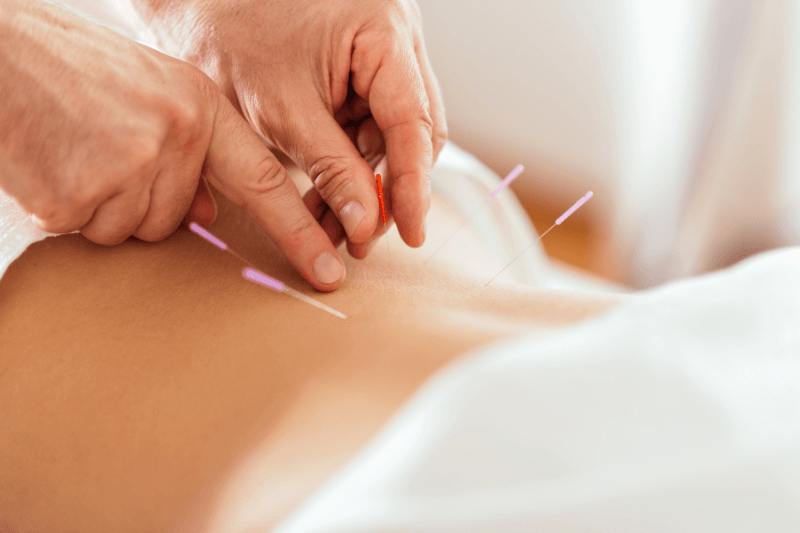
Women experience higher rates of chronic migraine, fibromyalgia, temporomandibular joint pain, pelvic floor dysfunction, and autoimmune overlap conditions compared to men. These patterns are often linked to immune system reactivity, estrogen-mediated inflammatory pathways, and heightened central pain sensitivity.
Chronic inflammation may also contribute to menstrual irregularities, fatigue, joint stiffness, and mood disturbances by disrupting normal endocrine signaling.
Acupuncture for women’s health may support inflammatory regulation by influencing cytokine production, improving microcirculation, and modulating pain perception through endogenous opioid release. Research has shown that acupuncture may activate descending inhibitory pain pathways and reduce neurogenic inflammation associated with chronic musculoskeletal and neuropathic pain.
The benefits of acupuncture for women may include reductions in:
Because inflammation and hormone regulation are closely connected, improvements in pain often coincide with better sleep quality, reduced fatigue, and enhanced mood stability.
Acupuncture for women is typically tailored to individual hormonal patterns, symptom presentation, and health goals. During an initial consultation, our acupuncturists at ACA assess menstrual history, sleep patterns, stress levels, and reproductive health concerns to develop a personalised treatment plan.
Most women begin with weekly sessions for six to eight weeks to support nervous system recalibration and hormonal stabilization. Each session involves the placement of sterile, single-use needles at specific points designed to:
Depending on clinical needs, acupuncture may be integrated with conventional care. Our team frequently collaborates with primary care providers, OB-GYN specialists, fertility specialists, and reproductive endocrinologists when an integrative approach is indicated.
Acupuncture benefits for women across all life stages, particularly those experiencing:
Because hormonal regulation influences mood, sleep, metabolism, and reproductive function, many women seek acupuncture for women’s health as part of a comprehensive wellness strategy.
Early intervention may improve long-term endocrine stability and reproductive outcomes. Women often begin acupuncture for women when experiencing:
Addressing hormonal imbalance at its earliest stages may help prevent the progression of more complex endocrine disruptions later in life.
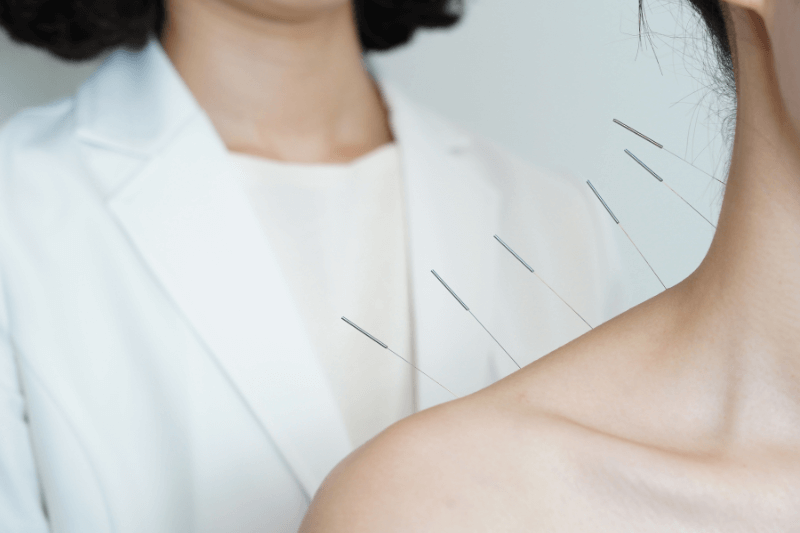
As integrative medicine continues expanding in 2025, acupuncture is increasingly used alongside endocrinology, gynecology, reproductive medicine, and behavioral health interventions to address the interconnected biological systems that influence women’s health across the lifespan.
Acupuncture for women is now commonly incorporated into care plans focused on hormone regulation, fertility support, menopause symptom management, and chronic pain reduction. By influencing nervous system function, inflammatory activity, and endocrine communication, acupuncture provides a complementary approach to conventional treatment strategies.
While International Women’s Day serves as an important reminder to prioritise women’s wellbeing, acupuncture for women’s health remains a valuable year-round approach to supporting hormonal balance, restorative sleep, emotional resilience, and reproductive health at every stage of life.
Sources:
National Center for Complementary and Integrative Health. (2023). Acupuncture: In depth. U.S. Department of Health and Human Services. https://www.nccih.nih.gov/health/acupuncture-in-depth
Lim, C. E., Chen, W., Cheng, L. N. C., Xue, C. C., Wong, F. W. S., O’Sullivan, A. J., & Liu, J. P. (2011). Acupuncture for polycystic ovarian syndrome. Cochrane Database of Systematic Reviews, 2011(9). https://doi.org/10.1002/14651858.CD007689.pub2
Williams, H., Sweet, L., & Graham, K. (2020). Acupuncture during pregnancy and the perinatal period: Women’s attitudes, beliefs and practices. Women and Birth, 33(3), e286–e294. https://doi.org/10.1016/j.wombi.2019.04.010
Women can support hormonal balance naturally through consistent sleep patterns, stress reduction, anti-inflammatory nutrition, regular movement, and therapies that regulate nervous system function. Acupuncture for women’s health may help balance hormones by improving communication between the brain and endocrine glands, supporting ovulation, reducing cortisol levels, and promoting stable estrogen and progesterone production. Many women incorporate acupuncture as part of a broader integrative approach to long-term hormonal regulation.
Yes. Chronic stress activates the hypothalamic-pituitary-adrenal axis, which increases cortisol production and may interfere with reproductive hormone signaling along the hypothalamic-pituitary-ovarian axis. Elevated cortisol may disrupt ovulation, reduce progesterone levels, and contribute to irregular menstrual cycles, sleep disturbances, and fatigue. One of the key acupuncture benefits for women is its ability to promote parasympathetic nervous system activity, helping reduce the physiological impact of chronic stress on hormonal balance.
The body naturally detoxifies through the liver, kidneys, digestive system, and lymphatic circulation. Supporting these processes through hydration, nutrient-dense foods, restorative sleep, and stress management may promote hormone stability. Acupuncture for women may support detoxification indirectly by improving circulation, reducing systemic inflammation, and regulating endocrine and nervous system function, which may assist the body’s natural metabolic and hormonal processes.
Acupuncture for women may help regulate hormonal activity by influencing the hypothalamic-pituitary-ovarian axis and reducing stress hormone levels that interfere with reproductive function. Treatments may support menstrual cycle regularity, ovulation, and menopausal symptom management. The benefits of acupuncture for women often include improved sleep quality, reduced anxiety, and decreased inflammation, all of which are closely linked to hormonal stability.
Acupuncture for women’s health is commonly used to support menopause-related symptoms such as hot flashes, night sweats, mood changes, and insomnia. By influencing thermoregulation, neurotransmitter balance, and autonomic nervous system activity, acupuncture may help reduce the frequency and intensity of vasomotor symptoms and improve overall sleep quality during menopause.
Some women notice improvements in sleep or stress levels after a few sessions, while hormonal symptoms such as irregular cycles or PMS may take several weeks of consistent care to improve. Most acupuncture treatment plans for women begin with weekly sessions for six to twelve weeks, depending on the severity and duration of symptoms.
Recent Comments