

Last Updated: July 03, 2026
Natural remedies cannot cure hypothyroidism, but they may help support energy, digestion, inflammation, stress, sleep, and nutrient status when used alongside medical care. The safest natural approach focuses on correcting deficiencies, eating a balanced diet, managing stress, supporting gut health, and avoiding supplements that can interfere with thyroid medication.
Hypothyroidism, also called an underactive thyroid, happens when the thyroid gland does not make enough thyroid hormone for the body’s needs. Because thyroid hormones help regulate metabolism, body temperature, digestion, heart rate, mood, and energy, low thyroid function can affect how the entire body feels and functions.
For many people, thyroid medication remains the foundation of treatment. Natural support can still play an important role, especially when symptoms like fatigue, brain fog, constipation, dry skin, cold sensitivity, weight changes, poor sleep, and stress continue to affect daily life. Acupuncture may help support stress relief, sleep quality, relaxation, physical tension, and overall balance, but it should not be used as a substitute for thyroid medication or medical care.
The key is to use natural remedies wisely. Some nutrients and lifestyle changes can support thyroid health, but high-dose supplements, kelp products, thyroid glandular supplements, and unsupervised herbs may create risks, especially for people with Hashimoto’s thyroiditis or those taking levothyroxine.
Last Updated: July 03, 2026
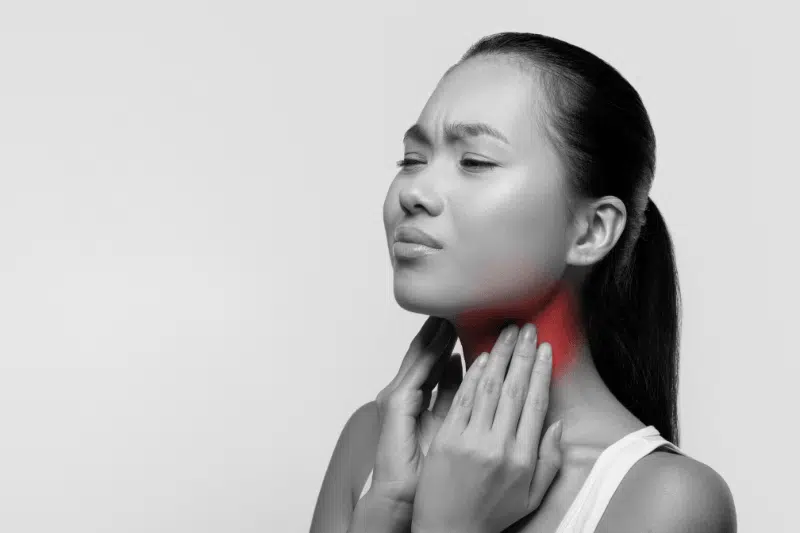
Natural remedies cannot cure hypothyroidism, but they may help support energy, digestion, inflammation, stress, sleep, and nutrient status when used alongside medical care. The safest natural approach focuses on correcting deficiencies, eating a balanced diet, managing stress, supporting gut health, and avoiding supplements that can interfere with thyroid medication.
Hypothyroidism, also called an underactive thyroid, happens when the thyroid gland does not make enough thyroid hormone for the body’s needs. Because thyroid hormones help regulate metabolism, body temperature, digestion, heart rate, mood, and energy, low thyroid function can affect how the entire body feels and functions.
For many people, thyroid medication remains the foundation of treatment. Natural support can still play an important role, especially when symptoms like fatigue, brain fog, constipation, dry skin, cold sensitivity, weight changes, poor sleep, and stress continue to affect daily life. Acupuncture may help support stress relief, sleep quality, relaxation, physical tension, and overall balance, but it should not be used as a substitute for thyroid medication or medical care.
The key is to use natural remedies wisely. Some nutrients and lifestyle changes can support thyroid health, but high-dose supplements, kelp products, thyroid glandular supplements, and unsupervised herbs may create risks, especially for people with Hashimoto’s thyroiditis or those taking levothyroxine.
Hypothyroidism is a condition where the thyroid gland does not produce enough thyroid hormone. The main thyroid hormones are T4 and T3. These hormones help control how the body uses energy, which is why an underactive thyroid can make many body systems feel slower.
Common symptoms may include fatigue, brain fog, weight gain, constipation, dry skin, hair thinning, cold sensitivity, muscle aches, low mood, heavy or irregular periods, puffy face, hoarseness, and a slower heart rate.
Doctors usually check thyroid function with blood tests such as TSH and free T4. In some cases, they may also check free T3, thyroid antibodies, iron levels, vitamin D, B12, or other markers depending on the patient’s symptoms and medical history.
The most common cause of hypothyroidism in the United States is Hashimoto’s thyroiditis, an autoimmune condition where the immune system gradually attacks the thyroid gland. Over time, this can reduce the thyroid’s ability to produce hormones.
Other possible causes include iodine deficiency, too much iodine, thyroid surgery, radioactive iodine treatment, certain medications, postpartum thyroid changes, thyroid inflammation, and pituitary gland problems.
Understanding the cause matters because not every person with hypothyroidism needs the same natural support. Someone with iodine deficiency may need a different plan from someone with Hashimoto’s who already gets enough iodine.
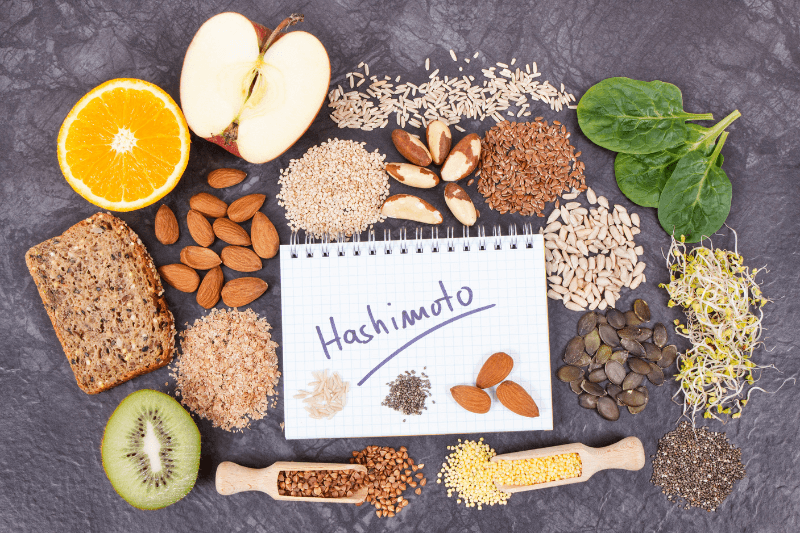
Hypothyroidism usually cannot be treated with natural remedies alone if the thyroid gland is not making enough hormone. Many people need thyroid hormone replacement, such as levothyroxine, to restore healthy hormone levels.
Natural remedies are best used as supportive care. They may help improve nutrient status, lower inflammation, support digestion, ease stress, improve sleep, and make symptoms easier to manage. However, they should not be used as a replacement for medical testing, medication, or professional guidance.
Selenium supports thyroid hormone conversion and antioxidant protection inside the thyroid gland. The body uses selenium-dependent enzymes to help convert T4 into T3, the more active thyroid hormone.
This makes selenium one of the most important nutrients for thyroid health. It is also commonly discussed in relation to Hashimoto’s thyroiditis because the thyroid is vulnerable to oxidative stress during hormone production.
Good selenium-rich foods include:
Brazil nuts are one of the most concentrated selenium sources. However, their selenium content can vary widely, so more is not always better. For many people, one or two Brazil nuts per day may be enough.
Too much selenium can cause side effects such as nausea, diarrhea, brittle nails, hair loss, metallic taste, skin rash, or nervous system symptoms. Food sources are usually safer than high-dose supplements unless a clinician recommends otherwise.
Best for: People who want food-based thyroid nutrient support.
Use caution if: You already take a multivitamin, thyroid supplement, or immune supplement that contains selenium.
Iodine is essential for making thyroid hormones. Every T4 and T3 hormone molecule contains iodine, which is why iodine deficiency can contribute to low thyroid hormone production.
However, iodine balance is important. Too little iodine can contribute to hypothyroidism, but too much iodine may worsen thyroid problems in some people, especially those with Hashimoto’s thyroiditis.
Common iodine sources include:
The goal is not to take as much iodine as possible. The goal is to get the right amount. High-dose iodine supplements and kelp capsules can be risky because they may provide far more iodine than the thyroid needs.
This is especially important for people with autoimmune thyroid disease. In some cases, excess iodine can aggravate thyroid inflammation or make hormone levels harder to manage.
Best for: People who need to maintain healthy iodine intake through normal food sources.
Use caution if: You have Hashimoto’s, are pregnant, take levothyroxine, or are considering kelp or iodine supplements.
Several nutrients influence thyroid hormone metabolism, oxygen delivery, nerve function, and energy production. Zinc, iron, vitamin B12, and magnesium are especially important because deficiencies can mimic or intensify hypothyroid symptoms.
Zinc supports thyroid hormone production, immune function, and hormone conversion. Iron is needed for thyroid enzyme activity and oxygen transport. B12 supports nerve function, red blood cell production, mood, and mental clarity. Magnesium supports muscle function, relaxation, sleep quality, and vitamin D metabolism.
Food sources include:
Testing is helpful before supplementing heavily. For example, iron supplements can cause constipation or stomach upset when used unnecessarily. They can also interfere with levothyroxine absorption if taken too close to thyroid medication.
Best for: People with ongoing fatigue, weakness, hair shedding, brain fog, low mood, or restless legs.
Use caution if: You take thyroid medication. Mineral supplements often need to be spaced several hours away from levothyroxine.
Omega-3 fatty acids support inflammatory balance, brain health, cardiovascular health, and mood. They do not replace thyroid hormone, but they may support some of the systems affected by hypothyroidism.
The most important omega-3s are EPA and DHA. These are found mainly in fatty fish and seafood. Plant foods like flaxseeds, chia seeds, and walnuts contain ALA, which the body can convert into EPA and DHA in limited amounts.
Good sources include:
Omega-3-rich foods may be helpful for people with Hashimoto’s because autoimmune thyroid disease involves immune activity and inflammation. They may also support heart health, which matters because poorly controlled hypothyroidism can affect cholesterol and cardiovascular risk.
Best for: People who want to support inflammation, mood, and heart health through diet.
Use caution if: You take blood thinners, have a bleeding disorder, or are preparing for surgery.
Vitamin D supports immune function, bone health, muscle function, mood, and inflammatory balance. Low vitamin D is commonly discussed in autoimmune conditions, including Hashimoto’s thyroiditis.
Vitamin D does not cure hypothyroidism, but correcting a deficiency may help overall resilience. It may also support muscle strength, mood, and fatigue, which are common concerns for people with low thyroid function.
Vitamin D sources include:
Sunlight needs vary based on skin tone, season, location, age, sunscreen use, clothing, and time spent outdoors. Because of this, blood testing is the best way to know whether supplementation is needed.
A 25-hydroxyvitamin D blood test can help determine whether your level is low, normal, or too high. This is safer than guessing with high-dose supplements.
Best for: People with low sun exposure, fatigue, muscle aches, low mood, autoimmune thyroid disease, or low bone density risk.
Use caution if: You are taking high-dose vitamin D without testing.
Gut health matters in hypothyroidism because digestion, immune regulation, nutrient absorption, and medication absorption are all connected to the gastrointestinal system.
Many people with hypothyroidism experience constipation because low thyroid hormone can slow gut motility. Hashimoto’s thyroiditis is also associated with other autoimmune conditions, including celiac disease, which can affect nutrient levels and digestive comfort.
Gut-supportive foods include:
Probiotic foods introduce beneficial bacteria. Prebiotic foods feed those bacteria. Fiber, hydration, movement, and consistent meals can also support bowel regularity.
This section is also important for medication timing. High-fiber supplements, calcium, iron, magnesium, and some digestive products can interfere with levothyroxine absorption if taken too close to thyroid medication.
Best for: People with constipation, bloating, irregular digestion, or autoimmune thyroid concerns.
Use caution if: You have severe bloating, chronic diarrhea, unexplained weight loss, anemia, or suspected celiac disease.
Stress management does not replace thyroid medication, but it can reduce the symptom burden that often comes with hypothyroidism. Chronic stress can worsen fatigue, sleep quality, muscle tension, digestion, mood, cravings, and inflammation.
Stress usually does not directly cause hypothyroidism, especially when the root cause is Hashimoto’s, thyroid surgery, or iodine imbalance. However, stress can make symptoms feel harder to manage and may affect how well the body recovers.
Helpful mind-body practices include:
Small daily practices are usually more effective than occasional intense efforts. Five minutes of breathing each day can be more helpful than waiting until stress feels overwhelming.
Best for: People whose thyroid symptoms feel worse during stress, poor sleep, or emotional strain.
Use caution if: You are pregnant, taking blood thinners, managing complex medical conditions, or considering herbal formulas.
An anti-inflammatory diet can support thyroid health by providing nutrients for hormone metabolism, immune function, blood sugar stability, gut health, and energy.
This does not mean every person with hypothyroidism needs a restrictive diet. The strongest foundation is a whole-food eating pattern built around protein, colorful plants, healthy fats, fiber, and steady meals.
A thyroid-supportive plate may include:
Reducing ultra-processed foods, excess sugar, fried foods, and heavy alcohol intake may also support energy and inflammation. For many people, steady meals with enough protein are more helpful than restrictive detox plans.
Gluten-free eating may help some people, but it is not required for everyone with hypothyroidism. It is most important for people with celiac disease or clear gluten sensitivity. Since celiac disease and Hashimoto’s are both autoimmune conditions, testing may be worth discussing if you have chronic bloating, diarrhea, iron deficiency, unexplained anemia, nutrient deficiencies, or a family history of celiac disease.
Better gluten-free choices include quinoa, buckwheat, brown rice, potatoes, sweet potatoes, corn tortillas, beans, lentils, fruits, vegetables, nuts, and seeds.
Best for: People who want a sustainable food pattern that supports energy, digestion, inflammation, and nutrient status.
Use caution if: A diet becomes too restrictive or causes under-eating, which may worsen fatigue, hair shedding, mood changes, and cold sensitivity.
Thyroid medication works best when it is taken consistently and absorbed properly. Levothyroxine is commonly taken on an empty stomach with water, often in the morning before food or coffee.
Many supplements and foods can interfere with absorption. Calcium, iron, magnesium, fiber supplements, antacids, and some multivitamins may need to be taken several hours away from thyroid medication. Coffee can also reduce absorption for some people if taken too soon after medication.
Helpful medication habits include:
This is one of the most important thyroid habits because even the right medication dose can seem ineffective if absorption is inconsistent.
Some natural thyroid remedies can create real risks. Natural does not always mean safe, especially for hormone-related conditions.
Use caution with:
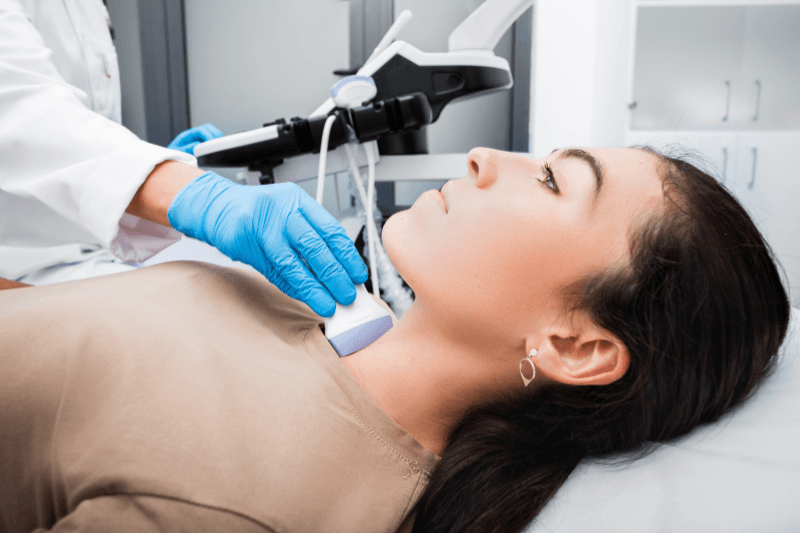
Natural support should never delay medical care when thyroid symptoms are worsening or unusual. Contact a doctor if you experience persistent fatigue, unexplained weight changes, swelling in the neck, worsening constipation, heavy menstrual changes, hair loss, depression, fertility concerns, or symptoms that continue despite medication.
Seek urgent medical care if you develop chest pain, fainting, severe shortness of breath, confusion, very low body temperature, extreme weakness, or a very slow or irregular heartbeat.
You should also speak with a clinician before starting supplements if you are pregnant, trying to conceive, breastfeeding, taking thyroid medication, managing Hashimoto’s, or using medication for the heart, blood pressure, mood, seizures, diabetes, or immune conditions.
At ACA Acupuncture & Wellness, care for thyroid-related symptoms begins with understanding the whole person, not just one symptom. Hypothyroidism can affect energy, digestion, sleep, mood, stress tolerance, circulation, muscle tension, and daily comfort, so supportive care should be personalized.
Acupuncture may be used to support relaxation, nervous system regulation, stress relief, sleep quality, and physical tension. Depending on the patient’s needs, ear seeding, cupping, thermal therapy, Chinese herbal medicine, and lifestyle guidance may also be considered.
These therapies are not a replacement for thyroid medication or medical testing, but they can be part of a broader plan for whole-body support. If you are managing an underactive thyroid and still feel tired, tense, stressed, or out of balance, ACA Acupuncture & Wellness can help you explore supportive care that works alongside your medical treatment plan.
Sources:
American Thyroid Association. (n.d.). Hypothyroidism. American Thyroid Association.
National Institute of Diabetes and Digestive and Kidney Diseases. (2025). Hypothyroidism. National Institutes of Health.
National Center for Complementary and Integrative Health. (2023). Ashwagandha: Usefulness and safety. National Institutes of Health.
Natural remedies cannot cure most cases of hypothyroidism. If the thyroid gland cannot produce enough hormone, medication such as levothyroxine may be needed to restore hormone levels. Natural remedies may still support symptoms, nutrient status, inflammation, stress, digestion, and energy.
The best natural remedy depends on the cause of the thyroid problem. For some people, correcting selenium, iodine, iron, B12, or vitamin D deficiency may help. For others, the most helpful steps are medication consistency, stress management, gut support, anti-inflammatory eating, and better sleep.
Some lifestyle changes may support overall thyroid health, but TSH usually reflects thyroid hormone signaling and should be monitored with blood tests. If TSH is high because the thyroid is not producing enough hormone, natural remedies alone may not normalize it. A clinician can determine whether medication or dose adjustment is needed.
Do not take iodine supplements without medical guidance. Iodine helps thyroid hormone production when intake is too low, but excess iodine can worsen thyroid problems in some people, especially those with Hashimoto’s thyroiditis.
Selenium is important for thyroid hormone metabolism and antioxidant protection. Some people with Hashimoto’s may benefit from adequate selenium intake, but high-dose supplementation is not appropriate for everyone. Food sources are usually the safest starting point.
Acupuncture may help support stress, sleep, relaxation, tension, and overall well-being in people with hypothyroidism. It should not be used as a replacement for thyroid hormone medication or thyroid blood testing.
LOCATIONS
MANHATTAN
QUEENS
NEW JERSEY
CALIFORNIA

The over $4 billion US acupuncture market offers a great opportunity with over 10% annual growth rates and a continuing flow of new patients interested in the benefits of acupuncture.
