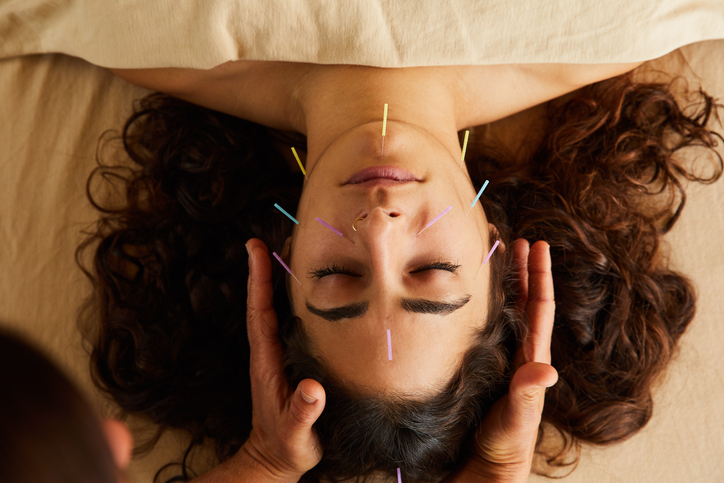

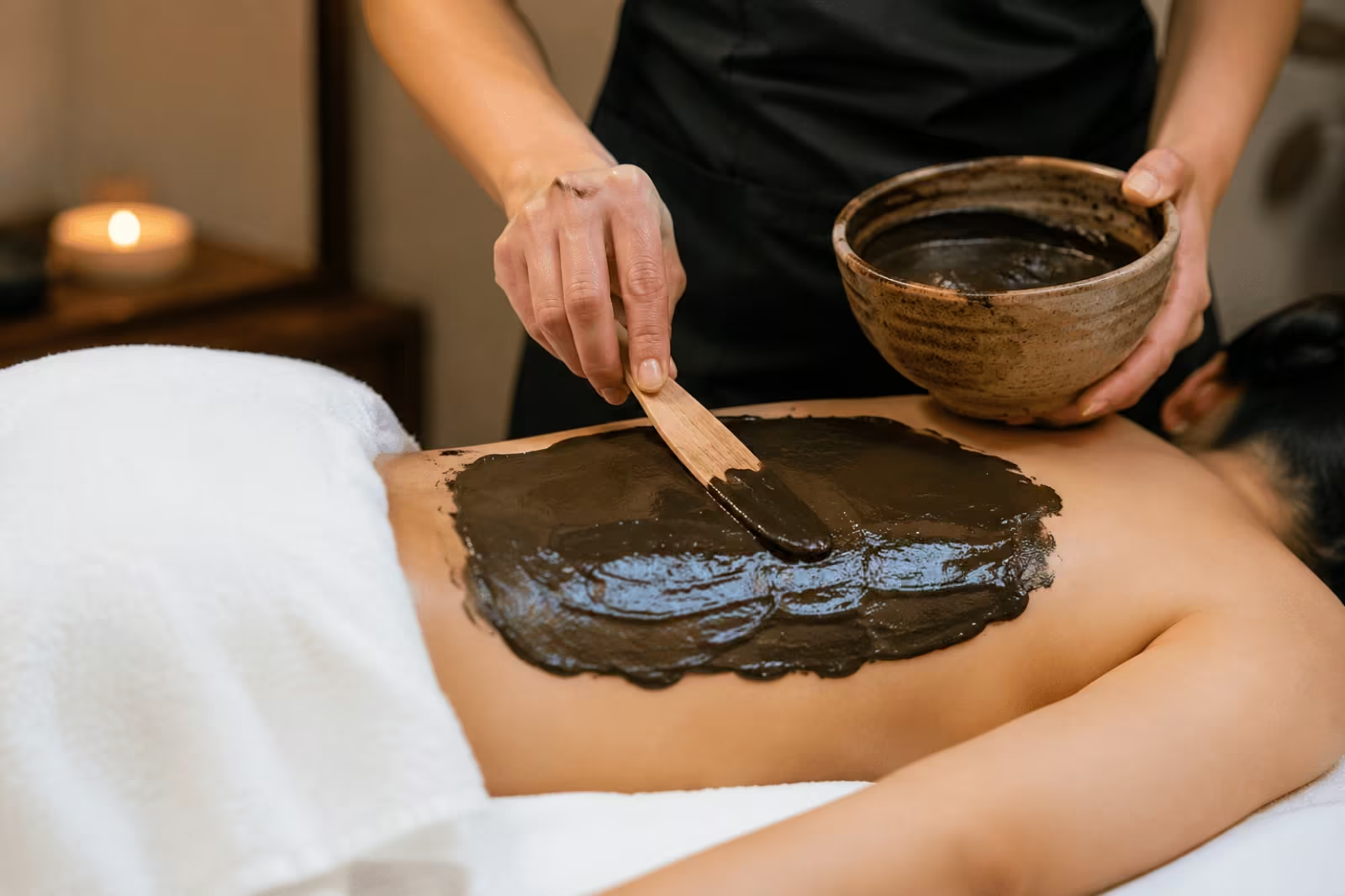
Mud moxibustion is a Traditional Chinese Medicine-inspired heat therapy that combines warm herbal mud, moxa made from mugwort, and targeted acupoint stimulation to support pain relief, circulation, relaxation, and whole-body wellness.
Many people first hear about mud moxibustion when searching for natural support for chronic muscle tension, cold hands and feet, menstrual cramps, bloating, fatigue, or stiffness that feels worse in cold weather. The treatment is often described as deeply warming because it uses a heated herbal mud layer to hold warmth against the body while moxa adds sustained therapeutic heat. In Traditional Chinese Medicine, this combination is used to warm the body, move Qi and blood, and reduce cold-damp stagnation.
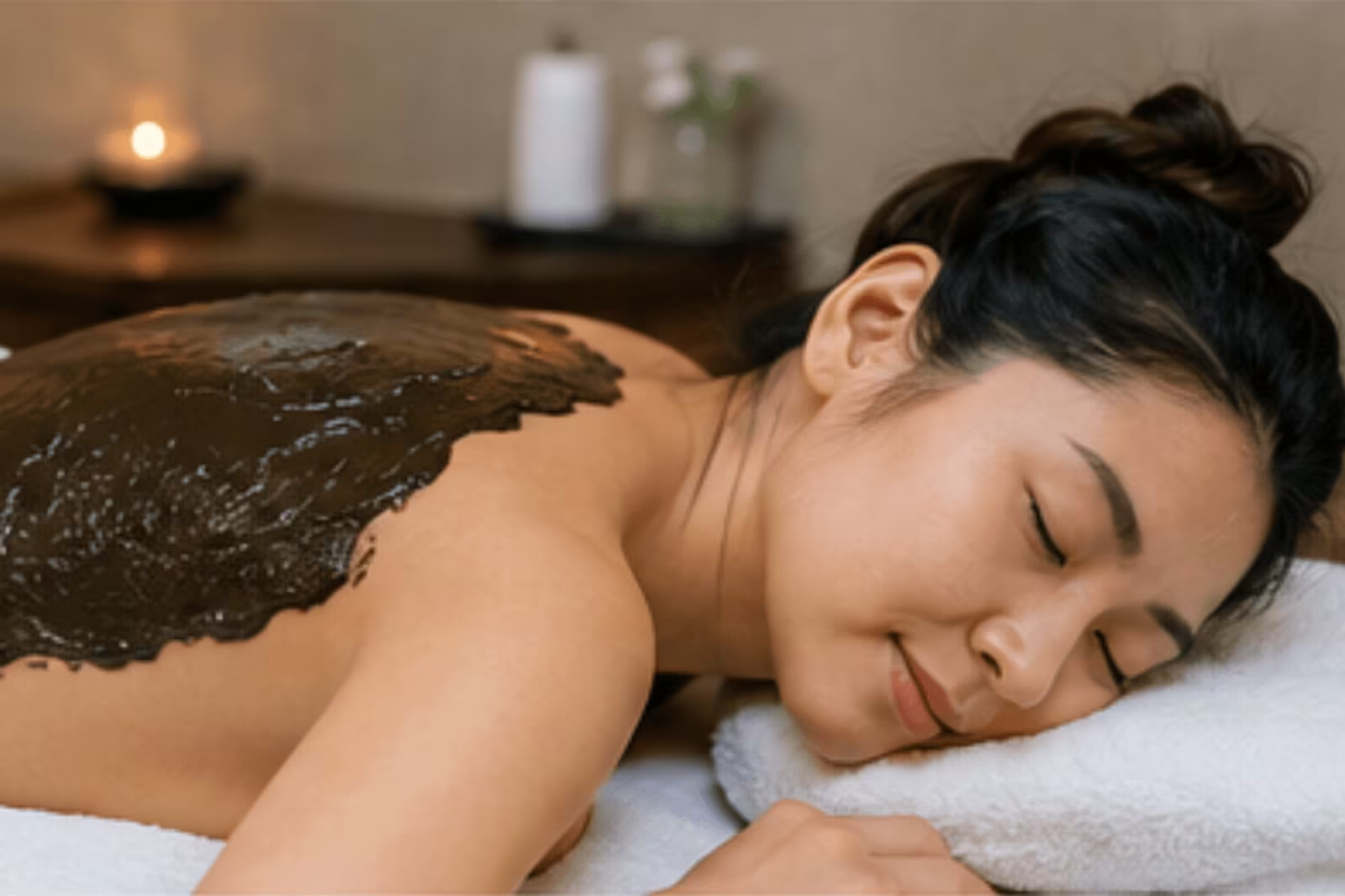
This treatment uses heated medicinal mud and moxa to deliver slow, steady warmth to selected acupuncture points or areas of discomfort. The mud may contain mineral-rich clay, volcanic mud, mugwort, and other herbal ingredients chosen for their warming, soothing, or circulation-supporting qualities.
The treatment belongs to the broader family of moxibustion therapies. Traditional moxibustion uses dried mugwort, often called moxa, to warm acupuncture points. This version adds a thick herbal mud layer that helps hold heat, spread warmth over a larger surface area, and protect the skin from direct contact with burning moxa.
In simple terms, the therapy is not just a mud pack and not just moxa. It combines three main elements:
This is why the treatment is often used for discomfort that feels cold, tight, sluggish, or stagnant. People may seek it for aching muscles, stiff joints, lower abdominal coldness, menstrual discomfort, digestive sluggishness, fatigue, or general wellness support.
Mud moxibustion works by combining retained heat, herbal contact, and acupoint stimulation. The heated mud spreads warmth across the treatment area, while moxa provides a focused source of thermal stimulation that is traditionally used to warm meridians and move Qi and blood.
The experience is different from placing a simple heating pad over sore muscles. A heating pad usually gives flat surface warmth. Mud moxibustion feels heavier, more enveloping, and more targeted because the mud conforms to the body and the moxa heat is directed toward selected points or regions.
In Traditional Chinese Medicine, pain and stiffness are often understood through patterns rather than isolated symptoms. Mud moxibustion is commonly used when a person shows signs associated with cold, dampness, sluggish circulation, or Yang deficiency.
These patterns may include:
From a TCM perspective, moxa warms the channels, supports Yang, moves Qi, and helps disperse cold. The mud layer supports the process by holding warmth close to the body and allowing heat to spread gradually through the selected area.
From a modern wellness perspective, the main effect of mud moxibustion comes from controlled heat. Local warmth can temporarily increase blood flow to the skin and superficial tissues, relax tight muscles, reduce the sensation of stiffness, and calm the body’s stress response.
Heat can also make the treatment feel emotionally soothing. Many people carry tension in the shoulders, lower back, abdomen, and hips. When warmth is applied slowly and safely, the nervous system may shift toward a more relaxed state. This is one reason people often describe mud moxibustion as restorative, grounding, or sleep-supportive.
It is important to explain “detox” claims carefully. Mud moxibustion may cause sweating, and sweating can feel cleansing. However, sweating is not the same as removing disease or medically detoxifying the body. The liver, kidneys, digestive system, lungs, lymphatic system, and skin all play roles in normal elimination. Mud moxibustion should be described as a warming and circulation-supportive therapy, not as a cure or detox shortcut.
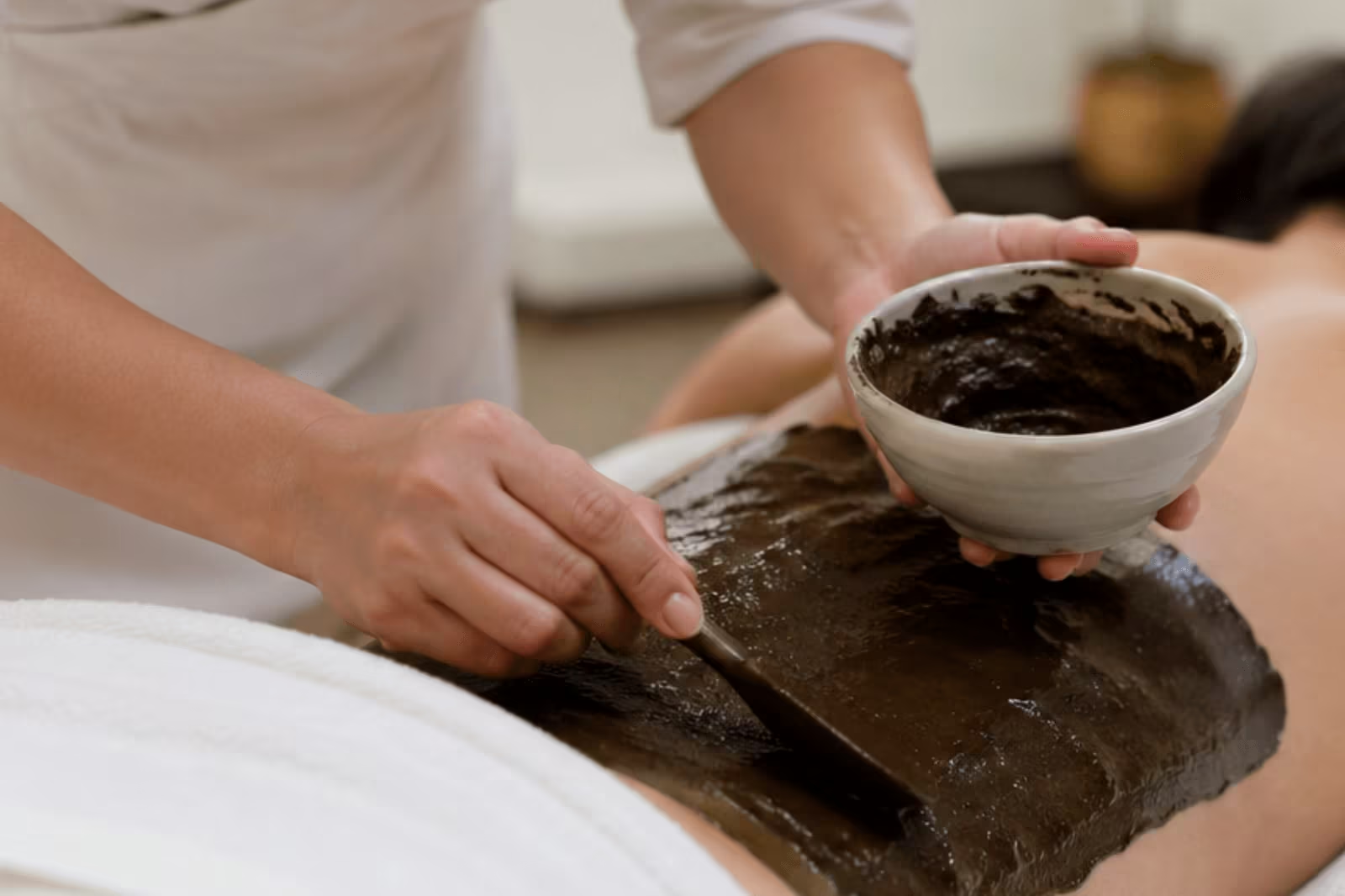
The mud used for mud moxibustion is usually a prepared therapeutic mixture rather than ordinary soil. Formulas vary by clinic, practitioner, and regional tradition. A mud blend may include mineral mud, volcanic mud, clay, mugwort powder, warming herbs, aromatic herbs, or herbal extracts used in Traditional Chinese Medicine.
Common ingredients may include:
Because formulas vary, anyone with allergies, sensitive skin, fragrance sensitivity, asthma, or a history of reactions to topical herbs should ask what is in the mixture before treatment. A professional clinic should be able to explain the ingredients, screen for contraindications, and adjust treatment when needed.
Mud moxibustion is commonly used to support pain relief, circulation, warmth, menstrual comfort, digestion, relaxation, and recovery. The strongest practical value of the therapy comes from its ability to deliver sustained, comfortable heat to areas that feel cold, stiff, tight, or sluggish.
Mud moxibustion is often chosen for aches that feel deep, cold, or stubborn. The warmth may help loosen muscle guarding, reduce stiffness, and make the body feel more mobile after treatment.
People often seek mud moxibustion for:
For pain relief, the goal is not to overwhelm the body with strong heat. The goal is controlled, steady warmth. More heat does not automatically mean better results. A safe session should feel deeply warm but never burning, sharp, or intolerable.
Mud moxibustion is closely associated with circulation support because heat naturally draws blood flow toward the warmed area. In TCM language, this is often described as moving Qi and blood through the meridians. In everyday language, people may describe it as “getting warmth back into the body.”
This is one reason the therapy is popular for people who feel cold easily or notice that discomfort worsens in damp, chilly, or air-conditioned environments.
Common reasons people seek circulation-focused mud moxibustion include:
Mud moxibustion does not replace medical evaluation for circulation problems. Numbness, color changes in the fingers or toes, swelling, unexplained pain, wounds that heal slowly, or sudden changes in sensation should be evaluated by a medical professional.
Mud moxibustion is often used in TCM wellness settings for menstrual cramps, lower abdominal coldness, pelvic tension, and patterns traditionally described as “cold womb.” In TCM, cold in the lower abdomen may be associated with cramping, clotting, delayed flow, or discomfort that improves with warmth.
A lower abdomen session may feel especially comforting for people whose cramps ease when they use a heating pad or warm compress. The warmth may help relax the abdominal wall, reduce tension, and create a sense of pelvic comfort.
However, menstrual pain should not be dismissed as normal if it is severe, worsening, or disruptive. Heavy bleeding, fainting, intense pelvic pain, pain during sex, bleeding between periods, fever, or suspected endometriosis, fibroids, pelvic inflammatory disease, or ovarian cysts require proper medical evaluation.
Mud moxibustion may be used as supportive care, but it is not a substitute for gynecologic diagnosis or treatment.
Abdominal mud moxibustion is commonly used for people who describe sluggish digestion, bloating, abdominal coldness, or a heavy feeling after eating. In TCM, the spleen and stomach are central to digestion, transformation, and energy production. Cold and dampness are often discussed when digestion feels slow or heavy.
Warmth applied to the abdomen may help the body relax. Many people hold tension in the belly without realizing it, especially during stress. A warm abdominal treatment can encourage softer breathing, reduced guarding, and a calmer digestive state.
Mud moxibustion should not be used as a stand-alone solution for persistent digestive symptoms. Ongoing bloating, unexplained weight loss, blood in the stool, severe abdominal pain, vomiting, fever, or sudden changes in bowel habits should be discussed with a healthcare provider.
Mud moxibustion may also support healthy weight management for people whose concerns are linked with bloating, sluggish digestion, water retention, low energy, stress, or a heavy cold feeling in the body. It should not be described as a fat-burning treatment, but as supportive care within a broader wellness plan.
In Traditional Chinese Medicine, these patterns may be associated with dampness, phlegm, weak digestive transformation, and poor Qi movement.
People may consider mud moxibustion for weight loss support when they experience:
The best results usually come when mud moxibustion is combined with balanced nutrition, regular movement, quality sleep, hydration, and proper medical guidance when needed.
Mud moxibustion can feel deeply calming because warmth is one of the body’s most familiar comfort signals. When the treatment is applied safely, the steady heat may help reduce physical tension, quiet the mind, and support a more relaxed state.
People often describe the session as:
This does not mean mud moxibustion directly treats anxiety, insomnia, or chronic fatigue. It means the sensory experience of warmth, stillness, and body contact can support relaxation. For people whose stress shows up as tight shoulders, shallow breathing, coldness, abdominal tension, or fatigue, mud moxibustion may be a helpful part of a broader wellness plan.
Mud moxibustion is also used as a general wellness therapy for people who want to feel warmer, looser, and more restored. It may be especially appealing during colder months or for people who spend long hours in air-conditioned spaces.
Common wellness goals include:
The best results usually come when mud moxibustion is matched to the person’s constitution, symptoms, heat tolerance, and overall health picture.
Mud moxibustion is commonly used for cold-related stiffness, muscle tension, joint aches, menstrual cramps, abdominal coldness, bloating, fatigue, and stress-related body tightness. It is most appropriate when warmth feels soothing and symptoms improve with heat.
People often ask about mud moxibustion for:
The key pattern is warmth responsiveness. If a person feels better with warm compresses, warm baths, or heating pads, mud moxibustion may feel naturally compatible. If symptoms worsen with heat, feel inflamed, or involve redness, swelling, burning, fever, or acute injury, this therapy may not be appropriate.
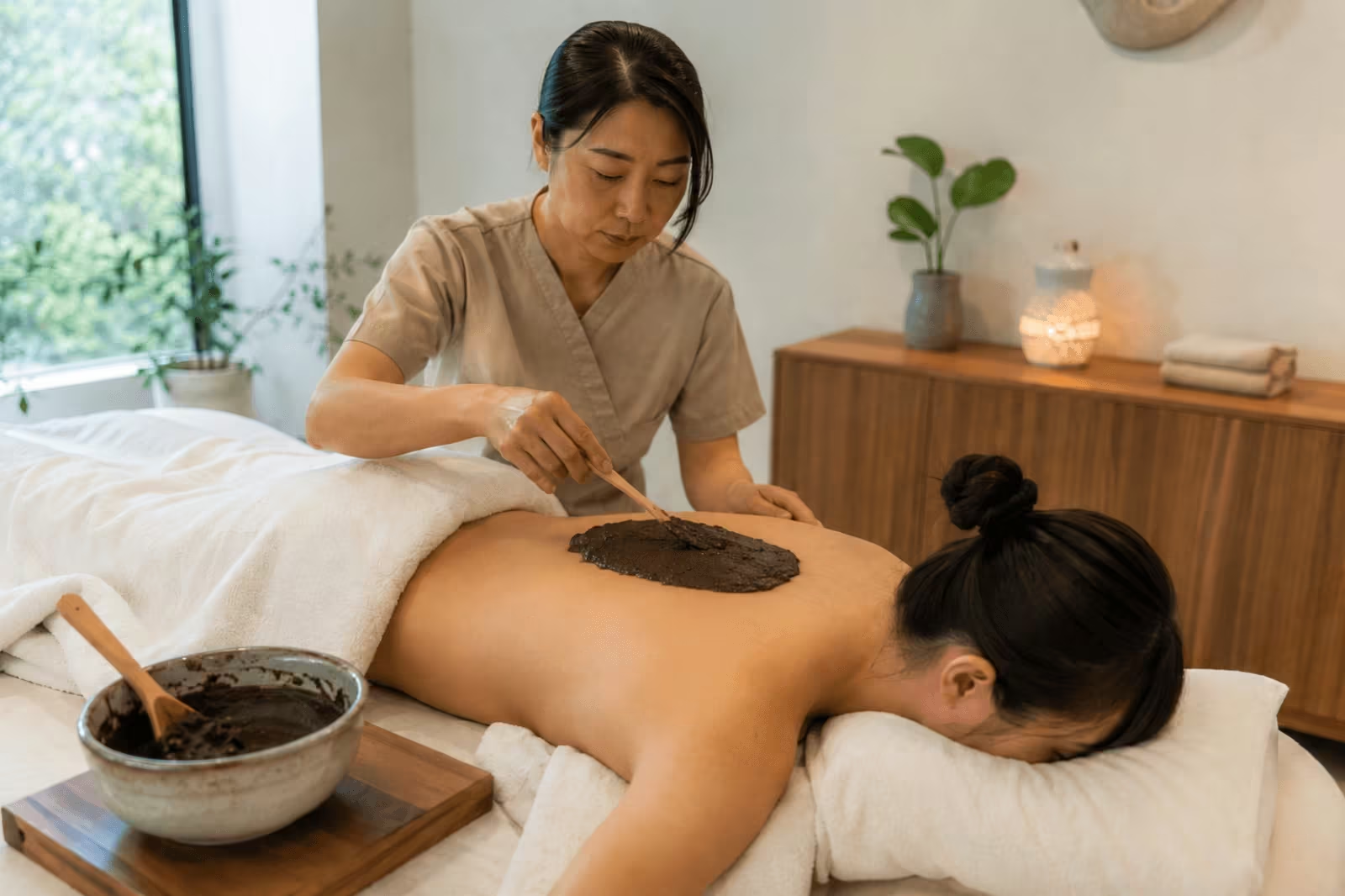
A mud moxibustion session usually includes consultation, point selection, skin screening, warm mud application, controlled moxa heat, resting time, mud removal, and aftercare. The treatment should feel warm and calming, not painful or burning.
Here is what usually happens.
Your session begins with questions about your main concern, health history, skin sensitivity, medications, allergies, heat tolerance, pregnancy status, and treatment goals. In a Traditional Chinese Medicine setting, this may also include questions about cold or heat patterns, digestion, sleep, menstrual cycle, energy levels, and stress to better understand your overall pattern.
The treatment area is chosen based on your symptoms. For example, neck and shoulder tension may focus on the upper back. Menstrual cramps may focus on the lower abdomen. Cold hands and feet may involve points that support warming and circulation.
The practitioner checks the skin for irritation, cuts, rashes, infection, bruising, burns, or sensitivity. Mud moxibustion should not be applied over open wounds or active skin problems.
Warm herbal mud is applied over the selected area. The layer may be thick enough to retain heat and create a protective barrier. It should feel warm, not scalding.
Moxa may be placed above or near the mud layer, depending on the technique used. Some modern clinics may use smokeless moxa, heat devices, or controlled warming tools. The goal is steady heat transfer, not aggressive burning.
The practitioner should check in during the session. You should speak up immediately if the heat feels sharp, burning, itchy, dizzying, or uncomfortable. Heat tolerance varies from person to person and can change during the session.
You rest while the warmth penetrates the area. Many sessions last about 20 to 45 minutes, depending on the treatment area, technique, and your heat tolerance.
The mud is removed, the skin is cleaned, and aftercare instructions are given. You may feel warm, relaxed, slightly sleepy, or looser in the treated area.
Mud moxibustion is applied to acupuncture points, meridian regions, or areas of discomfort. Common treatment areas include the back, lower back, neck, shoulders, abdomen, lower abdomen, knees, legs, and feet.
The back is one of the most common areas for mud moxibustion because many people carry tension across the spine, shoulders, and lumbar region. Lower back treatments are often used for cold-related stiffness, fatigue, and chronic tightness.
Neck and shoulder mud moxibustion may be used when tension feels heavy, cold, or tight. It can be helpful for people who sit at a desk, use screens for long hours, or hold stress in the upper body.
Abdominal treatment may be used for digestive sluggishness, bloating, abdominal coldness, and stress-related belly tension. The warmth should be gentle and closely monitored.
Lower abdominal mud moxibustion is commonly associated with menstrual comfort, cold womb patterns, and pelvic coldness in TCM wellness settings.
Knee and leg applications may be used for stiffness, cold sensations, or heaviness. The treatment should be adjusted carefully for people with varicose veins, neuropathy, swelling, or circulation concerns.
Foot-focused warming may be used when people complain of cold feet or low body warmth. However, anyone with diabetes-related sensation changes, neuropathy, or foot wounds should avoid heat-based self-treatment unless medically cleared.
Regular moxibustion uses burning moxa to warm acupuncture points, while mud moxibustion adds a medicinal mud layer that holds heat, spreads warmth, and creates a buffer between the skin and moxa. Both therapies use moxa, but the experience and heat delivery are different.
Mud moxibustion may feel more spa-like because the warm mud covers a broader area. Regular moxibustion may feel more precise because it often focuses on individual acupuncture points.
Mud moxibustion is different from cupping, acupuncture, heat packs, and herbal compress therapy because it combines heat retention, herbal mud contact, and moxa-based warming in one treatment.
These therapies can overlap in purpose, but they are not interchangeable. A trained practitioner may recommend one approach over another depending on whether the main pattern is cold, heat, stagnation, deficiency, inflammation, tightness, or stress.
Mud moxibustion can be safe when performed by a trained provider using clean materials, controlled heat, proper ventilation, and careful screening. The main risks are burns, overheating, skin irritation, allergic reaction, smoke sensitivity, dizziness, and discomfort from excessive heat.
Safety depends on several factors:
A safe session should include ongoing communication. You should never feel pressured to tolerate burning heat. Pain is not a sign that the treatment is working. Sharp heat, stinging, dizziness, nausea, shortness of breath, or skin burning should be reported immediately.
Mud moxibustion is not appropriate for everyone. People should avoid it or seek medical clearance first if they have heat sensitivity, reduced sensation, open wounds, active skin disease, fever, severe inflammation, certain pregnancy concerns, or allergies to the ingredients used.
Avoid mud moxibustion over or near:
People should also use caution if they have:
Pregnancy requires special caution. Moxibustion has a history of use in specific pregnancy-related contexts, but that does not mean all forms, points, temperatures, or timing are appropriate. Pregnant patients should only receive moxibustion from a qualified provider who understands pregnancy precautions and coordinates with appropriate medical care.
Mud moxibustion frequency depends on your symptoms, constitution, treatment goals, and response to heat. Some people use it weekly for short-term support, while others schedule it every few weeks for maintenance and seasonal wellness.
A common approach may look like this:
More is not always better. Heat therapies should be dosed carefully. If the skin becomes irritated, the body feels overheated, or fatigue worsens after treatment, the plan should be adjusted.

Good preparation and aftercare help make mud moxibustion safer and more comfortable. Eat lightly, avoid alcohol, disclose health conditions, stay warm after treatment, and avoid cold exposure immediately afterward.
Before mud moxibustion:
After mud moxibustion:
Some people feel energized after treatment. Others feel sleepy. Both responses can happen, especially if the body releases tension during the session.
Most people expect warmth, relaxation, reduced stiffness, and temporary relief of cold-related discomfort after mud moxibustion. Chronic pain, menstrual symptoms, digestive issues, or long-term fatigue usually require a broader care plan and repeated reassessment.
Possible short-term responses include:
Some people notice benefits after one session. Others need several sessions before they can judge whether it is helping. Results depend on the cause of symptoms, lifestyle, sleep, stress, inflammation, posture, circulation, and whether the treatment matches the person’s TCM pattern.
Mud moxibustion should not be presented as a cure. It is best described as supportive care that may help selected people feel warmer, looser, and more comfortable.
Mud moxibustion may cause sweating, but sweating should not be confused with medical detoxification. The more accurate benefit is warmth, relaxation, and circulation support.
Excessive heat increases the risk of burns and irritation. Effective mud moxibustion should feel comfortably warm, not painfully hot.
Mud moxibustion is a complementary therapy. It does not replace diagnosis, medication, physical therapy, gynecologic care, digestive evaluation, or emergency treatment when those are needed.
Mud moxibustion is popular for menstrual and womb-related concerns, but it is also used for back tension, shoulder stiffness, cold sensations, fatigue, and general wellness in people of different genders.
Therapeutic mud should be clean, prepared, and appropriate for skin contact. Ordinary mud is not safe for moxibustion because it may contain contaminants, microbes, irritants, or unknown substances.
Mud moxibustion may help ease muscle tension, joint stiffness, lower back discomfort, menstrual cramps, cold sensations, sluggish circulation, bloating, fatigue, and stress-related tightness. Its main benefit comes from the combination of steady warmth, herbal mud, moxa heat, and targeted acupoint stimulation.
The main purpose of mud moxibustion is to warm the body, support the movement of Qi and blood, and relieve discomfort linked to cold, stiffness, tension, or sluggish circulation. In Traditional Chinese Medicine, it is often used when symptoms feel better with heat and worse with cold.
Mud moxibustion is a variation of moxibustion. Regular moxibustion uses moxa heat near acupuncture points, while mud moxibustion adds a warm herbal mud layer that retains heat and spreads warmth over a broader area.
Mud moxibustion should not hurt. It should feel warm, soothing, and tolerable. Burning, stinging, sharp heat, dizziness, or pain means the treatment should be adjusted or stopped.
A mud moxibustion session often lasts about 20 to 45 minutes, depending on the treatment area, heat level, practitioner method, and the person’s heat tolerance.
Mud moxibustion may help back discomfort that feels stiff, cold, tight, or better with heat. It is not appropriate for every type of back pain, especially pain caused by acute injury, infection, severe inflammation, nerve compression, or serious medical conditions.
Mud moxibustion may support menstrual comfort when cramps improve with warmth or are associated with lower abdominal coldness in TCM pattern assessment. Severe, worsening, or unusual menstrual pain should be evaluated by a healthcare provider.
Pregnancy requires special caution. Mud moxibustion should only be used during pregnancy under qualified professional guidance and with appropriate medical clearance, because point selection, heat intensity, timing, and patient history matter.
After mud moxibustion, avoid cold showers, direct cold exposure, intense exercise, alcohol, and scratching the treated area immediately after treatment. Staying warm and hydrated is usually recommended.
The number of sessions depends on the concern, duration of symptoms, body constitution, and response to treatment. Some people feel temporary relief after one session, while chronic patterns may require a series of treatments and reassessment.
Mud moxibustion is a warming TCM-inspired therapy that combines herbal mud, moxa heat, and acupoint targeting to support pain relief, circulation, menstrual comfort, relaxation, and whole-body wellness. Its strength is the way it delivers steady, retained warmth to areas that feel cold, stiff, tense, or sluggish.
The most important point is proper fit. Mud moxibustion is not for every person or every symptom. It is best used when warmth is appropriate, the skin is healthy, the ingredients are suitable, and the treatment is performed with careful temperature control. When done safely, it can be a deeply comforting therapy for people seeking natural support for pain, circulation, and restorative wellness.
If you are interested in a Traditional Chinese Medicine approach to pain, tension, circulation, stress, or menstrual discomfort, ACA Acupuncture & Wellness offers services such as acupuncture, TuiNa massage, cupping therapy, moxibustion, physical therapy, cosmetic facial acupuncture, reflexology, ear seeding, and thermal therapy. Contact us through our contact page or find the nearest clinic on our locations page to schedule a visit.
Source:
Li, X. (2022). Clinical study of acupuncture combined with compound salvia miltiorrhiza mud moxibustion in the treatment of cervical spondylosis of cold-dampness obstruction type. Journal of Traditional Chinese Medicine, 6(1)

Recent Comments