

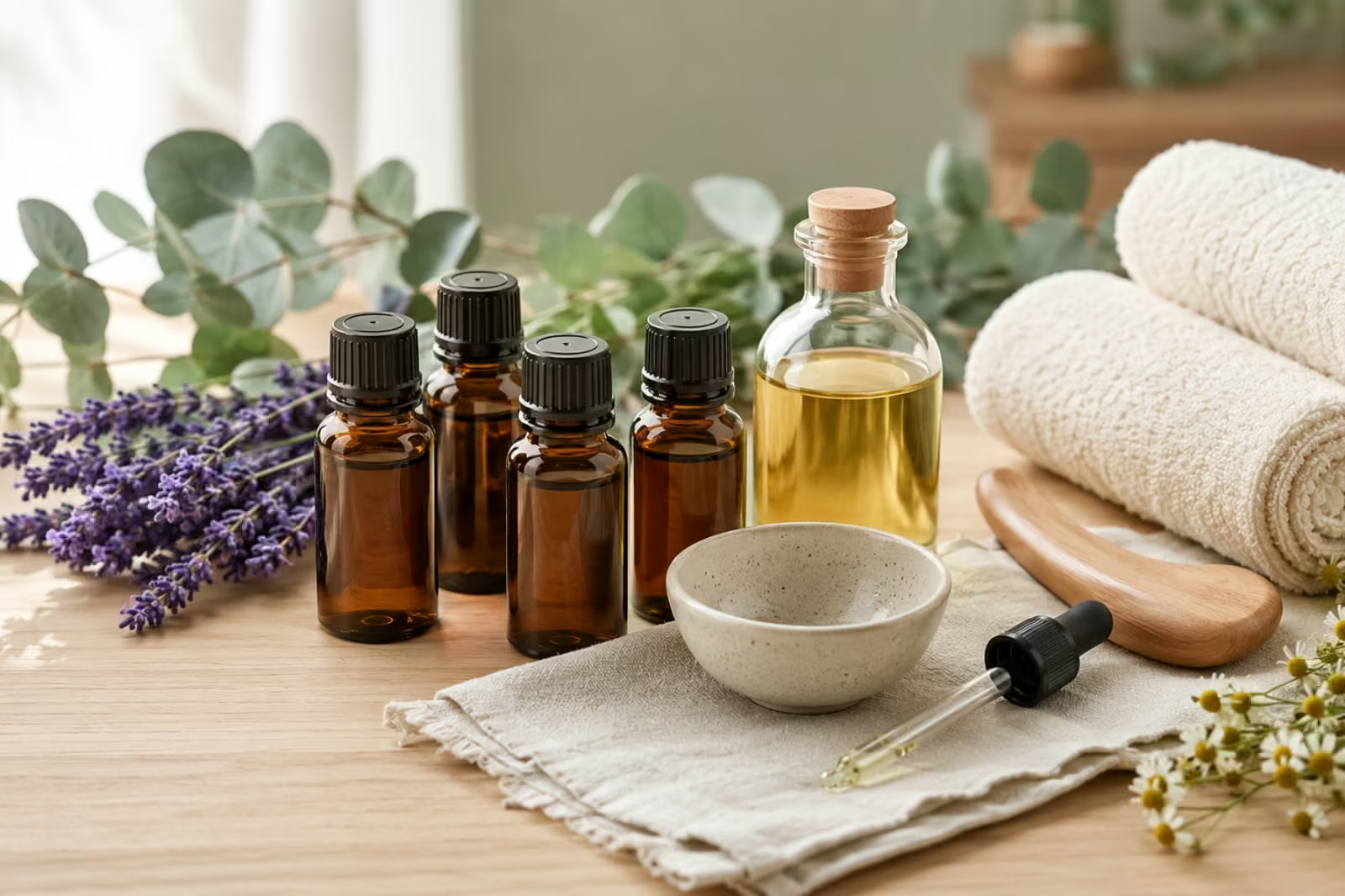
Aromatherapy massage is widely associated with lavender-scented treatment rooms, slow movements, and deep relaxation. However, it involves more than simply adding a pleasant fragrance to an ordinary massage.
Aromatherapy massage is a complementary wellness treatment that combines soft-tissue massage with the inhalation and topical application of properly diluted plant-derived essential oils. The massage provides physical touch and tissue manipulation, while volatile aromatic compounds are inhaled and a smaller topical exposure occurs through the skin.
Many sessions use gentle Swedish massage techniques, although the pressure, treatment area, oil selection, and duration can be adapted to the individual. This personalized approach reflects a broader principle also found in Traditional Chinese Medicine (TCM), where treatments are selected according to each person’s needs rather than applied uniformly. Although aromatherapy massage and TCM are distinct practices, both may form part of a broader complementary wellness plan. Aromatherapy massage may support relaxation and short-term symptom relief, but it has not been proven to cure disease or replace medical treatment.
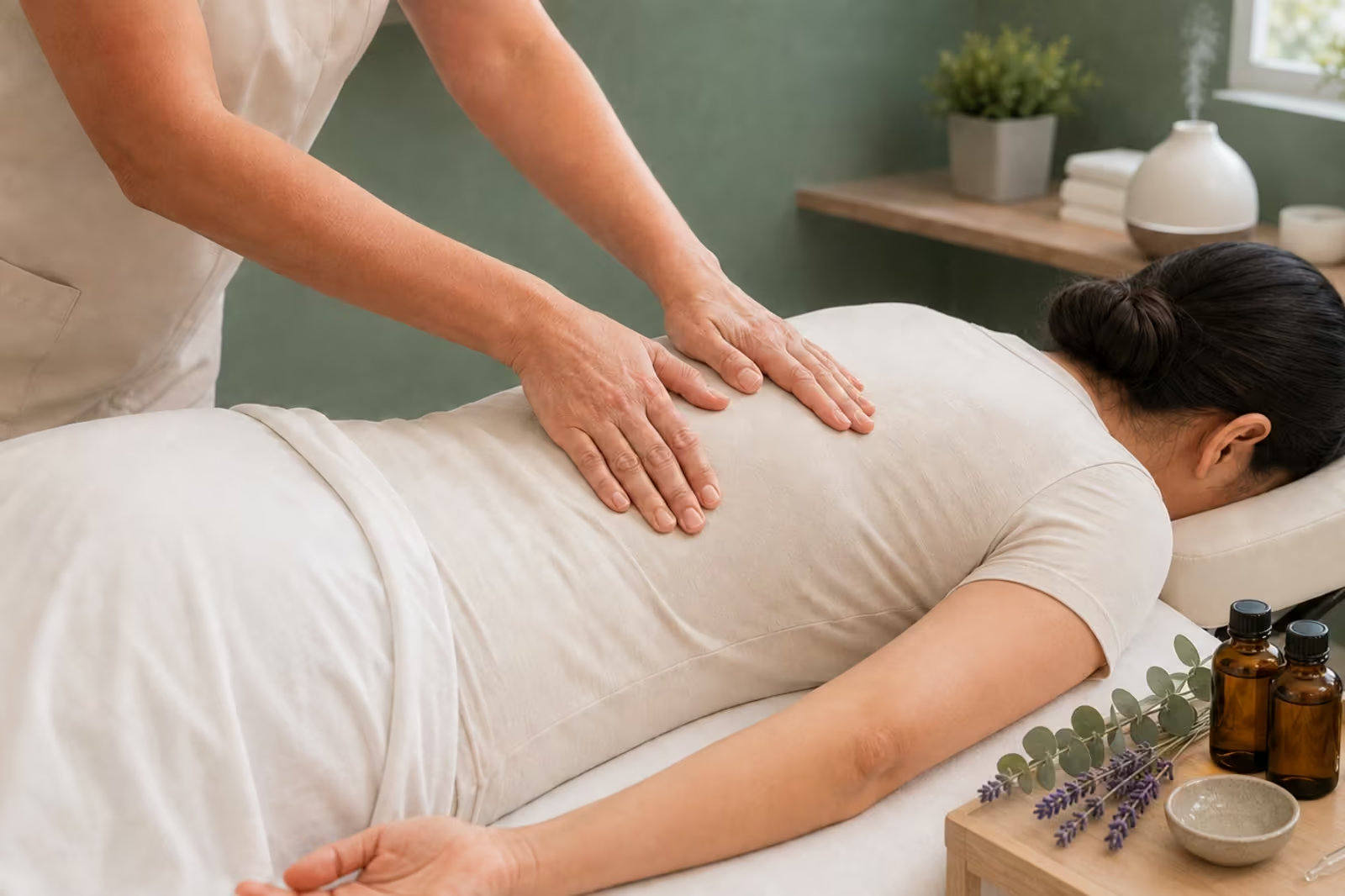
Aromatherapy massage is a combined intervention. It brings together soft-tissue manipulation, aromatic exposure, skin contact, a low-stimulation environment, and a period of intentional rest.
This distinction matters because feeling better after a session does not necessarily mean that an essential oil alone produced the result. Massage, scent, expectation, breathing, warmth, personal attention, and a temporary break from stress may all contribute.
Many aromatherapy sessions are built around Swedish massage, a generally gentle style that uses flowing movements across the muscles and other soft tissues. Common techniques include:
Not every aromatherapy massage follows the same sequence. Essential oils may be incorporated into Swedish, relaxation, prenatal, or other massage styles depending on the individual’s needs and preferences.
Deep pressure is not an essential feature. For a specific muscular concern, aromatherapy massage, therapeutic massage, or another form of care may be more appropriate depending on the condition and desired outcome.
An essential oil is a concentrated mixture of volatile aromatic compounds extracted from plant material. Depending on the plant, the source may be its flowers, leaves, fruit peel, resin, bark, wood, roots, or seeds.
Common production methods include:
Essential oils are not the same as carrier oils. Essential oils evaporate readily and have concentrated aromas. Carrier oils, such as jojoba or grapeseed oil, are nonvolatile lipid-based substances used to dilute essential oils and provide glide during massage.
The word “natural” does not guarantee that an essential oil is harmless. Plants produce biologically active chemicals, and highly concentrated extracts can irritate skin, trigger allergy symptoms, interact with health conditions, or become toxic when swallowed.
Quality also changes over time. Heat, oxygen, and light can alter an oil’s chemistry. An oxidized essential oil may be more likely to cause skin sensitization, which is why oils should be stored in tightly closed, appropriately labeled containers away from heat and sunlight.
Most people book aromatherapy massage for comfort, relaxation, and general well-being rather than treatment of a diagnosed disease.
The most reasonable benefits are short-term and symptom-focused. Results vary according to the massage technique, essential oil, session length, practitioner, health condition, and outcome being measured.
Current evidence does not support claiming that aromatherapy massage can:
The liver, kidneys, lungs, gastrointestinal system, skin, and lymphatic system already manage waste products through normal physiological processes. Post-massage hydration may be comfortable, but water does not “flush released toxins” created by massage.
Aromatherapy massage may help promote relaxation, ease everyday tension, and provide temporary relief from stress or discomfort. The experience combines massage with personally appealing scents to create a calming and restorative environment.
Results vary from person to person depending on the massage technique, essential oils used, individual preferences, and overall health.
Aromatherapy massage is best viewed as a complementary wellness practice rather than a treatment or substitute for medical care.
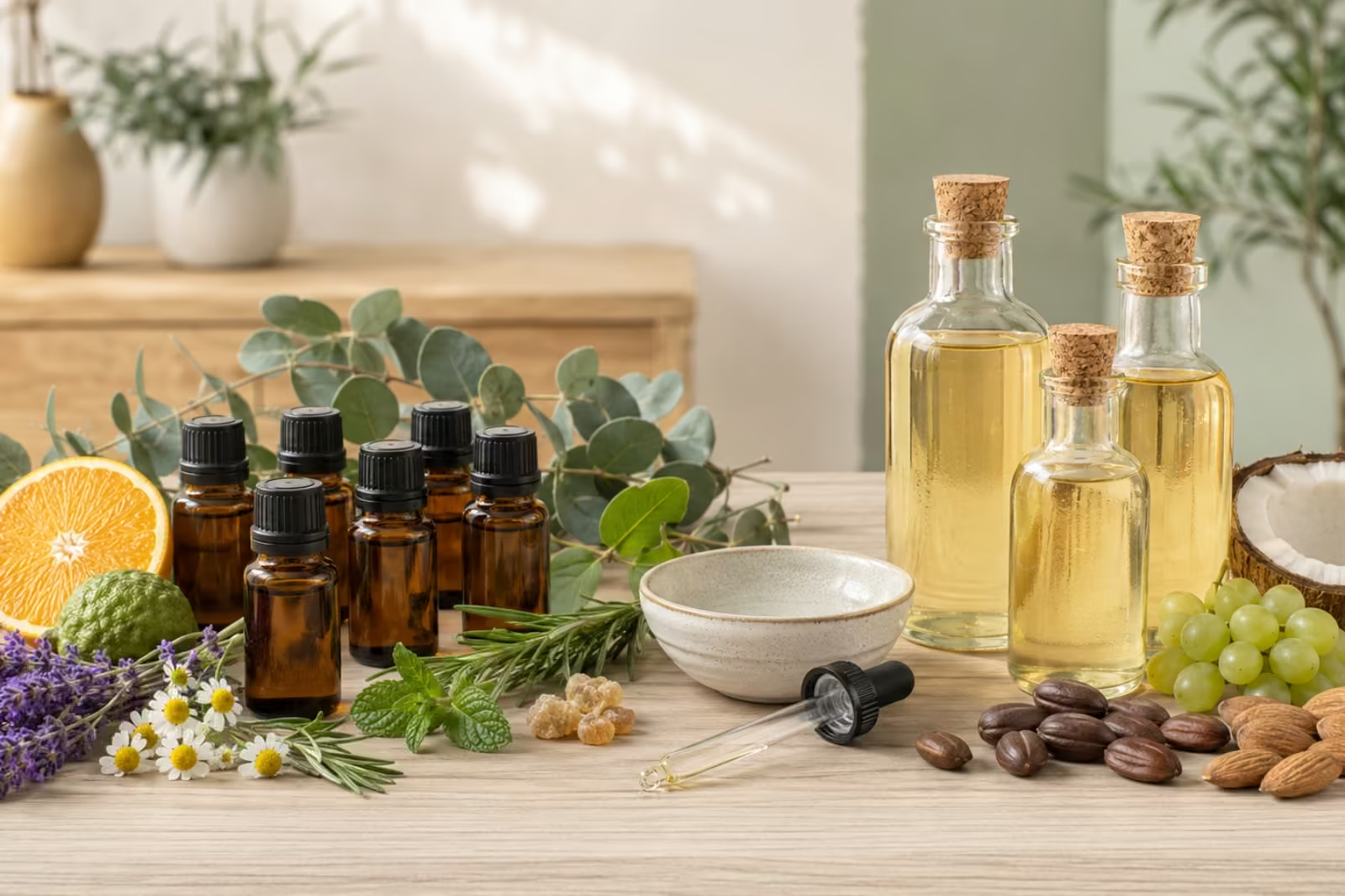
Oil selection should consider aroma preference, treatment goals, allergies, medications, age, pregnancy status, respiratory sensitivity, skin condition, and intended exposure.
No single oil is objectively “best” for everyone.
Lavender has a floral, herbaceous aroma and is commonly used for relaxation and bedtime routines. It should be properly diluted because it may cause skin irritation or sensitivity in some people.
Sweet orange has a fresh citrus scent often chosen for an uplifting or comforting atmosphere. It generally has low phototoxic potential, but proper dilution and product-specific guidance are still important.
Bergamot has a citrusy, lightly floral aroma often used in relaxing blends. Cold-pressed bergamot can be phototoxic, so proper dilution and appropriate products, such as FCF bergamot, are important.
Eucalyptus has a strong, refreshing aroma commonly associated with a feeling of clearer breathing. Its vapor may irritate sensitive airways and may not be appropriate for young children or fragrance-sensitive individuals.
Peppermint creates a cooling, refreshing sensation and is sometimes included in tension-focused massage blends. It can irritate the skin, eyes, and face, especially when used at higher concentrations.
Roman chamomile has a sweet, herbaceous aroma commonly used in calming blends. People with allergies to ragweed, chrysanthemums, marigolds, daisies, or related plants should use caution.
Geranium has a strong floral and green aroma often included in relaxation and spa blends. Because the scent can be intense and the oil may irritate sensitive skin, personal preference and proper dilution are important.
Rosemary has a sharp, herbal aroma that can give massage blends a more stimulating quality. It should be appropriately diluted and selected with individual health considerations in mind.
Tea tree has a distinctive medicinal aroma and is more commonly associated with topical applications than relaxation. It may irritate the skin, particularly when oxidized or improperly stored, and should never be swallowed.
Frankincense has a warm, resinous aroma often used in calming or grounding blends. It should be properly diluted, and additional care may be appropriate during pregnancy.
A carrier oil dilutes essential oil, helps distribute it evenly, and allows the therapist’s hands to glide over the skin.
Common options include:
The carrier should be chosen based on skin compatibility, texture, stability, and allergy considerations rather than fragrance alone. Before the massage, individuals should be informed about the products and ingredients that will be applied to their skin.
Essential oils should not normally be poured directly onto the skin. Dilution reduces the amount applied, improves distribution, and lowers the risk of irritation.
For massage, an essential-oil concentration of approximately 1 percent is commonly used as a general guideline. This means essential oils make up about 1 percent of the finished blend, while the carrier oil or lotion makes up the remainder.
The appropriate concentration may be lower for:
Drop-count recipes are convenient but imprecise because droppers can produce different drop sizes. For consistent dilution, essential oils should be measured by weight or volume, with the botanical name, concentration, and product-specific safety limits carefully checked.
A patch test may identify some immediate reactions, but it cannot rule out sensitization or a delayed allergic response. Essential oils used for massage should never be swallowed.
A professional session should begin with assessment and consent, not immediate oil application.
The therapist should ask about:
Before the session, several oils may be sampled from a safe distance to identify a comfortable scent. More fragrance is not necessarily better, as a subtle concentration is often easier to tolerate throughout a full session.
An unscented massage should always be available for those who prefer to avoid essential oils or fragrances.
You should undress only to your personal comfort level and remain appropriately draped throughout the massage. The therapist will uncover only the area being worked on.
A diluted blend may be applied to the back, shoulders, arms, hands, legs, or feet. It should generally be kept away from:
You may notice a strong aroma at first and then perceive it less as olfactory adaptation occurs. This does not mean the oil has stopped evaporating.
Pressure should feel comfortable and purposeful. Sharp pain, burning skin, nausea, coughing, breathing difficulty, or dizziness should be reported immediately. The therapist should stop the exposure and remove the product when possible.
You may feel relaxed, alert, sleepy, or unchanged after the massage. Mild temporary tenderness can occur, particularly when firmer pressure is used, but significant pain is not an expected sign that the treatment “worked.”
Afterward:
Drinking water is reasonable for normal hydration, but it is not required to remove toxins released by massage.
Session length depends on the treatment area and purpose:
A longer appointment is not automatically more therapeutic. People who are new to massage, fragrance-sensitive, medically complex, or uncertain about an oil may prefer a shorter session with a low concentration.
A few practical steps can make the experience safer and more comfortable:
There is no need to tolerate an unwanted scent out of politeness. Aroma preference directly affects the experience.
Appropriately delivered aromatherapy massage is often well tolerated, but adverse effects are possible.
Essential oils can cause redness, itching, burning, swelling, or dermatitis. An irritant reaction can occur after a sufficiently strong exposure, while allergic contact dermatitis involves immune sensitization.
A person can become sensitized after previous uneventful use. Old or oxidized oils may carry greater sensitization risk.
Strong aromas, poor ventilation, prolonged exposure, or personal sensitivity may produce headache, nausea, dizziness, or a feeling of being overwhelmed.
These symptoms should not be described as a healing response or detoxification. Exposure should be reduced or stopped.
Fragrances can trigger coughing, chest tightness, wheezing, or migraine symptoms in susceptible people. Eucalyptus and peppermint may smell as though they “open” the airways, but they are not substitutes for prescribed asthma medication.
Breathing difficulty requires immediate attention.
Certain essential oils contain compounds that can increase the skin’s sensitivity to ultraviolet radiation. This can cause redness, blistering, burning, or pigmentation after sun exposure.
Cold-pressed bergamot and some lemon, lime, and bitter orange oils are important examples. Risk depends on the specific oil, extraction method, concentration, treatment area, and time before ultraviolet exposure.
Massage oil should never be consumed. Essential oils can cause serious poisoning when swallowed, particularly in children.
Products should be stored securely away from children, pets, flames, and food containers.
A pregnant person may be able to receive an appropriately modified prenatal massage, but approval for prenatal massage does not automatically mean every essential oil is suitable.
Safety depends on:
Reliable pregnancy safety data are limited for many concentrated essential oils. Claims that an oil will start labor, balance pregnancy hormones, or prevent complications should be treated with caution.
Prenatal massage requires appropriate training, pregnancy-safe positioning, and coordination with the maternity care team when needed. Anyone experiencing bleeding, contractions, severe headache, calf pain, sudden swelling, reduced fetal movement, or another concerning symptom should seek medical assessment rather than a spa treatment.
Aromatherapy is not a core therapy of Traditional Chinese Medicine (TCM), although aromatic herbs have long been used in Chinese medicine. From a TCM perspective, care focuses on supporting the balance of Qi, Yin and Yang, with treatments selected according to the individual’s needs.
Aromatherapy may complement practices such as acupuncture and Chinese herbal medicine as part of a broader holistic approach to relaxation, balance, and overall well-being.
Swedish massage describes a collection of massage techniques, including flowing strokes and kneading. Aromatherapy massage describes the addition of essential oils to the treatment.
An aromatherapy session often uses Swedish techniques, but the terms are not interchangeable. Swedish massage can be completely fragrance-free.
Deep-tissue massage uses slower, more focused pressure to work with deeper muscle and connective-tissue layers. Aromatherapy massage is usually associated with lighter relaxation work, although essential oils can be added to a firmer session.
Oil selection does not determine massage depth. Those seeking relief from a specific musculoskeletal concern should discuss whether targeted therapeutic massage is appropriate.
Aromatherapy can involve inhalation without massage, such as using a personal inhaler or diffuser. Aromatherapy massage combines inhalation with diluted topical exposure and manual treatment.
This difference is important when interpreting research. Evidence for inhaled lavender cannot automatically be applied to massage using a mixed essential-oil blend.
Hot-stone massage uses warmed stones as a source of heat and pressure. Aromatherapy relies on essential oils and scent. The two may be combined, but doing so adds variables and may not suit someone with sensitive skin, reduced sensation, or fragrance intolerance.
Manual lymphatic drainage is a specialized light-touch technique used to encourage lymph movement in selected clinical situations. Adding essential oil does not make an ordinary massage a lymphatic drainage treatment.
People with lymphedema or lymphatic complications should seek a properly trained clinician or therapist.
Reflexology applies pressure to mapped areas, usually on the feet or hands, based on the theory that these areas correspond to other body regions. Aromatherapy massage instead works directly with soft tissue while using diluted aromatic oils.
Neither should replace medical evaluation of organ symptoms or unexplained pain.
A simple home massage may be reasonable for a healthy adult who understands dilution and has no relevant contraindications.
For a lower-risk approach:
Do not assume that an oil safe for an adult is safe for a baby, pregnant person, or pet. Cats and other animals may be particularly vulnerable to certain essential-oil exposures.
Professional or medical advice is preferable when symptoms are severe, the person has a complex health condition, or the massage is intended to address an injury.
Showering beforehand can remove sweat, cosmetics, and heavily fragranced products from the skin. After the session, you may leave the diluted oil on temporarily or wash it off if your skin feels irritated, oily, or uncomfortable. Follow the practitioner’s advice if a potentially phototoxic oil was used.
Wear loose, comfortable clothing that is easy to change out of and unlikely to be damaged by oil. During the session, you may undress to your comfort level while remaining appropriately draped. Only the area being massaged should be uncovered.
There is no standard frequency that suits everyone. Some people schedule occasional sessions for relaxation, while others receive them more regularly. Frequency should depend on your goals, skin tolerance, health status, budget, and response to treatment. Repeated essential-oil exposure may require lower concentrations.
Yes, carrier oils and certain essential oils may leave marks or discolor delicate fabrics. Wear clothing you do not mind exposing to residual oil, and ask the practitioner to remove excess product before you dress. Oil-covered fabrics should also be kept away from flames and high heat.
Temporary sleepiness or deep relaxation can occur after a calming massage, especially in a quiet environment. Stand up slowly and avoid driving until you feel fully alert. Severe dizziness, confusion, breathing difficulty, or persistent nausea is not an expected response and requires attention.
Aromatherapy massage for children requires extra caution because age, body size, skin sensitivity, respiratory health, and the specific oil affect safety. Some essential oils are unsuitable for infants or young children. Parents should consult a qualified healthcare professional and practitioner rather than using adult blends or dilution levels.
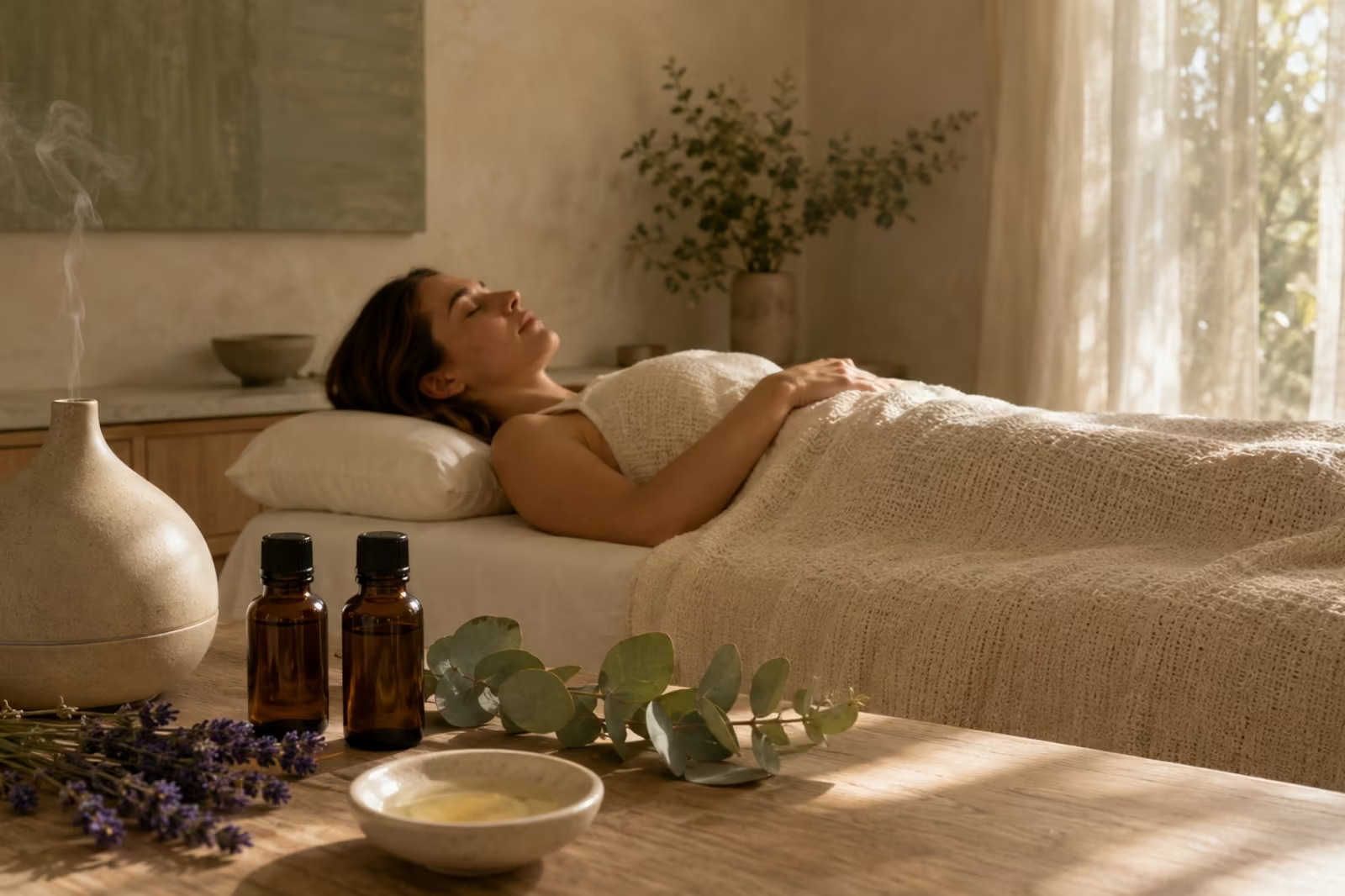
Aromatherapy massage combines soft-tissue techniques with carefully diluted essential oils to create a calming, sensory-focused experience. It may support relaxation and provide temporary relief from stress, muscle tension, discomfort, or sleep difficulties, but individual responses vary and the added benefits of essential oils remain uncertain.
The safest experience begins with proper dilution, thoughtful oil selection, health screening, informed consent, and a qualified massage professional. Aromatherapy massage should be viewed as a complementary wellness practice, not a cure or replacement for appropriate medical care.
At ACA Acupuncture and Wellness, we provide personalized acupuncture and Traditional Chinese Medicine services for those exploring complementary approaches to relaxation, balance, and overall well-being.
Sources:
Brennan, S. E., McDonald, S., Murano, M., & McKenzie, J. E. (2022). Effectiveness of aromatherapy for prevention or treatment of disease, medical or preclinical conditions, and injury: Protocol for a systematic review and meta-analysis. Systematic Reviews, 11, Article 148.

Recent Comments