

Acupuncture and Traditional Chinese Medicine (TCM) support long-term health by combining individualized care with sustainable practices for sleep, movement, stress management, nutrition, recovery, and overall well-being.
National Wellness Month is an opportunity to look beyond short-term self-care and focus on the habits that influence health throughout the year. Long-term wellness is not about feeling perfect every day or relying on a single treatment. It is about creating a realistic foundation that helps the body and mind function, recover, and adapt through changing physical and emotional demands.
TCM takes a whole-person approach to wellness by considering how different aspects of daily life may be connected. It includes acupuncture alongside practices such as tai chi, qigong, acupressure, Chinese herbal medicine, dietary traditions, cupping, gua sha, and moxibustion. Depending on individual needs, these approaches may be incorporated into a broader routine that also prioritizes regular movement, restorative sleep, balanced nutrition, stress management, and adequate recovery.
National Wellness Month can serve as a starting point for identifying which habits and supportive practices are realistic enough to maintain over time. Rather than trying to change everything at once, the goal is to build a sustainable wellness routine that supports everyday function and can continue long after August ends.

Long-term wellness is the ability to function, recover, and adapt consistently over time.
Feeling well on one good day is different from having a body and mind that remain resilient through changing demands. A sustainable wellness plan considers how reliably a person can sleep, move, concentrate, digest food, manage stress, and recover from physical or emotional strain.
This broader definition shifts attention away from chasing isolated symptoms. Instead, it encourages people to consider practical questions:
These questions make wellness easier to observe and evaluate over time. They can also help identify where lifestyle adjustments, supportive TCM practices, professional care, or further medical evaluation may be appropriate.
Wellness is not simply the absence of illness or discomfort.
Someone may have no acute illness but still experience inconsistent sleep, low energy, limited mobility, recurring tension, or difficulty recovering from stressful periods. Conversely, a person living with a chronic condition may still improve overall well-being by becoming more active, sleeping better, functioning more comfortably, and participating more fully in everyday life.
This makes function an important measure of long-term health. Improvements might include walking farther, returning to regular exercise, concentrating more effectively, maintaining a consistent sleep schedule, or recovering more easily after demanding days.
Whole-person care looks beyond individual symptoms to consider how sleep, movement, nutrition, stress, recovery, and daily function work together. TCM takes this broader approach through acupuncture, Chinese herbal medicine, acupressure, tai chi, qigong, dietary traditions, cupping, gua sha, and moxibustion.
TCM pattern differentiation considers a person’s symptoms alongside factors such as sleep, digestion, stress, activity, and overall health. This allows recommendations to be individualized, even when two people experience similar concerns.
TCM patterns are not biomedical diagnoses and should not replace medically necessary testing, screening, or evaluation.
TCM traditionally distinguishes between an immediate symptom, or “branch,” and the broader pattern associated with it, or “root.” From a wellness perspective, this encourages consideration of both current concerns and everyday factors such as sleep, hydration, movement, stress, workload, and recovery.
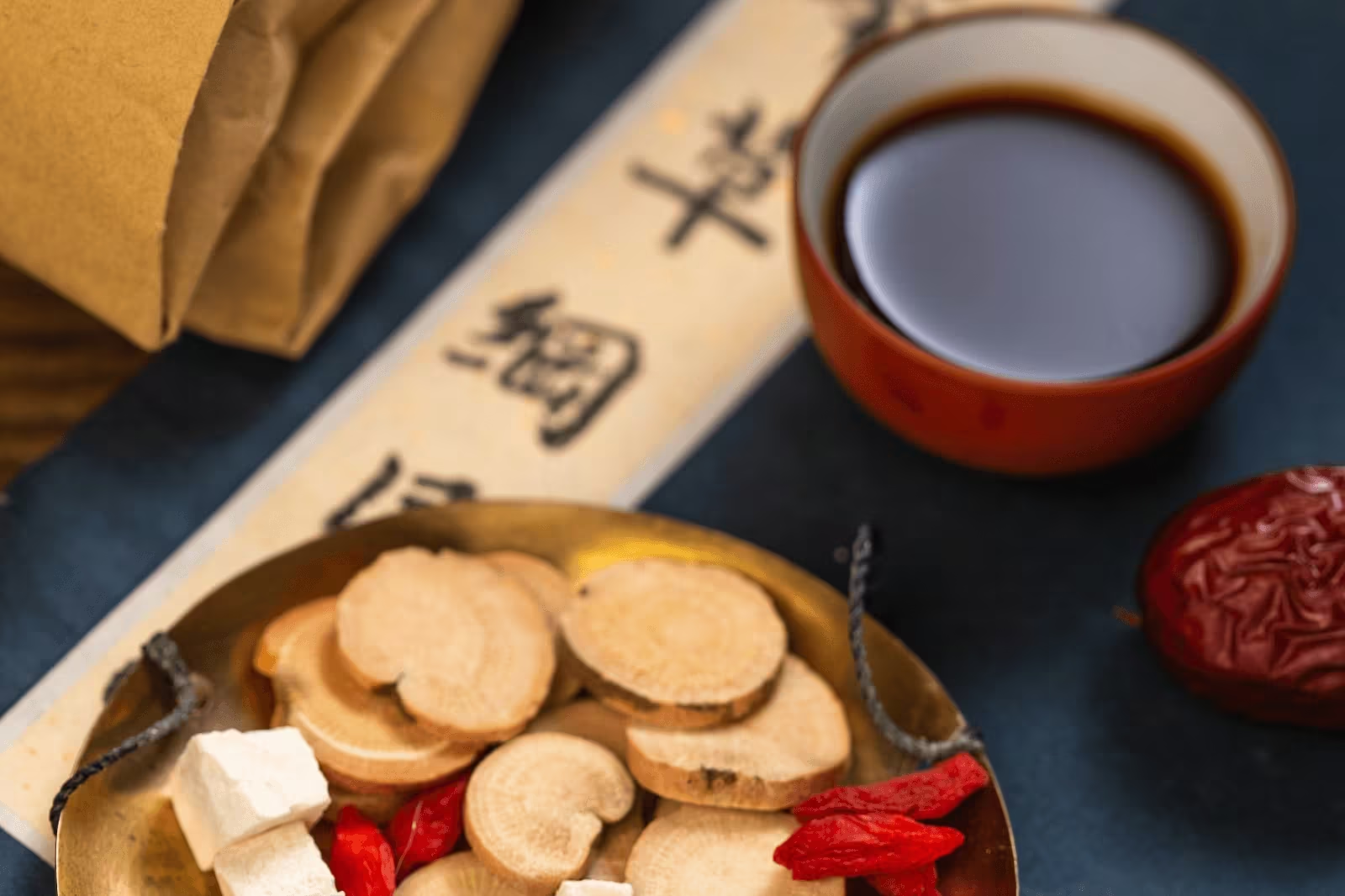
Long-term wellness is supported by practices that can realistically become part of everyday life. TCM can complement healthy habits around movement, sleep, stress, nutrition, and recovery through approaches such as:
The goal is not to incorporate every practice, but to choose appropriate strategies that support everyday health and are realistic enough to maintain over time.
Wellness is easier to maintain when healthy habits are part of everyday life rather than something considered only when a problem appears. Preventive wellness focuses on maintaining supportive routines around movement, sleep, nutrition, stress management, and recovery.
This does not mean every health problem can be prevented. Instead, the goal is to create a healthier foundation while paying attention to changes that may require professional care.
TCM traditionally emphasizes adjusting daily habits as seasons and environmental conditions change. In practical terms, this can mean paying attention to changes in temperature, daylight, activity levels, hydration, sleep, and eating patterns throughout the year.
A sustainable wellness routine should be flexible enough to adapt to these changes rather than remaining identical in every season.
Wellness progress is not always measured by the complete absence of symptoms. Improvements in everyday function and consistency can also indicate whether a routine is supporting long-term health.
Useful signs of progress may include:
Tracking a few meaningful changes can make it easier to identify which wellness practices are worth continuing.
Health needs can change with age, lifestyle, work demands, injuries, stress, seasons, and other circumstances. A wellness routine that once worked well may therefore need to be adjusted over time.
Reassessment may be useful when a practice no longer provides noticeable benefits, becomes difficult to maintain, new health concerns develop, or personal goals change. Long-term wellness depends on adapting rather than following the same routine indefinitely.

TCM and other wellness practices can complement appropriate medical care, but they should not replace necessary diagnosis or treatment.
Persistent, unexplained, worsening, or significantly disruptive symptoms should be evaluated by an appropriate healthcare professional. Medical care should also not be delayed when symptoms may require urgent attention.
National Wellness Month can be used as a starting point for building habits that continue throughout the year. Instead of changing everything at once, focus on gradual and realistic improvements.
Look at your current sleep, movement, nutrition, stress, and recovery habits. Identify one area that has the greatest impact on how you feel and function each day.
Turn your priority into a specific action, such as taking regular walks, maintaining a consistent wake time, improving hydration, practicing tai chi or qigong, or creating a regular period for relaxation.
Identify what makes the new habit difficult and reduce those barriers. Preparing meals ahead, scheduling movement breaks, setting out exercise clothes, or creating a consistent bedtime routine can make healthy behaviors easier to repeat.
Consider what improved, what was difficult to maintain, and which changes provided the most noticeable benefit. Keep the practices that fit your lifestyle and adjust those that do not.
The goal of National Wellness Month is not to create a perfect routine in August. It is to establish a few sustainable practices that can continue supporting long-term health throughout the year.
No. TCM may also be incorporated into a broader wellness routine focused on maintaining healthy habits, supporting everyday function, and addressing individual health needs.
Yes. TCM can be used alongside conventional healthcare when appropriate. It is important to tell your healthcare providers about complementary treatments, herbs, and supplements you use.
No. Acupuncture, tai chi, qigong, herbal medicine, acupressure, and other TCM practices serve different purposes. A wellness plan should include only approaches that are appropriate for your individual needs.
General wellness often focuses on habits such as exercise, nutrition, sleep, and stress management. TCM can complement these habits through traditional approaches that consider individual symptoms, patterns, and overall function.
Yes. Healthy routines can be introduced at different stages of life, but the appropriate activities and wellness practices may vary depending on age, health status, mobility, medications, and individual needs.
National Wellness Month is an opportunity to build healthier habits that extend beyond August. Long-term wellness comes from consistent attention to movement, sleep, nutrition, stress management, recovery, and other aspects of everyday health.
Acupuncture and TCM can complement these foundations through an individualized, whole-person approach. The goal is to find realistic practices that support daily function and can be maintained as health needs change over time.
At ACA Acupuncture & Wellness, we take a personalized approach to care, considering each person’s health concerns, lifestyle, and wellness goals. Contact us to learn how acupuncture and TCM can become part of a sustainable approach to your long-term health.
Sources:
National Center for Complementary and Integrative Health. Acupuncture: Effectiveness and Safety. National Institutes of Health.
National Center for Complementary and Integrative Health. Traditional Chinese Medicine: What You Need to Know. National Institutes of Health.
Centers for Disease Control and Prevention. Health Benefits of Physical Activity for Adults. 2026.

Recent Comments