

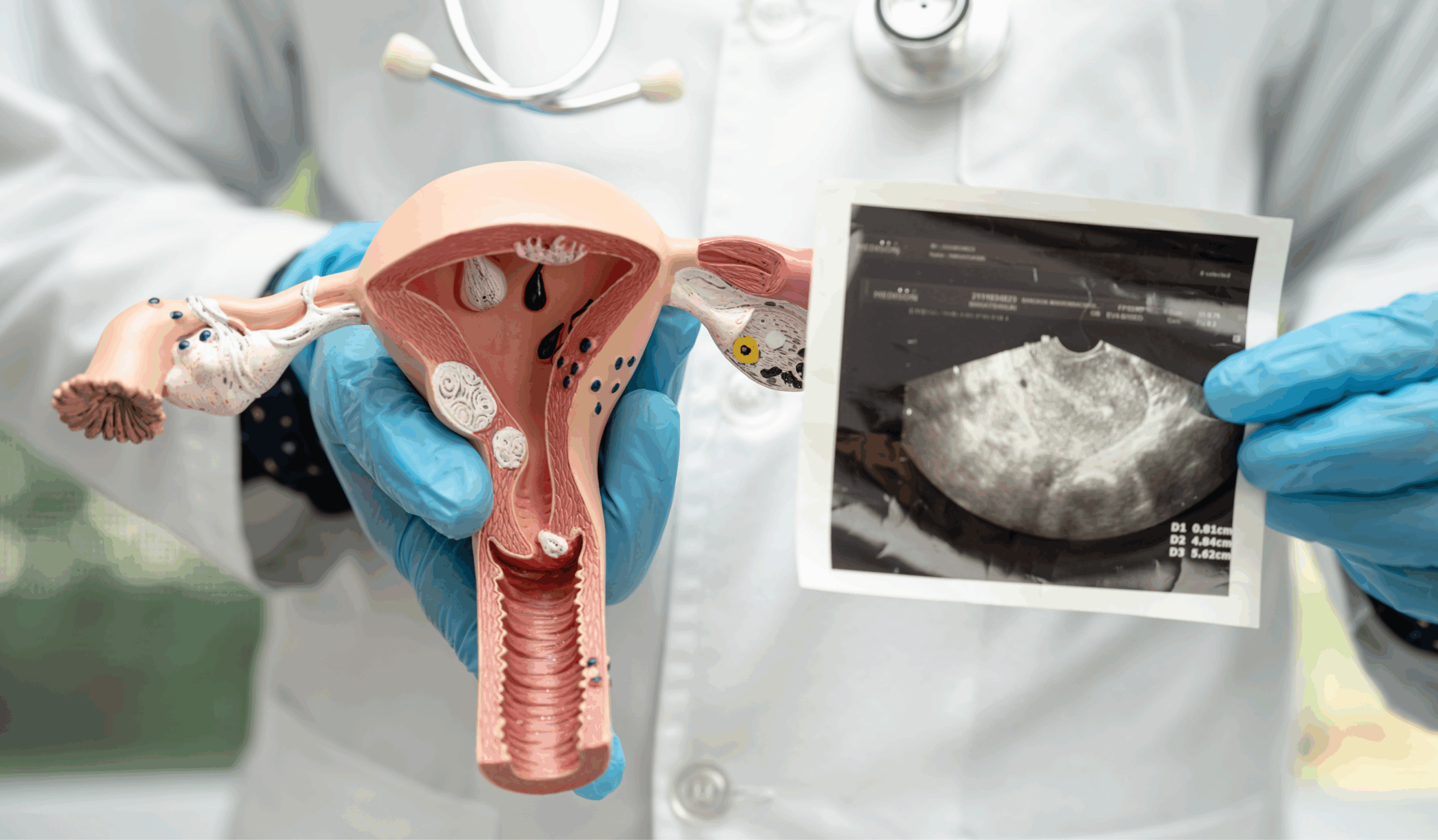
Within Traditional Chinese Medicine (TCM), the Bao Mai or Uterus Vessel is described as an invisible but vital lifeline that links a woman’s heart to her womb. This hidden connection shapes how emotions influence menstrual cycles, fertility, and pregnancy. Many who seek natural support for reproductive health find that caring for this heart–uterus pathway brings unexpected clarity and calm.
When open and unblocked, the Bao Mai allows the heart’s nourishing blood and calming spirit to reach the uterus without resistance. This smooth flow supports regular cycles, healthy ovulation, and a stable pregnancy. Understanding this ancient pathway invites women to combine timeless TCM wisdom with modern self-care, nurturing reproductive wellness in a gentle, holistic way.
Known as a subtle channel in TCM, the Bao Mai connects the heart’s Shen (spirit) and blood to the uterus. It forms part of a wider network of meridians that circulate Qi (vital energy) and blood throughout the body.
Classical texts describe the Bao Mai as delicate yet essential. When this link becomes blocked, the heart’s spirit can no longer communicate freely with the womb, causing imbalance. This flow isn’t only physical, it reflects how emotions and mental states shape the body’s inner landscape.
When the Bao Mai is clear and strong:
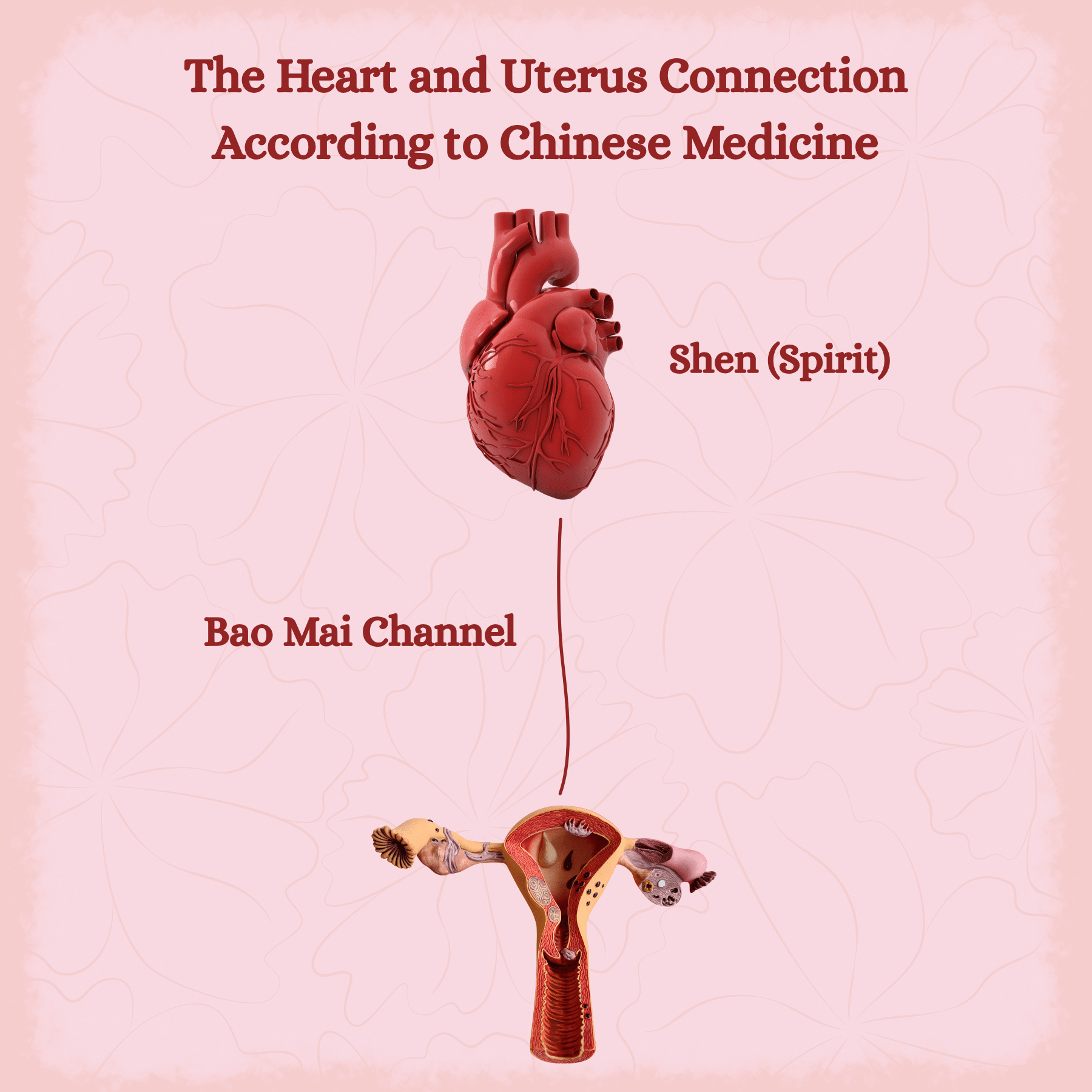
TCM teaches that the heart houses the Shen, or spirit, and governs blood flow. A peaceful heart ensures steady circulation throughout the body, especially to the uterus, viewed as an extraordinary organ that includes the ovaries, fallopian tubes, and the entire reproductive system.
Each cycle, the heart sends a pulse of blood and energy through the Bao Mai to the uterus. This flow nourishes:
When emotional stress weighs on the heart, the Bao Mai tightens. As a result, flow slows or blocks, which may lead to:

Balanced menstrual cycles rely on an open, clear Bao Mai. In TCM, emotional strain like anxiety, grief, or repressed sadness can tighten the heart’s energy, blocking its path to the womb. This explains why holistic care for irregular cycles always addresses the mind and emotions.
When the Bao Mai is blocked, women may notice:
Practitioners often explore emotional patterns, daily stressors, and lifestyle habits to find what may be constricting the pathway. Restoring balance involves:
In TCM, the heart’s Qi must travel downward to the uterus for conception to happen smoothly. If stress, fear, or burnout block this flow, fertility can decline even when the reproductive organs appear healthy in tests.
Couples facing unexplained infertility often find that addressing the Bao Mai brings results when other methods fail. Keeping this channel clear allows:
This is why fertility treatments in TCM nearly always include:
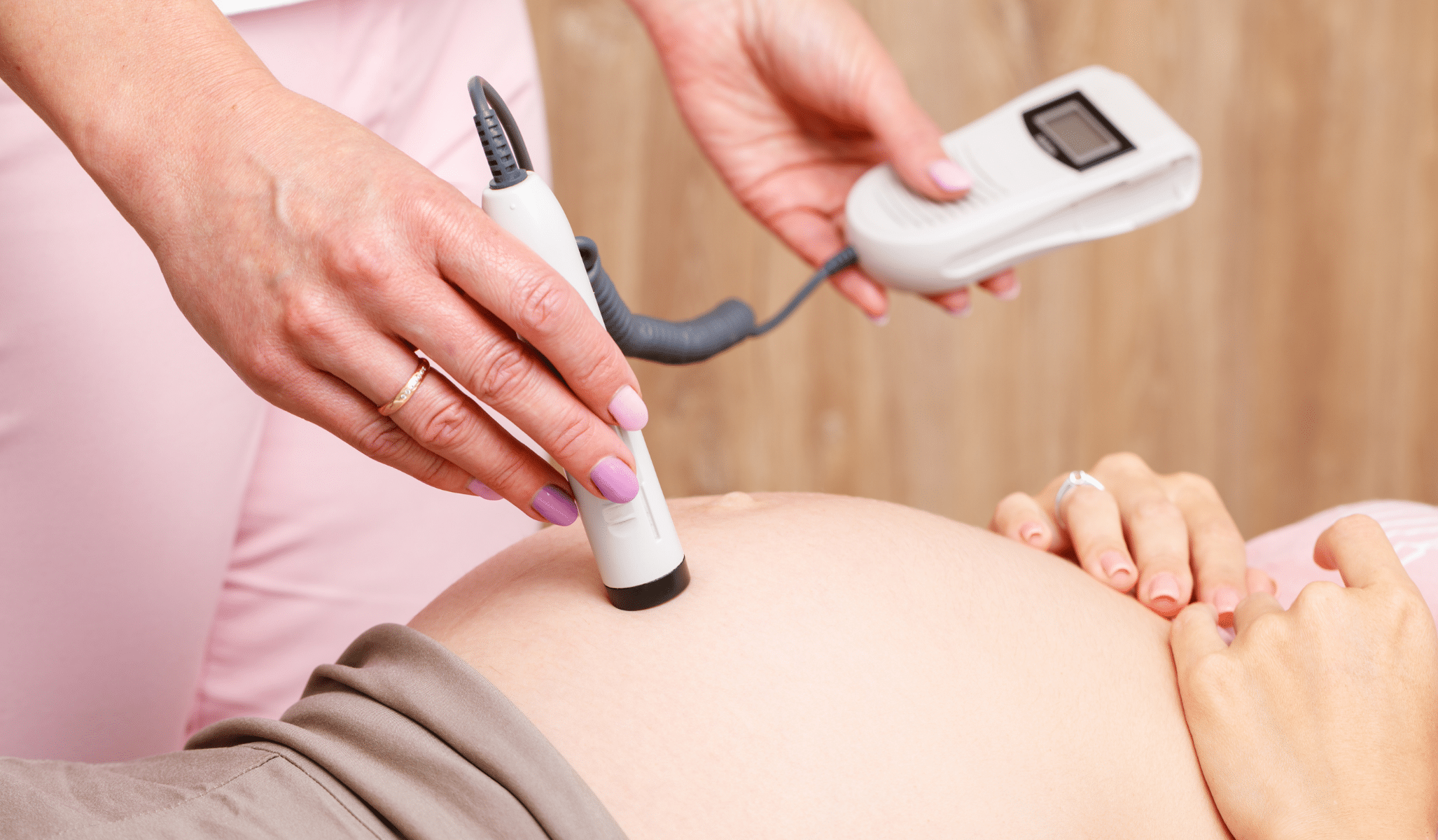
Once pregnancy begins, the Bao Mai helps protect and sustain new life. TCM teaches that stable Heart Qi anchors the pregnancy and keeps the uterus nourished. Emotional turbulence can weaken this link, increasing the risk of complications like threatened miscarriage.
Practices to safeguard the Bao Mai during pregnancy include:
A calm, steady heart strengthens the Bao Mai, allowing the baby to grow in a safe, stable environment.
The Bao Mai reflects how deeply the heart and womb communicate. Chronic worry, grief, or unspoken emotions can cause the heart’s energy to contract, closing the path to the uterus. Over time, this can disrupt cycles, lower fertility, and add stress during pregnancy.

Caring for the Bao Mai means tending to emotional needs honestly and gently. Helpful daily habits include:
When the heart is peaceful, the Bao Mai stays resilient and open.
Modern life often pulls women in many directions at once. Work stress, family duties, and constant stimulation can weaken the heart’s calm energy. Practical ways to protect the Bao Mai include:
Daily Habits
Emotional Self-Care
Traditional TCM Methods
Combining modern self-care with traditional practices helps women stay grounded, calm, and connected to their cycle and fertility.
Though the Bao Mai is unique to TCM, Western medicine also recognizes the mind–body link in reproductive health. The hypothalamic–pituitary–ovarian (HPO) axis explains how the brain, hormones, and ovaries communicate. Chronic stress can disrupt this axis, causing missed ovulation, irregular periods, and lower fertility.
Modern fertility care often mirrors ancient wisdom by adding:
These practices align with TCM’s emphasis on an open, calm connection between mind and reproductive system.
Honoring the Bao Mai means recognizing that reproductive health depends on a strong bond between emotional well-being and the body. While modern life can test this balance, small daily choices help keep the heart–uterus pathway open and resilient. Simple steps like mindful rest, supportive relationships, acupuncture, or gentle herbal care invite a calmer cycle, steadier fertility, and a more peaceful pregnancy journey.
Blending ancient wisdom with self-awareness empowers women to become active participants in their reproductive health, nurturing not just the body but also the heart and spirit that sustain it.
At ACA Acupuncture and Wellness, we’re here to support you with personalised acupuncture, compassionate guidance, and holistic therapies to help you nurture the Bao Mai and care for your reproductive health naturally.
Sources:
Zhou, J., & Qu, F. (2010). Treating gynaecological disorders with traditional Chinese medicine: A review. African Journal of Traditional, Complementary and Alternative Medicines, 6(4), 494–517.
Hullender Rubin, L. E., Cantor, D., & Marx, B. L. (2013). Recurrent pregnancy loss and traditional Chinese medicine: A case study. Medical Acupuncture, 25(3), 232–237.
In TCM theory, the Bao Mai and Bao Luo are both associated with the uterus but describe different connections. The Bao Mai is traditionally described as connecting the uterus with the Heart, while the Bao Luo is associated with the relationship between the uterus and Kidneys. Together, they form part of the broader TCM understanding of reproductive function.
The uterus is commonly referred to as Bao Gong or “Uterus Palace” in Traditional Chinese Medicine. It is considered an extraordinary organ and is closely connected with the Heart, Kidneys, Liver, Ren Mai, Chong Mai, Bao Mai, and Bao Luo within traditional reproductive theory.
The Chong Mai, often called the Penetrating Vessel, is an extraordinary vessel with an important role in traditional TCM theories of menstruation and reproduction. It is closely associated with blood and the uterus and is considered alongside other channels when evaluating menstrual and fertility patterns.
The Ren Mai, or Conception Vessel, is one of the extraordinary vessels in TCM. It travels along the front midline of the body and has traditionally been associated with the uterus, menstruation, fertility, pregnancy, and reproductive health.
TCM does not attribute fertility to a single organ system. The Kidneys are traditionally associated with reproductive essence, the Liver with the smooth movement of Qi and Blood, the Spleen with the production of Qi and Blood, and the Heart with Blood and Shen. These systems are considered together when assessing reproductive patterns.
Traditional Chinese Medicine describes the Heart and Kidneys as having an important balancing relationship, sometimes discussed as the interaction between Heart Fire and Kidney Water. Within broader reproductive theory, maintaining communication among the Heart, Kidneys, Blood, Qi, and uterus is considered part of overall balance.

Recent Comments