


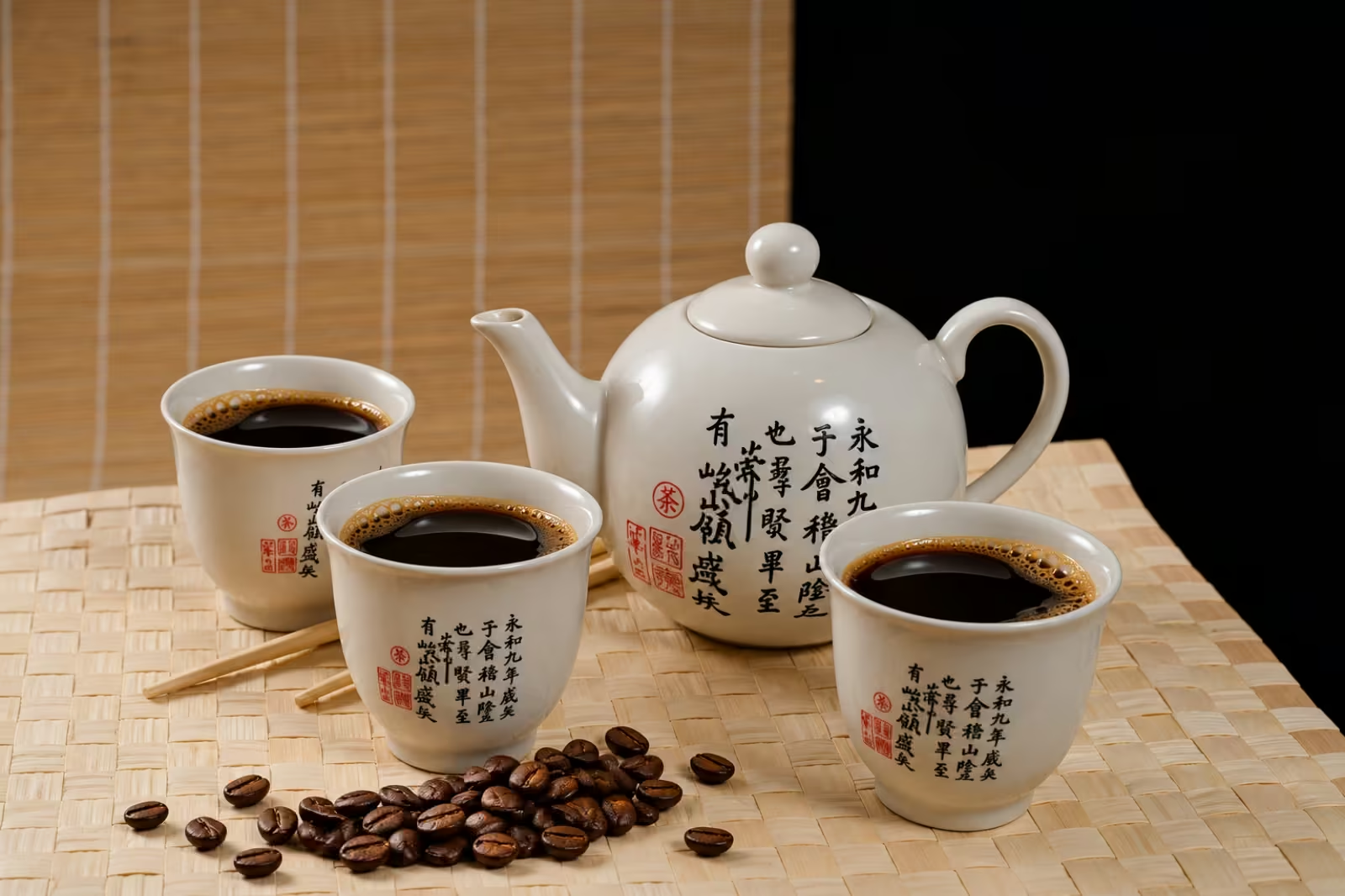
In Traditional Chinese Medicine (TCM), roasted coffee is usually considered warming and stimulating, but it may feel draining when too much caffeine leaves a person restless, short on sleep, or reliant on another cup to get through the day.
That difference depends partly on constitution, digestion, and daily habits. These descriptions reflect traditional TCM dietary principles, while the measurable effects of caffeine on alertness, digestion, and sleep are understood through modern science.
At ACA Acupuncture & Wellness, our approach to acupuncture care in NYC includes considering how those daily patterns relate to a person’s symptoms.
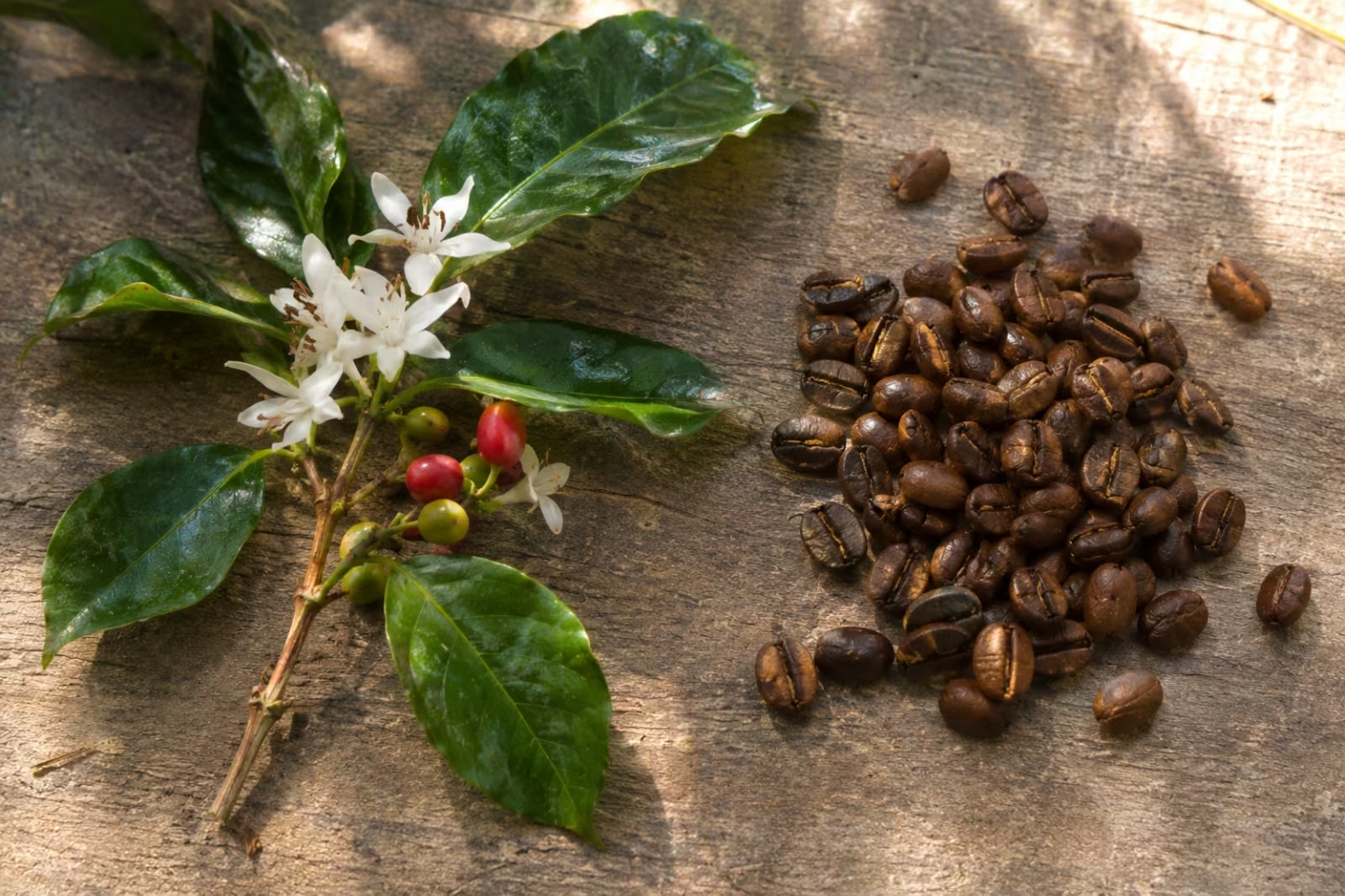
Coffee’s warming nature in TCM describes its traditional energetic action, not the temperature of the liquid in your mug.
TCM dietary theory describes foods through properties such as thermal nature, flavor, and movement. Warming foods are associated with activity and warmth; cooling foods are associated with settling or clearing Heat. These are traditional classifications, not medical measurements.
Coffee offers an interesting distinction. One Chinese medicine analysis describes green, unroasted coffee beans as cooling and roasted coffee as warming. Practitioners do not all assign coffee the same properties.
Its bitter flavor is linked with descending or drying actions, while stimulation is described as moving Qi. However, a warming action does not necessarily mean that coffee provides nourishment according to TCM principles.
Coffee is also described as drying in some modern TCM interpretations. Here, drying refers to a perceived tendency to disperse or reduce excessive moisture within a traditional pattern. It should not be confused with a medical diagnosis of dehydration.
A person with dry mouth after coffee might be reacting to caffeine, mouth breathing, or another cause. Someone who describes heaviness or Dampness may still find that coffee makes their stomach uncomfortable. The traditional label cannot determine how much water a person needs.
Coffee may feel warming when its stimulation is comfortable and short-lived. It may feel draining when the habit repeatedly interferes with rest, regular meals, or physical comfort.
In TCM, draining may describe pushing through an existing deficiency, not a measurable loss of Qi.
The following comparison shows how different responses to coffee may be interpreted through a TCM perspective.
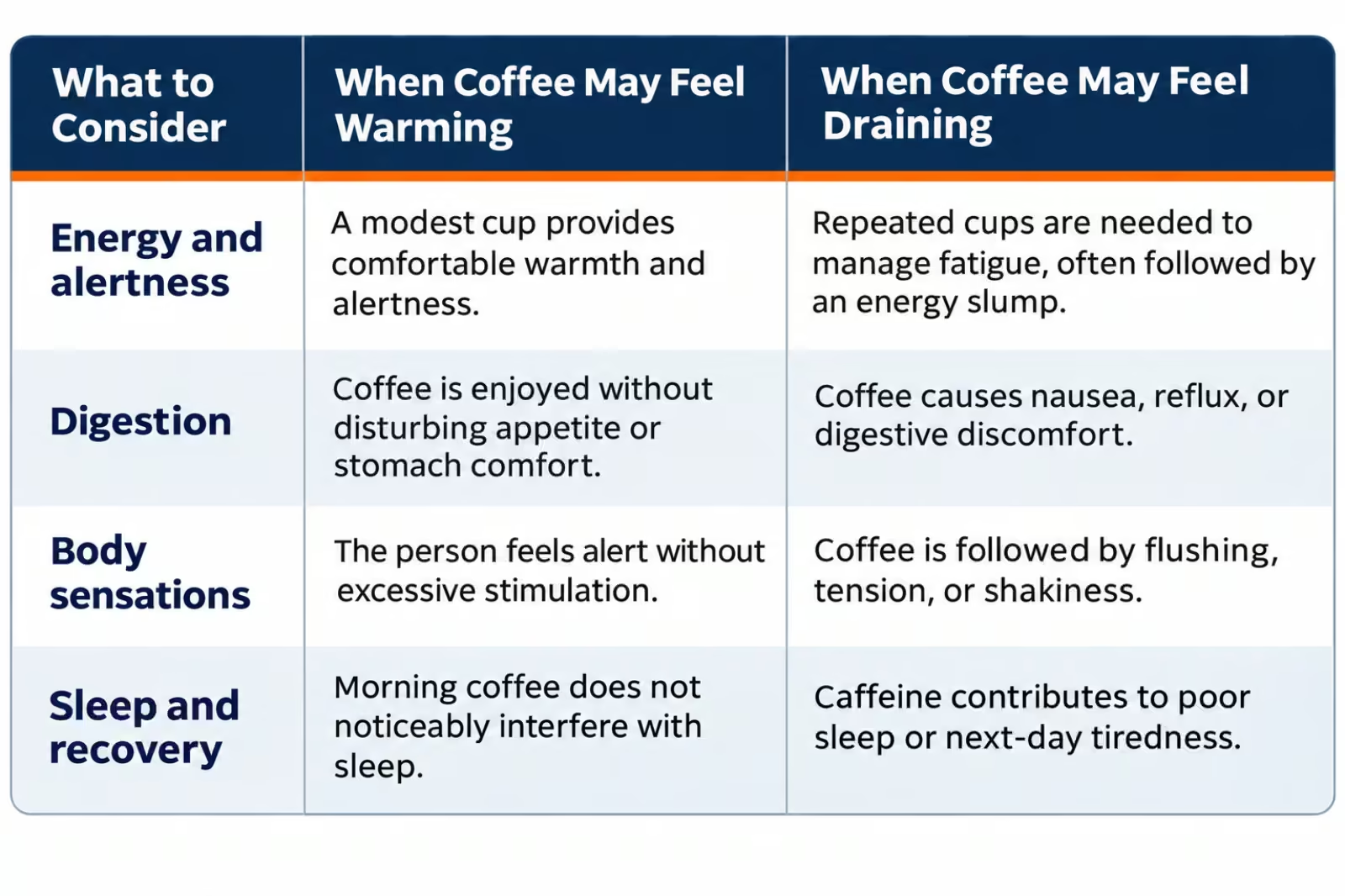
These are traditional TCM interpretations and everyday observations, not scientifically validated signs of Qi or Yin deficiency. Individual caffeine sensitivity varies, and symptoms may have several causes.
Caffeine reduces the sensation of sleepiness by blocking adenosine receptors in the brain. It can improve attention without replacing food or sleep.
TCM practitioners may look for a wider pattern of Qi deficiency when someone reports poor stamina, weak appetite, and difficulty recovering after ordinary activity. Coffee does not address the underlying cause of these symptoms. Persistent fatigue also warrants medical evaluation.
Yang is associated with active and warming functions, while Yin is associated with cooling, moistening, and restoration. Coffee’s stimulating quality resembles Yang activity in this framework.
For someone who already experiences nighttime warmth, dryness, or difficulty settling down, a strong coffee habit may be a poor match.
Kidney Jing, or essence, refers to long-term reserves in TCM, not kidney function. Coffee has not been shown to exhaust it.
An afternoon slump is not proof that caffeine has removed energy from the body. As its stimulating effect fades, existing sleepiness can become more noticeable.
People who use caffeine every day can also develop tolerance, making their usual serving feel less effective.
From a TCM perspective, this pattern may prompt a practitioner to consider a person’s overall energy and recovery rather than assuming the slump indicates a specific deficiency.
Traditional Chinese Medicine evaluates coffee in the context of a person’s overall symptom pattern rather than labeling it healthy or unhealthy for everyone.
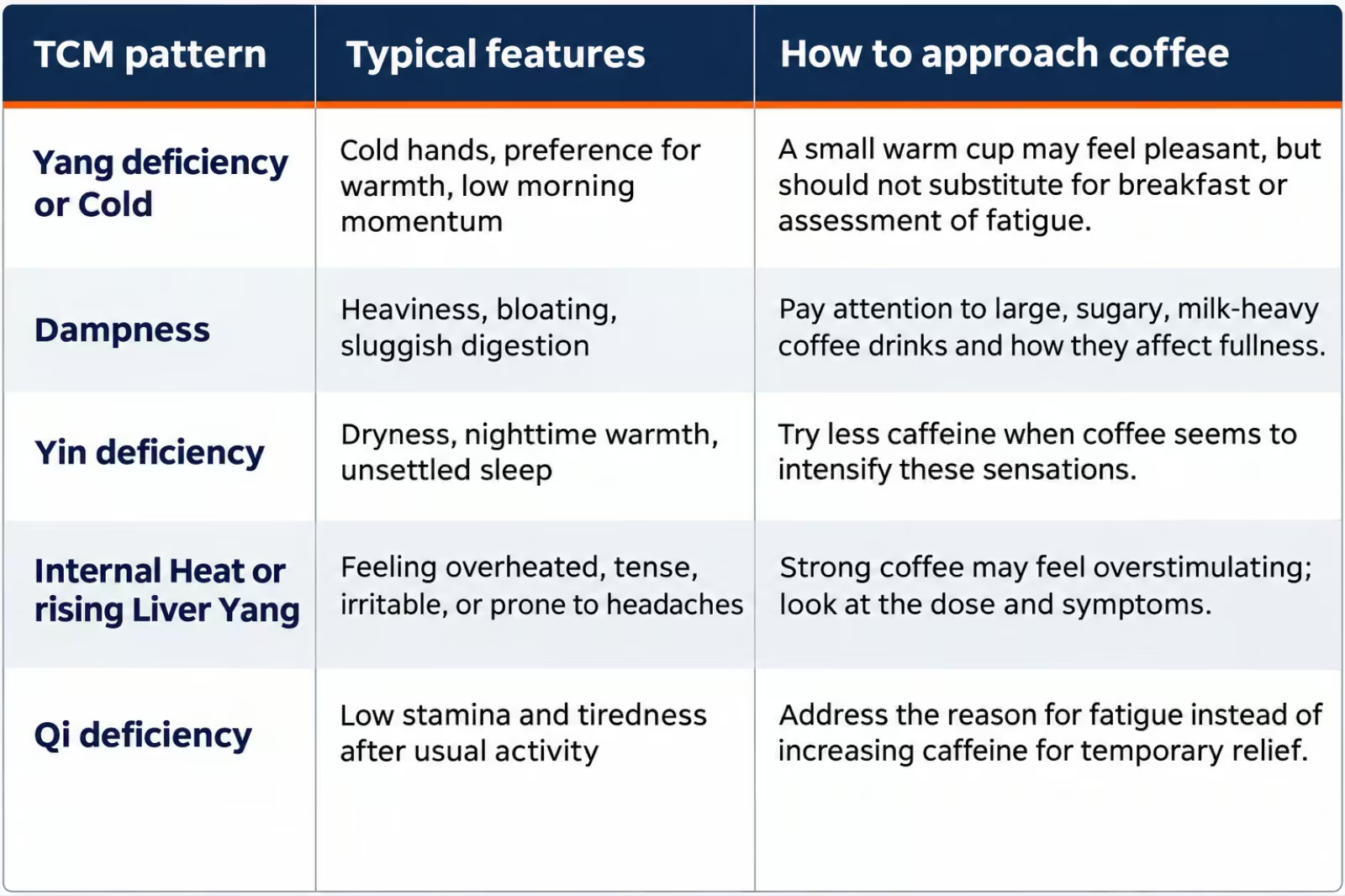
Practitioners consider factors such as appetite, sleep, tongue, pulse, and health history. Coffee tolerance alone cannot establish a TCM diagnosis, and traditional pattern assessments are not equivalent to scientifically validated medical tests.
A person’s tolerance can change with sleep, illness, stress, or medication. A cup that felt comfortable during a restful vacation may feel unpleasant during a stressful week.
TCM patterns can change as well, so recommendations should reflect a person’s current condition rather than a fixed classification.
In some Chinese medicine interpretations, coffee promotes Liver Qi movement, but that does not make it a treatment for Liver Qi stagnation or digestive problems.
Liver Qi stagnation is traditionally linked with tension or a feeling of constraint. Coffee may feel activating, but someone who becomes agitated or nauseated after drinking it should not increase the dose.
Chinese dietary advice often favors a simple morning meal such as congee, cooked grains, or eggs. Eating first may make coffee more comfortable for people who experience nausea, shakiness, or reflux on an empty stomach.
There is no evidence that every empty-stomach cup damages Stomach Qi or causes dangerous cortisol changes.
Coffee can stimulate bowel activity, although individual responses vary. Serving size, acidity, and added ingredients may also influence digestive comfort. Frequent heartburn warrants medical advice.
The Chinese body clock associates 7 a.m. to 9 a.m. with the Stomach channel. This is traditional advice about regular nourishment, not a medically established deadline for breakfast.
Coffee may feel draining when its temporary energy boost comes at the expense of restful sleep. While caffeine helps you stay alert, its effects can last for hours and interfere with the body’s ability to recover overnight.
Even if you fall asleep easily, consuming caffeine too late in the day may affect your sleep quality and leave you feeling tired the next morning.
In Traditional Chinese Medicine, adequate rest is important for maintaining the balance of Yin and Yang and supporting overall energy. Modern sleep research separately examines how caffeine influences sleep duration and quality rather than measuring Yin or Yang.
Persistent exhaustion, especially when accompanied by loud snoring or interrupted breathing during sleep, should be discussed with a healthcare professional.
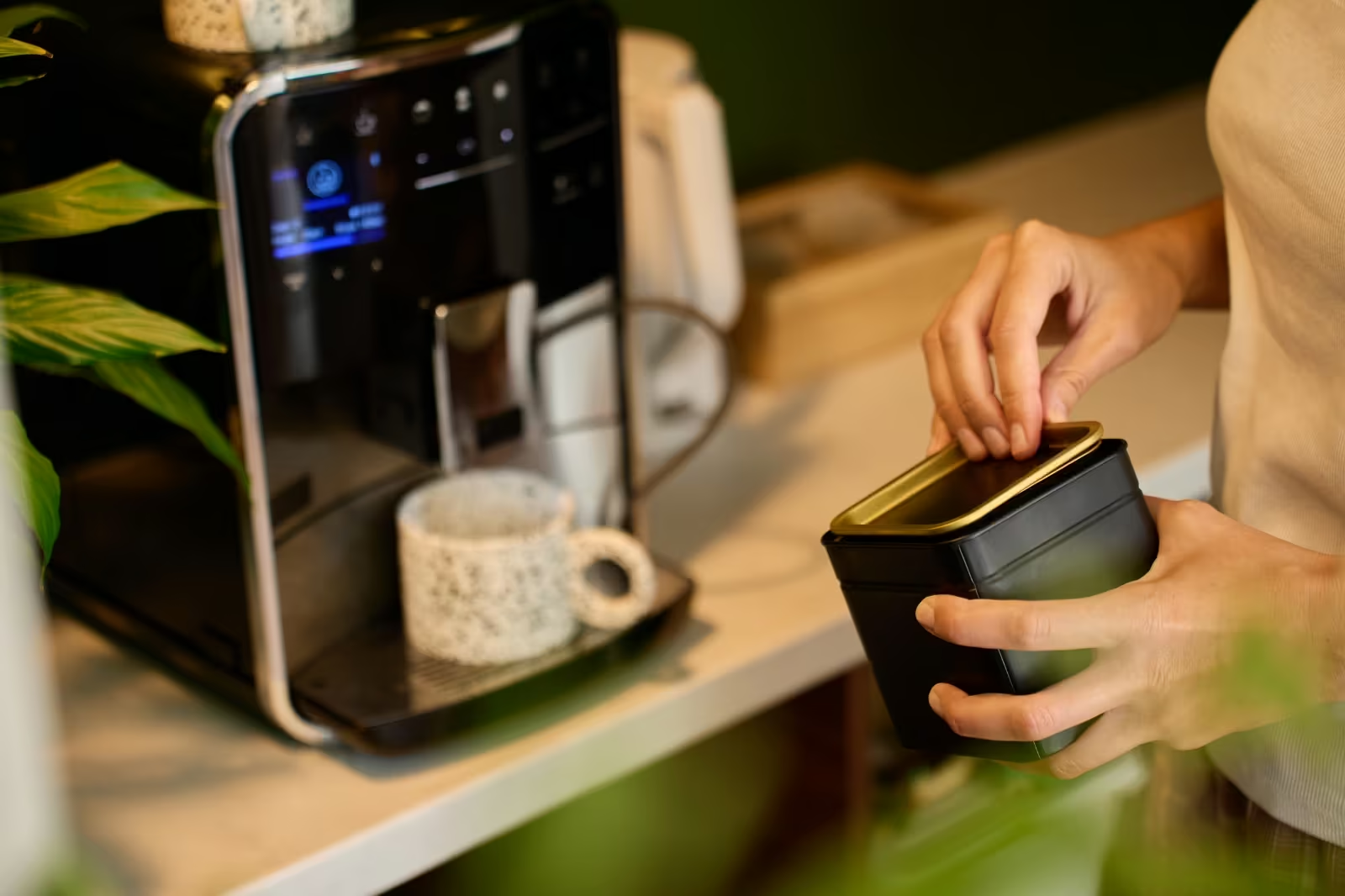
Changing the preparation can affect caffeine exposure and comfort without necessarily changing coffee’s traditional warming classification.
Hot and iced coffee differ in serving temperature, not whether they contain caffeine. Cold brew can also be highly concentrated.
A small espresso may contain less caffeine than a large drip coffee. Milk or sweeteners can affect digestion separately.
Decaf preserves the ritual with less stimulation. An eight-ounce serving typically has about 2 to 15 milligrams of caffeine, and it may still bother sensitive people.
A balanced coffee routine should account for caffeine intake, digestive comfort, and sleep. Avoiding common coffee mistakes, such as relying on caffeine instead of regular meals or overlooking its effects on rest, can help you build healthier daily habits.
Three practical habits are worth considering:
Warm water is optional. A Traditional Chinese Medicine diet also emphasizes the comfort and suitability of everyday meals.
Change one habit at a time to better understand what works for you. If you regularly consume caffeine, reduce it gradually to help avoid withdrawal headaches.
A widely used reference for most healthy adults is no more than 400 milligrams of caffeine a day, although some people experience unwanted effects well below that level.
A regular 12-ounce brewed coffee may contain around 113 to 247 milligrams. Count caffeine from tea, energy drinks, chocolate, and medications too.
People with palpitations, certain heart conditions, anxiety, or medications that interact with caffeine should ask a clinician about their limit. Pregnant patients should discuss a lower limit with their prenatal care professional.
Do not use herbs to counteract excess caffeine without professional advice.
Yes. Coffee contributes fluid, even though caffeine can increase urination. Drinking moderate amounts does not automatically cause dehydration.
Caffeine can influence cortisol responses, but drinking coffee before breakfast does not automatically cause harmful hormone levels. Individual reactions and the overall diet matter more than a rigid timing rule.
No. Chemical acidity and the traditional five-flavor classification describe different things. Coffee may be chemically acidic while its TCM flavor is usually described as bitter.
It can complicate the use of certain formulas, especially those containing stimulating ingredients or herbs with medication interactions. Tell your practitioner how much caffeine you drink before starting herbs.
Many people can have their usual modest serving. If caffeine makes you lightheaded, shaky, or uncomfortable, avoid it before the visit and tell your practitioner about the reaction.
No. Some people tolerate a morning cup well, while others benefit from reducing caffeine or choosing a different beverage. Recommendations depend on individual needs and responses.
A brief record of your coffee intake, meals, sleep, and symptoms can make a consultation more productive.
At ACA Acupuncture & Wellness, we assess your health history, sleep, digestion, stress, and TCM constitution to discuss an individual care plan. Acupuncture and Chinese herbal medicine, when appropriate, may be considered alongside dietary guidance and conventional medical care.
If you have been relying on coffee to get through ongoing fatigue, or your daily cup regularly leaves you uncomfortable, schedule your consultation with us today to discuss your symptoms and next steps.
Sources:
Chang, Y.-H., Cheng, Y.-C., & Cheng, W.-J. (2025). Age- and dose-specific effects of caffeine on sleep: A meta-analysis of controlled crossover trials. Sleep Medicine, 136, 106874.
Dharmananda, S. (2003). Coffee in China and the analysis of coffee according to Traditional Chinese Medicine. Institute for Traditional Medicine.
U.S. Food and Drug Administration. (2024). Spilling the beans: How much caffeine is too much?
Recent Comments