

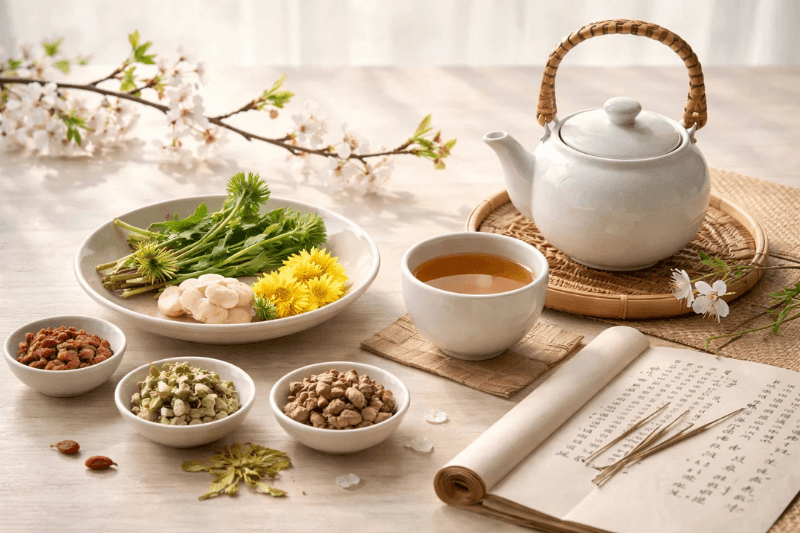
Rebirth and renewal in Traditional Chinese Medicine reflect the body’s natural transition into spring, where rising Yang energy activates the Liver system, supports the smooth flow of qi, and restores emotional and physical balance, closely mirroring the meaning of the Easter season.
Easter symbolizes renewal, resurrection, and new beginnings. In Traditional Chinese Medicine, spring represents this same process within the body. As nature shifts into growth and expansion, the body follows by activating the Liver system, increasing energy flow, and releasing stagnation built up during winter. This is the season when physical vitality, emotional clarity, and internal balance can be restored through movement, diet, and acupuncture.
At ACA, we view spring not just as a seasonal change, but as a critical moment for realigning health with the body’s natural rhythms.
Key Takeaways
- Spring in TCM is governed by the Wood element and Liver system, which regulate the smooth flow of qi, support emotional balance, and drive physical vitality during seasonal change
- Easter’s themes of renewal and rebirth closely mirror the body’s natural reset as it transitions from winter stagnation into spring movement and growth
- Symptoms like irritability, headaches, eye strain, allergies, and digestive changes often signal Qi stagnation, especially when the Liver system is under stress
- Gentle detox, increased movement, and seasonal diet adjustments help the body release winter buildup and adapt to rising energy levels
- Acupuncture supports this transition by improving circulation, regulating the nervous system, and restoring internal balance
Why Spring Is the Most Transformative Season in Traditional Chinese Medicine
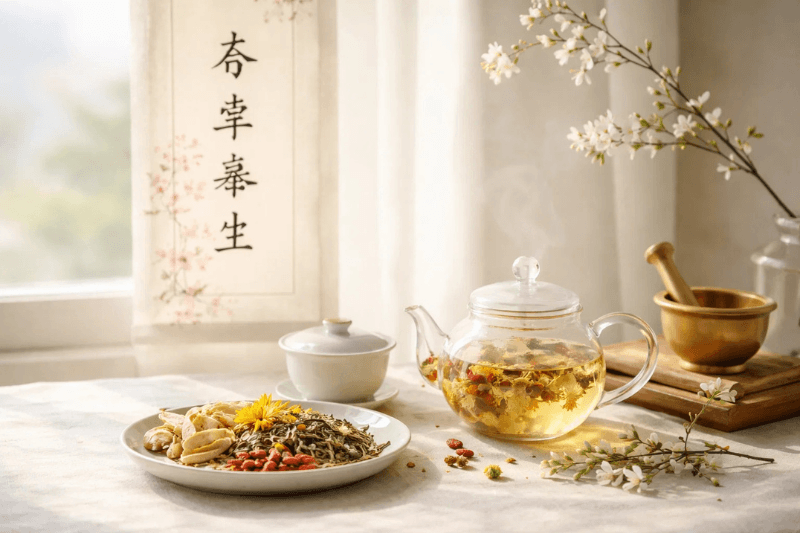
In TCM, each season represents a distinct energetic phase that influences how the body functions and adapts. Spring marks the shift from winter’s inward, conserving Yin energy to outward-moving, activating Yang energy. This transition stimulates physiological processes tied to circulation, metabolism, detoxification, and emotional expression.
As Yang energy rises, the body naturally becomes more active. Energy moves upward and outward, mirroring how plants grow toward sunlight. This is why many people feel a surge of motivation or restlessness during this time.
Modern research supports this seasonal shift. Increased daylight exposure affects melatonin and cortisol levels, which in turn influence sleep, mood, and energy. Immune activity and metabolic patterns also adjust with seasonal change, reinforcing the idea that spring is a biological turning point.
In TCM, this entire process is understood through the concept of Qi rising and expanding. When supported, this leads to clarity, vitality, and resilience. When blocked, it creates tension, stagnation, and imbalance.
The Wood Element Explained: Growth, Expansion, and Direction
The Wood element governs spring and represents growth, flexibility, and forward movement. It is associated with vision, planning, decision-making, and the ability to adapt to change.
Wood energy is dynamic and directional. It pushes outward, just like branches extending from a tree. In the body, this translates into a natural drive to take action, start new projects, and move forward after the slower winter months.
When Wood energy is balanced, individuals tend to feel motivated, focused, and emotionally steady. When it is restricted, frustration, irritability, and a sense of being stuck often emerge.
Easter’s imagery of rebirth and resurrection reflects this same principle. It represents a transition from dormancy into life, reinforcing the idea that growth requires both release and renewal.
The Liver System in TCM: The Engine of Spring Renewal
The Liver in TCM is not simply a physical organ. It is a complex functional system that ensures the smooth flow of Qi throughout the body.
Its primary responsibilities include:
- Regulating emotional balance and preventing stagnation
- Supporting digestion by coordinating energy flow
- Storing blood and nourishing tissues
- Maintaining flexibility in muscles, tendons, and connective tissue
The Liver also opens into the eyes, which is why eye strain or dryness can increase during periods of imbalance.
From a modern perspective, many of these roles overlap with nervous system regulation, hormonal balance, and the body’s stress response. When the Liver system is functioning well, energy flows smoothly, emotions remain stable, and the body adapts easily to change.
When Liver Qi becomes stagnant, even small disruptions can lead to noticeable symptoms, especially during seasonal transitions like spring.
Easter and TCM: Why the Symbolism of Rebirth Matters for Your Body
Seasonal traditions like Easter do more than mark a date on the calendar. They shape behavior, mindset, and health choices in subtle but meaningful ways.
The concept of renewal encourages people to:
- Reflect on habits and make intentional changes
- Shift toward lighter, healthier eating patterns
- Increase physical activity
- Reconnect with emotional well-being
In TCM, these actions are not just symbolic gestures. They directly support the body’s natural movement toward balance during spring.
By aligning lifestyle changes with seasonal energy, individuals can reduce internal resistance and improve overall health outcomes. At ACA, we often use familiar cultural moments like Easter to help patients understand that their bodies are already designed to reset, they simply need the right support.
Signs Your Body Is Struggling With the Spring Transition

When the Liver system is out of balance, the shift into spring can feel uncomfortable instead of energizing.
Common signs include:
- Irritability, mood swings, or increased stress sensitivity
- Headaches, especially around the temples or eyes
- Digestive discomfort such as bloating or irregular appetite
- Fatigue despite longer daylight hours
- PMS or hormonal fluctuations
- Muscle tightness or stiffness
- Seasonal allergy symptoms such as sneezing, nasal congestion, itchy eyes, or sinus pressure
In TCM, spring allergies are often linked to imbalances involving the Liver and the body’s defensive Qi, also known as Wei Qi. As external factors like wind and pollen increase during this season, the body becomes more reactive if internal balance is already compromised.
These symptoms often indicate Qi stagnation, where energy is not moving freely through the body. Environmental factors such as wind, allergens, and rapid temperature changes can further aggravate these patterns, especially when the body is already under stress.
Recognizing these early signals allows for timely adjustments that restore flow, strengthen resilience, and prevent deeper imbalance as the season progresses.
Spring Detox in TCM: What It Really Means
In TCM, detoxification is a gradual and supportive process, not an extreme or restrictive intervention.
Rather than forcing the body into sudden change, spring detox focuses on:
- Supporting the Liver’s natural ability to regulate and filter
- Encouraging gentle elimination through digestion and hydration
- Reducing internal stagnation by promoting movement
This approach avoids unnecessary stress on the body, which can actually worsen imbalance. Harsh cleanses often deplete energy and disrupt digestion, making them counterproductive from a TCM perspective.
Our acupuncturists at ACA emphasize consistency, moderation, and alignment with natural rhythms, which leads to more sustainable and effective results.
Best Foods for Spring According to TCM
Diet plays a central role in supporting the body during seasonal transitions.
Spring foods should be light, fresh, and easy to digest. They help clear internal heat, support Liver function, and encourage smooth Qi flow.
Recommended options include:
- Leafy greens such as spinach, kale, and bok choy
- Bitter vegetables like dandelion greens and arugula
- Lightly cooked meals that reduce digestive burden
- Hydrating foods such as cucumber, celery, and sprouts
The sour flavor, associated with the Liver, can help regulate energy flow when used in moderation. Examples include lemon, vinegar, and fermented foods.
Eating seasonally aligns the body with environmental changes, making it easier to maintain balance and energy throughout the spring months.
Movement and Energy Flow: Why Your Body Craves Activity in Spring
Spring is not a time for stillness. It is a time for movement, expansion, and release.
As Yang energy rises, the body naturally seeks more activity to support the upward and outward flow of Qi. Movement helps prevent stagnation, improves circulation, and supports both physical and emotional balance.
Activities that support Qi flow include:
- Walking outdoors to align with natural light and fresh air
- Gentle stretching to release tension in muscles and tendons
- Tai Chi or yoga to coordinate breath, movement, and energy
Even simple, consistent movement throughout the day can have a significant impact. In contrast, prolonged sitting or inactivity during this season can trap energy in the body, leading to stiffness, irritability, and fatigue.
At ACA, we often remind patients that movement in spring does not need to be intense. It needs to be regular and intentional.
Emotional Health in Spring: Managing Anger and Change
The primary emotion associated with the Wood element is anger. In TCM, this is not limited to outbursts, but includes a wider spectrum of emotions such as frustration, impatience, irritability, and internal tension.
During spring, these emotions can surface more easily as energy begins to move. If that movement is blocked, emotional pressure builds.
In modern life, this pattern is often amplified by:
- Chronic stress
- Sedentary routines
- Lack of emotional release
- Overstimulation from digital environments
TCM emphasizes emotional flexibility as a key to maintaining balance. This means:
- Adapting to change instead of resisting it
- Releasing tension through movement or expression
- Staying mentally fluid rather than rigid in thought patterns
Supporting emotional health in spring is not about suppressing feelings. It is about allowing them to move through the body without becoming stuck.
How Acupuncture Supports Spring Renewal
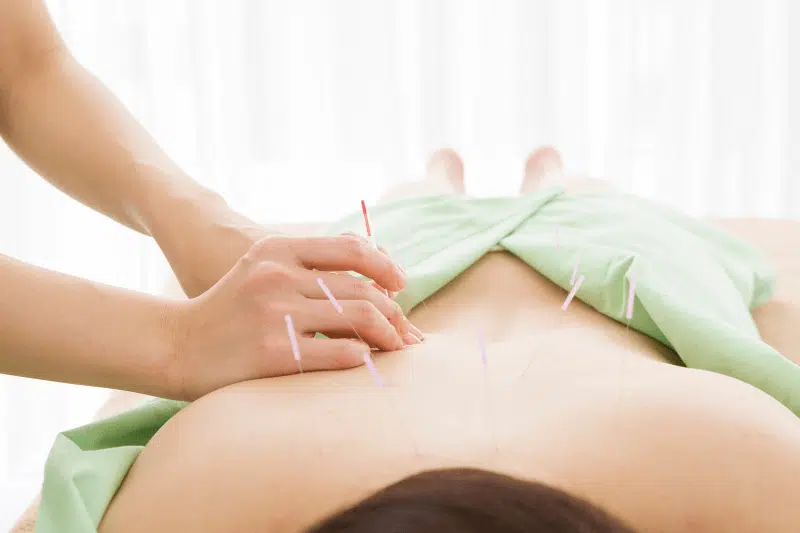
Acupuncture plays a central role in helping the body transition smoothly into spring. In Traditional Chinese Medicine, spring is the best time for acupuncture because the body is naturally shifting into a more active, responsive state.
By stimulating specific points along the body’s meridians, acupuncture helps regulate the flow of Qi, reduce stagnation, and restore internal balance. This becomes especially important during seasonal shifts, when the body is adjusting to increased activity, environmental changes, and rising Yang energy.
Our acupuncturists at ACA use targeted treatments to:
- Promote smooth Qi circulation throughout the body
- Reduce physical tension and emotional stress
- Support digestion as dietary patterns shift toward lighter foods
- Improve sleep quality and overall energy levels
- Strengthen the body’s resilience against seasonal challenges such as stress and allergies
From a modern perspective, acupuncture has been shown to influence the nervous system, helping shift the body out of chronic stress states and into a more balanced, restorative mode.
Because spring is a time of growth and transformation, the body is more receptive to treatment. Starting acupuncture during this season allows us to support that natural momentum, helping prevent imbalances and build a strong foundation for the rest of the year.
Practical Spring Wellness Plan (TCM-Inspired)
A balanced spring routine does not need to be complicated. It should follow the natural rhythm of the season and support gradual change.
A simple approach includes:
Morning:
- Gentle stretching to awaken the body
- Warm water with lemon to support digestion and hydration
Throughout the day:
- Light, seasonal meals that are easy to digest
- Regular movement, even in short intervals
- Time outdoors to align with natural light cycles
Evening:
- A calming wind-down routine to reduce overstimulation
- Reduced screen exposure to support better sleep
The goal is consistency rather than intensity. Small, steady adjustments create lasting balance and allow the body to adapt naturally.
Common Mistakes During Spring Health Resets
Many people approach spring as a time for drastic change, which can disrupt rather than support the body.
Common mistakes include:
- Over-detoxing with restrictive or extreme cleanses
- Making sudden, unsustainable diet changes
- Ignoring emotional health while focusing only on physical habits
- Exercising too aggressively without proper progression
These approaches can create additional stress on the Liver system and lead to fatigue or imbalance.
TCM favors gradual adjustment, allowing the body to transition smoothly without shock or depletion.
When to Seek Support From an Acupuncturist
While many seasonal adjustments can be made at home, some symptoms indicate the need for professional support.
Consider working with an acupuncturist if you experience:
- Persistent fatigue that does not improve with rest
- Chronic stress or emotional imbalance
- Ongoing digestive issues
- Hormonal irregularities or PMS symptoms
- Recurring headaches or tension
At ACA, we tailor treatments to your specific constitution and seasonal needs. Our goal is to help your body adapt to spring without strain, restoring balance in a way that feels natural and sustainable.
Frequently Asked Questions
Why is spring associated with rebirth?
Spring is associated with rebirth because it marks the transition from winter’s dormancy to a period of growth, renewal, and increased activity in nature. In Traditional Chinese Medicine, this reflects the rising of Yang energy, which activates movement, circulation, and transformation in the body. Just as plants begin to grow and bloom, the body shifts toward expansion, making spring a natural time for physical, emotional, and mental renewal.
What organ is associated with spring?
In Traditional Chinese Medicine, the Liver is the primary organ associated with spring. The Liver system is responsible for ensuring the smooth flow of Qi, regulating emotions, supporting digestion, and maintaining flexibility in muscles and tendons. During spring, the Liver becomes especially active, helping the body transition from winter’s stillness into increased movement and energy.
What is the spring season in TCM?
In TCM, spring is the season of the Wood element, representing growth, expansion, and new beginnings. It is characterized by rising Yang energy, increased activity, and the activation of the Liver system. This season encourages movement, detoxification, and emotional expression, making it a key time for resetting balance and supporting overall health.
What does spring renewal mean?
Spring renewal refers to the body’s natural process of releasing stagnation from winter and restoring balance as energy begins to rise. In TCM, this includes improving the flow of Qi, supporting Liver function, and making lifestyle adjustments such as eating lighter foods, increasing movement, and addressing emotional tension. It is both a physical and emotional reset that aligns the body with seasonal change.
Is spring a good time for acupuncture?
Yes, spring is one of the best times to receive acupuncture. As the body transitions into a more active state, it becomes more responsive to treatment. Acupuncture helps regulate the flow of Qi, reduce stagnation, and support the Liver system, making it especially effective for improving energy, mood, digestion, and overall balance during this season.
What are common symptoms of imbalance in spring?
Common symptoms of spring imbalance in TCM are often related to Liver Qi stagnation. These may include irritability, mood swings, headaches, eye strain, muscle tightness, digestive discomfort, and fatigue. Seasonal factors such as changing weather, allergens, and increased activity can also contribute to these symptoms. Addressing them early with lifestyle adjustments and acupuncture can help restore balance more quickly.
Aligning With Nature for Lasting Health

Spring offers a natural opportunity to reset your body, mind, and daily habits in a way that feels sustainable rather than forced. Instead of relying on short-term fixes or extreme changes, aligning with seasonal rhythms allows your body to transition gradually, supporting deeper and more lasting health improvements.
In Traditional Chinese Medicine, this season is not just about change, but about direction. It is a time to release what has become stagnant, restore the smooth flow of Qi, and build momentum for the months ahead. Small adjustments such as moving more regularly, eating lighter foods, and addressing emotional tension can create meaningful shifts in how you feel day to day.
At ACA Acupuncture & Wellness, we guide patients through seasonal transitions using time-tested principles of Traditional Chinese Medicine, helping the body adapt naturally while improving energy, digestion, and emotional balance. To support your spring renewal, we offer acupuncture along with cupping therapy, Chinese massage, moxibustion, facial acupuncture, physical therapy, and reflexology, all designed to restore balance and promote lasting vitality.
Sources:
Marshall, A. C. (2020). Traditional Chinese medicine and clinical pharmacology. Journal of Clinical Pharmacology, 60(6), 743–750.
World Health Organization. (2019). WHO global report on traditional and complementary medicine 2019.
Recent Comments