

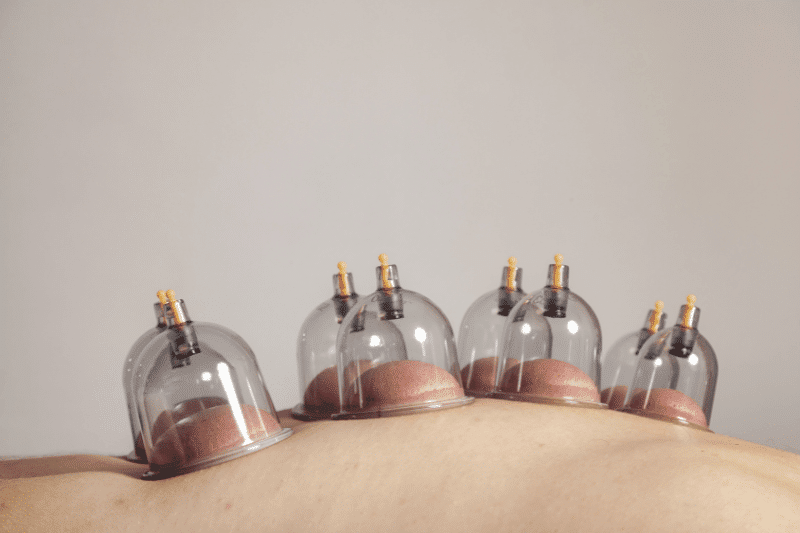
Cupping therapy may help relieve certain types of pain, tightness, and muscle-related discomfort, especially when used as part of a broader care plan.
That is why so many people search this question before trying it. Cupping is often mentioned alongside acupuncture and other Traditional Chinese Medicine therapies, and many people are curious about what it may actually help with. Current research is most encouraging for short-term pain relief, reduced muscle tension, and improved mobility, particularly in musculoskeletal issues like neck pain, back pain, and soft-tissue tightness. Like acupuncture, cupping is often used as a supportive therapy that may work best when matched to the right condition, treatment goal, and overall wellness plan.
Key Takeaways
- Cupping may help some people with short-term pain relief and reduced muscle tension.
- Evidence is strongest for musculoskeletal issues such as neck pain, back pain, and soft-tissue tightness.
- Results vary based on the condition, practitioner technique, and overall treatment plan.
- Some people notice changes quickly, while others benefit more over several sessions.
- Cupping often works best as part of a broader care strategy that may also include acupuncture, movement, and rehabilitation.
What Does “Working” Actually Mean in Cupping Therapy?
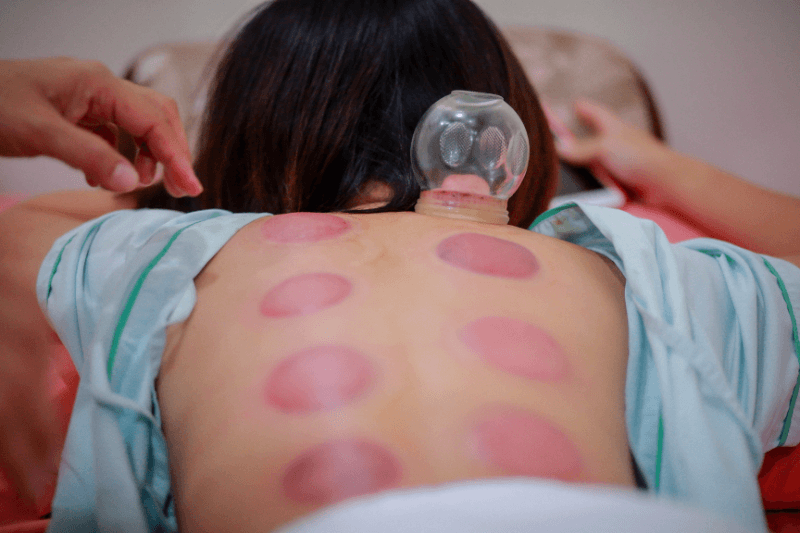
Before asking whether cupping works, it helps to define what success actually looks like. Many disagreements around cupping come from people using different standards for what counts as improvement.
Pain relief vs true healing
Pain relief is not the same as healing the root problem. A person may feel looser, lighter, or less sore after treatment, yet still have the same underlying issue driving the symptoms. Tight hip flexors, weak stabilising muscles, poor lifting mechanics, repetitive strain, sleep problems, or high stress can all keep pain cycling even if symptoms temporarily ease.
Cupping may help reduce discomfort, but that does not automatically mean it repaired tissue, corrected posture, restored strength, or resolved the original cause. In many cases, it is better viewed as one helpful tool that creates space for deeper recovery work.
Temporary symptom improvement vs long-term change
Some treatments are excellent at changing how a person feels in the short term. That matters. Feeling less pain can improve function, reduce guarding, and help someone return to movement. But short-term relief is not the same as durable change.
A useful question is not only, “Did I feel better right after cupping?” but also:
- Did the improvement last?
- Did movement become easier over time?
- Did flare-ups happen less often?
- Did daily function improve?
- Did I become less dependent on repeated short-lived relief?
Those answers reveal more than the immediate post-session response.
Why patient goals matter when judging results
Cupping may seem highly effective for one person and disappointing for another because their goals are different.
For example:
- Someone with post-workout tightness may be thrilled with reduced stiffness for two days.
- Someone with chronic back pain may want fewer pain episodes over months.
- Someone hoping cupping will fix a structural injury may feel let down.
The clearer the goal, the easier it is to judge whether cupping is actually helping.
What Conditions Is Cupping Most Commonly Used For?
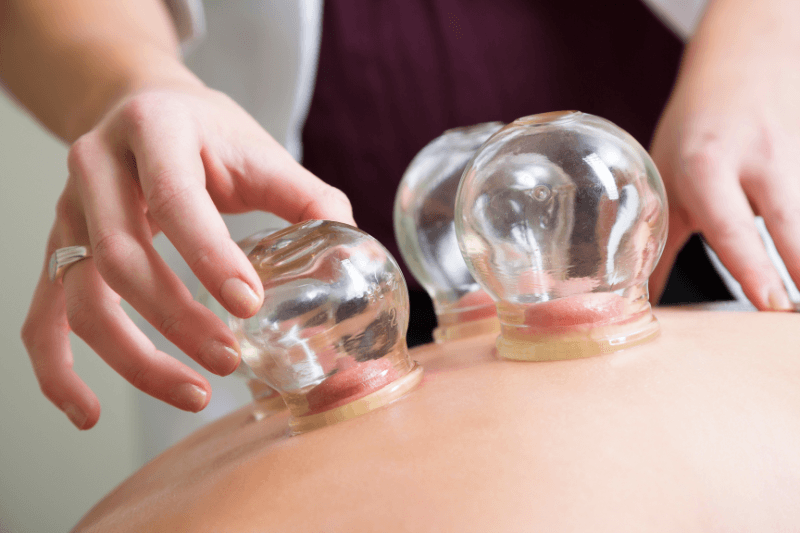
Cupping is most often used in settings where tension, soreness, pain, or movement restriction are present.
Muscle tightness and soft-tissue discomfort
This is one of the most common reasons people try cupping. The treatment is often used over areas that feel dense, stiff, tender, or overworked. That may include the upper traps, lower back, calves, hamstrings, glutes, or forearms.
Chronic neck and back pain
Chronic neck and back complaints often involve more than one factor, but soft-tissue tension is frequently part of the picture. Cupping may be used to help reduce that tension and improve comfort with movement.
Sports recovery and movement restriction
Athletes and active adults sometimes use cupping after training blocks or during periods of muscular overload. The goal is usually not “healing” in a dramatic sense, but recovery support, better range of motion, and reduced post-exercise tightness.
Tension-related discomfort
Stress often shows up physically. Jaw tension, shoulder tightness, upper back heaviness, and shallow breathing can all create discomfort that feels muscular even when emotional load is involved. In those cases, cupping may help because it is both physical and calming.
Where the Evidence Looks More Promising
This is the part of the discussion where the conversation should stay disciplined. The most promising evidence is generally connected to pain-related, musculoskeletal complaints.
Chronic musculoskeletal pain
This is the broad category where cupping appears most useful. When discomfort involves muscles, fascia, movement restriction, or non-specific pain patterns, some people report meaningful symptom improvement.
That does not mean every case responds. It means this is the area where the treatment makes the most practical and research-based sense.
Low back pain
Low back pain is one of the most common reasons people seek cupping. Some individuals report lower pain intensity, less stiffness, and easier movement after treatment. This can be especially appealing for people trying to reduce reliance on medication or build a more conservative pain-management plan.
That said, low back pain is complex. In many cases, symptom relief improves when cupping is paired with exercise, strengthening, posture support, and load management.
Neck pain
Neck pain is another area where cupping is frequently used. People with desk-related strain, postural fatigue, upper trap tightness, or stress-linked tension may notice less pulling and greater ease turning the head. For many, the value is not that cupping “cures” the neck problem, but that it reduces the physical resistance that keeps the area feeling locked up.
Where the Evidence Is Still Weak, Limited, or Overstated
This is where overenthusiastic claims often go too far.
Detox claims
One of the most repeated myths is that cupping pulls toxins out of the body. This language sounds powerful, but it is vague and scientifically weak. The circular marks left by cupping are not evidence that toxins were extracted. They reflect local suction effects on the skin and superficial tissues.
If a claim cannot clearly define what toxins are being removed, how they are measured, and why the body’s own organs are not already handling that process, the claim should be treated cautiously.
Immune boosting claims
Cupping is sometimes promoted as a way to boost the immune system. That is a broad promise that goes beyond what current evidence can strongly support. Feeling more relaxed or sleeping better after treatment may indirectly support general wellbeing, but that is not the same as proving a meaningful immune-enhancing effect.
Hormone balancing claims
Hormonal health is complex and influenced by sleep, nutrition, stress, body composition, medical history, endocrine function, and more. Cupping may help someone feel more relaxed or less tense, but presenting it as a direct hormone-balancing therapy oversimplifies a much bigger clinical picture.
Digestive and respiratory claims
Some people report symptom relief in digestive or respiratory complaints after bodywork-based therapies, including cupping. That does not mean the therapy is strongly proven for those conditions. Claims in these areas tend to outrun the evidence. When digestive or respiratory symptoms are ongoing, evaluation and diagnosis matter more than broad wellness promises.
Why Some People Feel Better After Cupping
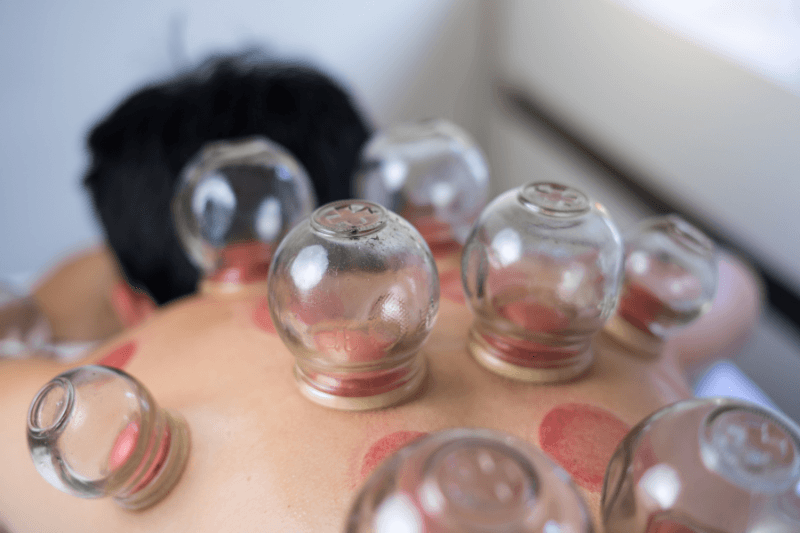
Even when the science is still developing, there are several plausible reasons why a person may feel better after treatment.
Increased local blood flow
Suction changes the local environment in the treated area. This may increase circulation near the surface and create a temporary sense of warmth, fullness, or release. Better local blood flow is one possible contributor to post-treatment relief.
Reduced muscle guarding and tissue tension
When an area has been tight or overprotective, cupping may reduce the sense of rigidity. This does not mean tissue was “broken up” in a dramatic way, but it may help shift mechanical tension enough to make movement feel easier.
Nervous system downregulation and relaxation
Some people respond strongly to the calming side of treatment. Even when the cups feel intense at first, the session can produce a noticeable settling effect. Reduced stress, slower breathing, and a quieter nervous system can all change the experience of pain.
Expectation, context, and placebo-related effects
This part should not be dismissed. Context matters in all healthcare. A person who feels listened to, touched in a skilled way, and given focused time in a calm setting may genuinely feel better. Placebo is often misunderstood as “fake.” In reality, expectation and therapeutic context can create real symptom changes, especially in pain. That does not mean cupping is only placebo. It means symptom improvement may come from multiple overlapping mechanisms rather than one simple explanation.
How Long Does It Take for Cupping to Work?
The timeline depends on the problem being treated, how long it has been present, and what “working” means to the person receiving care.
What some people notice right after one session
Some people notice immediate effects such as:
- less tightness
- a lighter feeling in the treated area
- easier turning, bending, or reaching
- reduced heaviness after training
- temporary pain reduction
These early effects are common reasons people feel impressed after their first session.
What may improve after several sessions
When symptoms are more established, benefits may show up more gradually. Over several sessions, a person may notice:
- less frequent flare-ups
- longer-lasting relief
- improved movement confidence
- easier recovery after activity
- reduced baseline tension
Why chronic issues usually need more than one treatment
Long-standing pain patterns rarely change permanently after one intervention. Chronic problems often involve nervous system sensitisation, movement habits, weakness, stress load, sleep disruption, and repeated aggravation. A single session may create a useful shift, but lasting change typically requires repetition and a larger plan.
When no improvement may mean cupping is not the right fit
Not every therapy suits every person. If several well-applied sessions produce no meaningful improvement, or if relief fades almost instantly each time with no cumulative gain, cupping may not be the right tool for that issue.
Cupping Results Timeline: What to Expect
People often ask not just whether cupping works, but when they should expect to notice a difference.
Immediate effects in the first 24 hours
In the first day, common responses may include:
- soreness similar to deep bodywork
- reduced tightness
- a feeling of warmth or looseness
- visible circular marks
- temporary fatigue or relaxation
Some people feel better the same day. Others feel mildly sore before improvement sets in.
Short-term changes over several days
Over the next few days, someone may notice that movement feels less restricted or the treated area is less reactive. If the session addressed simple muscular tightness, this may be where the clearest benefit appears.
Multi-session progress over a few weeks
For recurring tension or chronic pain, meaningful change is more likely to be judged over multiple sessions. Over a few weeks, improvement might look like less guarding, easier exercise tolerance, or fewer symptom spikes rather than total symptom disappearance.
What realistic improvement looks like
Realistic improvement often means:
- symptoms feel less intense
- the body feels less stiff
- recovery is easier
- movement causes less hesitation
- progress builds over time
It does not always mean pain goes from severe to zero overnight.
Signs Cupping Therapy May Be Helping
People do better when they know what to look for beyond just the immediate sensation of treatment.
Less stiffness
A previously tight area may feel less resistant during normal daily movement.
Better range of motion
You may turn your neck further, bend more comfortably, or move through an exercise with less pulling.
Lower pain intensity
Pain might not disappear, but it may feel less sharp, less constant, or less intrusive.
Easier recovery after physical strain
Workout soreness or postural fatigue may settle more quickly than usual.
Better tolerance for movement
One of the most practical signs of improvement is moving with less fear, less guarding, and less payback later.
Signs Cupping Therapy May Not Be Working
A balanced article should also make room for non-response.
No meaningful symptom change
If symptoms remain unchanged after a reasonable trial, that matters. Not every therapy helps every case.
Relief that fades almost immediately every time
Some short-term relief is normal, but if the benefit disappears within hours after each session and never builds, the treatment may not be doing enough.
Symptoms that continue to worsen
If pain intensifies, function declines, or the pattern keeps deteriorating, cupping should not be relied on as the main answer.
Repeated bruising or irritation without benefit
Visible marks alone do not prove success. If the skin keeps reacting but symptoms do not improve, the cost-benefit picture becomes weak.
Why Cupping Works for Some People but Not Others
Variation in outcomes is normal, and it usually has several causes.
Differences in diagnosis
A person with simple muscular tightness may respond differently from someone with nerve irritation, inflammatory disease, referred pain, or a structural injury. Two people can both call it “back pain” while having very different underlying problems.
Differences in practitioner technique
Technique matters. Cup size, pressure, placement, duration, movement style, and treatment logic all affect the experience and the result.
Differences in severity and chronicity
A fresh episode of tightness is very different from a pain pattern that has been developing for years. Long-standing problems usually require more than symptom-focused care.
Differences in expectations and treatment goals
Someone seeking support and symptom reduction may be pleased. Someone expecting complete cure from one session may be disappointed. Expectations shape satisfaction, even when the same physical change occurs.
Is Cupping Better as a Stand-Alone Therapy or Part of a Bigger Plan?
For most people, cupping makes the most sense inside a broader strategy.
Cupping alongside acupuncture
These therapies are often paired because they can address discomfort from slightly different angles. Cupping may help with myofascial tightness and local tension, while acupuncture may be used more broadly for pain modulation and system-wide regulation.
Cupping with physical therapy or rehab
This is often one of the strongest pairings. If cupping reduces pain or stiffness enough to make exercise easier, it can support rehabilitation rather than replace it.
Cupping plus mobility, strengthening, and lifestyle support
Many pain problems are maintained by weak links elsewhere. Better sleep, stress control, movement practice, mobility work, and gradual strengthening often do more for lasting change than any single passive therapy alone.
Why integrated care may lead to better outcomes
Integrated care tends to work better because it addresses both symptom relief and the drivers behind the symptoms. Cupping may help calm the body enough to make the rest of the plan more effective.
What the Research Gets Right and What It Still Cannot Prove
A responsible answer needs to separate promising signals from proof.
Promising findings
Research does suggest that cupping may have value in certain pain-related applications, especially when symptoms are musculoskeletal and outcomes include pain intensity or function.
Small sample sizes and study quality issues
Many studies in this area are limited by small groups, inconsistent protocols, weak blinding, short follow-up periods, or poor comparison design. Those issues make results harder to generalise.
Why more rigorous trials are still needed
To make stronger claims, better studies are needed with clearer protocols, stronger controls, and longer-term follow-up. Until then, the best position is measured optimism rather than certainty.
How to read strong claims with caution
Be careful when you see claims that cupping has been “proven” to detox the body, cure chronic disease, or fix broad health issues. The evidence simply is not strong enough to support that kind of language.
Common Myths About Whether Cupping Works
Myths make cupping harder to understand because they turn a potentially useful therapy into a source of confusion.
“If it leaves dark marks, it is working better”
The darkness of the marks does not reliably measure treatment success. Skin response varies based on pressure, location, skin tone, tissue sensitivity, and circulation. Darker is not automatically better.
“Cupping pulls toxins out of the body”
This is one of the most persistent myths and one of the least useful scientifically. The marks are not proof of extracted toxins.
“If it helped once, it will work for every problem”
A good result for one type of discomfort does not mean cupping is suitable for every complaint. Treatment should match the condition, not just past positive experience.
“Natural means scientifically proven”
Natural and proven are not synonyms. A therapy can be traditional, widely used, or low risk and still require better evidence for certain claims.
Who Is Most Likely to Benefit from Cupping?
Not everyone responds the same way, but some groups are more likely to find it useful.
People with muscle tension and mechanical pain
Those with tight, overworked, movement-sensitive areas often fit the profile best.
People seeking non-drug supportive care
Cupping may appeal to people who want a hands-on option alongside other conservative approaches.
People using it within a broader treatment plan
Those who combine cupping with exercise, rehabilitation, posture support, or other appropriate care often have a more realistic and effective path forward.
People with realistic expectations
The best candidates are often the ones who want meaningful symptom support, not exaggerated promises.
FAQs
Can cupping therapy help with stress-related muscle tension?
Cupping may help with stress-related muscle tension, especially when stress shows up physically as tight shoulders, upper back heaviness, jaw tension, or general body stiffness. While it is not a direct treatment for stress itself, some people find that the physical release and calming effect of the session help reduce tension patterns linked to stress.
Is cupping therapy painful?
Cupping usually feels more like strong suction, pulling, or pressure than sharp pain. Some areas may feel more intense if the muscles are very tight or sensitive, but many people find the treatment manageable and even relaxing once the initial sensation settles. Mild soreness afterwards can also happen, similar to how the body may feel after deep tissue work.
What side effects can happen after cupping therapy?
Common side effects include circular marks, temporary soreness, tenderness, mild skin irritation, and a feeling of fatigue or heaviness after treatment. These effects are usually short term. More serious issues are less common but can include burns, blistering, infection, or prolonged irritation if the treatment is done improperly or on sensitive skin.
Who should avoid cupping therapy?
Cupping may not be appropriate for everyone. People with bleeding disorders, very fragile skin, open wounds, active skin infections, severe swelling, or certain medical conditions should be cautious or avoid it altogether. It is also important to speak with a qualified practitioner if you are pregnant, take blood-thinning medication, or have a condition that affects healing.
What should you expect before, during, and after a cupping session?
Before a session, the practitioner usually asks about your symptoms, health history, and treatment goals. During treatment, you may feel strong suction, warmth, or pressure where the cups are placed. Afterward, it is normal to have visible marks, mild soreness, or a relaxed, slightly tired feeling. Some people notice immediate looseness, while others feel the effects more clearly over the next day or two.
The Bottom Line on Whether Cupping Therapy Works
Cupping therapy may help in specific situations, especially when the goal is relief from pain, tightness, stiffness, or certain musculoskeletal complaints. That is where the most reasonable confidence lies, and it is why many people do report feeling better after treatment.
At the same time, it is not strongly proven for every claim made about it. The evidence is more convincing for selected pain-related uses than for detox, immune, hormone, digestive, or broad wellness claims. The most honest way to present cupping is with nuance. It may be a useful supportive therapy. It may help some people noticeably. But it should not be sold as a cure-all, and it usually works best as part of a bigger plan rather than the entire plan.
At ACA Acupuncture and Wellness, we offer holistic treatments designed to support pain relief, recovery, and overall wellbeing, including cupping, acupuncture, moxibustion, and other personalised Traditional Chinese Medicine therapies. When used thoughtfully as part of a broader care plan, these treatments can work together to address both immediate discomfort and the deeper patterns contributing to it.
If you are considering cupping, the best approach is to view it as one part of a personalised treatment strategy rather than a stand-alone answer. With the right expectations, the right practitioner, and the right combination of therapies, cupping can be a valuable tool in supporting movement, comfort, and long-term wellness.
Sources:
Sina, R. E., & Bokhari, A. A. (2023, October 30). Cupping therapy. In StatPearls.
Zhang, Z., Pasapula, M., Wang, Z., Edwards, K., & Norrish, A. (2024). The effectiveness of cupping therapy on low back pain: A systematic review and meta-analysis of randomized control trials. Complementary Therapies in Medicine, 80, 103013.
Al-Bedah, A. M. N., Elsubai, I. S., Qureshi, N. A., Aboushanab, T. S., Ali, G. I. M., El-Olemy, A. T., Khalil, A. H., Khalil, M. K. M., & Alqaed, M. S. (2018). The medical perspective of cupping therapy: Effects and mechanisms of action. Journal of Traditional and Complementary Medicine, 9(2), 90–97.
Al-Bedah, A. M. N., Elsubai, I. S., Qureshi, N. A., Aboushanab, T. S., Ali, G. I. M., El-Olemy, A. T., Khalil, A. H., Khalil, M. K. M., & Alqaed, M. S. (2018). The medical perspective of cupping therapy: Effects and mechanisms of action. Journal of Traditional and Complementary Medicine, 9(2), 90–97.
Wang, L., Cai, Z., Li, X., & Zhu, A. (2023). Efficacy of cupping therapy on pain outcomes: An evidence-mapping study. Frontiers in Neurology, 14, 1266712.
Recent Comments