

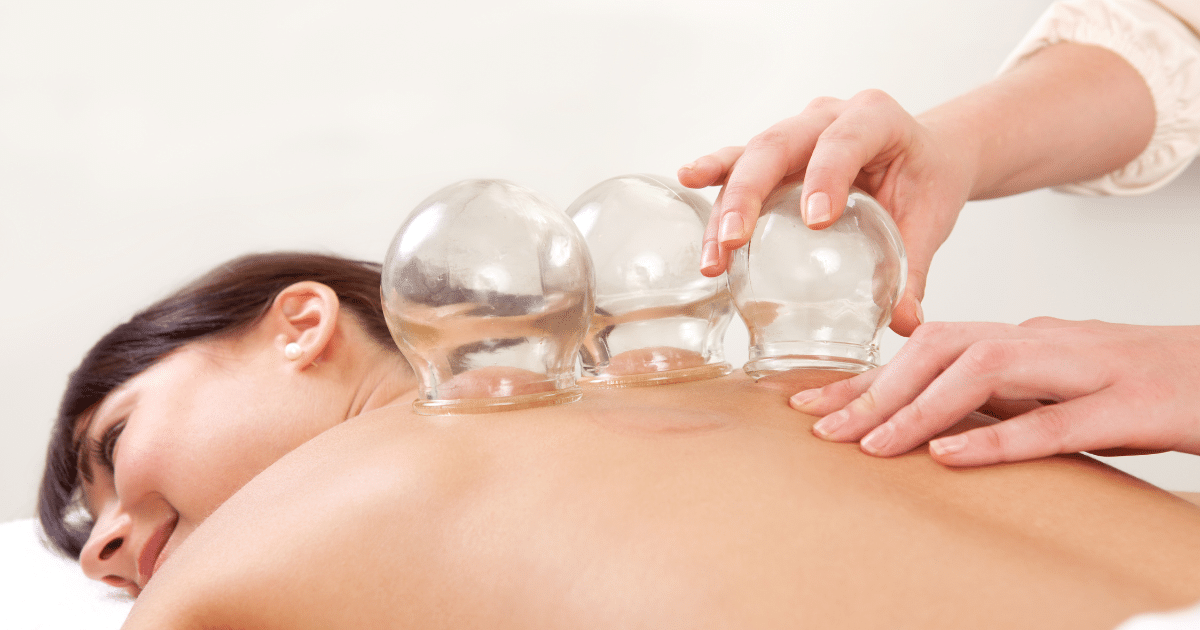
Cupping therapy improves circulation, reduces musculoskeletal tension, and activates natural healing pathways, which makes it one of the most versatile TCM-based therapies in modern integrative care. Clinical outcomes vary by technique, tissue depth, and patient condition, but research consistently shows measurable changes in blood flow, inflammation markers, lymphatic drainage, and neuromuscular relaxation.
Cupping remains a staple in Traditional Chinese Medicine and is now supported by growing biomedical evidence. By creating negative pressure on the skin, the technique influences fascia, microcirculation, autonomic nervous activity, and the local inflammatory response. These mechanisms explain why cupping has gained traction across physical therapy, sports medicine, pain management, and wellness programs.
What Is Cupping Therapy?
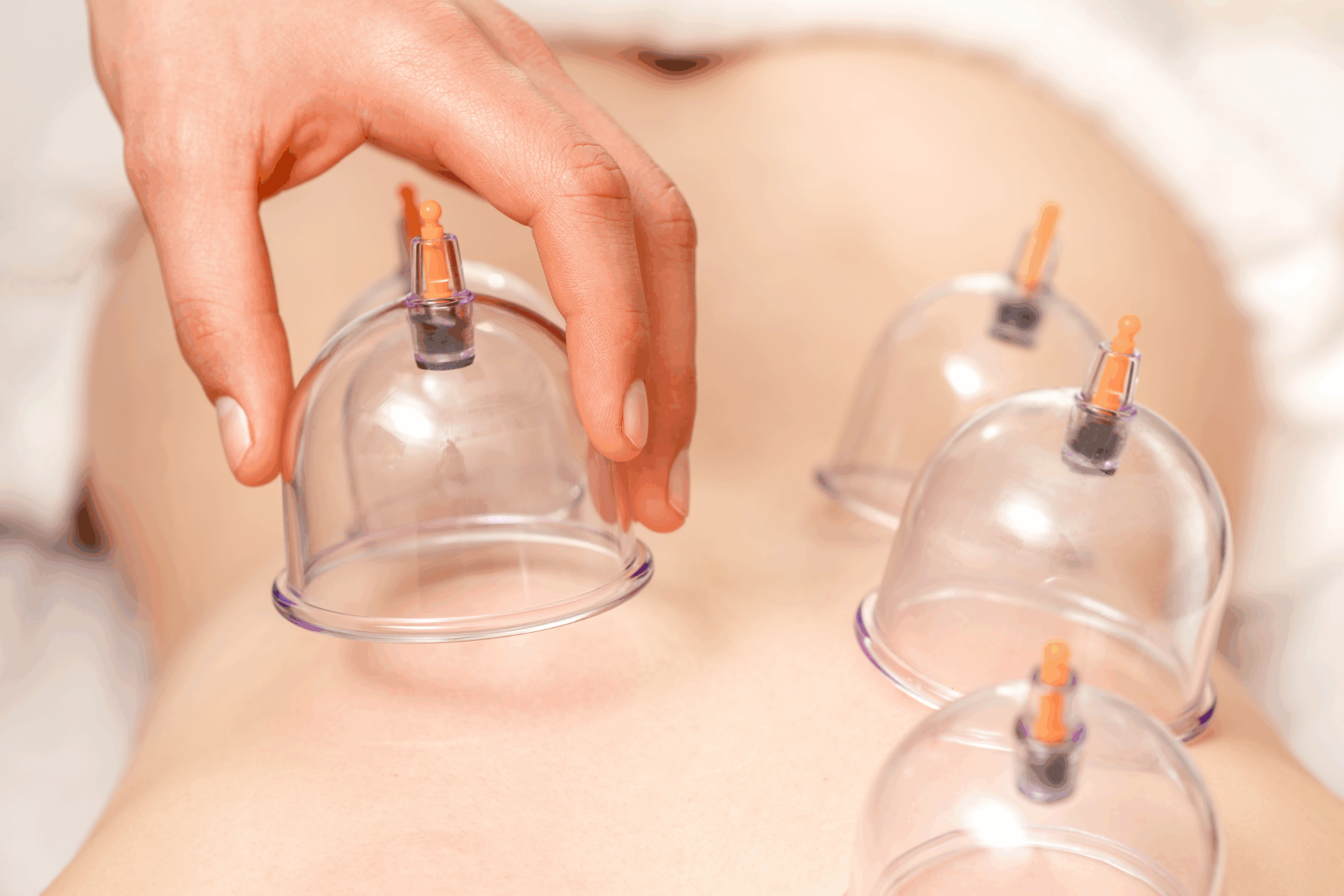
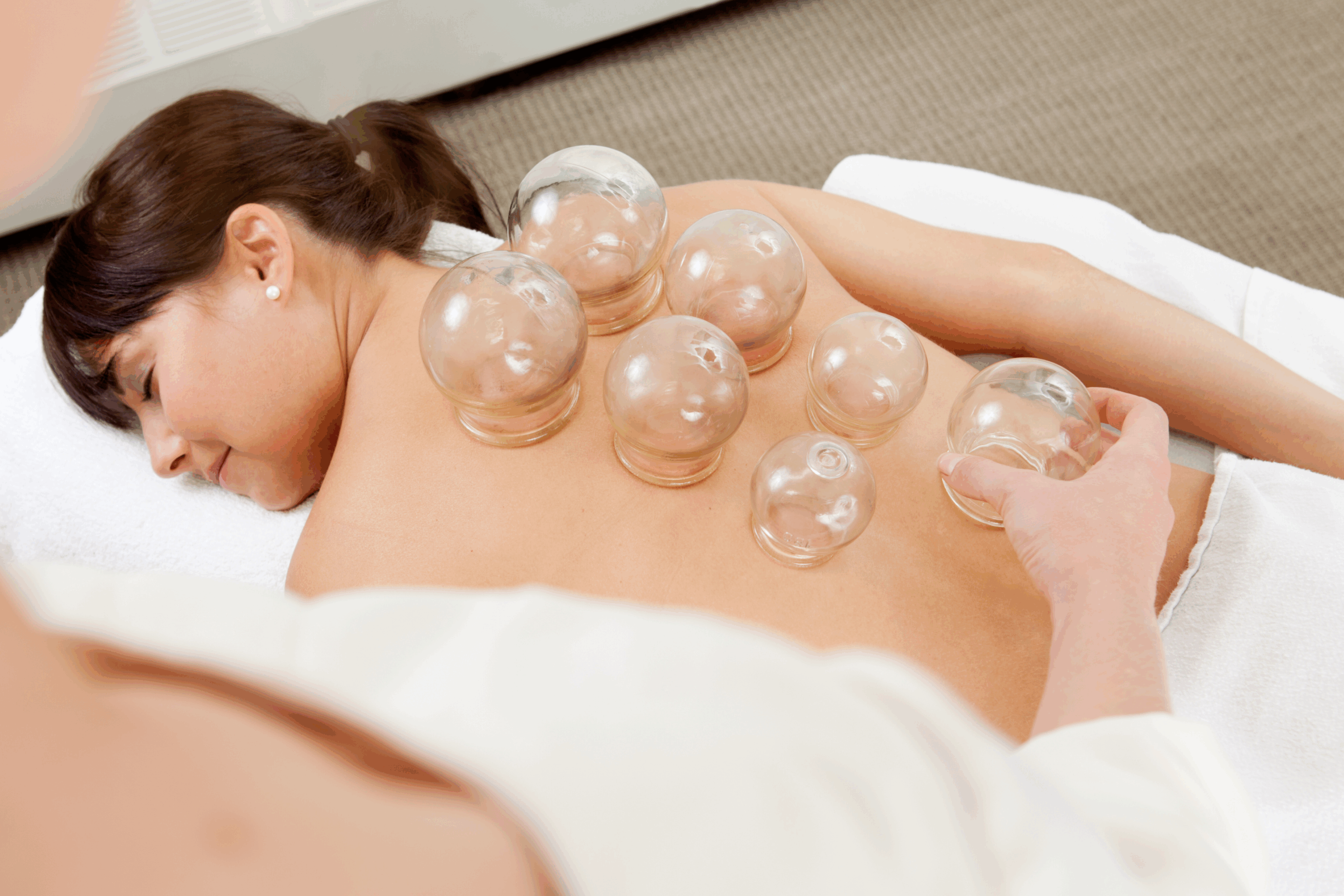
Cupping therapy uses mechanical suction to create negative pressure on the skin through glass, silicone, or plastic cups. According to TCM theory, this pulls stagnation, improves qi and blood flow, and releases pathogenic factors. From a biomedical perspective, cupping increases local microcirculation, reduces fascial adhesions, stimulates mechanoreceptors, and triggers a controlled inflammatory response that accelerates tissue repair.
Modern techniques include fire cupping, dry cupping, moving cupping, and flash cupping, each producing different effects depending on pressure, duration, and motion.
Category 1: Musculoskeletal and Circulatory Benefits
These are the benefits most supported by both TCM practice and modern clinical research.
1. Improves Blood Circulation
Cupping increases capillary blood flow to targeted areas by creating rapid negative pressure. This brings oxygen-rich blood into muscles and soft tissues while helping remove metabolic waste such as carbon dioxide and lactate.
Improved circulation reduces stiffness, enhances nutrient delivery, and speeds up recovery after strain or overuse. In TCM terms, it moves stagnation and restores smooth qi and blood flow through meridians such as Bladder (BL) and Gallbladder (GB).
2. Reduces Muscle Tension and Pain
The suction lifts layers of skin, fascia, and muscle, reducing adhesions and decompressing tight tissues. This mechanical lift provides a stretch that massage often cannot reach. For example, decompression reduces trigger point activity in the trapezius, erector spinae, and gluteal muscles.
Because it reduces nociceptor firing and modulates pain pathways, many patients experience immediate relief from neck pain, shoulder stiffness, and low-back tension.
3. Accelerates Muscle Recovery
Athletes use cupping to speed up recovery between training sessions. Improved microcirculation reduces delayed-onset muscle soreness (DOMS) by clearing inflammatory metabolites.
Studies in PLOS ONE show that cupping improves function and reduces pain intensity in chronic neck pain, which supports its role in tissue repair.
4. Reduces Inflammation
Cupping promotes controlled inflammation that triggers an anti-inflammatory cascade later. This means the body increases cytokines and growth factors that repair tissue while reducing chronic inflammatory load.
This mechanism is helpful for:
- Tendonitis
- Osteoarthritis
- Chronic muscle swelling
- Repetitive strain injuries
5. Improves Flexibility and Mobility
By lifting fascia and reducing adhesions, cupping increases range of motion in major joints. For example, decompression along the hamstrings improves hip mobility, while cupping along paraspinal muscles improves spinal extension.
This is why physical therapists integrate cupping into rehabilitation plans for athletes, dancers, and patients with limited mobility.
Category 2: Detoxification, Lymphatic, and Immune Benefits
These benefits relate to fluid movement and immune regulation.
6. Promotes Detoxification Through Lymphatic Drainage
The lymphatic system relies on movement and pressure changes, not its own pump. Cupping creates a pressure gradient that moves lymphatic fluid, helping the body clear toxins, waste proteins, and pathogens.
This reduces swelling, puffiness, and stagnation. It complements TCM theories of clearing dampness and supporting Spleen function.
7. Boosts Immune System Function
Improved lymph flow and microcirculation enhance immune surveillance. Better movement of lymphocytes and macrophages helps the body respond to infections more efficiently.
This is particularly beneficial during cold and flu seasons or when recovering from recurrent illnesses.
Category 3: Neurological and Stress-Related Benefits
Cupping influences the autonomic nervous system and pain pathways.
8. Relieves Stress and Promotes Relaxation
Cupping activates the parasympathetic nervous system. This lowers cortisol levels and increases endorphins, helping the body shift out of chronic stress mode.
Patients often report:
- Deep relaxation
- Better sleep
- Reduced anxiety
- A feeling of “lightness” in the body
9. Helps Relieve Headaches and Migraines
Many headaches originate from tension in the neck, shoulders, and upper back. Cupping reduces myofascial tension in the suboccipital muscles, trapezius, and cervical extensors.
Because it also reduces sympathetic nervous system activity, migraine frequency often decreases with regular treatments.
Category 4: Digestive, Respiratory, and Systemic Benefits
These benefits relate to organ function and whole-body regulation.
10. Supports Digestive Health
Abdominal cupping increases blood flow to digestive organs and relaxes smooth muscle. According to TCM, it regulates Spleen and Stomach qi to relieve fullness, bloating, and sluggish digestion.
It can assist individuals with:
- IBS
- Constipation
- Stress-related digestion issues
11. Boosts Respiratory Health
Back cupping along the Bladder meridian helps open the chest, clear phlegm, and support lung function. It is commonly used for asthma, bronchitis, and chronic congestion.
Improved circulation helps loosen mucus, reduce airway inflammation, and improve breathing capacity.
Category 5: Skin, Aesthetic, and Regenerative Benefits
12. Enhances Skin Health
By increasing blood flow and stimulating fibroblasts, cupping improves skin tone and texture. Lymphatic drainage also reduces puffiness and dullness.
Clients often report:
- Reduced acne marks
- Smoother texture
- Brighter complexion
- Better elasticity
13. Supports Faster Injury Recovery
Cupping accelerates tissue repair by boosting oxygenation, reducing swelling, and stimulating collagen production.
This makes it ideal for:
- Soft tissue injuries
- Sprains
- Tendon strain
- Post-exercise soreness
Category 6: Chronic Pain and Whole-Body Wellness Benefits
14. Aids in Chronic Pain Management
Conditions such as arthritis, fibromyalgia, and chronic back pain respond well to cupping. Increased microcirculation reduces stiffness while neural modulation reduces pain signal intensity.
Patients with long-term pain often report sustained relief with regular sessions.
15. Supports Overall Wellness and Vitality
Cupping influences multiple systems at once—musculoskeletal, immune, circulatory, and neurological. This is why it improves general vitality, reduces fatigue, and enhances sleep quality.
Cupping is not just symptom-focused; it supports whole-body balance.
Safety, Contraindications, and Clinical Considerations
Cupping is safe when performed by trained professionals, but certain groups must avoid or modify treatment.
Who Should Avoid Cupping
- People with bleeding disorders (e.g., hemophilia)
- Patients taking anticoagulants
- Individuals with severe cardiac conditions
- Those with skin infections, eczema, psoriasis, or open wounds
- Pregnant women should avoid abdominal and lower-back cupping
- People with compromised immunity should consult a clinician first
Common Side Effects
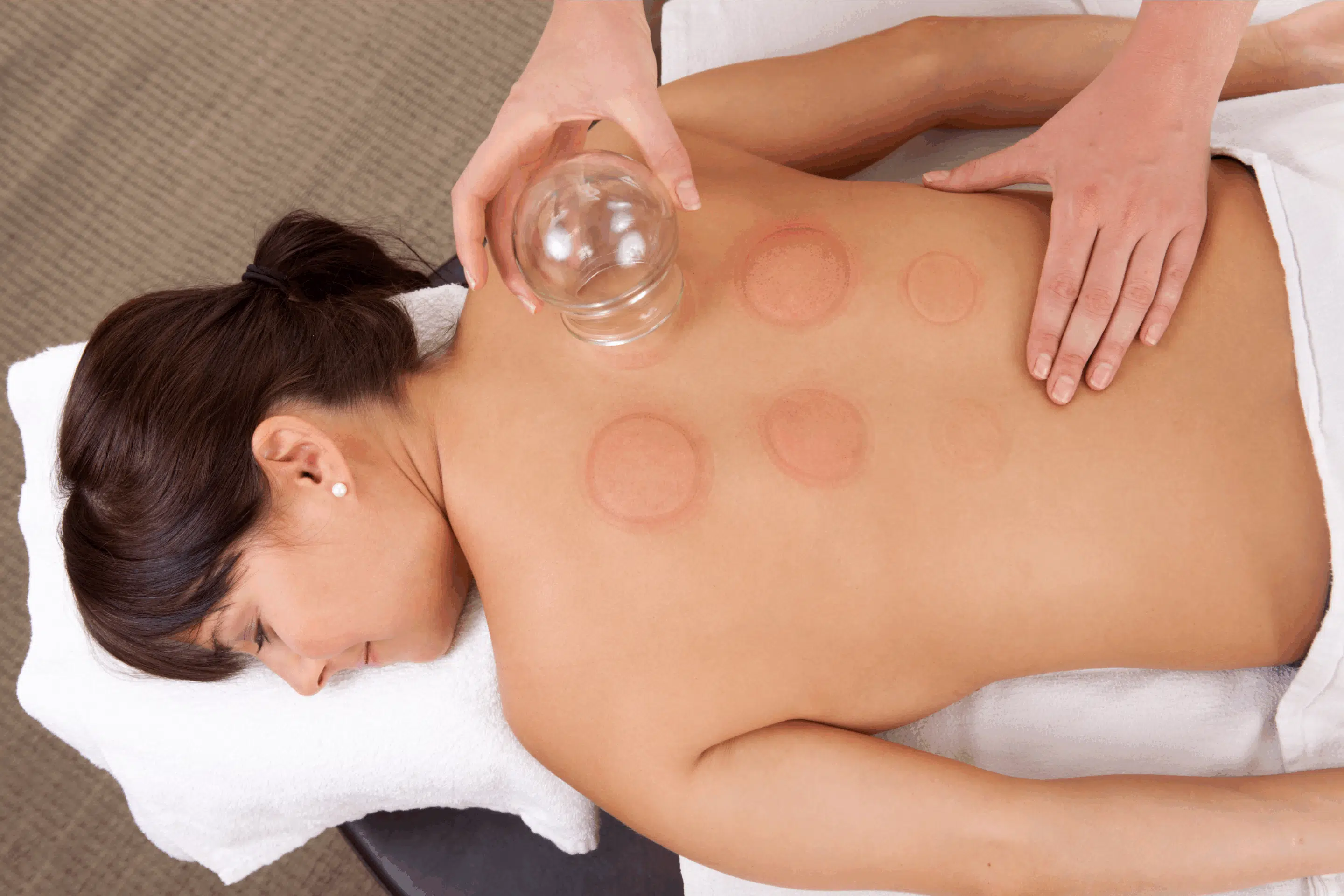
- Circular marks (ecchymosis)
- Mild soreness
- Temporary fatigue
- Light-headedness
Marks typically fade within 3–7 days.
Why Professional Treatment Matters
A trained TCM practitioner understands:
- Meridian pathways
- Organ patterns
- Pressure thresholds
- Contraindications
- Correct cup placement
- Treatment duration and intensity
This ensures maximized benefits with minimized risks.
Why Cupping Deserves a Place in Your Wellness Routine
Cupping therapy continues to earn its place in modern integrative medicine because it offers measurable, multi-system benefits with minimal risk when performed by a trained professional. Whether you’re managing chronic pain, recovering from muscle strain, supporting immune health, or seeking stress relief, the therapy works on both a mechanical and physiological level to improve circulation, reduce inflammation, and restore balance. Its versatility makes it valuable for athletes, busy professionals, and anyone looking for natural ways to enhance overall well-being.
At ACA Acupuncture & Wellness, we integrate cupping into fully customized treatment plans alongside other holistic therapies such as acupuncture, moxibustion, reflexology, ear seeding, Tuina massage, and sessions in our thermal therapy rooms. Every treatment is tailored to your constitution, symptoms, and long-term health goals, ensuring safe techniques and meaningful therapeutic results.
If you’re considering cupping for pain relief, recovery, or whole-body balance, you can request a booking at any of our NYC clinics, and our team will guide you toward the combination of therapies best suited to your needs.
Sources:
Al-Bedah, A. M. N., Elsubai, I. S., Qureshi, N. A., Aboushanab, T. S., Ali, G. I. M., El-Olemy, A. T., Khalil, A. A. H., Khalil, M. K. M., & Alqaed, M. S. (2019). The medical perspective of cupping therapy: Effects and mechanisms of action. Journal of Traditional and Complementary Medicine, 9(2), 90–97.
Wang, L., Cai, Z., Li, X., & Zhu, A. (2024). Efficacy of cupping therapy on pain outcomes: An evidence-mapping study. Journal of Pain Research, 17, 45–60.
FAQs
1. How often should you get cupping therapy?
Most people benefit from one cupping session every 1–2 weeks, while more acute issues may be treated once or twice a week for a short period, based on your practitioner’s assessment.
Frequency depends on your condition, pain level, recovery goals, and how your body responds. For chronic pain, long-standing tension, or stubborn stiffness, your practitioner may suggest a short series of weekly sessions, then gradually space them out as symptoms improve. For general wellness, stress, or maintenance, once every 2–4 weeks is usually enough. A licensed TCM practitioner will adjust the schedule so you receive results without overstimulating your system.
2. How long do cupping marks last?
Cupping marks typically last 3–7 days, but in some people with more stagnation or sensitive skin they can remain visible for up to 10–14 days.
These marks are not bruises from impact; they result from increased blood flow and mild capillary rupture under negative pressure. Darker or longer-lasting marks usually indicate deeper stagnation or chronic tension in that area. Over time, as circulation and tissue health improve, the marks tend to fade more quickly and appear lighter after each session. If marks last longer than two weeks or are unusually painful, you should inform your practitioner.
3. Does cupping therapy hurt?
For most people, cupping feels tight but not painful; discomfort should stay in the mild to moderate range and ease within a few minutes.
You’ll usually feel a strong pulling or pressure sensation where the cups are placed. Some people describe it as a deep stretch or “good soreness,” especially over tight muscles. If the suction is too strong, the practitioner can quickly adjust the pressure. After a session, you may notice mild tenderness similar to post-massage soreness for 24–48 hours. Intense pain, burning, or sharp sensations are not normal and should be reported immediately so the cups can be removed or repositioned.
4. How soon will I feel results from cupping?
Many patients feel some relief after their very first session, especially with muscle tension and stiffness, but lasting improvements usually require a series of treatments over several weeks.
Short-term effects include lighter muscles, easier movement, and a sense of relaxation. For chronic issues such as long-term back pain, neck tension, or repetitive strain injuries, your practitioner may recommend a treatment plan (for example, 4–6 sessions) to steadily retrain circulation, fascia, and nerve signaling in the affected area. Response time also depends on lifestyle, stress levels, sleep, and how well you follow aftercare advice.
5. What should you avoid after a cupping session?
For best results, you should avoid hot showers, saunas, cold exposure, heavy exercise, and alcohol for at least 12–24 hours after cupping.
The areas that were cupped are temporarily more open and sensitive. Strong heat (very hot baths, saunas), cold wind, or intense workouts can irritate the skin and slow recovery. Alcohol can affect circulation and the detoxification process. It’s better to keep the cupped areas warm, covered, and clean, drink plenty of water, and choose light movement such as gentle stretching or walking. If you notice dizziness or unusual fatigue, rest and hydration are especially important.
6. Can you do cupping therapy at home by yourself?
For safety, cupping should be done by a trained professional, especially when treating the back, neck, or near the spine.
While there are over-the-counter cupping sets and online tutorials, self-treatment comes with risks: incorrect placement, excessive suction, burns (with fire cupping), and missed contraindications such as blood disorders, medications, or underlying conditions. A licensed practitioner evaluates your medical history, chooses appropriate locations and techniques, and monitors your response in real time. Home cupping without guidance can lead to skin damage, prolonged marks, or worsening of symptoms.
7. Is cupping therapy safe during menstruation?
In most cases, light to moderate cupping away from the lower abdomen is safe during menstruation, but many practitioners avoid strong cupping directly over the lower belly and lumbosacral area.
Because cupping improves circulation and moves qi and blood, intense cupping over the pelvic area during heavy periods may worsen cramps or increase flow in some individuals. Gentle cupping on the upper back, shoulders, or neck is often well tolerated and may even relieve tension and PMS-related discomfort. It’s important to tell your practitioner if you are menstruating so they can adjust cup location, strength, and duration.
Please send some information to my email
Hello! You can contact one of our locations, which will be convenient for you to ask any questions.
Thank you