



Seasonal Affective Disorder is a form of depression caused by reduced daylight in winter, and targeted natural remedies like morning light therapy, Vitamin D support, structured movement, nutrient-dense meals, and consistent circadian routines can improve mood and restore emotional balance. Daily outdoor exposure, bright indoor lighting, omega 3 foods, stable sleep patterns, and mind body practices help regulate serotonin and melatonin during darker months.
Winter naturally invites slower rhythms, but modern habits intensify the biological stress behind SAD. More time spent indoors, heavy screen use, and disrupted light cues interfere with circadian timing, weaken serotonin activity, and raise melatonin levels at the wrong times. Widespread Vitamin D deficiency and colder weather that discourages movement further amplify these seasonal imbalances.
SAD is not simply feeling low in winter. It is a seasonal shift in energy, motivation, sleep quality, appetite, and emotional clarity that follows predictable patterns. Many people look for natural ways to support their internal rhythms, turning to light-based therapies, nutrient optimization, grounding movement, and acupuncture as complementary tools for emotional balance. These remedies deepen understanding of how the body responds to seasonal change and help support steadier mood throughout the colder months.
Seasonal Affective Disorder is a type of depression triggered by reduced daylight that alters serotonin, melatonin, and circadian rhythm regulation.
SAD involves several biological and environmental entities that shape mood, energy, and emotional stability during winter. Understanding these components makes natural strategies more effective.
Primary entities include: Serotonin. Melatonin. Cortisol awakening response. Circadian rhythm. Hypothalamus regulation. Photoperiod. Vitamin D receptors. Light therapy (10,000 lux). Dawn simulators. Omega 3 fatty acids. Inflammatory markers. Complex carbohydrates. CBT for SAD. Blue light exposure. Gut-brain axis. Morning sunlight exposure. Sleep-wake cycle.
These systems work together to influence alertness, motivation, focus, and overall emotional balance during darker months.
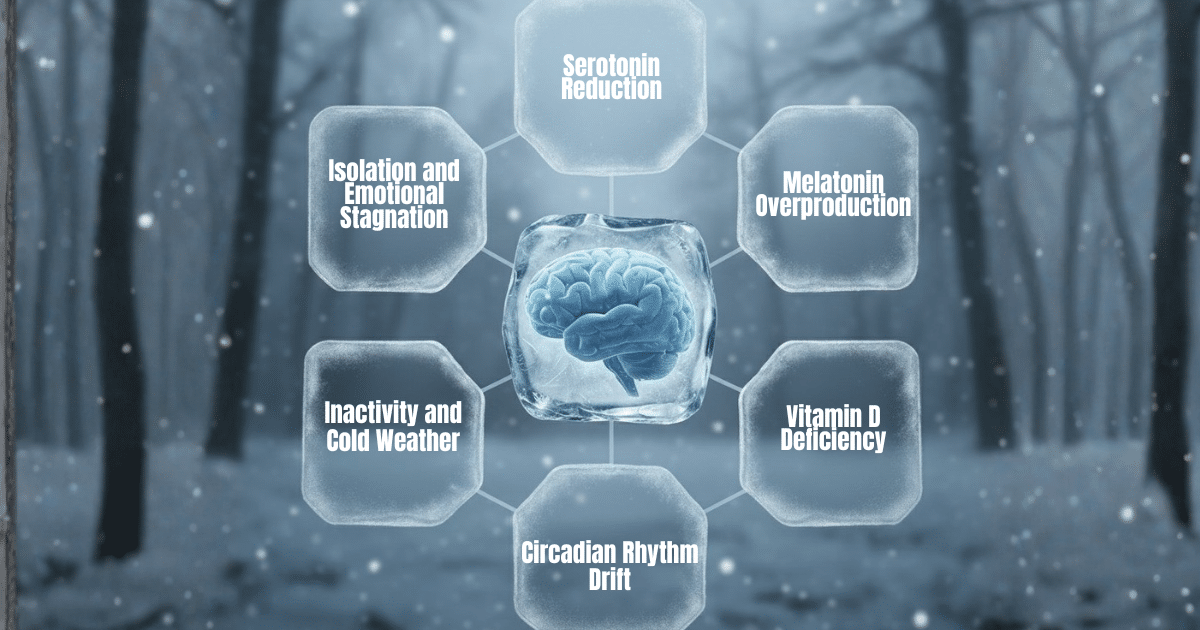
Reduced sunlight influences several internal systems simultaneously. SAD symptoms appear when these systems drift out of sync.
Light exposure increases serotonin production. Shorter days lower serotonin signaling, which affects mood, motivation, appetite, and overall emotional steadiness.
Dark mornings and early sunsets increase melatonin at the wrong times. Many people wake up tired, feel heavy throughout the day, and struggle to stay alert.
Vitamin D receptors influence serotonin pathways, and deficiency has become increasingly common due to indoor work culture and consistent sunscreen use.
The circadian system relies on natural light cues. Winter disrupts the biological clock and shifts sleep, appetite, and emotional balance.
Cold weather and reduced daylight naturally decrease movement. Less activity means fewer endorphins, reduced circulation, and higher fatigue.
People tend to stay indoors more during winter. This reduced social interaction increases feelings of loneliness, heightens rumination, and creates emotional heaviness.
Light exposure within two hours of waking improves serotonin levels, reduces melatonin, and stabilizes circadian rhythms in Seasonal Affective Disorder.
Light is one of the strongest natural regulators of mood. Morning light signals the brain to reset neurotransmitter activity for the day.
Light therapy supports serotonin, reduces daytime melatonin, and improves clarity and focus.
Sunrise alarms gradually brighten the room before waking. This supports a healthy cortisol awakening response, which is often suppressed in SAD.
Even cloudy winter light provides valuable wavelengths.
Walking outside for 10 minutes in the morning can create a meaningful lift in alertness and mood.
Vitamin D, omega 3 fatty acids, complex carbohydrates, and magnesium support neurotransmitter balance and emotional stability during winter.
Nutrition shapes serotonin production, inflammation levels, and energy regulation.
EPA rich omega 3 supports emotional regulation.
Food sources include salmon, mackerel, walnuts, chia seeds, and flaxseeds.
Complex carbohydrates increase tryptophan availability.
Choose oats, quinoa, brown rice, and sweet potatoes for stable blood sugar.
Chronic low grade inflammation exacerbates mood disorders.
Berries, leafy greens, turmeric, ginger, and olive oil support a balanced inflammatory response.

Regular aerobic movement increases serotonin, improves sleep quality, and reduces fatigue associated with Seasonal Affective Disorder.
Exercise is one of the most reliable natural interventions.
Research shows as little as 10 minutes of moderate activity increases dopamine and serotonin activity.
Winter walking, brisk indoor stepping, or simple dance routines work well.
Muscle contraction releases myokines that support brain health. Two to three weekly sessions help improve energy consistency.
Mindfulness, breathing exercises, and cognitive reframing play a central role in stabilizing mood during the winter months. These practices help regulate emotional responses, reduce internal tension, and counteract the stress patterns that emerge when daylight decreases.
Winter often heightens emotional sensitivity because circadian rhythm disruption affects neurotransmitter balance, stress hormones, and overall cognitive resilience. Supporting the mind body connection helps restore clarity, calmness, and a sense of grounded control throughout the darker season.
Mindfulness, breathing exercises, and cognitive reframing improve emotional regulation and reduce winter related stress patterns.
Winter heightens emotional sensitivity due to circadian disruption.
Meditation helps regulate overactive stress pathways by calming the nervous system and rebalancing emotional responses. During winter, the combination of reduced daylight and disrupted circadian rhythm heightens internal tension, making mindfulness practices especially valuable.
Seasonal practices include grounding breath cycles that steady the mind, slow body scans that reconnect you with physical cues, and focused awareness sessions that reduce rumination. Even five minutes of mindful breathing can shift the nervous system into a more regulated state.
CBT for Seasonal Affective Disorder targets the thought patterns and behaviors that intensify during darker months. This approach helps identify winter specific triggers such as withdrawal, low motivation, and negative forecasting.
It uses behavioral activation to encourage small, structured actions that lift energy, scheduled routines that stabilize daily rhythm, and cognitive reframing to reshape unhelpful thought loops. CBT is one of the most research supported tools for easing SAD symptoms and works especially well when paired with light therapy.
Winter naturally alters physiological stress responses. Longer nights can elevate cortisol later into the day, which contributes to irritability, sluggish focus, and evening fatigue. Cold temperatures can also increase muscle tension, making the body feel heavier.
Slow exhales, diaphragmatic breathing, and gentle grounding exercises help regulate sympathetic activation and bring the body back into a calmer baseline. Warm environments, stretching, and intentional relaxation practices further ease winter related stress buildup.
Reduced daylight often leads to social withdrawal, which can intensify SAD symptoms. Isolation disrupts emotional processing, increases rumination, and reduces access to supportive interactions that help buffer stress.
Intentional connection through one on one conversations, group activities, shared meals, or short social check ins helps restore emotional steadiness. Even brief, meaningful engagement can improve mood by activating brain pathways related to bonding and motivation.
Stable sleep timing and exposure to morning light synchronize the disrupted circadian rhythm associated with Seasonal Affective Disorder.
Winter changes sleep patterns significantly.
Later wake times and afternoon drowsiness occur when melatonin rises too early.
Late heavy meals disrupt insulin and cortisol cycles.
Finish eating 2 to 3 hours before bed.
These support relaxation without morning grogginess.

In Traditional Chinese Medicine, winter imbalance reflects weakened Kidney Qi and disrupted emotional flow. Restoring warmth, circulation, and grounding helps stabilize mood and strengthen resilience during the colder months.
Winter corresponds to the Water element and the Kidney system—a time of rest, conservation, and rebuilding deep vitality. When this system becomes depleted or stagnant, people often experience emotional heaviness, low motivation, physical fatigue, and mental fog.
Acupuncture during winter focuses on warming the body, grounding the mind, and restoring smooth flow of Qi. These treatments help regulate emotional steadiness, support circulation, and ease stress. They also complement natural remedies such as light exposure, gentle movement, and nutrient-rich foods.
Gentle warming therapies are especially valuable during the colder season.
These modalities work together to counteract the cold, slow nature of winter and support internal balance.
Ear seeds stimulate acupressure points associated with stress reduction and nervous system regulation. They help extend the calming effects of treatment between sessions and support emotional steadiness throughout the week.
Warm, grounding herbs and adaptogenic formulas may help strengthen resilience, fortify energy reserves, and improve seasonal adaptation. Herbal recommendations are always tailored to individual patterns and overall constitution.
Bright, warm, and uncluttered indoor environments help reduce visual stress and support emotional balance during the winter months. Because winter alters the sensory landscape of the home, intentional design choices become essential for mood stability.
A structured morning routine with morning light, nutrient support, movement, and gentle social engagement stabilizes mood during winter.
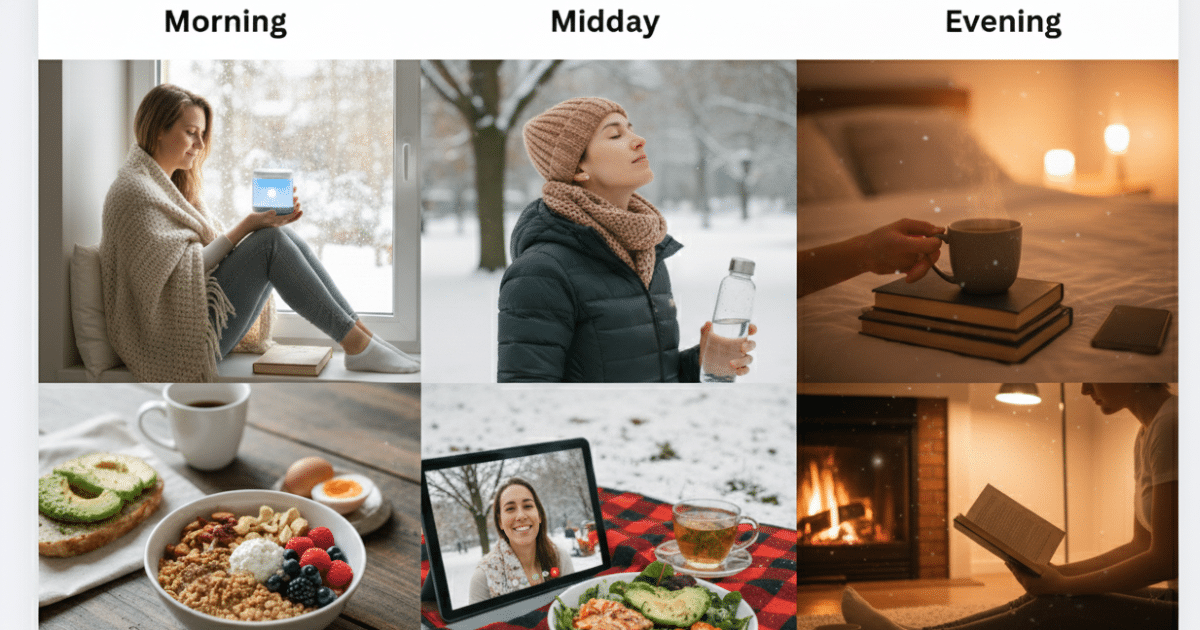
Below is a simple winter routine that improves consistency and mood.
SAD ranges from mild to severe.
Seek help if symptoms include:
Providers may recommend CBT, light therapy, SSRIs, or combined approaches.
Yes. SAD can still occur in regions with mild winters because the trigger is reduced daylight duration, not temperature. Even small shifts in daylight hours can alter serotonin, melatonin, and circadian timing.
Most people notice improvements within one to two weeks when combining morning light exposure, consistent movement, nutrient support, and sleep stabilization. Some strategies such as vitamin D optimization may take several weeks depending on deficiency levels.
Yes. Enjoying winter activities does not prevent biological sensitivity to decreased daylight. Winter recreation may help mood, but neurotransmitter and circadian changes can still impact energy and motivation.
Excessive blue light at night can delay melatonin onset and disrupt circadian rhythm, which may intensify winter sleep drift. Reducing screen brightness and using warmer light settings in the evening helps protect sleep quality.
Yes. Adolescents are particularly sensitive to circadian rhythm changes. Symptoms may appear as oversleeping, irritability, reduced motivation, or declining school engagement during winter months.
A rare form called reverse SAD occurs during summer and is influenced by heat sensitivity, excessive light exposure, and disrupted sleep. It presents differently and requires a different treatment approach.

Winter influences the nervous system, circadian rhythm, and emotional regulation more deeply than many people realize. Reduced daylight, colder temperatures, and altered daily routines create a unique physiological and emotional load. Natural remedies such as light based strategies, nutrient support, grounding movement, TCM modalities, and environmental design offer practical and effective ways to bring the mind and body back into harmony throughout the season.
Sources:
National Institute of Mental Health. (2023). Seasonal affective disorder. U.S. Department of Health and Human Services, National Institutes of Health.
Recent Comments