

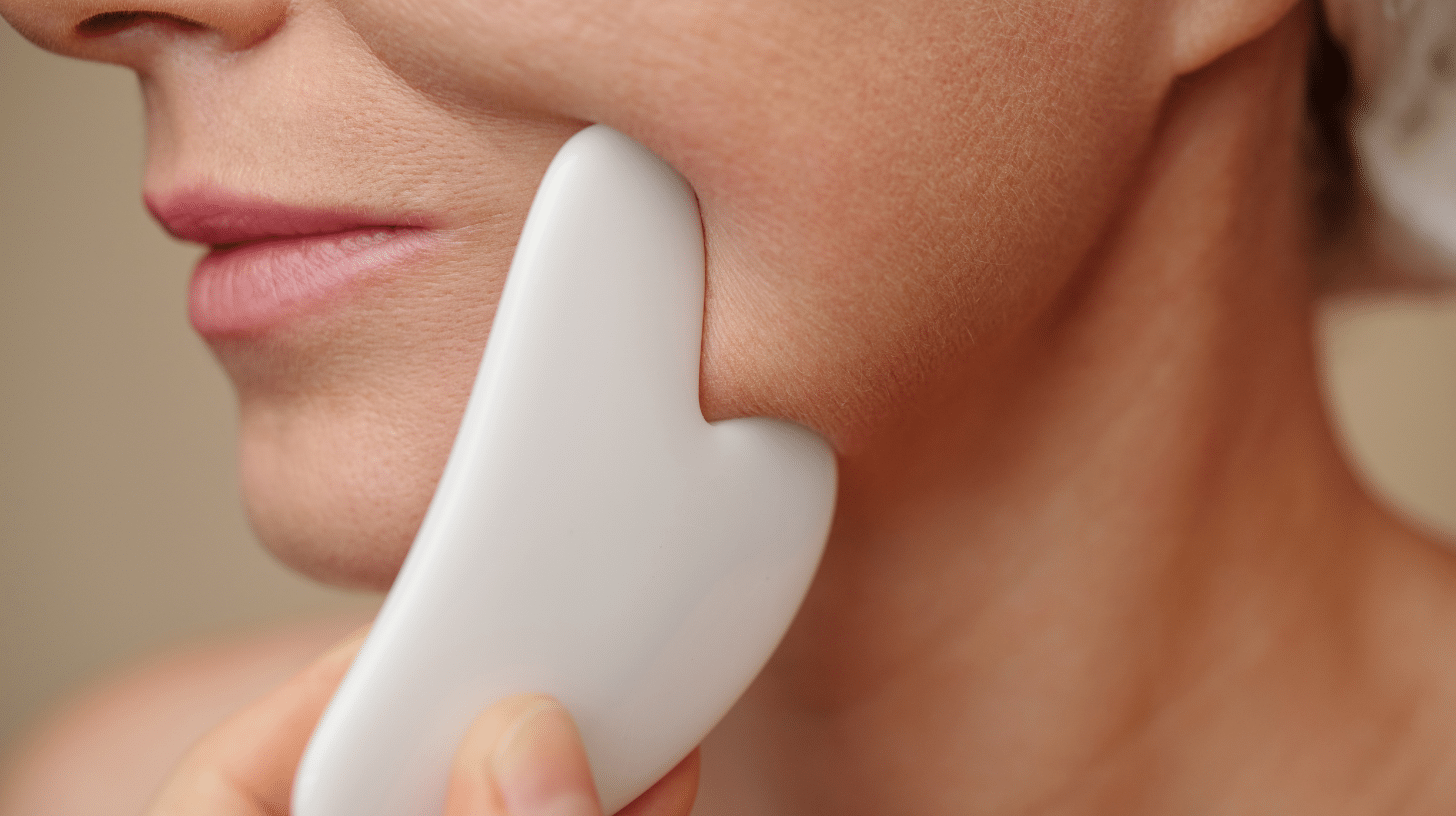
Gua sha is a Traditional Chinese Medicine technique that uses controlled scraping of the skin to improve circulation, reduce inflammation, and release muscular and energetic stagnation.
Gua sha, has moved from a traditional healing method into modern wellness routines, yet its clinical foundation remains deeply rooted in centuries-old Chinese medicine. While it is often associated with facial tools and skincare trends, its therapeutic origins are far more comprehensive, addressing pain, immune function, and systemic imbalance.
At its core, gua sha is not just a mechanical technique. It is a method of stimulating the body’s healing response through both physical and energetic pathways, making it one of the most versatile adjunct therapies in acupuncture-based care.
Key Takeaways
- Gua sha improves circulation by creating controlled microstimulation in the skin and fascia
- It works through both TCM principles and measurable biological responses
- The red marks, known as sha, indicate stagnation being released
- Gua sha enhances acupuncture by preparing tissues and improving meridian flow
- It is effective for pain relief, skin health, and immune support when used correctly
What Is Gua Sha?
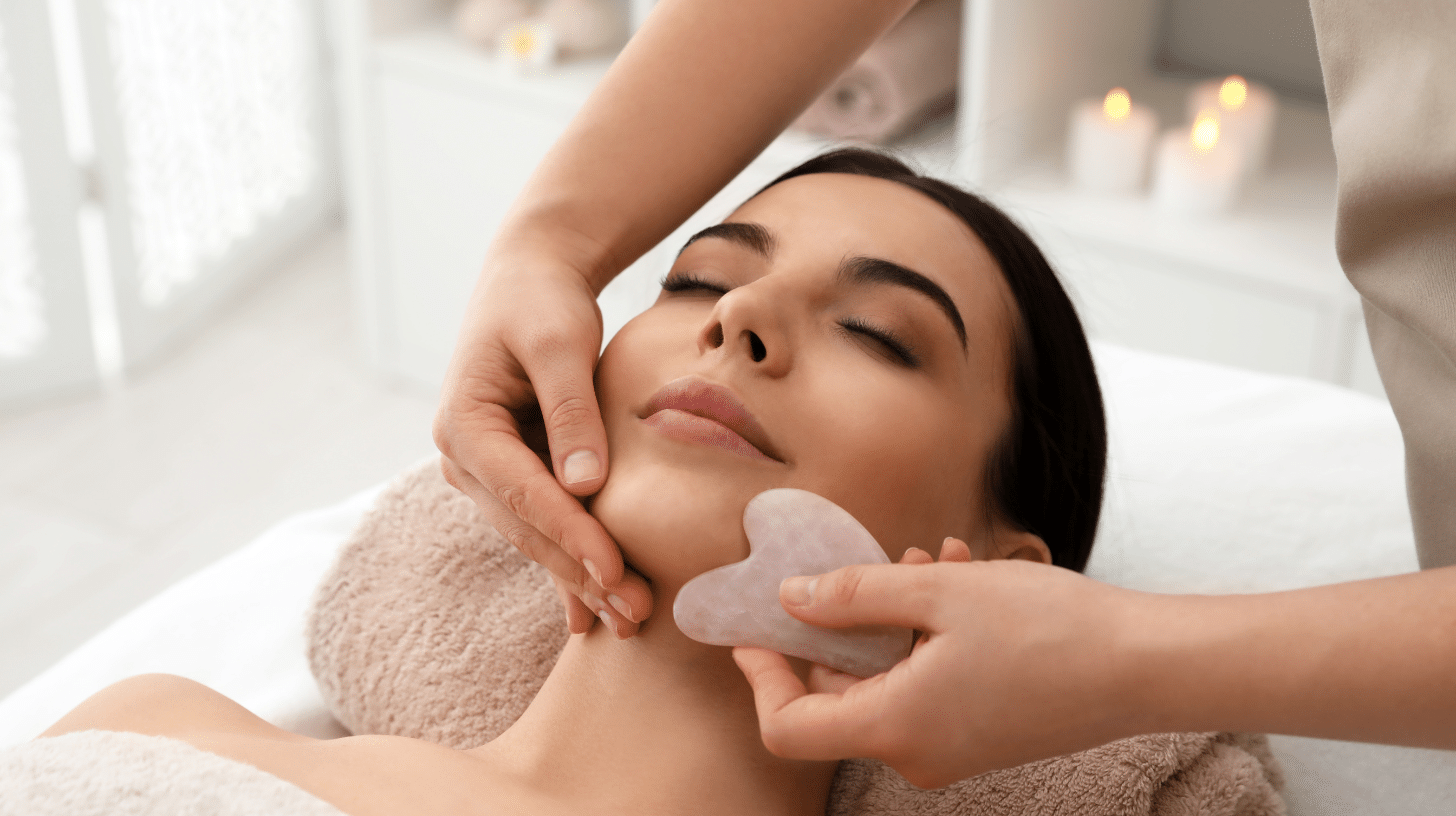
Gua sha translates to “scraping away illness” or “scraping away stagnation.” Traditionally, practitioners use a smooth-edged tool to stroke the skin in repeated motions, typically along muscle groups or meridian pathways.
Historically, gua sha was used for acute illnesses such as fever, respiratory infections, and muscle pain. Today, it has expanded into two primary forms:
- Body gua sha: A therapeutic intervention for pain and systemic conditions
- Facial gua sha: A gentler technique focused on lymphatic movement and skin tone
Materials vary, including jade, rose quartz, buffalo horn, and medical-grade steel, each chosen for durability and smoothness rather than energetic properties alone.
How Gua Sha Works
It works by increasing microcirculation, stimulating anti-inflammatory pathways, and releasing tension in soft tissue and fascia.
Traditional Chinese Medicine Perspective
In TCM, pain and illness are often linked to stagnation of qi and blood. Gua sha applies repeated pressure to specific areas, helping to:
- Disperse stagnation
- Clear heat and toxins
- Restore the flow of qi along meridians
This process allows the body to return to a balanced state, improving both local symptoms and systemic function.
Modern Scientific Explanation
Modern research supports several physiological mechanisms behind gua sha:
- Microcirculation boost: Increases blood flow to treated areas
- Heme oxygenase-1 (HO-1) activation: Produces anti-inflammatory effects
- Fascia release: Reduces adhesions and improves mobility
- Neurological signaling: Alters pain perception pathways
- Lymphatic stimulation: Encourages fluid movement and detoxification
Together, these effects explain why patients often feel immediate relief after treatment.
What Is “Sha” and Why It Matters
Sha refers to the temporary red or purple marks that appear after gua sha, indicating the release of stagnation and increased circulation.
These marks are not bruises in the traditional sense. They are the result of capillary expansion and controlled microtrauma, which triggers a healing response.
- Light pink marks indicate mild stagnation
- Darker marks suggest deeper or chronic tension
- Marks typically fade within 2 to 5 days
Rather than being a side effect, sha is a diagnostic and therapeutic indicator.
Core Benefits of Gua Sha
Pain Relief and Musculoskeletal Recovery
Gua sha is widely used for:
- Neck stiffness
- Shoulder tension
- Lower back pain
- Repetitive strain injuries
It works by releasing tight fascia and improving blood flow to affected areas.
Circulation and Inflammation Reduction
Enhanced circulation supports faster recovery, reduces swelling, and helps clear inflammatory byproducts.
Facial Rejuvenation and Skin Health
Facial gua sha offers:
- Reduced puffiness
- Improved skin tone
- Enhanced lymphatic drainage
- Relaxation of jaw and facial tension
Immune and Respiratory Support
Traditionally used for:
- Colds and flu
- Fever management
- Bronchial congestion
Gua sha helps stimulate immune response and relieve surface-level pathogens.
How Gua Sha Complements Acupuncture
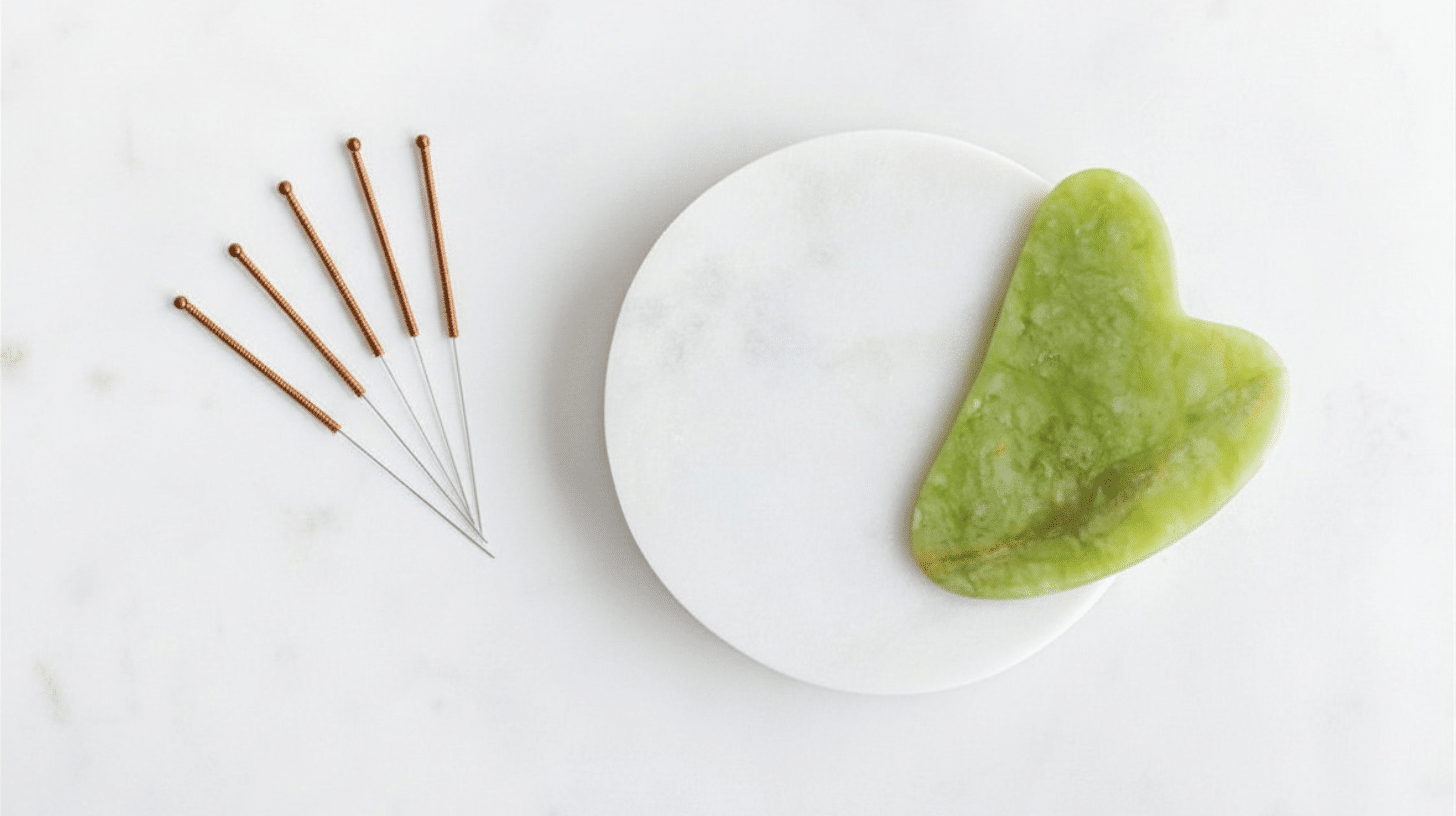
Gua sha enhances acupuncture by preparing the tissue, improving circulation, and allowing needles to work more effectively.
Local vs Systemic Effects
- Gua sha targets superficial tissue and fascia
- Acupuncture influences deeper neurological and systemic pathways
Together, they address both the cause and the symptom.
Pre- and Post-Needling Synergy
Some practitioners often use gua sha to:
- “Open” meridians before needling
- Relax tight muscles for better needle insertion
- Extend the effects of acupuncture after treatment
Fascia and Meridian Integration
From a modern perspective, gua sha affects fascia networks, which closely align with traditional meridian pathways. This creates a bridge between Eastern and Western understanding of the body.
When Both Are Used Together
Combined treatments are especially effective for:
- Chronic pain conditions
- Postural imbalances
- Stress-related tension
- Sports recovery
Advantages of Facial Massage
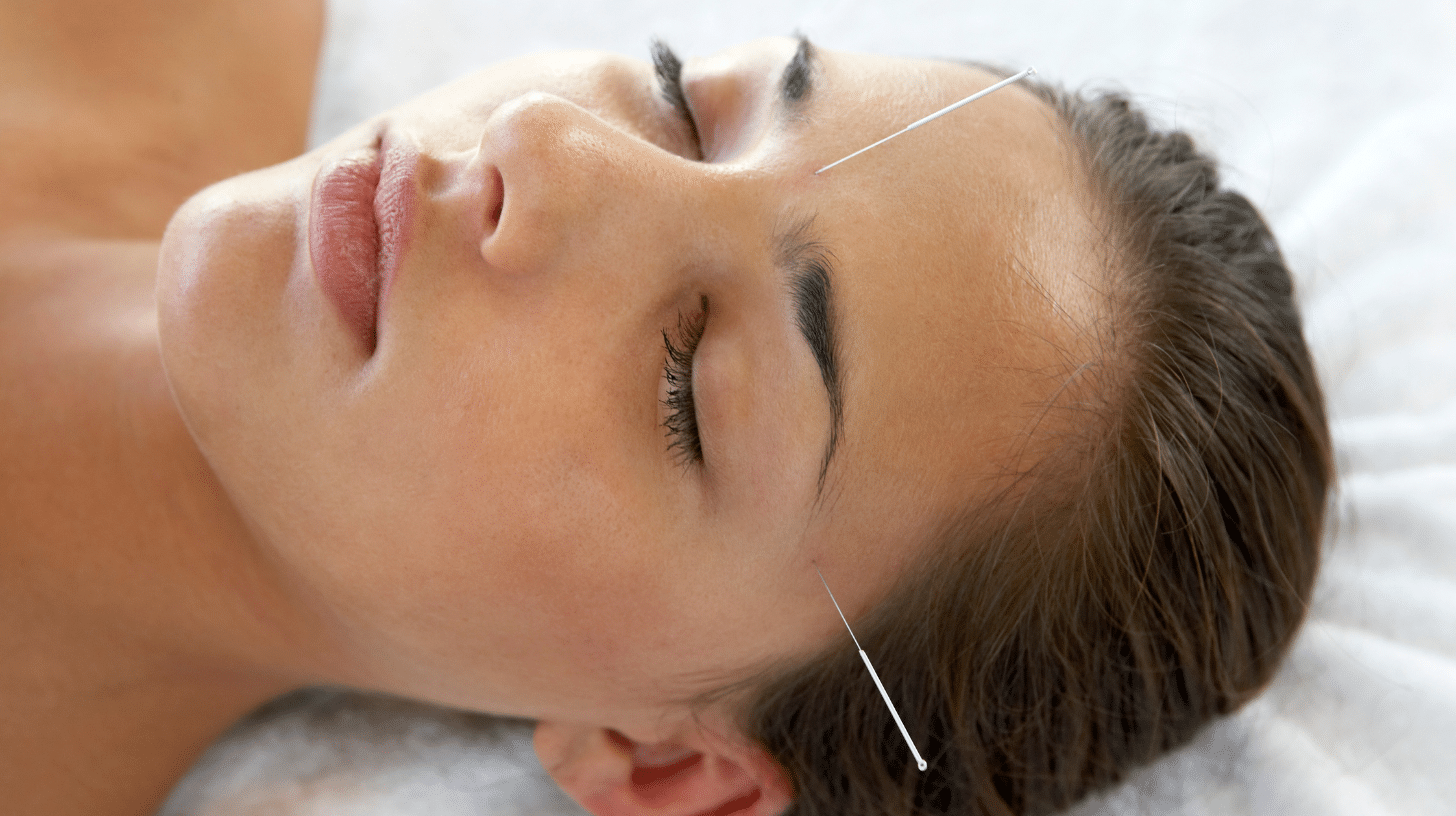
Facial massage enhances gua sha and facial acupuncture by improving circulation, relaxing muscle tension, and preparing the skin and meridians for deeper therapeutic effects.
Facial massage is not just a standalone skincare technique. Within a Traditional Chinese Medicine framework, it plays a supportive role that amplifies both gua sha and facial acupuncture. By using gentle, rhythmic hand movements, facial massage helps warm the tissue, increase superficial blood flow, and soften areas of chronic tension such as the jaw, temples, and forehead. This preparation allows gua sha tools to glide more effectively and enables acupuncture points to respond more efficiently to stimulation.
When integrated into a treatment sequence, facial massage acts as a bridge between surface-level relaxation and deeper therapeutic intervention. It primes the lymphatic system, reduces resistance in facial fascia, and creates a more receptive environment for both scraping techniques and needle-based therapies. This layered approach reflects how TCM treatments are designed, combining multiple modalities to achieve more complete and lasting results.
- Prepares the skin for gua sha by softening tissue and improving glide
- Enhances facial acupuncture outcomes by increasing circulation around acupoints
- Reduces muscle tension that may block meridian flow
- Supports lymphatic drainage, complementing gua sha’s sculpting effects
- Promotes relaxation, helping regulate the nervous system before treatment
Is Gua Sha Safe?
Gua sha is generally safe when performed correctly.
Avoid if you:
- Have open wounds or skin infections
- Are prone to excessive bleeding
- Are on blood-thinning medications (consult first)
Mild redness is expected and temporary.
At-Home Gua Sha vs Professional Treatment
At-home gua sha is best suited for:
- Facial routines
- Light lymphatic stimulation
Professional treatment is recommended for:
- Pain conditions
- Deep muscle tension
- Chronic health issues
Incorrect technique can reduce effectiveness or cause irritation.
FAQs
What is scraping therapy and how is it different from gua sha?
Scraping therapy is a general term used to describe techniques that involve stroking or scraping the skin to improve circulation and relieve tension. Gua sha is a specific form of scraping therapy rooted in Traditional Chinese Medicine, with defined techniques, diagnostic meaning (such as sha), and integration into broader treatments like acupuncture.
Can gua sha help with TMJ or jaw tension?
Yes, gua sha can help relieve TMJ-related tightness and jaw tension by improving circulation, reducing muscular stiffness, and encouraging fascia release in the jaw, cheeks, and temple area. When combined with facial massage or acupuncture, it may help reduce clenching-related discomfort and improve facial relaxation.
Should gua sha be done before or after acupuncture?
Gua sha can be used either before or after acupuncture depending on the treatment goal. Before acupuncture, it can help open the area, relax superficial tension, and improve tissue responsiveness. After acupuncture, it may be used to extend circulation benefits and further reduce tightness in the surrounding muscles.
Can gua sha be used for stress-related facial tension?
Yes, gua sha is often helpful for stress-related facial tension, especially in areas like the jaw, forehead, brow line, and temples. Because stress often causes unconscious clenching and tightness, gua sha can help relax the tissues while also supporting lymphatic drainage and a calmer nervous system response.
How is facial gua sha different from traditional body gua sha?
Facial gua sha uses much lighter pressure and gentler strokes than traditional body gua sha. It is designed to support lymphatic drainage, circulation, and facial muscle relaxation without producing the pronounced sha marks commonly seen in body treatments. Body gua sha, by contrast, is more therapeutic and is often used for pain, tension, and stagnation in larger muscle groups.
Can gua sha help improve the results of facial acupuncture?
Yes, gua sha can support facial acupuncture by preparing the skin and soft tissue before needling or by complementing treatment afterward. It helps increase superficial circulation, reduce tension, and improve movement through the facial fascia, which may make the overall treatment feel more complete and effective.
What should you put on your skin before doing gua sha?
A facial oil, serum, or other slip-providing product should be applied before gua sha so the tool can glide smoothly without dragging the skin. This is especially important for facial treatments, where the tissue is more delicate and requires gentle, controlled movement to avoid irritation.
A More Integrated Way to Approach Healing
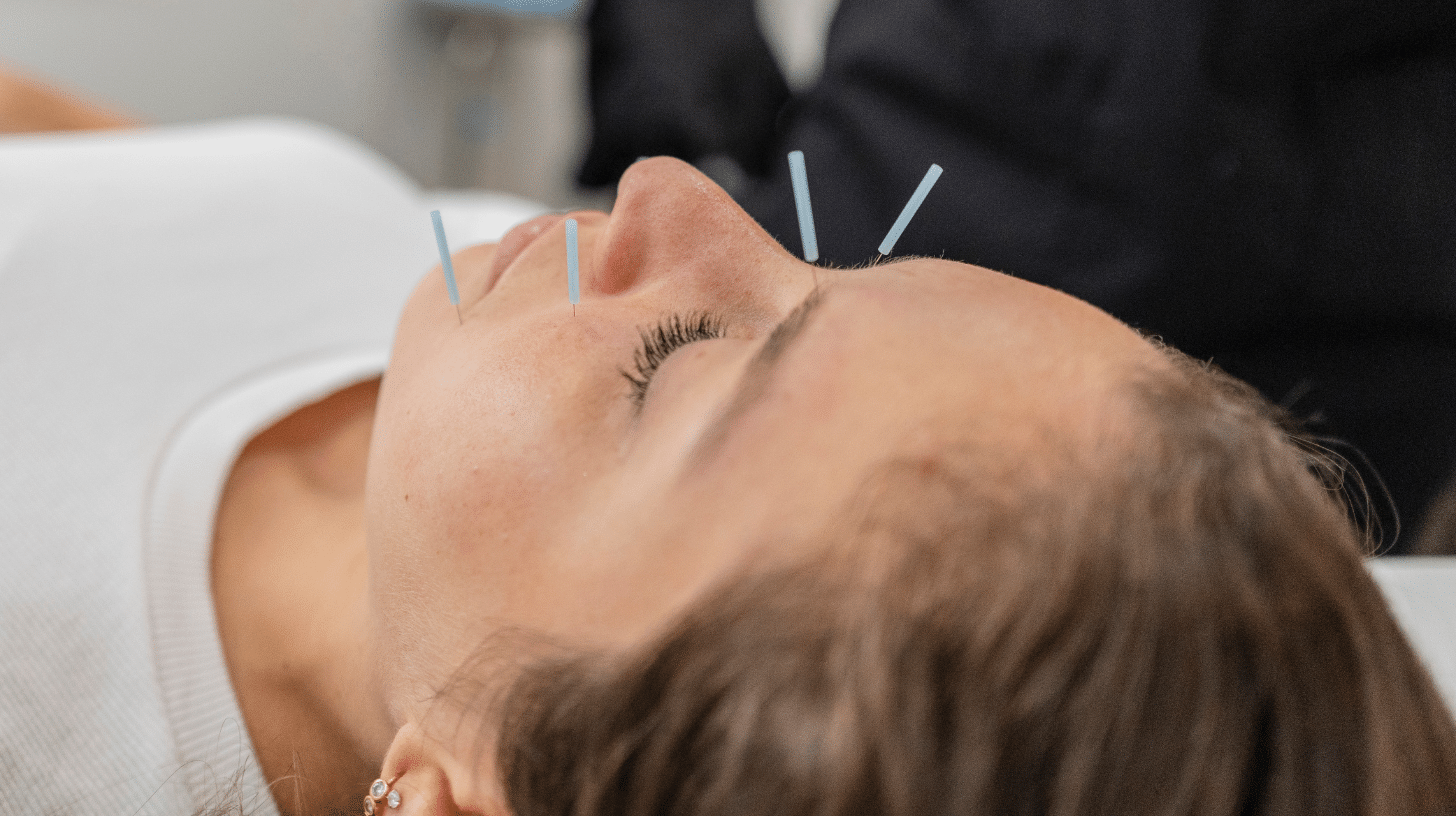
Gua sha is often misunderstood as either a beauty trend or a simple scraping technique. In reality, it is a sophisticated therapeutic tool that bridges ancient medicine and modern physiology. When combined with acupuncture, it becomes part of a broader strategy that addresses both structural tension and internal imbalance.
This integrative approach is what makes gua sha especially valuable in clinical settings, where lasting results often depend on treating the body as a connected system rather than a collection of isolated symptoms. At ACA Acupuncture and Wellness, this whole-body perspective is reflected in a range of supportive therapies, including facial acupuncture, cupping, moxibustion, and reflexology, which can be incorporated into personalized treatment plans based on each patient’s needs.
Sources:
Chu, E. C. P., Wong, A. Y. L., Sim, P., & Krüger, F. (2021). Exploring scraping therapy: Contemporary views on an ancient healing – A review. Journal of Family Medicine and Primary Care, 10(8), 2757–2762.
Recent Comments