


Eye floaters and blurry vision are often dismissed as harmless visual annoyances, yet in Traditional Chinese Medicine (TCM) they serve as clinical signals of deeper systemic imbalance. In TCM physiology, clear vision depends on the Liver’s ability to supply Blood to the eyes and the Kidney’s ability to store Jing (Essence), forming a dual-organ axis that nourishes and stabilizes ocular structures throughout life.
This perspective differs from the Western anatomical focus on vitreous degeneration, aging, and refractive changes. TCM interprets these same phenomena through functional nourishment, circulation, and vitality. Understanding the Liver-Kidney relationship allows clinicians to contextualize visual disturbances not as isolated ocular events, but as reflections of stress, aging, vitality, and internal resource consumption.
Key Takeaways
- In TCM, eye floaters and blurry vision arise when Liver Blood fails to nourish the eyes and Kidney Jing becomes depleted, reducing structural integrity and clarity.
- The Liver governs Blood supply and smooth Qi flow to the eyes, making stress, tension, and circulation key drivers of visual disturbances.
- The Kidneys store Jing, which maintains the eye’s structural and age-related resilience, explaining why floaters and blurriness increase with aging.
- Combined Liver-Kidney depletion is common in modern lifestyles and is amplified by stress, screen exposure, sleep disruption, and nutritional insufficiency.
- TCM interprets floaters as early indicators of systemic resource depletion rather than isolated eye events, linking visual clarity to overall vitality.
What Eye Floaters and Blurry Vision Mean in TCM

In TCM, floaters and blurriness indicate insufficient nourishment of ocular tissues due to Blood, Yin, or Jing deficiency or impaired circulation.
Visual disturbances occupy a unique role in TCM diagnostics because the eyes are considered an external sensory extension of internal resources. They are highly sensitive to depletion or stagnation and often react before more obvious systemic symptoms appear.
From a biomedical perspective, floaters result from changes in the vitreous body, while blurriness may involve tear film instability, retinal changes, or refractive strain. TCM does not conflict with this; rather, it interprets these changes through energetic resources:
- Blood nourishes and lubricates
- Yin cools and moistens
- Jing gives structure and longevity
- Qi regulates circulation and tension
Where these substances weaken or become obstructed, visual clarity deteriorates.
Beyond Anatomy: Vision as a Functional Indicator
TCM views vision as an integrated function influenced by:
- emotional states
- sleep quality
- stress load
- nutritional sufficiency
- aging pace
- circulation
- organ vitality
For this reason, eye floaters often co-occur with dizziness, fatigue, headaches, dry eyes, tinnitus, or lower back weakness—patterns that Western ophthalmology treats as unrelated but which TCM recognizes as coherent.
The Liver System and Its Direct Influence on Vision
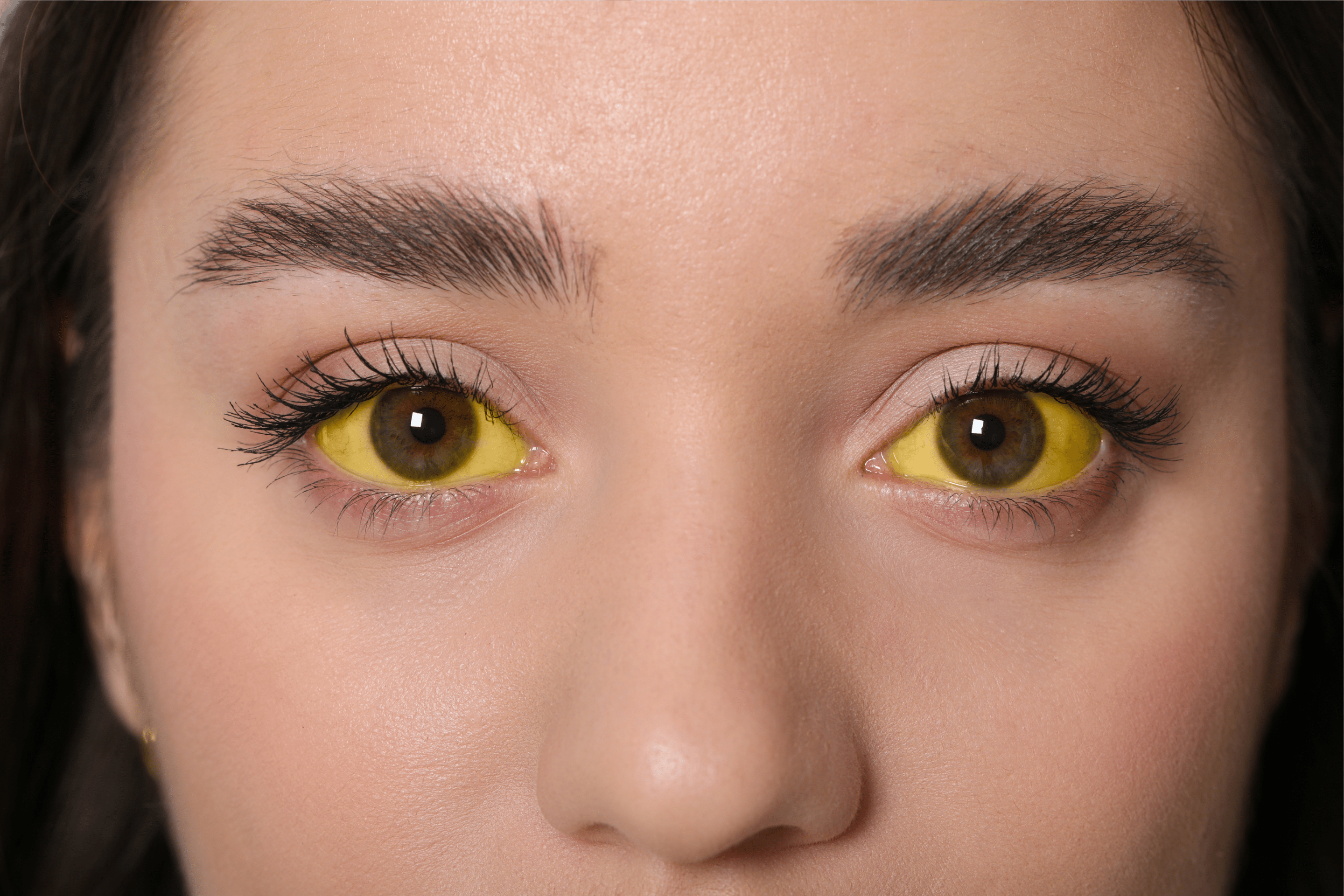
The Liver governs the supply of Blood to the eyes and ensures smooth Qi circulation, making it central to visual clarity in TCM.
The Liver meridian travels to the eyes, and Liver Blood is considered the primary nutritive source for ocular tissues, especially the retina and associated microcirculation. The Liver also regulates smooth flow, explaining why visual symptoms worsen during emotional or muscular tension.
Blood Nourishment of Ocular Structures
TCM maps Liver Blood to distinct visual functions within the eye. The retina relies on Blood for brightness and acuity. The vitreous body requires adequate nourishment to remain clear and stable. The extraocular muscles depend on smooth Qi flow for coordinated focus and the tear film depends on Blood and Yin for proper lubrication. When Liver Blood becomes insufficient, vision dims, dries, or loses precision due to inadequate nourishment of these tissues.
How Liver Problems Affect the Eyes from a Biomedical Viewpoint
Modern physiology also demonstrates a direct relationship between liver health and ocular function:
- Impaired bilirubin processing causes jaundice, turning the sclera yellow.
- Dysregulated glucose metabolism increases the risk of diabetes and diabetic retinopathy.
- Poor lipid regulation raises the likelihood of macular degeneration.
- Reduced vitamin A availability leads to night blindness or dry ocular surfaces.
- Ammonia buildup during severe liver dysfunction contributes to cortical visual impairment.
- Metabolic and inherited liver disorders such as Wilson’s disease and Alagille syndrome produce characteristic ocular changes.
How the Liver Supports Eye Health in Systemic Physiology
Beyond pathology, the liver actively supports visual health through several physiological mechanisms:
- Processes nutrients and minerals required for retinal function.
- Maintains blood flow to support ocular tissues and extraocular muscle activity.
- Produces immune proteins that help protect the eyes from infection.
- Regulates amino acids such as taurine that are essential for retinal metabolism.
Left vs Right Eye Patterns
Clinically, unilateral symptoms often indicate Qi stagnation or localized stasis, while bilateral deficits suggest systemic deficiency. Floaters that appear during stress or screen use typically point toward Liver Qi constraint, while long-term floaters indicate chronic Blood or Jing depletion.
Liver Imbalances That Contribute to Floaters and Blurriness
Liver Blood Deficiency
Liver Blood deficiency leads to visual dimming and floaters due to inadequate nourishment of ocular tissues. Individuals may also show systemic signs such as pale or brittle nails, dry eyes, fatigue, or dizziness, especially under heavy workloads or postpartum depletion.
Liver Qi Stagnation
Liver Qi stagnation restricts circulation to the eyes and can temporarily worsen floaters during stress or sustained tension. This pattern is often accompanied by headaches, irritability, or jaw and temple tightness, particularly during prolonged screen use.
Liver Heat or Liver Fire
Excess Liver Heat dries and irritates the eyes, producing blurry vision with redness, burning, or dryness. It commonly develops in individuals with high stress, insufficient sleep, chronic screen exposure, or diets that aggravate internal heat.
Blood Stasis
Blood stasis results in darker, denser, or clustered floaters due to impaired microcirculation within ocular tissues. It is associated with aging, trauma, surgery, or long-standing deficiency that progresses into stagnation.
The Kidney System and Its Foundation Role in Vision

The Kidneys store Jing, which provides the structural foundation of the eyes and governs age-related visual changes. As Jing declines with age, the vitreous body becomes less stable, retinal tissues lose nourishment, and visual acuity gradually shifts.
Kidney Jing and Structural Integrity
Kidney Jing correlates with the long-term resilience and structural integrity of the eyes, supporting optic nerve function, lens clarity, retinal nourishment, vitreous stability, and focus ability. This model parallels biomedical observations that vitreous liquefaction and presbyopia progress as deeper structural resources decline with age.
Kidney Yin and Ocular Fluids
Kidney Yin provides internal lubrication and cooling for ocular tissues. When Yin is deficient, the eyes may become dry, light-sensitive, and prone to floaters or nighttime blurriness.
Kidney Yang and Circulation
Kidney Yang supports circulation, metabolism, and fluid transformation throughout the visual system. Deficiency produces heavy or foggy vision that is most noticeable in the morning and may coincide with cold extremities, reduced appetite, or puffiness around the eyes.
How Kidney Disease Affects the Eyes from a Biomedical Perspective
Kidney function also influences the eyes in modern physiology, creating parallels with TCM’s association between the Kidneys and vision. Key ocular manifestations include:
- Periorbital puffiness due to protein loss in urine and reduced blood oncotic pressure.
- Dry and irritated eyes from calcium and phosphate mineral imbalance.
- Retinopathy linked to diabetes and hypertension, both common in chronic kidney disease.
- Higher rates of glaucoma and cataracts due to vascular and metabolic burden.
- Uremic optic neuropathy caused by toxin accumulation that can impair vision but may be reversible with treatment.
Kidney Patterns Behind Floaters and Blurriness
Kidney Jing Deficiency
Kidney Jing deficiency produces age-related floaters and reduced visual acuity due to progressive structural weakening of ocular tissues. This pattern often presents with premature aging signs such as hair thinning, tinnitus, weak knees, or lumbar soreness and is common in older adults or those who have experienced long-term overwork.
Kidney Yin Deficiency
Kidney Yin deficiency leads to ocular dryness, floaters, and nighttime visual disturbances due to insufficient cooling and lubrication. Individuals may also experience dry mouth and eyes, hot sensations in the palms and soles, restlessness at night, or low-grade headaches.
Kidney Yang Deficiency
Kidney Yang deficiency causes heavy, foggy, or slow-to-focus vision, especially noticeable upon waking, due to inadequate metabolic warmth and circulation. It may coexist with cold extremities, reduced appetite, diminished libido, and morning sluggishness.
How the Liver and Kidneys Work Together to Maintain Vision
The Liver supplies Blood to the eyes while the Kidneys supply Jing, creating a dual system that nourishes, cools, and structurally stabilizes vision.
This axis explains why visual symptoms are common in aging or chronic stress. Jing depletion reduces structural resilience, while Blood deficiency reduces vitality and nourishment.
Shared Pathology
Combined patterns frequently involve both deficiency and stagnation, such as:
- Liver Blood deficiency + Kidney Yin deficiency
- Liver Qi stagnation + Kidney Jing deficiency
- Blood stasis + Kidney Yang deficiency
These patterns match clinical presentations seen in office workers, postpartum individuals, and older adults.
Modern Triggers That Disrupt the Liver-Kidney Axis

TCM contextualizes modern lifestyle factors with organ resource consumption:
Screen Exposure
Prolonged screen exposure reduces blinking frequency, dries the tear film, increases micro-tension around the eyes, and consumes Liver Blood according to TCM physiology. These combined effects can temporarily worsen floaters, particularly after extended or uninterrupted screen sessions.
Stress and Sleep Disruption
Stress constrains Liver Qi while sleep loss prevents Blood restoration, particularly during the Liver time window (traditionally 1–3 am).
Dietary and Nutritional Depletion
Skipping meals, excessive caffeine, or low-protein diets reduce Blood creation and drain Yin.
Aging and Jing Decline
Gradual Jing consumption explains why floaters become more common with age, paralleling vitreous degeneration in Western ophthalmology.
Treatment Approaches Based on Pattern Differentiation
Treatment is individualized rather than symptom-based.
Acupuncture
Acupuncture may help regulate microcirculation within the eyes, nourish Blood and Jing, soften tension along the Gallbladder and Bladder channels, and reduce internal heat or stagnation depending on the underlying pattern. Point selection varies based on whether the presentation is driven by deficiency, stagnation, or heat, reflecting the individualized nature of TCM treatment.
Herbal Strategies
Herbal therapy may be used to enrich Liver Blood, nourish Kidney Yin, rebuild Jing, or move Blood to dispel stasis. Blood stasis patterns in particular benefit from herbs that promote microcirculation and relieve congestion, while deficiency patterns often require tonic herbs that restore systemic resources rather than simply disperse obstruction.
Dietary and Lifestyle Considerations
Foods that rebuild Blood and Jing are emphasized, including nutrient-dense, dark-colored, mineral-rich items. Sleep timing is clinically relevant for restoring Liver Blood and preserving Jing.
Warm compresses may relieve stagnation, while cooling rinses may soothe heat-related patterns.
When Floaters Require Urgent Western Evaluation
TCM identifies when Western ophthalmic intervention is necessary. Immediate evaluation is warranted when floaters occur with:
- sudden flashes of light
- rapid increase in number
- curtain-like vision loss
- acute unilateral onset
These may indicate retinal detachment or vitreous hemorrhage.
Daily Strategies to Support Vision via TCM Principles
Long-term visual clarity relies on preserving Liver Blood and Kidney Jing. Clinically relevant practices include:
- resting eyes at regular intervals
- supporting consistent sleep schedules
- reducing sustained screen fixation
- nourishing the Blood through diet
- supporting Yin and Jing as one ages
These practices slow depletion and stabilize ocular tissues over time.
FAQs
Can floaters disappear according to TCM?
Floaters may diminish if caused by deficiency or stagnation that can be corrected, but long-standing stasis or structural decline requires longer-term support.
Why are floaters worse when I am stressed or tired?
Stress constrains Liver Qi and fatigue reduces Blood nourishment, temporarily reducing clarity.
How do I know if floaters come from deficiency or stagnation?
Deficiency floaters tend to be faint, light, and accompanied by dryness or fatigue, while stasis floaters are darker, denser, or slower moving.
Final Perspective: Vision as a Reflection of Inner Resources

TCM conceptualizes vision as a function of internal vitality rather than a purely mechanical process. Clear eyesight reflects adequate Blood, Yin, and Jing, while visual disturbances often signal systemic depletion long before other symptoms appear. By recognizing eye floaters and blurry vision as part of the Liver-Kidney axis, TCM offers a broader framework for understanding how stress, aging, lifestyle, and nourishment shape visual health over time.
At ACA Acupuncture and Wellness, our practitioners approach vision-related concerns through holistic therapies that support systemic balance, nourish internal resources, and address the underlying patterns contributing to eye symptoms. Individuals experiencing floaters or blurriness who wish to explore TCM-based care may contact us to schedule a consultation and learn more about supportive treatment options.
Recent Comments