

Last Updated Date: January 29, 2026


Traditional Chinese Medicine herbs are medicinal plants and substances prescribed in formulas to regulate Qi, balance Yin and Yang, and restore harmony across the body’s organ systems. They are selected based on temperature, taste, meridian entry, and functional action rather than isolated symptoms. Chinese herbs are rarely used alone and are guided by individualized diagnosis.
Key Takeaways
- Chinese herbs work through formulas, not single-herb supplementation
- Herbs are classified by temperature, taste, meridian, and function
- Safety depends on correct diagnosis and practitioner guidance
- Emotional health and physical health are inseparable in herbal therapy
- Herbal medicine is most effective when integrated with acupuncture
Foundations of Chinese Herbal Medicine
Traditional Chinese herbal medicine views the body as a functional system rather than a collection of isolated parts. Health depends on smooth Qi flow, balanced Yin and Yang, sufficient Blood, and coordinated organ function. Herbs are used to correct underlying imbalances, not to suppress symptoms.
Qi, Yin-Yang, and the Zang-Fu System
- Qi drives movement, transformation, and protection. When Qi is deficient or blocked, dysfunction appears.
- Yin and Yang represent cooling and warming forces. Illness develops when this balance is disrupted.
- Zang-Fu organs describe functional relationships rather than anatomy:
Chinese herbs work by restoring harmony across these systems.
Why Herbs Are Used in Formulas
In TCM, herbs are rarely used alone. They are combined into formulas to increase effectiveness and reduce unwanted effects.
A typical formula includes:
- A chief herb to address the primary imbalance
- Deputy herbs to reinforce the main action
- Assistant herbs to balance or protect the body
- Envoy herbs to guide the formula to specific systems
This formula-based approach is essential for safe and effective herbal treatment.
How Traditional Chinese Medicine Classifies Herbs
Chinese herbs are categorized by functional properties rather than chemical constituents alone. This allows practitioners to predict how an herb will interact with the body.
Temperature, Taste, and Meridian Entry
Each herb has an energetic temperature, such as cold, cool, neutral, warm, or hot. This determines whether it clears heat or warms deficiency.
Taste indicates therapeutic direction:
- Sweet tonifies and harmonizes
- Bitter clears heat and drains dampness
- Pungent moves Qi and disperses stagnation
- Sour astringes and preserves fluids
- Salty softens hardness and directs downward
Meridian entry refers to which organ systems the herb primarily influences.
Functional Categories
Herbs are grouped by what they do rather than what condition they treat. Common functional categories include:
- Qi tonics
- Blood tonics
- Yin tonics
- Yang tonics
- Heat-clearing herbs
- Damp-resolving herbs
Understanding these categories is essential for correct prescription.
Safety and Practitioner Guidance
Chinese herbs are potent medicinal substances. While natural, they can produce strong physiological effects. Safety depends on correct diagnosis, appropriate dosage, and proper formulation.
Self-prescribing herbs based on symptom lists increases the risk of misapplication. Certain herbs are contraindicated during pregnancy, acute infections, or when combined with specific medications.
Qualified practitioners adjust formulas based on constitution, climate, season, and concurrent treatments. This individualized approach is what makes Chinese herbal medicine both effective and safe.
Core Chinese Medicine Herbs Explained by Function
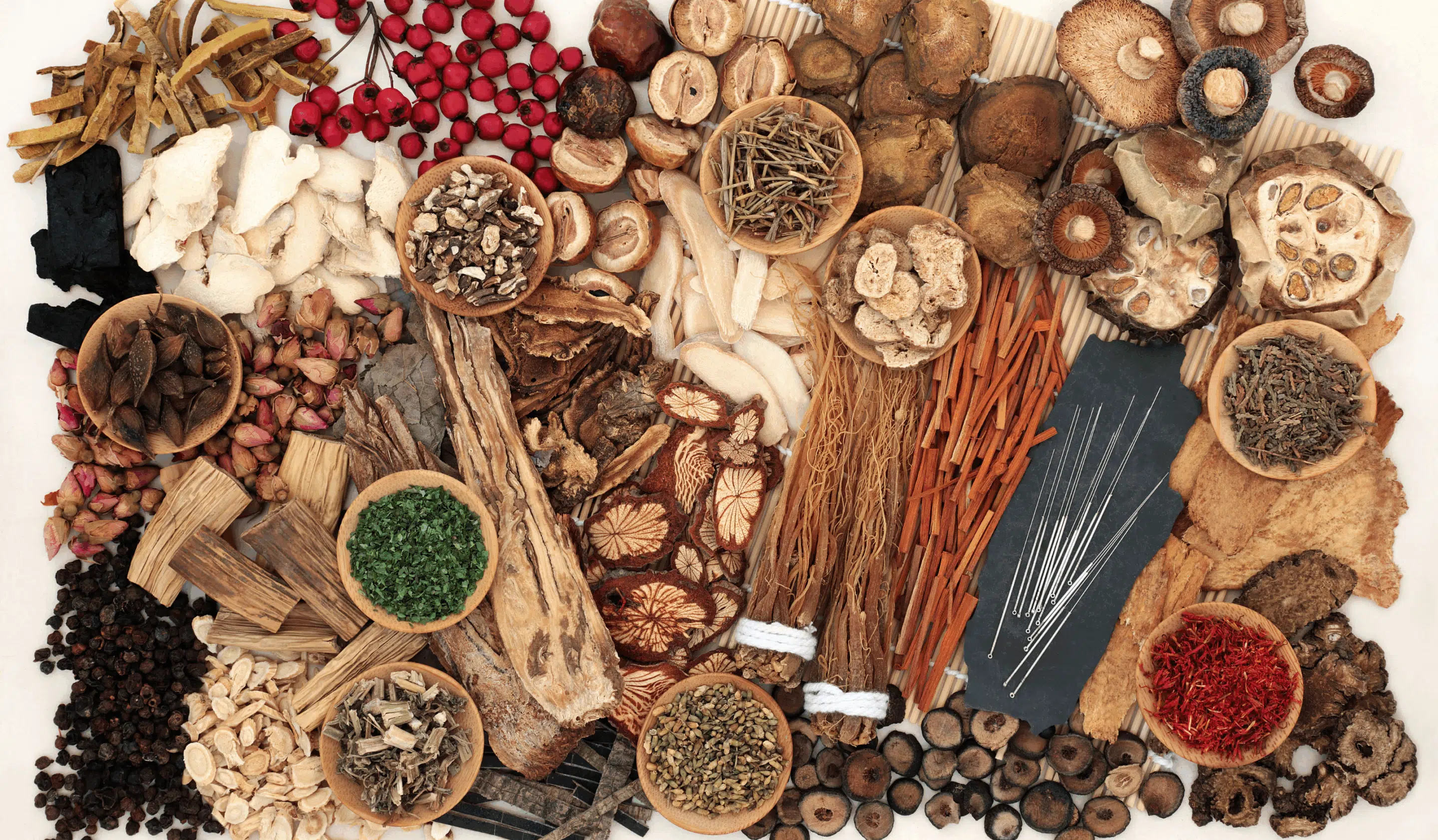
Qi Tonics
Qi tonics strengthen the body’s energy production and support immune resilience. Common actions include improving digestion, increasing stamina, and supporting recovery after illness. These herbs primarily affect the Spleen and Lung systems. Qi tonics are not used when stagnation or excess heat is present, as they can worsen congestion.
Blood Tonics
Blood tonics nourish tissues, support circulation, and regulate menstruation. They are commonly used for fatigue, dizziness, pale complexion, and menstrual irregularities. Blood tonification is often paired with Qi tonification, as Qi moves Blood and Blood anchors Qi.
Yin Tonics
Yin tonics replenish fluids, cool internal heat, and support organs affected by dryness or overactivity. They are frequently prescribed for insomnia, night sweats, dry mouth, and chronic inflammation. Overuse of Yin tonics can impair digestion if not properly balanced.
Yang Tonics
Yang tonics warm the body, support metabolism, and strengthen Kidney function. They are used for cold intolerance, low libido, chronic fatigue, and weakness. These herbs are contraindicated in febrile or inflammatory conditions.
Heat-Clearing Herbs
Heat-clearing herbs reduce inflammation, infections, and fever patterns. They are selected based on whether heat affects the upper, middle, or lower body. Improper use can damage digestion or weaken constitution.
Damp-Resolving Herbs
Damp-resolving herbs address fluid accumulation, bloating, heaviness, and phlegm. They support digestive transformation and fluid metabolism. These herbs are commonly used in metabolic and digestive conditions.
Herb Profiles: Expert-Level Overview
Ginseng (Ren Shen)
- Properties: Warm, sweet
- Meridians: Lung, Spleen
- Actions: Strongly tonifies Yuan Qi, supports collapse, strengthens immunity
- Cautions: Avoid during acute infections or excess heat patterns
Goji Berry (Gou Qi Zi)
- Properties: Neutral, sweet
- Meridians: Liver, Kidney
- Actions: Nourishes Liver and Kidney Yin, benefits vision
- Cautions: Use cautiously with digestive weakness
Astragalus (Huang Qi)
- Properties: Warm, sweet
- Meridians: Lung, Spleen
- Actions: Tonifies Qi, raises Yang, strengthens defensive Qi
- Cautions: Avoid during active fever
Licorice Root (Gan Cao)
- Properties: Neutral, sweet
- Meridians: All twelve channels
- Actions: Harmonizes formulas, soothes spasms
- Cautions: Excess use may affect blood pressure
Dang Gui
- Properties: Warm, sweet, pungent
- Meridians: Liver, Heart, Spleen
- Actions: Tonifies and moves Blood
- Cautions: Avoid during heavy bleeding
Reishi (Ling Zhi)
- Properties: Neutral, sweet, bitter
- Meridians: Heart, Lung
- Actions: Calms Shen, supports immunity
- Cautions: Long-term use should be monitored
Ginger (Sheng Jiang)
- Properties: Warm, pungent
- Meridians: Lung, Spleen, Stomach
- Actions: Releases exterior cold, harmonizes digestion
- Cautions: Not for heat conditions
How TCM Herbs Are Prescribed and Prepared
Herbs may be prepared as:
- Decoctions
- Granulated extracts
- Powders
- Pills or tinctures
Decoctions remain the gold standard due to their adaptability and potency. Preparation methods affect absorption, strength, and therapeutic direction. Consistency and compliance are critical. Herbs are adjusted as the body changes.
Emotional and Mental Health in TCM Herbalism
In Chinese medicine, emotions are physiological processes linked to organ systems. For example:
- The Liver governs emotional flow
- The Heart houses the mind
- The Spleen processes worry
Herbs are selected to regulate emotional patterns alongside physical symptoms. This integrative approach supports long-term emotional resilience rather than temporary mood suppression.
Seasonal Herbal Strategy Using the Five Elements
Each season corresponds to an element and organ system:
- Spring supports the Liver
- Summer supports the Heart
- Late summer supports the Spleen
- Autumn supports the Lung
- Winter supports the Kidney
Herbal strategies shift with climate and environmental stressors to maintain balance and prevent illness.
When to Use Herbs with Acupuncture
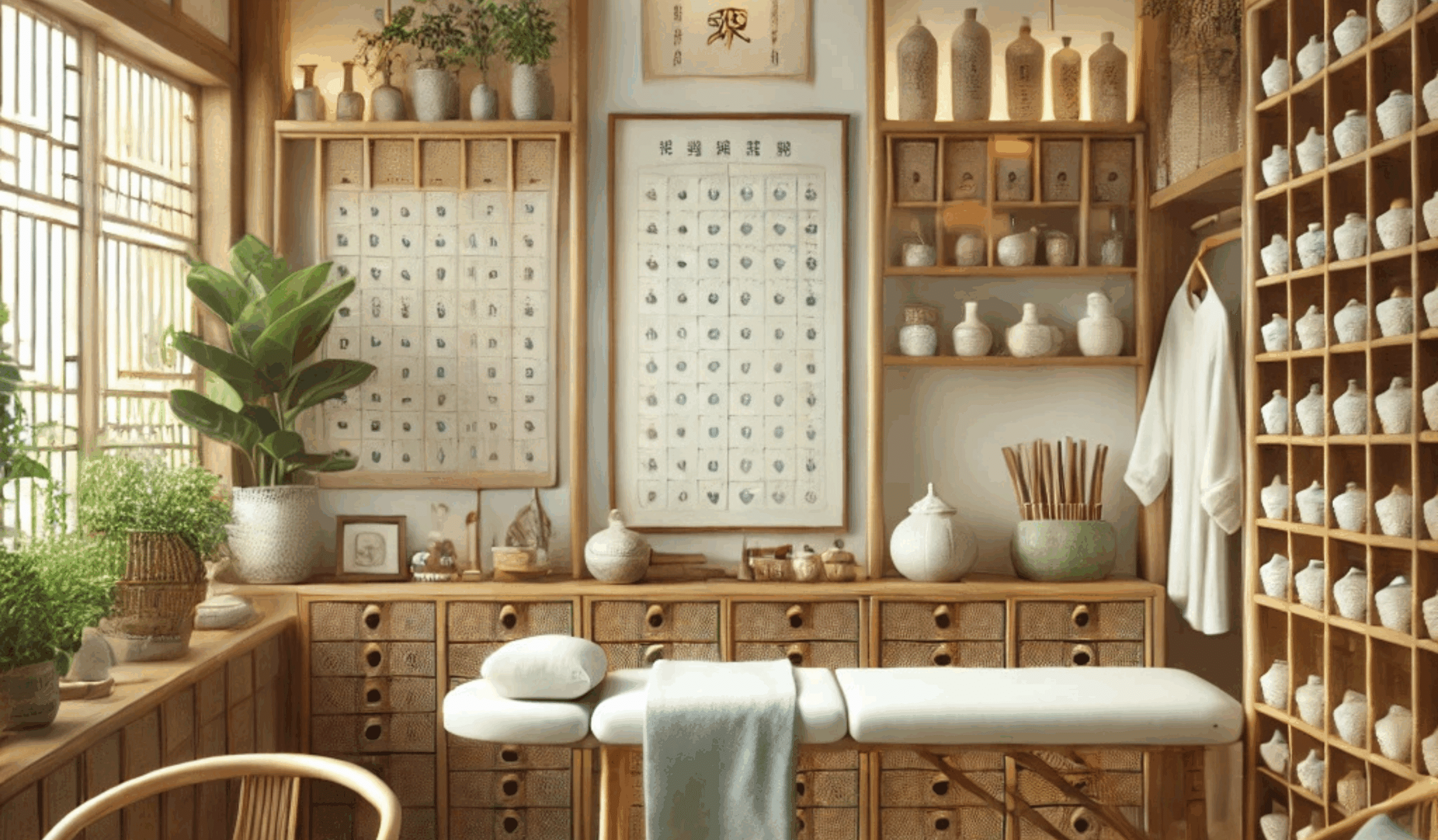
Herbs extend the therapeutic effects of acupuncture between sessions. Acupuncture regulates Qi flow, while herbs rebuild substance and support internal correction. This combination accelerates recovery, stabilizes results, and addresses both root and branch patterns.
Embracing Traditional Chinese Medicine Herbs at ACA Acupuncture and Wellness
At ACA Acupuncture and Wellness, we use Traditional Chinese Medicine herbs to restore balance, support energy, and address the root causes of health concerns. These herbs are prescribed according to core TCM principles such as balancing Yin and Yang, supporting Blood and Qi, and clearing internal imbalances, allowing the body to heal more effectively.
Our practitioners carefully select herbal formulas and acupuncture treatments based on each patient’s individual needs. Herbs may be recommended as teas, granules, or tinctures, depending on what best supports your condition and lifestyle.
When used under professional guidance, Chinese herbal medicine works in harmony with the body’s natural systems to promote long-term wellness, resilience, and sustainable results.
FAQs
1. How long does it take to see results from TCM herbs?
Most people notice improvements in 7 to 14 days, while chronic conditions may take 4 to 12 weeks. Digestive issues, stress, and low energy often respond quickly because these patterns shift faster. Long-standing issues such as hormonal imbalance, chronic fatigue, or joint pain require more time because they involve deeper organ systems and need consistent treatment.
2. Are Chinese herbal medicines safe to use with prescription medications?
Yes, they can be safe, but herb–drug interactions must be considered carefully. Some herbs, such as Ginseng and Ginkgo, can affect blood thinners, while Licorice Root may influence blood pressure medications or corticosteroids. It is important to understand timing, dosage, and compatibility so the herbs support your treatment instead of interfering with your medication.
3. What is the best way to take Chinese herbs for effectiveness?
The most effective method is decoctions (herbal teas), followed by tinctures, powders, and capsules. Decoctions extract the full therapeutic compounds and absorb quickly. Tinctures offer strong potency with convenience, powders dissolve easily for daily use, and capsules are ideal when taste or preparation time is a concern. The best form depends on your condition, daily routine, and overall goals.
4. Can TCM herbs help with stress and emotional balance?
Yes, TCM herbs can reduce stress and help restore emotional balance by regulating Liver Qi and calming the Heart Shen. Bupleurum eases emotional tension, Schisandra enhances resilience to stress, Peony Root relaxes muscles and the nervous system, and Reishi Mushroom supports sleep quality and mental clarity. These herbs work on both the physical and emotional roots of stress for long-lasting balance.
Recent Comments