

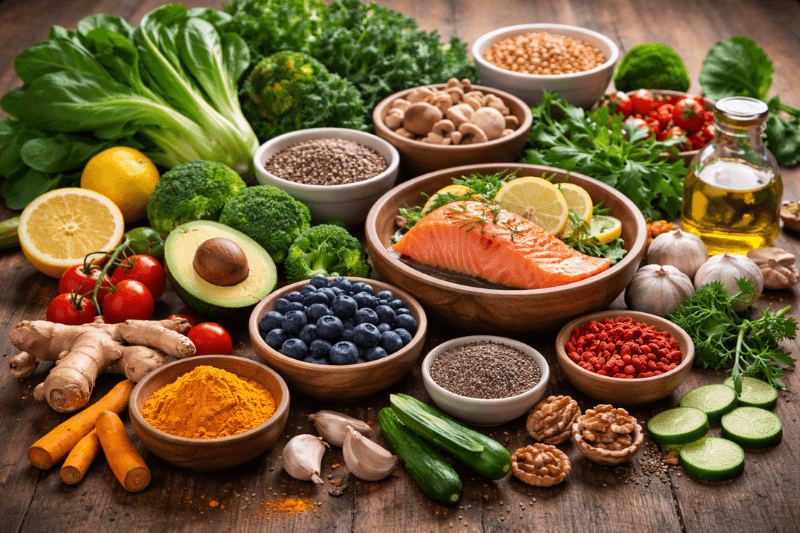
Natural anti inflammatory foods can help calm chronic, low-grade inflammation, and from a Traditional Chinese Medicine perspective, the same foods are often chosen to reduce internal heat, move stagnant qi, support digestion, and restore balance. Modern nutrition and TCM use different language, but both favor whole foods, plant diversity, and less ultra-processed eating.
Inflammation is not always the enemy. Acute inflammation is part of healing. The bigger problem is persistent, background inflammation that keeps the immune system switched on and is linked with conditions such as heart disease, type 2 diabetes, arthritis, and other chronic disorders. That is where food becomes more than fuel. It becomes a daily signal that either cools the system down or keeps the fire going.
Key Takeaways
- Chronic inflammation is best addressed with a pattern of eating, not a single miracle ingredient.
- TCM approaches inflammation through patterns such as heat, dampness, stagnation, and digestive weakness, which helps explain why different people do better with different foods.
- The strongest food foundation includes leafy greens, berries, fatty fish, olive oil, nuts, seeds, legumes, mushrooms, ginger, turmeric, green tea, and fermented foods.
- Herbal products can be useful, but they are not automatically safe. Green tea extract, garlic, turmeric, ginger, boswellia, and astragalus can all have side effects or interact with medicines.
- The most effective anti inflammatory strategy is personalized. Someone with signs of heat may do better with cooling foods, while someone with cold, stiffness, and sluggish digestion may need more warming foods and cooked meals.
The best natural anti inflammatory foods
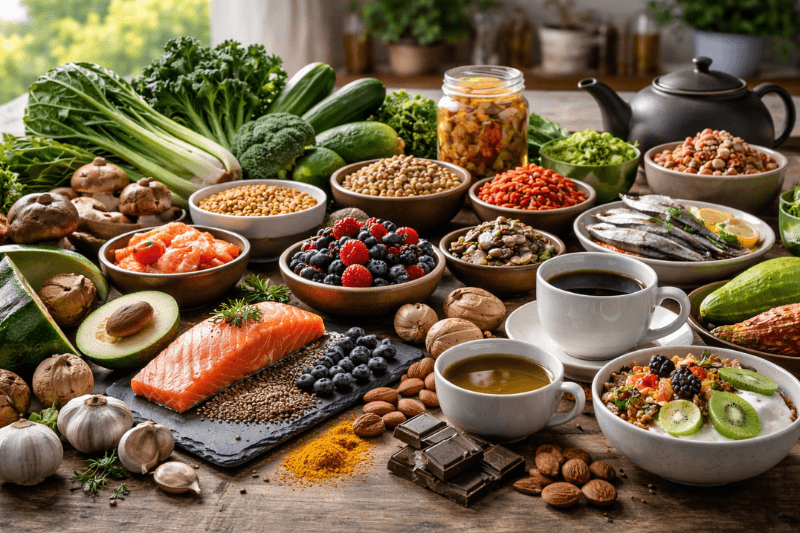
1. Leafy greens and deeply colored vegetables
Leafy greens consistently show up in evidence-based anti inflammatory diet guidance because they provide fiber, polyphenols, carotenoids, folate, and other compounds linked with healthier inflammatory status. In TCM, bitter and green vegetables are often used to clear heat and support smoother internal movement.
The TCM-inspired upgrade is to match preparation to your constitution. If you run cold or bloat easily, sautéed bok choy, lightly braised greens, or greens folded into soup may work better than a giant raw salad. If you run hot, steamed greens, celery, cucumber, bitter melon, and lighter broths may be more comfortable.
2. Berries and polyphenol-rich fruits
Berries deserve to stay high on the list. Blueberries, strawberries, raspberries, blackberries, and cherries offer antioxidant compounds such as anthocyanins, along with fiber that supports a healthier inflammatory environment.
From a TCM perspective, fruit choice can be more targeted than people realize. Goji berries, for example, are traditionally used to nourish Liver and Kidney systems. They fit beautifully into warming congee, soups, or gentle teas, especially for people who feel dry, depleted, or overworked rather than sharply overheated.
3. Fatty fish and omega-3 sources
Fatty fish belong near the top of any serious anti inflammatory foods list. Salmon, sardines, mackerel, and tuna provide omega-3 fatty acids, especially EPA and DHA, which are among the most important nutrients associated with reduced inflammatory burden.
TCM does not traditionally discuss omega-3s, but it does care about nourishment, lubrication, and recovery. In practical terms, fatty fish are often a better anti inflammatory protein choice than processed meats or repeated fried meat meals. For people who do not eat fish, walnuts, flax, chia, and hemp add omega-3 precursors, though marine sources provide EPA and DHA directly.
4. Olive oil, healthy fats, nuts, and seeds
Extra virgin olive oil, walnuts, almonds, flaxseed, chia seeds, and pumpkin seeds support an anti inflammatory diet holistic approach because they help replace more inflammatory dietary patterns built on deep-fried foods, repeatedly heated oils, and highly processed snacks.
In TCM-style meal planning, fats still need proportion and context. A drizzle of olive oil on vegetables or a moderate serving of walnuts is very different from greasy, heavy cooking that leaves you sluggish and coated. For people with a damp, heavy pattern, quality fats matter, but quantity and cooking method matter too.
5. Ginger
Ginger anti-inflammatory benefits deserve their reputation because ginger sits at the intersection of culinary usefulness and whole-body practicality. In TCM, fresh ginger is warming and moving. It is often a better fit for people with cold digestion, nausea, sluggish circulation, or pain that improves with warmth.
It is not automatically ideal for every person with inflammation, especially if they are already running hot, flushed, restless, and dry. That distinction is one of the biggest reasons TCM-style personalization makes anti inflammatory eating more precise.
6. Turmeric
Turmeric in Chinese medicine is often valued for moving blood and relieving painful stagnation. Modern nutrition focuses on curcuminoids and their relevance to inflammatory pathways.
The practical takeaway is simple: turmeric is useful, but it is not magic. It works best inside an overall anti inflammatory pattern rather than as a supplement pasted onto a fast-food diet. It is also smart to respect safety, especially with concentrated products.
7. Garlic
Garlic is another food that bridges cooking and therapeutics. In TCM language, garlic is pungent and warming. That can be helpful for cold, stagnant, sluggish conditions, but too much can aggravate a hot, irritated system.
It is a great example of why healthy food is not identical to eat as much as possible. Amount, pattern, and person all matter.
8. Green tea
For TCM, green tea is generally considered cooling and heat-clearing, which makes it a natural fit for people who feel hot, irritable, or inflamed in a more excess-heat way.
But more is not always better. Drinking tea is very different from taking a concentrated extract, and some people do poorly with too much caffeine or too much cold energy.
9. Mushrooms
Culinary mushrooms add fiber, umami, and a satisfying, savoury quality to meals without the heavier burden of ultra-processed convenience foods.
From a TCM perspective, mushrooms often fit naturally into restorative cooking. Shiitake, oyster mushrooms, and mushroom-based soups can be especially supportive during transitional seasons or periods of recovery because they nourish without feeling as heavy as rich meat-based meals. Reishi is better discussed in the herb section, since it is typically used medicinally rather than as an everyday food.
10. Legumes, whole grains, and fiber-rich staples
One of the biggest blind spots in anti inflammatory content is over-focusing on exotic herbs while under-emphasizing foundational foods. Lentils, beans, chickpeas, oats, barley, millet, brown rice, and other fiber-rich staples help create the dietary pattern most closely associated with better inflammatory balance.
TCM-compatible anti inflammatory eating does not require abandoning these foods. It often means preparing them in digestively friendly ways: lentil soup instead of a cold bean salad, oats or millet porridge instead of sugary cereal, congee instead of a rushed pastry breakfast. The anti inflammatory win often comes from consistency more than novelty.
11. Fermented foods, probiotics, and prebiotics
This is one of the most important additions from the screenshot. Gut health and inflammation TCM should not be overlooked. Fermented foods such as yogurt, kefir, kimchi, and sauerkraut can help support the gut environment, while prebiotic foods such as onions, garlic, oats, legumes, bananas, and asparagus feed beneficial microbes.
TCM does not use the language of probiotics and prebiotics, but it has always cared deeply about digestion. If the Spleen and Stomach systems are burdened, dampness and sluggishness often follow. That makes digestive resilience part of the anti inflammatory strategy, not a separate conversation.
12. Dark chocolate and coffee
Dark chocolate with a high cocoa content provides polyphenols, and coffee also contains antioxidant compounds. Still, neither should be exaggerated as a cure-all. From a TCM perspective, coffee may aggravate heat, irritability, restlessness, or dryness in sensitive individuals. Dark chocolate may be tolerated well in moderate amounts, but rich, sugary desserts are a different matter. The key point is not that these foods are inherently bad, but that dose, preparation, and individual constitution all matter.
TCM Herbs Commonly Used to Support Inflammation and Recovery
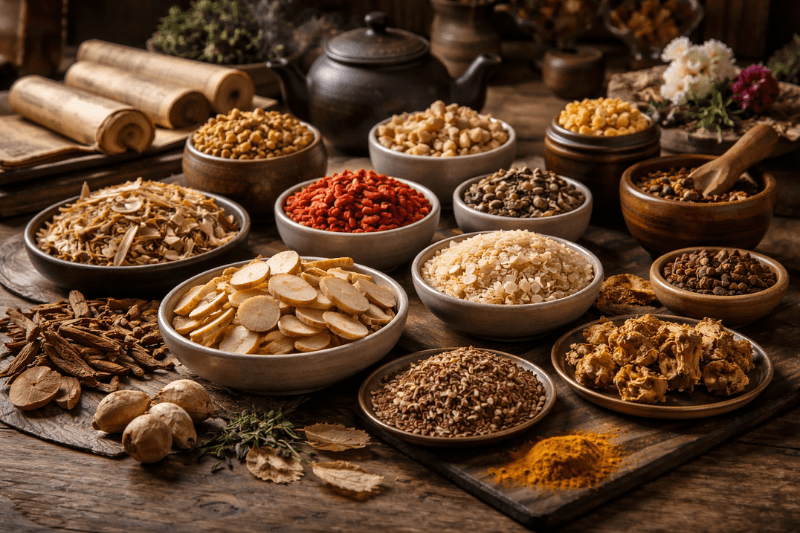
1. Astragalus (Huang Qi)
Astragalus immune modulation is one reason this herb remains so respected. Astragalus is one of the best-known qi tonics in Chinese herbal medicine.
In practice, astragalus is often thought of as a strengthening herb rather than a direct anti inflammatory pain reliever. It may fit better when inflammation is occurring alongside fatigue, low resilience, repeated illness, or depletion. It is often used in soups and formulas rather than treated like a stand-alone superfood.
2. White peony root (Bai Shao)
White peony root has a long history in Chinese medicine, especially in formulas aimed at nourishing blood, softening tension, and supporting smoother regulation. Modern literature continues to investigate its anti inflammatory and immunomodulatory effects, but it should not be oversold as settled mainstream medicine.
The better framing is this: historically important, pharmacologically interesting, and best used as part of a broader formula under qualified supervision.
3. Corydalis (Yan Hu Suo)
Corydalis is traditionally used for pain, especially when pain is understood as stagnation. But expert writing also means being clear about limits. Corydalis is not a kitchen herb for casual use, and it should not be presented like turmeric tea or ginger in soup.
4. Frankincense and myrrh
Frankincense, often discussed as boswellia in supplements, is one of the more credible herbs for pain and inflammation support. Promising does not mean proven, and useful does not mean universally safe. Still, it deserves mention because it has a better evidence profile than many trendy products.
5. Chen Pi and digestive herbs
Not every anti inflammatory strategy should target inflammation directly. Sometimes the better move is improving the terrain that keeps irritation going. In TCM, dried citrus peel and similar digestive herbs are often used to regulate qi, reduce stagnation, and improve digestive comfort.
That matters because bloating, heaviness, reflux, and sluggish digestion can sit right beside inflammatory symptoms. Digestion shapes tolerance, and tolerance shapes dietary success.
Foods that commonly worsen inflammation

Highly processed foods, repeated fried foods, refined carbohydrates, sugary drinks, trans fats, and excess added sugar remain some of the clearest dietary patterns associated with worse inflammatory health.
TCM adds useful specificity. If someone has obvious heat signs, alcohol, very spicy food, excess caffeine, and repeated greasy meals can make symptoms louder. Damp patterns often do poorly with greasy takeout, sugary desserts, overeating, cold dairy-heavy meals, and eating on the run.
Many people feel more inflamed not because one food is toxic, but because their overall eating pattern is irregular, rushed, and hard to digest.
How to personalize an anti inflammatory diet using TCM pattern
If you look and feel hot
Common clues include redness, irritability, a bitter taste, mouth ulcers, reflux, inflammatory skin flares, thirst, constipation, or feeling worse with spicy food and alcohol. A more cooling pattern usually makes sense here: leafy greens, cucumber, celery, pear, lightly cooked vegetables, green tea if tolerated, and less alcohol, deep-fried food, and heavy spice.
If you feel cold, stiff, and stagnant
Common clues include chronic stiffness, pain that likes warmth, poor circulation, low appetite for cold foods, and fatigue with heavy meals. This pattern often responds better to warm breakfasts, soups, slow-cooked meals, ginger, moderate garlic, cinnamon in small amounts, and less iced food.
If you are puffy, bloated, and heavy
This pattern often suggests dampness. Think brain fog, sluggishness, water retention, low digestive energy, and a sense that food just sits there. The anti inflammatory move is not necessarily more raw produce. It is usually simpler, lighter, cooked meals with less sugar, less greasy food, more legumes, broth-based soups, steamed vegetables, and steady mealtimes.
FAQs
1. How long does it take for anti inflammatory foods to make a difference?
The timeline varies depending on the person, their overall diet, stress levels, sleep, and underlying health issues. Some people notice less bloating, better digestion, or steadier energy within a few days to a few weeks, while deeper inflammatory concerns may take longer. Food works best when it is part of a consistent pattern rather than a short-term fix.
2. Can you follow a TCM-inspired anti inflammatory diet if you are vegetarian or vegan?
Yes. A TCM-inspired anti inflammatory approach can work well with a vegetarian or vegan diet when meals are built around legumes, whole grains, cooked vegetables, mushrooms, nuts, seeds, and plant-based proteins. The key is to keep meals balanced, nourishing, and easy to digest rather than relying too heavily on processed meat substitutes or cold convenience foods.
3. Are raw vegetables always better for inflammation than cooked vegetables?
Not always. Raw vegetables can be refreshing and helpful for some people, especially during hot weather or when heat signs are prominent, but cooked vegetables are often easier to digest. From a TCM perspective, the better choice depends on your constitution, digestive strength, symptoms, and the season.
4. Should anti inflammatory herbs be taken every day?
Not necessarily. Some herbs and herbal foods may be used regularly in cooking, but stronger medicinal herbs are not always meant for casual daily use without guidance. In TCM, herbs are usually chosen based on a person’s pattern, which means the right herb, dose, and duration can vary significantly from one person to another.
5. What is the difference between an anti inflammatory diet and a TCM food therapy approach?
An anti inflammatory diet usually focuses on nutrients, food groups, and research on inflammation markers, while TCM food therapy also considers thermal nature, digestion, constitution, symptom patterns, and seasonality. The two approaches can work well together. One provides the nutritional framework, and the other adds a more personalized lens.
A smarter way to approach inflammation naturally
Natural anti inflammatory foods and TCM-inspired herbs can be powerful when they are used as part of a coherent system instead of a random list. Start with the food pattern first. Use leafy greens, berries, mushrooms, legumes, quality fats, fermented foods, and omega-3-rich foods as your base. Layer in ginger, turmeric, garlic, green tea, or goji according to your symptom pattern. Then use specialized herbs with professional guidance, especially if you are dealing with chronic pain, autoimmune disease, or medication use. That is the approach most likely to feel both traditional and truly practical.
At ACA Acupuncture and Wellness, this kind of personalized, root-cause approach is central to care. In addition to nutrition and herbal guidance, we offer holistic treatments such as acupuncture and cupping to help regulate inflammation, improve circulation, and support the body’s natural healing processes. Each treatment plan is tailored to your unique pattern, symptoms, and overall health goals.
Book your appointment with ACA Acupuncture and Wellness today and take the next step toward a more balanced, resilient body.
Sources:
Pan, M.-H., Chiou, Y.-S., Tsai, M.-L., & Ho, C.-T. (2011). Anti-inflammatory activity of traditional Chinese medicinal herbs. Journal of Traditional and Complementary Medicine, 1(1), 8–24.
Prieto, J. M., & Schinella, G. R. (2022). Anti-inflammatory and antioxidant Chinese herbal medicines: Links between traditional characters and the skin lipoperoxidation “Western” model. Antioxidants, 11(4), 611.
Recent Comments