

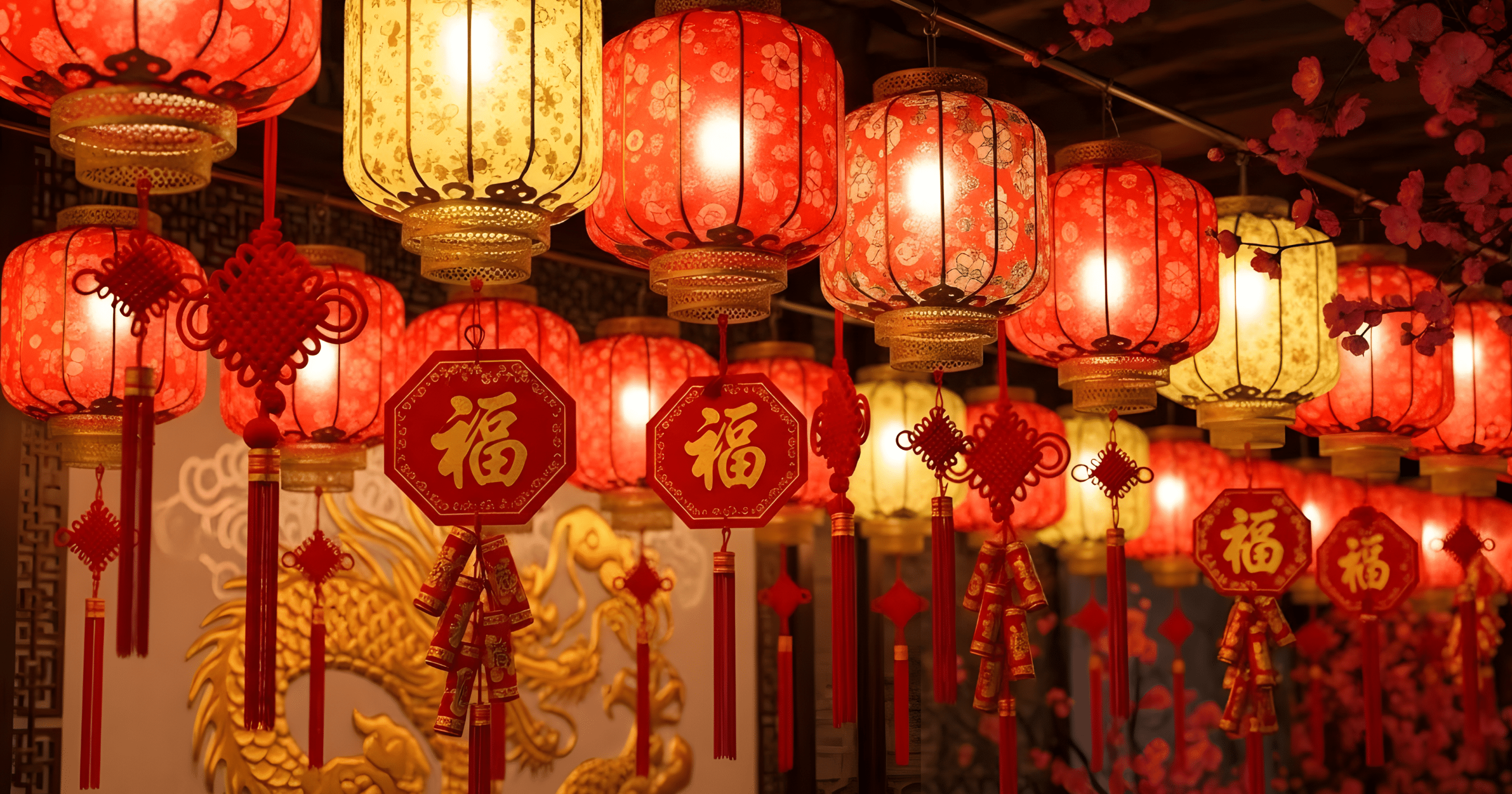
In Traditional Chinese Medicine, the Lunar Chinese New Year is not simply a cultural celebration or a symbolic fresh start. It marks a real energetic turning point in the body. This period represents the gradual shift from deep winter Yin toward the rising Yang energy of spring.
How we support the body during this transition directly influences energy levels, emotional stability, digestion, immunity, and mental clarity for the year ahead. Unlike the Western New Year, which emphasizes immediate change and productivity, TCM views renewal as a process. The body must be gently guided from rest into movement.
The Lunar Chinese New Year marks the beginning of energetic ascent, not instant renewal.
Winter in TCM is governed by Yin. It is a season of storage, rest, and internalization. The Kidneys store Jing, the body’s deepest reserve of vitality. As the Lunar New Year arrives, Yang energy begins to rise slowly beneath the surface. This shift does not demand immediate action. It requires preparation.
When Yang rises too quickly without support, symptoms appear:
TCM emphasizes gradual awakening rather than abrupt change.
The Element system explains this transition clearly:
The Lunar New Year sits at the moment where Water begins nourishing Wood. If Kidney reserves are depleted, Liver Qi struggles to move smoothly. This relationship explains why emotional tension and low energy often appear together at this time of year.
The Liver is the primary system responsible for energy movement and emotional flow in TCM.
The Liver ensures Qi moves freely throughout the body. When Liver Qi is smooth, digestion is efficient, emotions are regulated, and energy feels available but not forced. During the Lunar New Year transition, Liver Qi is especially sensitive.
Signs of Liver Qi stagnation include:
In TCM, emotions are not separate from physiology. The Liver is associated with anger, frustration, and suppressed expression. After months of winter restraint, these emotions often surface.
Rather than labeling this as a problem, TCM views it as information. Emotional tension signals that Qi wants to move.
Aggressive detoxes or fasting may appear appealing at the New Year, but they often worsen Liver stagnation by creating stress.
Effective Liver support includes:
The Kidneys store the foundation of long-term vitality in TCM.
Kidney energy, or Jing, supports growth, reproduction, mental resilience, and endurance. Winter is the season when Jing is stored. However, modern lifestyles rarely allow true rest, leading to gradual depletion.
Many people enter the Lunar New Year already depleted. Common signs include:
These symptoms are often misattributed to mindset issues rather than energy deficiency.
During this period, protecting Kidney energy is just as important as stimulating Liver movement.
Supportive practices include:
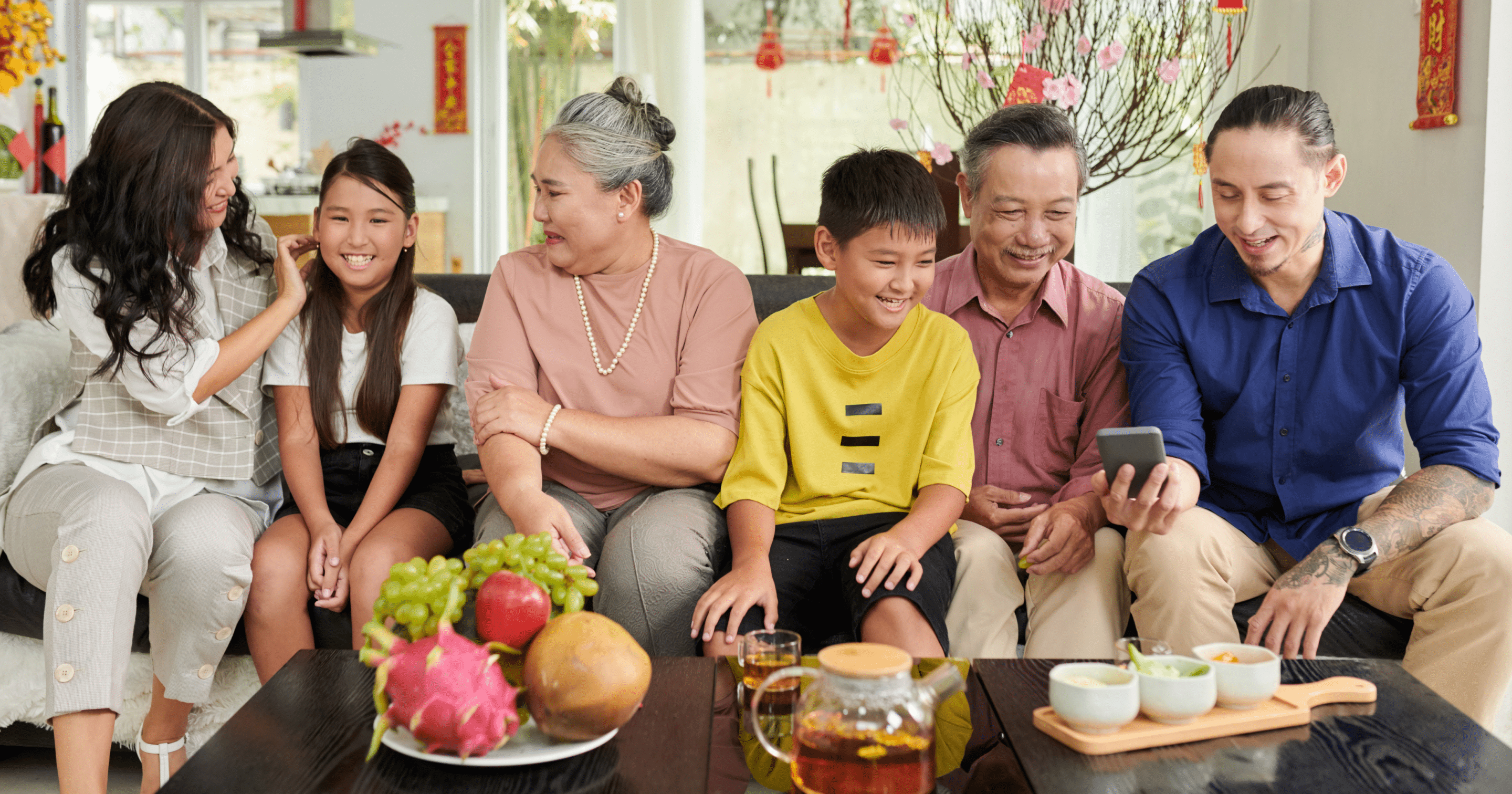
The goal is balance, not restriction. Foods should gently warm, nourish, and mobilize without draining reserves.
These foods help Liver Qi circulate without overheating the system.
These foods replenish without burdening digestion.
Movement during this season should circulate Qi, not exhaust it.
The goal is to wake the body without shocking it. Overexertion draws on Kidney reserves that are still rebuilding.
These practices encourage circulation while preserving energy.
High-intensity exercise can temporarily feel energizing but often leads to crashes, irritability, or insomnia during this transition.
Traditional Chinese Medicine approaches emotional health through regulation and balance, not emotional release for its own sake. Emotions are understood as movements of Qi. When Qi flows smoothly, emotions settle naturally without being forced, analyzed, or suppressed.
In TCM, forcing emotional expression can actually increase resistance in the body. Pushing emotions out before the system is regulated often tightens Qi rather than releasing it.
Instead, treatment focuses on restoring circulation so emotions resolve on their own as balance returns.
When Qi is regulated:
Intention plays a direct role in directing Qi. In TCM, intention is not about pressure or goal-setting but about orientation. A calm, grounded intention gives the body clear direction without strain.
Simple practices support this process:
Journaling is used as a tool for clarity, not emotional discharge. Writing allows patterns to surface without judgment, helping emotions settle as they are seen rather than resisted.
Short, consistent reflection is more effective than emotional deep dives, especially during seasonal transitions.
Symbolism plays a meaningful regulatory role in the nervous system and emotional body. In TCM, symbolic practices help the mind and body release stagnation without force.
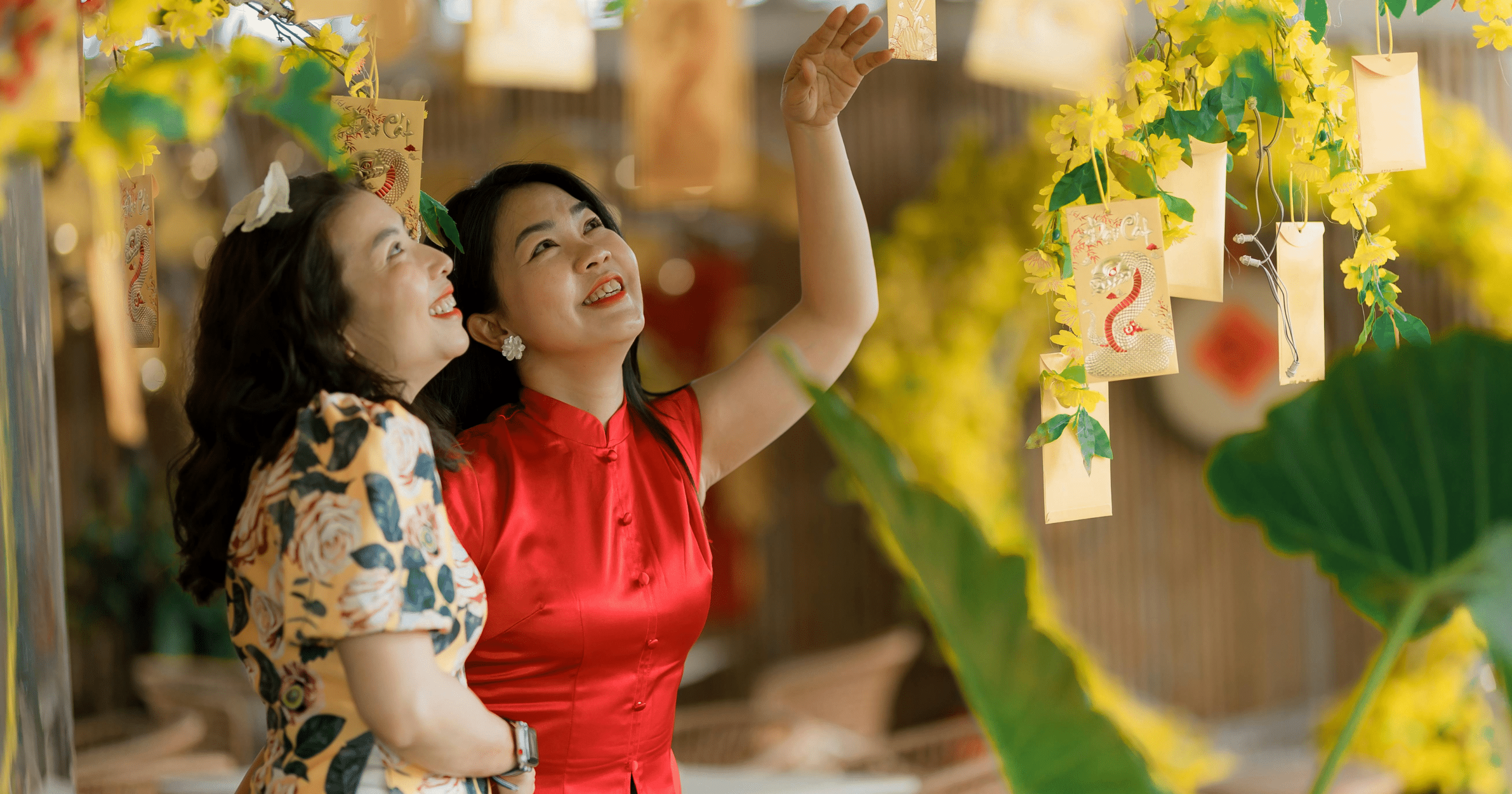
The Golden Cicada represents natural shedding without struggle. Just as the cicada releases its shell when ready, the body releases emotional and energetic tension when conditions are supportive.
This symbolism reinforces:
Visualization practices calm the nervous system and support subconscious release. When the mind engages with imagery rather than effort, tension unwinds gently, allowing emotions to settle without confrontation.
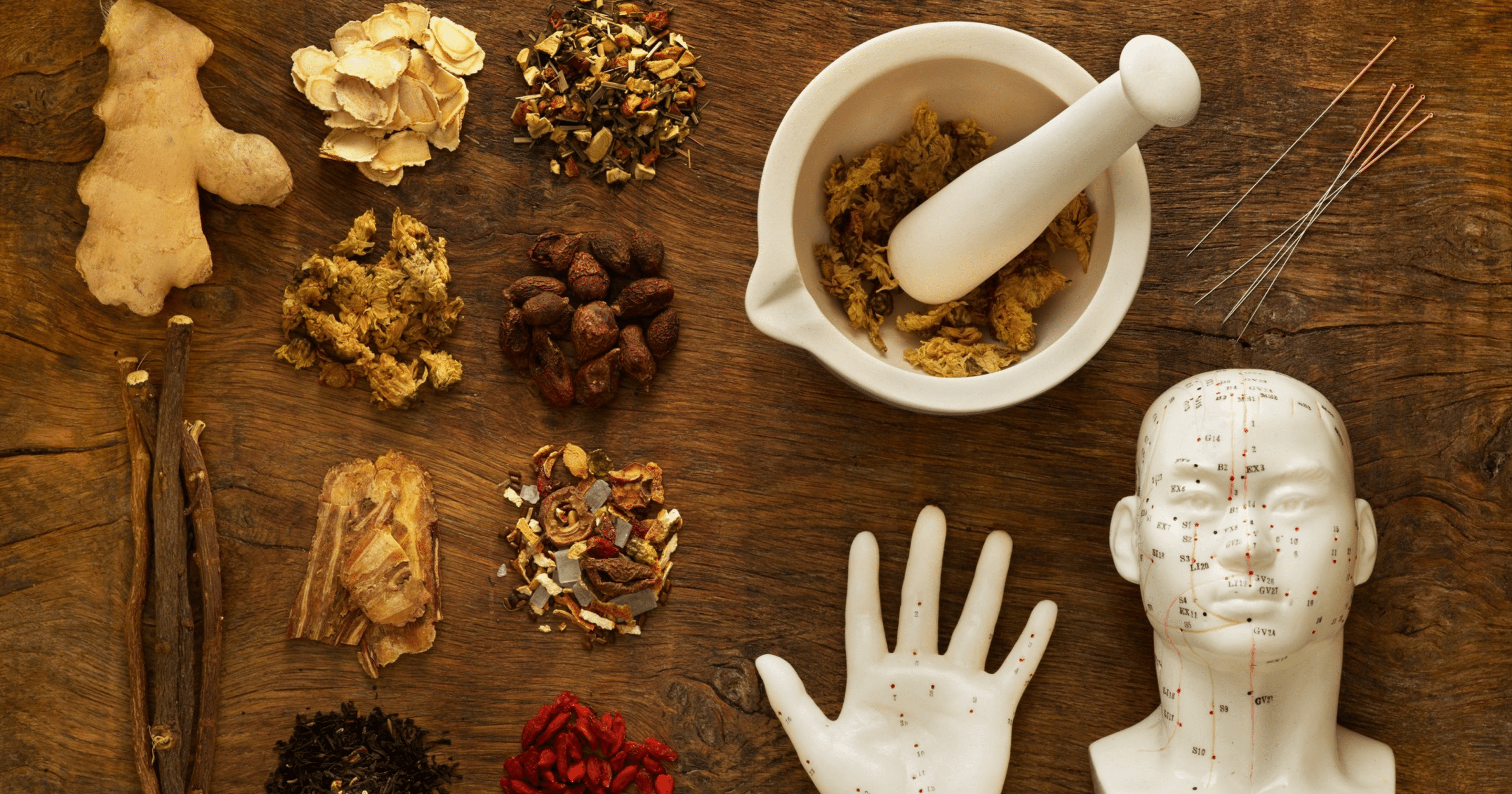
Clinical support during the Lunar New Year helps smooth the transition from winter storage to spring movement, reducing emotional volatility and energy depletion.
Acupuncture regulates Qi flow while supporting Liver movement and Kidney reserves. During periods of change, treatment stabilizes emotional patterns and prevents stagnation from turning into frustration, fatigue, or overwhelm.
Benefits often include:
Herbal support must always match the individual. Supporting Yin when depleted or Yang when weak requires precise assessment. Generic formulas or seasonal trends can disrupt balance if not tailored properly.
External order directly supports internal clarity. In TCM, the environment influences emotional regulation as much as internal physiology.
Tidying living spaces reduces sensory overload and mirrors internal organization. Removing physical clutter helps the mind settle, making emotional renewal easier and more sustainable.
Reducing overstimulation prevents unnecessary Qi leakage. During this transition, fewer inputs allow energy to consolidate rather than scatter.
Helpful adjustments include:
Many people undermine renewal by approaching the season too aggressively.
Common missteps include:
The Lunar Chinese New Year is not a demand for immediate transformation. It is an invitation to prepare. When balance is restored, energy follows naturally. Emotional renewal emerges through regulation, not force. By aligning with nature’s timing, the foundation for a steady, vibrant year is quietly built.
No. Traditional Chinese Medicine does not view the Lunar Chinese New Year as a detox phase. The focus is on nourishment, gentle circulation, and restoring balance rather than aggressive cleansing. Detox-style approaches can weaken Qi and deplete Kidney energy during this transition.
In TCM, the renewal phase begins around the Lunar New Year and continues into early spring. This period can last several weeks as Yang energy gradually rises. True renewal happens progressively, not all at once.
Yes. TCM addresses emotional burnout by restoring smooth Qi flow and supporting depleted organ systems rather than targeting emotions directly. When Liver and Kidney balance improves, emotional resilience often returns naturally.
Feeling tired is common and often indicates depleted Kidney energy after winter. In TCM, fatigue at this time signals a need for rest, nourishment, and reduced stimulation rather than pushing for motivation. Energy typically rebuilds once reserves are supported.
Yes. Acupuncture is commonly used in TCM for prevention, balance, and seasonal transitions. Treatment helps regulate Qi, stabilize emotions, and support energy before symptoms develop.
Yes, but changes should be gentle. TCM recommends slightly earlier sleep, lighter movement, and reduced overstimulation during this period. Small adjustments support the body’s natural transition without creating stress.

Recent Comments