


Yes. Acupuncture is safe for children when performed by licensed practitioners trained in pediatric care using gentle, age-appropriate techniques. Parents often ask whether acupuncture is truly safe for children, particularly when exploring non-medication options for pain, anxiety, digestion, sleep difficulties, or recurring health concerns. Safety concerns are understandable, as children have developing nervous systems, smaller anatomical structures, and different physiological responses compared to adults.
Pediatric acupuncture is approached with a fundamentally different framework than adult acupuncture. Treatment methods are specifically adapted to a child’s physiology, nervous system development, and emotional comfort. This includes the use of fewer acupuncture points, lighter stimulation, shorter sessions, and non-needle techniques when appropriate, all of which are designed to support regulation without overwhelming the child’s system.
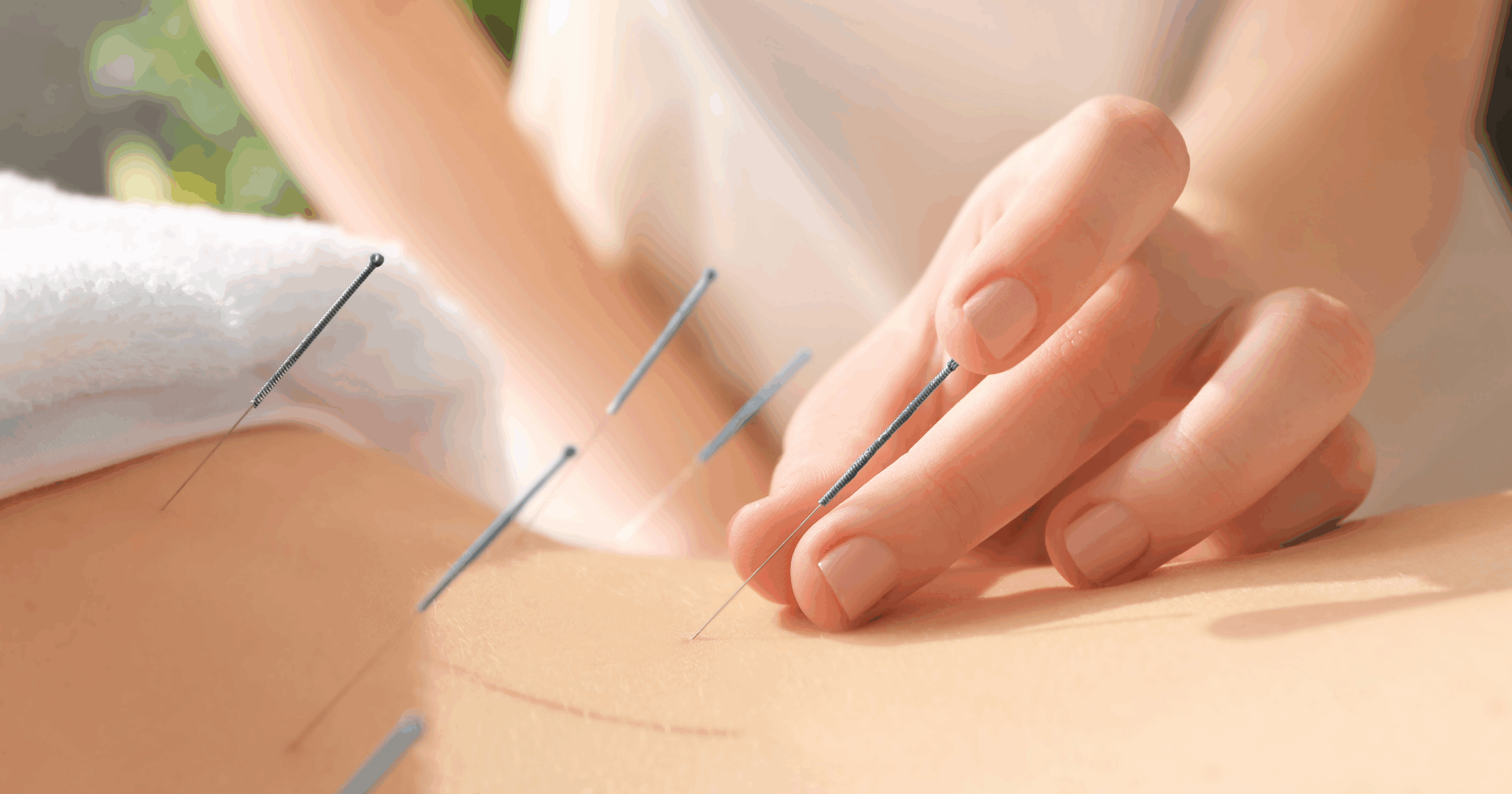
Pediatric acupuncture is designed specifically for developing nervous systems, smaller bodies, and greater emotional sensitivity. Children are not treated as smaller adults. Their bodies respond more quickly to stimulation, which means treatments must be gentler, more targeted, and carefully paced.
Key differences in pediatric acupuncture include:
In many cases, treatment may not involve needles at all. Pediatric acupuncture can include acupressure, gentle massage, tuning forks, or shonishin-style tools that stimulate acupuncture pathways without needle insertion. These options are especially helpful for very young children or those who are sensitive or needle-averse.
Pediatric acupuncture safety relies on practitioner expertise, sterile protocols, and individualized care planning.
Not all acupuncturists are trained to work with children. Pediatric care requires additional education in child development, anatomy, and age-specific contraindications. Parents should always confirm licensing and pediatric experience before beginning treatment.
All acupuncture treatments use sterile, single-use, disposable needles. These needles are solid and extremely thin, unlike hypodermic needles used for injections. This dramatically reduces infection risk.
Certain acupuncture points and techniques are modified or avoided entirely based on age. For example, needling over the fontanel in infants is avoided, and stimulation intensity is adjusted as children grow.
Acupuncture may be postponed in cases of acute infection, severe needle phobia, or when a child is not emotionally ready. Collaboration with pediatricians ensures appropriate timing and integration with medical care.
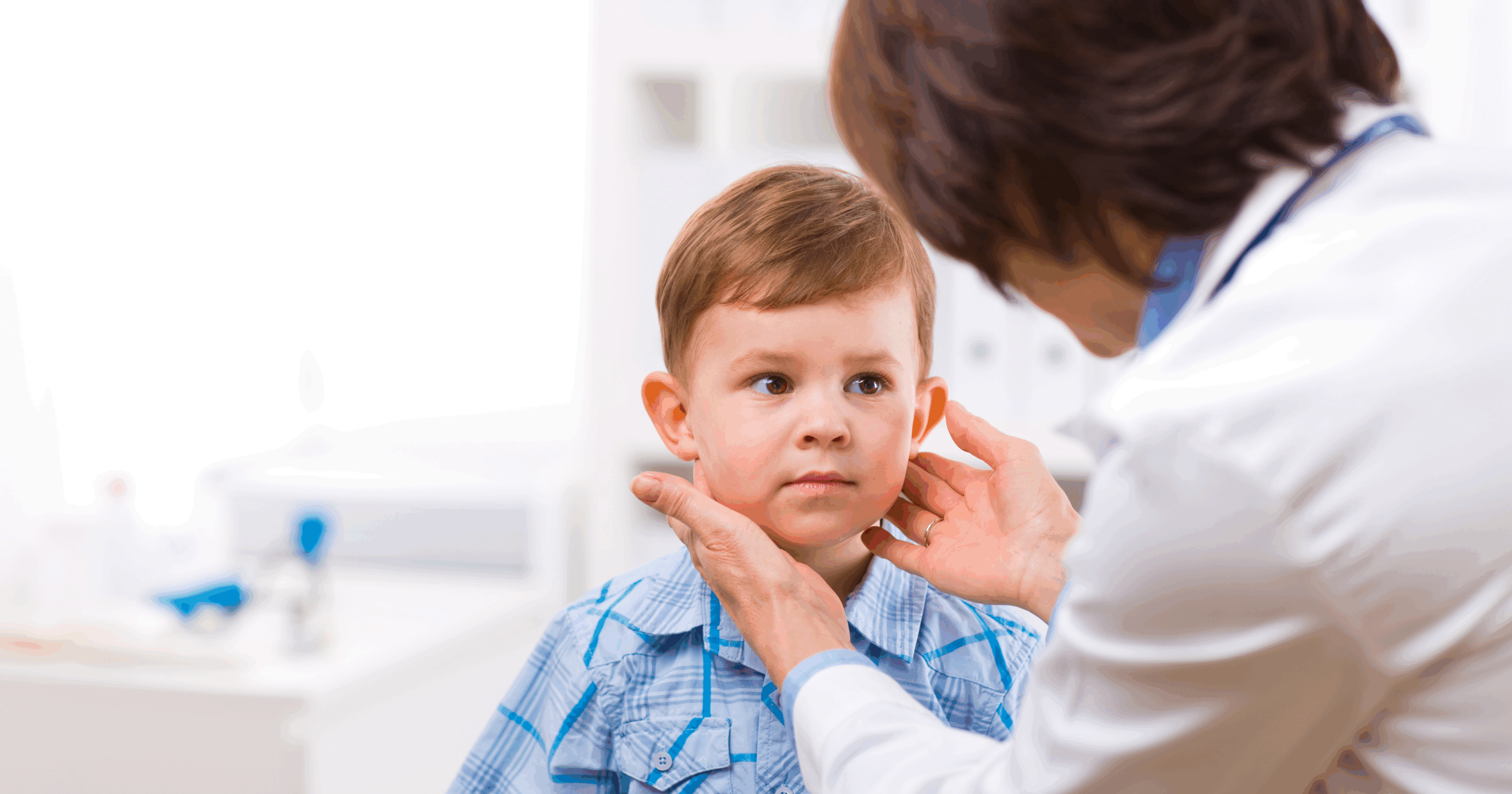
Most children find acupuncture comfortable, calm, and far less intimidating than expected, especially when it is adapted specifically for pediatric care.
Pediatric acupuncture uses very fine, solid needles, much thinner than injection needles. Many children feel nothing at all, while others notice mild sensations such as warmth, light tingling, or gentle pressure. Pain is not the goal and is carefully avoided throughout treatment.
To support emotional comfort, our acupuncturists use age-appropriate explanations and move at the child’s pace. Consent and trust are treated as essential parts of the session, not afterthoughts.
During treatment, children typically:
Sessions are calm, short, and adjusted in real time based on how the child responds, helping them feel safe and at ease from start to finish.
Pediatric acupuncture supports a wide range of physical and emotional conditions through nervous system regulation.
Pediatric acupuncture is commonly used to support children with tension headaches, migraines, growing pains, and musculoskeletal discomfort. Treatment works by reducing nervous system tension, improving circulation, and calming pain signaling pathways. Many children experience relief without the need for medication or invasive interventions.
Acupuncture helps regulate the autonomic nervous system by supporting parasympathetic activation, which promotes calm and emotional balance. This can be beneficial for children experiencing anxiety, overwhelm, or difficulty coping with stress. Parents often notice improvements in mood stability, emotional resilience, and overall calm after treatment.
Digestive concerns such as nausea, constipation, abdominal pain, and irregular digestion are common reasons families seek pediatric acupuncture. Treatment focuses on improving gut motility, reducing stress-related digestive disruption, and supporting nervous system regulation. Many parents also report fewer digestive flare-ups over time with consistent care.
Sleep challenges are frequently linked to nervous system overstimulation or difficulty settling at night. Pediatric acupuncture helps signal the body to shift into a rest-and-repair state, making it easier for children to fall and stay asleep. Improved sleep quality is often one of the earliest changes parents observe.
Clinical research and large safety reviews show that pediatric acupuncture has a strong safety profile when performed by properly trained practitioners using sterile, age-appropriate techniques. A well-cited clinical review by Jindal, Ge, and Mansky published in the Journal of Pediatric Hematology/Oncology examined acupuncture use in children within medical settings and found that treatments were generally safe, well tolerated, and associated primarily with mild, transient side effects such as slight soreness or redness. Importantly, the review emphasized that serious adverse events were rare and most often linked to inadequate training or improper technique rather than acupuncture itself.
This conclusion is reinforced by a later overview of systematic reviews by Yang and colleagues in Pediatric Research, which evaluated multiple studies on pediatric acupuncture safety and efficacy. Their analysis found consistent evidence that acupuncture in children carries a low risk profile when delivered by licensed practitioners and adapted to pediatric needs, including fewer points and gentler stimulation. The authors also highlighted that acupuncture is most appropriately used as a complementary therapy alongside conventional pediatric care, aligning with current best-practice guidelines and modern integrative medicine standards.

Acupuncture works best as a complementary therapy alongside conventional pediatric care. We encourage parents to discuss acupuncture with their child’s pediatrician, particularly when managing ongoing, complex, or medically supervised conditions. This ensures care is aligned with the child’s overall health plan.
What parents can generally expect:
Preparing a child ahead of time also makes a meaningful difference. Simple, honest explanations help reduce fear and build trust. Reassuring children about comfort, using age-appropriate language, and allowing them to ask questions supports emotional ease and cooperation during the visit.
Pediatric acupuncture is widely regarded as a safe, gentle, and evidence-supported approach when it is provided by our licensed professionals using age-appropriate techniques and strict safety standards.
At ACA Acupuncture & Wellness, we believe safety, informed decision-making, and individualized care should always come first. While treatment plans vary by age and condition, we emphasize careful evaluation, conservative techniques, and coordination with a child’s existing medical care. Our role is to help families understand how acupuncture may fit into a broader wellness plan, so parents can make confident, well-informed choices for their children.
Souces:
Jindal, V., Ge, A., & Mansky, P. J. (2008). Safety and efficacy of acupuncture in children. Journal of Pediatric Hematology/Oncology, 30(6), 431–442.
Yang, C., Hao, Z., Zhang, L., & Guo, Q. (2015). Efficacy and safety of acupuncture in children: an overview of systematic reviews. Pediatric Research, 78(2), 112–119.
Yes, acupuncture is considered safe for children when performed by a licensed practitioner with pediatric training. Treatments are adapted to a child’s age, size, and nervous system development to ensure comfort and safety. Most side effects are mild and temporary, such as slight redness or brief soreness.
There is no strict minimum age for acupuncture. Infants, toddlers, and older children can receive care when techniques are adjusted appropriately. For very young children, non-needle methods or extremely gentle stimulation are often used.
Acupuncture is usually not painful for children. Pediatric needles are very thin, and many kids feel little to no sensation at all. Some may notice a brief tingling or warm feeling that passes quickly.
Acupuncture may help support nervous system regulation, emotional balance, and stress response in children with ADHD. It is often used as a complementary therapy alongside behavioral strategies and medical care. Research suggests it may help with associated symptoms such as restlessness or sleep difficulty, rather than serving as a standalone treatment.
Children with severe needle phobia, certain bleeding disorders, or acute medical emergencies may not be good candidates for acupuncture at that time. Treatment may also be delayed if a child is extremely unwell or unable to tolerate touch.
Children with severe needle phobia, certain bleeding disorders, or acute medical emergencies may not be good candidates for acupuncture at that time. Treatment may also be delayed if a child is extremely unwell or unable to tolerate touch.

Recent Comments