

Last Updated: February 03, 2026

Acupuncture needles can penetrate anywhere from a few millimeters to several centimeters deep depending on the body area, the patient’s anatomy, and the therapeutic goal. Very shallow insertions on the face and scalp may only reach 1–5 millimeters, while deeper muscular regions such as the hips or glutes may require 50–70 millimeters (2–3 inches) of depth to reach the intended tissue. Depth is chosen to stimulate the correct layer of skin, fascia, or muscle without contacting organs or sensitive structures. Licensed acupuncturists adjust depth for both safety and effectiveness.
One of the first questions people ask before their initial acupuncture appointment is how deep the needles go. The idea of skin penetration naturally raises concerns about safety, discomfort, and what the needles might come into contact with beneath the surface. In reality, acupuncture needle depth varies widely and is tailored to the treatment area, the condition being addressed, and the individual’s unique anatomy.
Depth influences not only how acupuncture feels, but also which tissues are stimulated and what therapeutic responses can be achieved. Understanding this helps patients feel more confident knowing that acupuncture is designed to reach specific tissue layers without disturbing organs, major nerves, or blood vessels.
Key Takeaways
- Depth ranges from 1–5 mm for delicate areas to 50–70 mm for deeper muscles.
- Depth depends on body region, anatomy, therapeutic goals, and technique style.
- Needles stimulate different tissues including skin, fascia, and muscle.
- Depth does not determine effectiveness; deeper is not automatically better.
- Licensed practitioners are trained to avoid organs and nerves using safe, anatomical techniques.
Depth Ranges by Body Area
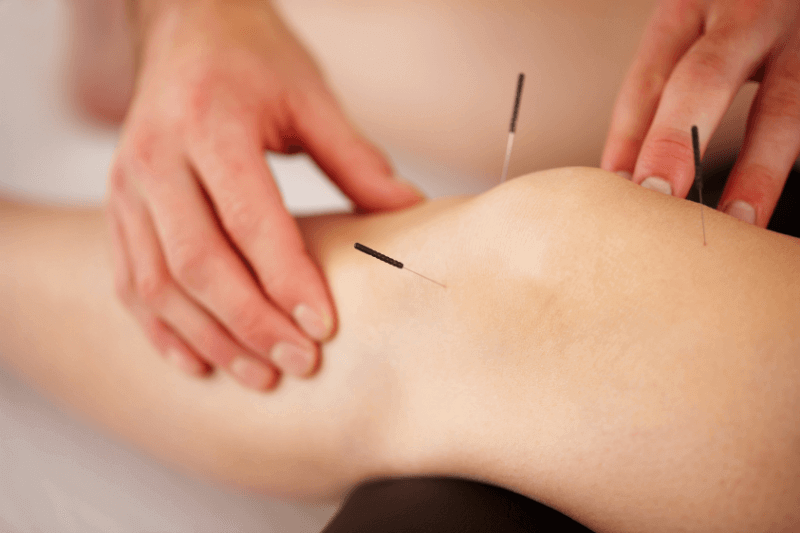
Below are common clinical ranges for adults. These are approximate since anatomy varies among individuals.
Face, Scalp, and Ears (Very Shallow)
Depth: 1–5 mm (about 1/16″ to 1/4″)
These regions sit directly over bone and contain delicate structures, so only micro-insertions are used.
Hands, Wrists, Ankles, and Feet (Shallow)
Depth: 0.25–0.5 inches
Bony surfaces, tendons, and nerves limit depth here.
Arms, Calves, and Shoulders (Medium)
Depth: 0.5–1.5 inches
More soft tissue allows moderate needle length for musculoskeletal points.
Back, Chest, and Abdomen (Medium to Deep)
Depth: 1–2 inches
In the thorax, needles are often angled to avoid lung fields.
Thighs, Hips, and Glutes (Deepest)
Depth: 2–3 inches or more
These areas contain dense muscle often associated with sciatica or hip tension.
These ranges demonstrate why a single “standard depth” does not exist.
What Determines How Deep Acupuncture Needles Go?
There is no single standard depth, because several variables influence how far a needle travels:
Body Region
Areas with minimal tissue thickness such as the face, scalp, wrists, or feet require shallow insertions, while muscular regions such as the thighs, back, or hips allow deeper work.
Tissue Density and Layers
Thin skin over bone limits depth, while thicker fascia and muscle layers require additional penetration to reach therapeutic targets.
Patient Anatomy
Age, muscle mass, body fat distribution, and sensitivity influence needle depth decisions. A muscular person may tolerate deeper insertions than someone who is very thin or sensitive.
Therapeutic Goal
Some treatments focus on surface-level regulation of Qi and microcirculation, while others aim at deep myofascial or neuromuscular structures associated with pain and tension.
Technique Style
Different systems within acupuncture use different depths:
- Scalp and auricular acupuncture are extremely shallow.
- Cosmetic acupuncture focuses on micro-insertion.
- Trigger point and dry needling-style work may target muscle bellies.
Each factor helps determine the safest and most appropriate depth for the intended effect.
What Tissues Do Acupuncture Needles Actually Reach?
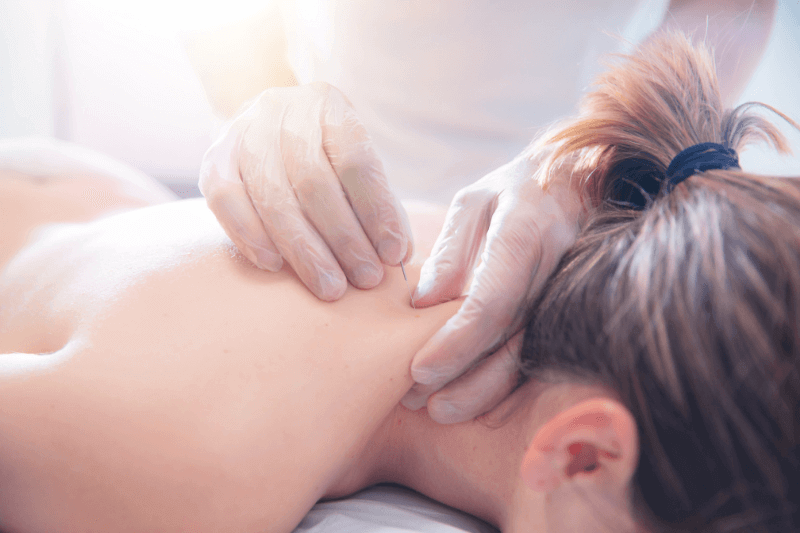
To understand depth, it helps to know what lies beneath the skin. Acupuncture needles usually pass through one or more of the following layers:
Skin
The surface contains the most sensitive nerve endings. Patients often feel a brief prick as the needle enters.
Fascia (Connective Tissue)
A thin web-like layer surrounds muscles and is a major structure in both Traditional Chinese Medicine and modern research. Many acupuncture points are located in or near fascia.
Muscle
For pain, tension, or trigger point-related conditions, muscle penetration may be required to reach the affected region.
Periosteum (Bone Surface)
The needle does not travel through bone, but sometimes reaches tissue that lies directly above it, which can create a deep, dull sensation.
Organ Field (Precaution Zone)
Trained acupuncturists take care to avoid organs. Depth, angle, and point selection prevent needles from entering sensitive areas such as the lungs or abdomen.
This layered model helps explain why depth varies so widely between body locations.
Adult vs Pediatric Depth Differences
Children generally require far shallower depths because their tissues are thinner and more sensitive. Insertions are often minimal and sometimes replaced with non-needle alternatives such as:
- Acupressure
- shonishin tools
- laser acupuncture
- micro-stim devices
The goal is to stimulate similar therapeutic pathways without discomfort.
Does Deeper Mean More Effective?
Many people assume deeper insertion equals stronger results. In practice, this is not true. Depth is matched to the layer that needs stimulation.
Traditional Chinese Medicine Perspective
Depth is chosen to access the correct “Qi layer” of the meridian system. Some points are intentionally superficial while others require deeper penetration.
Biomedical Perspective
Different tissues serve different therapeutic roles:
- superficial layers influence circulation and inflammation
- fascia influences tension and proprioception
- muscle influences pain, trigger points, and movement
Therefore, depth serves function, not intensity.
Needle Types and Technical Specifications
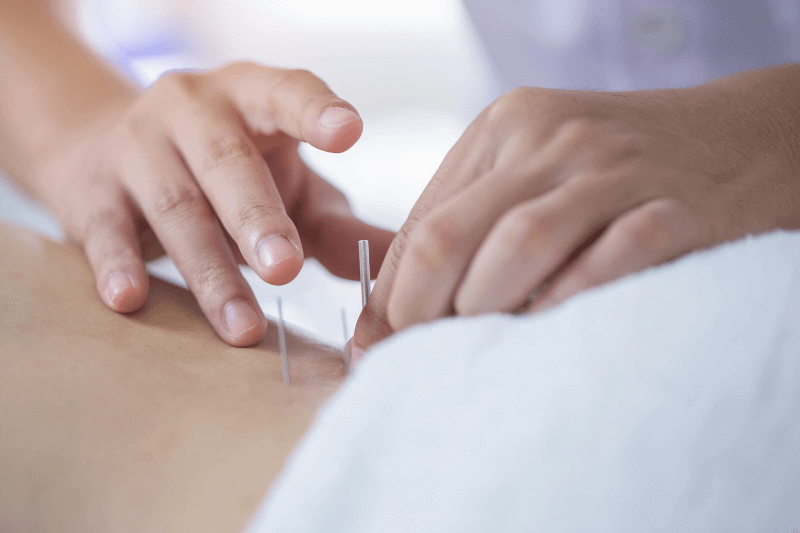
Acupuncture needles are thin, flexible, and designed for comfortable insertion.
Common characteristics include:
Length: Short needles (0.5–1 inch) are used for shallow points, while longer needles (2–3 inches) are used for muscular regions.
Diameter: Most needles range from about 0.12 to 0.35 millimeters in thickness.
Material: Stainless steel is standard for strength and flexibility.
Surface Coating: Some needles are silicone-coated to reduce friction.
Handle Styles: Handles may be metal or plastic depending on whether manual techniques or electrical stimulation are used.
These properties help ensure precise depth control.
How Depth Varies by Condition
Needle depth is not only determined by the body region, but also by the condition being treated. Different clinical goals require access to different tissue layers.
For surface-level and circulation-based conditions:
- headaches and migraines
- sinus congestion or allergies
- cosmetic and facial rejuvenation
- stress and anxiety patterns
Depth tends to be minimal because many of the target points are either on the face, scalp, or over bony structures. These insertions typically stay within 1 to 10 millimeters to influence microcirculation, local nerve endings, and autonomic pathways.
For musculoskeletal pain and tightness:
- neck and shoulder tension
- low back pain or sciatica
- hip or piriformis pain
- knee and ankle pain
- sports injuries and trigger points
Depth may increase to reach fascia or muscle tissue. Insertions often range from 10 to 70 millimeters depending on body size and muscle thickness. Releasing pain and tension in these cases often requires stimulating deep mechanoreceptors in muscle layers.
For organ-related and functional conditions:
- digestive issues such as IBS or bloating
- reproductive and menstrual concerns
- respiratory support
- sleep and stress regulation
Depth varies based on the point location. Abdominal, thoracic, or limb points are selected according to organ channel pathways. Many of these insertions are moderate in depth to reach neurovascular bundles and connective tissue that influence autonomic function.
For neurological and nerve pathway conditions:
- neuropathy
- tinnitus
- facial paralysis
- nerve entrapment syndromes
Depth is adjusted to stimulate neural pathways without contacting the nerve directly. Many of these treatments require shallow to moderate insertion with precise angulation.
For pediatric or sensitive-care conditions:
- sensory sensitivity
- needle fear
- younger age groups
- low body mass
Practitioners often reduce depth significantly or use alternatives such as acupressure, laser acupuncture, micro-stim, or pediatric tools.
For chronic versus acute conditions:
- acute pain often involves more local needling
- chronic conditions may require deeper distal points or muscle work
Depth is matched to the tissue involved and the duration of the condition.
What Does It Feel Like?
Sensation depends on the region and the target tissue. Patients may feel:
- a quick surface prick
- dull ache
- Heaviness
- tingling or spreading sensation
- mild warmth
When the intended layer is reached, practitioners often look for a response called the “de qi” sensation, which indicates appropriate stimulation. Sharp or electric pain is uncommon and should be reported so adjustments can be made.
How Practitioners Avoid Going Too Deep
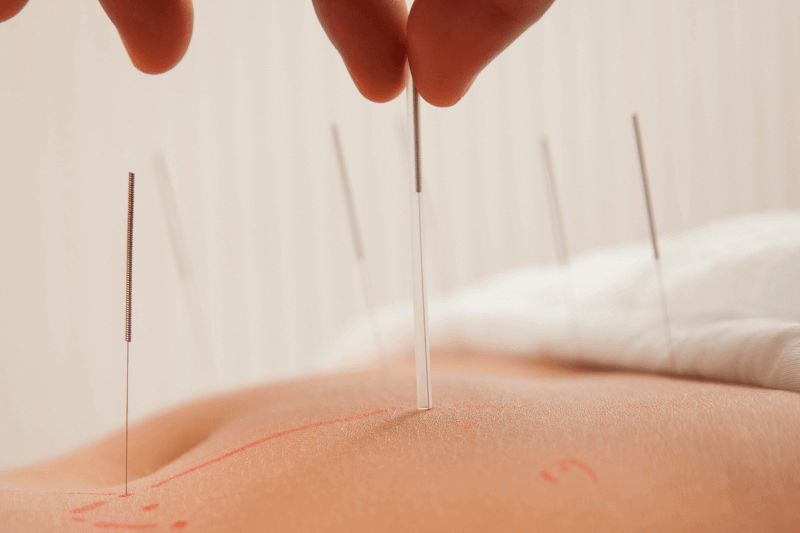
Safety is a core principle in acupuncture. Needle depth is selected with careful consideration of the surrounding anatomy and the structures that must be protected.
Important safety zones include:
- thorax (lungs)
- upper abdomen (liver and spleen in thinner individuals)
- low back (kidneys)
- cervical region (major nerves and vessels)
- wrists and ankles (nerve and vascular pathways)
To prevent complications, licensed acupuncturists use techniques such as:
- angled insertions in areas above the lungs
- palpation and identification of bony landmarks
- depth estimation based on anatomy and body habitus
- sterile single-use needles and clean technique
- patient feedback throughout the treatment
Our licensed acupuncturists at ACA Acupuncture and Wellness receive extensive training in anatomical safety and tissue depth mapping. This ensures that each needle reaches the intended therapeutic layer while maintaining a high standard of safety and comfort.
Dry Needling vs Acupuncture: Depth Differences
Dry needling is a technique commonly used by physical therapists to release muscular trigger points. It often involves deeper penetration into muscle tissue, especially in regions like the glutes or hip stabilizers, and may reach several centimeters.
Acupuncture can also reach these depths when treating musculoskeletal pain, but acupuncture additionally includes superficial systems, organ-related points, and meridian theory. The two techniques serve different clinical purposes and use depth differently.
Cosmetic and Facial Acupuncture
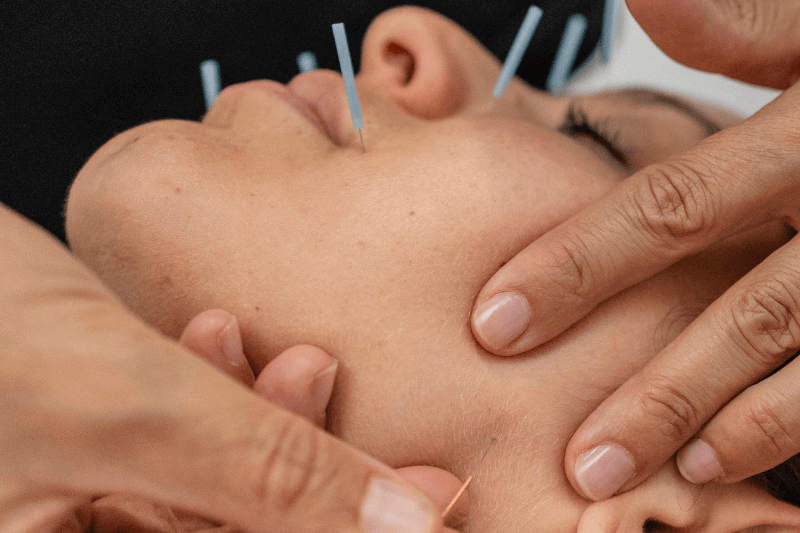
Cosmetic acupuncture uses extremely shallow insertions, typically in the 1–2 mm range. The goal is to improve microcirculation and skin function rather than reach deep tissues. Because the face contains many nerves and sits directly over bone, depth is intentionally minimal and controlled.
Evidence and Clinical Guidelines
Clinical studies and international guidelines describe safe depth ranges and emphasize anatomical precautions. Research highlights that effective needling may occur at superficial or deep levels depending on the condition being treated. This supports the clinical principle that depth matches function rather than intensity.
Contraindications and When Depth May Be Modified
Depth may be reduced or modified for individuals with:
- bleeding disorders
- use of anticoagulant medications
- Neuropathy
- pregnancy (certain point restrictions)
- low body mass
- high needle sensitivity
- severe anxiety or needle aversion
Practitioners adjust techniques to ensure comfort and safety in these cases.
Frequently Asked Questions
Who should not get acupuncture?
Most people can receive acupuncture, but practitioners will screen for contraindications before treatment. At ACA Acupuncture and Wellness, our licensed acupuncturists review medical history, medications, and current symptoms to determine if treatment is appropriate. Certain conditions may require modifications rather than outright avoidance, such as bleeding disorders, anticoagulant use, or pregnancy. In some cases, non-needle alternatives like acupressure or micro-stimulation can be offered for sensitive populations. The goal is to ensure that each treatment is both safe and beneficial based on the individual’s health status.
Do acupuncture needles go into muscle?
Sometimes. In musculoskeletal treatments, needles may enter muscle layers to release tension or activate trigger points. This approach is common for conditions such as neck pain, back pain, sciatica, and sports-related injuries. Whether muscle penetration is used depends on the condition being treated and the target tissue.
Can acupuncture needles hit nerves?
Licensed practitioners avoid major nerves during treatment. Mild tingling or a spreading sensation can be normal when sensory pathways are stimulated. Sharp, electric, or shooting sensations are not expected and can be adjusted immediately. Anatomical knowledge, palpation, and patient feedback help ensure that treatment remains both safe and comfortable.
Can needles puncture organs?
Organ injury is extremely rare when acupuncture is performed by trained professionals. Depth, angle, and point selection are adjusted to avoid sensitive regions such as the lungs and abdomen. Anatomical screening ensures that needles remain within safe tissue layers. Reported complications are exceedingly uncommon in regulated clinical environments and are usually associated with untrained or unlicensed providers. Patients who are anxious about certain areas can request lighter techniques or different needle locations.
How long do needles stay in?
Most needles are retained for 15 to 30 minutes per session. Retention time allows tissues to respond to stimulation and does not depend on needle depth. Some sessions may involve shorter retention periods for children or sensitive patients. Others may involve longer retention periods when treating chronic pain or stress-related conditions.
How many needles are used per session?
The number varies widely depending on the treatment goals, but many sessions use between 6 and 20 needles. Some conditions may require fewer or more based on individual needs. Treatments for musculoskeletal pain may involve multiple local and distal points. Treatments for stress or internal conditions may use fewer points with longer retention.
Is acupuncture similar to dry needling?
Both techniques use thin solid needles, but dry needling primarily targets muscular trigger points and often uses deeper penetration into muscle tissue. Acupuncture works with a wider range of systems including musculoskeletal, neurological, hormonal, and internal organ functions. Dry needling is often used for localized pain conditions. Acupuncture is applied to a broader spectrum of conditions involving pain, stress, digestion, sleep, and reproductive health.
Is acupuncture safe for children?
Yes when performed by trained professionals. Pediatric treatments often use shallower depths or non-needle techniques such as acupressure, laser stimulation, or micro-tools to ensure comfort. Children typically respond quickly to treatment due to their sensitivity and tissue responsiveness. Session length and needle count are also reduced to improve comfort and cooperation.
Can you request shallower needles?
Yes. Practitioners can adjust depth and technique to match comfort level, sensitivity, and clinical goals. Some patients prefer lighter styles for anxiety, cosmetic purposes, or first-time sessions. Depth modification does not reduce safety and often improves overall treatment experience.
Holistic Care with Trained Practitioners
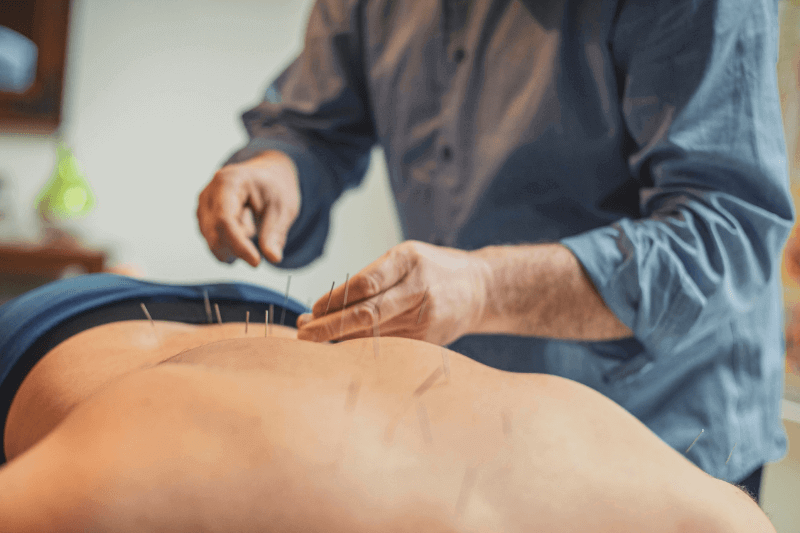
We provide acupuncture treatments performed by licensed practitioners who are trained in anatomy, safety protocols, and evidence-informed techniques. Each session is individualized so that needle depth, technique, and retention time match the patient’s comfort, condition, and health history to support both safety and therapeutic benefit.
At ACA Acupuncture and Wellness, we also offer a variety of holistic therapies that support recovery, relaxation, and overall wellness, including TuiNa massage, Chinese herbal medicine, cupping therapy, physiotherapy treatment, facial acupuncture, moxibustion, reflexology, ear seeding, and use of our thermal therapy room. These therapies can be integrated within a plan of care or provided on their own depending on patient goals.
To learn more about our treatment options or book a session, contact us to speak with a member of our care team.
Sources:
Lin, J.-G., Chou, P.-C., & Chu, H.-Y. (2013). An exploration of the needling depth in acupuncture: The safe needling depth and the needling depth of clinical efficacy. Evidence-Based Complementary and Alternative Medicine, 2013, Article 740508
Lee, I.-S., Lee, S., Moon, H., Yoan, D.-E., & Chae, Y. (2024). A deeper understanding of acupoints: Are superficial landmarks enough? Integrative Medicine Research, 13(4), 101091.
Recent Comments