

Last Updated Date: December 04, 2025
Life in New York never seems to slow down, and with all the demands of work, travel, and stress, it’s no wonder people are seeking more holistic ways to care for their health. Cupping therapy has gained a strong following among those looking for relief from muscle tension, chronic pain, and the mental fatigue that often comes with a fast-paced lifestyle. For many, this ancient therapy isn’t just about healing; it’s about reclaiming a sense of balance in a city that never stops moving.
If you’re considering cupping therapy, one of the first things to think about is how much it might cost. The average cost of cupping therapy in New York ranges from $50 to $150 per session. Prices can vary depending on the practitioner’s experience, the type of cupping therapy used (dry, wet, or fire cupping), and the clinic’s location. In some high-end clinics, sessions may exceed $150, especially when paired with complementary treatments like acupuncture or massage. While costs differ, many find the long-term benefits of this ancient practice well worth the investment, providing relief from both physical discomfort and emotional stress in our modern lives.
Key Takeaways
-
Cupping therapy in New York typically costs between $50 and $150, with higher prices in premium clinics or when combined with other services like acupuncture or massage.
-
Treatment type and therapist expertise significantly impact cupping costs, with dry cupping usually more affordable than fire or wet cupping options.
-
Each session often includes a full consultation and post-treatment care, ensuring that therapy is tailored to your specific condition and recovery needs.
-
People managing chronic pain, stress, or athletic recovery may benefit most, as cupping therapy promotes circulation, healing, and long-term relief.
-
Multiple sessions may be needed depending on your condition, with some individuals finding relief in just one visit while others require ongoing care for lasting results.
A Guide to Cupping Therapy Costs in NYC
Cupping therapy costs in New York City depend on a few key factors, mainly the therapist’s experience, clinic location, and the type of cupping used. Sessions typically fall between $50 and $150, with higher prices in premium clinics or when paired with additional treatments.
Prices can shift based on:
- Practitioner expertise: seasoned therapists often charge more for their training and precision.
- Clinic location: areas with higher operating costs tend to have higher session rates.
- Cupping type: dry cupping is usually more affordable, while fire or wet cupping may cost more.
- Combined therapies: adding acupuncture or massage can increase the final price.
For more details on pricing and treatment options, including acupuncture services, you can explore the cost breakdown here from our clinic at ACA Acupuncture and Wellness.
What’s Included in a Cupping Therapy Session: What You Need to Know
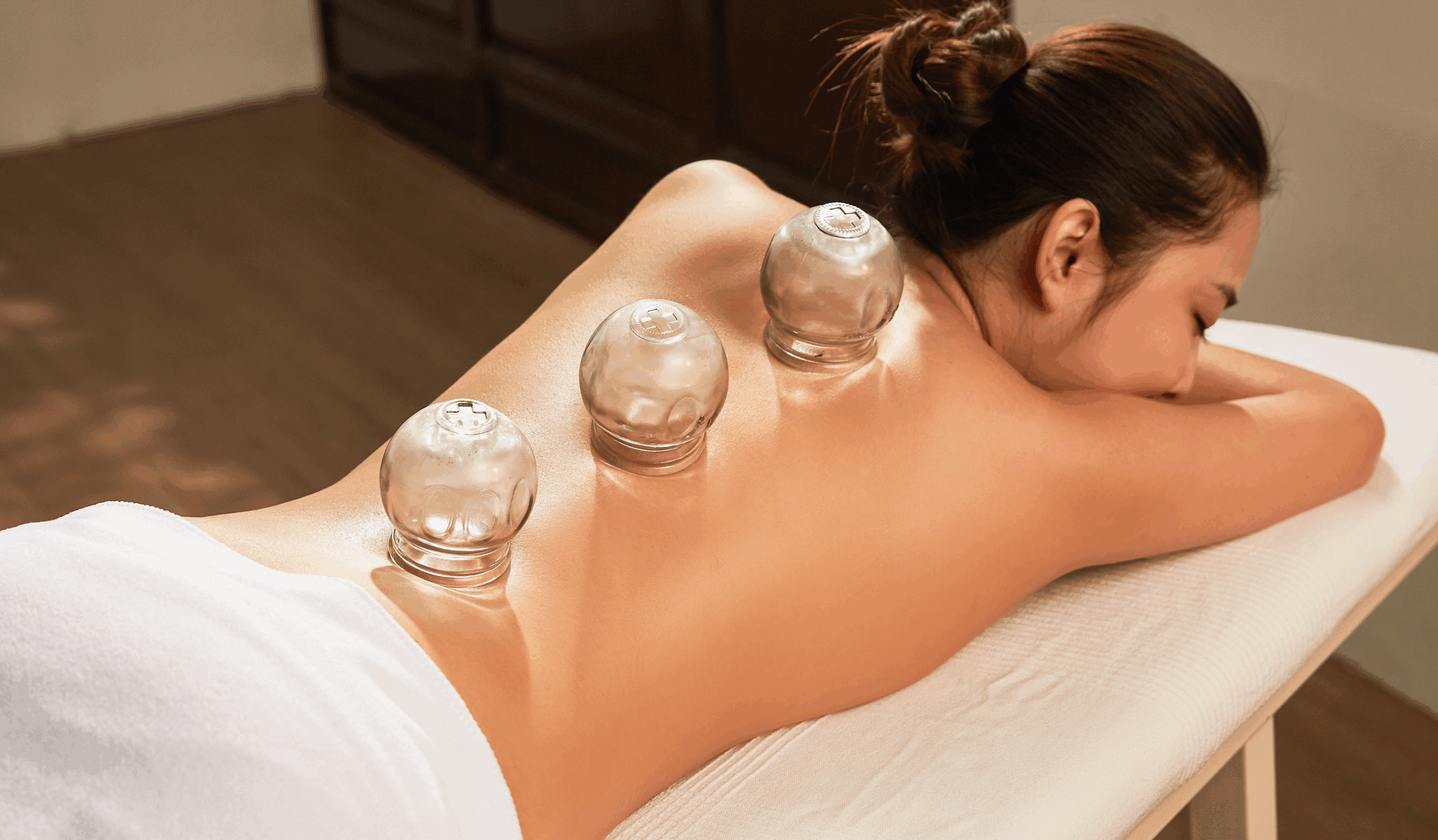
Comprehensive Consultation Before Treatment
Every cupping session begins with a personalized consultation. Our practitioner reviews your concerns, whether it’s chronic pain, muscle tightness, or stress, so the treatment can be tailored to your condition. This step ensures that the right cupping points and techniques are selected for the most effective results.
Customized Treatment With Optional Add-On Therapies
Once your needs are assessed, cups are placed on targeted areas to improve circulation and release tension. Sessions may also include complementary therapies such as acupuncture or massage to enhance the overall effect. This combined approach helps deepen relaxation and support faster recovery.
Targeted Cupping Points for Your Specific Concerns
Cupping can be applied to different areas depending on what you’re experiencing, from back and neck tension to facial cupping for skin health. Our therapists choose each cupping point with intention, ensuring the treatment supports your unique goals and offers meaningful relief.
Post-Care Guidance for Better Results
After the session, you’ll receive simple aftercare recommendations like staying hydrated and doing light stretches. These steps help maintain the benefits of the treatment and make future sessions more effective. Proper post-care also supports long-term improvement and reduces the need for frequent treatments.
Who Can Benefit from Cupping Therapy
Cupping therapy offers a wide range of benefits for individuals dealing with both physical discomfort and emotional stress. Its versatility makes it a highly effective treatment for people seeking holistic healing and relief. Here’s how it can be especially beneficial to different individuals:
Individuals with Chronic Pain
Cupping provides relief for those struggling with ongoing pain, whether it’s back pain, joint stiffness, or muscle tension. By targeting problem areas directly, it helps reduce inflammation and alleviate discomfort, offering long-term pain management.
Athletes and Active Individuals
For those who push their bodies through intense physical activity, cupping helps speed up muscle recovery, improve flexibility, and reduce the risk of injury. It promotes better circulation and relieves soreness, making it a popular therapy among athletes and fitness enthusiasts.
People Managing Long-Term Conditions
Individuals coping with conditions like migraines, digestive issues, or muscle disorders can benefit from cupping therapy’s ability to improve circulation and stimulate the body’s natural healing processes. It provides a complementary treatment that can enhance overall well-being.
Those Seeking Stress Relief
Cupping is often used to relieve tension stored in the body, making it a calming therapy for people dealing with stress or anxiety. The soothing effect of cupping helps to release tightness and promote relaxation, encouraging emotional balance and mental clarity.
Individuals Focused on Wellness and Prevention
Even without specific health concerns, cupping can be a great addition to a wellness routine. Regular treatments support detoxification, enhance circulation, and improve energy flow, helping to maintain overall vitality and well-being.
Cupping therapy provides a deeply restorative way to support both your physical and emotional well-being. Whether you’re seeking relief from chronic pain, easing stress, or maintaining your overall health, it offers a nurturing approach that promotes long-term balance and vitality.
How Often Should You Schedule Cupping Therapy for Best Results?
The ideal cupping therapy schedule depends on your goals and how your body responds to treatment. Many people start with more frequent sessions and gradually reduce the frequency as symptoms improve.
Here’s a quick guide to help determine what works best:
- Chronic pain or deep muscle tension: weekly or biweekly sessions at the start.
- Maintenance care: once every month once symptoms lessen.
- Stress relief or general wellness: every few months is usually enough.
- Athletes and active individuals: schedule based on training intensity or recovery needs.
Even with varying costs, many find that cupping offers long-term relief, making it a worthwhile addition to their wellness routine.
Is Cupping Therapy Worth the Price? Does it Really Work?
When considering whether cupping therapy is worth the investment, it’s essential to look at the available evidence. Several studies support the effectiveness of cupping therapy, particularly in treating pain-related conditions. For example, a 2012 systematic review published in PLOS ONE analyzed 135 randomized controlled trials (RCTs), highlighting that cupping therapy provided significant relief for chronic pain, including neck and lower back pain, herpes zoster, and facial paralysis. This research emphasizes that cupping, particularly when combined with other treatments, often yields better results than conventional approaches alone.
In addition to this comprehensive review, several other studies have reinforced the efficacy of cupping therapy across a range of conditions:
Supporting Research
1. Pain Management:
Cupping therapy has been recognized for its ability to reduce pain, especially in cases of chronic musculoskeletal discomfort such as lower back and neck pain. By promoting better blood flow and releasing muscle tightness, it serves as an effective non-invasive method for those looking to manage pain without relying on medication. Many individuals have reported significant improvements after incorporating cupping into their treatment routine.
2. Neck Pain
Findings from a study available on PubMed Central highlighted the potential of cupping therapy for treating chronic neck pain. Patients who received cupping therapy experienced a marked reduction in pain and a noticeable improvement in their range of motion. Compared to conventional treatments, cupping offered enhanced pain relief and mobility, making it a promising option for those dealing with persistent neck discomfort.
3. Osteoarthritis
A study on PubMed Central investigated the use of cupping therapy for knee osteoarthritis. The results showed that patients experienced significant pain reduction and improved joint mobility following the treatment. Participants also reported a decreased reliance on pain medications, pointing to cupping as a helpful complementary therapy. The research highlights notable improvements in mobility and quality of life for those managing osteoarthritis.
4. Low Back Pain
Research published in 2023 examined the effectiveness of cupping therapy for individuals suffering from chronic lower back pain. The findings revealed significant improvements in both pain relief and functional mobility in those who underwent cupping compared to conventional treatment groups, suggesting that cupping therapy may offer a valuable alternative for managing chronic pain.
5. Migraine Relief
A study available on PubMed Central investigated the impact of cupping therapy on individuals suffering from migraines. The results demonstrated that patients who received cupping therapy experienced a significant reduction in both the frequency and severity of their migraine episodes compared to those receiving conventional treatment. This highlights cupping therapy as a promising alternative for migraine management.
These studies demonstrate that cupping therapy offers measurable benefits across a range of conditions, making it a worthwhile consideration for those seeking long-term pain relief and wellness improvements.
How Many Sessions Are Typically Required?
The number of cupping therapy sessions needed varies based on individual health goals and the specific conditions being treated. Some clients experience significant relief after just one or two sessions, especially for acute issues like recent muscle tension or minor injuries. However, for chronic conditions such as long-term back pain or persistent stress, a more extended treatment plan might be beneficial.
At ACA Acupuncture and Wellness, our practitioners assess each client’s unique needs to develop a personalized treatment plan. We focus on tailoring the frequency and number of sessions to ensure optimal results without unnecessary treatments or costs. Open communication with our therapists allows us to adjust your plan as your symptoms improve, ensuring you receive the most effective care.
How Long Do Cupping Therapy Sessions Last?
Our cupping therapy sessions typically run 15 to 60 minutes, depending on your needs and whether the treatment is paired with other services. Each visit begins with a brief consultation so our practitioners can understand your symptoms and goals, allowing us to tailor the session to what your body requires.
Session length varies based on:
- Treatment complexity: deeper or more targeted work may take longer.
- Combined therapies: adding acupuncture or massage extends the session.
- Individual needs: some clients benefit from shorter, focused treatments.
Even with its short duration, many find our cupping sessions deeply calming and easy to fit into a busy New York schedule.
Maximizing Benefits and Cutting Costs of Cupping Therapy
Cupping therapy can be an effective way to support your health, and there are ways to make it more affordable. Here are a few strategies to help you save money while maximizing the benefits:
- Look for Package Deals: Booking multiple sessions at once can often lower the overall cost per session, helping you stay consistent with treatments.
- Check for Seasonal Promotions: Occasionally, clinics may offer discounts during certain times of the year, providing an opportunity to save on treatments.
- Combine Treatments: If you’re receiving other holistic therapies, combining them with cupping in one session can maximize the benefits and help reduce costs over time.
These tips can help you make cupping therapy more accessible and cost-effective while still achieving long-term wellness goals. For more information or to explore your options, feel free to contact us at ACA Acupuncture and Wellness.
Finding the Best Cupping Therapy Clinic for Your Needs in NYC

Choosing the right cupping therapy clinic in New York can be simplified by focusing on your specific needs, such as pain relief, stress management, or recovery. At ACA Acupuncture and Wellness, our practitioners are dedicated to creating personalized treatment plans tailored to each individual’s health goals.
Booking a consultation with one of our acupuncturists allows you to discuss your concerns in detail and better understand how cupping therapy can benefit you.
FAQs
How much does cupping therapy usually cost?
Cupping therapy typically ranges from $50 to $150 per session, depending on the practitioner’s experience, location, and cupping style. Premium clinics or sessions combined with acupuncture or massage may cost more. Most clients find the investment worthwhile because the relief is often noticeable even after a single treatment.
What is the value of cupping therapy?
Cupping offers value by improving circulation, reducing muscle tension, and promoting faster healing. Many clients experience both physical and emotional benefits, including less stress and greater relaxation. The long-term relief and improved wellbeing make it a meaningful addition to holistic health routines.
How often should cupping therapy be done?
The ideal frequency depends on your goals, but weekly or biweekly sessions are common for chronic pain. As symptoms improve, monthly maintenance sessions are usually enough. For general wellness, many clients come every few months to support balance and stress relief.
Where do the toxins go after cupping?
Cupping helps stimulate circulation and lymphatic flow, which supports the body’s natural detoxification processes. The “toxins” are processed through normal pathways like the liver, kidneys, and lymphatic system. This increased circulation is what helps you feel lighter and more relaxed afterward.
How many days should I rest after cupping?
Most people only need 24 to 48 hours of light rest to let the body recover. It’s best to avoid strenuous workouts, alcohol, and hot showers during this period. Gentle stretching and hydration can help your body recover more comfortably.
Is cupping good for inflammation?
Yes, cupping is often used to reduce inflammation by improving blood flow and easing muscle tension. Many clients with conditions like back pain, neck pain, and joint stiffness experience relief after treatment. Its soothing effect on tight tissues makes it a valuable option for managing inflammatory discomfort.
Recent Comments