

Kidney stones are notorious for causing some of the most intense pain a person can experience. The discomfort often extends beyond the kidneys, affecting the urinary bladder and creating restless days and sleepless nights. Finding relief is crucial, and natural methods that work with the body’s own healing processes are gaining attention for their gentle yet effective approach.
In the search for lasting pain relief and improved urinary health, many have discovered acupuncture’s powerful role. This ancient practice does more than just ease pain; it supports the body’s balance and encourages natural recovery. By exploring how acupuncture can help with kidney stones, new options arise for those seeking alternatives to conventional treatments.
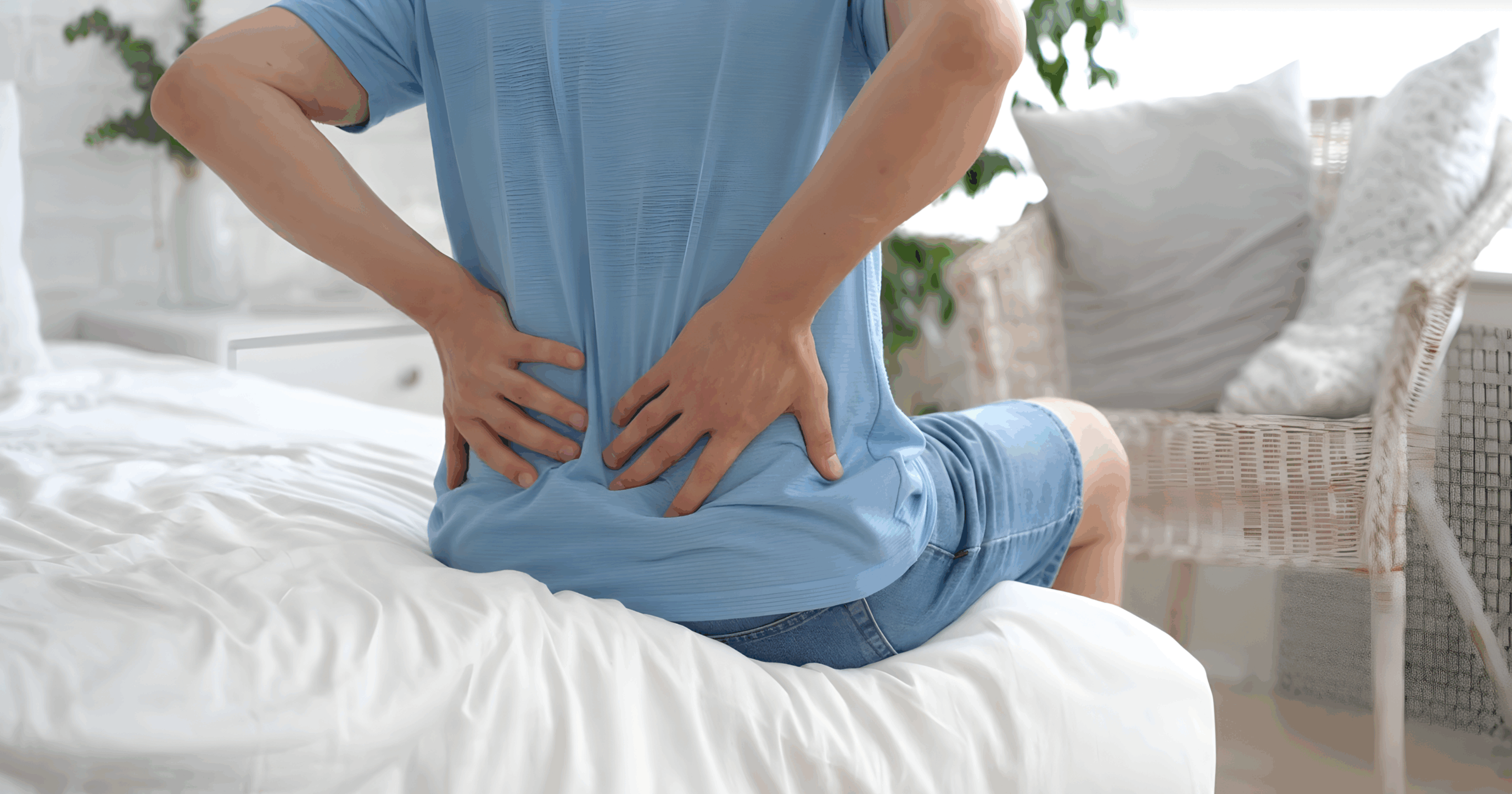
Kidney stones are notorious for causing some of the most intense pain a person can experience. The discomfort often extends beyond the kidneys, affecting the urinary bladder and creating restless days and sleepless nights. Finding relief is crucial, and natural methods that work with the body’s own healing processes are gaining attention for their gentle yet effective approach.
In the search for lasting pain relief and improved urinary health, many have discovered acupuncture’s powerful role. This ancient practice does more than just ease pain; it supports the body’s balance and encourages natural recovery. By exploring how acupuncture can help with kidney stones, new options arise for those seeking alternatives to conventional treatments.
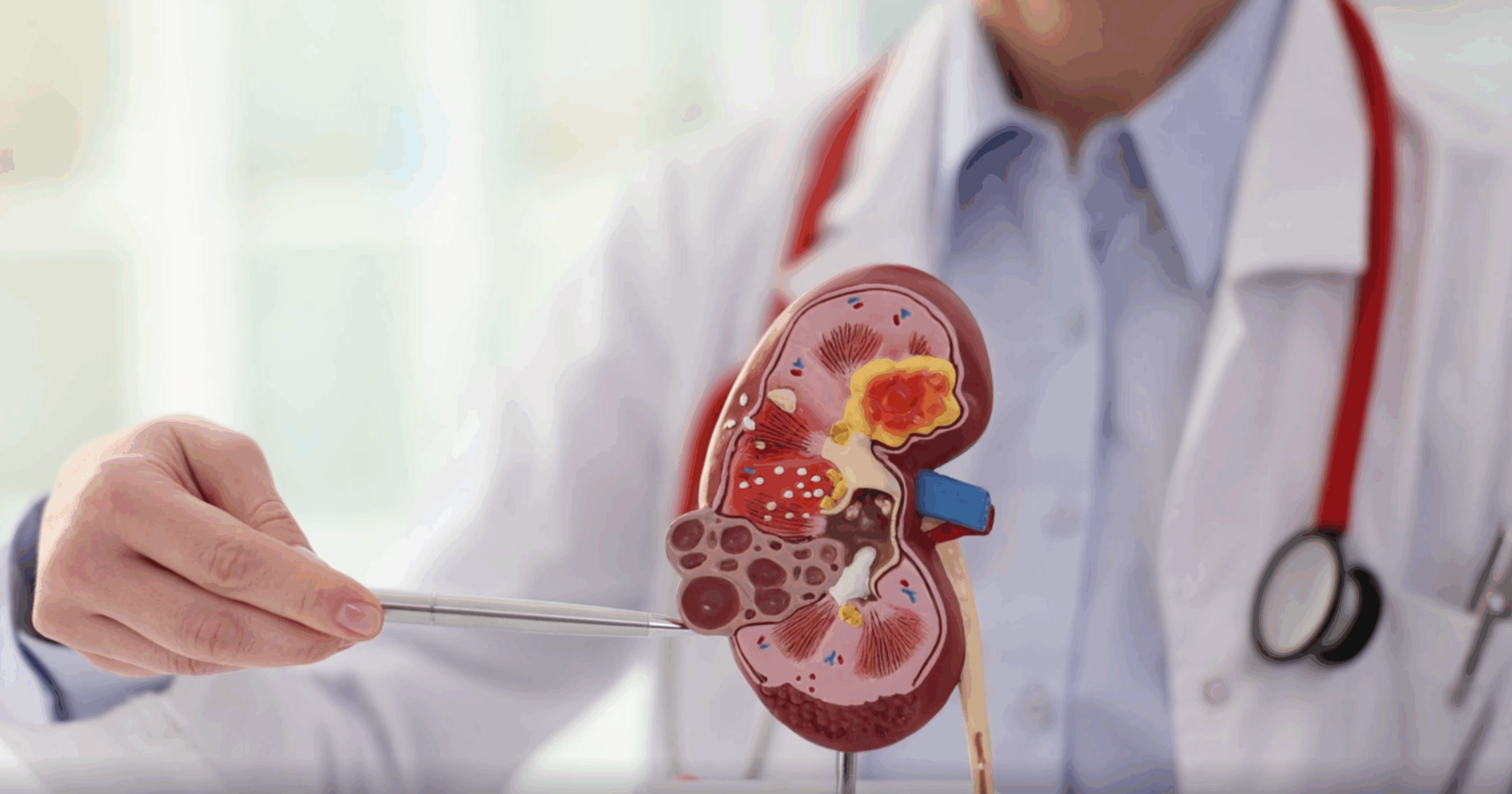
Kidney stones are solid masses of crystals that form inside the kidneys when substances like calcium, oxalate, and uric acid become highly concentrated in the urine. These stones vary in size from tiny grains to larger, more obstructive shapes that can block the urinary tract. Their presence often triggers sharp, severe pain as they move through the urinary system.
Kidney stones develop when certain substances in the urine become too concentrated and form crystals. Various factors contribute to this process, increasing the likelihood of stone formation. Understanding these causes and risks can help individuals take proactive steps to protect their kidney health.
Key causes and risk factors include:
Different types of kidney stones require specific attention since their composition affects treatment and prevention strategies. The common types are:
Pain from kidney stones can be incredibly intense, often described as one of the most severe types of pain a person can endure. This pain usually occurs in waves, fluctuating as the stone moves through the urinary tract. The discomfort frequently starts in the flank area and radiates toward the lower abdomen and groin, signaling that the stone is shifting position.
In addition to pain, several other symptoms commonly accompany kidney stones:
These symptoms highlight the urgent need for the body to expel the stone and the significant distress it causes during the process.
Doctors usually prescribe pain medications like nonsteroidal anti-inflammatory drugs (NSAIDs) or opioids to manage kidney stone pain. While effective for short-term relief, these drugs can cause side effects such as stomach irritation, dependency risks, and reduced kidney function. Over-reliance on medication does not address the root cause of stone formation or long-term wellness.
When kidney stones are too large to pass naturally, procedures like lithotripsy, ureteroscopy, or percutaneous nephrolithotomy may be necessary. Although these techniques often provide immediate relief, they carry risks like bleeding, infection, and damage to surrounding tissues. Recovery can be painful, and stones may recur, necessitating ongoing treatment.
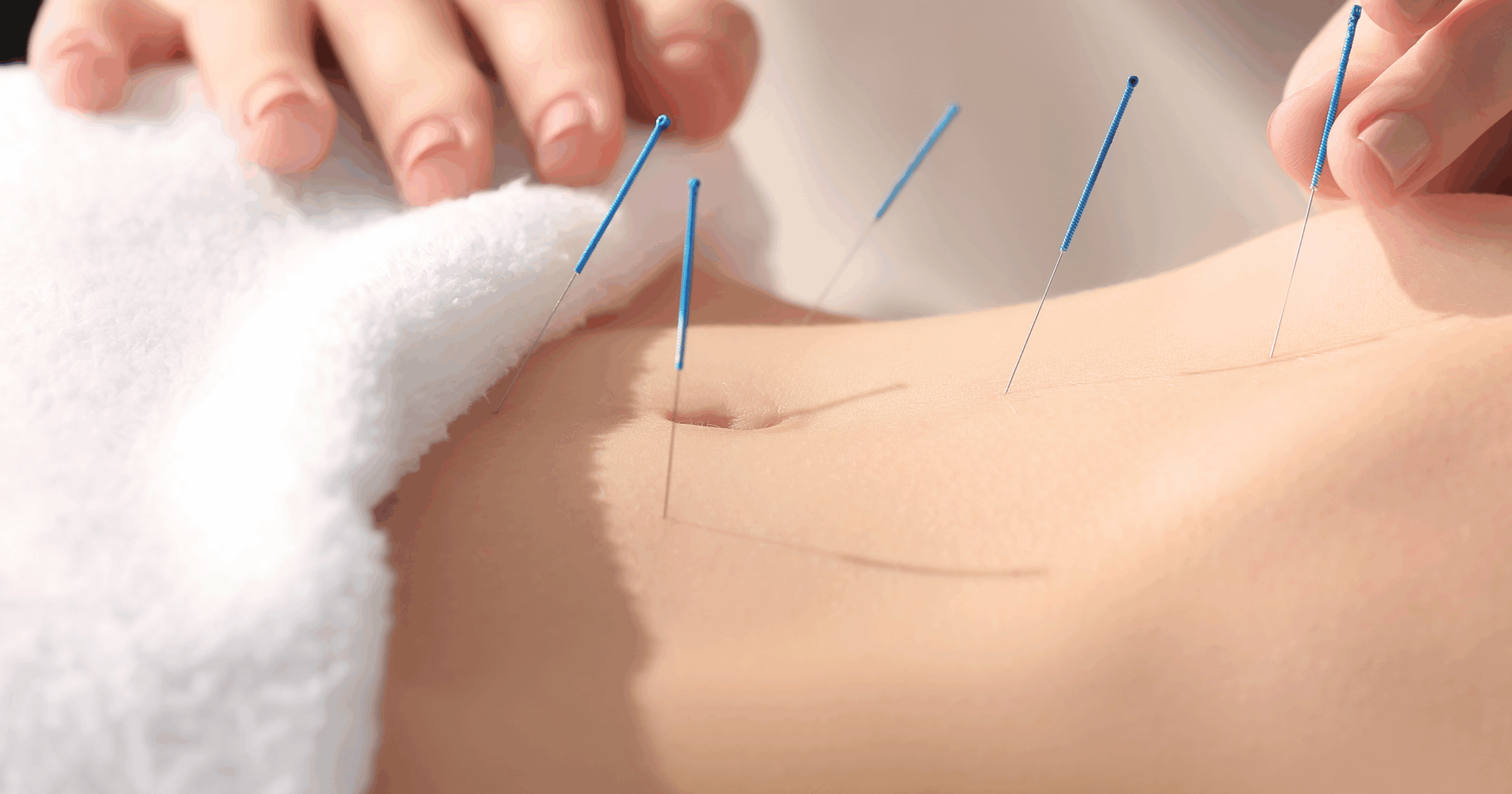
Acupuncture is a holistic healing method rooted in thousands of years of Traditional Chinese Medicine. It aims to balance the body’s life force, known as qi, by stimulating specific points along energy pathways called meridians. This balance helps to restore normal function and promote self-healing.
Needles inserted at precise points trigger the release of endorphins and other neurochemicals that reduce pain perception. This stimulation also improves blood flow, relaxes muscles, and calms the nervous system, contributing to comprehensive pain relief. Unlike pharmaceuticals, acupuncture engages the body’s innate healing responses without harmful side effects.
Targeting the right acupuncture points plays a crucial role in effectively treating kidney stone pain and easing urinary bladder discomfort. These points help stimulate the body’s healing energies and provide relief by addressing imbalances related to kidney and bladder function.
Some of the key acupuncture points commonly used include:
By focusing on these specific points, acupuncture can promote better circulation, decrease inflammation, and reduce the intensity of pain associated with kidney stones.
Research continues to affirm acupuncture’s effectiveness in managing kidney stone pain and improving urinary function. Clinical studies have shown that acupuncture can reduce pain more quickly than some pain medications, providing relief in emergency settings. It stimulates nerve pathways that alter pain signaling and promote faster recovery from acute episodes.
In addition, acupuncture has been found to complement existing treatments like extracorporeal shock wave lithotripsy (ESWL). A notable study by Hodzic et al. (2008) demonstrated that acupuncture can serve as a viable alternative to intravenous analgesia during ESWL procedures. Patients treated with acupuncture reported less discomfort and experienced faster stone passage compared to those receiving standard pain medications. These findings underscore acupuncture’s growing role as a valuable supportive therapy in kidney stone management.
Acupuncture activates the body’s nervous system to release natural painkillers, such as endorphins and enkephalins. These substances modulate pain signals before they reach the brain, effectively dulling the sensation. This process helps to reduce both acute and chronic pain associated with kidney stones.
Beyond pain control, acupuncture exhibits mild anesthetic properties that calm irritated tissues in the kidneys and urinary bladder. It also helps suppress inflammatory cytokines that worsen pain and swelling. This dual action not only alleviates discomfort but encourages tissue repair and improved organ function.
By enhancing kidney function and promoting better urine flow, acupuncture may help prevent future stone formation. It supports the body’s ability to balance minerals and flush out excess substances that crystallize into stones. This protective effect adds a valuable layer to long-term urinary health maintenance.
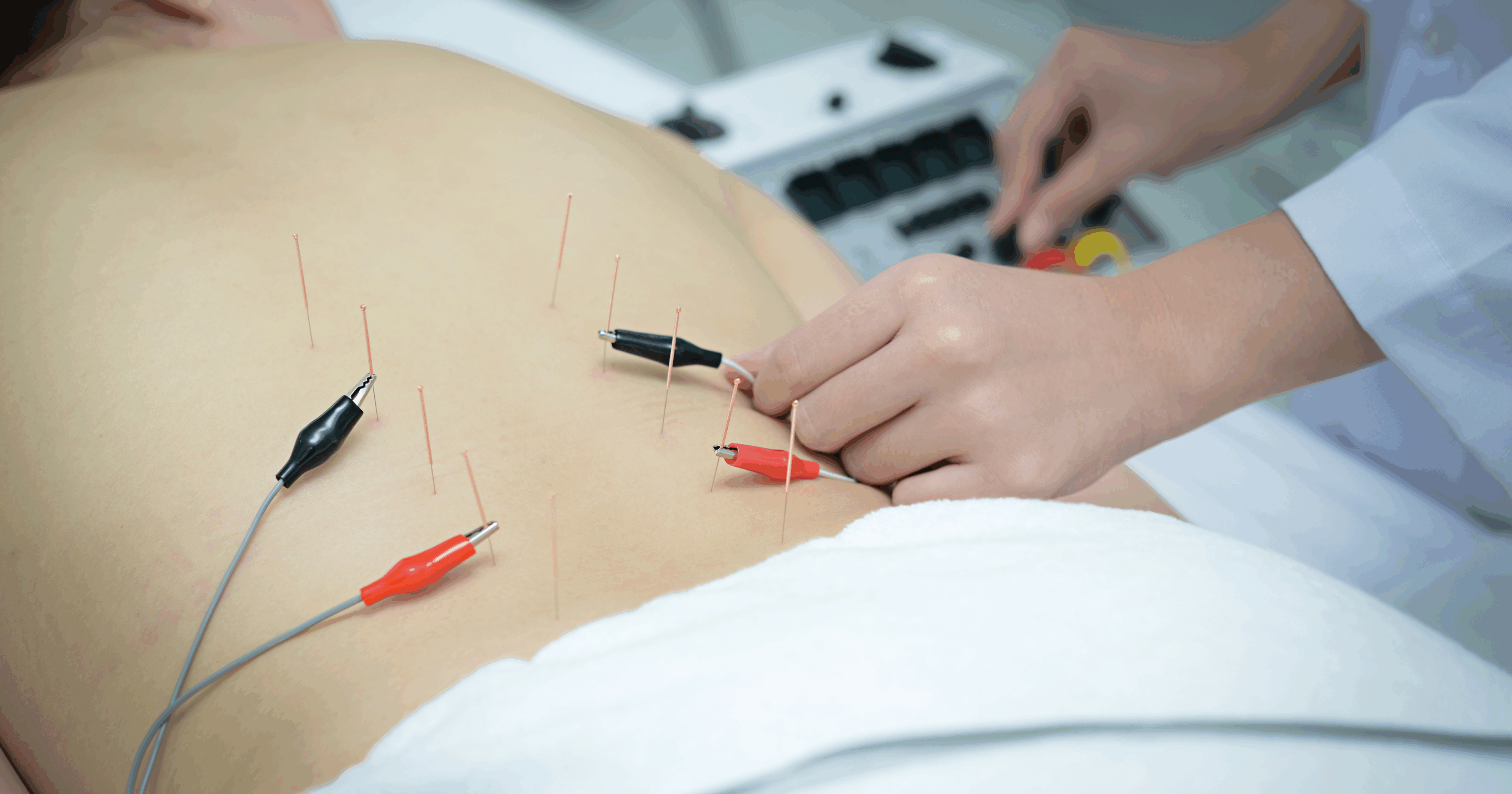
Treatment typically starts with 1 to 2 sessions per week, gradually reducing as symptoms improve. A full course may span several weeks, adapted based on the patient’s response and stone severity. Consistency helps sustain pain relief and strengthens kidney function over time.
Acupuncture employs various specialized techniques to address different patient needs and symptom intensities. Each method targets pain and healing in unique ways, enhancing overall treatment effectiveness.
By selecting the right technique or a combination, treatment can be precisely tailored to the patient’s condition and response.
Combining acupuncture with Chinese herbal formulas enhances healing and stone dissolution. Herbal blends address underlying imbalances contributing to stone formation and urinary irritation. Lifestyle advice about hydration, diet, and stress management rounds out the holistic treatment approach.
Acupuncture is generally safe when performed by our licensed practitioners, with minimal side effects. Patients often report a sense of relaxation and gradual relief rather than sudden changes. This gentle process fosters confidence and encourages active involvement in health restoration.
Selecting an acupuncturist skilled in kidney and urinary treatments ensures effective care. Look for our practitioners with certifications and a background in urological conditions to receive targeted therapy. Experience with complex cases increases the likelihood of positive outcomes.
Initial sessions include detailed health assessments and pulse diagnosis to personalize needle placement. Treatments may last 30 to 60 minutes, during which needles are gently inserted and left in place while the patient relaxes. Follow-up incorporates progress monitoring and adjustments as needed.

Certain herbal remedies complement acupuncture by targeting stone formation and urinary tract health. Supplements like magnesium, vitamin B6, and antioxidants aid in reducing stone risk. Always consult a qualified healthcare provider before starting new supplements.
Diet plays a critical role in preventing kidney stones. Increasing water intake, reducing sodium, and limiting high-oxalate foods such as spinach and nuts can minimize stone formation. Balanced nutrition supports overall kidney function and enhances acupuncture effects.
Regular exercise promotes healthy circulation and metabolic balance helpful in stone prevention. Managing weight and avoiding excessive animal protein further protect kidney health. Stress reduction techniques support the body’s ability to maintain urinary tract balance.
Acupuncture offers a promising natural route to manage kidney stones and associated urinary pain without the downsides of conventional drugs. By working through the body’s own healing systems, it addresses pain and fosters long-term urinary health.
At ACA Acupuncture & Wellness, we believe in empowering our patients with these effective, time-honored therapies to support their journey toward recovery and wellness. Our approach integrates acupuncture with lifestyle guidance to provide comprehensive care that honors both tradition and modern understanding.
Source:
Hodzic, J., Zey, S., Golka, K., Selinski, S., Pourvali, H., & Sommerfeld, H. J. (2008). Acupuncture as an alternative to iv-analgesia in extracorporeal shock wave lithotripsy in kidney stones. The Journal of Urology, 179(4S), 497-498.
Yes, acupuncture has been shown to effectively relieve pain caused by kidney stones. Clinical studies found that acupuncture can reduce pain faster and with fewer side effects than some conventional pain medications. It works by stimulating specific points to release natural painkillers and reduce inflammation.
Bladder pain from kidney stones can be eased with acupuncture techniques that target bladder meridian points to relax muscles and reduce inflammation. Drinking plenty of water to flush out irritants and using warm compresses can also help alleviate discomfort. Consulting our qualified acupuncturist can personalize treatment for optimal relief.
The primary acupuncture point for kidney health is Kidney 3 (Taixi), located on the inside of the ankle, just behind the medial malleolus. Stimulating this point supports kidney function and helps regulate urinary issues. Other kidney-related points along the kidney meridian may also be used depending on the symptoms.
For instant relief, acupuncture applied at specific points can quickly reduce pain and muscle spasms caused by kidney stones. Over-the-counter pain medications and hydration remain important for managing acute symptoms. Combining acupuncture with conventional pain relief can speed recovery and reduce medication reliance.
Acupuncture supports kidney function by improving blood flow, reducing inflammation, and balancing the body’s energy pathways associated with the kidneys. Research shows that acupuncture can enhance urinary health and may help prevent stone formation through these mechanisms. It is a recognized adjunct therapy for kidney-related conditions in traditional and modern medicine.
Yes, acupuncture can effectively reduce bladder pain by relaxing the surrounding muscles and reducing inflammation in the urinary tract. Points along the Bladder meridian are commonly used to address bladder discomfort and promote better urinary function. Many patients find that acupuncture provides gentle yet lasting relief from urinary pain and urgency without the side effects of medication.
LOCATIONS
MANHATTAN
QUEENS
NEW JERSEY
CALIFORNIA

The over $4 billion US acupuncture market offers a great opportunity with over 10% annual growth rates and a continuing flow of new patients interested in the benefits of acupuncture.
