
Common types of massage include Swedish, deep tissue, Tuina, sports, Thai, Shiatsu, hot stone, and prenatal massage. They differ in their use of pressure, strokes, stretching, heat, and positioning. The right choice depends on your goals, comfort, and health needs.
A massage menu can feel confusing when several treatments promise relaxation or relief from tension. Understanding what happens during each approach helps you choose more confidently, whether you want to unwind, address a tight shoulder, or feel more comfortable moving.
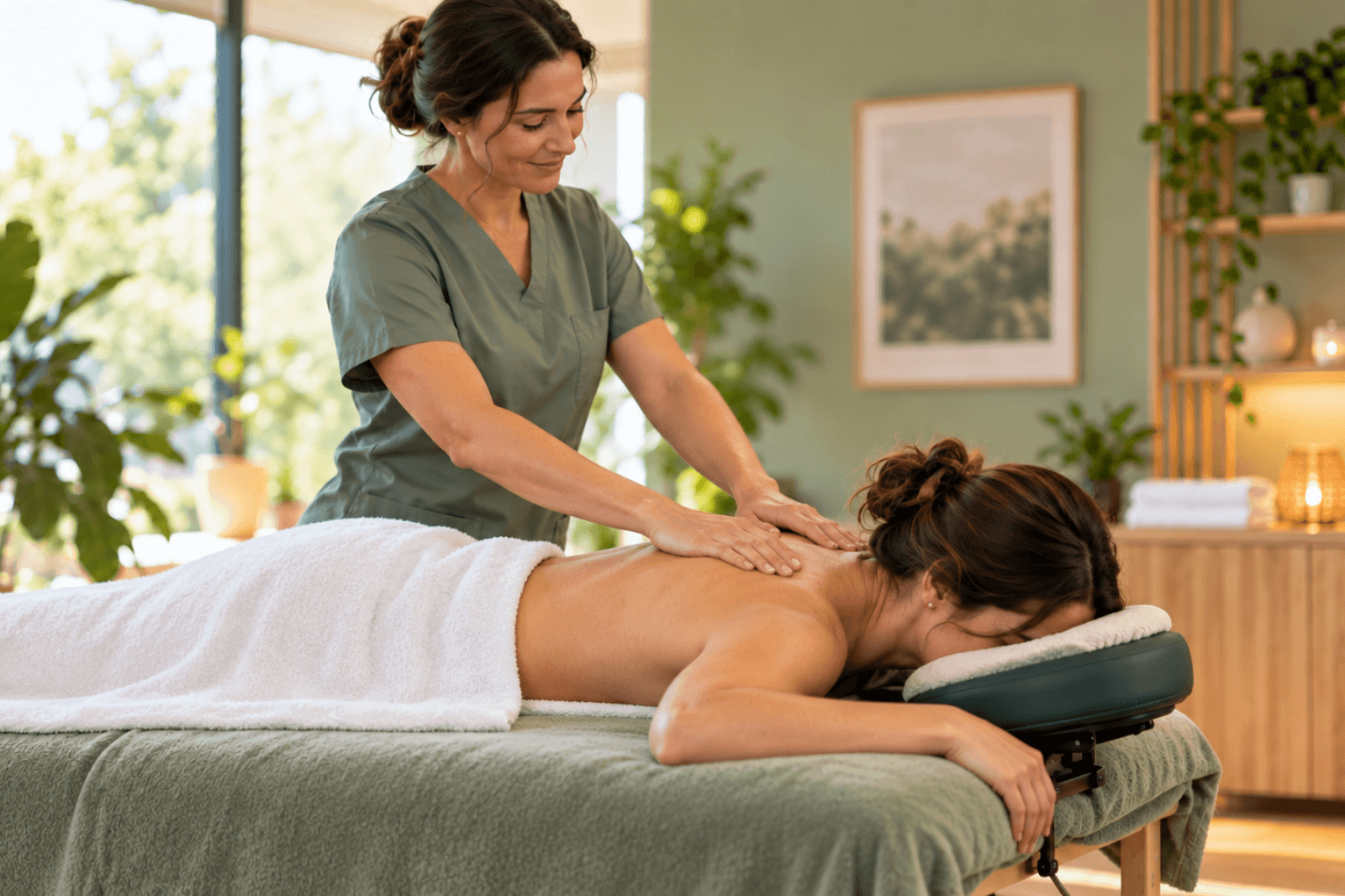
Common types of massage include Swedish, deep tissue, Tuina, sports, Thai, Shiatsu, hot stone, and prenatal massage. They differ in their use of pressure, strokes, stretching, heat, and positioning. The right choice depends on your goals, comfort, and health needs.
A massage menu can feel confusing when several treatments promise relaxation or relief from tension. Understanding what happens during each approach helps you choose more confidently, whether you want to unwind, address a tight shoulder, or feel more comfortable moving.
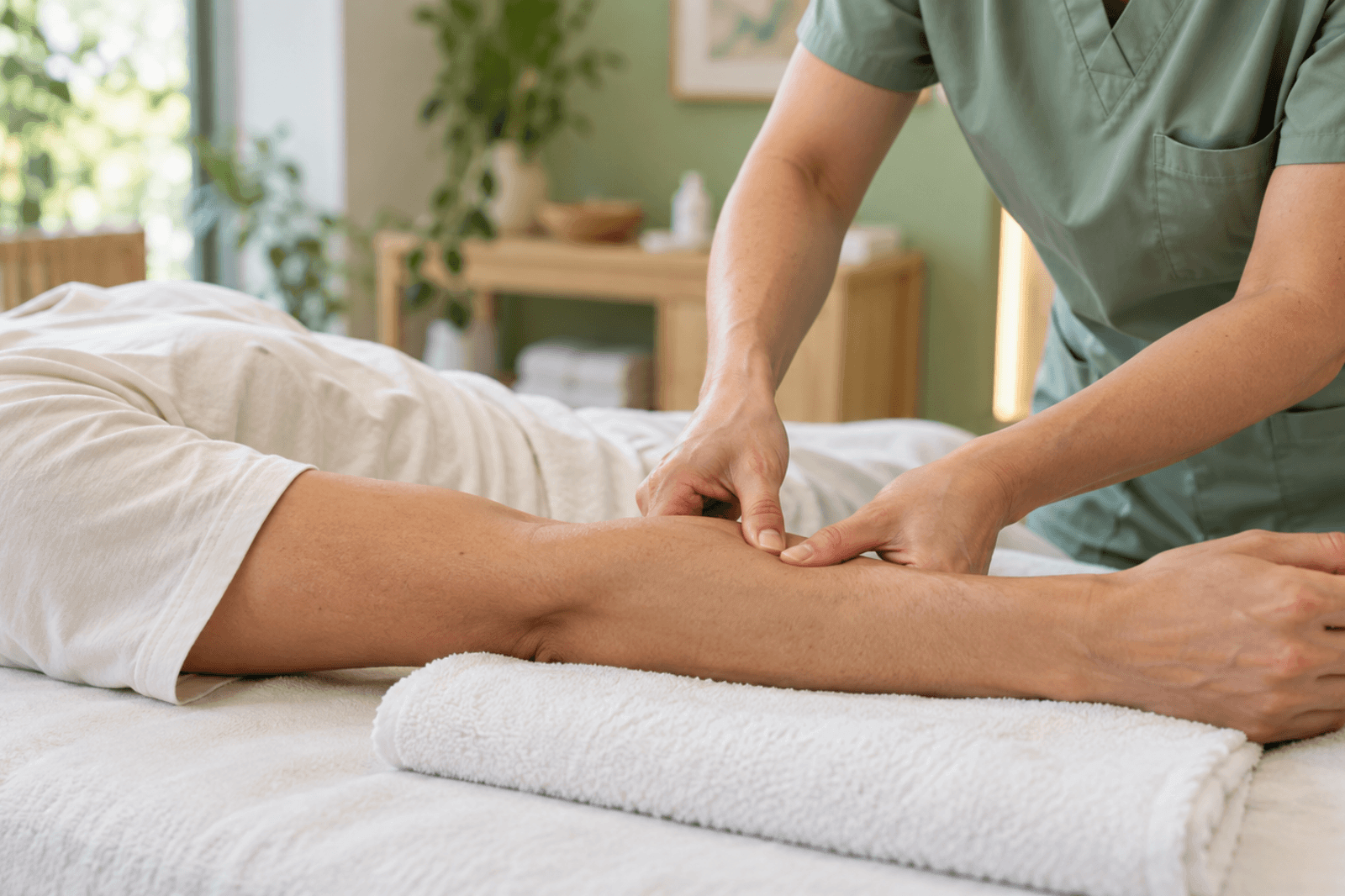
Massage therapy involves manipulating soft tissues, including muscles and surrounding connective tissue, through hands-on pressure and movement.
A session may focus on relaxation, localized tension, or comfort during everyday activities. Techniques can include stroking, kneading, compression, friction, and stretching.
There is no single universally accepted list of massage types. Traditions overlap, practitioners combine techniques, and some treatments are adaptations of broader methods rather than separate systems.
Massage types vary in their focus and how a session is delivered. Here is a side-by-side comparison.
| Massage type | Main focus | What distinguishes it |
| Swedish | General relaxation and broad muscle tension | Flowing strokes with adjustable, usually light to moderate pressure |
| Deep tissue | Focused work on selected muscle groups | Slower attention to deeper tissues without requiring maximum pressure |
| Tuina | Targeted Chinese therapeutic bodywork | Combines pressing, rolling, kneading, and guided movement, often through clothing |
| Sports | Training demands and exercise-related discomfort | Treatment tailored to the person’s activities, movement patterns, and training schedule |
| Thai | Compression and assisted stretching | A movement-focused session, commonly performed clothed on a floor mat |
| Shiatsu | Rhythmic, pressure-based bodywork | Finger, thumb, and palm pressure, generally through clothing without oils |
| Hot stone | Warmth alongside massage | Heated stones placed on the body or incorporated into gliding strokes |
| Aromatherapy | Massage with a fragrance component | Diluted essential oils added to an underlying massage style |
| Trigger point | Specific areas of muscular tenderness | Sustained, localized pressure, sometimes combined with movement |
| Myofascial release | Fascia and movement-related restrictions | Sustained contact or gentle stretching rather than flowing strokes |
| Prenatal | Comfort during pregnancy | Adapted positioning, support, and pressure |
| Manual lymphatic drainage | Lymph movement in appropriate clinical care | Gentle, rhythmic skin movements rather than deep muscular pressure |
| Reflexology | Pressure applied to the feet or hands | Uses traditional reflex maps rather than treating the whole body |
| Lomi Lomi | Flowing Hawaiian bodywork | Broad hand and forearm movements |
| Abhyanga | Ayurvedic oil massage | Rhythmic application of oil, often warmed |
| Balinese | A combination of massage methods | Blends kneading, pressure, stretching, and oils |
| Chair | Brief treatment of the upper body | A seated, clothed format |
| Neuromuscular | Muscular tenderness and movement-related discomfort | Targeted soft-tissue treatment |
| Oncology | Individual needs during cancer care | Adaptations for treatment effects, medical devices, fatigue, and skin changes |
Here’s a closer look at each type and its uses.
Swedish massage uses long gliding strokes, kneading, circular movements, and sometimes tapping or vibration.
Two foundational techniques are effleurage, meaning gliding strokes, and petrissage, meaning kneading. Oil or lotion usually helps the hands move smoothly over the skin.
Pressure is adjustable, commonly light to moderate. Swedish is a useful starting point for general relaxation, broad muscle tension, or a first appointment.
Deep tissue massage uses slower, focused techniques to work with deeper muscle layers and surrounding connective tissue.
It often concentrates on particular areas, such as the shoulders, back, or hips, rather than treating every body region equally.
Deep tissue does not mean maximum pressure. Treatment should remain tolerable, and claims that massage mechanically “breaks up” scar tissue oversimplify how manual care works.
Tuina, also spelled Tui Na, is Chinese therapeutic bodywork using pressing, kneading, rolling, grasping, and guided movement.
Its name is commonly translated as “push and grasp.” Within traditional Chinese medicine, Tuina is organized around concepts including meridians, acupoints, and qi. These are traditional explanatory concepts rather than established anatomical structures.
Treatment may involve targeted soft-tissue work and gentle joint mobilization, often through clothing. It can feel more active and rhythmic than a relaxation massage.
Sports massage adapts techniques to training demands, repetitive activity, and exercise-related discomfort.
A practitioner may combine kneading, compression, focused pressure, and stretching according to your sport or movement patterns. It can suit recreational exercisers and physically active workers as well as athletes.
Timing matters. Intense treatment immediately before competition may leave tenderness. Massage can support comfort, but it does not guarantee injury prevention or replace rehabilitation.
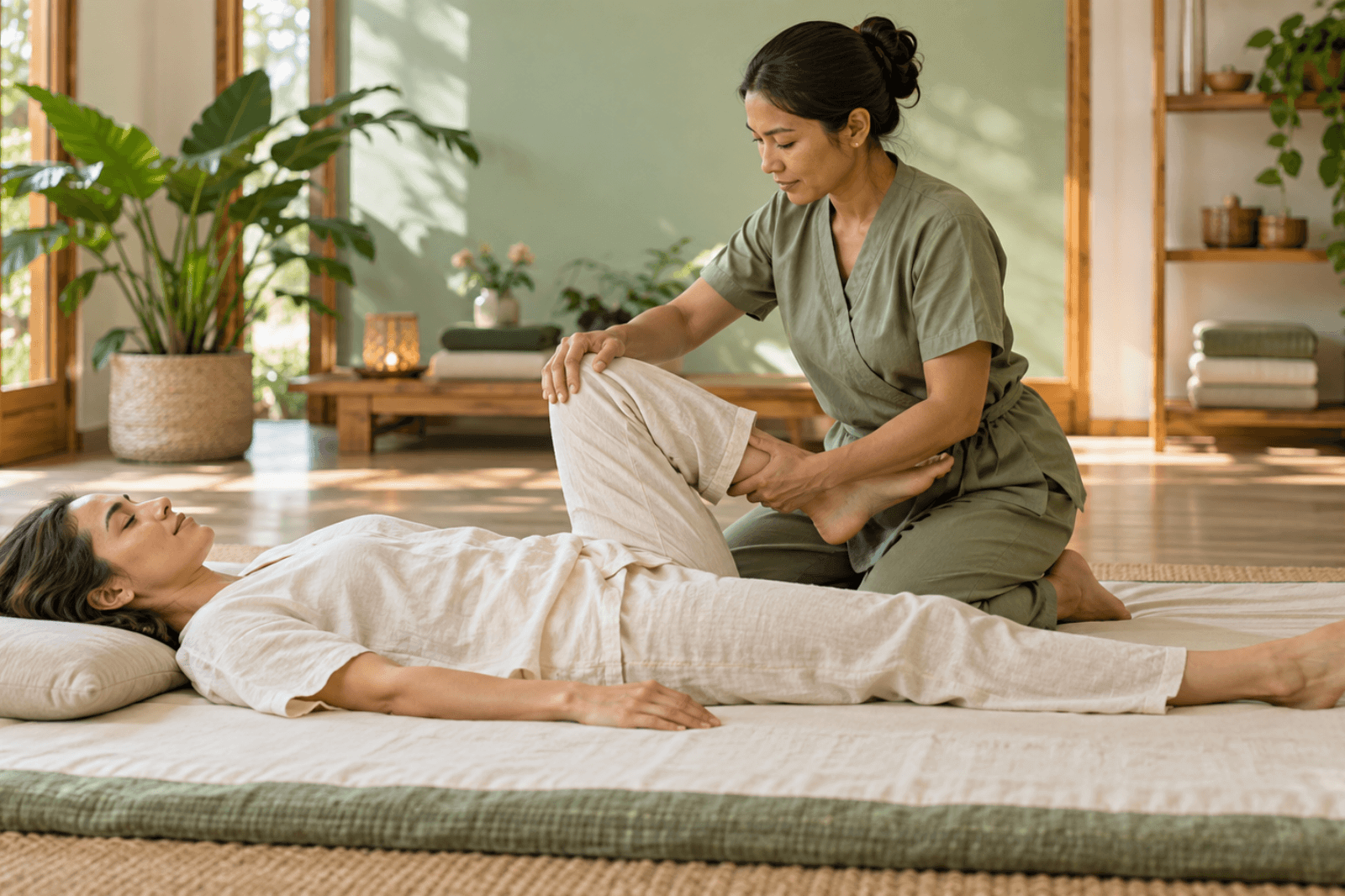
Thai massage combines rhythmic compression, pressure, and assisted stretching. It is often performed on a floor mat while you wear loose clothing.
The practitioner guides your body through different positions, making it more movement-focused than Swedish massage.
Stretches should match your mobility. Joint instability, previous injuries, and restricted movement may require modifications.
Shiatsu is Japanese bodywork using finger, thumb, and palm pressure, sometimes with gentle stretching.
Sessions commonly take place through clothing without oils. Traditional practice draws on concepts of meridians and energy balance.
Shiatsu may appeal if you prefer rhythmic pressure to gliding strokes. Its traditional framework should not be presented as proof that particular points treat internal diseases.
Hot stone massage incorporates smooth, heated stones, often made from basalt. Stones may be placed on the body or used during gliding movements.
Warmth can make the session soothing without requiring intense pressure.
Tell the practitioner immediately if a stone feels too hot. Reduced sensation, impaired circulation, or heat sensitivity may make this approach unsuitable.
Aromatherapy massage adds diluted essential oils to massage, often using Swedish-style techniques.
The main difference is the sensory experience. Fragrance can be pleasant for some people and irritating for others.
Mention asthma, scent sensitivity, skin allergies, and pregnancy beforehand. Essential oils are optional, and an unscented session remains a valid choice.
Trigger point massage applies focused pressure to tender areas within muscles, sometimes called muscle knots. Discomfort may be local or felt elsewhere.
Treatment may combine sustained pressure with movement and broader massage techniques.
Not every painful spot is a trigger point. Tingling, numbness, weakness, or persistent radiating pain requires assessment rather than repeated pressure.
Myofascial release uses sustained pressure or gentle stretching directed toward fascia, the connective tissue surrounding and connecting body structures.
It often feels slower than an oil-based massage, with contact adjusted according to comfort and movement response.
Easier movement afterward does not mean fascia has been permanently reshaped in one appointment.
Prenatal massage adapts pressure, positioning, and treatment areas for pregnancy. Side-lying positions and supportive pillows are common.
It may help with relaxation and pregnancy-related muscle discomfort. Choose someone trained in prenatal care and disclose any complications.
The first trimester is not an automatic universal ban. Suitability depends on individual circumstances and practitioner policies. New one-sided leg swelling, redness, or pain needs medical assessment.
Manual lymphatic drainage uses gentle, rhythmic skin movements to support lymph movement. It is substantially different from deep tissue massage.
It may form part of care for diagnosed lymphedema, alongside measures such as compression and exercise.
Unexplained swelling should be assessed first, and postoperative treatment requires coordination with the surgical team. This is not a general detox or weight-loss treatment.
Reflexology applies pressure to areas of the feet or hands that traditional systems associate with other body regions.
It can offer a relaxing alternative to full-body treatment. However, reflexology maps should not be treated as diagnostic tools or proof of effects on specific organs.
Ordinary foot massage may be more appropriate when your goal is simply local comfort.
Additional approaches include:
Other traditions and specialized methods exist. A longer treatment name does not necessarily indicate greater effectiveness or suitability.
A style describes a broader treatment approach. A technique describes a particular action used within it.
Common techniques include:
| Technique | What it involves |
| Effleurage | Gliding strokes over the skin |
| Petrissage | Kneading or lifting soft tissues |
| Compression | Pressing into an area without gliding |
| Friction | Small, focused rubbing movements |
| Tapotement | Rhythmic tapping or percussion |
| Assisted stretching | Guided movement within a comfortable range |
Sports massage may use several of these techniques. Hot stones add heat, while prenatal massage adapts treatment for pregnancy.
“Full-body massage” describes coverage, and “couples massage” describes the booking arrangement. Neither identifies the actual techniques used. Likewise, “therapeutic” and “medical massage” are broad labels, so ask what the appointment includes.
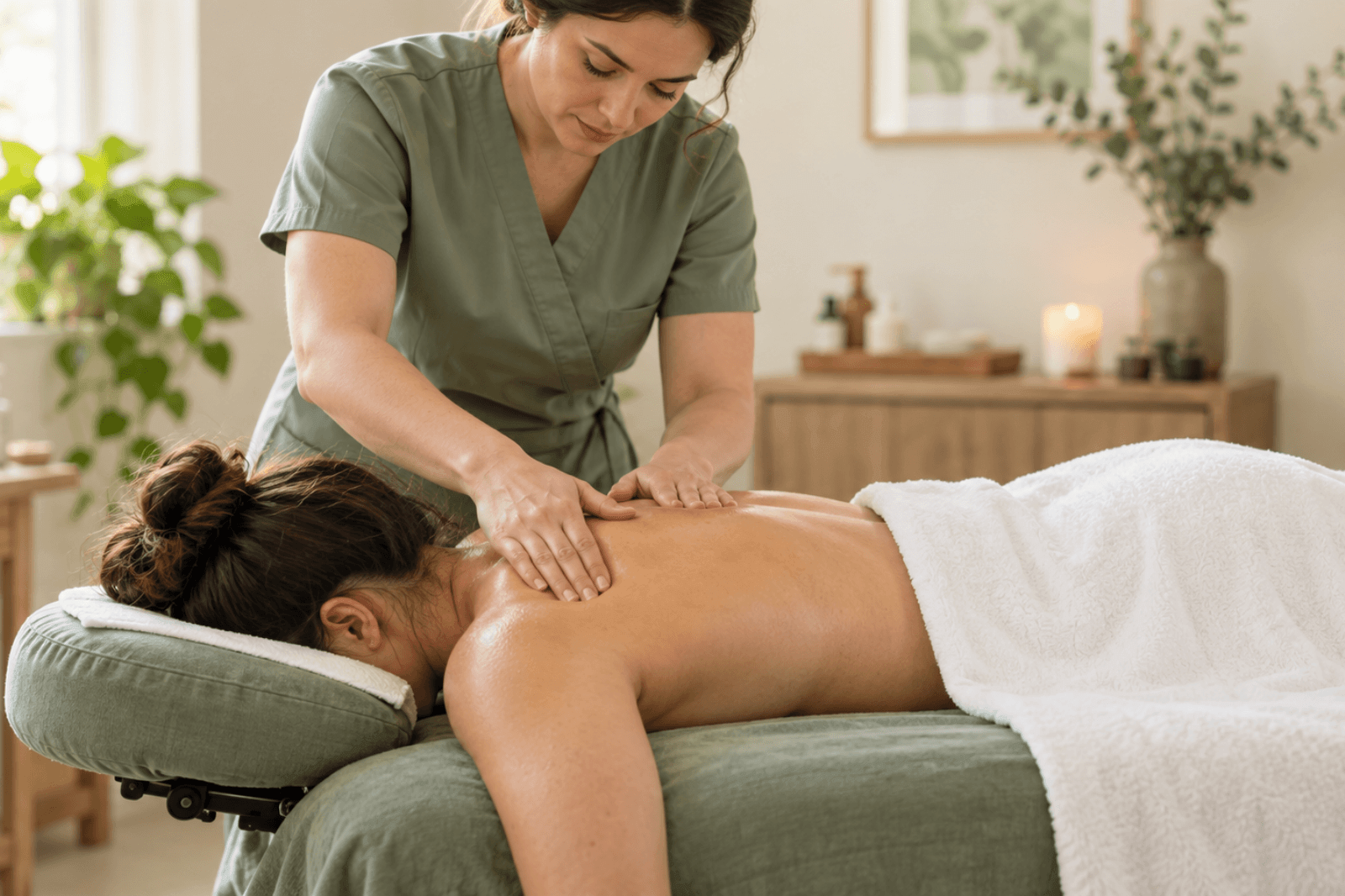
Massage may support relaxation, ease muscle discomfort, and provide temporary relief from stiffness. Some people also find that feeling more comfortable helps them return to gentle movement.
Benefits vary with the cause of symptoms, treatment approach, and individual response.
Massage does not permanently correct posture, guarantee faster injury healing, or remove unspecified toxins. Relief also does not prove that the underlying problem has resolved.
A useful measure is function: can you turn your head, walk, sleep, or complete daily tasks more comfortably? Persistent difficulties may need assessment and a broader plan involving exercise or rehabilitation.
Start with your goal and preferences.
| Your priority | Options to discuss |
| Gentle relaxation or a first massage | Swedish |
| Focused muscle tension | Deep tissue, trigger point work, or Tuina |
| Exercise-related discomfort | Sports massage |
| Assisted stretching | Thai |
| Clothed, pressure-based treatment | Shiatsu or Tuina |
| Warmth and relaxation | Hot stone |
| Pregnancy-related comfort | Prenatal |
| Diagnosed lymphatic swelling | Specialist manual lymphatic drainage |
These are starting points, not prescriptions.
Swedish versus deep tissue: Swedish typically provides broader, flowing treatment; deep tissue concentrates more closely on selected areas.
Tuina versus Thai: Tuina emphasizes varied manual techniques and targeted bodywork, while Thai commonly emphasizes assisted stretching.
Describe the activities that bother you and the pressure you enjoy. “My shoulder feels tight when I reach overhead” gives more useful direction than “I need the strongest massage.”
Look for appropriate credentials, relevant experience, and clear communication. In New York, check applicable massage therapy licensure when booking massage services.
For prenatal, oncology, postoperative, or lymphatic care, ask about specific training.
A competent practitioner should explain the proposed treatment, obtain consent, respect boundaries, and adjust techniques when needed. Promises to cure disease, forceful treatment despite objections, or dismissing sharp pain are reasons to reconsider.
Before treatment, discuss your symptoms, medications, injuries, recent surgery, and areas you want treated or avoided.
For oil-based massage, undress only to your comfort level. Appropriate draping should protect privacy. Clothed approaches generally require comfortable clothing that allows movement.
During the session, pressure should remain adjustable. Say, “Please use less pressure here,” or ask to change position. You can decline any technique or stop treatment.
Afterward, return to activity according to how you feel. Mild tenderness can occur, but significant pain or bruising is not a treatment goal. Drink normally; excessive water is unnecessary.
Avoid massage over suspected blood clots, fractures, infected skin, open wounds, or an acutely injured area.
Seek urgent assessment for sudden limb swelling, unexplained weakness, chest pain, or shortness of breath.
Disclose blood-thinning medication, osteoporosis, reduced sensation, cancer treatment, and recent surgery. These circumstances may require gentler techniques, modified positioning, or medical guidance.
Massage should not delay evaluation of persistent or worsening symptoms.
The right massage depends on your goals, comfort, and health needs. Whether you prefer gentle Swedish strokes, focused deep tissue work, or the varied techniques of Tuina, choose an approach that feels comfortable and suits your preferences.
At ACA Acupuncture & Wellness, we offer Tuina Chinese massage and other holistic therapies, including acupuncture, that may suit your needs. Tell us about your concerns and the activities you want to enjoy more comfortably, so we can help you explore your next step.
Swedish is a useful starting point because its flowing techniques and pressure are adjustable. Shiatsu may appeal if you prefer remaining clothed.
Focused deep tissue or trigger point work may suit localized tenderness. The appropriate approach depends on the cause of discomfort, not simply how tight an area feels.
Massage should remain tolerable. Sharp, burning, electrical, or escalating pain is a reason to stop or change the technique. Soreness is not necessary for benefit.
There is no universal schedule. Frequency should reflect your goals, response, budget, and whether improvements carry over into everyday activities.
Massage uses manual pressure and movement. Acupuncture uses fine needles at selected points. Our acupuncturists at ACA can discuss how either approach might fit your needs.
Massage does not cleanse the body of unspecified toxins. Your liver and kidneys process waste. Relaxation and temporary improvements in comfort are more accurate expectations.
Sources:
Vickers, A., & Zollman, C. (1999). Massage therapies. BMJ, 319(7219), 1254–1257.
Yang, M., Feng, Y., Pei, H., Deng, S., Wang, M., Xiao, X., Zheng, H., Lai, Z., Chen, J., Li, X., He, X., & Liang, F. (2014). Effectiveness of Chinese massage therapy (Tui Na) for chronic low back pain: Study protocol for a randomized controlled trial. Trials, 15, Article 418.
LOCATIONS
MANHATTAN
QUEENS
NEW JERSEY
CALIFORNIA

The over $4 billion US acupuncture market offers a great opportunity with over 10% annual growth rates and a continuing flow of new patients interested in the benefits of acupuncture.