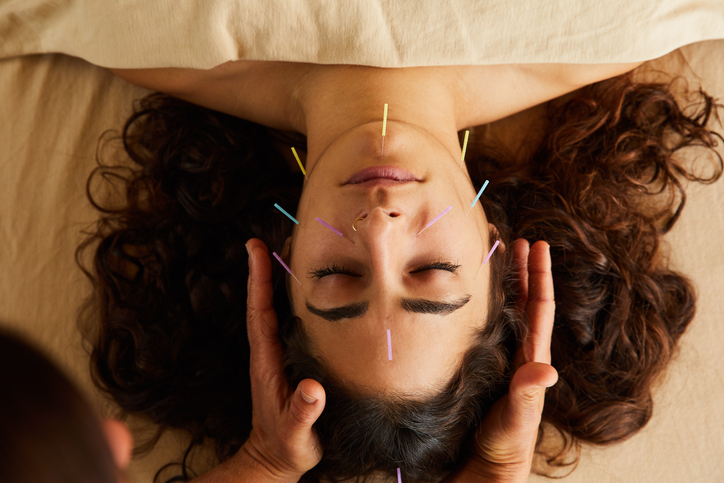

Reflexology is a complementary therapy that applies targeted pressure to specific points on the feet, hands, or ears to stimulate corresponding organs, reduce stress, and support the body’s natural balance.
Reflexology has moved from a niche wellness practice into a more widely recognised complementary therapy, especially as more people look for non-invasive ways to manage stress, improve sleep, and support overall well-being. Unlike general massage, reflexology follows a structured map of the body, using precise pressure techniques to influence internal systems.
Understanding how reflexology works and what to expect from a session helps remove uncertainty and gives clearer context for its role in modern wellness. While reflexology is its own distinct practice, it is often discussed alongside acupuncture and other Traditional Chinese Medicine approaches because all three reflect a broader view of the body as an interconnected system rather than a collection of isolated symptoms.
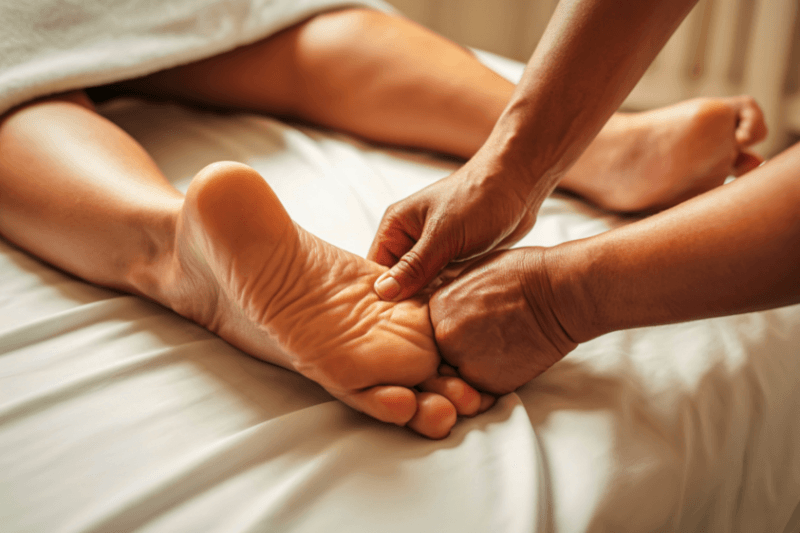
Reflexology is a complementary therapy that applies targeted pressure to specific points on the feet, hands, or ears to stimulate corresponding organs, reduce stress, and support the body’s natural balance.
Reflexology has moved from a niche wellness practice into a more widely recognised complementary therapy, especially as more people look for non-invasive ways to manage stress, improve sleep, and support overall well-being. Unlike general massage, reflexology follows a structured map of the body, using precise pressure techniques to influence internal systems.
Understanding how reflexology works and what to expect from a session helps remove uncertainty and gives clearer context for its role in modern wellness. While reflexology is its own distinct practice, it is often discussed alongside acupuncture and other Traditional Chinese Medicine approaches because all three reflect a broader view of the body as an interconnected system rather than a collection of isolated symptoms.
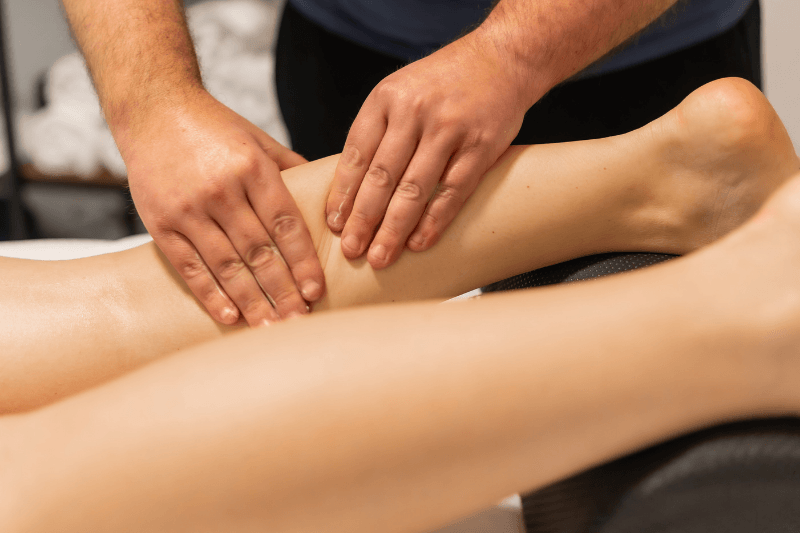
Reflexology is a structured, system-based therapy built on the idea that specific points on the feet, hands, and ears correspond to internal organs, glands, and other parts of the body. By applying controlled pressure to these mapped areas, reflexology is intended to encourage physiological responses that support relaxation, circulation, and overall balance. Instead of working directly on the area where discomfort is felt, reflexology uses these external points as part of a broader whole-body approach.
What makes reflexology distinct is the way it views the body as an interconnected system. Rather than isolating one symptom or one area of tension, it works from the understanding that different regions of the body are linked through nerve pathways, energetic relationships, and internal regulatory functions. Pressure applied to one reflex point is believed to influence a related area elsewhere, which is why the treatment is often used to support more than simple foot comfort.
This is also what separates reflexology from massage therapy. Massage mainly focuses on muscles, connective tissue, and physical tension in the soft tissues. Reflexology, on the other hand, follows a mapped point system designed to stimulate specific responses throughout the body. The goal is not simply to loosen tight areas, but to encourage a more regulated internal state, which may help the body shift into rest, recovery, and improved stress regulation.
Many people turn to reflexology not because it is aggressive or intensive, but because it offers a gentler, non-invasive way to support well-being. A session may leave someone feeling calmer, lighter, or more settled, not because the treatment forces the body to change, but because it may help create conditions where the body can function more efficiently. That broader systems-based perspective is a large part of why reflexology continues to appeal to people looking for supportive, restorative care.
Reflexology has deep historical roots, with early references often linked to ancient Egyptian imagery and traditional Chinese healing concepts. While those early practices were not identical to the form used today, they reflected a similar belief that stimulating specific areas of the body could support internal health and overall balance.
Modern reflexology became more clearly defined in the early 20th century through the development of zone theory, which proposed that the body is organised into connected pathways. This idea created a more structured way to understand how pressure applied in one area might relate to another part of the body.
A key figure in shaping modern reflexology was Eunice Ingham, an American physiotherapist who expanded zone theory into a practical treatment system. She is widely known for developing detailed foot maps that linked specific reflex points to organs and body regions. Her work helped move reflexology from a broad concept into a more organised therapy with clearer methods, charts, and techniques that still influence reflexology today.
Reflexology works by stimulating mapped pressure points that interact with the nervous system, promoting relaxation, improving circulation, and supporting systemic balance.
The body is divided into ten vertical zones. Each zone corresponds to specific areas on the feet, hands, and ears. Applying pressure within a zone is believed to influence organs within that same pathway.
In traditional Chinese medicine, reflexology aligns with the concept of qi, or vital energy. Blockages in qi are associated with stress and imbalance. Pressure techniques aim to restore smooth energy flow.
Modern interpretations suggest that reflexology stimulates nerve endings, sending signals to the brain that activate the parasympathetic nervous system. This state reduces stress and supports recovery.
Pressure techniques may improve blood flow and encourage lymphatic movement, which supports the body’s natural detoxification processes.
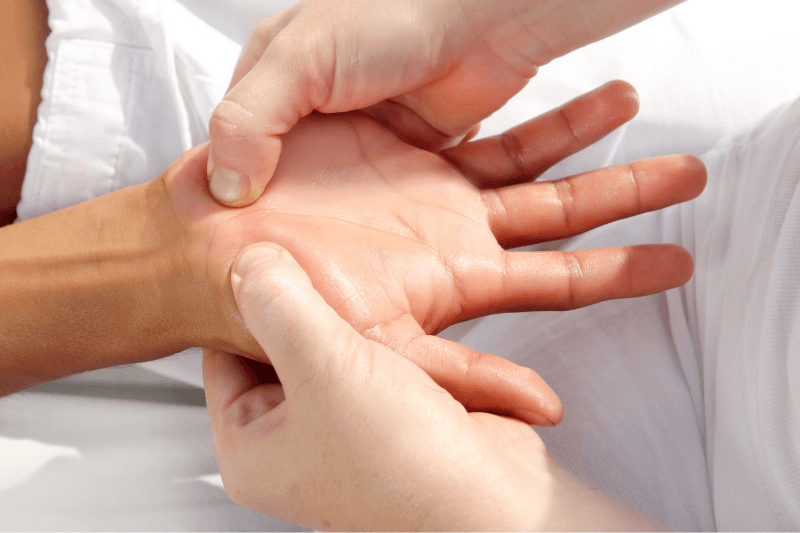
Reflexology is built on detailed maps that link specific areas of the feet, hands, and ears to internal organs, glands, and body systems. These maps are not random. They follow structured patterns that guide the use of targeted pressure with consistency and purpose.
On the feet, which are the most commonly used in reflexology, different regions are believed to reflect different parts of the body:
These mappings make it possible to focus on specific reflex points depending on the goal of the session, whether that is relaxation, stress reduction, or support for a particular area of discomfort.
Reflexology also considers how these points may feel during treatment. Areas that feel more tender, tight, or sensitive are sometimes interpreted as regions that may need more attention. Rather than forcing change, pressure is usually applied gradually and adjusted according to the body’s response.
While foot reflexology is the most widely practiced, similar mapping systems exist for the hands and ears:
Each approach follows the same principle of mapped correspondence, but the feet are generally preferred because they provide a larger surface area and more detailed access points.
Understanding these pressure maps helps explain why reflexology is more than a simple foot massage. It is a structured method that uses precise, intentional touch to engage the body through specific points, rather than applying general pressure without a defined system.
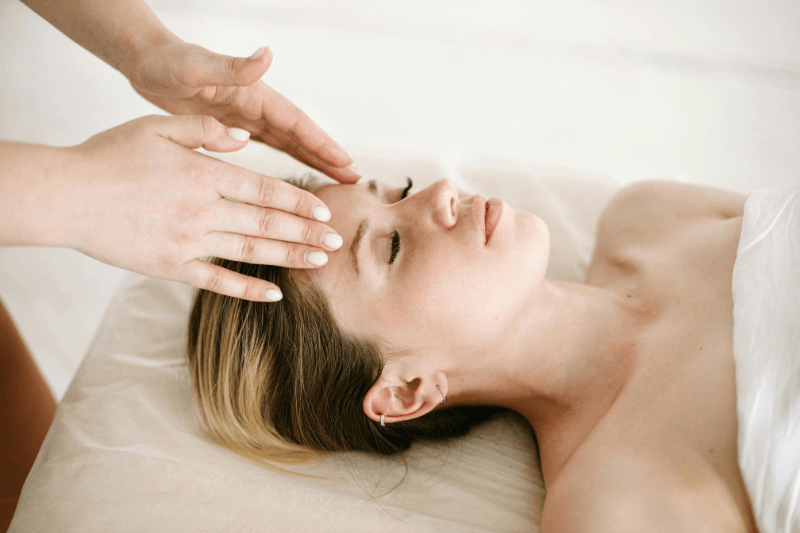
Reflexology is not limited to the feet. While all forms follow the same principle of mapped pressure points, different approaches are used depending on the individual’s needs, sensitivity, and treatment goals.
Each type offers a slightly different experience, but they all rely on the same core idea: using specific, mapped pressure points to influence how the body responds and regulates itself. The choice of method often depends on comfort, accessibility, and the level of focus needed during the session.
A reflexology session involves applying structured pressure to mapped points while you remain fully clothed in a comfortable, reclining position. The experience is generally calm, non-invasive, and designed to help the body settle into a more relaxed state.
The appointment usually begins with a short consultation to discuss your health history, current symptoms, stress levels, lifestyle, and treatment goals. This helps shape a session that feels more personalised and appropriate to your needs.
You will typically lie back or sit in a relaxed position while specific reflex points on the feet, hands, or ears are stimulated using precise hand techniques. These may include:
The pressure is usually firm but controlled. Some areas may feel tender or more sensitive than others, depending on the point being worked on and your individual response. Sessions typically last 30 to 60 minutes, although timing can vary depending on the purpose of the treatment.
Many people leave feeling relaxed, lighter, or mentally clearer. Some notice a sense of calm immediately, while others feel the effects more gradually over the next several hours. Drinking water, resting, and paying attention to how your body feels afterwards are often recommended, especially if reflexology is being used as part of a broader wellness routine.
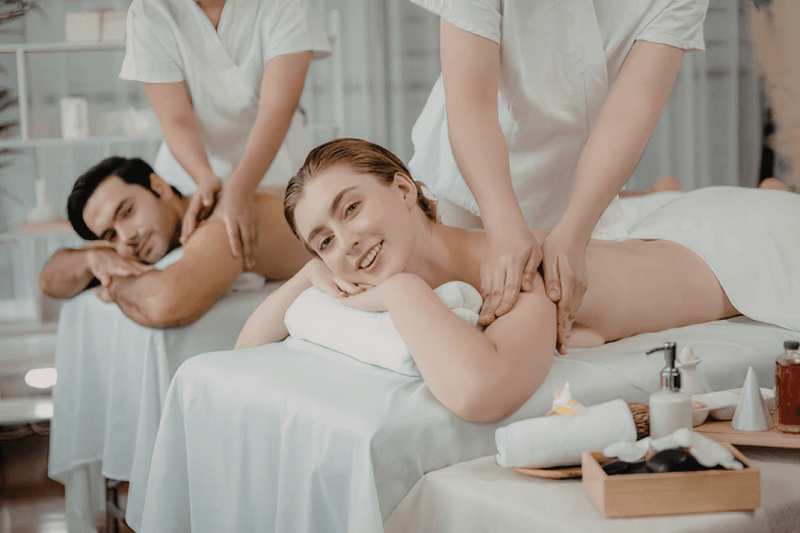
Reflexology is most consistently associated with stress reduction, improved relaxation, and a greater sense of overall well-being rather than direct medical treatment. Its effects are often linked to nervous system regulation, physical relaxation, and the way the body responds when it shifts out of a heightened stress state. While individual results vary, many people seek reflexology as a supportive therapy for both physical and emotional balance.
Reflexology is widely associated with activating the body’s relaxation response, which may help calm the nervous system and reduce feelings of tension. Many people notice that they feel more grounded, mentally settled, or emotionally lighter after a session. This is one of the main reasons reflexology is often used as part of a stress-management routine.
Some individuals report relief from headaches, back discomfort, neck tension, and general muscular stress after reflexology. While it does not directly treat pain in the same way as a medical intervention, it may help by reducing overall tension and encouraging the body to relax. For some people, that shift alone can make discomfort feel more manageable.
Because reflexology is often deeply calming, its effects may carry into the evening and support better sleep quality. People who struggle with stress-related restlessness sometimes find it easier to unwind after a session. Better relaxation during the day can also contribute to a more settled bedtime routine.
Reflexology is often associated with improved circulation, which may support a greater sense of physical ease and warmth. Some people report feeling refreshed rather than sleepy after treatment, especially when tension or sluggishness has been contributing to fatigue. The result is often described as feeling more balanced and re-energised rather than overstimulated.
Some people seek reflexology to support digestive comfort, especially when stress seems to affect the gut. By encouraging relaxation, reflexology may help the body shift away from stress-driven tension that can contribute to digestive discomfort. Reported benefits sometimes include a lighter feeling, less bloating, or a greater sense of internal ease.
Reflexology is sometimes used as a supportive therapy during times of hormonal fluctuation, such as menstrual changes, stress-related imbalance, or menopause. People often report that regular sessions help them feel calmer and more regulated overall. While it is not a hormonal treatment, it may support well-being by helping the body move into a more balanced state.
Even though reflexology does not work muscles in the same way massage does, many people still notice a reduction in physical tension afterwards. This may be because the body as a whole begins to relax, which can ease the sense of tightness carried in the shoulders, neck, jaw, or back. The effect is often subtle but meaningful, especially for those holding chronic stress.
A common reported benefit is a clearer, quieter mental state after treatment. When the nervous system is less activated, it can feel easier to focus, think clearly, and move through the day with less internal noise. For people who feel mentally overloaded, this reset can be one of reflexology’s most noticeable effects.
Reflexology is sometimes used by people who feel run down, depleted, or emotionally drained. The benefit is not usually described as a sudden burst of energy, but rather as a steadier sense of ease that helps the body feel less weighed down. Over time, that may support a better sense of resilience and recovery.
Many people value reflexology because it creates space for the body and mind to slow down together. This can help support emotional balance, especially during high-stress periods when the body feels constantly switched on. The overall benefit is often less about one isolated symptom and more about feeling more settled, supported, and in tune with oneself.
Reflexology may be especially helpful for people looking for a gentle, non-invasive way to support relaxation, stress management, and overall well-being. While experiences vary, it is often chosen by those who feel physically tense, mentally overloaded, or in need of a therapy that encourages the body to slow down and reset.
Reflexology is often especially beneficial for:
Although reflexology is generally considered low-risk, there are situations where extra care is needed. It may not be appropriate for everyone, especially when there is an active medical issue, injury, or condition affecting circulation, skin integrity, or pregnancy risk.
Reflexology may not be suitable, or may require medical clearance, for:
A cautious, informed approach is always best. When there is any uncertainty, it is sensible to seek advice from a qualified healthcare professional before booking reflexology.
How often you receive reflexology depends on your goals, lifestyle, and how your body responds over time. While there is no fixed schedule that applies to everyone, sessions are often spaced in a way that supports consistency without overwhelming the body.
Consistency is often more important than frequency. Regular sessions, even if spaced further apart, tend to provide more noticeable benefits than sporadic treatments. Over time, many people adjust their schedule based on how their body responds and what feels sustainable within their routine.
| Therapy | Main Focus | How It Works | What It Commonly Targets | Typical Experience |
| Reflexology | Mapped pressure points on the feet, hands, or ears | Uses targeted pressure on specific reflex areas believed to correspond to organs and body systems | Stress, relaxation, overall balance, supportive wellness care | Usually gentle, focused, and calming |
| Massage Therapy | Muscles, soft tissue, and physical tension | Uses hands-on manipulation of muscles and connective tissue | Muscle tightness, soreness, stiffness, circulation, physical recovery | Can range from relaxing to deep and intense depending on the technique |
| Acupuncture | Energy pathways and specific acupuncture points throughout the body | Uses very fine needles to stimulate points linked to body function and internal balance | Pain, stress, sleep, digestion, hormonal concerns, and broader systemic patterns | Often calming, with minimal sensation or brief point sensitivity |
Each therapy works differently, but they are not mutually exclusive. Reflexology is more point-mapped and system-oriented, massage is more tissue-focused, and acupuncture works through a broader network of points across the body. Depending on a person’s needs, they may be used separately or as part of a more integrated wellness approach.
Reflexology is not considered a cure or a substitute for medical treatment, but many people do report meaningful benefits from it, especially in areas such as stress reduction, relaxation, and general well-being. Its effects are often linked to the body’s relaxation response, nervous system regulation, and the broader mind-body connection rather than a single proven mechanism. While some aspects of how reflexology works remain debated, its role in helping people feel calmer, more settled, and less tense is widely recognised.
For many people, that distinction matters. A therapy does not need to cure disease to be valuable. If a session helps lower stress, improve relaxation, and support a better sense of balance, that can still play an important role in overall wellness.
Choosing the right reflexologist can shape both the quality of the session and your overall comfort with the treatment. Because reflexology is a structured therapy, it is worth looking for someone who understands mapped techniques, works professionally, and takes the time to assess your needs rather than applying the same routine to everyone.
Look for:
A good reflexology session should feel thoughtful and appropriate to your needs, not rushed or overly generic.
Reflexology offers a different way of approaching wellness. Instead of focusing on a single symptom or area of discomfort, it works through mapped points that reflect how the body functions as a connected system. This broader perspective allows it to support relaxation, stress regulation, and internal balance without being invasive or overly aggressive.
Its value is not in treating disease directly, but in helping the body shift into a state where it can function more efficiently. When the nervous system is calmer and the body is less tense, many other processes, such as sleep, digestion, and recovery, may also begin to improve. That is why reflexology is often used as part of a consistent, long-term approach rather than a one-time solution.
At ACA Acupuncture and Wellness, reflexology is part of a wider range of therapies designed to support the body from multiple angles, including physical therapy, cupping, moxibustion, ear seeding, facial acupuncture, Tuina massage, and the thermal therapy room. When used alongside these treatments, it can contribute to a more complete and balanced approach to care, focused on restoring harmony rather than chasing isolated symptoms.
For those looking for a gentle, structured, and supportive therapy, reflexology remains a practical option that fits naturally into modern wellness routines while still reflecting principles rooted in traditional care.
Sources:
Embong, N. H., Soh, Y. C., Ming, L. C., & Wong, T. W. (2015). Revisiting reflexology: Concept, evidence, current practice, and practitioner training. Journal of Traditional and Complementary Medicine, 5(4), 197–206.
Cai, D.-C., Chen, C.-Y., & Lo, T.-Y. (2022). Foot reflexology: Recent research trends and prospects. Healthcare, 11(1), 9.
Some people notice a sense of relaxation or lightness immediately after their first session. For others, the effects build gradually over several sessions as the body responds more consistently. Stress-related benefits, such as improved sleep or reduced tension, are often noticed within a few treatments. Long-term results usually depend on consistency, overall lifestyle, and the reason for seeking reflexology.
Reflexology may support the body’s stress response by encouraging activation of the parasympathetic nervous system. This shift can help the body move away from a constant “fight or flight” state, which is closely linked to cortisol production. While it does not directly regulate hormones in a clinical sense, it may help create conditions where cortisol levels stabilise more naturally. Many people experience this as feeling calmer, less tense, and more emotionally balanced.
It is best to avoid intense physical activity immediately after a session, especially if your body feels deeply relaxed. Skipping hydration can also reduce the overall benefits, so drinking water is recommended. Try not to jump straight into a high-stress environment, as this can counteract the calming effects. Giving your body time to rest and adjust helps extend the benefits of the treatment.
Reflexology may help reduce the tension and stress that often contribute to headaches. By promoting relaxation and calming the nervous system, it can support the body in releasing built-up pressure. Some people report fewer or less intense headaches with regular sessions. However, it should be seen as supportive care rather than a direct treatment for migraines.
Reflexology typically feels like a combination of firm pressure and gentle, rhythmic movement. Certain points may feel tender or slightly intense, especially if they are more reactive. As the session continues, most people experience a deep sense of relaxation or mental quietness. The overall sensation is usually calming rather than painful, leaving the body feeling lighter and more settled.
Basic reflexology can be practiced at home using charts and gentle pressure techniques, especially on the hands or feet. For some people, this can be a helpful form of self-care, particularly for relaxation or stress relief between appointments. It may also help build more awareness of tension, sensitivity, or areas that feel reactive.
That said, home reflexology is usually best seen as a simplified version rather than a replacement for professional treatment. A trained practitioner brings more precision, a better understanding of reflex maps, and an ability to adjust pressure and focus based on your body’s responses. Home practice can be supportive, but professional sessions are generally more structured and targeted.
LOCATIONS
MANHATTAN
QUEENS
NEW JERSEY
CALIFORNIA
The over $4 billion US acupuncture market offers a great opportunity with over 10% annual growth rates and a continuing flow of new patients interested in the benefits of acupuncture.
