

Natural therapies for nerve damage support healing by lowering inflammation, improving circulation, correcting deficiencies, and reducing ongoing stress on the nervous system.
Nerve damage therapy works best when it addresses the root cause, not just the symptoms. In many cases, the answer to can nerve damage be reversed is yes, at least partly, especially when treatment starts early and the underlying trigger is corrected. Nerve pain, tingling, numbness, weakness, burning, and even itching can all reflect dysfunction in the peripheral nervous system.
At ACA, our acupuncturists view neuropathy through a systems-based lens. We look at circulation, inflammation, metabolic health, nutrient status, structural tension, and autonomic regulation because true recovery depends on restoring the conditions that nerves need in order to repair.
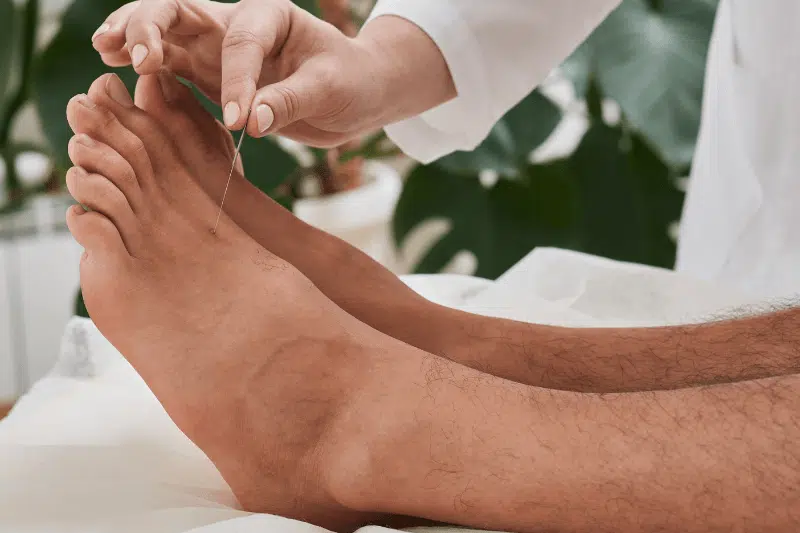
Natural therapies for nerve damage support healing by lowering inflammation, improving circulation, correcting deficiencies, and reducing ongoing stress on the nervous system.
Nerve damage therapy works best when it addresses the root cause, not just the symptoms. In many cases, the answer to can nerve damage be reversed is yes, at least partly, especially when treatment starts early and the underlying trigger is corrected. Nerve pain, tingling, numbness, weakness, burning, and even itching can all reflect dysfunction in the peripheral nervous system.
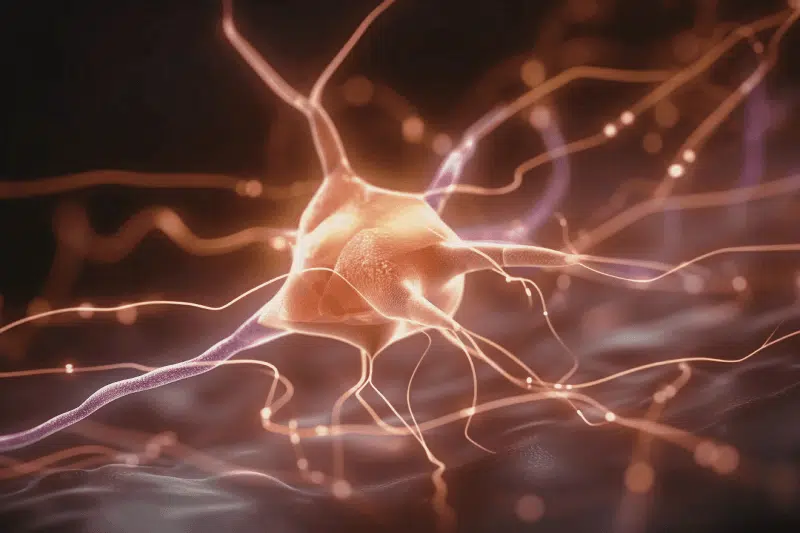
Peripheral neuropathy is damage to the peripheral nervous system, the network that carries signals between the brain, spinal cord, and the rest of the body. It can affect sensory nerves, motor nerves, or autonomic nerves, which means symptoms may include numbness, pain, muscle weakness, poor coordination, digestive changes, bladder issues, or blood pressure instability.
This is why nerve damage should never be viewed as a simple local problem. A person may feel symptoms in the feet, hands, back, or legs, but the deeper issue often involves blood sugar dysregulation, inflammatory stress, vitamin deficiency, toxin exposure, immune dysfunction, or nerve compression. In other words, the pain is local, but the process is often systemic.
Nerve repair is possible, but it is slow. Healing depends on whether the nerve cell body remains viable, whether compression or injury has been relieved, and whether the body has the oxygen, nutrients, and metabolic stability needed for regeneration. This is the reason many people plateau with symptom-only treatment. The nervous system cannot rebuild efficiently in an inflamed, undernourished, poorly perfused environment.
Nerve damage may cause burning pain, electric-shock sensations, pins and needles, numbness, heightened sensitivity to touch, muscle weakness, balance problems, or loss of reflexes. In autonomic neuropathy, it may also affect sweating, digestion, bladder function, heart rate, or blood pressure.
It is also important to answer a common search question directly: can nerve damage cause itching? Yes. Damaged sensory nerves can generate distorted signals that the brain interprets as itching rather than pain. Some people experience neuropathic itch along with tingling, crawling sensations, or burning, particularly when small sensory fibers are irritated.
Understanding the cause is critical because the right nerve damage therapy depends on mechanism.
Diabetes is one of the most common causes of peripheral neuropathy. High blood glucose and elevated blood fats can damage both nerves and the small blood vessels that nourish them, reducing oxygen and nutrient delivery over time.
Vitamin B12 helps keep nerve cells healthy and supports normal neurologic function. Deficiency can produce numbness, weakness, gait changes, cognitive symptoms, and neuropathy. This is one of the most important reversible causes to rule out early.
A compressed or irritated nerve from a herniated disc, repetitive strain injury, postural overload, or scar tissue can impair conduction, provoke inflammation, and restrict blood flow. Natural care works best when the mechanical stress is also addressed.
Cancer treatment can injure peripheral nerves and leave lasting symptoms after chemotherapy ends. NCCIH notes that acupuncture may be offered for chemotherapy-induced peripheral neuropathy, although evidence quality remains limited.
Some neuropathies occur because the immune system attacks nerves or their protective myelin sheath. In those cases, supportive natural care may still help with pain, function, and resilience, but the underlying immune process must also be medically managed.
Long-term alcohol exposure, certain medications, heavy metals, and chronic metabolic dysfunction can all contribute to peripheral nerve injury. These causes are often overlooked because symptoms develop gradually.
People often search how to repair nerve damage naturally, but the real answer is broader than any one supplement or therapy. Natural recovery is not about finding a miracle remedy. It is about creating the internal conditions that make nerve repair biologically possible.
If high blood sugar, alcohol, nutrient deficiency, repetitive compression, or toxin exposure continues, progress is limited. The first step in effective nerve damage therapy is to stop what is actively injuring the nerve.
Peripheral nerves are vulnerable to poor blood flow. Walking, gentle movement, soft tissue therapy, and targeted acupuncture can support perfusion and help tissues receive more oxygen and nutrients.
The nervous system requires specific micronutrients for signaling, myelin integrity, and cellular repair. B vitamins are central, especially when deficiency is present.
Inflammation and oxidative damage can worsen neuropathy. An anti-inflammatory food pattern, blood sugar control, restorative sleep, and selected supplements may reduce the internal stress burden that slows healing.
Movement, balance work, sensory input, and mind-body therapies matter because nerves do not heal in isolation. They heal in conversation with muscles, connective tissue, circulation, and the brain. This is one reason consistent, low-impact activity can outperform sporadic high-intensity effort.
Inflammatory stress can worsen pain sensitivity and interfere with regeneration. A useful holistic plan always includes strategies that calm the inflammatory load rather than simply masking symptoms.
Microcirculation matters because peripheral nerves depend on a steady supply of oxygen and nutrients. This is especially important in diabetic neuropathy, where the small vessels that feed nerves can be damaged.
Repair requires raw materials. That includes vitamins involved in myelin maintenance, nutrients that support mitochondrial energy production, and adequate protein intake for tissue rebuilding.
A body stuck in chronic fight-or-flight mode heals poorly. Pain can amplify stress, and stress can amplify pain. This feedback loop is one reason acupuncture, breathwork, and restorative movement can play a meaningful role in nerve damage therapy.
Compression, instability, poor ergonomics, or recurrent irritation can keep a nerve inflamed. Even the best nutrition plan will underperform if the nerve remains physically aggravated.
Nutrition is one of the most practical ways to support nerve recovery because it directly affects inflammation, glucose regulation, vascular health, and repair capacity.
Vitamin B12 supports healthy nerve cells and normal neurologic function. Thiamin, or vitamin B1, is also essential for nerve function, and vitamin B6 helps with neurotransmitter metabolism, though excessive B6 intake can itself cause neuropathy, which is an important clinical nuance many articles miss.
Oxidative stress contributes to nerve injury, especially in metabolic disease. A food pattern rich in colorful vegetables, berries, legumes, nuts, and healthy fats can help lower oxidative burden while supporting vascular health. This diet-first strategy is often more sustainable than relying entirely on pills.
For diabetic and prediabetic patients, blood sugar stability is not a side issue. It is a central part of treatment. Ongoing glucose spikes continue to harm nerves and the blood vessels that support them.
These are commonly used in integrative care because they support neuromuscular function, membrane health, and inflammatory balance. They are best used as part of a bigger plan rather than as stand-alone fixes. Their benefit is most meaningful when the diet and root cause are also addressed.
Some natural compounds are widely discussed in holistic neuropathy care, but they should be used thoughtfully and with medical guidance when needed.
Turmeric is popular because curcumin has anti-inflammatory properties. Alpha-lipoic acid is frequently used in neuropathy support because of its antioxidant role and its research history in diabetic nerve symptoms. Acetyl-L-carnitine is often discussed in relation to mitochondrial support. Lion’s mane is an emerging option that draws interest for nerve growth signaling, but it is still better described as promising than definitive. These interventions may fit a broader plan, but none should be framed as a guaranteed cure.
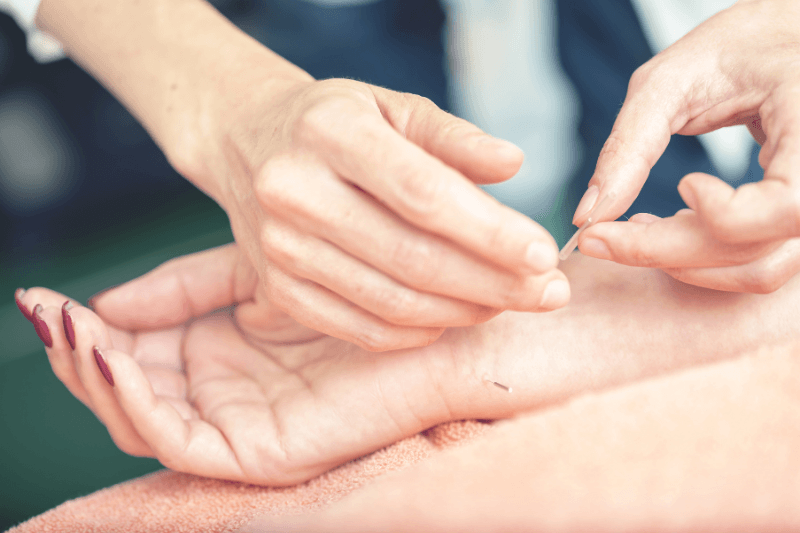
Acupuncture is one of the most relevant natural therapies for neuropathy because it operates on several levels at once. It may help regulate pain signaling, improve local circulation, reduce muscular guarding, and shift the body toward a more restorative autonomic state. NCCIH notes that acupuncture may be offered for chemotherapy-induced peripheral neuropathy, although the current evidence base is still considered limited.
At ACA, our acupuncturists use acupuncture as part of a broader nerve damage therapy strategy. We do not treat neuropathy as a one-dimensional pain problem. We look at whether the presentation suggests metabolic stress, structural compression, post-treatment nerve irritation, chronic inflammation, or nervous system dysregulation. That allows us to tailor care instead of forcing every patient into the same protocol.
Massage therapy can help reduce tension around irritated nerves and may improve local blood flow. Gentle manual work can be especially helpful when pain has caused guarding, stiffness, or reduced movement.
Chiropractic or structural care may be relevant in cases involving mechanical compression, especially when posture, spinal loading, or disc-related irritation is contributing to symptoms.
Low-level laser therapy and red light therapy are increasingly used in integrative settings because they are designed to support tissue recovery at the cellular level. Evidence varies by indication, but these tools are often explored as adjuncts rather than replacements for a full treatment plan.
Electrical stimulation approaches such as TENS may help modulate pain perception in some patients, though response is individual.
Exercise is one of the most underused forms of natural nerve damage therapy. Regular movement supports circulation, glucose control, strength, balance, and neuroplasticity. For many patients, the goal is not intense exercise. It is smart, repeatable movement that the nervous system can tolerate and build on.
Walking, swimming, cycling, light strength training, and balance work are often well suited to neuropathy recovery. The key is consistency. Small, repeated inputs tend to help more than occasional extremes. This is particularly important for people with diabetic neuropathy, where exercise also improves the metabolic environment that nerves depend on.
Pain is not purely physical. It is filtered through the nervous system, stress response, sleep quality, and perception. That is why mind-body therapies deserve a place in serious discussions about how to repair nerve damage naturally.
Meditation, tai chi, yoga, gentle breathwork, and restorative bodywork can help calm sympathetic overdrive and improve how the body processes pain. These therapies do not replace structural or nutritional care, but they often make the rest of treatment more effective because the body is less reactive and more repair-oriented.

Deep sleep supports tissue repair, hormonal regulation, and pain resilience. Fragmented sleep can heighten pain sensitivity and slow recovery.
Both can work against nerve healing. Smoking impairs circulation, while chronic alcohol exposure can directly damage peripheral nerves and worsen nutrient depletion.
Heavy metals, solvents, and repeated chemical exposure can contribute to neuropathic symptoms. In persistent or unexplained cases, this angle deserves more attention than it usually gets.
This is one of the most important questions patients ask, so it deserves a direct answer. Can nerve damage be reversed? Sometimes, yes. The degree of reversal depends on the cause, how long the damage has been present, whether the nerve cell can still recover, and how quickly treatment begins.
Deficiency-related neuropathy, early diabetic nerve dysfunction, and some compression-related problems are generally more reversible than severe long-standing neuropathy with major axonal loss. Even when full reversal is not possible, symptoms may still improve significantly with comprehensive care. Better function, less pain, fewer flares, improved balance, and better sleep are all meaningful outcomes.
Nerve healing is gradual. Some people notice symptom changes within weeks when a deficiency is corrected or a compressed nerve is relieved. Others need months of consistent treatment before the nervous system becomes less reactive and more functional. Severe or long-standing neuropathy may take much longer and may improve only partially.
A helpful way to frame expectations is this: nerves do not usually respond well to rushed, fragmented care. They respond better to repeated, steady support over time.
Natural care should still be guided by clinical judgment. New numbness, rapidly progressive weakness, bowel or bladder changes, unexplained falls, severe asymmetry, or sudden autonomic symptoms deserve prompt medical evaluation. Some supplements can interact with medications, and high doses of certain vitamins, including B6, can be harmful.
The safest and most effective approach is integrative. Use natural strategies to support circulation, repair, and regulation while also making sure serious causes are identified and managed appropriately.
Nerve damage is not just a local pain problem. It is usually the result of a deeper breakdown in circulation, metabolism, nutrient status, mechanical integrity, or nervous system regulation. That is why effective nerve damage therapy has to be broader than symptom relief.
If you want to know how to repair nerve damage naturally, focus on the fundamentals first: remove the ongoing trigger, restore circulation, correct deficiencies, calm inflammation, and support the nervous system with consistent care. And when patients ask can nerve damage be reversed, the most honest answer is that many cases can improve substantially, especially when treatment starts early and addresses the real cause.
If you are dealing with neuropathy, burning pain, numbness, tingling, or even asking can nerve damage cause itching, our acupuncturists at ACA Acupuncture & Wellness focus on building a personalized plan that targets both symptom relief and long-term recovery.
Sources:
National Institute of Neurological Disorders and Stroke. (n.d.). Peripheral neuropathy. National Institutes of Health.
National Center for Complementary and Integrative Health. (n.d.). Psychological or physical approaches for cancer symptoms and treatment side effects. National Institutes of Health.
Office of Dietary Supplements. (2021, July 7). Vitamin B12 fact sheet for consumers. National Institutes of Health.
Nerve damage can be improved holistically by reducing inflammation, restoring nutrient balance, improving circulation, and activating nerve repair mechanisms. This approach combines targeted nutrition such as B vitamins and antioxidants, therapies like acupuncture and movement, and lifestyle changes including blood sugar control, sleep optimization, and stress reduction to create an internal environment where nerves can regenerate over time.
Vitamin B12 is the most critical vitamin for reversing nerve damage because it supports myelin sheath repair and proper nerve signaling. While B12 deficiency is a common and reversible cause of neuropathy, optimal results typically require a combination of B vitamins, especially B1 and B6, along with supportive nutrients that enhance absorption and nerve regeneration.
Certain herbs support nerve healing by reducing inflammation and promoting nerve growth and repair pathways. The most effective include curcumin from turmeric for inflammation, lion’s mane mushroom for stimulating nerve growth factor, and evening primrose oil for supporting nerve function through essential fatty acids.
Traditional Chinese medicine treats neuropathy by restoring balance, improving circulation, and regulating energy flow through the nervous system. Common approaches include acupuncture to stimulate nerve pathways, herbal formulas to reduce inflammation and nourish the blood, and practices like tai chi to enhance circulation and support long-term neurological function.
Nerve damage can be permanent if the underlying cause is not addressed, but many cases improve significantly with early and consistent treatment. The extent of recovery depends on the severity of damage, duration of symptoms, and how effectively factors like inflammation, blood sugar, and nutrient deficiencies are managed.
The fastest natural approach combines anti-inflammatory nutrition, targeted supplementation, physical therapies, and regular movement to accelerate nerve repair. While there is no instant cure, integrating these strategies consistently improves circulation, reduces oxidative stress, and supports faster functional recovery.
LOCATIONS
MANHATTAN
QUEENS
NEW JERSEY
CALIFORNIA

The over $4 billion US acupuncture market offers a great opportunity with over 10% annual growth rates and a continuing flow of new patients interested in the benefits of acupuncture.
