

Blood circulation is essential to our overall health, quietly ensuring that oxygen, nutrients, and immune cells reach every part of our body. When circulation slows or becomes impaired, it can lead to uncomfortable symptoms such as cold extremities, numbness, or swelling. Enhancing blood flow is often overlooked until these signs become problematic, but supporting circulation proactively can promote vitality and healing throughout the body. Acupuncture, an ancient practice rooted in Traditional Chinese Medicine (TCM), offers a holistic approach that works with the body’s natural rhythms to improve circulation gently and effectively.
In today’s fast-paced world, relying solely on conventional treatments for circulation issues can leave gaps in addressing underlying imbalances. Acupuncture has the unique ability to target the energetic and physiological causes of poor blood flow, making it a powerful option for those seeking a natural, comprehensive solution. By restoring balance and encouraging smooth flow of Qi and blood, acupuncture not only alleviates symptoms but also promotes long-lasting health benefits.
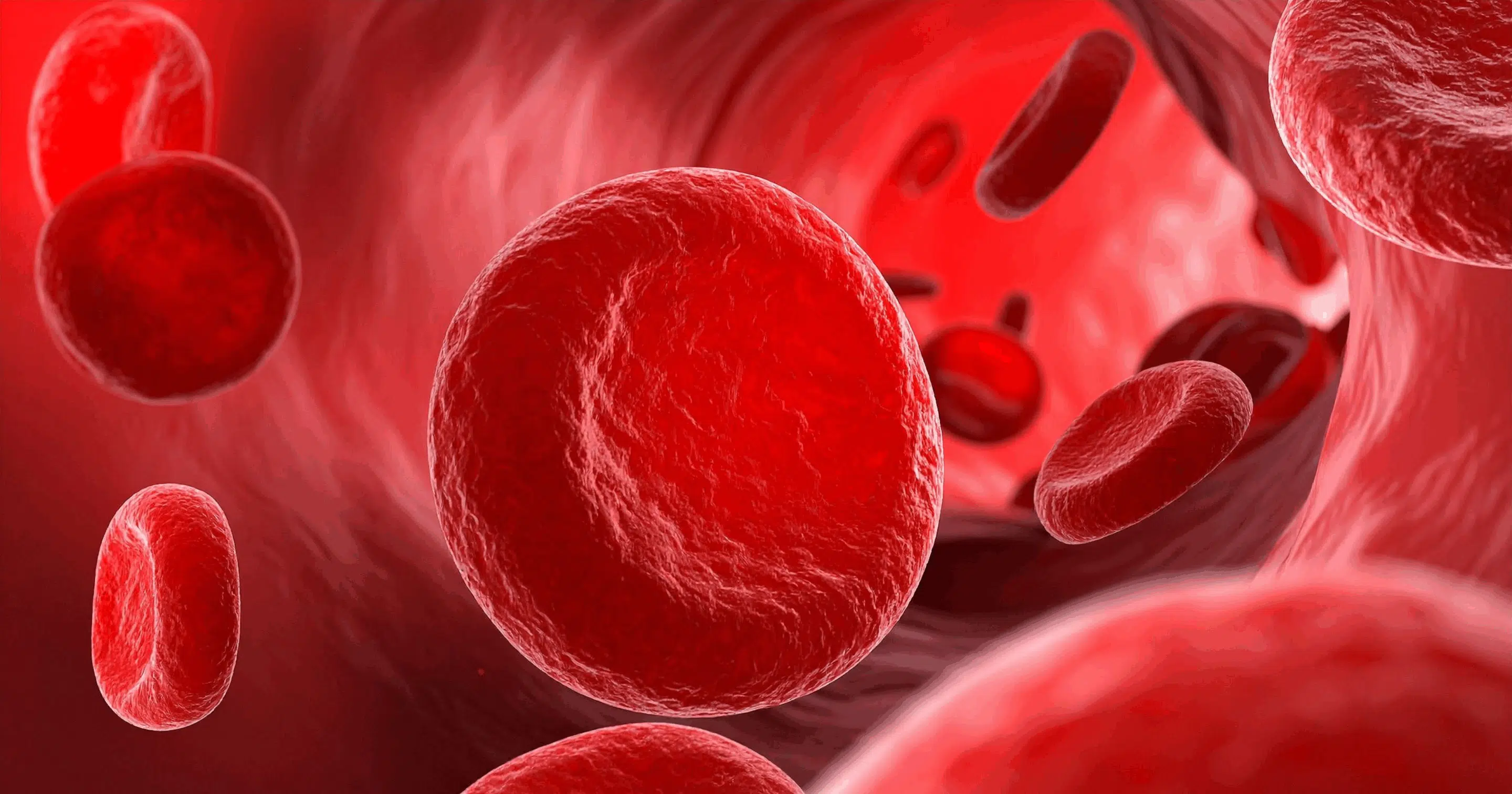
Blood circulation is essential to our overall health, quietly ensuring that oxygen, nutrients, and immune cells reach every part of our body. When circulation slows or becomes impaired, it can lead to uncomfortable symptoms such as cold extremities, numbness, or swelling. Enhancing blood flow is often overlooked until these signs become problematic, but supporting circulation proactively can promote vitality and healing throughout the body. Acupuncture, an ancient practice rooted in Traditional Chinese Medicine (TCM), offers a holistic approach that works with the body’s natural rhythms to improve circulation gently and effectively.
In today’s fast-paced world, relying solely on conventional treatments for circulation issues can leave gaps in addressing underlying imbalances. Acupuncture has the unique ability to target the energetic and physiological causes of poor blood flow, making it a powerful option for those seeking a natural, comprehensive solution. By restoring balance and encouraging smooth flow of Qi and blood, acupuncture not only alleviates symptoms but also promotes long-lasting health benefits.
The foundation of TCM views Qi as the vital energy responsible for movement and life, while blood nourishes and sustains the physical body. Both work together in an intricate balance, and stagnation or deficiency of either can disrupt blood circulation. Conditions such as poor circulation in feet or legs often stem from blockages or imbalances in this system. Acupuncture targets specific points on the body, like Zusanli (ST-36), to assist in restoring this balance.
By stimulating these points, acupuncture helps regulate the flow of Qi, allowing blood to move freely and nourish tissues. This process goes beyond physical blood flow; it addresses the root energetic imbalances that impede circulation. Through this lens, acupuncture is not merely a mechanical intervention but a harmonizing art that adjusts the body’s internal environment to optimize health and circulation.
Scientific research increasingly supports acupuncture’s effects on physiological functions related to circulation. One key mechanism is vasodilation, the widening of blood vessels triggered by nitric oxide release, which relaxes vascular muscles and boosts oxygen and nutrient delivery. This is especially meaningful for acupuncture for circulation in legs and feet, where targeted needling can improve local blood flow and relieve symptoms associated with poor peripheral circulation.
Beyond vessel dilation, acupuncture helps reduce inflammation, allowing the vascular system to regain flexibility and support more efficient blood movement. Treatments can also stimulate blood cell production, which improves the body’s oxygen-carrying capacity and enhances tissue nourishment. Together, these effects support peripheral blood flow, cardiovascular function, and overall circulatory health, making acupuncture a highly versatile treatment for both localized and systemic circulation issues.
Acupuncture for circulation often involves stimulating points that influence both local and systemic blood flow. Zusanli (ST-36) and Sanyinjiao (SP-6) are popular choices because of their profound effects on leg and foot circulation. Treatment plans are customized, often focusing on additional points depending on specific symptoms such as coldness, swelling, or numbness.
Each session involves precise insertion of fine, sterile needles into these points, typically creating a gentle sensation that signals Qi movement. Treatments may last 30 to 45 minutes and are spaced based on individual needs and severity of circulatory issues. This approach helps gradually improve blood flow while allowing the body time to respond effectively.
Acupuncture’s effects are amplified when combined with lifestyle changes that support circulation. Nutrient-rich diets, especially foods that promote blood health like leafy greens and beets, along with regular exercise improve vascular elasticity and strength. Techniques such as mindful breathing and gentle stretching further promote Qi and blood circulation.
Recognizing that each individual’s circulatory challenges are unique, acupuncture protocols are tailored thoughtfully. Factors like lifestyle, emotional health, and underlying medical conditions are all considered to optimize treatment effectiveness. This personal approach ensures better outcomes and fosters sustainable wellness.
Acupuncture promotes improved blood flow that helps warm the extremities, providing much-needed relief from coldness and discomfort. It nourishes vital organs by supplying oxygen and nutrients, which supports their optimal functioning. This benefit is especially important for people dealing with poor circulation in legs and feet, where blood flow is often sluggish.
Acupuncture for poor circulation in feet and legs effectively reduces symptoms such as coldness, numbness, tingling, and swelling by encouraging blood to flow freely. Many patients find substantial relief as the treatment decreases inflammation and restores balance to the circulatory system. Consistent acupuncture sessions can help mitigate these symptoms and improve overall comfort.
By supporting vascular health and regulating blood pressure, acupuncture reduces strain on the heart and improves cardiovascular function. It works through balancing the nervous system to relax blood vessels, enhancing their responsiveness and flexibility. This contributes to sustained cardiovascular wellness and helps prevent complications related to poor circulation.
Chronic inflammation is a common barrier to healthy circulation, damaging blood vessels and restricting blood flow. Acupuncture’s intrinsic anti-inflammatory properties alleviate vascular inflammation, helping vessels maintain elasticity and proper function. This effect is crucial for preventing circulatory issues and promoting long-term vascular health.
Acupuncture can stimulate the production of red blood cells and hemoglobin, enhancing the blood’s capacity to transport oxygen effectively to tissues. This is particularly valuable for those with circulatory deficiencies that make oxygen delivery to extremities challenging. Enhanced oxygen transport supports tissue health and facilitates healing in poorly perfused areas.
Recent scientific studies provide promising evidence supporting acupuncture’s positive effects on microcirculation and peripheral blood flow. Uchida and Hotta (2008) demonstrated that acupuncture influences regional blood flow in various organs through reflex mechanisms, indicating possible systemic benefits beyond simply local circulation. Similarly, Takayama et al. (2012) utilized ultrasound color Doppler imaging to quantitatively assess blood flow during acupuncture treatments in humans. Their findings revealed that stimulating specific acupoints can increase blood flow in peripheral arteries, including those supplying the legs and feet.
These findings suggest acupuncture’s potential to enhance oxygen delivery and improve tissue health, particularly in regions commonly affected by poor circulation such as the feet and legs. While current research supports using acupuncture as a complementary therapy for circulation-related issues, peripheral artery disease, and diabetic neuropathy, more extensive and rigorously designed clinical trials are necessary to confirm definitive treatment protocols and long-term benefits. Therefore, acupuncture is best regarded as an adjunct to conventional medical care for these conditions rather than a standalone treatment.
Acupuncture works harmoniously with other healing methods, helping to decrease reliance on medications and enhancing the overall effectiveness of treatment plans. Its holistic nature allows it to address both symptoms and root causes, making it especially beneficial in cardiovascular and circulatory care. By calming the nervous system and reducing inflammation, acupuncture creates a supportive environment for other therapies to succeed. This integration provides patients with a more comprehensive approach to improving blood flow and overall health.
The benefits of acupuncture extend well beyond immediate improvements in blood flow. It supports stress reduction, which in turn lowers the harmful effects of chronic stress on vascular health. Enhanced immune function and hormonal balance are additional ways acupuncture contributes to stronger, more resilient circulation over time. Patients often report a renewed sense of energy and overall well-being, reflecting the deep, systemic effects of regular acupuncture treatments.
Acupuncture treatments are tailored to each patient’s unique body and health history, evolving as their condition improves. This personalized care fosters trust, allowing patients to engage actively in their healing journey. Many share that acupuncture not only relieves their circulatory symptoms but also restores a sense of harmony and vitality throughout their body. This ongoing customization ensures that treatments remain effective and aligned with their changing health needs.
Acupuncture is generally a safe therapy with very few side effects when performed properly. Some people might notice slight bruising or a bit of soreness at needle sites, which typically fades quickly. Serious complications are extremely rare and mostly happen when acupuncture is done incorrectly. Overall, acupuncture is a gentle treatment option that many people tolerate well.
While acupuncture is gentle, certain health conditions require a bit of extra caution. People with bleeding disorders or who are pregnant should talk to their healthcare provider before treatment. Sharing your complete medical history with your acupuncturist helps ensure safe and effective care tailored to your needs.
Our licensed and skilled acupuncturist makes all the difference in your experience. Our professionals:
With the right guidance, acupuncture offers a low-risk path to better health and circulation that many find both healing and comforting.
Choosing acupuncture as a treatment for circulation is embracing a proactive, holistic path to better health. Its unique ability to simultaneously address energetic and physiological aspects makes it valuable for those experiencing poor circulation in feet, legs, or across the body. With growing scientific support and centuries of traditional wisdom, acupuncture offers a natural, effective route to rejuvenated blood flow and improved life quality.
We invite you to explore this healing journey with us at ACA Acupuncture & Wellness, where our dedicated team tailors treatments specifically for your circulatory needs. Together, we foster enhanced blood flow and lasting wellness that uplifts your entire life.
Sources:
Uchida, Sae, and Harumi Hotta. “Acupuncture Affects Regional Blood Flow in Various Organs.” Evidence-Based Complementary and Alternative Medicine, vol. 5, no. 2, 2008, pp. 145–151, https://doi.org/10.1093/ecam/nem051.
Takayama, Shin, et al. “Evaluation of the Effects of Acupuncture on Blood Flow in Humans with Ultrasound Color Doppler Imaging.” Evidence-Based Complementary and Alternative Medicine, vol. 2012, 2012, pp. 1–8, www.ncbi.nlm.nih.gov/pmc/articles/PMC3388479/, https://doi.org/10.1155/2012/513638.
Yes, acupuncture can help restore blood flow by stimulating the dilation of blood vessels and reducing muscle tension, which can block circulation. Studies show that acupuncture promotes better microcirculation and oxygen delivery to tissues. While it may not replace medical treatments, it is an effective complementary approach to improve blood flow in affected areas.
The fastest ways to increase blood flow involve physical activity like brisk walking or stretching, which stimulates circulation by engaging muscles. Applying heat or massage can also quickly dilate blood vessels and improve flow. Combining these with acupuncture can offer both immediate and sustained benefits.
Traditional Chinese Medicine frequently uses herbs like Dang Gui (Angelica sinensis), Dan Shen (Salvia miltiorrhiza), and Hong Hua (Safflower) to increase blood flow and reduce stagnation. These herbs are believed to nourish the blood and promote circulation in conjunction with acupuncture for holistic care.
A commonly used acupressure point for circulation is Zusanli (ST-36), located on the lower leg. Stimulating this point can enhance blood flow, boost energy, and support overall health. Other beneficial points include Sanyinjiao (SP-6) and LI4 (Hegu), which influence systemic circulation.
Natural remedies such as regular exercise, a diet rich in omega-3 fatty acids, antioxidants, and staying hydrated are essential for healthy blood flow. Herbal supplements like Ginkgo biloba and ginger also support circulation. Acupuncture complements these by stimulating vascular function and reducing inflammation.
Acupuncture points such as Baihui (GV-20) at the top of the head and Fengchi (GB-20) at the base of the skull are known to enhance cerebral blood flow. Stimulating these points can improve oxygen and nutrient delivery to brain tissues, potentially boosting cognitive function and recovery after stroke or injury.
LOCATIONS
MANHATTAN
QUEENS
NEW JERSEY
CALIFORNIA

The over $4 billion US acupuncture market offers a great opportunity with over 10% annual growth rates and a continuing flow of new patients interested in the benefits of acupuncture.
