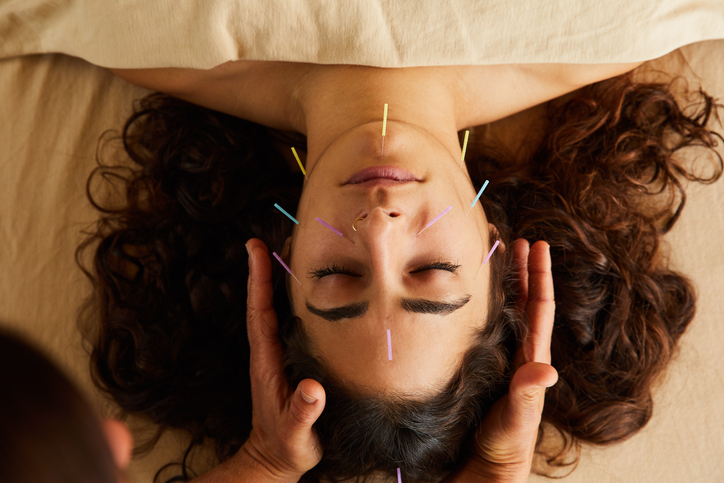

Nerve regeneration is the process of repairing damaged nerve tissue and restoring communication between the brain, spinal cord, muscles, and organs. Chinese medicine supports nerve healing through acupuncture, herbal medicine, improved circulation, nervous system regulation, and inflammation reduction, helping create better conditions for repair and functional recovery.
Nerve healing rarely follows a straight path. Some people notice gradual improvements in sensation, while others continue to experience numbness, weakness, tingling, burning pain, or muscle dysfunction after an injury, surgery, neuropathy, diabetes, compression, or chronic inflammation.
Traditional Chinese Medicine (TCM) takes a broader view of nervous system healing. Rather than focusing only on symptom relief, it considers circulation, tissue nourishment, inflammation, stress, and nerve signaling together. Acupuncture and herbal medicine are often used to calm irritated nerves, support blood flow, and encourage gradual recovery.
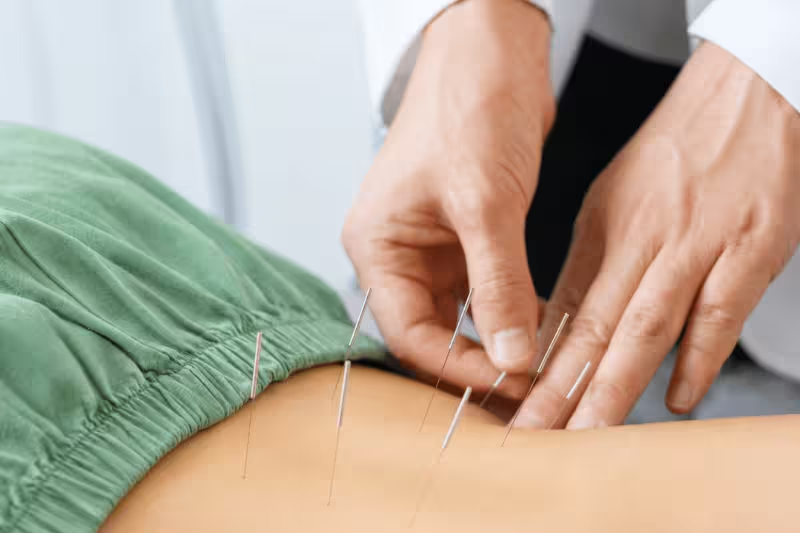
Nerve regeneration is the process of repairing damaged nerve tissue and restoring communication between the brain, spinal cord, muscles, and organs. Chinese medicine supports nerve healing through acupuncture, herbal medicine, improved circulation, nervous system regulation, and inflammation reduction, helping create better conditions for repair and functional recovery.
Nerve healing rarely follows a straight path. Some people notice gradual improvements in sensation, while others continue to experience numbness, weakness, tingling, burning pain, or muscle dysfunction after an injury, surgery, neuropathy, diabetes, compression, or chronic inflammation.
Traditional Chinese Medicine (TCM) takes a broader view of nervous system healing. Rather than focusing only on symptom relief, it considers circulation, tissue nourishment, inflammation, stress, and nerve signaling together. Acupuncture and herbal medicine are often used to calm irritated nerves, support blood flow, and encourage gradual recovery.
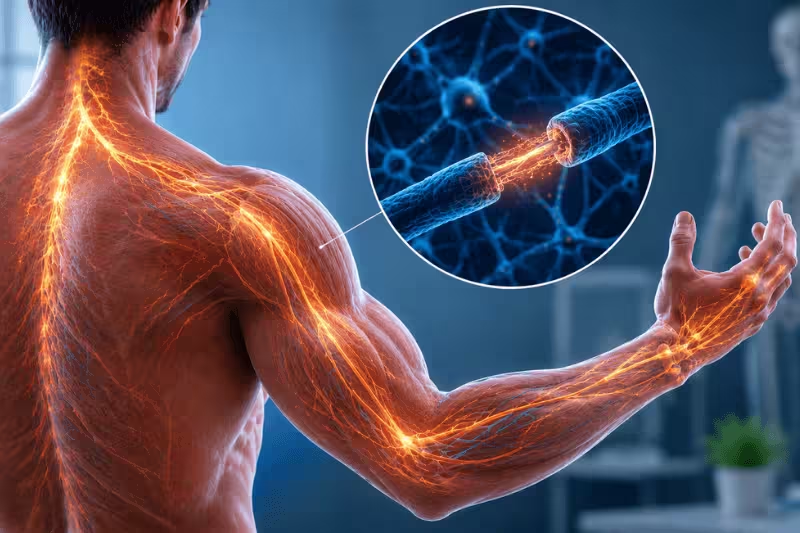
Nerve regeneration is the body’s process of repairing damaged nerves and restoring communication between the brain, spinal cord, muscles, skin, and organs. This may involve rebuilding nerve fibers, improving nerve signaling, reducing inflammation, and helping surrounding tissues recover.
Unlike skin or muscle, nerves heal slowly. Some peripheral nerves may regenerate at roughly one millimeter per day under ideal conditions, although healing speed varies based on age, circulation, overall health, and injury severity.
Nerves work like communication pathways between the brain, spinal cord, muscles, skin, and organs. When damage occurs, those signals may become interrupted or distorted.
Common symptoms may include:
Peripheral nerves in the arms, hands, legs, and feet generally have greater healing potential than nerves in the brain or spinal cord. However, recovery can still take time because nerve repair depends on several systems working together.
Damaged nerves may recover more slowly when the body is affected by:
Healing nerves can sometimes create confusing sensations. Temporary tingling, intermittent discomfort, or shifting symptoms do not always mean something is wrong.
Potential signs of recovery may include:
For many people, nerve healing happens through small, steady improvements rather than sudden changes.
Traditional Chinese Medicine views nerve damage through whole-body patterns rather than one isolated nerve. Symptoms like numbness, tingling, weakness, spasms, burning pain, or poor mobility may be linked to disrupted circulation, deficiency, inflammation, or obstruction.
Qi supports movement and function, while Blood nourishes tissues. When flow is restricted, nerves may become irritated or undernourished.
Common signs may include:
In TCM, the Liver system helps nourish muscles, tendons, and nerves. Deficiency may contribute to:
Kidney Jing is associated with aging, recovery, vitality, and neurological resilience. This pattern may appear with chronic neuropathy, long-term degeneration, or post-illness recovery.
Heaviness, swelling, stiffness, or poor circulation may suggest dampness or obstruction. In modern terms, this may overlap with inflammation, fluid retention, or metabolic dysfunction.
TCM treatment focuses on identifying the pattern behind the symptoms so care can be tailored to each person.
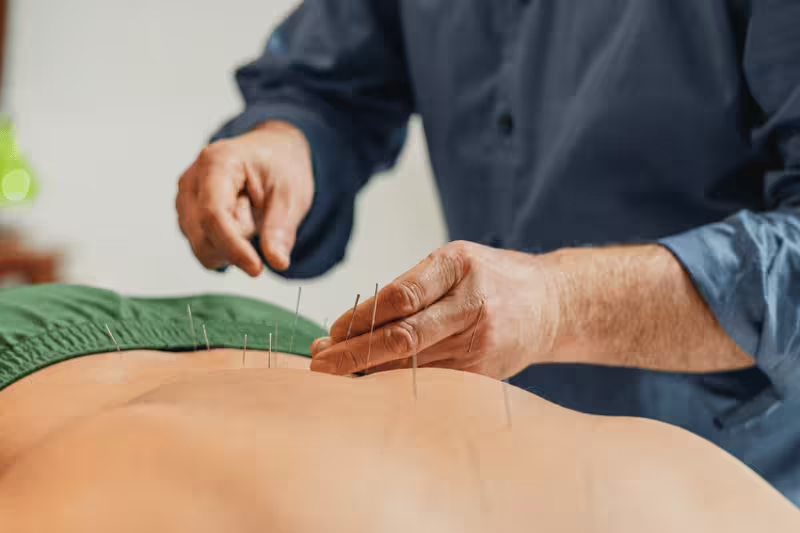
Acupuncture may support nerve regeneration by improving circulation, regulating inflammation, calming overactive pain signals, and supporting nervous system recovery. It does not rebuild nerves overnight, but it may help create better conditions for healing.
Acupuncture may help through several pathways:
Overall, acupuncture works best as part of a broader recovery plan that addresses the cause of nerve damage, circulation, inflammation, movement, nutrition, and overall health.
Acupuncture point selection varies depending on the location of nerve damage, symptoms, circulation, and the individual’s overall health pattern. Practitioners rarely use the exact same points for every patient. Instead, treatments are customized based on numbness, pain, weakness, mobility limitations, or nervous system dysfunction.
Acupuncturists often use points near the injured or irritated area to help support circulation, reduce inflammation, and encourage nerve signaling.
Examples may include:
Improving circulation is often considered important for nerve healing.
Frequently selected points may include:
When chronic stress, pain sensitivity, or sleep disruption contribute to slower healing, practitioners may include calming points such as:
The exact acupuncture points used for nerve regeneration depend on the condition being treated, whether symptoms involve neuropathy, sciatica, post-surgical irritation, stroke recovery, or nerve compression.
Chinese medicine may support nerve healing in conditions involving nerve irritation, inflammation, poor circulation, compression, or nervous system dysregulation. Treatment plans vary based on the cause, severity, duration, and overall health of each person.
Peripheral neuropathy affects nerves outside the brain and spinal cord, often causing burning, tingling, numbness, weakness, or sensitivity in the hands and feet. Chinese medicine may focus on improving circulation, calming inflammation, nourishing tissues, and supporting nerve signaling.
Sciatica occurs when the sciatic nerve becomes irritated or compressed, often causing pain that travels from the lower back into the hip, leg, or foot. Acupuncture may help reduce inflammation, release muscle tension, improve circulation, and support mobility.
Cervical or lumbar nerve compression may cause pain, numbness, weakness, or radiating symptoms in the arms or legs. TCM may look at posture, tension patterns, circulation, sleep, and inflammation that may affect recovery.
Carpal tunnel syndrome occurs when the median nerve is compressed at the wrist. Symptoms may include finger tingling, hand weakness, pain with repetitive activity, or nighttime numbness. Acupuncture may support local circulation and help calm irritated tissues.
After surgery, nerve sensitivity may linger due to swelling, scar tissue, tissue trauma, or irritation. Chinese medicine may be used alongside rehabilitation to support circulation, reduce sensitivity, and encourage gradual recovery.
Acupuncture is often explored for facial nerve support in Bell’s palsy or facial paralysis. Treatment may focus on improving circulation, supporting muscle activation, and encouraging nervous system recovery.
Chinese medicine may be used as supportive care after stroke, often alongside physical therapy and medical treatment. Acupuncture may help support motor recovery, coordination, muscle activation, spasticity reduction, and neuroplasticity.
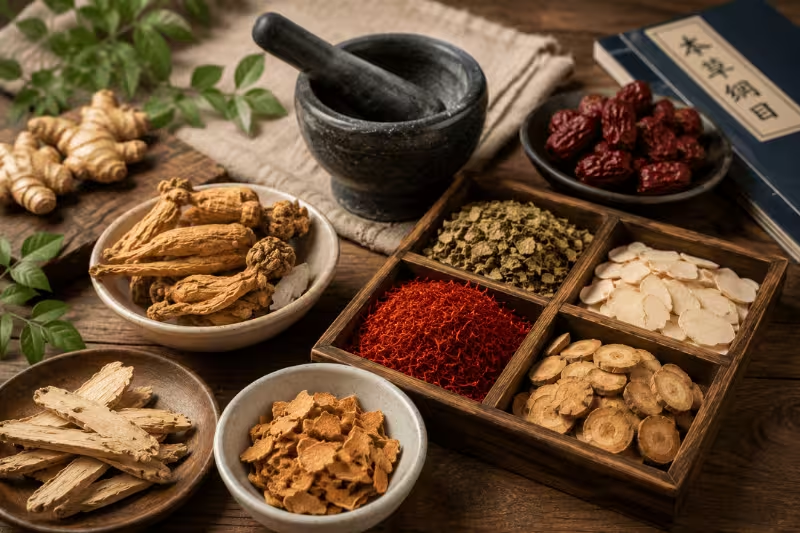
Chinese herbal medicine may support nerve healing by addressing patterns linked to poor circulation, inflammation, weakness, and slower tissue repair. Instead of simply masking pain, formulas are usually customized based on each person’s symptoms and overall health.
Herbs should not be self-prescribed, especially for neurological conditions, because they may interact with medications or may not match the person’s TCM pattern.
Two people with numbness may need different formulas. One may have inflammation, while another may have deficiency, poor circulation, or depletion. This is why TCM practitioners use pattern differentiation instead of giving the same herbs to everyone.
Chinese medicine does not use a one-size-fits-all approach for nerve healing. Treatment plans are personalized based on symptoms, circulation, pain patterns, sleep, stress, digestion, and the underlying cause of nerve dysfunction.
A practitioner typically looks beyond the location of pain or numbness. Evaluation may include:
This helps identify patterns contributing to slower healing.
Acupuncture is often more consistent during active recovery. Some people begin with:
Treatment plans may shift over time, focusing first on pain and inflammation, then on strength, coordination, and function.
Herbal medicine is often used alongside acupuncture to support recovery from different angles. Depending on the pattern, treatment may focus on:
Additional therapies may include:
Nerve healing timelines vary. Mild irritation may improve within weeks, while more significant damage may take months or longer.
Recovery often depends on:
Progress often happens gradually, with improvements in pain, sleep, strength, mobility, or sensation appearing over time.
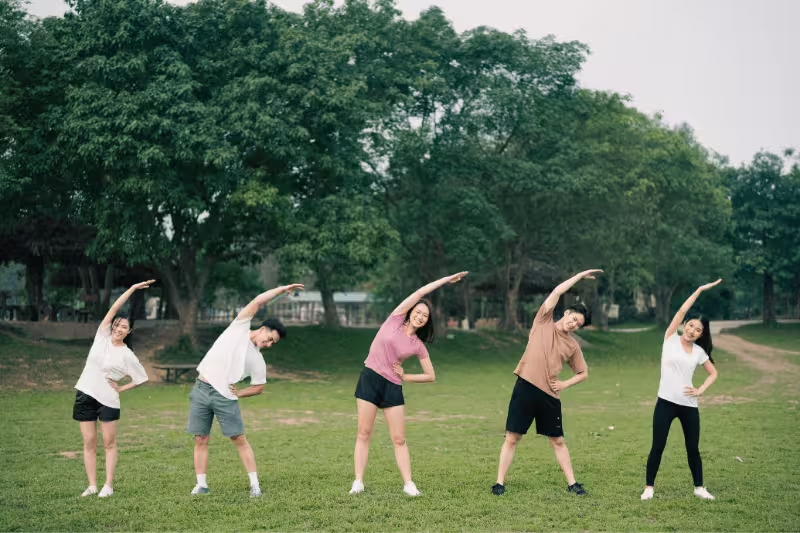
Acupuncture and herbal medicine work best when the body also receives the conditions needed for healing.
Nerves require nutrients, circulation, movement, rest, and metabolic stability to recover effectively.
Inflammation can slow nerve recovery.
A nutrient-dense diet may help support healing by improving circulation, blood sugar regulation, and tissue repair.
Many practitioners encourage foods rich in:
Reducing excessive processed foods, refined sugar, and alcohol may also support nervous system health.
Sleep plays a major role in tissue repair and nervous system regulation.
Deep sleep is when many restorative processes occur, including immune regulation, hormone balance, and cellular repair.
Poor sleep may worsen:
Creating healthy sleep habits may improve healing outcomes.
Complete inactivity can sometimes slow healing.
Appropriate movement may help support circulation, mobility, and nerve signaling.
Depending on the condition, this may include:
The goal is movement without aggravating symptoms.
Chronic stress may place the body in a prolonged fight-or-flight state.
When stress hormones remain elevated, inflammation and pain sensitivity may increase.
Practices that support parasympathetic nervous system activity may help improve recovery.
Helpful strategies may include:
Several nutrients are commonly discussed in relation to nervous system support.
These include:
Before starting supplements, it is important to discuss individual needs with a healthcare provider, especially when neurological symptoms are present.
Not every nerve symptom should be managed at home.
Some situations require immediate medical evaluation.
Seek prompt medical care if symptoms involve:
Chinese medicine works best as complementary care rather than a replacement for necessary medical evaluation.
For many people, the strongest outcomes happen when conventional medicine, rehabilitation, and Traditional Chinese Medicine work together.
Chinese medicine approaches nerve regeneration through a broader lens than symptom management alone. Acupuncture and herbal medicine are often used to support circulation, regulate inflammation, calm irritated nerves, and encourage the nervous system’s ability to adapt and recover.
Healing damaged nerves often takes time. Progress may happen gradually through better sensation, reduced pain, improved movement, stronger coordination, or better daily function rather than sudden transformation.
For many individuals, recovery is strongest when multiple aspects of health are supported together. Combining acupuncture, herbal medicine, physical therapy, movement, nutrition, and medical guidance may help create better conditions for nervous system healing.
At ACA Acupuncture and Wellness, we take a personalized approach to care based on each individual’s symptoms, health history, and recovery goals. If you are exploring Chinese medicine for nerve-related symptoms, our team can help you better understand whether acupuncture and holistic support may fit into your recovery plan.
Sources:
Liu, H., Liao, J., Xu, W., Li, Y., & Li, Y. (2023). Chinese herbal medicine Buyang Huanwu Decoction in treatment of peripheral nerve injury: A systematic review and meta-analysis of randomized controlled trials. Medicine, 102(29), e34256.
Yang, Y., Chang, R., Lin, T., Wang, S., Shi, H., Yan, X., Zhang, L., Meng, X., Gu, W., Du, Y., & Hong, F. (2023). Application and underlying mechanism of acupuncture for the nerve repair after peripheral nerve injury: Remodeling of nerve system. Frontiers in Cellular Neuroscience, 17, 1253438.
Chinese medicine should not be viewed as a guaranteed cure for nerve damage. It may help support the body’s healing process by improving circulation, calming inflammation, regulating pain signals, and supporting nervous system balance. Results depend on the cause, severity, and duration of the nerve injury.
Acupuncture may be helpful for both recent and long-term nerve symptoms, but earlier care is often easier to support because the tissue may be less chronically irritated. Older nerve damage may still improve, although treatment may require more consistency and a longer recovery plan.
Tingling after acupuncture can happen for different reasons, including increased circulation, nerve stimulation, or temporary sensitivity in the treated area. It may be a positive response for some people, but it should not be used as the only sign of nerve healing.
Yes. Acupuncture may be used for numbness even when pain is not present. In TCM, numbness may be linked to poor circulation, deficiency, or obstruction, so treatment often focuses on improving blood flow, tissue nourishment, and nerve communication.
Chinese herbs may interact with medications, including pain relievers, blood thinners, diabetes medications, and neurological drugs. Anyone taking medication should consult a qualified practitioner and healthcare provider before using herbs.
Progress may appear as reduced burning pain, less numbness, better sleep, improved movement, stronger grip, better balance, or fewer symptom flare-ups. Nerve healing is often gradual, so small changes over several weeks may be meaningful.
LOCATIONS
MANHATTAN
QUEENS
NEW JERSEY
CALIFORNIA

The over $4 billion US acupuncture market offers a great opportunity with over 10% annual growth rates and a continuing flow of new patients interested in the benefits of acupuncture.
