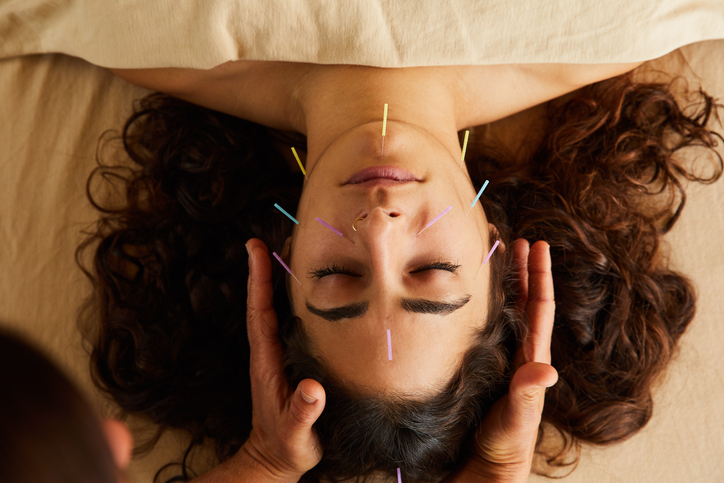

Chinese medicine treats hair loss by correcting internal imbalances linked to circulation, hormones, and nutrient delivery. It can slow shedding and support regrowth in cases like stress-related hair loss and early thinning, but results typically take 3 to 6 months and are less effective for advanced genetic baldness without combining modern treatments.
Hair loss is not a single condition. It is a visible symptom of underlying biological processes such as hormonal sensitivity, inflammation, nutrient deficiency, or stress disruption.
Modern dermatology identifies common types like androgenetic alopecia, telogen effluvium, and alopecia areata. Traditional Chinese Medicine approaches these same conditions through a different lens, focusing on internal balance, organ systems, and energy flow.
Instead of targeting hair follicles alone, Chinese medicine works on the systems that sustain them. This includes circulation, hormonal stability, and nutrient absorption. The goal is not quick regrowth but long-term restoration of hair quality and density.

Chinese medicine treats hair loss by correcting internal imbalances linked to circulation, hormones, and nutrient delivery. It can slow shedding and support regrowth in cases like stress-related hair loss and early thinning, but results typically take 3 to 6 months and are less effective for advanced genetic baldness without combining modern treatments.
Hair loss is not a single condition. It is a visible symptom of underlying biological processes such as hormonal sensitivity, inflammation, nutrient deficiency, or stress disruption.
Modern dermatology identifies common types like androgenetic alopecia, telogen effluvium, and alopecia areata. Traditional Chinese Medicine approaches these same conditions through a different lens, focusing on internal balance, organ systems, and energy flow.
Instead of targeting hair follicles alone, Chinese medicine works on the systems that sustain them. This includes circulation, hormonal stability, and nutrient absorption. The goal is not quick regrowth but long-term restoration of hair quality and density.
From a Western perspective, hair loss is driven by specific biological mechanisms that affect the hair growth cycle, follicle health, and hormonal balance:
Traditional Chinese Medicine describes these same patterns through functional systems rather than isolated causes, but there is significant overlap in what is actually happening inside the body.
These patterns are not abstract ideas. They correspond to real physiological processes such as circulation efficiency, endocrine balance, inflammatory response, and nutrient transport. This is why both systems often arrive at similar conclusions through different frameworks.
Chinese medicine follows a root-cause model known as pattern differentiation, where treatment is based on identifying the specific imbalance driving hair loss.
Instead of targeting the hair follicle directly, it works to restore the systems that support consistent hair growth.
Core treatment pillars include:
Because hair growth depends on multiple internal systems working together, this approach focuses on rebuilding the foundation. This explains why results are gradual but often more sustainable compared to short-term stimulation methods.

Acupuncture supports hair health by targeting both local scalp conditions and systemic imbalances.
Its primary mechanisms include:
Commonly used acupuncture points include:
Clinical findings suggest acupuncture is most effective for non-scarring hair loss, particularly when stress or circulation issues are involved.
Chinese medicine can support hair regrowth, but outcomes depend on the underlying cause and stage of hair loss.
For many individuals, combining these approaches leads to more consistent and noticeable results.
In Traditional Chinese Medicine, hair is considered a reflection of blood quality and internal vitality. Nutrition plays a central role in maintaining strong, healthy hair.
These recommendations align closely with modern nutritional science, particularly in supporting:
This overlap highlights how both TCM and modern medicine recognize that strong hair depends on consistent internal nourishment, not just external treatments.

Stress is one of the most common and overlooked triggers of hair loss. It disrupts the normal hair growth cycle and can lead to sudden, excessive shedding.
Stress → increased cortisol → disruption of the hair growth cycle → premature shedding (telogen effluvium)
Elevated cortisol levels push hair follicles out of the growth phase (anagen) and into the resting phase (telogen), leading to noticeable shedding weeks or months after the initial trigger. Chronic stress can also increase inflammation and reduce blood flow, both of which weaken follicle function and slow regrowth.
In Traditional Chinese Medicine, stress leads to Qi stagnation, particularly affecting the liver system. When Qi flow is disrupted, blood circulation to the scalp becomes restricted, limiting oxygen and nutrient delivery to hair follicles. Over time, this creates an environment where hair becomes weaker, thinner, and more prone to shedding.
Addressing stress is a core part of treatment. Without correcting this underlying trigger, hair loss often continues despite other interventions.
Topical treatments such as oils, rinses, and herbal masks can improve hair appearance and scalp condition, but their impact on true regrowth is limited.
Topical treatments support surface-level hair quality, but internal treatments are essential for meaningful and sustained regrowth, as they influence the biological systems that control the hair growth cycle.
The most effective hair loss strategy is often integrative.
Research suggests acupuncture and traditional therapies may support hair growth across multiple types of alopecia, although evidence is still evolving and varies in strength.
This integrated model targets both the root cause and the visible symptom, improving the likelihood of consistent results.

Hair growth follows a slow biological cycle, which is why results take time.
Clinical observations show that improvements in hair density often require several months of consistent treatment, especially when combining therapies.
Consistency is critical. Interruptions in treatment can slow or reverse progress.
Chinese medicine is most effective when hair follicles are still viable and capable of responding to improved internal conditions.
Chinese medicine offers a system-based approach to hair loss that focuses on restoring internal balance rather than forcing rapid results. By improving circulation, regulating stress, and supporting hormonal and nutritional pathways, it creates the conditions needed for healthier, more resilient hair.
While it may not replace medical treatments for advanced hair loss, it provides a strong foundation for long-term hair health. When used consistently and combined with evidence-based therapies, it can significantly improve both hair quality and scalp function.
At ACA Acupuncture and Wellness, care focuses on restoring the internal balance that supports healthy hair growth through acupuncture, herbal medicine, and holistic therapies. You can also explore our other services to support overall wellness, circulation, and recovery.
Sources
Li, A. R., Andrews, L., Hilts, A., & Valdebran, M. (2022). Efficacy of acupuncture and moxibustion in alopecia: A narrative review. Frontiers in Medicine, 9.
Li, A. R., Andrews, L., Hilts, A., & Valdebran, M. (2022). Efficacy of acupuncture and moxibustion in alopecia. PubMed.
Hwang, A. (2024). Complementary and alternative therapies for alopecia. Journal of Integrative Dermatology.
Vasco, C. T. (2022). The treatment of non-scarring alopecia with acupuncture and Chinese herbs: A case report.
Chinese medicine can help improve the conditions needed for healthy hair growth by enhancing circulation, reducing inflammation, and supporting hormonal and nutritional balance. It is most effective for stress-related hair loss, nutrient deficiencies, and early-stage thinning where follicles are still active. However, it does not directly reverse advanced genetic baldness on its own, which is why it is often combined with medical treatments for better results.
Hair regrowth is gradual because it follows the natural hair cycle. Most people begin to notice reduced shedding within the first 4 to 8 weeks, while visible improvements in thickness and regrowth typically appear after 3 to 6 months of consistent treatment. The timeline can vary depending on the severity of hair loss, underlying causes, and how consistently treatments are followed.
He Shou Wu can be beneficial for hair health when properly prepared and prescribed as part of a balanced formula. However, raw or improperly processed forms have been associated with liver-related side effects in some cases. For safety and effectiveness, it should always be used under the guidance of a qualified practitioner who can determine the correct dosage and formulation based on your condition.
Acupuncture can support hair regrowth by increasing blood flow to the scalp, reducing inflammation around hair follicles, and regulating stress-related hormonal imbalances. It is particularly helpful for non-scarring types of hair loss such as telogen effluvium or early androgenetic alopecia. While it may not fully restore hair in advanced cases, it can improve hair density, reduce shedding, and enhance overall scalp health when used consistently.
He Shou Wu is one of the most commonly used herbs for hair growth due to its traditional role in supporting kidney and liver function. However, Chinese medicine rarely relies on a single herb. Formulas are typically customized and may include herbs like Dang Gui, Nu Zhen Zi, and Ginseng to address circulation, hormonal balance, and stress. The most effective approach depends on your specific pattern of imbalance.
Chinese medicine and minoxidil work in different ways rather than competing directly. Minoxidil stimulates hair follicles to grow by extending the growth phase, while Chinese medicine focuses on improving the internal environment that supports long-term hair health, such as circulation, stress regulation, and nutrient delivery. Many people achieve better outcomes by combining both approaches instead of relying on just one.
LOCATIONS
MANHATTAN
QUEENS
NEW JERSEY
CALIFORNIA

The over $4 billion US acupuncture market offers a great opportunity with over 10% annual growth rates and a continuing flow of new patients interested in the benefits of acupuncture.
