

Traditional Chinese Medicine (TCM) can complement conventional cancer care by supporting comfort, energy, digestion, sleep, emotional well-being, and day-to-day function during treatment and recovery.
TCM takes an individualized approach to supportive care. For someone living with cancer, the goal is not to replace oncology treatment or directly treat the cancer. Instead, TCM may be incorporated alongside chemotherapy, radiation therapy, surgery, immunotherapy, targeted therapy, hormone therapy, and survivorship care to address the changing physical and emotional needs that can accompany the cancer journey.
Chinese herbal medicine requires particularly careful coordination because herbs can interact with cancer medications and other prescription drugs.
Disclaimer: This content is for educational purposes and is not a substitute for advice or treatment from an oncologist or other qualified healthcare professional. Patients should discuss any complementary therapies, including Chinese herbal medicine, with their cancer care team before beginning them. Patients experiencing urgent or concerning symptoms should seek appropriate medical care.

Traditional Chinese Medicine (TCM) can complement conventional cancer care by supporting comfort, energy, digestion, sleep, emotional well-being, and day-to-day function during treatment and recovery.
TCM takes an individualized approach to supportive care. For someone living with cancer, the goal is not to replace oncology treatment or directly treat the cancer. Instead, TCM may be incorporated alongside chemotherapy, radiation therapy, surgery, immunotherapy, targeted therapy, hormone therapy, and survivorship care to address the changing physical and emotional needs that can accompany the cancer journey.
Chinese herbal medicine requires particularly careful coordination because herbs can interact with cancer medications and other prescription drugs.
Disclaimer: This content is for educational purposes and is not a substitute for advice or treatment from an oncologist or other qualified healthcare professional. Patients should discuss any complementary therapies, including Chinese herbal medicine, with their cancer care team before beginning them. Patients experiencing urgent or concerning symptoms should seek appropriate medical care.
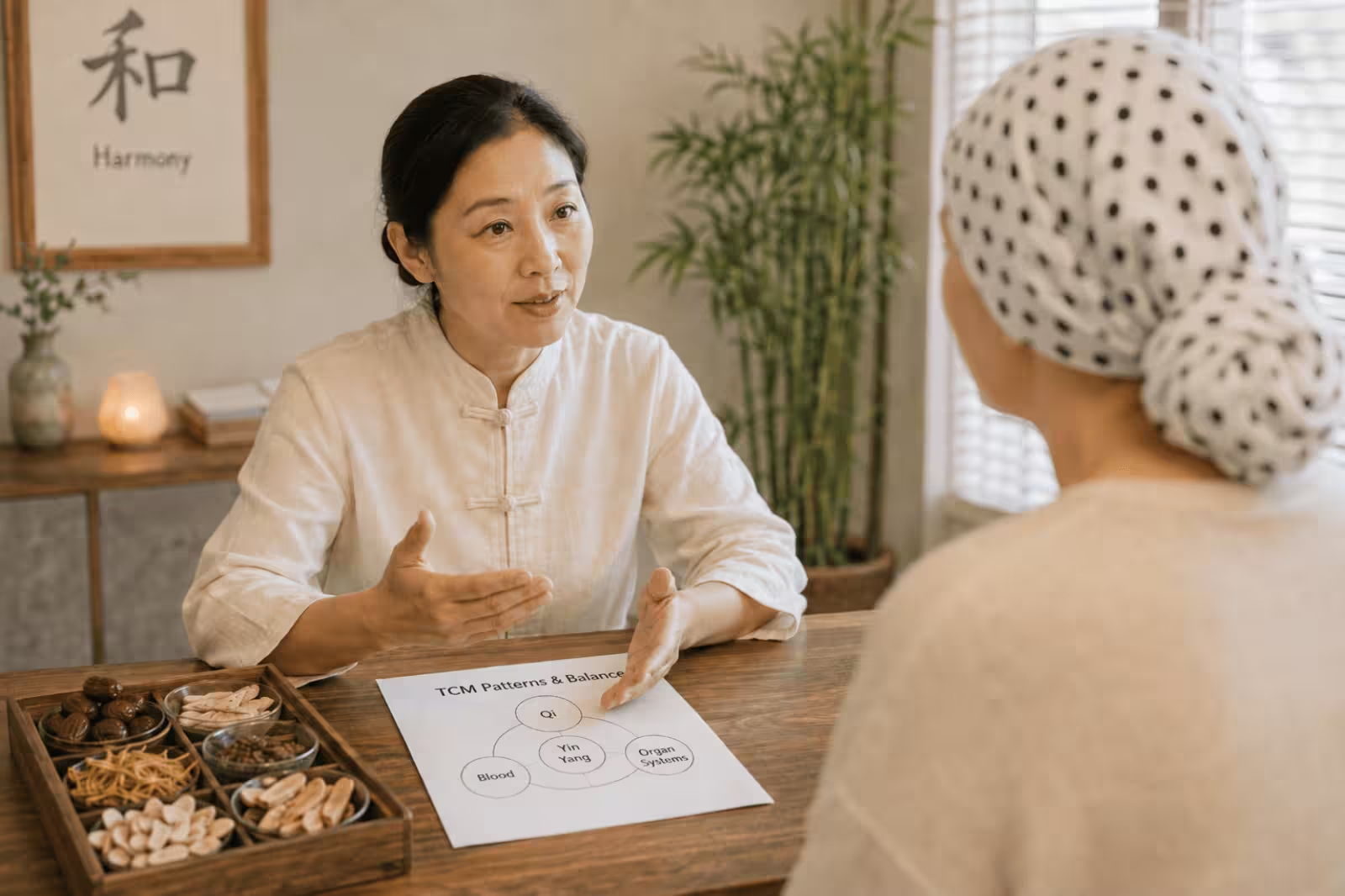
TCM for cancer support is complementary care designed around the patient’s symptoms, constitution, treatment stage, and overall well-being.
TCM is a traditional medical system that looks at health through interconnected patterns involving digestion, sleep, energy, temperature, emotional state, bowel habits, appetite, physical comfort, and other signs and symptoms.
Traditional concepts such as Qi, yin and yang, blood, and organ systems are used within TCM to organize these patterns. These concepts belong to the traditional framework of Chinese medicine and should not be confused with biomedical cancer diagnosis.
Cancer type, stage, tumor characteristics, prognosis, and treatment decisions are determined through conventional medical evaluation. A TCM assessment serves a different purpose: identifying supportive priorities for the individual patient.
A cancer support plan may include:
The combination should depend on the patient’s health status rather than following the same protocol for everyone.
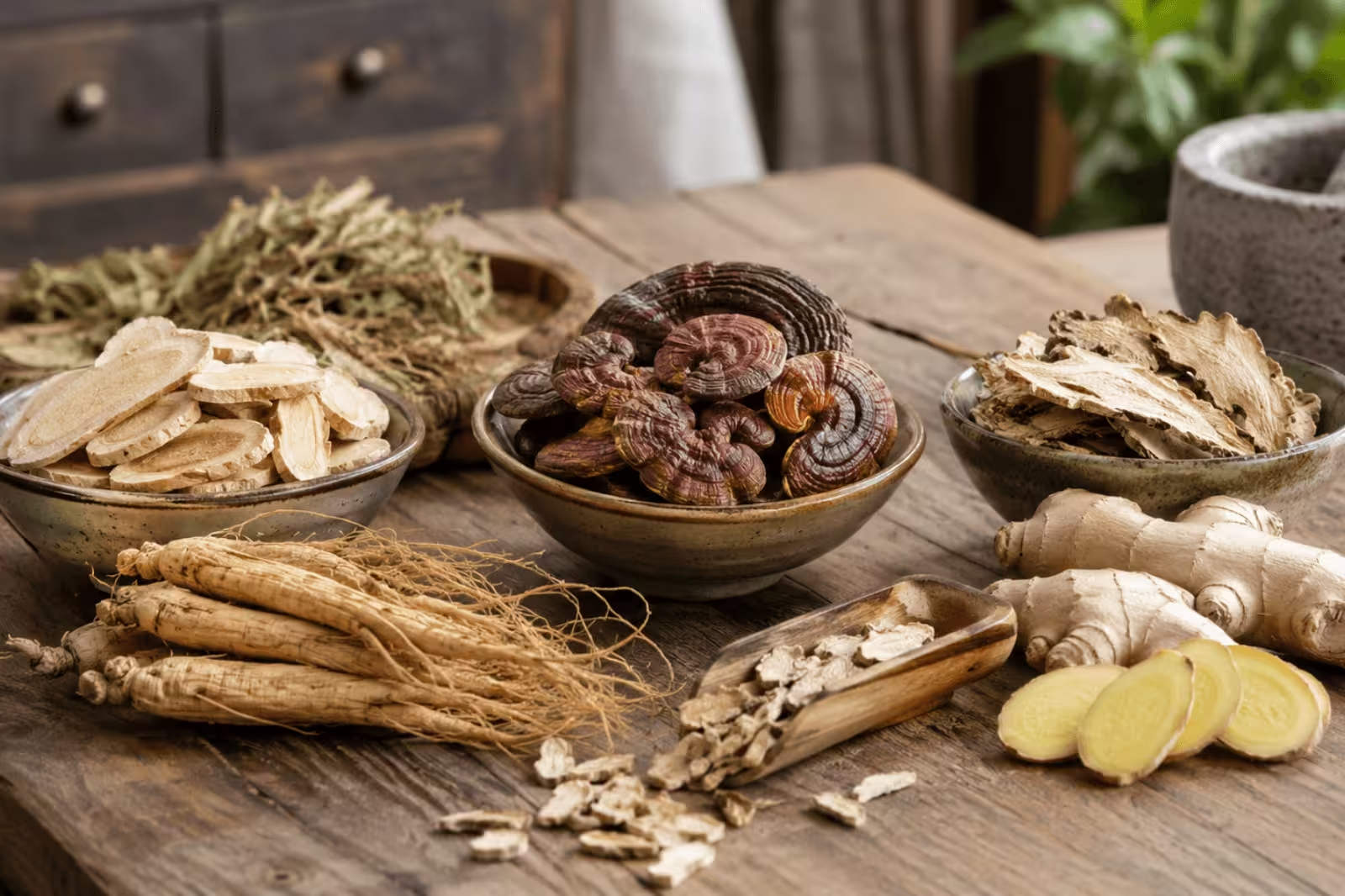
Some herbs used in TCM may support concerns such as fatigue, nausea, digestive discomfort, and general weakness. The herbs below are examples commonly associated with TCM practice and are provided for educational purposes only, not as recommendations for cancer patients.
There is no universal list of the “best herbs” for people with cancer. These examples should not be used to decide which herbs to take. Suitability depends on the person’s diagnosis, medications, treatment plan, health status, and individual circumstances, and herbal use should be discussed with the patient’s TCM practitioner and oncology team.
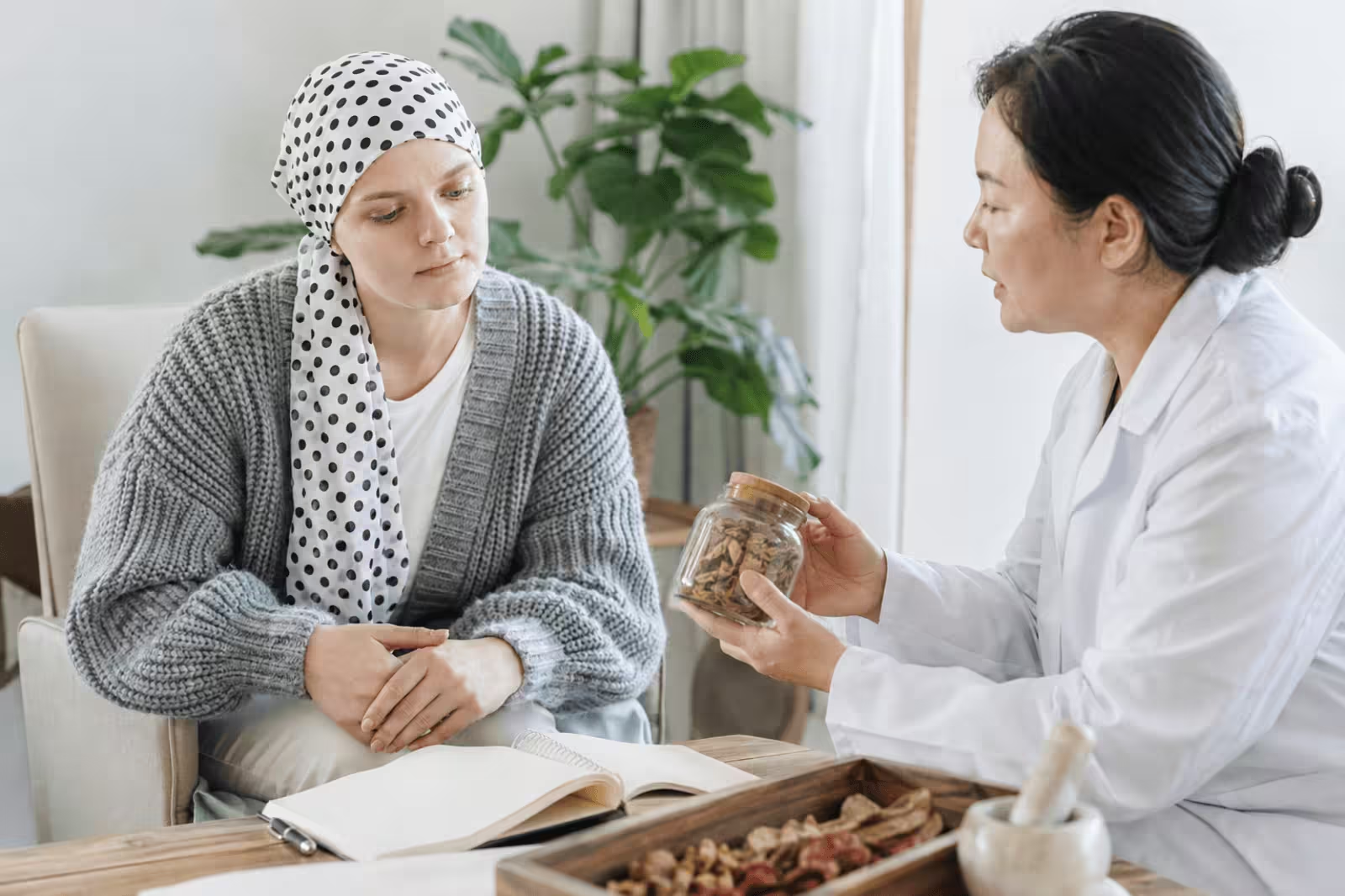
Chinese herbal medicine should be individualized during active cancer treatment and recovery. What is appropriate for one person may not be suitable for another, even with the same diagnosis, because medications, symptoms, health conditions, and treatment plans vary.
During active treatment, patients should not start, stop, or copy herbal formulas without professional guidance. A qualified TCM practitioner should consider:
Patients should also keep their oncology team informed about any herbs or complementary products they use.
Some herbs and supplements can affect how medications are absorbed or processed and may interfere with cancer treatment or other medicines.
Patients should provide both their TCM practitioner and oncology team with a complete list of:
Before surgery or another medical procedure, patients should follow their medical team’s instructions about when herbal products should be stopped or restarted.
These precautions remain important after chemotherapy or another phase of treatment ends. Some patients continue taking cancer-related or other medications during recovery, so potential interactions may still apply.
Before starting or restarting Chinese herbal medicine, patients should review their medications and care plan with their healthcare providers.
After active treatment, TCM can shift toward supporting recovery, daily function, and long-term well-being. Some people may continue to experience:
A recovery plan may include:
Chinese dietary therapy may help guide tolerable foods and meal patterns, but unnecessarily restrictive diets should be avoided, especially when maintaining weight and adequate nutrition is difficult. A registered dietitian with oncology experience may be helpful when nutritional concerns continue.
People recovering from major surgery, significant muscle loss, neuropathy, balance problems, or substantial weakness may also benefit from rehabilitation or physical therapy. TCM should complement, rather than replace, appropriate medical care and rehabilitation.
TCM should not be presented as a method for preventing cancer recurrence.
Chinese medicine may support areas such as sleep, nutrition, physical activity, digestion, stress management, and quality of life during survivorship. Those are meaningful goals, but they are different from preventing cancer from returning.
No special diet, herb, vitamin, mineral, supplement, or combination of these should be relied upon to slow cancer, cure it, or prevent recurrence.
Survivorship care should continue to include:
TCM can be incorporated around these priorities as supportive care.
Safe TCM cancer support depends on communication between the patient, oncology team, pharmacist, and TCM practitioner.
Before recommending Chinese herbs or other complementary products, a practitioner should understand the patient’s:
Patients should tell their oncology team about any herbal medicines they use or plan to use. National cancer and complementary health authorities specifically encourage patients to discuss complementary products with their healthcare providers because some products may interfere with medications or standard treatment.
An oncology pharmacist can also be valuable when a patient takes several medications or wants to add a complex herbal formula.
The goal is coordinated care, not two separate treatment systems operating without knowledge of one another.
Cancer treatment can affect far more than a single organ or symptom. Energy, digestion, sleep, nutrition, physical function, emotional well-being, and everyday routines may all change as someone moves from diagnosis through treatment and into recovery.
TCM can provide an individualized framework for addressing those changing needs.
The safest approach keeps its purpose clear. TCM supports the person undergoing cancer care. It does not replace cancer-directed treatment, and Chinese herbs should always be considered in the context of the medications and medical care the patient is already receiving.
At ACA Acupuncture and Wellness, we provide individualized TCM care based on your symptoms, health history, and overall needs. If you are undergoing or recovering from cancer treatment, we encourage you to continue working closely with your oncology team and keep them informed about any herbs, supplements, or complementary therapies you use. We also encourage open communication and coordination with your medical care team so that TCM can be considered thoughtfully alongside your existing treatment.
Sources:
American Cancer Society. (2025, July 11). How to use integrative (holistic) therapies safely.
National Center for Complementary and Integrative Health. (2021, October). Cancer and complementary health approaches: What you need to know. National Institutes of Health.
PDQ® Integrative, Alternative, and Complementary Therapies Editorial Board. (2024, April 25). Cancer therapy interactions with foods and dietary supplements (PDQ®): Patient version. National Cancer Institute.
No. TCM should not be used as a substitute for cancer-directed treatment. Its appropriate role is complementary support for the patient’s symptoms, function, and well-being while oncology care addresses the cancer.
Some patients may use Chinese herbs during cancer care, but the exact formula must be reviewed for potential interactions. Herbal products can affect how certain medications are processed by the body.
TCM supportive care may focus on concerns such as fatigue, poor appetite, digestive changes, disrupted sleep, stress, physical weakness, and difficulty maintaining normal routines. The approach should be personalized to the patient’s medical condition and treatment stage.
TCM can be incorporated into post-treatment supportive care with a focus on rebuilding routines, improving nutrition, managing lingering symptoms, gradually increasing activity, and supporting quality of life.
Not automatically. Patients may still be taking hormone therapy, targeted therapy, anticoagulants, or other medications after chemotherapy ends. Herbal products should still be reviewed for possible interactions.
Yes. Patients should tell their oncology team about all herbs, vitamins, supplements, and complementary products they take or plan to take. This helps identify interactions and supports coordinated care.
Traditional Chinese Medicine (TCM) may complement conventional cancer care by supporting concerns such as fatigue, appetite, sleep, digestive discomfort, stress, and recovery. It should not replace or interfere with oncology treatment. Because some complementary products and practices may interact with medications, patients should coordinate TCM care with their oncology team and qualified practitioners.
LOCATIONS
MANHATTAN
QUEENS
NEW JERSEY
CALIFORNIA

The over $4 billion US acupuncture market offers a great opportunity with over 10% annual growth rates and a continuing flow of new patients interested in the benefits of acupuncture.
