

Chinese herbal medicine approaches thyroid-related symptoms through individualized formulas selected according to a person’s traditional Chinese medicine pattern. Treatment may address underlying patterns involving Qi, Blood, Yin, Yang, Phlegm, Heat, or stagnation rather than viewing the thyroid gland in isolation.
Chinese herbs may complement conventional care, but they cannot replace thyroid testing, prescribed thyroid hormone, antithyroid medication, ultrasound, biopsy, or cancer treatment. The safest approach combines an established medical diagnosis with carefully selected herbal care and continued medical monitoring.

Chinese herbal medicine approaches thyroid-related symptoms through individualized formulas selected according to a person’s traditional Chinese medicine pattern. Treatment may address underlying patterns involving Qi, Blood, Yin, Yang, Phlegm, Heat, or stagnation rather than viewing the thyroid gland in isolation.
Chinese herbs may complement conventional care, but they cannot replace thyroid testing, prescribed thyroid hormone, antithyroid medication, ultrasound, biopsy, or cancer treatment. The safest approach combines an established medical diagnosis with carefully selected herbal care and continued medical monitoring.
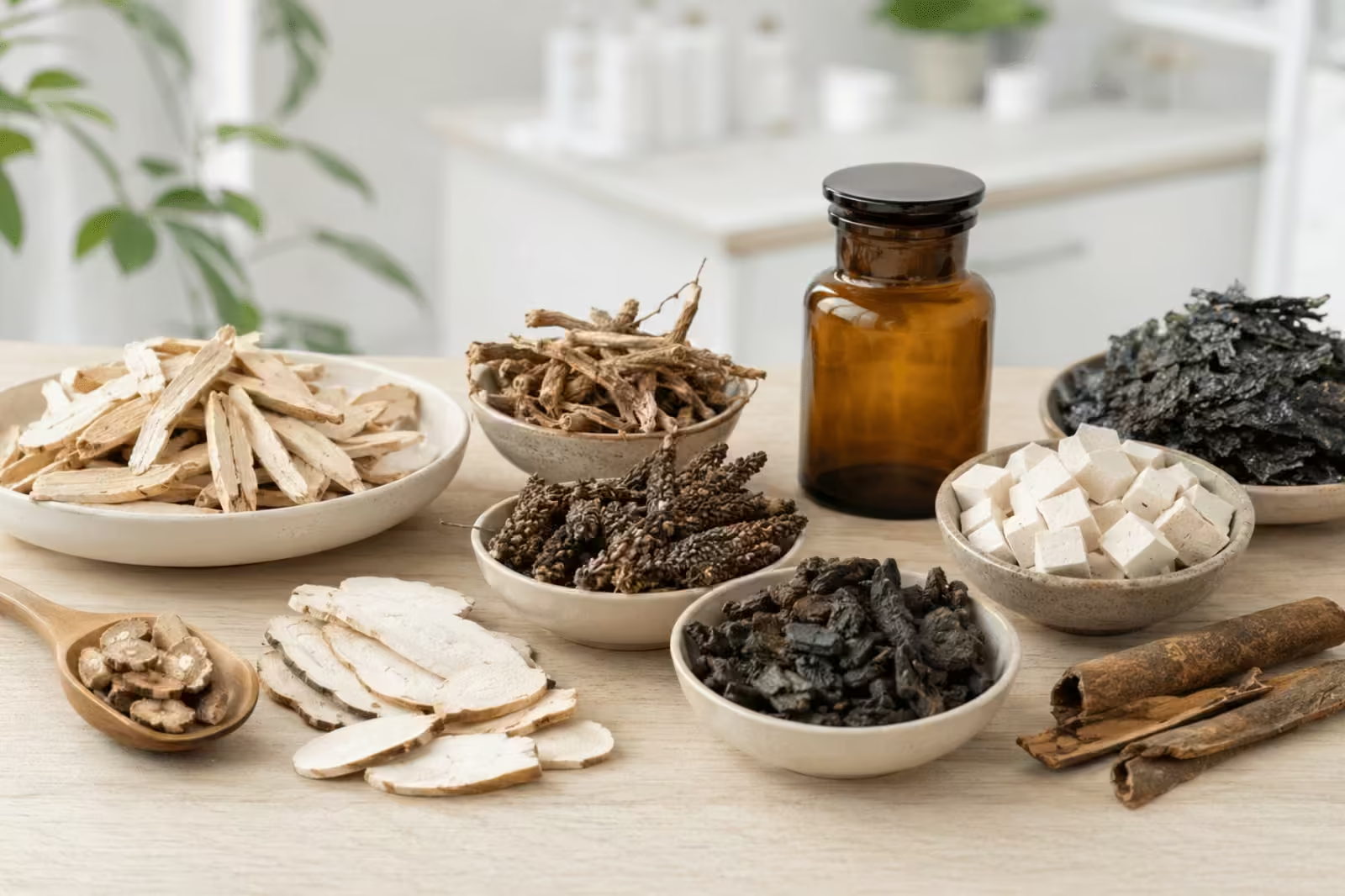
Chinese herbal medicine generally relies on multi-herb formulas rather than one “best thyroid herb.” Each ingredient is selected for a traditional function and adjusted according to symptoms, constitution, medications, and treatment response.
The herbs below are presented for educational purposes and are not recommendations for self-treatment.
Kun Bu refers to iodine-containing seaweed traditionally used to transform Phlegm, soften hardness, and reduce certain forms of swelling. It may appear in classical formulas for goiter-like neck enlargement.
Its traditional reputation does not make it safe for every thyroid condition. Seaweed iodine content is highly variable. Excess iodine can trigger or worsen hypothyroidism or hyperthyroidism in susceptible people, including those with Hashimoto’s thyroiditis, Graves’ disease, or autonomous thyroid nodules.
Nonpregnant adults generally require 150 micrograms of iodine daily. Iodine or kelp supplements containing more than 500 micrograms per day should not be used without medical monitoring. The adult tolerable upper intake level is 1,100 micrograms per day. Routine intake above the recommended amount has no established thyroid benefit for most people.
Hai Zao is traditionally used to transform Phlegm, soften hardness, and address goiter-like swelling. Like Kun Bu, it contains iodine and requires careful selection.
Hai Zao also has a traditional compatibility caution involving Gan Cao, or licorice root. Historical compatibility rules and modern clinical use do not always align perfectly, but this concern reinforces why complex formulas require careful oversight.
Xia Ku Cao, derived from Prunella vulgaris, is traditionally used to clear Liver Heat, dissipate nodules, and soften certain masses. It is frequently discussed in Chinese medicine literature concerning thyroid nodules and autoimmune thyroid conditions.
Preclinical findings and small clinical studies do not establish that Xia Ku Cao can safely eliminate nodules or prevent thyroid cancer. Reduced neck discomfort or changes in nodule measurements would not eliminate the need for ultrasound surveillance.
Huang Qi, commonly known as astragalus, is a Qi-tonifying herb traditionally used for fatigue, weakness, poor recovery, and spontaneous sweating.
It is often marketed as an immune-supporting herb, but that description can be misleading in autoimmune thyroid disease. Astragalus may affect immune activity and interact with immunosuppressive medications. A person with Hashimoto’s thyroiditis should not assume that Huang Qi is appropriate simply because fatigue is present.
Chai Hu is traditionally used to regulate Liver Qi and address constraint, irritability, mood-related tension, and certain alternating patterns of discomfort.
Bupleurum-containing products differ substantially in their ingredients and concentrations. Rare reports of liver injury have also been associated with some products and formulas. Liver disease, medication use, formula composition, and symptoms such as dark urine or jaundice should be carefully considered.
Zhe Bei Mu is traditionally used to clear Heat, transform Phlegm, and dissipate nodules. It may be paired with other ingredients in formulas for firm or persistent neck swelling.
Different Fritillaria species are not interchangeable. Accurate botanical identification matters because substitution, adulteration, and inconsistent processing can affect safety and potency.
Xuan Shen traditionally nourishes Yin, clears Heat, and softens hardness. It may appear in formulas addressing dryness, heat sensations, throat discomfort, or nodular presentations.
Persistent hoarseness, difficulty swallowing, trouble breathing, or a rapidly enlarging mass should never be treated as a simple TCM pattern. These symptoms require prompt medical assessment.
Nu Zhen Zi, or privet fruit, and Han Lian Cao, or eclipta, are commonly paired to nourish Liver and Kidney Yin. They may be considered when dry mouth, night sweating, dizziness, tinnitus, or heat sensations suggest a Yin-deficient pattern.
Their traditional role does not establish a direct antithyroid effect. They should not replace methimazole, propylthiouracil, radioactive iodine, surgery, or specialist monitoring.
Sheng Di Huang, or raw rehmannia root, and Mai Men Dong, or ophiopogon root, are traditionally used to nourish Yin and generate fluids. They may be included when heat, thirst, dryness, or restlessness accompanies a thyroid presentation.
Rich Yin-nourishing herbs can aggravate bloating or loose stools in some patients. TCM formulas are often modified to balance these effects.
Fu Ling, Bai Zhu, and Shan Yao are traditionally used to support Spleen Qi, digestion, and fluid metabolism. They may appear in formulas for fatigue, poor appetite, loose stools, heaviness, or mild fluid retention.
Although these herbs may address part of a patient’s pattern, they do not supply thyroid hormone or repair thyroid tissue damaged by autoimmune disease or surgery.
Dang Gui and Bai Shao are traditionally used to nourish or regulate Blood. They may be considered when fatigue, pallor, menstrual concerns, dry skin, muscle tension, or dizziness accompanies the primary pattern.
Anticoagulant use, bleeding disorders, pregnancy, and planned surgery should be reviewed before using formulas containing herbs that may affect bleeding or uterine activity.
Rou Gui, or cinnamon bark, and processed Fu Zi, derived from Aconitum carmichaelii, are strongly warming herbs associated with Yang-deficient patterns.
Fu Zi requires particular caution. Improperly processed aconite can cause severe neurological and cardiac toxicity, including dangerous arrhythmias. It should never be used without expert preparation, dosing, and supervision.
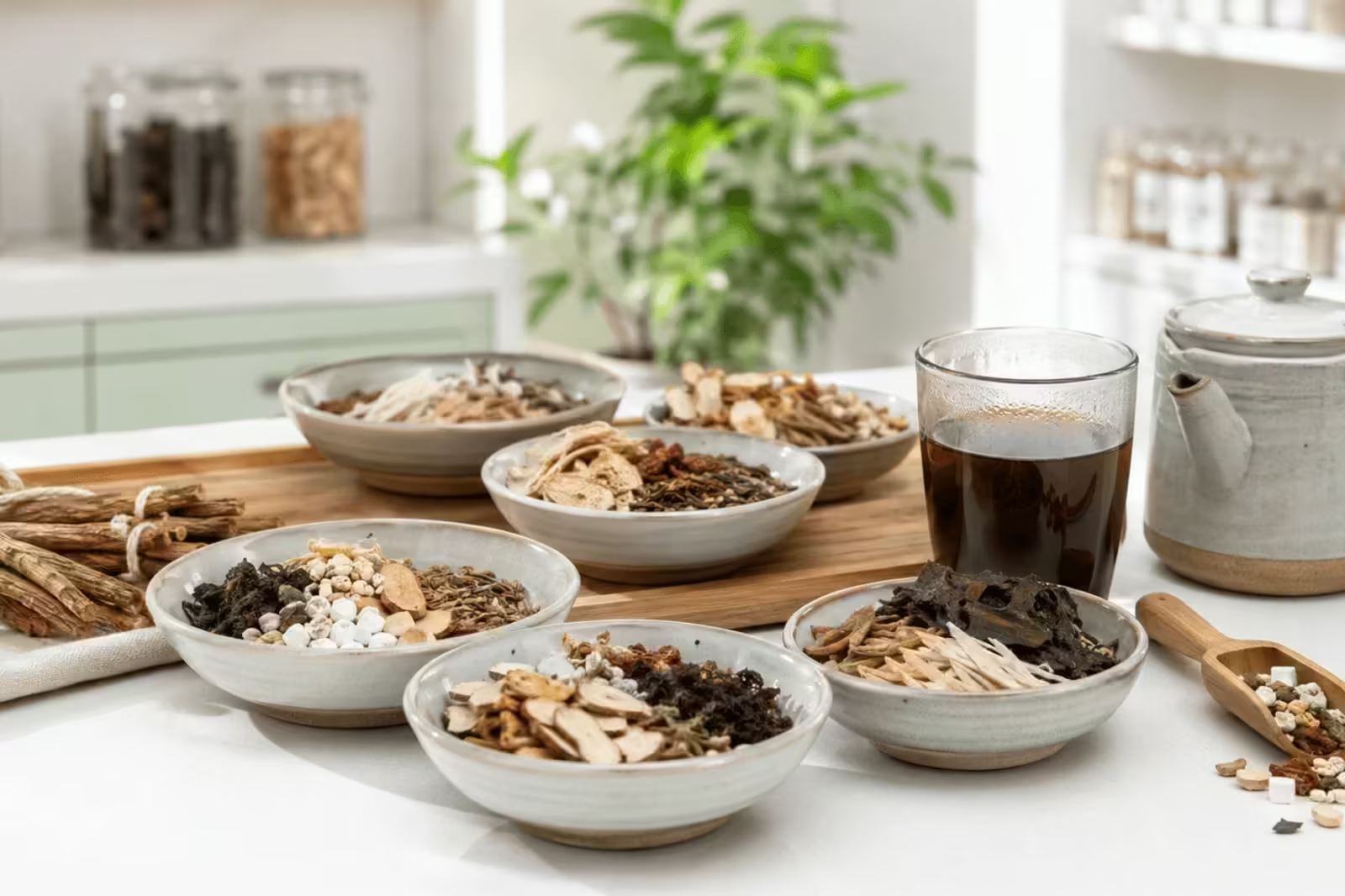
Classical formula names describe traditional treatment strategies, not products that are universally appropriate for a medical diagnosis. Products bearing the same name may differ in their ingredients, proportions, processing methods, concentrations, and quality.
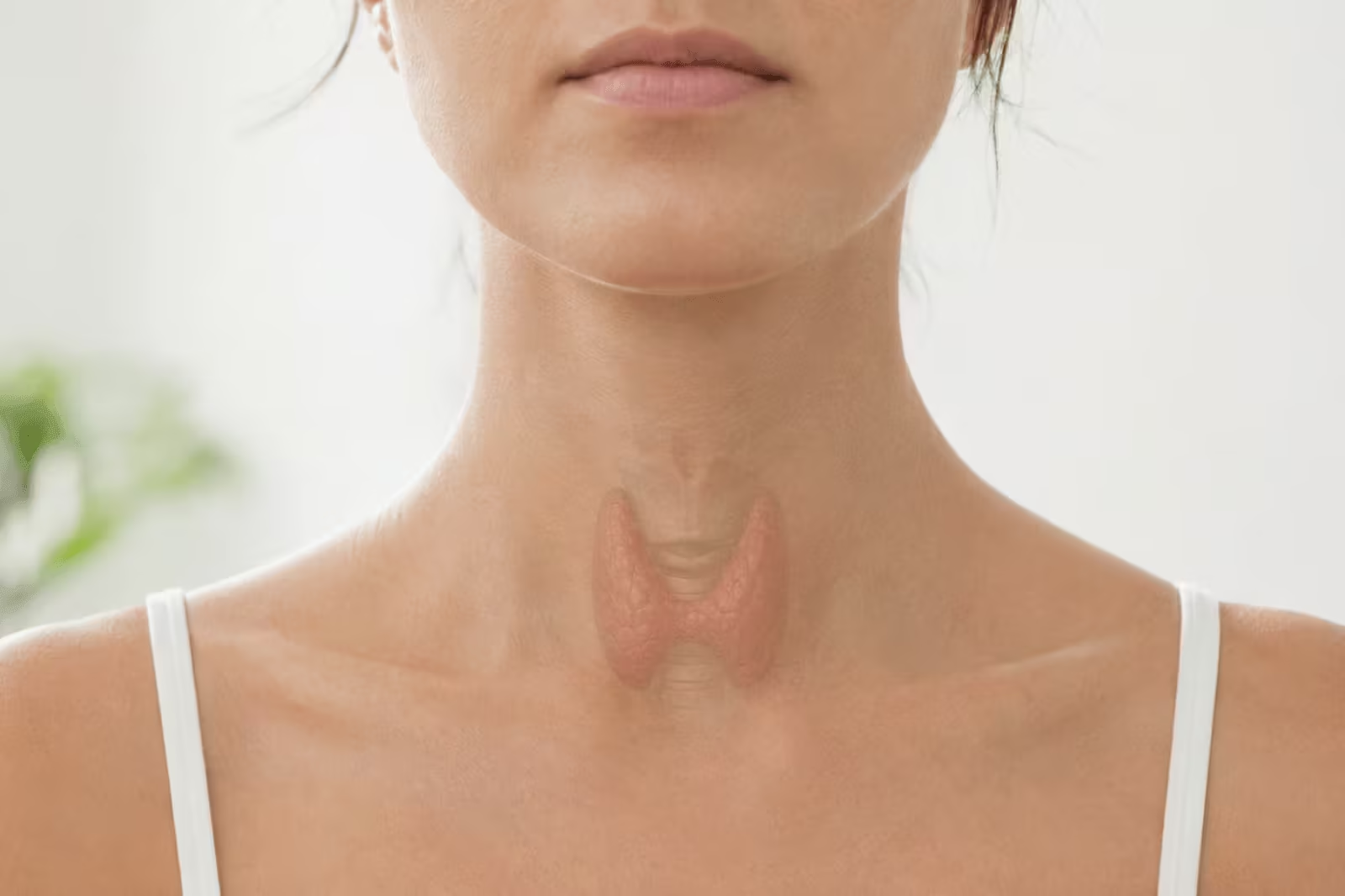
The thyroid is a butterfly-shaped endocrine gland in the front of the neck. It produces thyroxine, or T4, and triiodothyronine, or T3. These hormones influence metabolism, temperature regulation, heart rate, digestion, muscle function, menstrual cycles, and neurological activity.
In medical care, “thyroid balance” is not defined by symptoms alone. It is assessed through clinical history, examination, and laboratory measurements such as:
A person can experience fatigue, anxiety, weight change, constipation, hair loss, or poor sleep without having thyroid disease. Conversely, thyroid dysfunction can sometimes be present before symptoms become obvious. Laboratory testing is therefore essential before attributing a collection of symptoms to the thyroid.
The distinction between symptom support and thyroid treatment also matters. A formula may help someone feel less tired or sleep more comfortably without correcting inadequate thyroid hormone production. Symptomatic improvement should not be interpreted as proof that the underlying disease has resolved.
Traditional Chinese medicine does not treat the thyroid gland as the direct equivalent of one classical TCM organ system. Instead, a person’s complete presentation is interpreted through functional concepts such as Qi, Blood, Yin, Yang, Body Fluids, Phlegm, Heat, and stagnation.
A TCM assessment may consider:
Two people with the same TSH level may receive different formulas because their broader symptom patterns differ. Likewise, a formula traditionally associated with fatigue is not automatically appropriate for everyone with hypothyroidism.
TCM also distinguishes between a root pattern and a branch manifestation. A deficiency of Qi, Yin, or Yang may form the underlying pattern, while Heat, Phlegm, fluid retention, or Blood stasis may produce the more noticeable symptoms. This framework explains why traditional formulas often combine tonic herbs with ingredients intended to regulate Qi, transform Phlegm, clear Heat, or move Blood.
TCM pattern identification and biomedical diagnosis answer different questions. Kidney Yang deficiency, for example, is not a medical diagnosis of hypothyroidism and cannot be confirmed through a TSH test. Responsible integrative care recognizes the purpose and limitations of each framework.
Hypothyroidism occurs when the thyroid does not produce enough hormone. Common causes include Hashimoto’s thyroiditis, thyroid surgery, radioactive iodine treatment, certain medications, congenital conditions, and pituitary disorders. Its symptoms may correspond with several TCM patterns.
Hyperthyroidism occurs when the body is exposed to excessive thyroid hormone. Causes may include Graves’ disease, toxic nodules, thyroiditis, excessive thyroid medication, or iodine exposure. TCM interpretations commonly emphasize Heat, Yin deficiency, Phlegm, and disrupted Qi movement.
Hypothyroidism can cause fatigue, cold intolerance, constipation, dry skin, mental slowing, and menstrual changes. Symptoms vary between individuals.
Chinese herbs may complement care for concerns such as low energy, poor sleep, or digestion, but they cannot replace missing thyroid hormone or restore a severely damaged thyroid gland. Kelp and other iodine-rich remedies may also worsen thyroid dysfunction when used incorrectly.
Levothyroxine should not be reduced or stopped because symptoms improve. Medication changes should be based on TSH, free T4, pregnancy status, and medical guidance.
Hashimoto’s thyroiditis is an autoimmune condition that gradually damages thyroid tissue and may lead to hypothyroidism.
A 2024 review found possible benefits for thyroid antibodies, hormone levels, and symptoms. However, weaknesses in the available studies mean that herbal medicine has not been proven to prevent thyroid damage or eliminate the need for levothyroxine.
Lower thyroid antibody levels do not necessarily mean that:
“Immune-supporting” herbs are not automatically suitable for autoimmune disease. Huang Qi and other herbs that may affect immune activity require careful consideration.
Graves’ disease causes antibodies to overstimulate the thyroid, leading to excessive hormone production. Symptoms may include palpitations, tremors, sweating, anxiety, insomnia, muscle weakness, and unintended weight loss.
Research suggests that Chinese medicine may provide complementary support when used alongside conventional care, but the evidence remains limited. Chinese herbs should not replace treatment for clinically significant hyperthyroidism.
Poorly controlled Graves’ disease can contribute to:
Herbal formulas should be carefully reviewed alongside methimazole, propylthiouracil, radioactive iodine, or thyroid surgery to reduce interaction risks.
A thyroid nodule is a distinct growth within the thyroid gland, while a goiter is an enlargement of the gland.
Formulas containing Xia Ku Cao, Kun Bu, Hai Zao, Zhe Bei Mu, or Xuan Shen are traditionally used for neck swelling, Phlegm, Heat, or hardness. However, current evidence is insufficient to replace standard testing and surveillance.
Medical evaluation may include:
A rapidly growing nodule, hoarseness, difficulty swallowing, or enlarged lymph nodes requires prompt medical evaluation.
Chinese herbs have not been proven to cure thyroid cancer. They should not replace surgery, radioactive iodine, thyroid hormone suppression, targeted therapy, radiation, chemotherapy, or cancer monitoring.
Some herbs may be explored for fatigue, appetite, or sleep concerns, but they can affect bleeding, liver function, medication exposure, or treatment preparation.
People following a low-iodine diet before radioactive iodine treatment generally need to avoid kelp, seaweed, and iodine-containing supplements.
Recent reviews have reported encouraging findings, particularly when Chinese herbal formulas are added to conventional treatment. Examined outcomes have included symptoms, thyroid antibody concentrations, thyroid hormone measurements, nodule size, recurrence, and adverse effects.
These findings require careful interpretation because common research limitations include:
Formula heterogeneity is a particularly important problem. When trials use different herbal combinations, dosages, manufacturing processes, or treatment durations, researchers cannot confidently attribute the reported benefits to one formula or ingredient.
Improvement in a TCM symptom score also differs from evidence that a formula prevents atrial fibrillation, restores thyroid tissue, avoids surgery, or improves long-term quality of life. Stronger research requires standardized products, transparent ingredient characterization, independent replication, longer follow-up, and clinically meaningful outcomes.
Based on the available evidence, Chinese herbal medicine is best understood as potential complementary support for selected thyroid-related concerns, not a proven replacement for standard thyroid care.
Iodine is essential for thyroid hormone synthesis, but more is not always better. Both inadequate and excessive iodine exposure can disrupt thyroid function.
In iodine-sufficient regions, routine kelp supplementation is unlikely to correct most cases of hypothyroidism. Hashimoto’s disease, prior thyroid treatment, surgery, and medication effects cannot be resolved simply by consuming extra iodine.
Kelp and seaweed products present three practical problems:
Extra caution is necessary for people with:
Kun Bu and Hai Zao should therefore not be portrayed as universal remedies for nodules or low thyroid function.
Chinese herbs and levothyroxine may sometimes be used within the same care plan, but the combination requires coordination and monitoring.
Levothyroxine absorption can be affected by food, calcium, iron, antacids, fiber supplements, and several medications. Herbal formulas add further uncertainty because they may contain minerals, fibers, or pharmacologically active compounds.
Patients should:
Feeling more energetic does not prove that the levothyroxine dose should be lowered. Conversely, persistent fatigue does not necessarily mean that more thyroid hormone is needed.
Methimazole and propylthiouracil can rarely cause serious liver injury or a dangerous reduction in white blood cells. Combining them with herbs that have overlapping hepatic or hematological risks can complicate monitoring.
A sore throat or fever while taking an antithyroid drug requires prompt medical guidance because it may indicate agranulocytosis. Jaundice, dark urine, severe itching, or right upper abdominal pain may indicate liver injury.
Additional interaction screening is important for:
The formula label, exact dose, manufacturer, and preparation method should be documented. “Chinese herbs” is not specific enough for a meaningful interaction review.
Herbal safety depends on more than the traditional reputation of an ingredient. Botanical identity, growing conditions, processing, extraction, storage, and contamination can all affect the quality and safety of the final product.
Potential quality problems include:
Dietary supplements are not evaluated for effectiveness before reaching the market in the same way as prescription medications. Products sold online or in stores may therefore vary considerably in their purity, potency, and ingredient accuracy.
Choose products from reputable manufacturers that provide complete ingredient disclosure, botanical authentication, product traceability, and independent batch testing.
Avoid products claiming to:
These promises exceed current evidence and may encourage dangerous delays in diagnosis or appropriate treatment.
Chinese herbal medicine requires particular caution during:
Pregnancy changes thyroid hormone requirements and increases the consequences of inadequate treatment. Pregnant patients should not start or stop thyroid medication, iodine products, or herbal formulas without coordinated obstetric and endocrine care.
A safe, clinically grounded plan begins with an accurate diagnosis rather than herb selection.
Testing should establish whether the condition involves hypothyroidism, hyperthyroidism, autoimmune thyroid disease, thyroiditis, a nodule, a goiter, or another concern.
Severe palpitations, chest pain, fainting, breathing difficulty, rapid neck enlargement, or neurological changes require urgent medical evaluation.
The review should cover prescription medications, supplements, iodine intake, seaweed products, pregnancy status, previous thyroid surgery, radioactive iodine treatment, and relevant laboratory results.
The full pattern should be evaluated instead of matching one herb to one thyroid diagnosis. Symptoms, constitution, digestion, sleep, temperature preferences, medications, and treatment history can all influence formula selection.
Goals may include better sleep, improved bowel regularity, less fatigue, fewer heat episodes, or improved quality of life. Laboratory goals should remain under appropriate medical supervision.
Every ingredient, dosage, preparation method, manufacturer, and intended treatment duration should be recorded. This information is important for quality control and interaction screening.
Monitoring may include symptoms, pulse, blood pressure, adverse effects, TSH, free T4, and other relevant tests. New or worsening symptoms should be evaluated promptly.
If symptoms worsen or the formula does not help, adding more herbs is not necessarily the answer. The diagnosis, formula, medication dosage, adherence, and possible alternative causes of symptoms should be reconsidered.
There is no reliable universal timeline. The response depends on the thyroid condition, TCM pattern, treatment goal, formula, medication use, and whether the symptom is actually caused by thyroid dysfunction.
Changes in sleep or digestion may appear before meaningful changes in laboratory results. Conversely, thyroid laboratory values may improve while fatigue persists because fatigue can also result from anemia, sleep apnea, depression, nutritional deficiency, chronic stress, or another medical condition.
A reassessment point should be established before treatment begins. Continuing an ineffective formula indefinitely can increase costs, interaction risks, and the possibility of delayed medical care.
Seek prompt or emergency medical attention for:
These problems should not be managed by adjusting an herbal formula at home.
Before beginning Chinese herbal care, confirm that the service:
Safe care should include a willingness to avoid unsuitable herbs, request further testing, and recognize when conventional treatment must take priority.

Chinese herbal medicine offers an individualized framework for addressing symptom patterns involving fatigue, coldness, heat, palpitations, digestion, sleep, stress, and neck swelling. Herbs such as Huang Qi, Xia Ku Cao, Chai Hu, Kun Bu, Hai Zao, Nu Zhen Zi, and Han Lian Cao have distinct traditional roles, but none is universally appropriate for thyroid disease.
The most important question is not simply which herb is “good for the thyroid.” It is whether the diagnosis is correct, the treatment goal is realistic, the formula matches the individual pattern, iodine exposure is appropriate, and conventional care remains properly monitored.
At ACA Acupuncture and Wellness, we provide personalized acupuncture and Chinese herbal medicine based on each patient’s symptoms, health history, and individual TCM pattern. Contact us to schedule an appointment and learn how Chinese medicine may complement your existing thyroid care. Chinese herbs should not replace thyroid medication, imaging, biopsy, surgery, radioactive iodine, or specialist care when medically necessary.
Sources:
Cheng, C.-Y., Chen, C.-Y., Chen, J.-J., & Chuang, C.-Y. (2024). Traditional Chinese medicine treatment for benign thyroid nodules: Literature review. Tzu Chi Medical Journal, 36(2), 142–151.
Ke, L., Hu, Y., Yang, K., & Tong, N. (2015). Chinese herbal medicines for hypothyroidism. Cochrane Database of Systematic Reviews, 2015(2), Article CD008779.
No form is universally better. Decoctions allow ingredients to be adjusted, while granules and capsules may offer greater convenience and more consistent preparation. Product quality, formula suitability, dosage accuracy, and ingredient transparency matter more than the format alone.
Some herbs may influence thyroid function, medication absorption, iodine exposure, or symptoms that affect how results are interpreted. Share the complete formula and dosage before testing, and do not change thyroid medication or herbal use without medical guidance.
Chinese herbs may be considered for concerns such as fatigue, digestion, appetite, or sleep during recovery. They cannot replace thyroid hormone after complete thyroid removal and should not interfere with postoperative medications, wound healing, or cancer treatment.
Acupuncture and Chinese herbal medicine may be included in the same complementary care plan. They serve different purposes and should be selected according to the individual’s symptoms, thyroid diagnosis, medications, and overall health.
A formula may need to be modified as symptoms, laboratory values, medications, or TCM patterns change. Continuing the same combination indefinitely may become unnecessary or unsuitable, especially if new symptoms or side effects develop.
Stop using the formula and seek medical guidance if new symptoms develop, particularly palpitations, tremors, rash, jaundice, severe digestive upset, breathing difficulty, or unusual weakness. Bring the complete ingredient list and product packaging for review.
LOCATIONS
MANHATTAN
QUEENS
NEW JERSEY
CALIFORNIA

The over $4 billion US acupuncture market offers a great opportunity with over 10% annual growth rates and a continuing flow of new patients interested in the benefits of acupuncture.
