

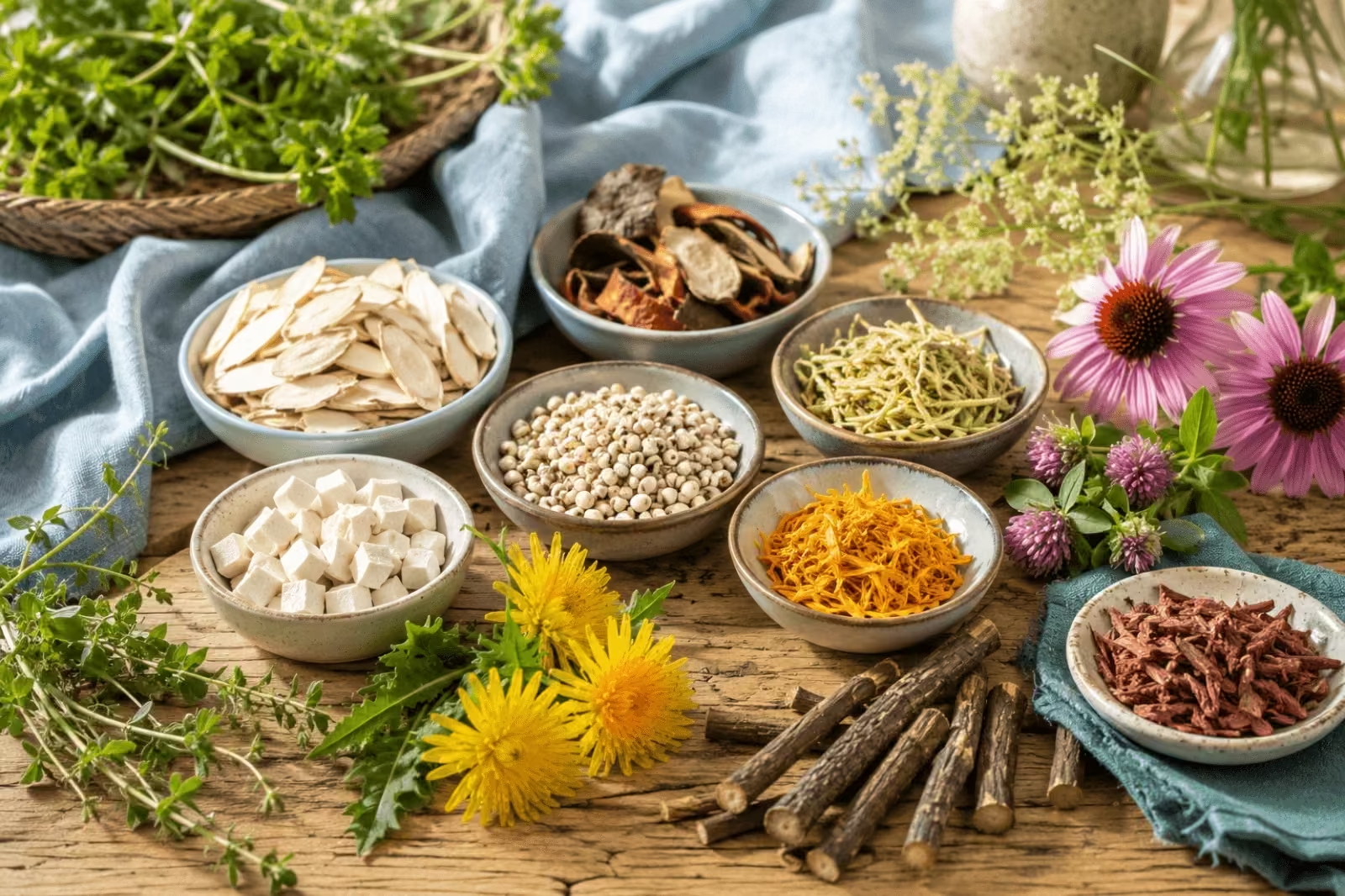
Herbs can support healthy lymphatic flow by helping the body manage fluid balance, immune activity, inflammation, circulation, digestion, and elimination. In Traditional Chinese Medicine, lymphatic congestion is not treated as one single problem. It is usually understood through patterns such as Dampness, Phlegm, Spleen Qi deficiency, Qi stagnation, Blood stagnation, Heat, or impaired water metabolism.
The most useful herbs for lymphatic system drainage are not always the strongest “detox” herbs. The best choices are the herbs that match why lymph feels sluggish in the first place.
From a TCM perspective, a person who feels puffy, heavy, tired, and bloated may need a very different herbal strategy than someone with tender swollen glands, heat, redness, sore throat, or chronic fluid retention.
Herbs can support healthy lymphatic flow by helping the body manage fluid balance, immune activity, inflammation, circulation, digestion, and elimination. In Traditional Chinese Medicine, lymphatic congestion is not treated as one single problem. It is usually understood through patterns such as Dampness, Phlegm, Spleen Qi deficiency, Qi stagnation, Blood stagnation, Heat, or impaired water metabolism.
The most useful herbs for lymphatic system drainage are not always the strongest “detox” herbs. The best choices are the herbs that match why lymph feels sluggish in the first place.
From a TCM perspective, a person who feels puffy, heavy, tired, and bloated may need a very different herbal strategy than someone with tender swollen glands, heat, redness, sore throat, or chronic fluid retention.
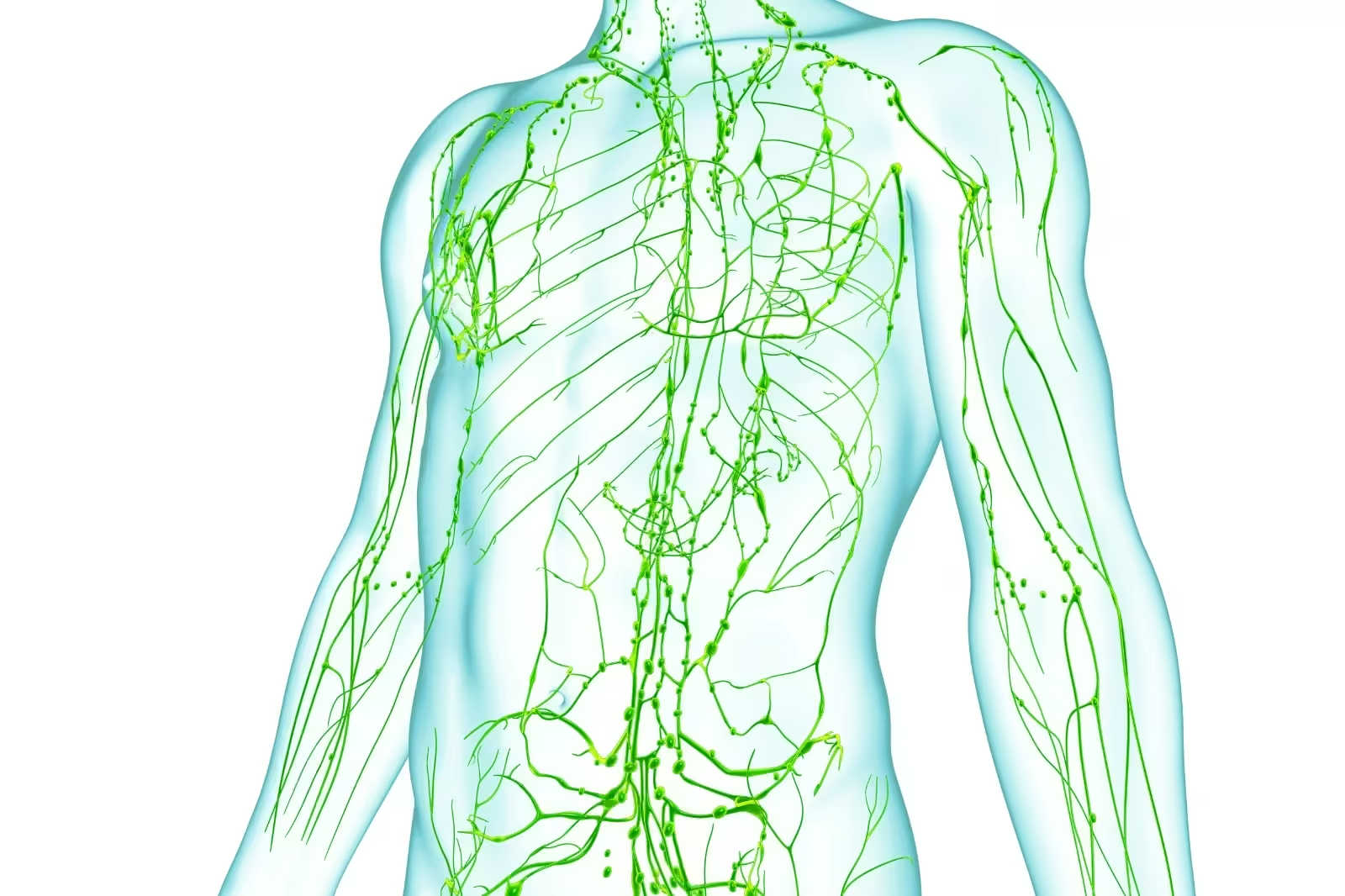
The lymphatic system moves excess fluid, proteins, immune cells, fats, and cellular waste from the tissues back toward the bloodstream.
It is part of both the immune system and the body’s fluid-balance network. Lymphatic vessels collect interstitial fluid, which is the fluid that surrounds cells. That fluid becomes lymph once it enters lymphatic vessels. Lymph then passes through lymph nodes, where immune cells monitor for pathogens, abnormal cells, and inflammatory signals.
The lymphatic system includes:
Unlike the heart, the lymphatic system does not have one central pump. Lymph movement depends on several forces working together: intrinsic contractions of lymphatic vessels, one-way valves, skeletal muscle movement, breathing pressure changes, arterial pulsation, and tissue motion.
This is why walking, stretching, deep breathing, and manual lymphatic drainage can all matter. Herbs may support the terrain around lymph flow, but they do not replace movement. A sedentary body with poor breathing mechanics, high inflammation, sluggish digestion, and poor sleep will usually have a harder time maintaining healthy fluid movement.
A more accurate way to think about lymphatic herbs is this: they support the organs, tissues, and physiological processes that influence lymph flow.
That includes immune balance, kidney elimination, liver metabolism, circulation, digestive strength, inflammatory resolution, and fluid distribution.
Traditional Chinese Medicine does not use the modern anatomical phrase “lymphatic drainage,” but many lymph-related concerns overlap with TCM patterns involving Dampness, Phlegm, Qi stagnation, Blood stagnation, Spleen Qi deficiency, Lung Qi weakness, and Kidney water metabolism.
In TCM, the body’s fluids are transformed, transported, warmed, circulated, and excreted through coordinated organ-system functions. These organ systems are not identical to Western anatomy. They are functional networks that describe patterns of physiology.
When lymph flow feels sluggish, TCM often asks deeper questions:
Dampness is one of the most important TCM concepts for lymphatic support.
Dampness describes heavy, sluggish, sticky, poorly transformed fluid accumulation in the body.
People with Dampness patterns may describe puffiness, swelling, heaviness, brain fog, fatigue, loose stools, mucus, a thick tongue coating, bloating, or a sensation that the body feels weighed down. In modern terms, these symptoms may overlap with fluid retention, sluggish digestion, inflammatory congestion, and impaired circulation.
Dampness does not always mean visible swelling. Sometimes it shows up as heaviness, mucus, slow digestion, cloudy urine, sticky stools, post-meal fatigue, or a tendency to feel worse in humid weather.
In TCM, the Spleen governs transformation and transportation.
Spleen Qi helps transform food and fluids into usable energy and distribute fluids properly. When Spleen Qi is weak, fluids may accumulate instead of circulating cleanly. This is one reason Dampness and Spleen Qi deficiency often appear together.
A person with Spleen Qi deficiency may feel tired, bloated, puffy, cold, heavy, or mentally foggy. They may also crave sugar, feel worse after raw foods, or have loose stools.
For this pattern, strong “detox” herbs may be too harsh. The better strategy is often to strengthen the Spleen while gently draining Dampness.
In TCM, the Lung helps regulate Qi, skin, pores, defensive energy, and the diffusion and descent of fluids.
When Lung Qi is weak or blocked, fluid movement near the upper body may feel impaired. A person may experience frequent colds, lingering phlegm, swollen glands during respiratory infections, or a tendency toward superficial immune weakness.
This is one reason Huang Qi, also known as astragalus, is so important in TCM. It supports Qi and defensive energy rather than simply “draining” fluid.
Kidney Yang is associated with warmth, transformation, and the body’s ability to metabolize fluids.
When Kidney Yang is weak, a person may experience coldness, low energy, lower-body swelling, frequent urination, weak back or knees, and fluid retention that feels more cold and deficient than hot and inflamed.
This pattern is not usually a good match for cooling, strongly draining herbs used casually. It needs professional evaluation.
Lymphatic sluggishness is not only about water. It can also be about movement.
Qi stagnation can feel like tightness, fullness, distention, mood-related tension, breast tenderness, rib-side tightness, or symptoms that worsen with stress. Blood stagnation may feel more fixed, chronic, achy, dark, or congested.
In these cases, herbs that move Qi and Blood may be more relevant than herbs that simply promote urination.
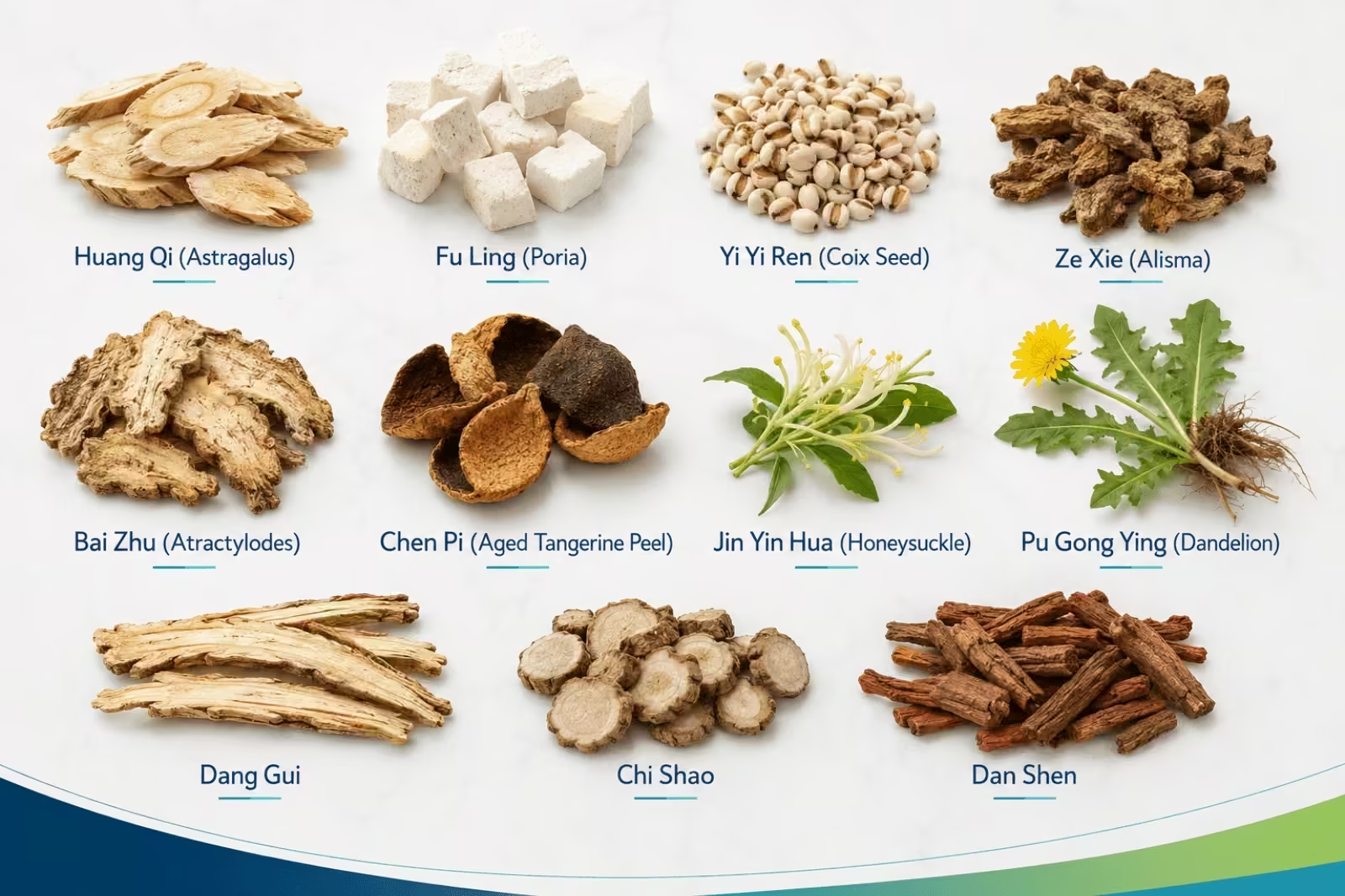
The best TCM herbs for lymphatic support are Huang Qi, Fu Ling, Yi Yi Ren, Ze Xie, Bai Zhu, Chen Pi, Jin Yin Hua, Pu Gong Ying, Dang Gui, Chi Shao, and Dan Shen when matched to the correct pattern.
These herbs do not all work the same way. Some tonify Qi. Some drain Dampness. Some clear Heat. Some move Blood. Some support digestion. Some promote urination. The clinical skill is knowing which direction the body needs.
Huang Qi supports lymphatic health by strengthening Qi, supporting defensive energy, and helping the body maintain better fluid movement when fatigue and immune weakness are part of the pattern.
Huang Qi, commonly known as astragalus, is one of the most important Qi-tonifying herbs in Chinese medicine. It is often used when the body feels depleted, vulnerable, or unable to maintain strong defensive function.
In a lymphatic context, Huang Qi is especially relevant for people who experience:
Huang Qi is not a simple “drainage” herb. It does not force fluid out. Instead, it helps the body’s Qi become strong enough to transform, lift, distribute, and protect.
This distinction matters. Many people with lymphatic sluggishness are not overloaded because their body needs aggressive cleansing. They are congested because their system lacks the energy and coordination to move fluids well.
Modern research has focused on astragalus polysaccharides, flavonoids, saponins, and immune-modulating properties. The National Center for Complementary and Integrative Health notes that astragalus may be safe when used orally, though a complete safety evaluation has not been done and herb-drug interactions remain important.
Huang Qi is usually not the right herb during an acute feverish infection unless prescribed in a formula by a qualified practitioner. It may also be inappropriate for people taking immunosuppressive drugs or those with certain autoimmune conditions unless supervised by a clinician.
Fu Ling supports lymphatic drainage by gently draining Dampness, promoting urination, strengthening the Spleen, and helping the body transform fluids more efficiently.
Fu Ling, often called poria, is a medicinal fungus widely used in TCM formulas. It is one of the most useful herbs for the person who feels puffy, heavy, tired, bloated, and waterlogged.
In TCM, Fu Ling is valued because it drains without being excessively harsh. It supports both the removal of excess fluid and the digestive function needed to prevent Dampness from building again.
Fu Ling may be considered when a person has:
This herb is especially useful because it addresses one of the main problems missed by many “lymph detox” articles: if digestion is weak, the body may keep producing Dampness. A drainage-only approach may give temporary relief but fail to correct the underlying pattern.
Fu Ling appears in many classical formulas because it is versatile. It may be used in formulas for digestive weakness, urinary difficulty, edema patterns, sleep disturbance, and fluid metabolism.
From a modern perspective, research has explored poria’s diuretic and bioactive properties, including triterpenoid components. This does not mean poria should be used as a replacement for medical treatment for edema, kidney disease, heart disease, or lymphedema. It means the traditional use of poria for fluid regulation has a plausible physiological basis.
Yi Yi Ren supports lymphatic flow by draining Dampness, reducing heaviness, supporting the Spleen, and helping clear Damp-Heat patterns that may show up as swelling, soreness, or inflammatory congestion.
Yi Yi Ren, also known as coix seed or Job’s tears, is a food-like herb used in Chinese medicine. It is sweet, bland, and slightly cooling in traditional classification.
It is often used when Dampness is prominent. Compared with Fu Ling, Yi Yi Ren has a stronger association with heaviness, swelling, joint discomfort, and Damp-Heat patterns.
Yi Yi Ren may be considered when a person has:
One practical advantage of Yi Yi Ren is that it can be prepared as a porridge, tea, or soup ingredient in traditional food therapy. This makes it a gentler option for some people than concentrated extracts.
However, Yi Yi Ren is not appropriate for everyone. It is commonly avoided during pregnancy unless specifically prescribed by a qualified practitioner. Because it is cooling and draining, it may also be too much for people who are very cold, depleted, dry, or weak.
Ze Xie supports fluid metabolism by promoting urination and draining Dampness, especially when water retention or urinary difficulty is more obvious.
Ze Xie is a stronger draining herb than Fu Ling in many contexts. It is often used in formulas where the body needs help clearing excess fluid through urination.
It may be relevant in patterns involving:
Because Ze Xie is more directly draining, it is not an herb most people should self-prescribe casually. Strong draining herbs can be inappropriate for dehydration, weakness, pregnancy, kidney disease, certain medications, or deficiency patterns.
In a well-designed TCM formula, Ze Xie may be balanced with herbs that protect Qi, support the Spleen, warm Yang, or clear Heat depending on the person’s pattern.
Bai Zhu supports lymphatic health by strengthening Spleen Qi, drying Dampness, and improving the body’s ability to transform fluids.
Bai Zhu is not usually thought of as a “lymph herb” in popular herbal lists, but it is extremely important in TCM pattern logic. If the Spleen is weak, Dampness can keep forming. If Dampness keeps forming, lymphatic congestion may keep returning.
Bai Zhu may be considered when a person has:
Bai Zhu is often paired with Fu Ling because the combination supports both sides of the problem: strengthening the Spleen and draining Dampness.
This pairing is one of the biggest opportunities to create a more sophisticated lymphatic support article. Many lists focus only on herbs that “move lymph,” but TCM asks why the body is creating stagnant fluid in the first place.
Chen Pi supports lymphatic flow indirectly by moving Qi, drying Dampness, reducing phlegm, and improving digestive transformation.
Chen Pi is aged tangerine peel. It is aromatic, warming, and Qi-moving. It is commonly used when Dampness is connected to sluggish digestion, bloating, mucus, nausea, or a heavy feeling after meals.
Chen Pi may be helpful when a person has:
In a lymphatic support plan, Chen Pi acts like a traffic director. It helps movement. If Fu Ling and Yi Yi Ren help drain Dampness, Chen Pi helps prevent the system from staying stuck.
It is especially useful when stress, overeating, rich foods, dairy, sugar, or cold raw foods make a person feel more congested.
Jin Yin Hua supports lymphatic concerns when swollen glands are associated with Heat signs such as sore throat, tenderness, redness, feverishness, or acute inflammatory presentation.
Jin Yin Hua, known as honeysuckle flower, is a classic Chinese herb for clearing Heat and toxin. It is not a daily lymph tonic for everyone. It is more specific to hot, inflamed, acute patterns.
It may be considered when there are signs such as:
Jin Yin Hua is often used in formulas rather than alone. It may be paired with herbs such as Lian Qiao, Pu Gong Ying, or other Heat-clearing herbs depending on the pattern.
A swollen lymph node can be a sign of immune activity, infection, inflammation, dental issues, skin infections, or more serious conditions. Herbs may support the body, but persistent, painful, hard, fixed, or unexplained lymph node swelling should be evaluated.
Pu Gong Ying supports lymphatic and glandular congestion when Heat, redness, tenderness, or inflammatory swelling is part of the picture.
Pu Gong Ying is dandelion in Chinese medicine. It is used differently from the casual Western idea of dandelion as a liver or water-retention herb. In TCM, Pu Gong Ying is often used to clear Heat and resolve toxicity, especially in patterns involving inflamed tissue, abscess tendency, breast swelling, or glandular congestion.
It may be considered when a person has:
Pu Gong Ying is cooling and clearing. That makes it useful in hot presentations, but less ideal for people who are cold, weak, depleted, or dealing with deficiency-type swelling.
Dang Gui, Chi Shao, and Dan Shen support lymphatic health when chronic congestion is linked with Blood stagnation, poor circulation, tightness, menstrual congestion, or long-standing tissue restriction.
Not all lymphatic congestion is watery. Some congestion feels thick, stuck, chronic, achy, or bound up in the tissues. This is where Blood-moving herbs become more relevant.
Dang Gui nourishes and moves Blood. Chi Shao cools and moves Blood. Dan Shen strongly moves Blood and supports circulation in many traditional formulas.
These herbs may be considered when there are signs such as:
These herbs require caution. Blood-moving herbs may interact with anticoagulant or antiplatelet medications. They may be inappropriate before surgery, during pregnancy, or for people with bleeding disorders unless prescribed by a qualified professional.
For lymphatic support, they are usually best used as part of a complete formula, not as casual single-herb supplements.
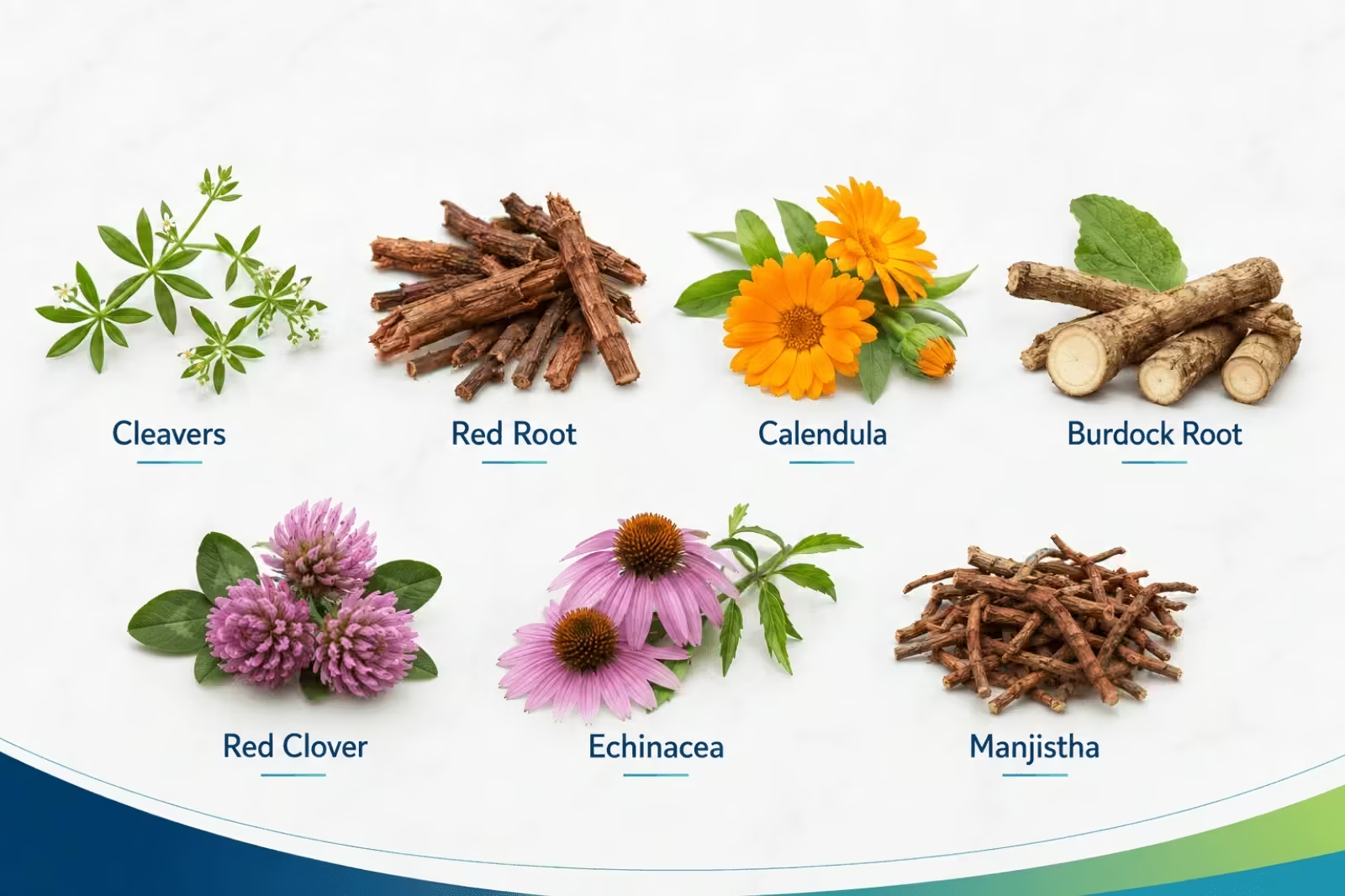
Western herbalism commonly uses cleavers, red root, calendula, burdock root, red clover, echinacea, and manjistha for lymphatic support, but these herbs should still be matched to the person and used safely.
Because many people searching for lymphatic drainage herbs expect to see these herbs, they should be explained clearly. They are not all TCM herbs, but they are relevant to the broader topic.
Cleavers is one of the most recognized Western herbs for lymphatic support.
It is commonly used as a gentle lymphatic tonic, especially when there is puffiness, swollen glands, skin congestion, or mild fluid stagnation. Herbalists often use it as a tea or tincture.
Cleavers is cooling and moistening in many herbal traditions, which may make it a better match for heat, irritation, or dryness than for cold deficiency.
Red root is often described in Western herbalism as a lymph and spleen herb.
It is traditionally used when lymph feels thick, stagnant, or congested. It is often chosen for swollen glands, chronic lymphatic sluggishness, or congestion related to immune activity.
Red root can be a strong herb and may not be appropriate for people on blood-thinning medications, during pregnancy, or with certain medical conditions unless supervised.
Calendula is used traditionally for lymphatic, skin, and immune support.
It is gentle compared with many stronger herbs and is commonly used in teas, infused oils, and topical preparations. Internally, it is often chosen when lymphatic congestion appears alongside skin irritation, mild glandular swelling, or slow tissue recovery.
Burdock root supports elimination through the liver, kidneys, skin, and digestive tract.
It is often called an alternative herb, meaning it is used in herbal traditions to support gradual metabolic clearing and skin health. For lymphatic support, burdock may be most relevant when congestion is linked with skin eruptions, sluggish digestion, or inflammatory burden.
Red clover is traditionally used for skin, lymph, and blood-cleansing support.
It may be considered when lymphatic congestion overlaps with skin issues, chronic inflammatory patterns, or hormonal transitions. Red clover contains isoflavones, so people with hormone-sensitive conditions or those taking related medications should ask a healthcare professional before using it.
Echinacea is best known for immune support, but herbalists also use it when swollen glands or lymphatic immune activity are present.
It is more appropriate for short-term immune support than long-term daily lymphatic cleansing. People with autoimmune conditions or allergies to plants in the daisy family should use caution.
Manjistha is an Ayurvedic herb traditionally used to support lymph, blood, skin, and inflammatory balance.
It is not a TCM herb, but it appears frequently in lymphatic drainage discussions because of its traditional role in moving stagnation and supporting clearer tissue fluids.
The best herb for lymphatic drainage depends on whether the underlying pattern looks like Dampness, Heat, Qi deficiency, Blood stagnation, or acute immune activation.
This is where TCM offers a major advantage over generic herb lists. Two people can both say, “I need lymphatic drainage,” but need completely different care.
Puffiness, heaviness, fatigue, bloating, loose stools, and brain fog often point toward Dampness with Spleen Qi deficiency.
Useful TCM herbs may include:
The goal is not to purge. The goal is to help the body transform and transport fluids more effectively.
A person with this pattern usually does better with warm cooked foods, soups, light movement, consistent meals, and less sugar, dairy, greasy food, and cold raw food.
Tender swollen glands with sore throat, redness, heat, feverishness, or yellow mucus may point toward a Heat or acute immune pattern.
Useful TCM herbs may include:
This is not the same as chronic fluid retention. Tonifying herbs such as Huang Qi may be used after the acute stage in some people, but they are not always appropriate at the height of a hot, active infection.
If swollen lymph nodes are severe, persistent, hard, fixed, or unexplained, medical evaluation is important.
Water retention with fatigue, weakness, poor digestion, and low resilience often points toward Qi deficiency with Dampness.
Useful TCM herbs may include:
This pattern needs rebuilding as much as draining. If draining herbs are used too aggressively, the person may feel more tired, dry, depleted, or cold.
Chronic tissue tightness, fixed discomfort, menstrual congestion, breast tenderness, dark clots, stress-related fullness, or poor circulation may point toward Qi stagnation and Blood stagnation.
Useful TCM herbs may include:
This pattern often benefits from acupuncture, movement, stress regulation, breathing, and manual therapy. Herbs alone may not be enough if the body is physically tense and under-moving.
Sudden, one-sided, painful, or persistent swelling should not be treated as a simple lymph drainage issue.
Seek medical care if swelling is:
Herbs may be supportive in some cases, but they should not delay diagnosis.
Herbs work best for lymphatic support when they are part of a consistent daily routine. Movement, breathing, hydration, warm meals, gentle stretching, and professional care all help create the conditions for healthier lymph flow.
The lymphatic system responds to rhythm. Since it does not have a central pump like the heart, it depends on muscle movement, breathing pressure, circulation, hydration, and steady body mechanics to keep fluid moving.
A simple lymph-support routine may include:
The goal is consistency, not intensity. Lymphatic support usually works better as a steady daily rhythm than as an occasional cleanse.
The biggest mistakes are using strong draining herbs without a diagnosis, ignoring persistent swelling, overusing detox claims, and treating lymph symptoms without addressing movement, digestion, and inflammation.
Swelling can come from many causes, including injury, infection, inflammation, venous insufficiency, medication side effects, kidney disease, liver disease, heart disease, hormonal changes, lymphedema, or lymph node removal.
Herbs that are appropriate for mild Dampness are not a substitute for medical evaluation.
More urination does not always mean better lymphatic health.
Overusing draining herbs may contribute to dehydration, electrolyte issues, fatigue, dryness, or weakness, especially in people who are already depleted.
In TCM, people with Spleen Qi deficiency and Dampness often do poorly with excessive cold foods, raw salads, iced drinks, smoothies, dairy, sugar, and greasy meals.
These foods are not “bad” for everyone. They are simply poor matches for some Dampness-prone bodies.
Herbs such as astragalus and echinacea can influence immune activity. People with autoimmune conditions, transplant history, or immunosuppressive medications should consult a healthcare professional before using immune-active herbs.
Lymphedema can involve structural damage or obstruction in lymphatic vessels or lymph nodes. It may occur after cancer treatment, surgery, radiation, infection, trauma, or genetic lymphatic disorders.
Herbs may support general health, but lymphedema often requires specialized care such as compression therapy, manual lymphatic drainage, exercise therapy, skin care, and medical supervision.

Sudden swelling, one-sided swelling, painful lymph nodes, fever, night sweats, unexplained weight loss, shortness of breath, or swelling after cancer treatment requires medical evaluation.
Do not rely on herbs alone if you have:
A thoughtful integrative approach knows when herbs are useful and when testing, imaging, medication, compression, or specialist care is needed.
The best lymphatic herb depends on the pattern, not just the symptom.
| Main Concern | Possible Pattern | Herbs Often Considered |
| Puffiness, heaviness, bloating | Dampness with Spleen Qi deficiency | Fu Ling, Yi Yi Ren, Bai Zhu, Chen Pi |
| Fatigue with fluid retention | Qi deficiency with Dampness | Huang Qi, Fu Ling, Bai Zhu |
| Swollen glands with sore throat | Heat or acute immune response | Jin Yin Hua, Pu Gong Ying |
| Chronic tightness or poor circulation | Qi and Blood stagnation | Dan Shen, Chi Shao, Dang Gui, Chen Pi |
| Skin congestion with lymph sluggishness | Dampness, Heat, Blood congestion | Yi Yi Ren, Pu Gong Ying, burdock, calendula |
| General gentle lymph support | Mild fluid stagnation | Cleavers, calendula, Fu Ling, Yi Yi Ren |
| Lower-body water retention | Dampness or impaired water metabolism | Fu Ling, Ze Xie, Yi Yi Ren, practitioner-guided formulas |
Herbs for lymphatic system drainage work best when they are chosen with precision.
The strongest herb is not always the right herb. A puffy, tired person with weak digestion may need Fu Ling, Bai Zhu, Yi Yi Ren, Chen Pi, or Huang Qi. A person with tender swollen glands and Heat signs may need Jin Yin Hua or Pu Gong Ying. A person with chronic tightness and poor circulation may need Blood-moving support such as Dan Shen, Chi Shao, or Dang Gui in a properly designed formula.
The deeper lesson from Traditional Chinese Medicine is that lymphatic flow depends on the whole terrain. Fluids move better when Qi moves, digestion is strong, inflammation is regulated, breathing is deep, muscles are active, and the body is not stuck in chronic stress.
A good lymphatic support plan should be gentle, specific, and sustainable. It should help the body restore movement without forcing detoxification or ignoring signs that need medical care.
At ACA Acupuncture & Wellness, we help you take a personalized approach to lymphatic support by looking at patterns such as puffiness, heaviness, sluggish circulation, recurring congestion, and signs of Dampness or imbalance. If you want guidance on herbs and lifestyle habits that support healthy lymph flow, contact us or find the nearest location to schedule a visit.
Sources:
National Center for Complementary and Integrative Health. (n.d.). Astragalus: Usefulness and safety. National Institutes of Health.
Zawieja, D. C. (2009). Contractile physiology of lymphatics. Lymphatic Research and Biology, 7(2), 87–96.
Feng, Y. L., Lei, P., Tian, T., Yin, L., Chen, D. Q., Chen, H., Mei, Q., Zhao, Y. Y., & Lin, R. C. (2013). Diuretic activity of some fractions of the epidermis of Poria cocos. Journal of Ethnopharmacology, 150(3), 1114–1118.
Movement, deep breathing, hydration, sweating, gentle stretching, and regular muscle contraction support lymphatic flow naturally. The lymphatic system does not have a central pump like the heart, so it relies on body movement, breathing pressure, lymph vessel contractions, and one-way valves to keep lymph moving. Walking, diaphragmatic breathing, rebounding, yoga, dry brushing, and manual lymphatic drainage may all support healthy lymph circulation.
Lymphatic massage may help reduce swelling, heaviness, tenderness, and fluid buildup associated with lipedema, but it does not remove lipedema fat or cure the condition. Manual lymphatic drainage is often used as part of conservative lipedema care, especially when swelling or secondary lymphatic congestion is present. It works best when combined with compression, movement, anti-inflammatory habits, and care from a clinician familiar with lipedema.
Water is the best drink for lymphatic drainage because lymph fluid depends on proper hydration to move efficiently. Warm water, herbal teas, and lightly mineralized fluids can also support lymph flow. In TCM, warm drinks are often preferred for people with Dampness, puffiness, bloating, or sluggish digestion because cold drinks may weaken digestive transformation in some patterns.
Signs of poor lymphatic drainage may include puffiness, swelling, heaviness in the limbs, tight skin, fluid retention, swollen lymph nodes, frequent congestion, slow recovery after illness, recurring skin issues, fatigue, and a feeling of sluggish circulation. Medical evaluation is important if swelling is sudden, one-sided, painful, red, hot, persistent, or linked with fever, night sweats, unexplained weight loss, or a history of cancer.
The five worst foods for lymphatic congestion are usually highly processed foods, excess sugar, fried foods, heavy dairy, and excessive alcohol. These foods may contribute to inflammation, water retention, sluggish digestion, and metabolic stress. In TCM, people with Dampness patterns may also feel worse with too many cold raw foods, iced drinks, greasy meals, and overly sweet foods.
No single vitamin deficiency is known to directly cause lymphedema. Lymphedema is usually caused by lymphatic blockage, lymph node removal, radiation, surgery, infection, trauma, cancer treatment, obesity, or congenital lymphatic abnormalities. Some research has explored nutrients such as vitamin D, selenium, flavonoids, and antioxidants in relation to inflammation and lymphatic health, but vitamin deficiency should not be described as the root cause of lymphedema.
LOCATIONS
MANHATTAN
QUEENS
NEW JERSEY
CALIFORNIA

The over $4 billion US acupuncture market offers a great opportunity with over 10% annual growth rates and a continuing flow of new patients interested in the benefits of acupuncture.
