


Chinese herbal medicine is widely used in Traditional Chinese Medicine (TCM) to relieve bloating and gas by restoring the natural movement of digestive Qi, strengthening the Spleen and Stomach, and helping the body properly break down food and fluids in the abdomen.
In TCM, bloating is not simply viewed as trapped gas inside the digestive tract. It is considered a sign that the body’s internal transformation and transportation system is not functioning efficiently. When digestion becomes weak or stagnant, food and fluids are no longer processed smoothly, leading to abdominal pressure, distension, fatigue, belching, or irregular bowel movements.
Instead of suppressing symptoms, Chinese bloat herbal medicine focuses on correcting the functional imbalance that causes bloating in the first place.
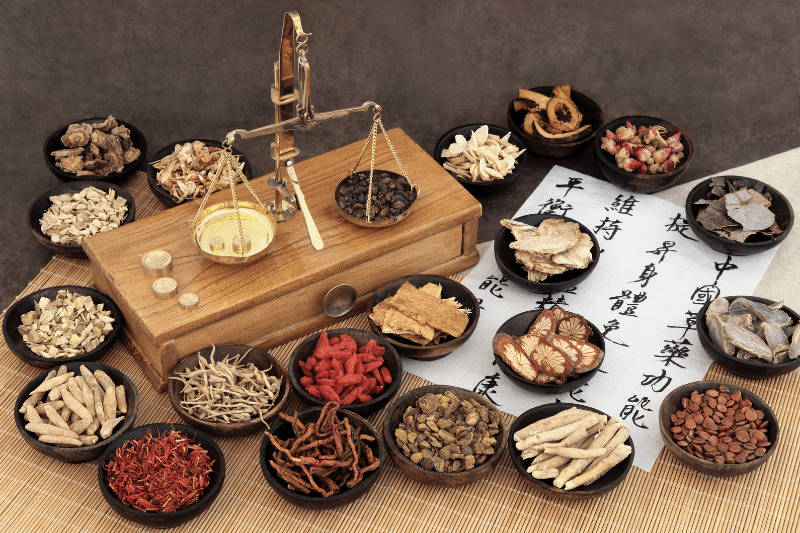
Chinese herbal medicine is widely used in Traditional Chinese Medicine (TCM) to relieve bloating and gas by restoring the natural movement of digestive Qi, strengthening the Spleen and Stomach, and helping the body properly break down food and fluids in the abdomen.
In TCM, bloating is not simply viewed as trapped gas inside the digestive tract. It is considered a sign that the body’s internal transformation and transportation system is not functioning efficiently. When digestion becomes weak or stagnant, food and fluids are no longer processed smoothly, leading to abdominal pressure, distension, fatigue, belching, or irregular bowel movements.
Instead of suppressing symptoms, Chinese bloat herbal medicine focuses on correcting the functional imbalance that causes bloating in the first place.

In Traditional Chinese Medicine (TCM), abdominal bloating is not classified as a single digestive disorder but rather as a symptom pattern that reflects internal imbalance. It may commonly fall under two diagnostic categories:
Both conditions are typically associated with dysfunction of the Spleen and Stomach, which are regarded in TCM as the primary organs responsible for transforming food into usable energy (Qi) and transporting nutrients and fluids throughout the body.
When this transformation and transportation process becomes impaired, digestion slows down and the movement of Qi becomes obstructed. As a result, food and fluids may accumulate internally instead of being properly metabolized and distributed. This leads to the buildup of pressure in the gastrointestinal tract, which may present as:
From a modern biomedical perspective, these symptoms are often compared to:
Spleen Qi Deficiency is the most frequently diagnosed pattern in individuals experiencing persistent or recurrent digestive bloating.
Because the Spleen is responsible for breaking down food and transporting nutrients, weakened Spleen Qi results in inefficient digestion and internal accumulation of dampness or undigested material.
Common symptoms include:
This imbalance may develop due to:
Over time, weakened digestive function may reduce nutrient absorption and contribute to chronic digestive discomfort.
Dampness occurs when the body’s fluid metabolism becomes sluggish and digestive activity slows down.
In TCM theory, the Spleen plays a vital role in managing internal fluids. When its function is impaired, fluids may accumulate and transform into pathological Dampness, which interferes with digestion and the smooth flow of Qi.
Possible symptoms include:
Dampness can promote fermentation of undigested food within the digestive tract, leading to gas production and a sensation of abdominal tightness.
Emotional stress plays a significant role in digestive function according to TCM.
The Liver is responsible for ensuring the smooth flow of Qi throughout the body, including within the gastrointestinal tract. When Liver Qi becomes stagnant due to emotional tension such as anxiety, frustration, or anger, digestive movement may slow down or become irregular.
This may cause:
Many individuals with this pattern report feeling bloated even after eating small amounts of food, especially during periods of heightened emotional stress.
Food Stagnation occurs when meals are not fully digested and begin to accumulate within the gastrointestinal tract.
This commonly results from:
Because undigested food may begin to ferment internally, symptoms often appear shortly after eating and may include:
If left unaddressed, repeated episodes of food stagnation may further weaken digestive function and contribute to long-term bloating.
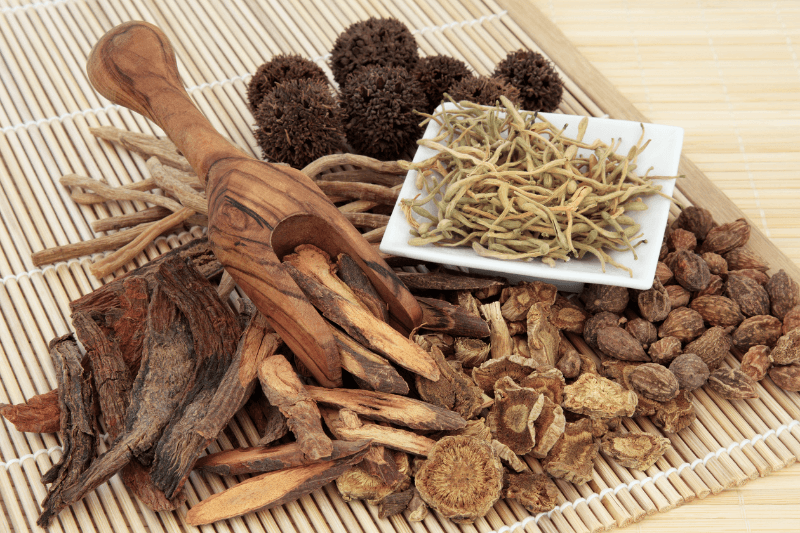
Traditional Chinese Medicine (TCM) herbal therapy for bloating typically involves the use of multi-herb formulas that are customized according to the patient’s underlying digestive pattern rather than treating symptoms alone.
Unlike single-herb supplementation, these formulas are carefully balanced to restore internal harmony within the digestive system by addressing multiple functional imbalances at once. Depending on the individual diagnosis, herbal prescriptions may be formulated to:
Some traditional formulas used in Chinese bloat haw medicine are particularly effective for breaking down fatty foods, improving protein digestion, and reducing post-meal fullness associated with food stagnation.
Individual herbs are often combined within classical formulas to enhance digestive efficiency and regulate gastrointestinal movement.
Sheng Jiang (Fresh Ginger): traditionally used to warm the digestive system, stimulate gastric motility, and improve stomach emptying after meals.
Shan Zha (Hawthorn Berry): may assist in the breakdown of fats and proteins, particularly after heavy or oily meals that contribute to post-meal distension.
Chen Pi (Aged Tangerine Peel): helps promote the smooth flow of Qi in the digestive tract and relieve abdominal distension caused by stagnation.
Xiao Hui Xiang (Fennel Seed): acts as a carminative herb that may reduce gas formation and ease intestinal spasms.
Gan Cao (Licorice Root): is often included to soothe the digestive lining and harmonize the effects of other herbs within a formula.
Dang Shen (Codonopsis): supports digestive Qi and overall gastrointestinal function in individuals experiencing chronic fatigue or weakness.
Bai Zhu (Atractylodes): helps eliminate Dampness and improve nutrient absorption by strengthening Spleen function.
Hou Po (Magnolia Bark): encourages the downward movement of Qi to relieve bloating, fullness, and abdominal tightness.
Practitioners may prescribe pattern-specific formulas based on the underlying cause of bloating.
Bao He Wan: commonly used for food stagnation and post-meal distension caused by overeating or heavy meals.
Xiang Sha Liu Jun Zi Tang: often recommended for individuals with Spleen Qi deficiency accompanied by gas, fatigue, and poor appetite.
Ping Wei San: may be used to target Dampness-related bloating and abdominal heaviness.
Chai Hu Shu Gan San: frequently prescribed for stress-induced bloating associated with Liver Qi stagnation.
Depending on symptom severity and digestive constitution, noticeable improvement may occur within two to four weeks of consistent treatment.

Management of digestive bloating in TCM often extends beyond herbal therapy. A comprehensive treatment plan may include:
Because emotional stress may interfere with digestive movement, calming the nervous system is often necessary for long-term improvement.
Dietary therapy is frequently combined with Chinese bloat haw medicine to improve digestive circulation and reduce gas formation associated with dampness and stagnation.
Supportive dietary habits may include:
Patients are often advised to limit:
Raw or cold foods may further weaken digestive function in individuals with Spleen deficiency.
The response time for herbal therapy may vary depending on the duration and severity of symptoms:
Treatment typically progresses from short-term symptom relief to long-term digestive stabilization.
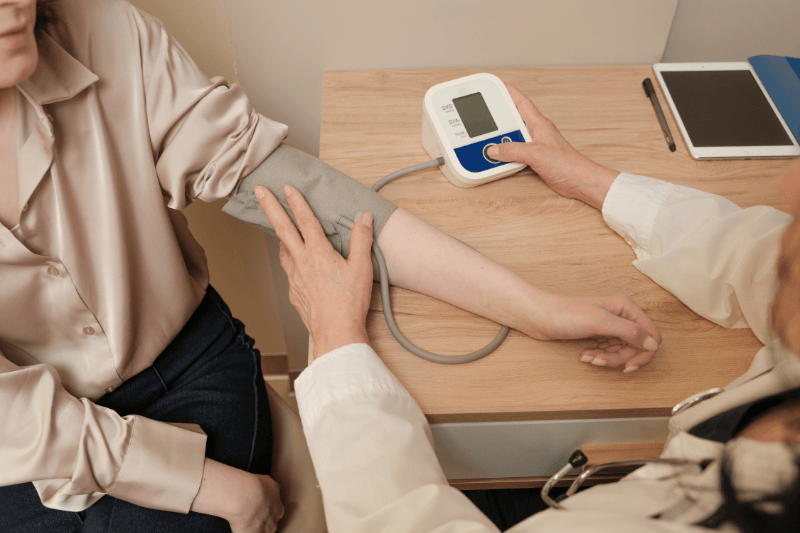
Medical evaluation is recommended if bloating occurs alongside:
These signs may indicate underlying conditions requiring conventional medical assessment.
Chinese bloat herbal medicine offers a comprehensive approach to managing digestive bloating by addressing the internal imbalances that impair proper digestion rather than simply masking uncomfortable symptoms. In Traditional Chinese Medicine, treatment is guided by the individual’s underlying pattern, which allows herbal formulas to be tailored to support digestive Qi movement, strengthen the Spleen and Stomach, and reduce the accumulation of Dampness or food stagnation within the gastrointestinal system.
When combined with supportive dietary therapy, stress regulation, and lifestyle adjustments, these herbal interventions may help improve digestive comfort, reduce gas formation, and restore energy levels after meals. By focusing on long-term digestive function and internal balance, TCM aims to promote sustainable symptom relief and improve overall gastrointestinal health over time.
If you are looking for a holistic approach tailored to your specific digestive symptoms and health goals, contact ACA Acupuncture & Wellness to book a consultation with our qualified acupuncturist and receive a personalized treatment plan designed to support your long-term digestive health.
Sources:
Chu, F. Y., Yan, X., Zhang, Z. B., Li, Y. M., & Li, Y. Q. (2018). A meta-analysis of the efficacy of Chinese herbal medicine in treating functional dyspepsia. Journal of Ethnopharmacology, 214, 1–12.
Liu, J. P., Yang, M., Liu, Y. X., Wei, M. L., & Grimsgaard, S. (2006). Herbal medicines for treatment of irritable bowel syndrome. Cochrane Database of Systematic Reviews, (1).
Yang, S., Hao, S., Wang, Q., Lou, Y., Jia, L., & Chen, D. (2022). The interactions between traditional Chinese medicine and gut microbiota: Global research status and trends. Frontiers in Cellular and Infection Microbiology, 12, 1005730.
In Traditional Chinese Medicine, the most effective herbal remedy for gas and bloating depends on the underlying digestive pattern causing the symptoms. Commonly used herbs include ginger (Sheng Jiang), which helps warm digestion and improve stomach motility, hawthorn berry (Shan Zha), which supports the breakdown of fats and proteins, and aged tangerine peel (Chen Pi), which promotes the smooth movement of digestive Qi. These herbs are typically combined in multi-herb formulas that work together to regulate gut movement, reduce food stagnation, and relieve abdominal pressure rather than treating gas alone.
For short-term relief, warming digestive herbs such as ginger or fennel tea may help stimulate stomach movement and reduce intestinal gas buildup. Gentle abdominal massage, acupuncture treatment, or applying a warm compress to the abdomen may also encourage the downward movement of Qi, which can temporarily ease pressure and fullness after meals. However, persistent bloating usually requires addressing the underlying digestive imbalance instead of relying on immediate symptom relief.
According to Traditional Chinese Medicine, bloating is often caused by impaired digestive function involving the Spleen, Stomach, or Liver. This may occur when Spleen Qi becomes weakened, internal Dampness accumulates, emotional stress disrupts the flow of Liver Qi, or food stagnation develops due to overeating or irregular eating habits. These imbalances interfere with the body’s ability to transform food and transport nutrients efficiently, which can lead to internal pressure, gas formation, and abdominal distension.
Chinese acupressure points are sometimes used to support digestion and relieve abdominal discomfort associated with bloating. Points such as Zusanli (ST36) are believed to support overall digestive strength, while Tianshu (ST25) may help regulate intestinal movement. Zhongwan (CV12) is often used to relieve abdominal fullness, and Sanyinjiao (SP6) may support fluid metabolism. Applying gentle pressure to these areas may help stimulate digestive Qi flow and reduce bloating symptoms.
Yes, emotional stress is believed to disrupt the smooth flow of Liver Qi, which plays an important role in regulating digestive movement. When Liver Qi becomes stagnant due to anxiety, frustration, or emotional tension, it may interfere with stomach function and slow intestinal activity. This can result in gas, abdominal fullness, or irregular bowel habits, particularly during periods of increased mental or emotional strain.
When prescribed by a qualified TCM practitioner, herbal formulas are generally intended for regular use over a specific treatment period. The recommended duration of use depends on the individual’s digestive pattern and symptom severity. Professional guidance is important to ensure appropriate herbal selection and dosage for safe and effective treatment.
LOCATIONS
MANHATTAN
QUEENS
NEW JERSEY
CALIFORNIA

The over $4 billion US acupuncture market offers a great opportunity with over 10% annual growth rates and a continuing flow of new patients interested in the benefits of acupuncture.