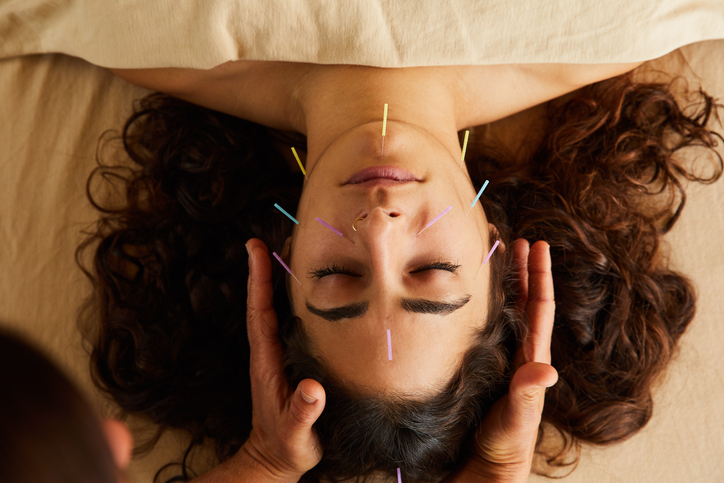


Acupuncture for Raynaud’s Syndrome focuses on restoring warmth, improving circulation, and calming the body’s overactive response to cold or stress. The treatment works through fine, targeted needles that stimulate blood flow, relax vascular constriction, and help balance the autonomic nervous system. Many patients experience gradual relief from numbness, tingling, and cold sensitivity, along with better stress regulation that reduces attack frequency.
Beyond symptom management, acupuncture encourages the body’s natural ability to maintain steady temperature and resilience in changing environments. By improving microcirculation, promoting nerve function, and supporting relaxation, it offers a gentle yet effective complement to conventional therapies. The approach is holistic, addressing both physical and emotional aspects, to help patients regain comfort, confidence, and a sense of normalcy in daily life.
Acupuncture for Raynaud’s Syndrome focuses on restoring warmth, improving circulation, and calming the body’s overactive response to cold or stress. The treatment works through fine, targeted needles that stimulate blood flow, relax vascular constriction, and help balance the autonomic nervous system. Many patients experience gradual relief from numbness, tingling, and cold sensitivity, along with better stress regulation that reduces attack frequency.
Beyond symptom management, acupuncture encourages the body’s natural ability to maintain steady temperature and resilience in changing environments. By improving microcirculation, promoting nerve function, and supporting relaxation, it offers a gentle yet effective complement to conventional therapies. The approach is holistic, addressing both physical and emotional aspects, to help patients regain comfort, confidence, and a sense of normalcy in daily life.
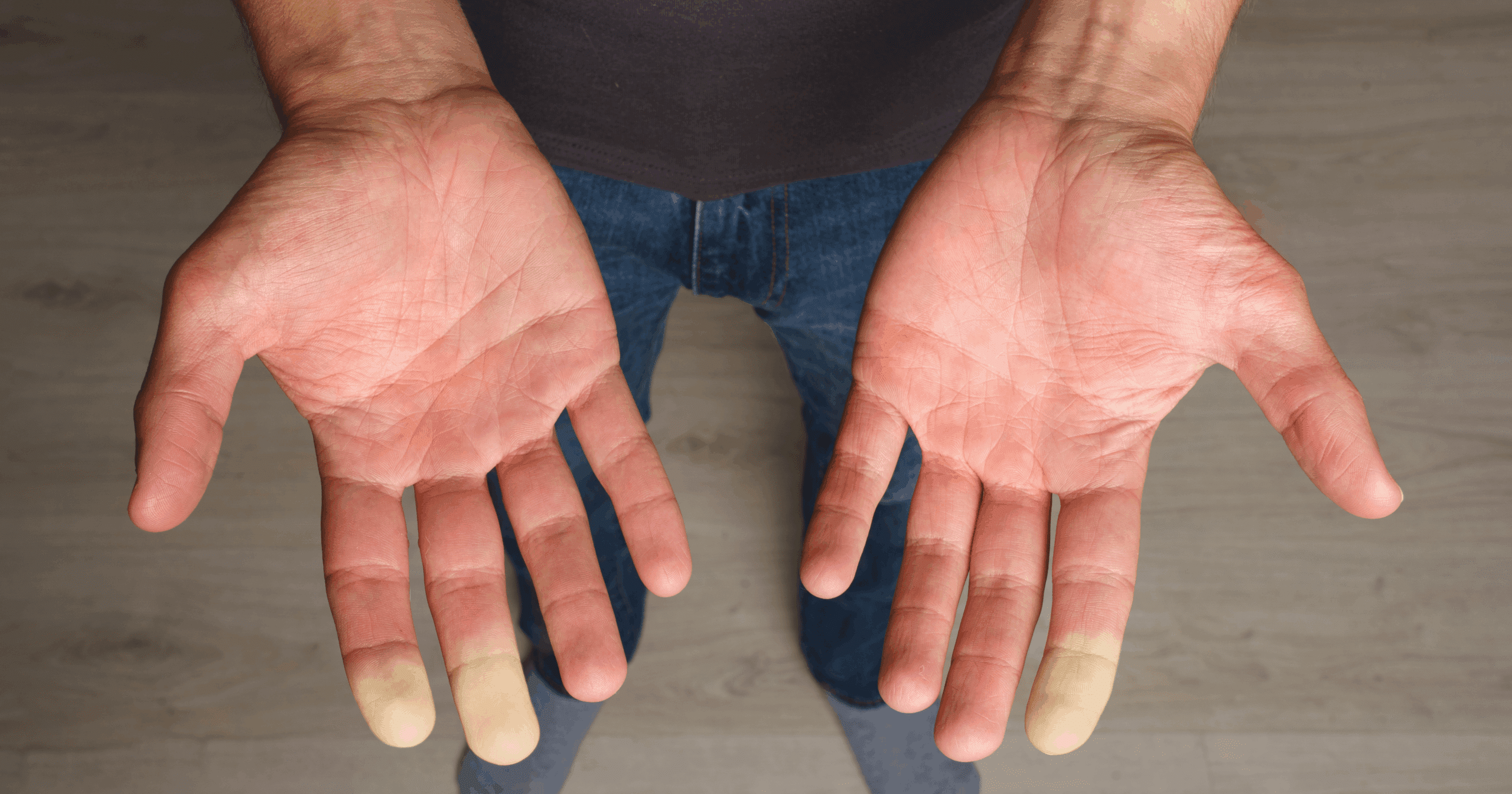
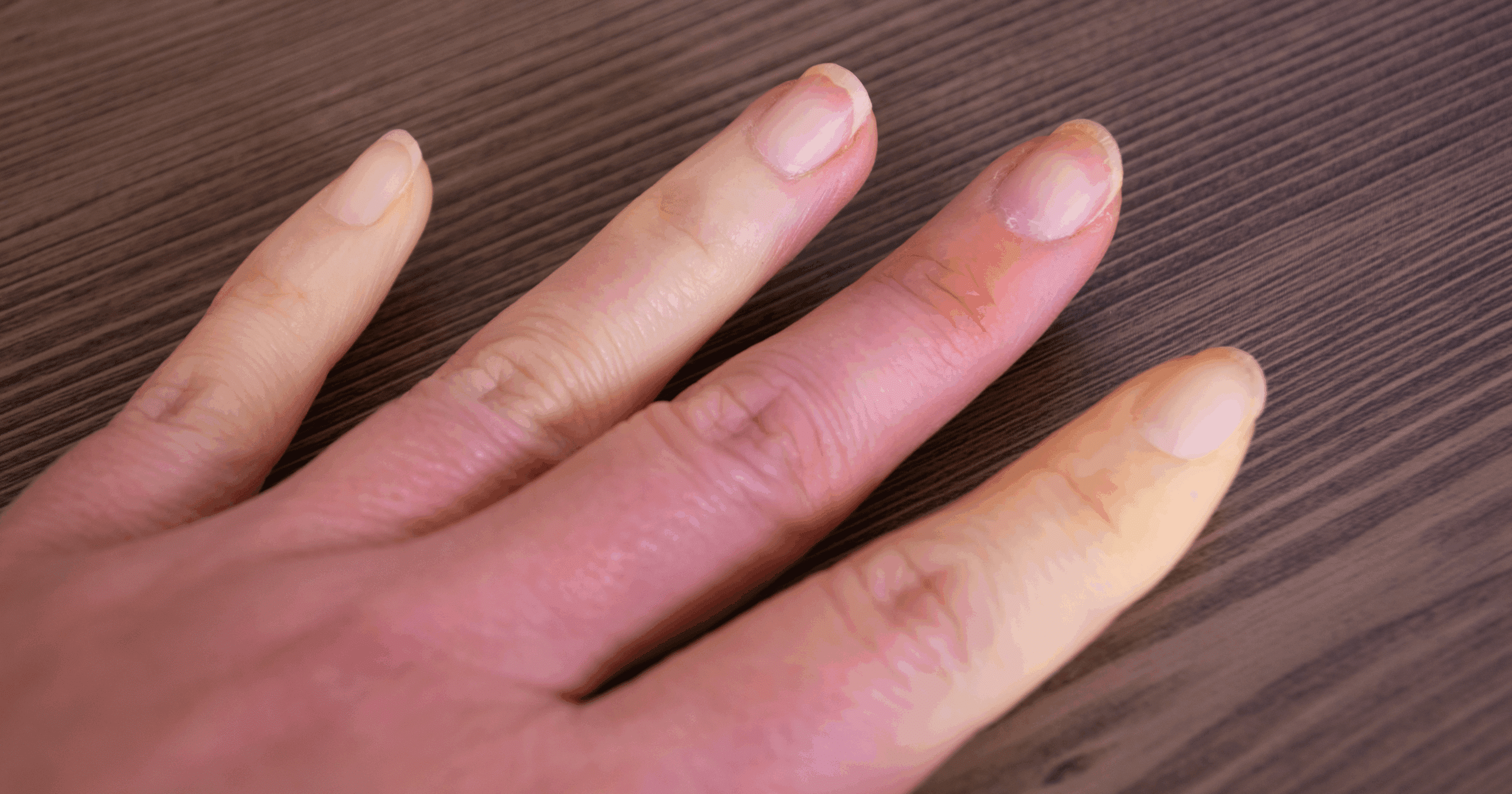
Raynaud’s Syndrome is a circulatory disorder that causes small blood vessels in the fingers and toes to overreact to cold or stress, temporarily reducing blood flow. This can lead to color changes, from pale to blue to red, as circulation returns. The condition highlights how sensitive the vascular system can be to temperature and emotional shifts, making steady blood flow and relaxation key to management.
Raynaud’s Syndrome presents as episodes of color change, numbness, and cold sensations in the fingers and toes when exposed to chill or emotional stress.
Symptoms include:
Recognizing these early signs helps prevent episodes and maintain warmth through lifestyle adjustments and acupuncture.
Raynaud’s Syndrome occurs in two main forms:
Common triggers include:
Effective management strategies:
Combining these preventive actions with ongoing acupuncture sessions helps regulate blood flow and lessen the intensity and frequency of Raynaud’s episodes.
Current research, including clinical trials and systematic reviews, suggests that acupuncture may help reduce the frequency and severity of Raynaud’s attacks and improve circulation responses to cold exposure. Studies such as Appiah et al. (1997) reported significant improvements in blood flow and fewer daily episodes, while a 2022 meta-analysis by Zhou et al. found modest but measurable benefits in remission rates and cold-stimulus response. These findings point toward potential physiological effects, though the magnitude of benefit remains modest and variable.
Overall, the evidence base is still limited by small sample sizes, differing treatment protocols, and variable study quality. As such, acupuncture is best viewed as a complementary therapy, supporting comfort, circulation, and stress resilience, rather than a standalone cure. Many patients report improved tolerance to cold and greater daily comfort when acupuncture is integrated with mindful self-care and medical supervision.
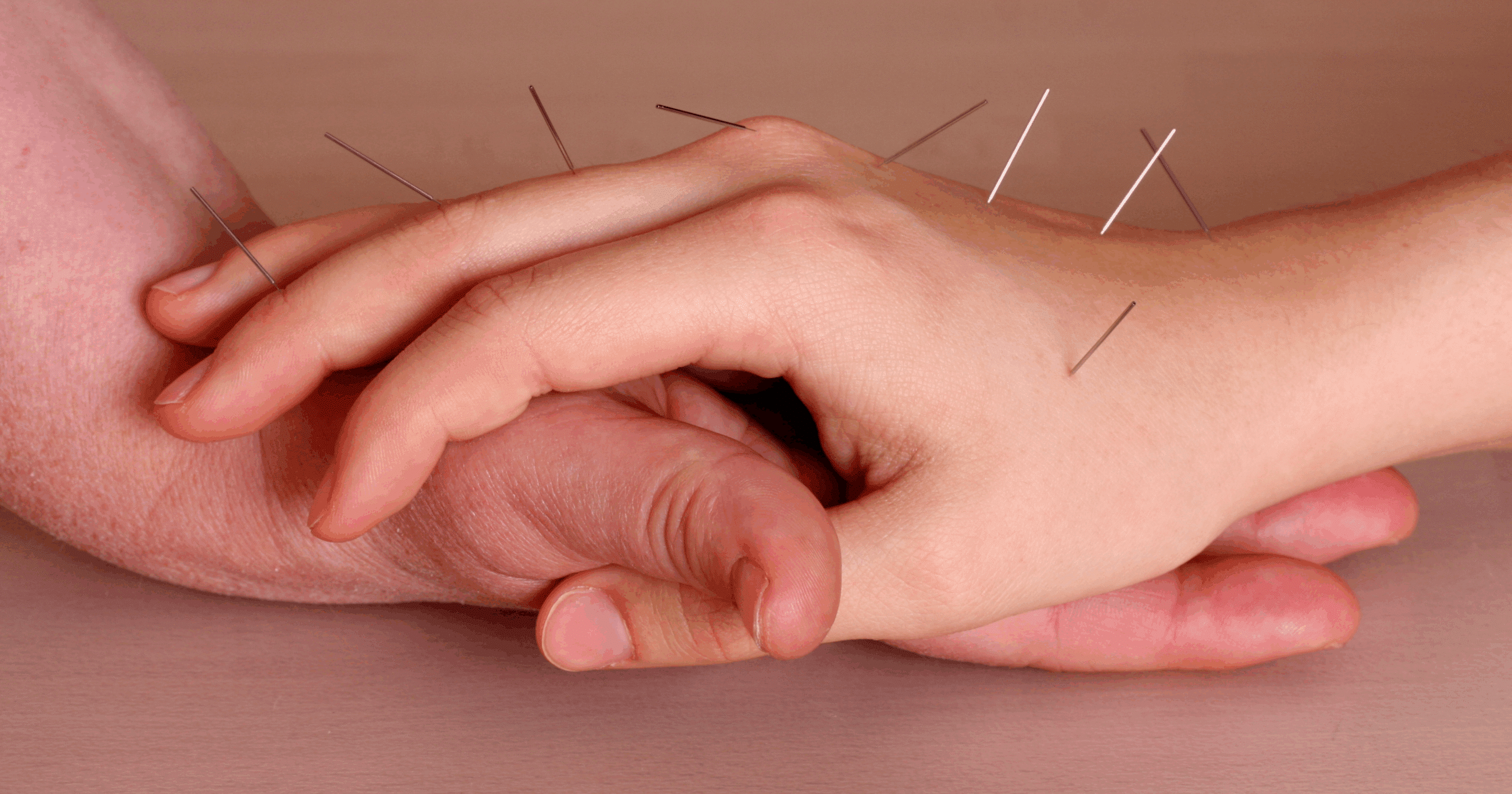
Proposed mechanisms include improved peripheral blood flow, modulation of autonomic nervous system activity, endorphin release, and reduced inflammatory signaling. These effects can contribute to smoother vascular responses and less sensitivity to cold stimuli. In our experience, patients often report a sense of increased warmth and resilience after a course of carefully calibrated sessions, especially when paired with supportive lifestyle changes.
While exact prescriptions vary, several points are frequently cited for circulation and thermoregulation, including LI4, LI11, LI3, LU9, SI3, GV20, and ST36. Each of these points plays a specific role in encouraging blood flow and easing vascular constriction.
Key details:
A skilled practitioner tailors point selection based on each patient’s overall health, symptom severity, and energy balance. Personalized mapping ensures safety, comfort, and optimal results, avoiding a one-size-fits-all approach that might overlook individual needs.
Traditional acupuncture aims to harmonize energy flow, while electroacupuncture can augment stimulus for some patients. Scalp or ear acupuncture may be employed as adjuncts for relaxation and targeted effects. Session structure typically includes multiple needles placed at relevant points, with durations that nurture calm, and sometimes gentle manual or electrical stimulation. We emphasize a gradual, consistent course rather than high-intensity bursts to minimize discomfort and maximize sustainable progress.
Look for one of our licensed acupuncturists with experience in vascular conditions or Raynaud’s symptoms. Ask about our years of practice, treatment philosophy, and a transparent plan for your case. We coordinate with your medical team, outline the expected number of sessions, and track progress carefully. Our practitioners listen, explain the rationale clearly, and respect your pace every step of the way.
A solid plan generally starts with a thorough intake, including symptom diaries, temperature log entries, and a review of medications and lifestyle factors. Point selection is then tailored to your pattern, followed by a structured needling approach, and supportive guidance on warming strategies and daily routines. The plan evolves based on response, with adjustments to points, frequency, and duration as needed.
During a session, you may feel mild sensations as needles are inserted, followed by a period of rest and relaxation. The number of points used varies but often centers on a focused set designed to influence circulation and nervous system regulation. Sessions typically last about 30 to 60 minutes, and many patients notice improvements in a few weeks, though some require longer courses. Post-treatment feelings can include warmth, increased calm, or transient lightheadedness, all of which are generally short-lived.
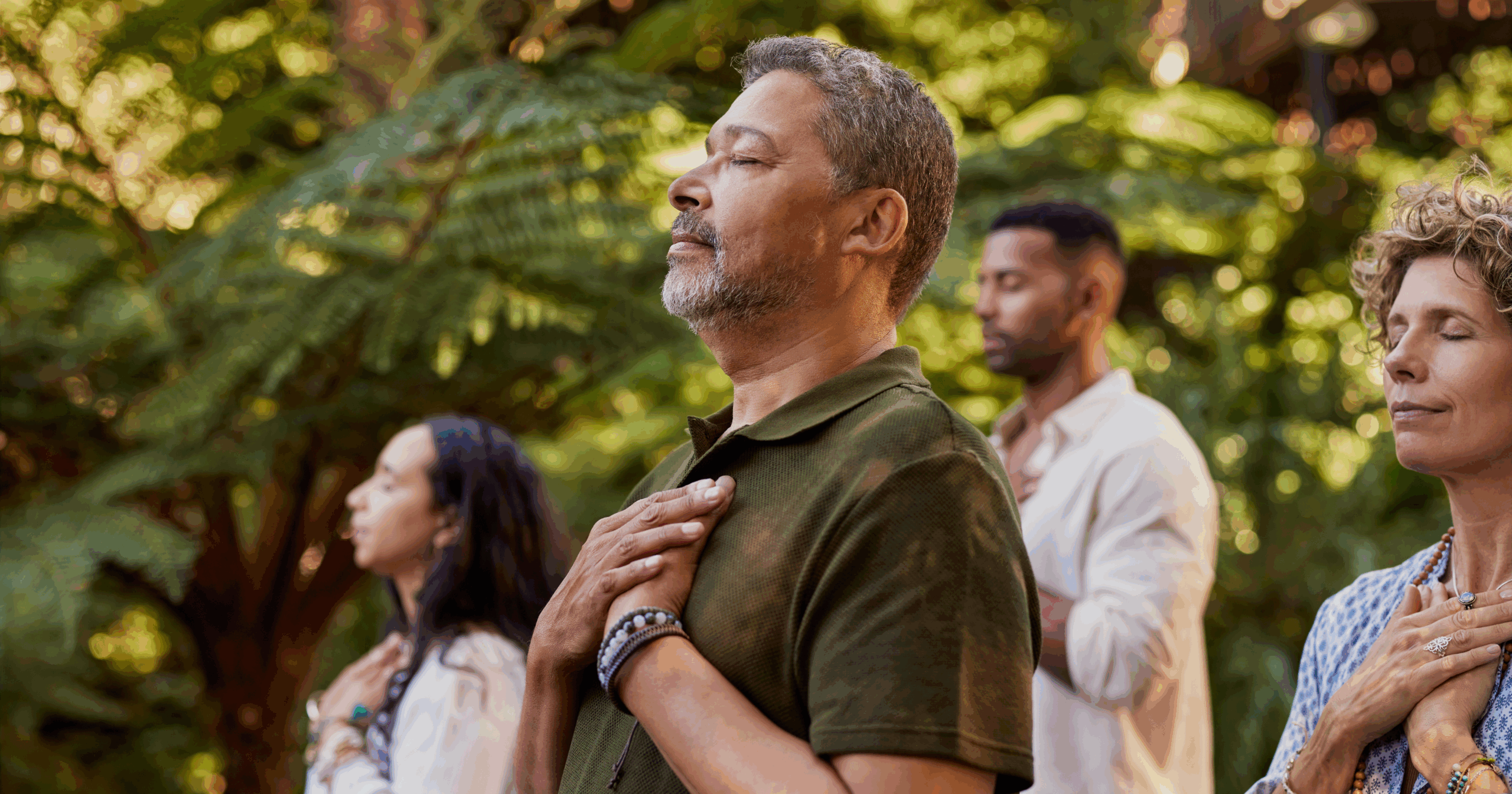
Beyond the clinic, practical steps matter. Protect extremities from cold with well-insulated gloves and warm footwear. Build a routine that balances activity with rest, and incorporate stress-reduction practices like meditation or light yoga. Consider graded exposure to cold and ambient temperature management in daily activities. Hydration, balanced nutrition, and avoidance of smoking further support vascular health.
Acupuncture can complement medications prescribed for Raynaud’s, such as calcium channel blockers or vasodilators, but it should not replace medical treatment without professional guidance. Discuss with your healthcare team how acupuncture integrates with any medications, potential interactions, and how to monitor for side effects or changes in symptom patterns.
Many readers appreciate safe, at-home options. Simple acupressure routines involve applying steady pressure to outer wrist points (for example, LI4 and P6 equivalents) and other nearby areas to encourage circulation. Gentle massage along the forearms, hands, and fingers can also promote warmth. These techniques are not a substitute for professional care but can support symptom management between acupuncture sessions.
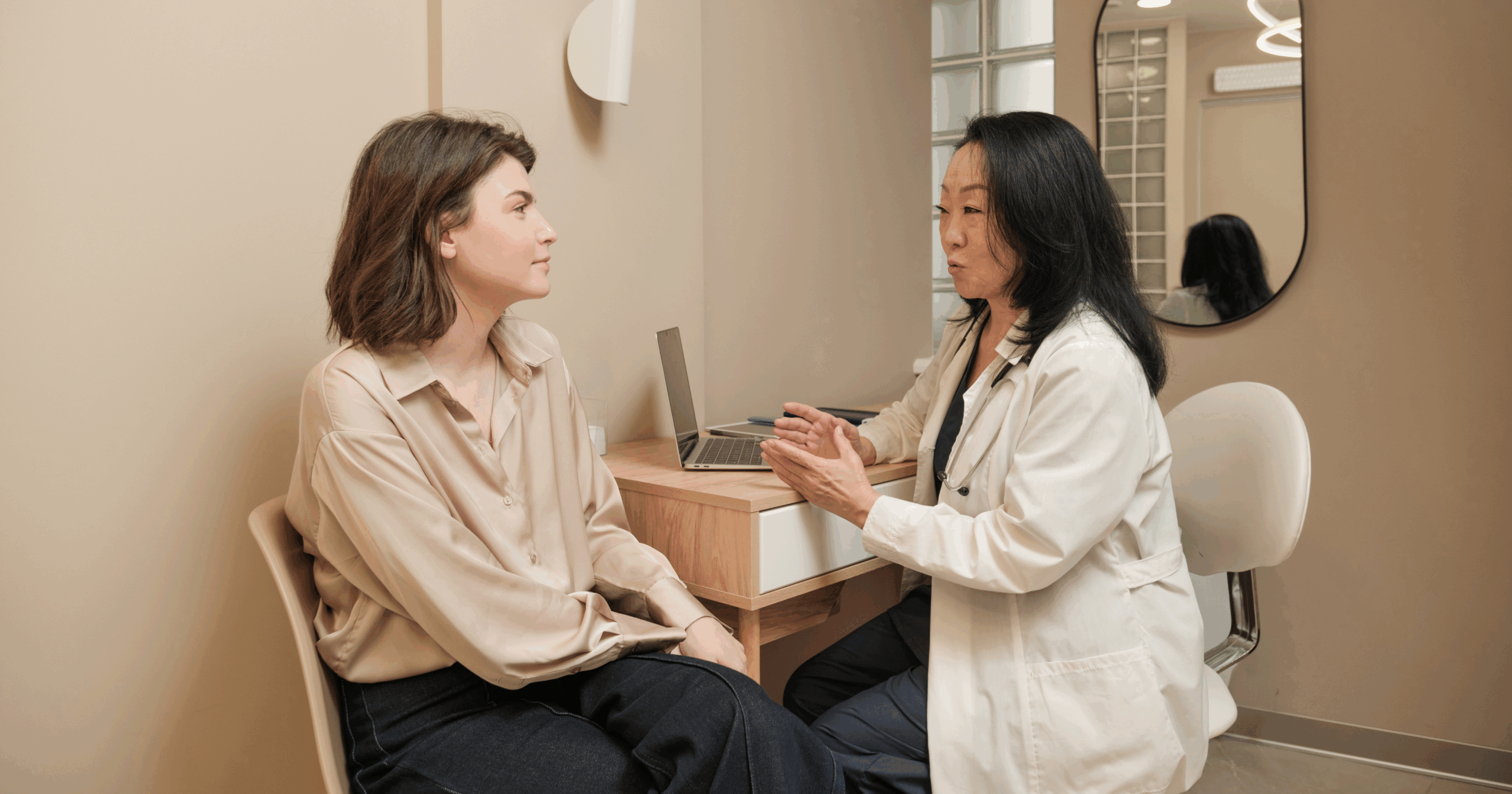
Expect a course that starts with weekly or biweekly sessions, commonly spanning 4 to 12 weeks or longer if needed. Progress is measured by changes in attack frequency, duration, and subjective comfort, along with objective signs like warmth restoration in affected areas. Our practitioner will adjust the plan based on response, tolerability, and evolving needs.
Keep a symptom diary tracking attack frequency, duration, intensity, and any temperature changes. Note quality of life and daily functioning to assess impact. Objective measures can include home temperature checks of hands and fingers and self-reported improvement in warmth and dexterity. Regular review with our practitioner ensures alignment with goals.
Acupuncture usually offers supportive benefits rather than a cure for Raynaud’s. The most realistic outlook centers on gradual improvement, better tolerance of cold exposure, and reduced disruption to daily life. Setting clear, personalized goals with your clinician helps maintain motivation and informs adjustments to the treatment plan.
Acupuncture provides a holistic way to manage Raynaud’s Syndrome by improving circulation, balancing the nervous system, and reducing the body’s sensitivity to cold and stress. Over time, it can help restore comfort, enhance resilience, and promote a more stable, warm state throughout the body. When combined with self-care and medical guidance, it empowers individuals to live with greater ease and confidence despite the condition.
At ACA Acupuncture & Wellness, treatments are designed with this balance in mind, tailored to each person’s unique needs while supporting long-term wellness, relaxation, and improved quality of life.
Sources:
Appiah, R., Hiller, S., Caspary, L., Alexande, K., & Creutzig, A. (1997). Treatment of primary Raynaud’s syndrome with traditional Chinese acupuncture. Journal of Internal Medicine, 241(2), 119–124. https://doi.org/10.1046/j.1365-2796.1997.91105000.x
Zhou, F., Huang, E., Zheng, E., & Deng, J. (2022). The use of acupuncture in patients with Raynaud’s syndrome: a systematic review and meta-analysis of randomized controlled trials. Acupuncture in Medicine, 41(2), 63–72. https://doi.org/10.1177/09645284221076504
Acupuncture has shown potential to reduce attack frequency and improve subjective comfort in some studies, but results vary and high-quality evidence remains limited. In practice, many patients report improved tolerance to cold and better daily functioning when used as part of a broader, individualized plan. The best approach is to view acupuncture as a supportive option alongside medical care and lifestyle strategies.
In Chinese medicine terms, Raynaud’s is often viewed as a pattern of Qi and blood stagnation, cold-damp invasion, or deficiency of the Kidney and Yang energy, depending on the individual’s signs. Treatment typically combines acupuncture with herbal formulas, dietary and lifestyle guidance, and techniques to warm the extremities and regulate the autonomic system. A licensed practitioner customizes the approach to balance the body’s energetic patterns rather than applying a one-size-fits-all protocol.
A natural improvement usually stems from a comprehensive, multi-faceted strategy: identifying and avoiding personal triggers, consistent warming practices, stress reduction, and building gradual cold tolerance, often alongside evidence-based medical care. Some individuals also experience benefits from gentle self-care routines like acupressure, regular movement, and hydration, which can enhance circulation over time. It’s important to document symptoms, monitor progress, and coordinate any self-guided approaches with a healthcare professional to ensure safety and efficacy.
Root causes vary; primary Raynaud’s is often idiopathic, while secondary Raynaud’s arises from underlying conditions such as systemic sclerosis, lupus, or autoimmune disorders, which can drive abnormal vasospasm. Contributing factors commonly include cold exposure, stress, smoking, and certain medications that affect blood flow. A thorough medical evaluation is essential to distinguish primary from secondary forms and to identify any treatable underlying issues.
Acupuncture may help by targeting circuits that influence circulation and nerve signaling, potentially reducing numbness associated with Raynaud’s attacks. The degree of relief depends on individual patterns, adherence to treatment, and integration with other therapies. Discuss expectations with a licensed practitioner who can tailor a plan to minimize numbness while monitoring safety.
A combined approach often yields the best results: keep extremities warm with layered clothing and heated accessories, manage stress with breathing or mindfulness, and engage in regular, moderate exercise to boost circulation. Complementary strategies include gentle hand and finger exercises, acupressure, and coordinated care with your medical team when using medications that affect blood flow. Consistency and a personalized plan are key to long-term improvement.
LOCATIONS
MANHATTAN
QUEENS
NEW JERSEY
CALIFORNIA

The over $4 billion US acupuncture market offers a great opportunity with over 10% annual growth rates and a continuing flow of new patients interested in the benefits of acupuncture.