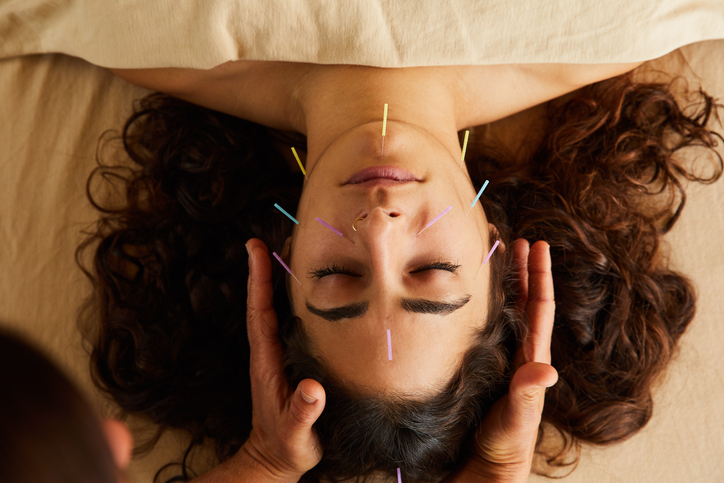

Cupping therapy helps muscle knots by using suction to lift the skin, fascia, and underlying soft tissue, which may improve circulation, reduce tension, and support easier movement in tight areas. For people dealing with stubborn neck, shoulder, back, hip, or low back tension, cupping can offer a different kind of relief than massage because it works through decompression instead of downward pressure.
At ACA Acupuncture & Wellness, our acupuncturists may use cupping as part of a broader Traditional Chinese Medicine approach for muscle tightness, trigger points, stress-related tension, and restricted mobility. The goal is not only to ease one painful knot, but also to understand why the area keeps tightening.
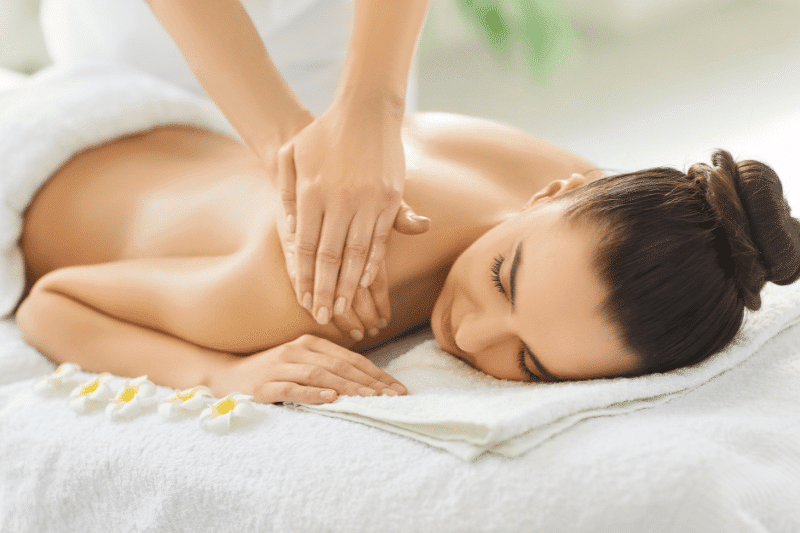
Cupping therapy helps muscle knots by using suction to lift the skin, fascia, and underlying soft tissue, which may improve circulation, reduce tension, and support easier movement in tight areas. For people dealing with stubborn neck, shoulder, back, hip, or low back tension, cupping can offer a different kind of relief than massage because it works through decompression instead of downward pressure.
At ACA Acupuncture & Wellness, our acupuncturists may use cupping as part of a broader Traditional Chinese Medicine approach for muscle tightness, trigger points, stress-related tension, and restricted mobility. The goal is not only to ease one painful knot, but also to understand why the area keeps tightening.
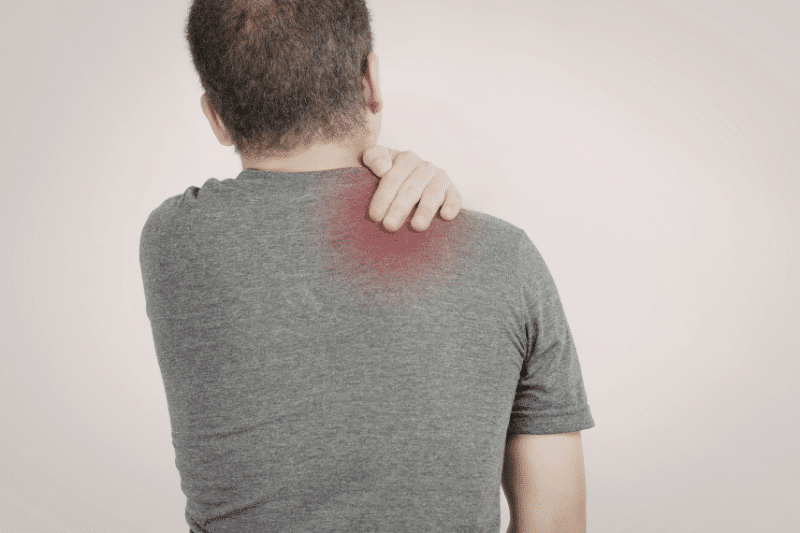
Muscle knots are tight, sensitive areas within muscle or fascia that can create local pain, stiffness, and referred discomfort. They are often called trigger points because pressure on one area can sometimes send discomfort into another part of the body.
A knot in the upper trapezius, for example, may feel like a hard lump near the neck and shoulder. It may also contribute to tension headaches, limited neck rotation, or a heavy feeling across the upper back. A knot in the glutes may contribute to hip tightness, low back discomfort, or pain that travels into the leg.
Muscle knots can develop when muscle fibers stay contracted instead of fully relaxing. This can happen because of repetitive movement, prolonged sitting, emotional stress, poor sleep, overtraining, old injuries, or protective guarding around a painful area.
Common areas for muscle knots include:
In everyday life, these knots often appear after long hours at a desk, frequent driving, intense workouts, poor posture, or stress that causes the shoulders to stay lifted without you realizing it.
Cupping therapy uses negative pressure to gently pull tissue upward into a cup. This makes it different from massage, foam rolling, or deep tissue work, which press downward into the muscles.
In modern bodywork and rehabilitation language, this effect is often described as myofascial decompression. The suction may affect the skin, superficial fascia, connective tissue, and muscle layers. Instead of pushing into a tight area, cupping creates lift and separation through the tissues.
From a Traditional Chinese Medicine perspective, muscle knots are often associated with stagnation, tightness, and restricted movement of qi and blood in a local area. Cupping is used to help move stagnation, relax tension, and encourage a more comfortable flow through the affected region.
A simple way to understand it is this: massage compresses tissue, while cupping decompresses tissue. Both can be useful, but they create very different sensations.
Cupping may help deep muscle tension by lifting restricted tissue, increasing local circulation, calming pain sensitivity, and creating more movement between layers of fascia and muscle. This can make tight areas feel less stuck and easier to move.
Many patients describe cupping as a pulling, stretching, or pressure-like sensation. It should not feel sharp, burning, or unbearable. When applied properly, the sensation often becomes more comfortable as the tissue begins to relax.
Muscle knots can feel deep because the problem may involve more than one layer of tissue. Skin, fascia, and muscle can all become sensitive or restricted. By lifting tissue upward, cupping may help separate layers that are not gliding well.
This is one reason cupping can feel helpful for people who say massage helps temporarily, but the same knot keeps coming back.
Cupping draws blood toward the treated area. This temporary increase in local circulation may help bring oxygen and nutrients to the tissues while supporting the body’s natural recovery process.
Better circulation does not mean cupping is “removing toxins” in a dramatic or instant way. A more accurate explanation is that cupping may increase blood flow and tissue response in the treated area.
Muscle knots are not only mechanical. They are also connected to the nervous system. Stress, poor sleep, anxiety, pain anticipation, and repeated strain can keep muscles guarded.
Cupping provides strong sensory input to the skin and soft tissue. For some people, that input may help reduce pain sensitivity and encourage the nervous system to shift away from a protective tension pattern.
When fascia and muscle layers do not move well together, the body may feel stiff, restricted, or stuck. Cupping may help improve the feeling of tissue glide by lifting and mobilizing the area.
This can be especially useful for people who feel tight even after stretching, because the issue may not be only muscle length. It may also involve sensitivity, circulation, and restricted soft tissue movement.
When muscle knots limit movement, the body often compensates. A tight shoulder may change how the neck moves. A tight hip may affect the low back. A tight calf may change walking or running mechanics.
Cupping may help some people move more comfortably after treatment, especially when it is paired with gentle movement, stretching, or acupuncture.
Cupping and massage can both be used for muscle knots, but they work in opposite directions. Massage presses into tight tissue, while cupping lifts tissue upward with suction.
Massage may be a better fit when someone needs broad relaxation, rhythmic pressure, or direct kneading of tight muscles. Cupping may be a better fit when the tissue feels stuck, compressed, or difficult to release with pressure alone.
Some people who cannot tolerate deep massage prefer cupping because the pressure is not pushed downward into sore tissue. Others prefer massage because cupping marks can be visible afterward. The best choice depends on the person, the pain pattern, the skin, the area being treated, and the goal of care.
Cupping may also be used alongside acupuncture when the pattern suggests both local muscle tension and a broader issue involving stress, sleep, circulation, or pain sensitivity.
Cupping is commonly used on larger muscle areas where tension, stiffness, and trigger points are frequent.
Cupping may help tension in the upper shoulders, especially when tightness comes from desk posture, stress, or repetitive lifting. Practitioners use caution around the front and sides of the neck because sensitive structures are located there.
Knots around the shoulder blades often come from computer work, rounded shoulders, workouts, or stress. Cupping may be placed along the upper back, shoulder blade region, and surrounding soft tissue.
Back tension is one of the most common reasons people ask about cupping. The back often responds well to cupping because it has broad muscle areas where cups can be placed safely and effectively with proper technique.
The glutes, hip rotators, and outer hip muscles can develop deep trigger points from sitting, running, lifting, or low back compensation. Cupping may be used in these areas to support tissue mobility and comfort.
Athletes and active patients may notice knots in the hamstrings, calves, or other posterior-chain muscles. Cupping can sometimes be paired with gentle movement or stretching to support flexibility and recovery.
Different cupping methods create different effects. The right method depends on the location, sensitivity, and purpose of treatment.
Stationary cupping places cups over specific tight areas for several minutes. This is often used for stubborn knots, localized tension, or areas that feel dense and restricted.
Moving cupping uses oil or lotion so the cup can glide across the skin. This can feel like a reverse massage and may be useful for larger areas of tightness, such as the back, shoulders, hips, or thighs.
Flash cupping involves quick placement and removal of cups. It is usually lighter and may be used when the goal is stimulation rather than deep, prolonged suction.
Fire cupping uses heat to create suction inside glass cups. It should only be performed by a trained practitioner.
Cupping may be used with acupuncture when the pattern suggests both local muscle tension and a broader imbalance. This may include stress, poor sleep, fatigue, recurring pain, or tension that returns quickly after temporary relief.

A cupping session for muscle knots usually begins with a focused intake. The practitioner may ask where the tension is located, how long it has been present, what makes it better or worse, and whether symptoms travel into the head, arms, low back, hips, or legs.
The intake may also include questions about:
During treatment, cups are placed on specific areas of muscle tension. You may feel pulling, pressure, warmth, or a deep stretching sensation. The cups may stay in place or move across the skin, depending on the technique used.
A typical cupping session may last several minutes per area. Stronger suction is not always better. In many cases, moderate suction applied with precision is more useful than aggressive suction that leaves unnecessary irritation.
After treatment, the area may feel looser, warmer, or slightly sore, similar to how the body can feel after deep bodywork.
Cupping marks are temporary circular discolorations caused by suction pulling blood and fluid toward the surface of the skin. They can look like bruises, but they are not always the same as a trauma bruise caused by impact.
The marks may appear light pink, red, purple, or dark. They usually fade over several days, although timing varies based on the person, suction strength, treatment area, and skin sensitivity.
Darker marks do not automatically mean that “more toxins” were removed. That explanation is too simplistic. Color can be influenced by circulation, tissue sensitivity, suction level, and how long the cups were left in place.
Cupping is generally considered low risk when performed by a trained practitioner, but it is not appropriate for everyone. Safety depends on screening, clean equipment, proper technique, pressure control, and avoiding areas where cupping should not be applied.
Cupping may not be appropriate over or near:
You should speak with a qualified healthcare provider before cupping if you are pregnant, taking blood thinners, have a bleeding disorder, have a history of blood clots, have cancer, have uncontrolled diabetes, have severe cardiovascular concerns, or bruise very easily.
A trained practitioner can decide whether cupping is appropriate, how strong the suction should be, and whether another approach would be safer.
Some muscle knots feel better after one cupping session, while chronic knots often need a series of treatments and habit changes. The more long-standing the tension pattern is, the more likely it is connected to posture, stress, movement mechanics, sleep, or repetitive strain.
For acute tightness after a workout or a stressful week, one or two sessions may provide noticeable relief. For chronic neck and shoulder knots from desk work, care may need to include cupping, acupuncture, ergonomic changes, mobility exercises, and stress regulation.
For low back or hip tension, it may also help to look at sitting patterns, walking mechanics, exercise load, and whether the pain is protective guarding from another area.
Cupping can help release tension, but if the same daily habit keeps recreating the strain, the knot may return.
After cupping, the goal is to help the treated area recover without irritating the skin.
Helpful aftercare may include:
Gentle stretching may be useful, but forcing a deep stretch right after cupping is not always necessary. The tissue has already received strong stimulation, so mild movement is usually enough.
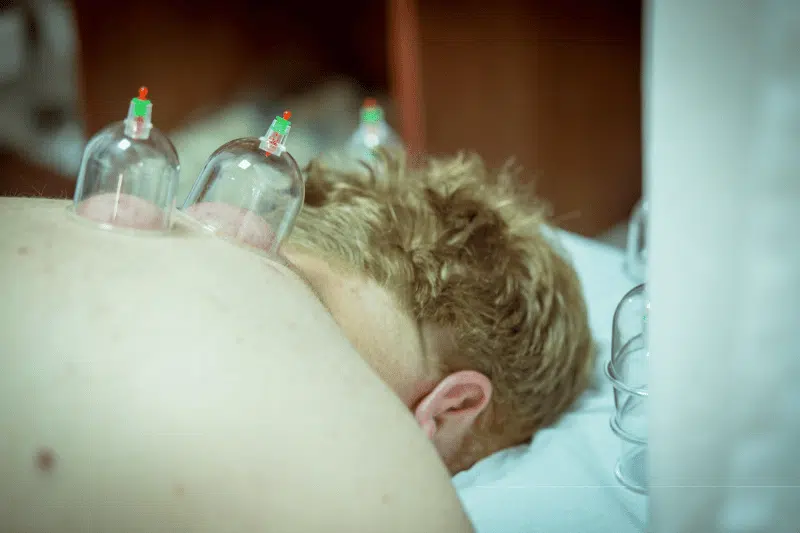
Cupping works best when it is measured, targeted, and matched to the person. More suction does not always mean better results.
Common mistakes include:
At-home cupping tools may seem simple, but they can still cause skin irritation, bruising, burns from improper methods, or delayed care for symptoms that need medical attention. Professional care is especially important when pain is severe, recurring, or connected to nerve-like symptoms.
Cupping may help neck and shoulder knots by reducing soft tissue tension across the upper back, trapezius, and shoulder blade region. These knots are common in people who work at computers, drive often, carry stress in the shoulders, or sleep in positions that strain the neck.
A thorough treatment approach does not only look at the knot itself. It also considers the pattern around it. A shoulder knot may be related to jaw tension, shallow breathing, poor monitor height, stress, or weakness in the upper back.
When appropriate, cupping may be combined with acupuncture points that support relaxation, pain modulation, and circulation.
Cupping may help low back muscle knots when tension is related to tight paraspinal muscles, glute tightness, hip restriction, or repetitive strain. The low back often becomes painful because it is compensating for stiffness elsewhere.
Low back tension may also be affected by long periods of sitting, weak core support, tight hip flexors, poor lifting mechanics, or stress-related guarding.
If low back pain includes numbness, weakness, pain down the leg, fever, unexplained weight loss, loss of bladder or bowel control, or pain after trauma, medical evaluation is needed.
Cupping may support athletic recovery by improving local circulation, reducing perceived tightness, and helping athletes feel more mobile. It is commonly used for tight calves, hamstrings, quads, glutes, shoulders, and back muscles.
For athletes, cupping is best viewed as a recovery tool, not a replacement for warmups, strength work, mobility training, sleep, hydration, or load management.
If a muscle feels knotted after training, the cause may be overload, poor mechanics, fatigue, or inadequate recovery. Cupping may help the tissue feel better, but the training pattern may also need adjustment.
Most muscle knots are not emergencies, but some symptoms should not be treated as ordinary tension.
Seek medical evaluation if you have:
Cupping is not a substitute for emergency care, imaging, physical therapy, or medical diagnosis when those are needed.
Cupping therapy can be a helpful option for muscle knots because it works through suction, decompression, circulation, and soft tissue release. For deep tension that feels stuck or resistant to stretching, cupping may offer a different path to relief.
At ACA Acupuncture & Wellness, cupping may be used thoughtfully as part of a personalized care plan. Depending on your symptoms, treatment may also include acupuncture, gua sha, moxibustion, lifestyle guidance, or movement recommendations to support longer-lasting relief.
If muscle knots are affecting your neck, shoulders, back, hips, or daily comfort, a personalized visit can help identify what is driving the tension and which therapies may be the best fit for your body.
Sources:
National Center for Complementary and Integrative Health. (2024). Cupping. National Institutes of Health.
Zhang, Z., Wang, X., & Liu, J. (2024). The effectiveness of cupping therapy on low back pain: A systematic review and meta-analysis of randomized controlled trials. Journal of Bodywork and Movement Therapies. https://www.sciencedirect.com/science/article/pii/S0965229924000013
Jia, Y., Wang, Y., & Li, H. (2025). Effects of cupping therapy on chronic musculoskeletal pain: A systematic review and meta-analysis. BMJ Open, 15, e087340.
Cupping may help reduce the tightness, tenderness, and restricted movement associated with muscle knots. Chronic knots may need repeated care and changes to posture, movement, stress, and recovery habits.
Some people feel looser immediately after cupping. Others notice changes over the next 24 to 48 hours as soreness decreases and movement feels easier.
Cupping is not always better than massage. It is different. Massage presses into tight tissue, while cupping lifts tissue upward. Some patients respond better to one method, while others benefit from both.
Cupping should feel like pulling, pressure, or deep stretching. It should not feel sharp, burning, or unbearable. Tell your practitioner if the suction feels too strong.
Cupping marks often fade within several days, but timing varies. Stronger suction, sensitive skin, and certain areas of the body may leave marks longer.
Light movement is usually fine, but intense workouts immediately after strong cupping may irritate the treated area. Many people do better with gentle mobility, walking, and hydration the same day.
LOCATIONS
MANHATTAN
QUEENS
NEW JERSEY
CALIFORNIA

The over $4 billion US acupuncture market offers a great opportunity with over 10% annual growth rates and a continuing flow of new patients interested in the benefits of acupuncture.
