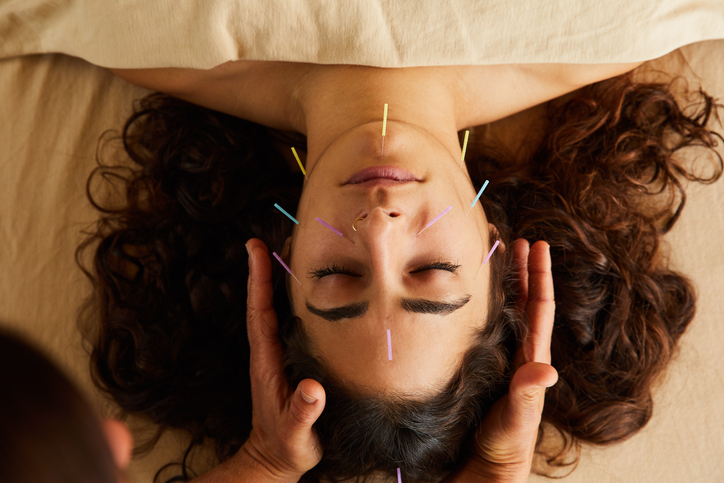

Physiotherapy and physical therapy are largely the same healthcare profession, with the primary difference being regional terminology rather than treatment quality or clinical purpose.
Both physiotherapy and physical therapy focus on restoring movement, improving physical function, reducing pain, and helping people recover from injuries, surgeries, neurological disorders, and chronic musculoskeletal conditions. While the terms are often used interchangeably, some healthcare systems and clinicians associate physiotherapy with more hands-on treatment techniques and physical therapy with exercise-based rehabilitation.
The confusion mainly comes from geography, educational systems, and evolving rehabilitation philosophies. In the United States, “physical therapy” is the standard term, while “physiotherapy” is more commonly used in Canada, Australia, the United Kingdom, and many parts of Europe and Asia. Despite these naming differences, both professions share the same core mission: helping patients move better, recover safely, and improve overall quality of life.
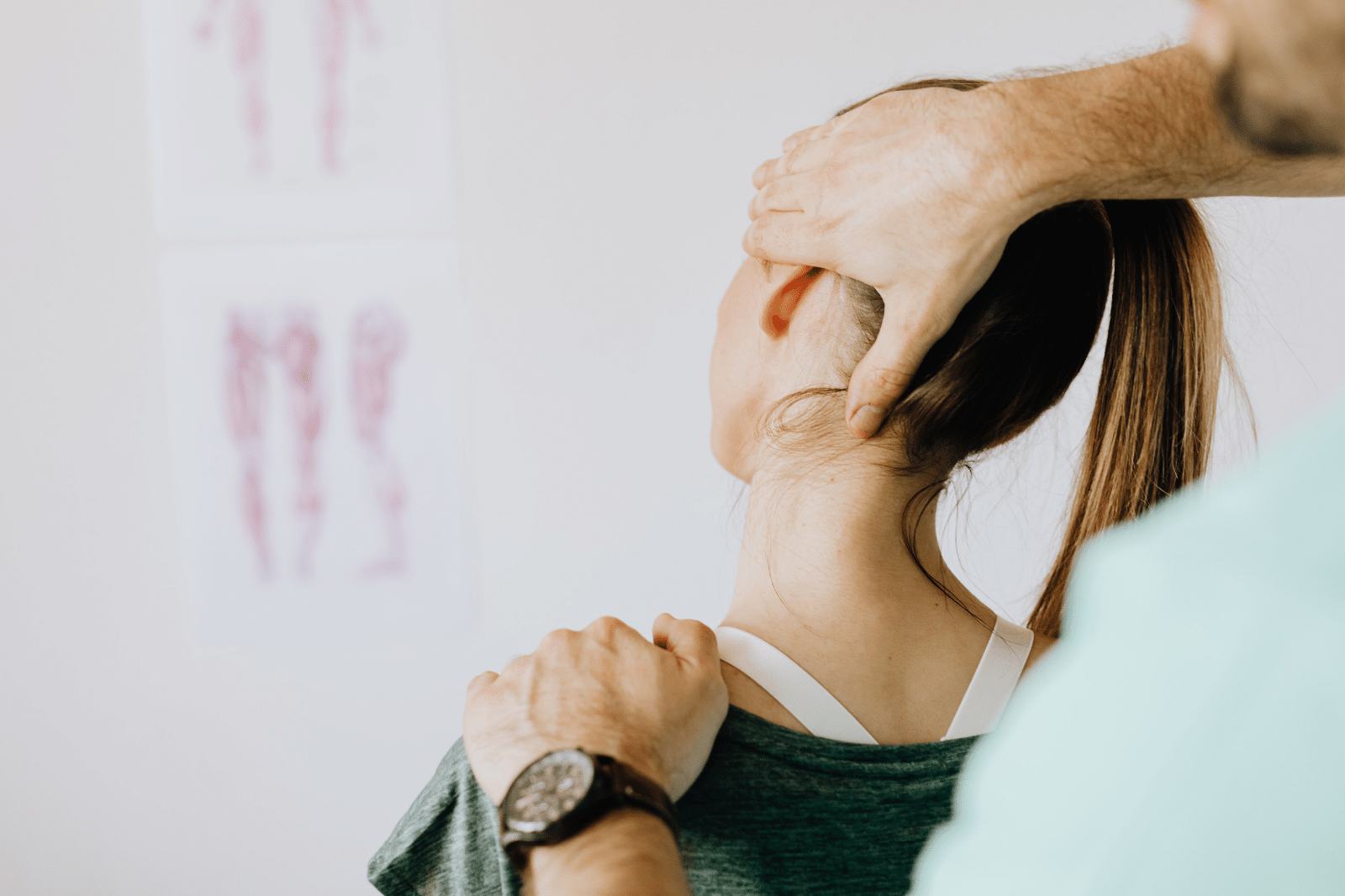
Physiotherapy and physical therapy are largely the same healthcare profession, with the primary difference being regional terminology rather than treatment quality or clinical purpose.
Both physiotherapy and physical therapy focus on restoring movement, improving physical function, reducing pain, and helping people recover from injuries, surgeries, neurological disorders, and chronic musculoskeletal conditions. While the terms are often used interchangeably, some healthcare systems and clinicians associate physiotherapy with more hands-on treatment techniques and physical therapy with exercise-based rehabilitation.
The confusion mainly comes from geography, educational systems, and evolving rehabilitation philosophies. In the United States, “physical therapy” is the standard term, while “physiotherapy” is more commonly used in Canada, Australia, the United Kingdom, and many parts of Europe and Asia. Despite these naming differences, both professions share the same core mission: helping patients move better, recover safely, and improve overall quality of life.
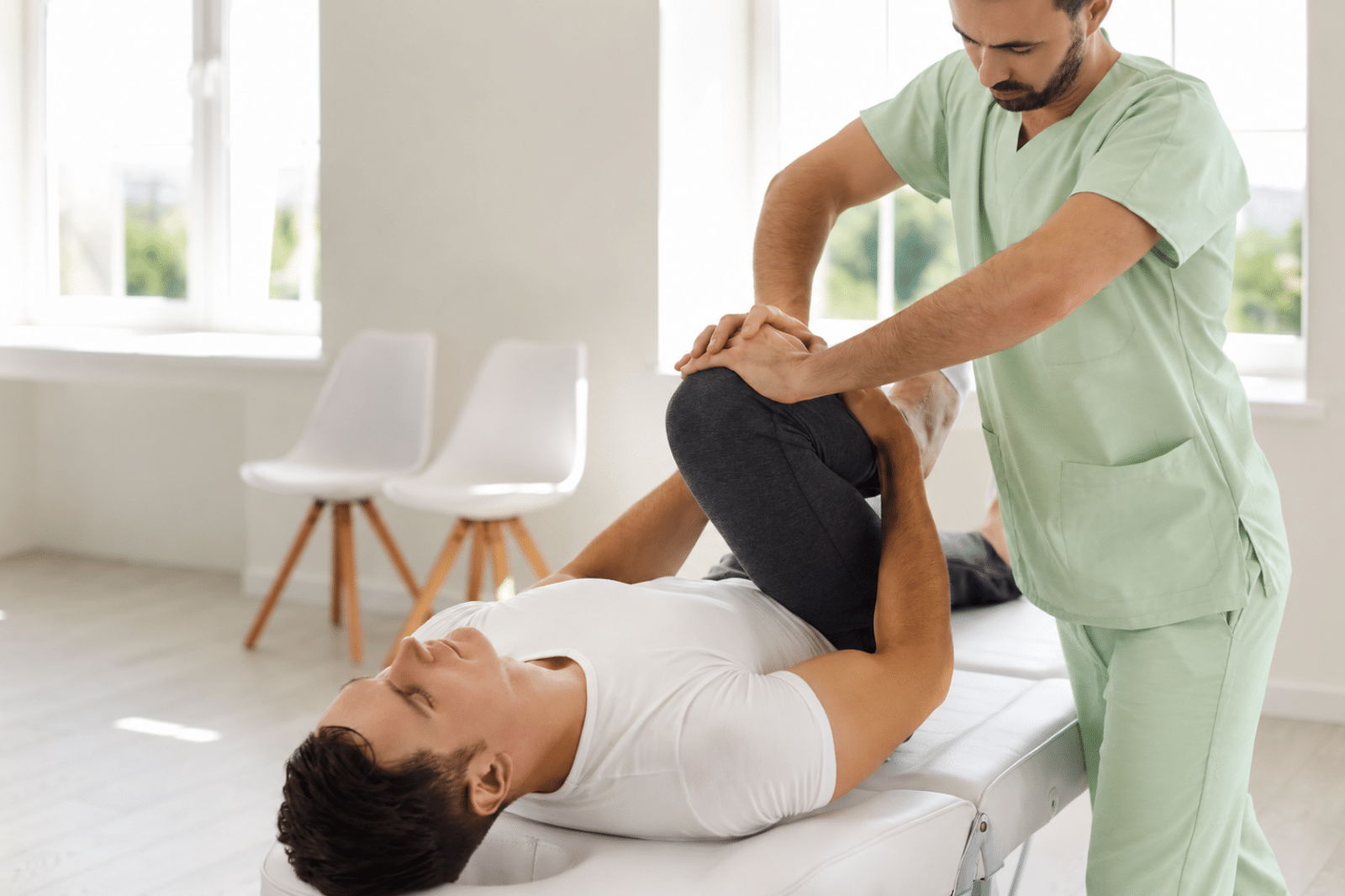
Physiotherapy and physical therapy both belong to the field of rehabilitation medicine. These professions help individuals regain mobility, strength, flexibility, balance, and physical independence after injury, surgery, illness, or chronic pain conditions.
The terms developed differently across healthcare systems worldwide. “Physiotherapy” became the preferred term in countries such as Canada, Australia, and the UK, while “physical therapy” became standard in the United States. Despite the naming difference, both professions use highly similar rehabilitation methods focused on movement restoration and pain reduction.
Modern rehabilitation clinics often combine:
In real-world clinical practice, patients usually receive very similar care regardless of whether the clinic uses the term physiotherapy or physical therapy.
The primary function of both professions is restoring physical function, improving movement, reducing pain, and helping patients safely return to everyday activities.
Rehabilitation specialists commonly help patients recover after:
Modern rehabilitation also focuses heavily on injury prevention and long-term mobility. Rather than only treating pain, therapists often identify movement dysfunctions, muscular imbalances, posture issues, and biomechanical limitations that may contribute to recurring injuries.
Treatment plans may include:
Many clinics now emphasize active rehabilitation approaches that encourage patients to participate directly in their recovery process instead of relying solely on passive treatments.
Physical therapy is a healthcare profession focused on restoring movement, reducing pain, improving physical performance, and helping patients recover through evidence-based rehabilitation strategies.
In the United States, professionals are commonly called physical therapists or PTs. Most complete a Doctor of Physical Therapy (DPT) degree that includes extensive education in anatomy, biomechanics, neurology, exercise science, and rehabilitation medicine.
Physical therapy often emphasizes:
Exercise is considered one of the most important rehabilitation tools because movement plays a major role in tissue healing, joint stability, muscle adaptation, nervous system recovery, and long-term mobility. Treatment programs may include resistance training, corrective exercises, core strengthening, mobility drills, balance exercises, and sport-specific rehabilitation.
Physical therapists frequently treat herniated discs, sciatica, sports injuries, arthritis, stroke recovery, tendon injuries, balance disorders, and post-surgical weakness. Modern physical therapists increasingly work alongside orthopedic specialists, neurologists, occupational therapists, chiropractors, and athletic trainers within multidisciplinary healthcare teams.
Physiotherapy is a rehabilitation-focused healthcare profession that helps patients restore movement, improve mobility, reduce pain, and recover physical function after injury, surgery, illness, or chronic medical conditions.
The term physiotherapy is more commonly used in Canada, Australia, the UK, Europe, and many Asian countries.
Physiotherapy is often associated with a more hands-on treatment approach involving:
Physiotherapists commonly help patients recover after surgery, improve flexibility, reduce stiffness, restore mobility, improve posture, and regain coordination and balance. Hands-on physiotherapy techniques may also support better range of motion, joint mobility, circulation, muscle relaxation, and overall movement quality.
Physiotherapists frequently treat chronic back pain, neck pain, arthritis, sports injuries, neurological disorders, mobility impairments, and post-operative recovery conditions. Modern physiotherapy increasingly combines manual treatment with exercise science, movement analysis, pain neuroscience, and evidence-based rehabilitation strategies.
Although the professions are fundamentally similar, some clinicians describe subtle differences in treatment philosophy.
| Area | Physiotherapy | Physical Therapy |
| Common perception | More hands-on and manual-treatment focused | More exercise-based and function-focused |
| Often emphasized in | Canada, Australia, UK, Europe, and many Asian countries | United States |
| Common techniques | Soft tissue release, joint mobilization, manual stretching, hands-on pain relief | Exercise prescription, strength progression, functional rehabilitation, sports performance recovery |
| Modern approach | Often combined with exercise science and movement retraining | Often combined with manual therapy and mobility work |
| Best practice today | Both approaches are increasingly integrated in modern clinics | Both approaches are increasingly integrated in modern clinics |
Most advanced rehabilitation clinics now combine manual therapy, functional exercise, neuromuscular retraining, patient education, mobility restoration, and corrective strengthening. Modern evidence increasingly supports combining active and passive rehabilitation methods for better recovery outcomes.
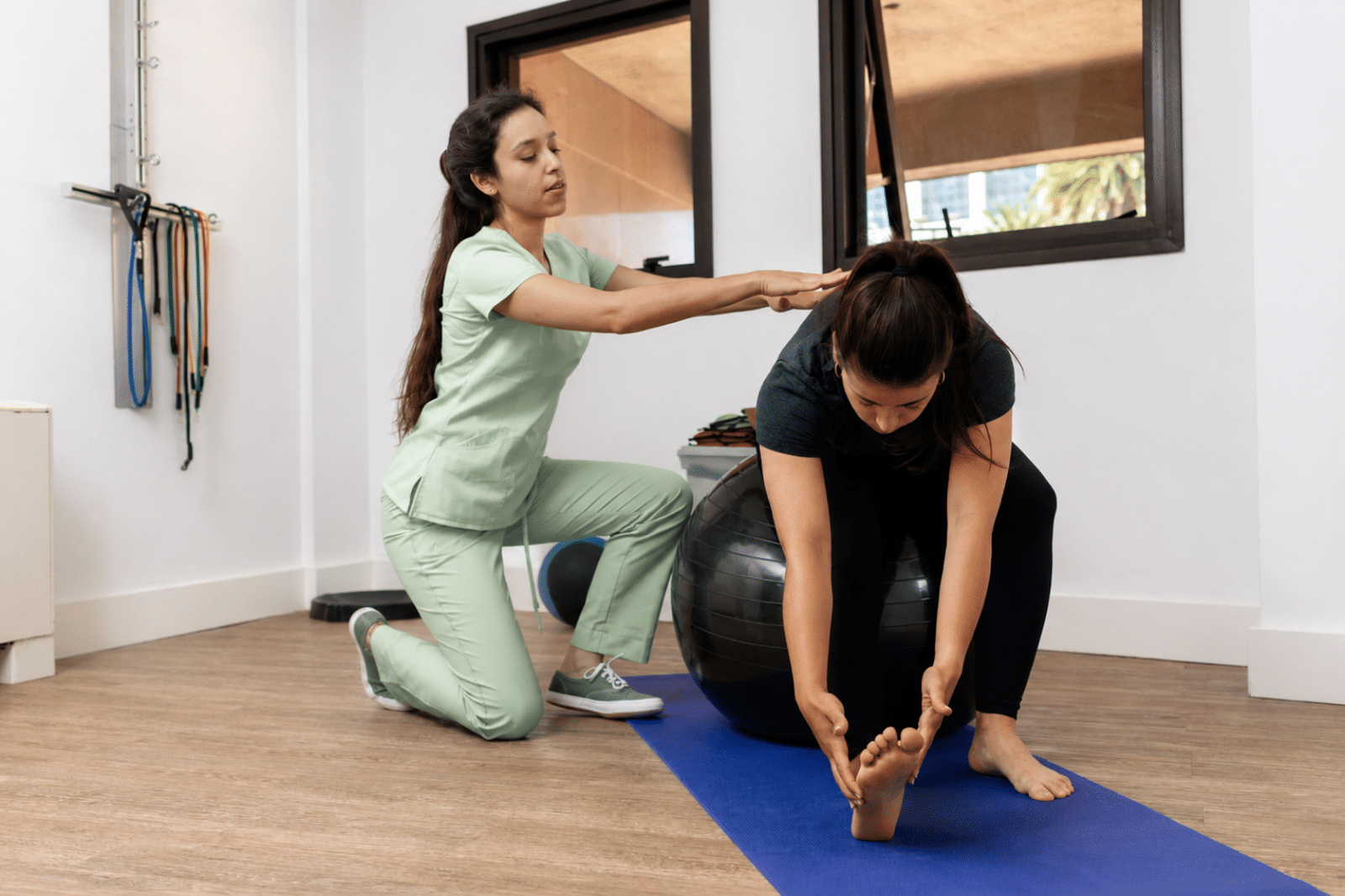
Educational standards for both professions are rigorous and science-based.
In the United States, most physical therapists complete several stages of formal training before becoming licensed:
In countries using the term physiotherapy, professionals may complete similar university-based training pathways depending on local licensing rules:
Training commonly includes core subjects that prepare therapists to assess movement, manage pain, and support recovery:
Many therapists later pursue advanced specialization to work with specific patient groups, injuries, or medical conditions:
Continuing education remains essential because rehabilitation science and pain research continue evolving rapidly.
Both professions commonly treat a wide range of musculoskeletal, neurological, and mobility-related conditions.
Sports rehabilitation focuses on restoring strength, mobility, coordination, and safe return to activity.
Therapists often address spinal pain by improving posture, mobility, core strength, and movement mechanics.
Rehabilitation can help reduce stiffness, support joint stability, and improve daily movement.
Neurological rehab focuses on balance, coordination, strength, gait, and functional independence.
Therapy after surgery helps restore range of motion, rebuild strength, and support safe healing.
Chronic pain care often combines movement retraining, education, pacing strategies, and gentle strengthening.
Both physiotherapists and physical therapists also help patients improve mobility, balance, flexibility, coordination, and overall physical independence.
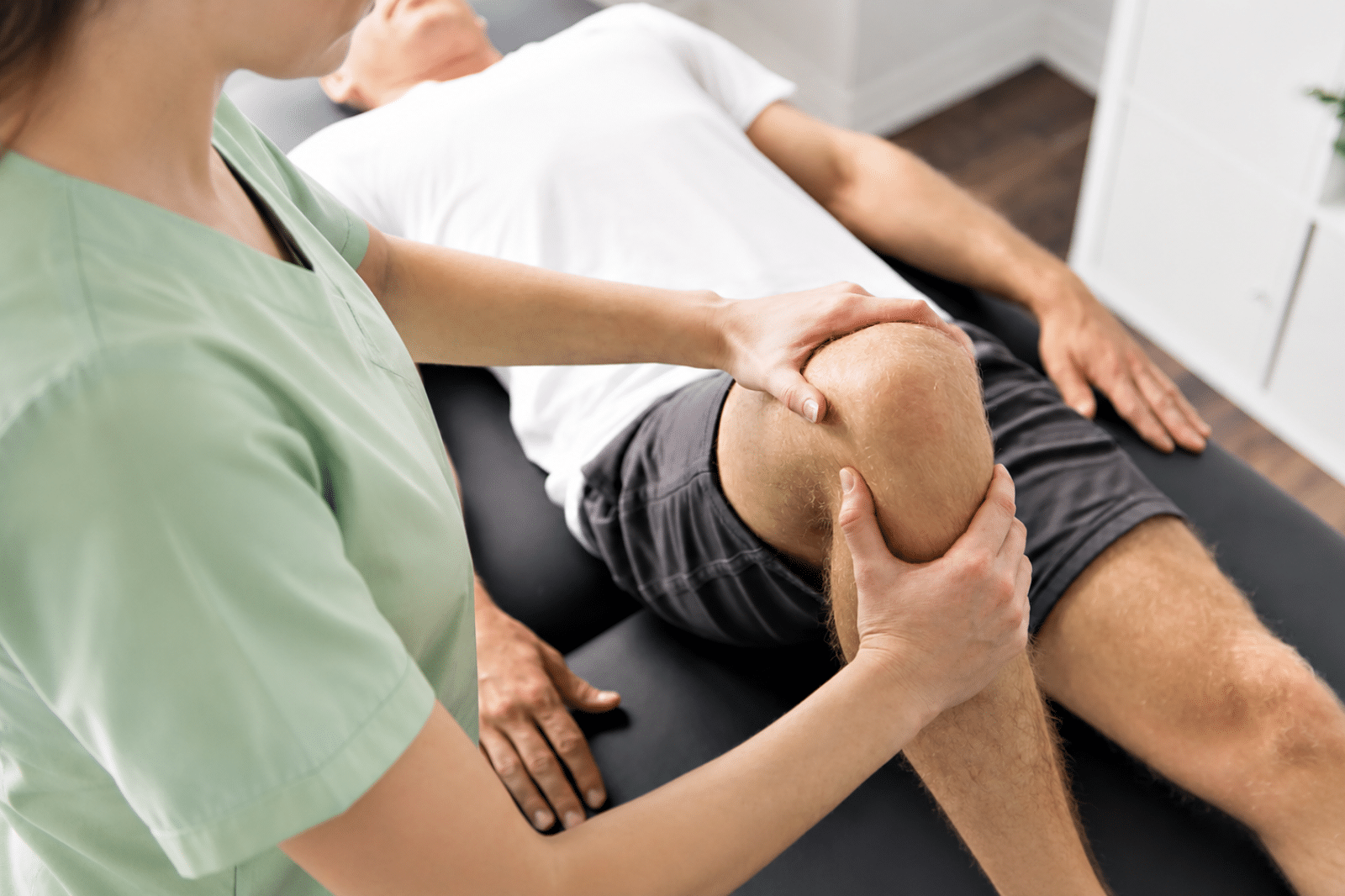
Modern rehabilitation clinics use multiple therapies to improve movement, reduce pain, accelerate recovery, and restore physical function.
Therapeutic exercise remains one of the most evidence-supported rehabilitation methods because it helps improve:
Exercise programs may include:
Functional training helps patients safely return to:
Heat and cold therapies are commonly used for pain management and recovery support.
Heat therapy may help:
Cold therapy may help:
Some clinics also use contrast therapy, alternating heat and cold applications to stimulate circulation.
Class IV laser therapy uses light energy to target deeper tissues beneath the skin.
It may be used for:
Research on laser therapy continues evolving, and treatment outcomes may vary depending on the condition being treated.
Therapeutic ultrasound uses sound waves to stimulate tissues beneath the skin and may be used for:
Modern evidence on ultrasound therapy remains mixed depending on the condition and treatment approach.
Blood flow restriction (BFR) therapy involves applying controlled pressure during low-load exercise to stimulate muscle adaptation.
BFR therapy is increasingly used in:
TENS stands for Transcutaneous Electrical Nerve Stimulation.
This therapy uses low-voltage electrical impulses to help manage pain signals and may be used for:
Neuromuscular reeducation focuses on restoring communication between muscles and the nervous system.
Exercises may improve:
This rehabilitation method is commonly used after:
Most rehabilitation programs combine multiple treatment methods based on the patient’s:
Common treatments include:
Modern rehabilitation increasingly emphasizes active participation rather than passive symptom management alone.
Movement retraining often focuses on improving:
This approach may help reduce reinjury risk while improving long-term physical resilience.

Patients often wonder whether one approach is better for certain conditions or recovery goals.
In reality, both physiotherapy and physical therapy can be highly effective when treatment is individualized and evidence-based.
Athletes often benefit from rehabilitation programs involving:
Modern pain science suggests chronic pain recovery often responds best to:
Successful post-operative rehabilitation often depends on:
Patients with stiffness or movement limitations often benefit from combining:
Rehabilitation medicine has evolved significantly over the past decade. Modern clinics increasingly prioritize evidence-based treatment, functional movement outcomes, long-term mobility health, and active rehabilitation strategies.
Many therapists now avoid excessive reliance on passive treatments that only provide temporary symptom relief. Instead, modern rehabilitation emphasizes patient education, progressive exercise, self-management strategies, movement correction, and functional recovery.
Technology is also becoming more integrated into rehabilitation settings. Clinics may now use motion tracking systems, digital gait analysis, wearable movement sensors, recovery tracking software, and tele-rehabilitation platforms to support more personalized care.
Artificial intelligence is also being explored for movement analysis, injury risk assessment, recovery monitoring, and personalized rehabilitation planning.
Choosing the right rehabilitation provider can significantly influence recovery quality and long-term outcomes.
Patients should look for clinics that provide:
Helpful questions to ask include:
Potential warning signs may include:
Good communication and patient education often play major roles in successful rehabilitation outcomes.
These professions sometimes overlap but focus on different aspects of recovery and function.
| Profession | Primary Focus |
| Physiotherapy / Physical Therapy | Movement rehabilitation and pain recovery |
| Chiropractic Care | Spinal manipulation and musculoskeletal alignment |
| Occupational Therapy | Daily living function and adaptive skills |
Many patients benefit from multidisciplinary rehabilitation models involving:
You may benefit from rehabilitation evaluation if you experience:
Athletes experiencing reduced performance, chronic tension, or recurring injuries may also benefit from movement assessment and rehabilitation planning.
Early intervention may help prevent:
Physiotherapy and physical therapy are far more similar than different. Both professions aim to restore movement, improve physical function, reduce pain, and help patients safely return to meaningful daily activities.
The terminology often depends more on geography than clinical quality. In practice, the most important factor is not whether a clinic uses the term physiotherapy or physical therapy, but whether the provider delivers individualized, evidence-based, and progressive rehabilitation care.
As rehabilitation medicine continues evolving, modern therapy is becoming increasingly proactive, functional, technology-assisted, and personalized, helping patients not only recover from injuries but also improve long-term movement health and physical resilience.
At ACA Acupuncture and Wellness, patients can also explore supportive therapies such as acupuncture, cupping, moxibustion, ear seeding, tuina massage, thermal therapy room sessions, and other holistic treatments that may support recovery, relaxation, circulation, and overall health. Contact us to learn which approach may be right for your needs.
Sources:
National Library of Medicine. (2024, March 19). In brief: Physical therapy. InformedHealth.org.
No. Physiotherapy is not automatically better than physical therapy. Both can be effective when the treatment is personalized, evidence-based, and matched to the patient’s condition, goals, and recovery stage.
Yes, they often use many of the same exercises, including stretching, strengthening, balance training, mobility drills, and functional movement retraining. The exact program depends on the patient’s diagnosis and recovery needs.
Yes. Both approaches may help reduce reinjury risk by improving strength, flexibility, posture, balance, coordination, and movement mechanics.
Some people notice improvement within a few sessions, while others need several weeks or months. Recovery time depends on the condition, severity, consistency, and overall health.
It depends on your location, insurance plan, and clinic requirements. Some patients can book directly, while others may need a referral from a doctor or specialist.
Yes. Some patients combine rehabilitation care with acupuncture, cupping, moxibustion, or other supportive therapies to help manage pain, stiffness, stress, and recovery.
LOCATIONS
MANHATTAN
QUEENS
NEW JERSEY
CALIFORNIA

The over $4 billion US acupuncture market offers a great opportunity with over 10% annual growth rates and a continuing flow of new patients interested in the benefits of acupuncture.
