

Acupuncture can help manage Alpha-Gal Syndrome by regulating the immune system, reducing hypersensitivity reactions, and addressing underlying imbalances that contribute to food-triggered inflammation.
Alpha-Gal Syndrome (AGS) is one of the most unusual and rapidly emerging food allergies, characterized by delayed allergic reactions to red meat and other mammalian products. Triggered by tick bites, this condition challenges conventional allergy frameworks because symptoms often appear hours after exposure, making diagnosis and management more complex.
While Western medicine emphasizes strict avoidance of triggers, acupuncture and Traditional Chinese Medicine (TCM) offer a different perspective. Instead of focusing only on the allergen, they address the body’s internal imbalance, aiming to reduce sensitivity and restore immune tolerance over time.

Acupuncture can help manage Alpha-Gal Syndrome by regulating the immune system, reducing hypersensitivity reactions, and addressing underlying imbalances that contribute to food-triggered inflammation.
Alpha-Gal Syndrome (AGS) is one of the most unusual and rapidly emerging food allergies, characterized by delayed allergic reactions to red meat and other mammalian products. Triggered by tick bites, this condition challenges conventional allergy frameworks because symptoms often appear hours after exposure, making diagnosis and management more complex.
While Western medicine emphasizes strict avoidance of triggers, acupuncture and Traditional Chinese Medicine (TCM) offer a different perspective. Instead of focusing only on the allergen, they address the body’s internal imbalance, aiming to reduce sensitivity and restore immune tolerance over time.

Alpha-Gal Syndrome is an IgE-mediated allergic condition triggered by exposure to a sugar molecule called galactose-α-1,3-galactose, commonly found in mammalian meat. Unlike typical food allergies, AGS reactions are delayed, usually occurring 3 to 6 hours after consumption.
The condition is most commonly associated with tick bites, particularly those from species that introduce alpha-gal into the bloodstream. This exposure sensitizes the immune system, leading to future allergic reactions when red meat or related products are consumed.
What makes AGS distinct is its unpredictability. Many individuals tolerate foods for years before suddenly developing symptoms, and reactions vary widely in severity.
Acupuncture supports Alpha-Gal Syndrome by calming immune overreactions, reducing inflammation, and improving communication between the nervous system and immune system.
This approach targets the underlying hypersensitivity rather than just avoiding triggers, making it a complementary strategy for long-term management.
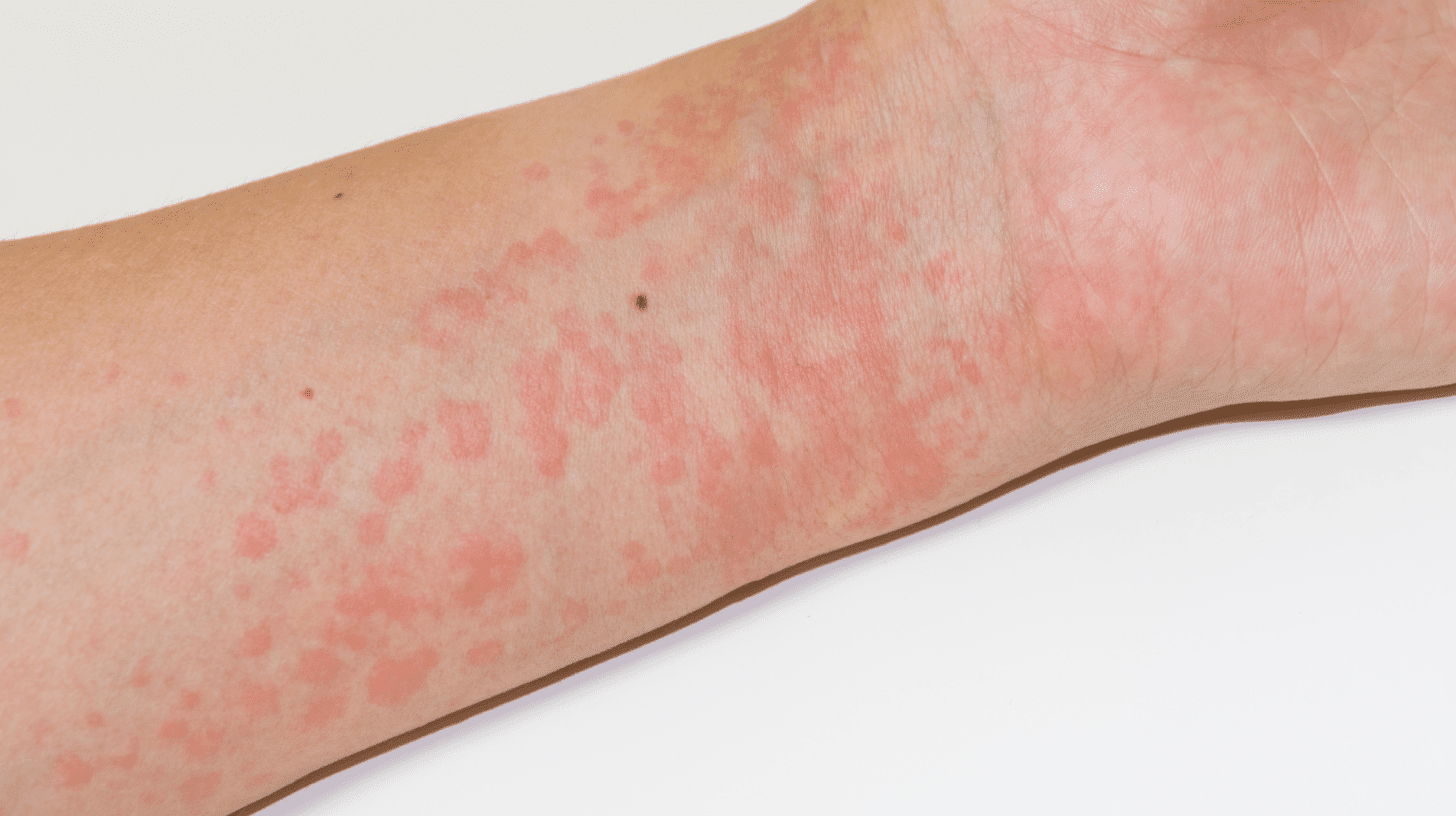
Raised welts can appear suddenly and may move from one area of the body to another during a reaction. Because they often develop hours after eating mammalian foods, many people do not immediately connect them to alpha-gal syndrome.
For some people, itching begins before any visible rash appears and may affect only one area or spread more widely. The sensation can become intense enough to disrupt sleep, concentration, or daily activities.
Soft tissues in the face and mouth may become puffy or enlarged during an allergic response. When swelling involves the throat, it can quickly become dangerous and should be treated as a medical emergency.
Cramping or sharp stomach pain is one of the most commonly reported digestive symptoms in alpha-gal syndrome. Without obvious skin symptoms, it is easy to mistake this reaction for indigestion, gallbladder issues, or another gastrointestinal problem.
Hours after eating a trigger food, a person may start to feel nauseated and then progress to vomiting. This delayed pattern often makes the reaction seem unrelated to the earlier meal.
Sudden diarrhea can occur as the digestive tract reacts to the allergen. Combined with nausea or abdominal pain, it may resemble food poisoning rather than an allergy.
A whistling sound while breathing may develop when the airways tighten during a reaction. This symptom can signal that the allergic response is becoming more serious and needs close attention.
Breathing may start to feel strained, shallow, or unusually difficult as the reaction progresses. Any sense of chest tightness or air hunger should be taken seriously, especially when paired with swelling or dizziness.
In some cases, the body responds with a persistent cough as the throat or airways become irritated. Although it may seem minor at first, it can be part of a broader allergic episode.
A person may suddenly feel faint, weak, or unsteady when the reaction begins to affect circulation. This can be an early warning sign that the allergy is progressing beyond mild symptoms.
As the immune response intensifies, blood pressure may fall and reduce normal blood flow to the brain and body. Fainting, confusion, and extreme weakness can follow if treatment is delayed.
At its most dangerous, alpha-gal syndrome can trigger a whole-body reaction known as anaphylaxis. Immediate emergency care is essential because breathing problems, throat swelling, and cardiovascular collapse can happen rapidly.
Unlike classic food allergies that strike within minutes, alpha-gal syndrome usually follows a slower timeline because the allergen is tied to fat digestion and absorption. That delay of several hours is one reason the condition is frequently overlooked, misunderstood, or misdiagnosed.
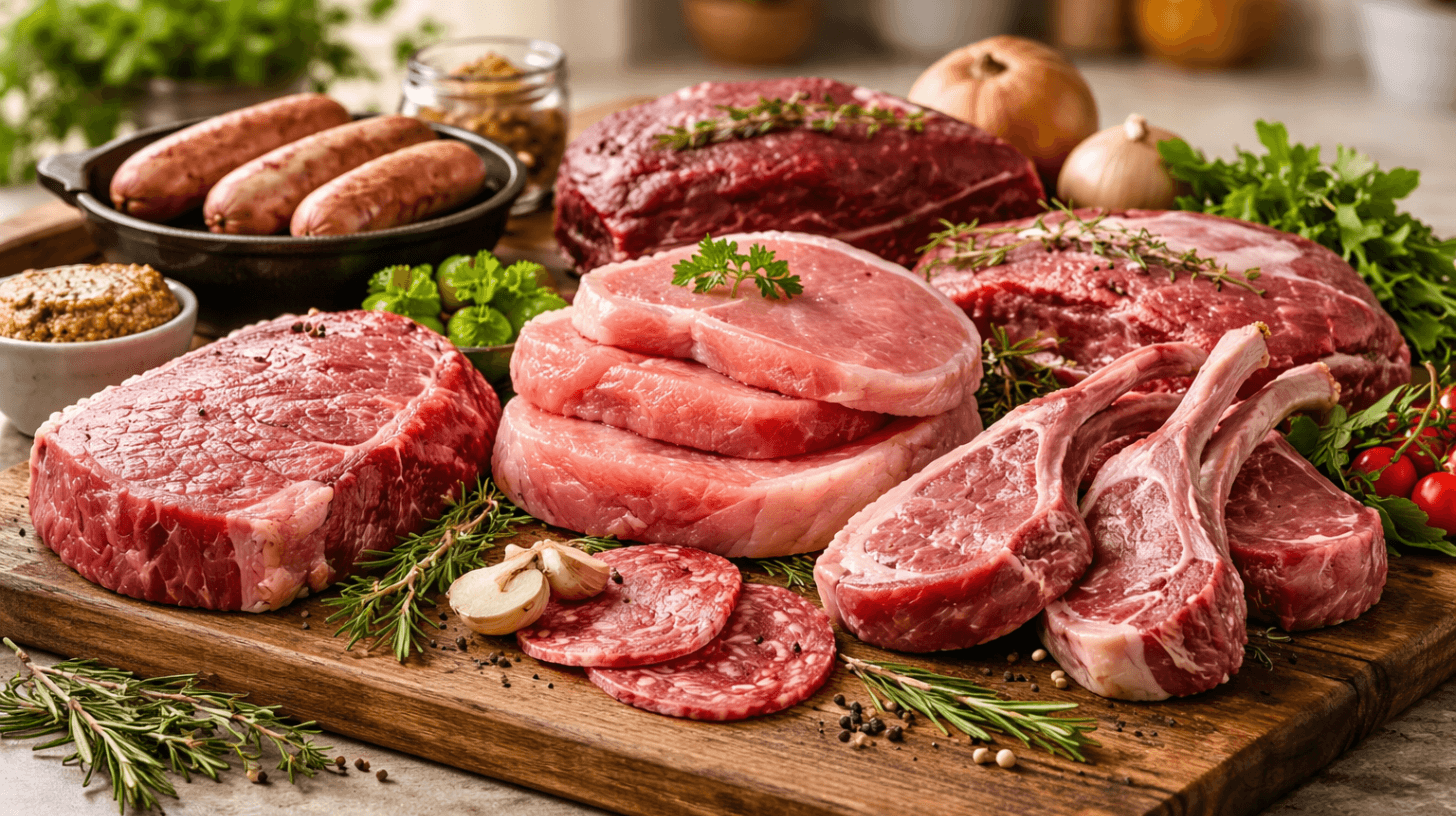
Mammalian meats are the main dietary source of alpha-gal and are the most common cause of delayed reactions. For many people with alpha-gal syndrome, even a small serving can be enough to trigger symptoms several hours later.
Not every exposure comes from a visible piece of meat. Many people react to ingredients tucked into supplements, packaged foods, sauces, or cooking fats without realizing it.
Reactions to dairy are less predictable and vary from person to person. Some people tolerate certain dairy products well, while others find that even small amounts worsen symptoms and need to be tested cautiously under professional guidance.

A safer eating pattern usually centers on non-mammalian protein sources and plant foods. Choosing these options helps make the alpha-gal syndrome diet more sustainable, varied, and realistic for daily life.
Managing alpha-gal syndrome takes more than just avoiding obvious trigger foods. Day-to-day success often depends on habits like label reading, asking questions, and paying attention to how food is prepared.
Strict avoidance reduces reactions but does not address the immune system’s heightened sensitivity. Many individuals continue to experience anxiety, dietary restrictions, and reduced quality of life.
This limitation is why integrative approaches, including acupuncture, are gaining attention.
From a modern clinical perspective, acupuncture may help alpha-gal syndrome by influencing the communication between the nervous system, immune system, and inflammatory pathways. Research on acupuncture suggests it can help regulate hypersensitive immune responses, calm stress-driven reactivity, and support overall immune balance, all of which are relevant in a condition driven by abnormal IgE activity.
Another important consideration is the gut-immune connection. Because alpha-gal reactions are tied to digestion and delayed absorption, therapies that support digestive regulation, reduce inflammation, and improve autonomic balance may offer meaningful symptom relief as part of a broader treatment plan.
Soliman Auricular Allergy Treatment, commonly known as SAAT, is a specialized form of ear acupuncture developed specifically for allergy-related conditions. The method involves placing a very small needle at a targeted auricular point associated with the allergic response, where it remains in place for several weeks to provide steady, ongoing stimulation.
What makes SAAT especially notable in the alpha-gal conversation is the growing number of case reports and clinic-based outcomes showing strong remission rates. Many patients report a significant reduction in symptom severity, and some are eventually able to tolerate foods that previously triggered reactions, although results can vary and treatment should always be approached with proper medical supervision.
Traditional Chinese Medicine does not define alpha-gal syndrome as an allergy in the same way Western medicine does. Instead, it looks at the pattern behind the reaction, asking why the body has become overly reactive, why digestion is struggling to process certain exposures, and why symptoms show up in ways that suggest deeper imbalance rather than an isolated food problem.
From a TCM perspective, people with alpha-gal syndrome may present with a combination of Spleen Qi deficiency, dampness, heat, and weakened Wei Qi, or defensive energy. In practical terms, this means digestion may be too weak to transform food properly, inflammatory byproducts may accumulate internally, and the body’s protective system may become unstable, making it more likely to overreact to triggers. These pattern-based explanations are not a substitute for medical diagnosis, but they help explain why treatment in Chinese Medicine focuses on the whole system rather than on food avoidance alone.
Common patterns may include:
In TCM, sudden symptoms such as hives, itching, and swelling are often described as wind. This concept reflects the fast-changing, unpredictable nature of allergic reactions.
Treatment in TCM is designed to calm reactivity while correcting the internal terrain that allows symptoms to keep returning. Depending on the person’s presentation, acupuncture may be used to strengthen digestion, clear internal heat, drain dampness, and support the body’s regulatory and defensive functions.
When digestion improves, the body is thought to process food more efficiently and generate fewer inflammatory byproducts. When heat and dampness are reduced, symptoms such as skin irritation, heaviness, digestive discomfort, and systemic agitation may become easier to control. Over time, the goal is not simply to suppress isolated symptoms, but to help the body become less reactive overall.
Herbal medicine may be considered when a practitioner believes deeper internal support is needed, especially in people with ongoing digestive weakness or a broader food allergy pattern. In allergy-focused discussions, formulas such as Wu Mei Wan and Food Allergy Herbal Formula-2 (FAHF-2) are sometimes referenced for their potential role in supporting gut function, modulating immune activity, and reducing inflammatory responses, although evidence for food allergy support is still evolving and should be interpreted carefully.
That said, Chinese herbal treatment is never meant to be one-size-fits-all. A qualified practitioner chooses herbs based on the person’s full pattern, constitution, symptoms, digestion, and overall health picture, which is why self-prescribing is not appropriate, especially in someone with a history of severe allergic reactions.
Both modern medicine and TCM place strong emphasis on digestion when it comes to food-related hypersensitivity. If the gut is inflamed or not functioning well, the body may become more reactive, which is why gut support is an important part of managing alpha-gal syndrome.
For some individuals, acupuncture for alpha-gal syndrome may lead to a noticeable reduction in symptoms and improved tolerance over time. In certain cases, patients report being able to reintroduce previously triggering foods, although results vary depending on factors such as sensitivity level, duration of the condition, and overall health.
The treatment process is typically structured but personalized based on how the condition presents.
Daily habits can influence how reactive the body remains, making lifestyle support an important part of long-term management.

Alpha-Gal Syndrome is not simply a food allergy. It is a complex immune condition shaped by environmental exposure, digestion, inflammation, and broader systemic imbalance. While avoiding trigger foods remains essential, acupuncture and Traditional Chinese Medicine offer a wider lens, one that looks beyond the allergen itself and focuses on helping the body become less reactive over time.
For many people, that kind of integrative support can mean more than symptom management alone. It can create a path toward better daily function, more confidence around food, and a stronger sense of control over long-term health. At ACA Acupuncture and Wellness, holistic care may include approaches such as Traditional Chinese Medicine, acupuncture, cupping, moxibustion, ear seeding, and other supportive therapies based on the individual’s needs. To learn more about your options, contact us.
Sources:
Bernal, M., Huecker, M., Shreffler, J., Mittel, O., Mittel, J., & Soliman, N. (2021). Successful treatment for alpha-gal mammal product allergy using auricular acupuncture: A case series. Medical Acupuncture, 33(5), 343–348.
Macdougall, J. D., Thomas, K. O., & Iweala, O. I. (2022). The meat of the matter: Understanding and managing alpha-gal syndrome. ImmunoTargets and Therapy, 11, 37–54.
Many patients begin noticing subtle improvements within the first one to three weeks of acupuncture treatment. Early signs may include reduced facial tightness, slight return of muscle movement, or improved eye closure. Acupuncture is typically performed two to three times per week during the early stages of recovery to stimulate circulation and nerve activity. While individual responses vary, consistent treatment over several weeks often helps support gradual improvement in facial muscle function.
Facial nerve healing usually occurs gradually over three to six months for most patients. During this time, the damaged nerve begins to regenerate and restore communication with facial muscles. Mild cases may recover faster, while more severe nerve inflammation can extend recovery to nine to twelve months. Early treatment, proper medical care, and supportive therapies such as acupuncture can help promote optimal nerve healing.
The fastest way to support recovery is to begin acupuncture within the first one to two weeks after symptoms appear, once a physician has confirmed the diagnosis. Early treatment may help reduce inflammation around the facial nerve and stimulate circulation to affected muscles. Many treatment plans involve two to three acupuncture sessions per week combined with facial rehabilitation exercises and conventional medical care. This integrative approach can help support faster restoration of facial nerve function.
Acupuncture does not directly repair damaged nerves, but it can support the body’s natural nerve healing process. By improving blood circulation, reducing inflammation, and stimulating neurological signaling, acupuncture may help create an environment that encourages nerve regeneration. These effects can assist the facial nerve in gradually restoring communication with facial muscles during recovery.
Acupuncture may help stimulate weakened facial muscles and improve coordination as nerve signals begin to return. By increasing circulation and activating neuromuscular pathways, acupuncture can support muscle responsiveness and help reduce stiffness or asymmetry during recovery.
Many patients benefit from eight to twelve acupuncture sessions over four to six weeks, although treatment plans may vary depending on the severity of facial paralysis and the stage of recovery. Some individuals may continue treatment for several months to support ongoing nerve healing and muscle rehabilitation.
LOCATIONS
MANHATTAN
QUEENS
NEW JERSEY
CALIFORNIA

The over $4 billion US acupuncture market offers a great opportunity with over 10% annual growth rates and a continuing flow of new patients interested in the benefits of acupuncture.
