

Acupuncture for Bell’s palsy supports facial nerve recovery by improving circulation, reducing inflammation, stimulating nerve regeneration, and helping facial muscles regain normal movement.
Bell’s palsy is a sudden form of facial nerve paralysis that causes weakness or loss of movement on one side of the face. The condition develops when the facial nerve (cranial nerve VII) becomes inflamed or compressed as it travels through a narrow canal in the skull. When nerve signals are interrupted, muscles responsible for facial expression cannot function normally.
Although many people recover naturally, targeted therapies can help support the healing process. At ACA Acupuncture and Wellness, our acupuncturists frequently incorporate acupuncture into treatment plans designed to stimulate facial nerve activity, maintain muscle health, and promote balanced facial movement during recovery.
For patients exploring acupuncture for Bell’s palsy NYC, early treatment and a structured care plan can play an important role in supporting nerve repair and restoring facial symmetry.
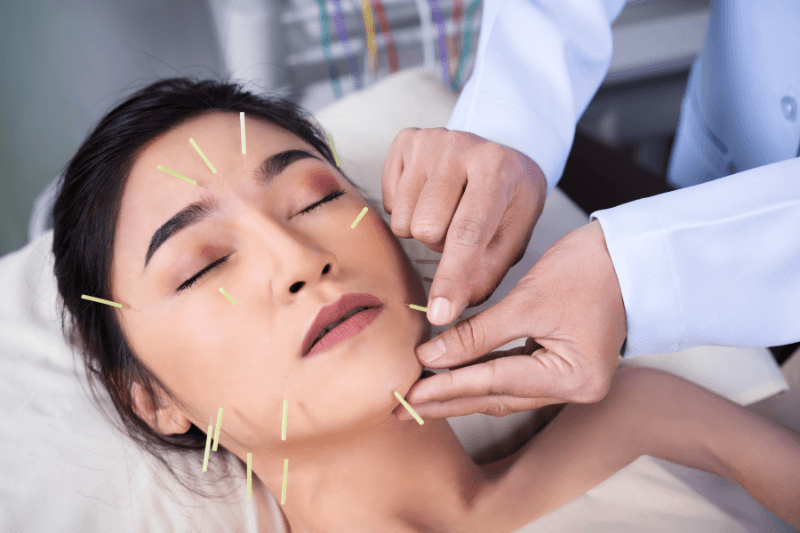
Acupuncture for Bell’s palsy supports facial nerve recovery by improving circulation, reducing inflammation, stimulating nerve regeneration, and helping facial muscles regain normal movement.
Bell’s palsy is a sudden form of facial nerve paralysis that causes weakness or loss of movement on one side of the face. The condition develops when the facial nerve (cranial nerve VII) becomes inflamed or compressed as it travels through a narrow canal in the skull. When nerve signals are interrupted, muscles responsible for facial expression cannot function normally.
Although many people recover naturally, targeted therapies can help support the healing process. At ACA Acupuncture and Wellness, our acupuncturists frequently incorporate acupuncture into treatment plans designed to stimulate facial nerve activity, maintain muscle health, and promote balanced facial movement during recovery.
For patients exploring acupuncture for Bell’s palsy NYC, early treatment and a structured care plan can play an important role in supporting nerve repair and restoring facial symmetry.
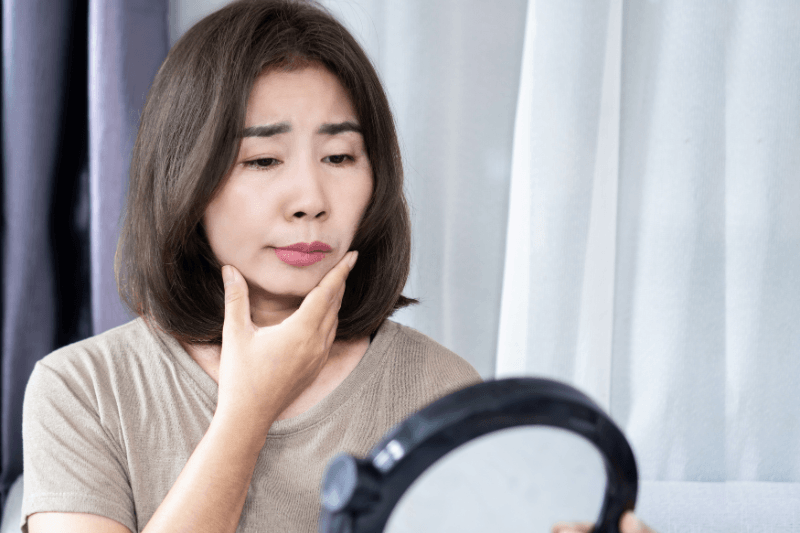
Bell’s palsy is an acute neurological condition that causes temporary weakness or paralysis of the facial muscles on one side of the face. The condition occurs when the facial nerve (cranial nerve VII) becomes inflamed, swollen, or compressed as it travels through the skull.
The facial nerve plays an essential role in everyday functions. It controls facial expressions such as smiling and blinking, regulates tear production, helps with saliva secretion, and carries taste sensations from the front portion of the tongue. When inflammation affects this nerve, it disrupts communication between the brain and facial muscles.
Because the facial nerve travels through a narrow bony canal in the skull, even mild swelling can place pressure on the nerve. This compression interferes with the nerve’s ability to send signals to facial muscles, which leads to the characteristic facial drooping seen in Bell’s palsy.
The sudden onset of symptoms can be frightening for many patients. However, Bell’s palsy is usually temporary, and most individuals gradually regain normal facial function as the nerve heals.
Bell’s palsy symptoms typically appear suddenly and may include:
Symptoms often worsen during the first 24 to 48 hours before stabilizing. In many cases, patients notice the changes when they wake up in the morning or while performing routine activities such as brushing their teeth or smiling.
The exact cause of Bell’s palsy is not always fully understood, but it is most commonly associated with viral inflammation affecting the facial nerve.
Several viruses have been linked to Bell’s palsy, including:
These viruses can reactivate within the body and trigger inflammation around the facial nerve. When swelling develops, the nerve becomes compressed within its narrow canal, which interrupts nerve signaling and causes facial weakness or paralysis.
Certain health factors may increase the likelihood of developing Bell’s palsy, including:
Although the condition often appears without warning, early medical evaluation is important to confirm the diagnosis and rule out other neurological conditions.
Acupuncture may be an effective complementary therapy for Bell’s palsy because it helps improve circulation, reduce inflammation, and stimulate nerve and muscle activity during the healing process.
Many patients ask is acupuncture effective for Bell’s palsy, especially when looking for therapies that may support faster recovery and improve facial muscle function.
Clinical research and clinical experience suggest acupuncture may help:
While acupuncture is not a replacement for conventional medical treatment, it is frequently used alongside medications such as corticosteroids and antiviral therapy to support facial nerve healing.
At ACA, our acupuncturists integrate acupuncture into individualized treatment plans that aim to support both nerve repair and muscle rehabilitation.
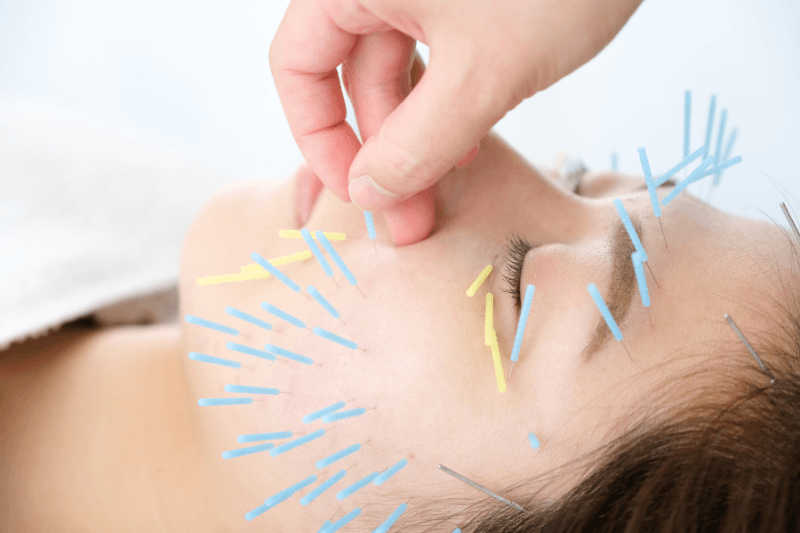
Acupuncture influences several physiological processes involved in nerve repair and muscle function. By stimulating specific acupuncture points, the therapy can activate circulation and neurological responses that support healing.
These mechanisms help explain why acupuncture for Bell’s palsy is widely used in integrative neurology and rehabilitation medicine.
Inflammation is a key contributor to facial nerve compression and dysfunction.
Acupuncture may help regulate inflammatory responses and improve blood circulation around the affected nerve. Improved circulation can reduce pressure within the facial canal and create a healthier environment for nerve recovery.
When nerve signals are disrupted, facial muscles may receive reduced blood supply and oxygen.
Acupuncture improves microcirculation within facial tissues. Increased blood flow helps deliver oxygen, nutrients, and immune cells necessary for tissue repair and muscle recovery.
Acupuncture may stimulate the release of molecules involved in nerve repair, including nerve growth factors and neurotransmitters.
These biological signals help guide nerve regeneration and encourage communication between the facial nerve and facial muscles to gradually return.
Prolonged nerve dysfunction can cause facial muscles to weaken due to lack of stimulation.
Acupuncture helps activate affected muscles and maintain neuromuscular activity during recovery. This stimulation can help preserve muscle tone and reduce the risk of long-term facial asymmetry or stiffness.
Treatment plans for Bell’s palsy vary depending on symptom severity, the stage of nerve recovery, and the patient’s overall health.
At ACA, our acupuncturists develop individualized treatment strategies designed to support each phase of facial nerve healing while promoting balanced facial movement.
Starting acupuncture early may help improve outcomes.
Many practitioners recommend beginning treatment within the first one to two weeks after symptoms appear, once serious neurological conditions such as stroke have been ruled out.
Early treatment may help reduce inflammation, improve circulation, and support faster nerve recovery.
Most treatment plans begin with frequent sessions during the early recovery phase.
Common treatment schedules include:
Severe cases may initially require more frequent treatment to stimulate nerve activity.
A typical course of acupuncture therapy lasts approximately four to six weeks.
However, individuals with more severe facial paralysis or delayed treatment may benefit from continued therapy for several months to fully support nerve and muscle rehabilitation.
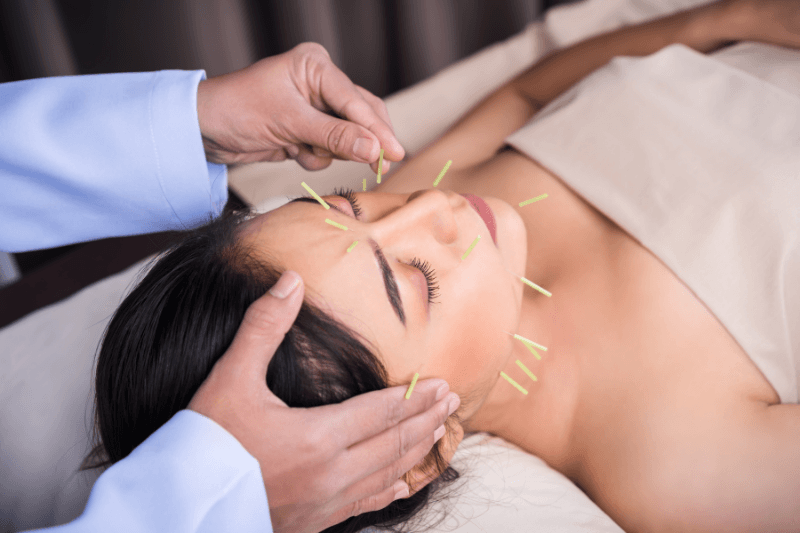
During treatment, thin sterile needles are inserted into carefully selected acupuncture points on the face and body.
Patients typically relax for about 20 to 30 minutes while the needles stimulate circulation and nerve pathways. Many patients report feeling mild tingling, warmth, or subtle muscle activation around facial muscles as nerve activity increases.
These sensations are generally gentle and are considered a sign that the body is responding to the treatment.
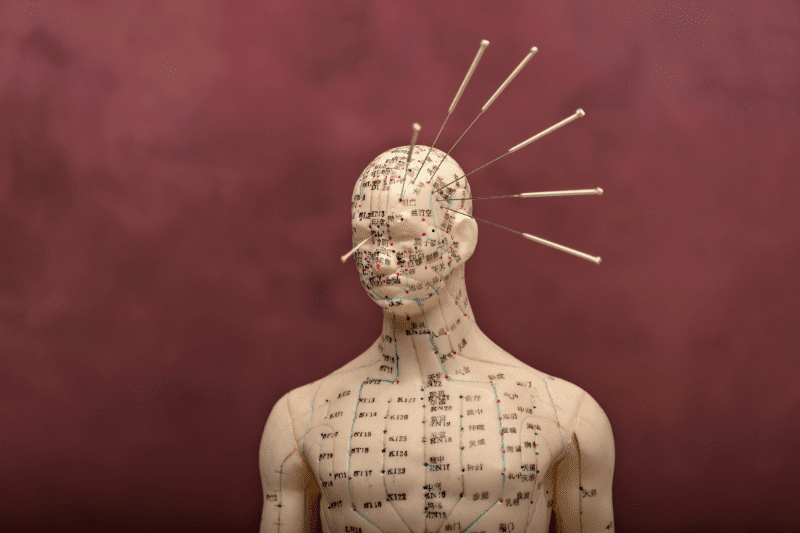
Specific acupuncture points are commonly used to support facial nerve recovery and improve muscle coordination during the healing process. These points are selected to stimulate nerve pathways, increase circulation to affected areas, and encourage balanced facial movement.
Some of the most frequently used acupuncture points for Bell’s palsy include:
Located near the corner of the mouth, this point is commonly used to help restore smile movement and improve control of the lips.
Located along the jaw muscle, this point helps stimulate facial muscles responsible for chewing and facial expression.
Located on the hand between the thumb and index finger, this point is widely used in acupuncture to promote circulation and support neurological signaling throughout the body.
Located on the forehead above the eyebrow, this point is used to help restore eyebrow movement and improve muscle activation around the eye.
Located on the cheekbone, this point helps activate cheek muscles and supports balanced facial expressions.
Located near the temple, this point is used to relieve facial tension and support circulation around the eyes and temples.
Together, these acupuncture points help stimulate facial nerve pathways, promote circulation, and support coordinated facial muscle movement as the nerve gradually recovers.
Electroacupuncture is one of the different types of acupuncture used to stimulate nerve pathways and support faster muscle activation.
During electroacupuncture, a gentle electrical current is applied between acupuncture needles placed near affected muscles. This mild stimulation helps activate nerve pathways and encourages muscles to contract and respond more effectively.
This stimulation can help:
Electroacupuncture is frequently used in facial nerve rehabilitation and may be especially helpful in moderate or more severe cases of Bell’s palsy where muscle weakness is significant.
Acupuncture is often combined with other supportive therapies to promote facial nerve healing and restore natural facial movement.
Facial massage techniques may help relax tight muscles, improve circulation, and reduce stiffness that can occur during recovery. Gua Sha therapy can also promote lymphatic drainage and reduce facial swelling, which may help relieve tension around the affected nerve.
Infrared heat therapy may help increase blood circulation in facial tissues and relax muscles surrounding the affected nerve. Improved circulation supports the delivery of oxygen and nutrients needed for tissue repair.
As nerve signals begin to return, facial rehabilitation exercises help retrain muscles to move in coordination. These exercises may include gentle movements such as smiling, raising the eyebrows, or closing the eyes. Practicing these movements regularly can help restore natural facial expressions and improve muscle control.
Recovery from Bell’s palsy occurs gradually as the facial nerve begins to heal and communication between the brain and facial muscles is restored.
During the early phase, patients may notice:
Some individuals may also experience tingling or slight muscle twitching as nerve signals begin to return.
Significant recovery often occurs during this stage as nerve function improves.
Patients may experience:
This phase often represents the period when visible improvement becomes more noticeable.
Most patients regain substantial facial function during this period.
Approximately 70 to 80 percent of individuals achieve full recovery within this timeframe, although recovery speed can vary depending on the severity of the initial nerve inflammation.
Some cases require longer recovery periods due to factors such as:
These cases may take nine to twelve months to fully resolve, although gradual improvements often continue during this time.
Clinical studies examining acupuncture for neurological conditions suggest that acupuncture may improve nerve function and circulation.
Research indicates acupuncture may help:
Some studies also suggest that acupuncture may improve overall facial symmetry and muscle coordination when used alongside conventional treatment. Although research continues to evolve, acupuncture is widely used as a complementary therapy alongside medical treatments for Bell’s palsy.
Standard medical care for Bell’s palsy often includes corticosteroids to reduce inflammation of the facial nerve. In some cases, antiviral medications may also be prescribed if a viral cause is suspected.
Treatment plans may include:
| Treatment | Purpose |
| Corticosteroids | Reduce inflammation of the facial nerve |
| Antiviral medications | Address possible viral triggers |
| Acupuncture | Support nerve regeneration and circulation |
| Facial therapy | Restore muscle coordination |
Combining conventional medical care with supportive therapies can help improve recovery outcomes and promote more balanced facial movement.
Acupuncture may benefit individuals who:
Patients seeking acupuncture for Bell’s palsy NYC may benefit from individualized treatment plans designed to support nerve recovery, stimulate muscle activity, and improve facial coordination.
Acupuncture is generally considered safe when performed by licensed practitioners.
Possible side effects are usually mild and temporary and may include:
Serious complications are rare, particularly when acupuncture is performed by trained professionals using sterile techniques.
At ACA, our acupuncturists focus on individualized treatment strategies that support facial nerve recovery and restore natural facial movement. Facial acupuncture treatment plays an important role in stimulating affected muscles and nerve pathways to encourage balanced facial function.
Treatment plans emphasize:
By tailoring treatment to each patient’s condition and recovery stage, our goal is to support the body’s natural healing process and encourage balanced, coordinated facial movement.
Bell’s palsy can be distressing because of the sudden loss of facial movement and expression. Fortunately, many patients recover fully with proper care and time.
Acupuncture offers a supportive therapy that addresses several biological processes involved in nerve healing, including inflammation reduction, improved circulation, and muscle activation.
When combined with appropriate medical treatment and rehabilitation techniques, acupuncture can play a valuable role in supporting recovery and helping patients regain natural facial movement.
Sources:
Chen, N., Zhou, M., He, L., Zhou, D., & Li, N. (2010). Acupuncture for Bell’s palsy. Cochrane Database of Systematic Reviews, (8), CD002914.
Baugh, R. F., Basura, G. J., Ishii, L. E., Schwartz, S. R., Drumheller, C. M., Burkholder, R., Deckard, N. A., et al. (2013). Clinical practice guideline: Bell’s palsy. Otolaryngology–Head and Neck Surgery, 149(3_suppl), S1–S27.
Many patients begin noticing subtle improvements within the first one to three weeks of acupuncture treatment. Early signs may include reduced facial tightness, slight return of muscle movement, or improved eye closure. Acupuncture is typically performed two to three times per week during the early stages of recovery to stimulate circulation and nerve activity. While individual responses vary, consistent treatment over several weeks often helps support gradual improvement in facial muscle function.
Facial nerve healing usually occurs gradually over three to six months for most patients. During this time, the damaged nerve begins to regenerate and restore communication with facial muscles. Mild cases may recover faster, while more severe nerve inflammation can extend recovery to nine to twelve months. Early treatment, proper medical care, and supportive therapies such as acupuncture can help promote optimal nerve healing.
The fastest way to support recovery is to begin acupuncture within the first one to two weeks after symptoms appear, once a physician has confirmed the diagnosis. Early treatment may help reduce inflammation around the facial nerve and stimulate circulation to affected muscles. Many treatment plans involve two to three acupuncture sessions per week combined with facial rehabilitation exercises and conventional medical care. This integrative approach can help support faster restoration of facial nerve function.
Acupuncture does not directly repair damaged nerves, but it can support the body’s natural nerve healing process. By improving blood circulation, reducing inflammation, and stimulating neurological signaling, acupuncture may help create an environment that encourages nerve regeneration. These effects can assist the facial nerve in gradually restoring communication with facial muscles during recovery.
Acupuncture may help stimulate weakened facial muscles and improve coordination as nerve signals begin to return. By increasing circulation and activating neuromuscular pathways, acupuncture can support muscle responsiveness and help reduce stiffness or asymmetry during recovery.
Many patients benefit from eight to twelve acupuncture sessions over four to six weeks, although treatment plans may vary depending on the severity of facial paralysis and the stage of recovery. Some individuals may continue treatment for several months to support ongoing nerve healing and muscle rehabilitation.
LOCATIONS
MANHATTAN
QUEENS
NEW JERSEY
CALIFORNIA

The over $4 billion US acupuncture market offers a great opportunity with over 10% annual growth rates and a continuing flow of new patients interested in the benefits of acupuncture.
