

Holistic sports injury prevention and recovery focus on strengthening the entire athlete by integrating movement quality, tissue health, nervous system regulation, nutrition, and recovery strategies to reduce injury risk and support long-term performance.
Athletes rarely get injured because of a single bad moment. Most injuries develop quietly, long before pain appears. Tight hips change running mechanics. Poor recovery builds fatigue into the nervous system. Stress alters muscle firing patterns. Over time, the body compensates until something finally gives. We see this pattern constantly. People come in asking how to heal a knee, a shoulder, or a lower back, but what they are really asking is how to move, train, and recover without breaking down again.
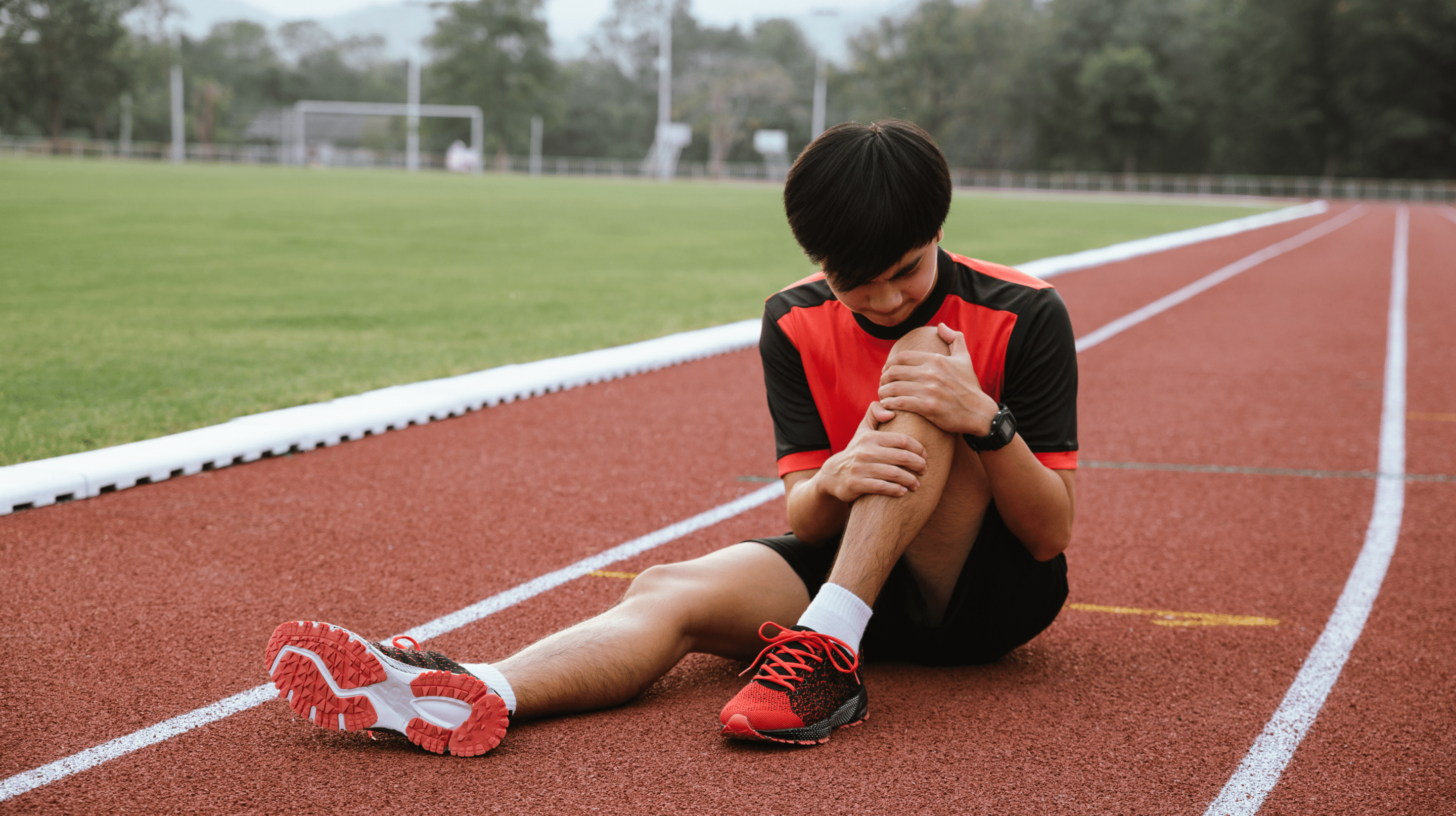
Holistic sports injury prevention and recovery focus on strengthening the entire athlete by integrating movement quality, tissue health, nervous system regulation, nutrition, and recovery strategies to reduce injury risk and support long-term performance.
Athletes rarely get injured because of a single bad moment. Most injuries develop quietly, long before pain appears. Tight hips change running mechanics. Poor recovery builds fatigue into the nervous system. Stress alters muscle firing patterns. Over time, the body compensates until something finally gives. We see this pattern constantly. People come in asking how to heal a knee, a shoulder, or a lower back, but what they are really asking is how to move, train, and recover without breaking down again.
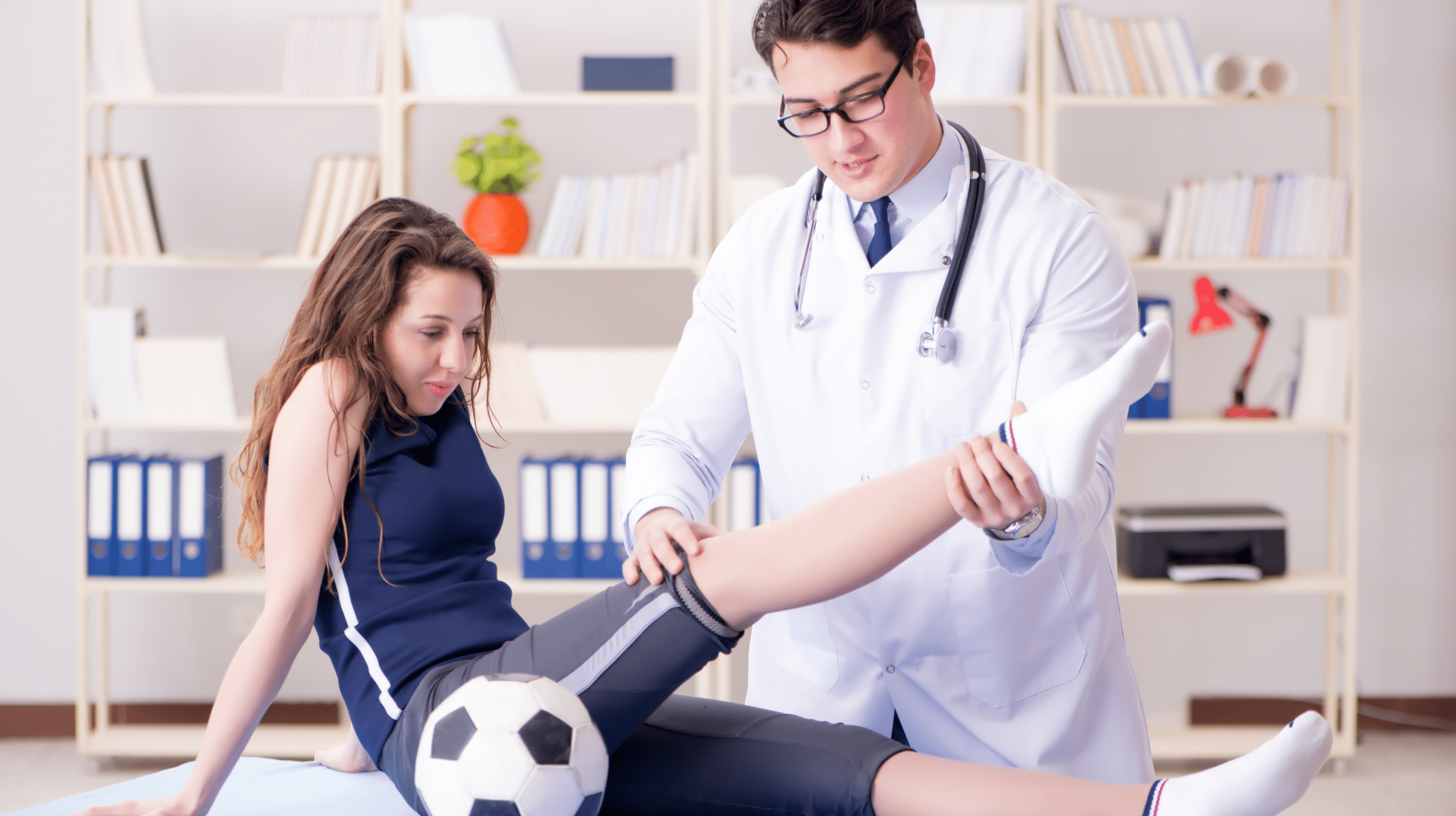
Sports injuries are rarely isolated problems and usually reflect how the entire body adapts to stress, load, and recovery demands.
Most athletes think of injuries as mechanical failures. A muscle tears. A tendon becomes inflamed. A joint becomes unstable. While those structures are involved, the real story is usually broader.
Injuries often emerge from a combination of factors:
For example, knee pain may stem from limited ankle mobility or weak hip stabilizers. Shoulder injuries often reflect poor thoracic spine movement or unstable scapular control. Lower back pain frequently involves the hips, hamstrings, breathing mechanics, and stress levels.
Effective injury prevention begins with preparing joints, muscles, and the nervous system for sport-specific demands before training and competition.
A warm-up should do more than raise body temperature. It should prepare the nervous system to coordinate movement efficiently and safely.
Effective warm-ups typically include:
This approach improves joint readiness, reaction time, and force absorption. It also reduces the likelihood of sudden overload during the first phase of training.
Cooling down is not about stretching until discomfort. It is about signaling the nervous system to shift out of fight-or-flight mode.
Useful cool-down strategies include:
Over time, athletes who cool down consistently recover faster between sessions and maintain better tissue quality.

Strength without mobility increases injury risk, while mobility without strength limits performance and joint protection. Strength training often focuses on output. How much weight can be lifted. How fast power can be generated. While these metrics matter, they do not tell the full story.
Joints need strength across usable ranges of motion. Mobility must be supported by muscular control. Stability depends on coordination, not stiffness.
The core is not just the abdominal muscles. It is the system that transfers force between the upper and lower body.
Effective core training emphasizes:
When the core functions well, joints at the shoulders, hips, and knees experience less stress.
Certain joints require mobility to protect others. Limited ankle mobility increases knee strain. Poor hip rotation stresses the lower back. Restricted thoracic spine movement overloads the shoulders.
Mobility training should focus on controlled range, not passive flexibility. This ensures new movement capacity translates into safer, more efficient performance.
Proprioception refers to the body’s ability to sense position and movement. It plays a major role in injury prevention, especially for ankle, knee, and hip injuries. Balance drills, single-leg work, and reactive movements improve neuromuscular control and reduce the risk of sudden injuries.
Most overuse injuries result from mismatched training volume, intensity, and recovery rather than poor technique alone. Athletes often follow simple rules like increasing training by ten percent per week. While helpful, these guidelines do not account for sleep, stress, nutrition, or previous injury history.
Signs of excessive load include:
Training programs should include planned recovery periods, variation in intensity, and flexibility to adjust based on how the body responds. Listening to early warning signs prevents minor issues from becoming long-term setbacks.
Tissue repair, inflammation control, and resilience depend heavily on nutritional inputs.
Inflammation is part of healing, but chronic inflammation delays recovery. Diet plays a significant role in modulating this process.
Nutrients that support recovery include:
These inputs support tissue repair and reduce excessive inflammatory responses.
Protein supports muscle repair, while carbohydrates replenish glycogen. Consuming both after training improves recovery efficiency and prepares the body for the next session.
Dehydration reduces tissue elasticity and increases injury risk. Electrolyte balance supports muscle contraction, nerve signaling, and joint lubrication. Consistent hydration supports long-term tissue health, not just performance.
Recovery is an active process involving circulation, nervous system regulation, and tissue remodeling rather than complete rest alone.
Rest, ice, compression, and elevation still have value in early injury stages. However, prolonged immobilization often delays recovery. Movement, when introduced appropriately, improves circulation and tissue repair.
Rehabilitation should restore movement patterns, not just isolated muscle strength. Exercises that mimic real-world demands prepare athletes for safe return to activity. Aquatic therapy, for example, allows early movement with reduced joint load and faster neuromuscular retraining.
Foam rolling and resistance bands support circulation and controlled loading. These tools are most effective when used consistently and with proper technique rather than aggressively.
The nervous system directly influences pain perception, coordination, and healing speed. Stress, anxiety, and mental fatigue alter muscle tone and movement patterns. They also increase pain sensitivity and delay recovery.
Practices such as yoga and meditation help regulate the nervous system. They improve body awareness, breathing efficiency, and emotional resilience.
Athletes who address mental stress alongside physical rehabilitation often recover faster and return with greater confidence.
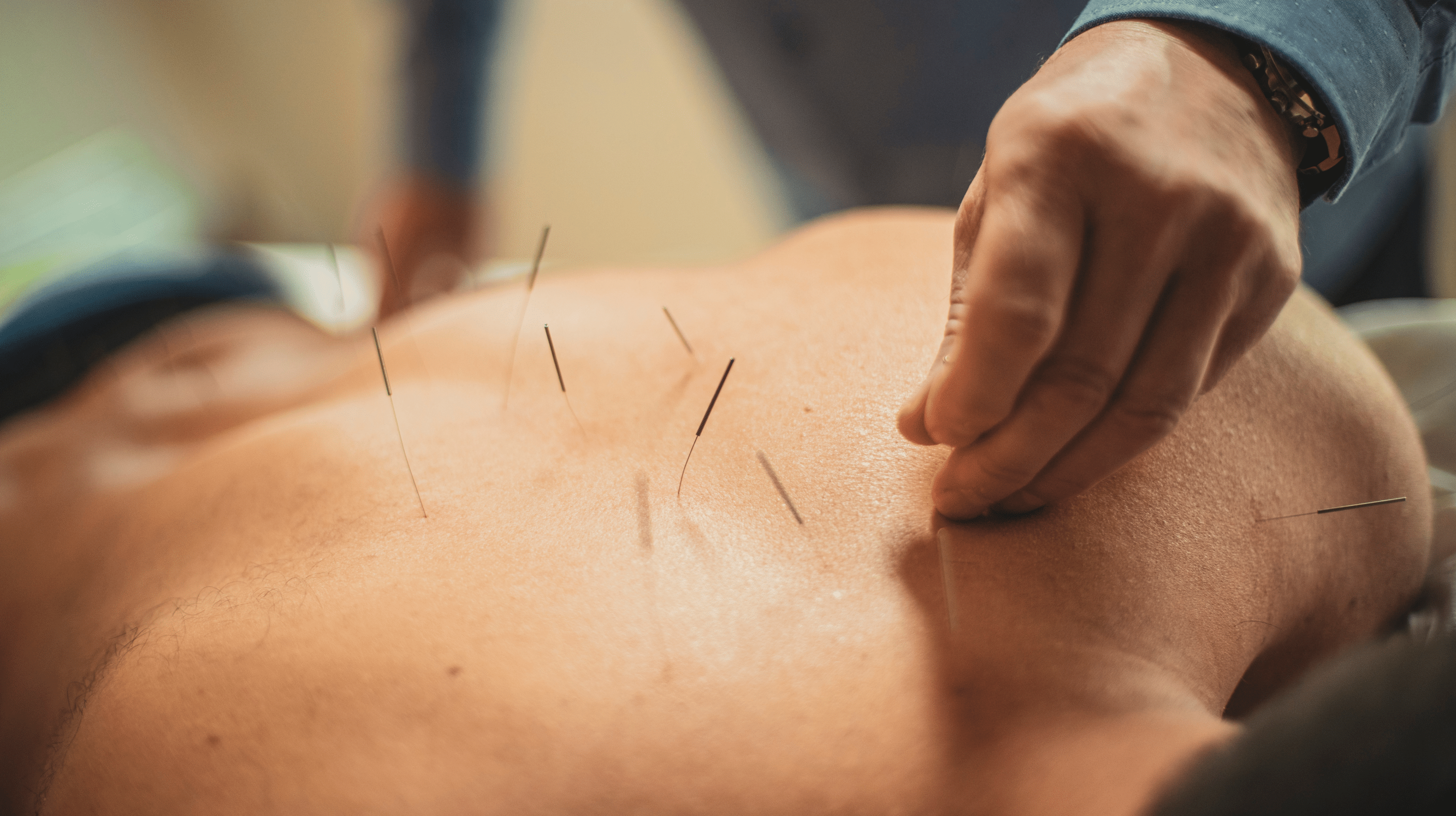
Acupuncture, manual therapies, and hydrotherapy support recovery by influencing both local tissues and systemic regulation.
Acupuncture can:
Hydrotherapy allows early movement while minimizing joint stress. Manual therapies support alignment and kinetic chain balance. These approaches are most effective when integrated into a broader rehabilitation strategy rather than used in isolation.
A safe return to sport requires restoring confidence, capacity, and coordination simultaneously. Physical readiness alone is not enough. Athletes must trust their bodies again. Fear of reinjury alters movement and increases risk.
A structured return includes:
Objective measures such as strength and range of motion should align with subjective readiness and confidence.
Athletes who prioritize holistic care perform better, recover faster, and extend their athletic lifespan. Longevity comes from consistency, not extremes. Sustainable training balances challenge with recovery. Seasonal planning allows tissues to adapt and rebuild.
As athletes age, recovery strategies become even more important. Strength, mobility, and nervous system regulation protect joints and maintain performance over time. Resilient athletes do not avoid stress. They manage it intelligently.
Sports injury prevention and recovery are not about quick fixes. They are about understanding how the body adapts, compensates, and heals over time. When care addresses strength, mobility, nervous system balance, nutrition, and mental resilience together, athletes move better, recover faster, and stay active longer.
At the end of the day, our goal is not just to help injuries heal, but to help people return to movement with confidence, durability, and trust in their bodies. This integrated approach is how we support long-term performance and lasting recovery at ACA Acupuncture & Wellness, and it is how we continue to care for our community every day.
Source:
Kaur, M. N., Kumar, S., & Partap, Y. (2025). Rehabilitation Strategies for Sports Injuries: A Multidisciplinary Perspective. International Journal of Science, Architecture Technology and Environment, 2(5), 234-242.
Sports injuries can be prevented by warming up properly, building strength and mobility together, managing training load, prioritizing recovery, and maintaining good nutrition and hydration. Consistent movement preparation and cooldowns help protect joints and muscles. Listening to early signs of fatigue reduces the risk of overuse injuries.
Injury prevention focuses on reducing the risk of getting injured through proper training, movement quality, and recovery habits. Injury recovery is the process of restoring strength, mobility, coordination, and confidence after an injury. Together, they support long-term performance and reduce the chance of reinjury.
Most sports injuries are caused by repetitive stress, poor movement mechanics, muscle imbalances, and inadequate recovery. Sudden increases in training intensity or volume also raise injury risk. Fatigue and stress often make the body more vulnerable to breakdown.
Sports injuries are managed by reducing aggravating activities, restoring movement, and gradually rebuilding strength and coordination. Pain management, guided rehabilitation, and proper recovery strategies all play important roles. A gradual return to sport helps prevent setbacks.
The hardest sports injuries to recover from are often those involving the ACL, Achilles tendon, or chronic lower back conditions. These injuries require long rehabilitation periods and careful reconditioning. Mental readiness is just as important as physical healing during recovery.
Injury risk is reduced by balanced training, adequate rest, proper nutrition, and good movement mechanics. Strengthening stabilizing muscles and improving mobility protect joints under load. Consistent recovery habits help the body adapt safely to training demands.
LOCATIONS
MANHATTAN
QUEENS
NEW JERSEY
CALIFORNIA

The over $4 billion US acupuncture market offers a great opportunity with over 10% annual growth rates and a continuing flow of new patients interested in the benefits of acupuncture.
