

Respiratory health is foundational to our overall well-being, yet millions worldwide face challenges like asthma, bronchitis, and chronic lung conditions that disrupt daily life. These conditions often bring discomfort, restricted breathing, and limitations on activities that once felt effortless. In the search for holistic and complementary therapies, cupping has re-emerged as a promising approach that supports respiratory function naturally and profoundly.
Cupping is a centuries-old therapeutic practice that uses suction to stimulate circulation and promote healing. It draws blood to the surface and supports detoxification of tissues in targeted areas. This method is particularly effective when applied to the chest and upper back regions linked to lung function.
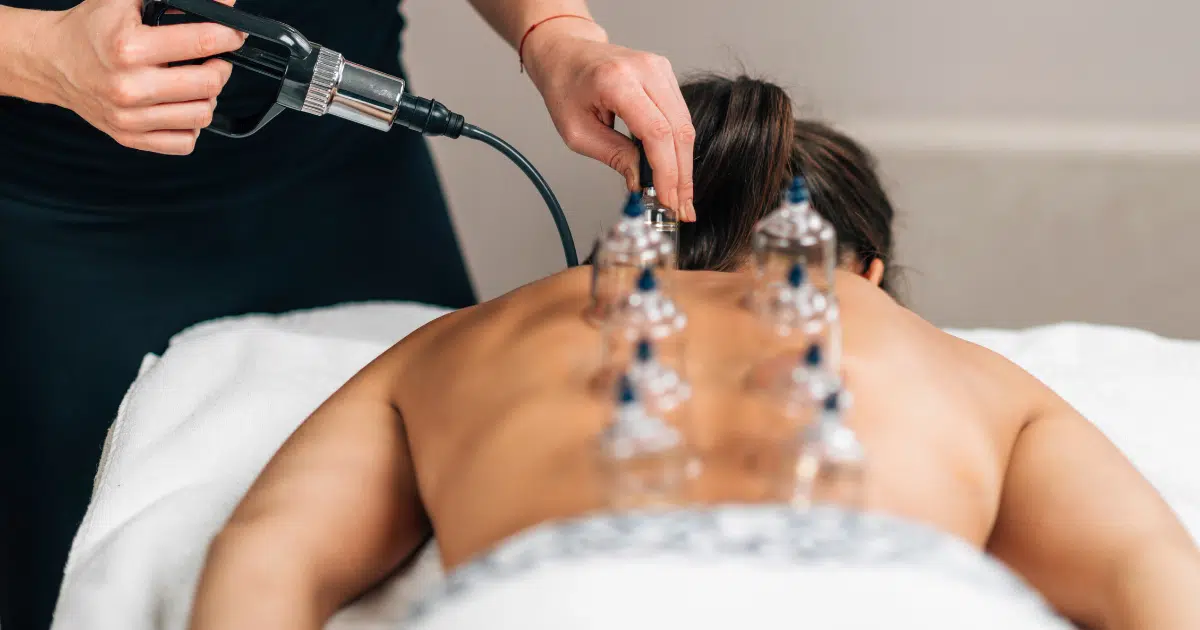
Respiratory health is foundational to our overall well-being, yet millions worldwide face challenges like asthma, bronchitis, and chronic lung conditions that disrupt daily life. These conditions often bring discomfort, restricted breathing, and limitations on activities that once felt effortless. In the search for holistic and complementary therapies, cupping has re-emerged as a promising approach that supports respiratory function naturally and profoundly.
Cupping is a centuries-old therapeutic practice that uses suction to stimulate circulation and promote healing. It draws blood to the surface and supports detoxification of tissues in targeted areas. This method is particularly effective when applied to the chest and upper back regions linked to lung function.
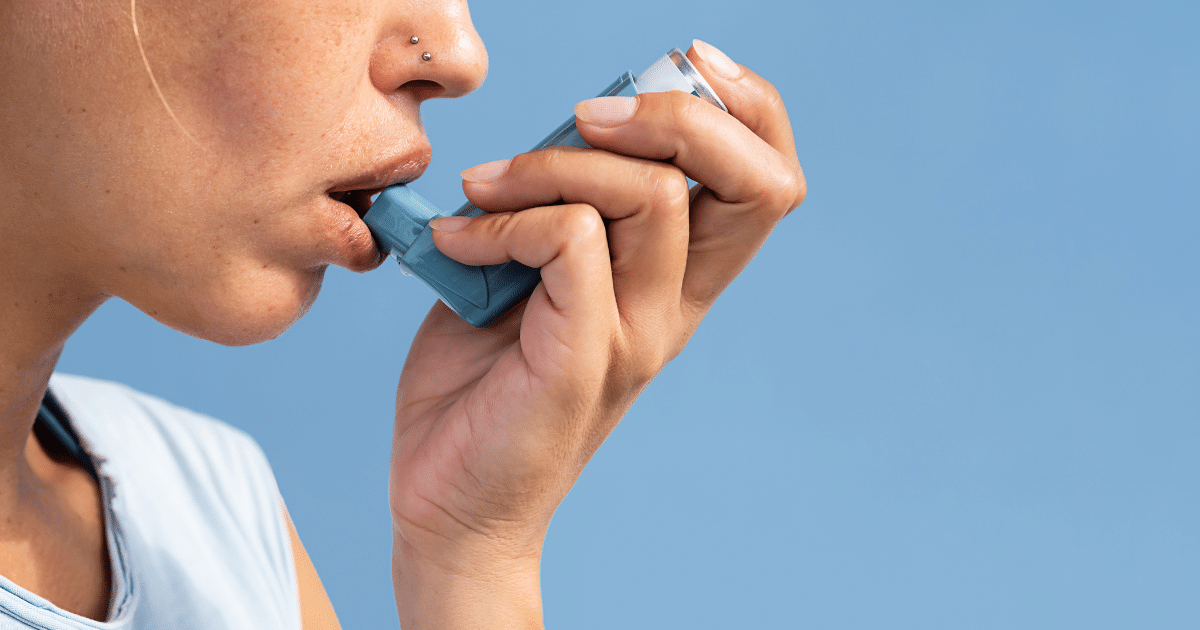
The respiratory system is much more than the lungs; it is a complex network of airways, muscles, nerves, and blood vessels that continuously work to exchange oxygen and carbon dioxide. With every breath, air travels through the nose or mouth, down the trachea, into the bronchi, and finally to the alveoli, tiny air sacs where oxygen enters the bloodstream. This system’s intricate design makes it vulnerable to inflammation, infection, and environmental stresses, but also allows for powerful self-healing when supported properly.
Asthma is a chronic inflammatory disease that causes bronchial hyperresponsiveness and airway obstruction. It can affect breathing patterns and overall energy levels, requiring consistent management and awareness.
Causes:
Symptoms:
Managing asthma goes beyond medication; it calls for identifying triggers, making lifestyle adjustments, and using holistic care to reduce attacks and improve quality of life.
Bronchitis occurs when the bronchial tubes become inflamed, leading to mucus buildup and difficulty breathing. It can present in two primary forms, each requiring distinct care approaches.
Acute Bronchitis:
Chronic Bronchitis:
Both forms highlight how crucial it is to maintain lung health and support respiratory recovery through proactive, holistic care.
Respiratory diseases spotlight how fragile and vital our lungs are. But lung support extends beyond treating illness; it’s about strengthening respiratory resilience. Supporting lung health means optimizing oxygen exchange, enhancing immune function, and enabling the body’s natural repair mechanisms. Proactive care, including diet, lifestyle, and therapies like cupping, plays a critical role in sustaining respiratory wellness.
Cupping therapy creates localized suction on the skin using glass or silicone cups, drawing blood to the surface and stimulating deep tissues beneath. This action helps release muscle tension, improve circulation, and accelerate detoxification. For respiratory health, targeting the thoracic region can relieve chest tightness, promote lung expansion, and enhance the flow of energy or “qi” through respiratory meridians.
The suction of cupping increases capillary dilation and blood flow that oxygenates tissues, reduces stagnation, and promotes lymphatic drainage. It also mobilizes the immune system by triggering mild, controlled inflammation that leads to the release of anti-inflammatory cytokines and immune mediators.
|
Condition |
Main Benefit |
Typical Cupping Focus Area |
Expected Outcome |
|
Asthma |
Reduces inflammation and eases airway constriction |
Upper back, chest |
Improved breathing, fewer attacks |
|
Bronchitis |
Loosens mucus and relieves congestion |
Back, sides of chest |
Easier expectoration, reduced coughing |
|
General Lung Support |
Enhances oxygenation and immune balance |
Thoracic region |
Increased endurance, faster recovery |
Cupping assists asthma management by reducing bronchial inflammation and airway resistance, making breathing less labored during attacks. It can alleviate chest compression and improve sleep quality by easing nighttime symptoms. As a preventive measure, periodic cupping sessions can boost lung efficiency and reduce oxidative damage, empowering those with asthma to lead active, more comfortable lives.
In bronchitis, cupping helps loosen and expel mucus by improving circulation and relaxing the muscles surrounding the bronchial tubes. This physiologic effect not only clears the lungs but also diminishes the inflammation that fuels coughing fits. Patients frequently report quicker symptom resolution and reduced reliance on pharmaceutical expectorants after cupping therapy.
Beyond specific diseases, cupping encourages a holistic lung cleanse. By enhancing oxygenation and supporting immune balance, it primes the body to resist recurring infections and recover faster. Athletes and individuals with sedentary lifestyles alike benefit from cupping’s role in promoting respiratory endurance and resilience.
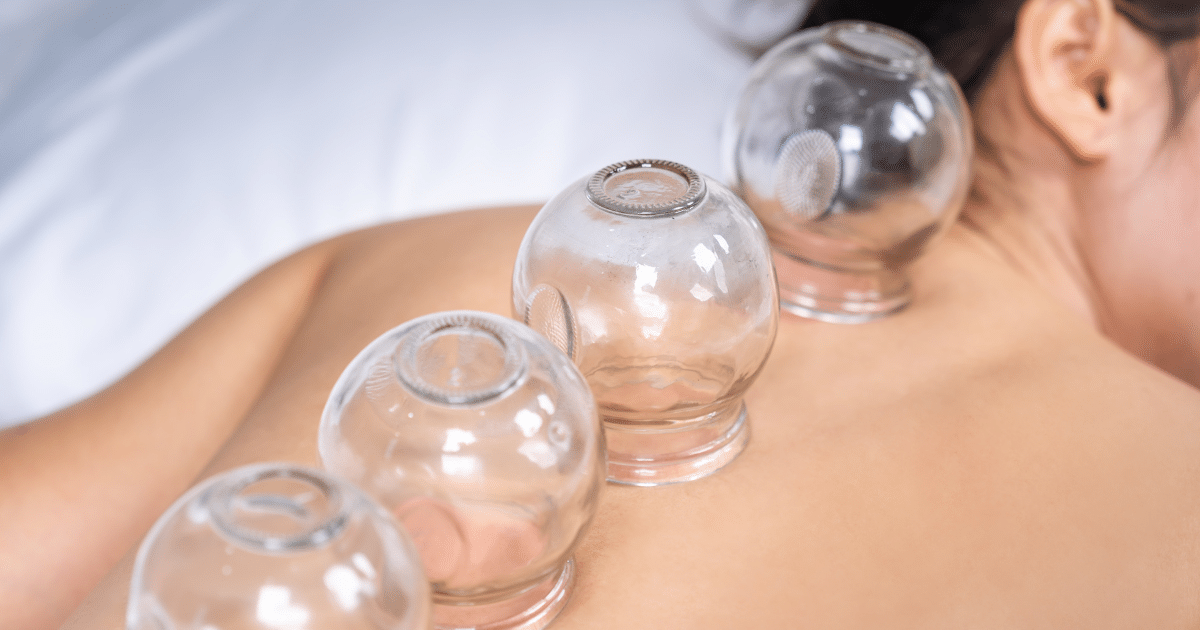
Pharmaceuticals remain vital for managing severe respiratory conditions, but they are most effective when combined with holistic therapies.
Conventional Approaches:
Complementary Approaches:
Together, these methods create a more comprehensive strategy for improving respiratory health and overall quality of life.
Pairing cupping with breathing techniques, such as diaphragmatic and pursed-lip breathing, and targeted herbal formulations enhances the body’s ability to restore balance and improve oxygen flow.
Breathing Techniques:
Herbal Remedies:
Together, these methods create a synergistic effect, enhancing lung capacity, easing breath-related anxiety, and nourishing respiratory tissues for long-term vitality.
It’s vital to recognize when respiratory symptoms require urgent medical evaluation. Cupping should be personalized according to severity, underlying health, and tolerance. Careful consultation with our qualified practitioners ensures safe, effective integration that respects each individual’s unique respiratory profile.
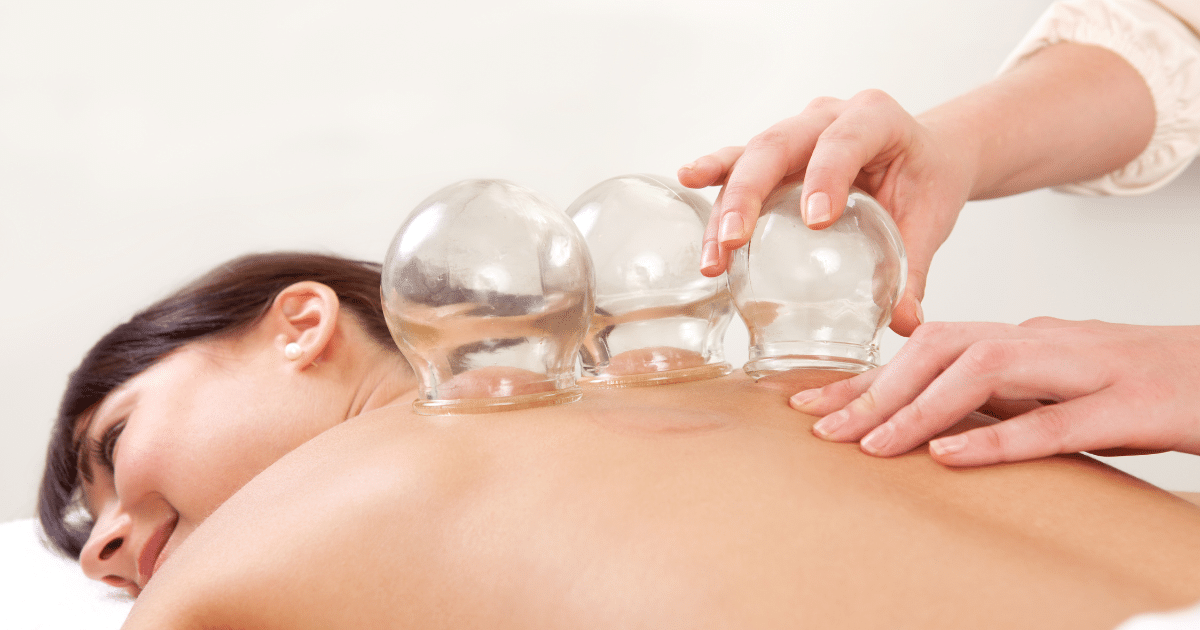
Cupping offers several techniques, each suited to different therapeutic goals and health conditions. Understanding their distinctions helps tailor treatment for maximum benefit.
Dry Cupping:
Wet Cupping:
Moving Cupping:
Each technique is selected based on patient health, tolerance, and treatment goals, ensuring a personalized and balanced approach to lung and respiratory wellness.
Regular yet well-spaced cupping sessions allow the body time to rest and heal naturally. Consistency helps prevent tissue fatigue and encourages gradual, lasting improvements in respiratory function. For most individuals, weekly sessions maintained over several months yield measurable and meaningful progress.
Cupping is generally safe when carried out by our qualified practitioners who follow proper hygiene and technique. However, individuals with bleeding disorders, severe skin conditions, or those who are pregnant should proceed with extra caution and seek medical guidance first. Understanding potential contraindications ensures each session is both safe and effective for overall respiratory wellness.
Recent studies have explored the potential benefits of cupping therapy in respiratory care, particularly in managing asthma. Guo et al. (2021) published a systematic review protocol evaluating the effectiveness and safety of cupping therapy, aiming to determine its role as a complementary approach alongside conventional treatment. Their work reflects the growing scientific interest in assessing how traditional methods like cupping may enhance breathing comfort, reduce inflammation, and support lung function.
Likewise, Joushan et al. (2024) conducted a randomized clinical trial examining the effects of wet cupping therapy on adult-onset asthma. The study found positive trends in improved symptom control, better breathing comfort, and overall patient satisfaction, suggesting that cupping could serve as a supportive therapy when used responsibly under medical guidance. Collectively, these studies contribute to an expanding body of evidence that highlights cupping’s potential as a safe, adjunctive option for improving respiratory well-being.

Supporting respiratory health doesn’t end after clinic visits.
Cupping therapy stands at an exciting crossroads between ancient wisdom and modern science. Its ability to complement conventional respiratory treatments by enhancing circulation, modulating immunity, and relieving muscular tension opens new doors for managing conditions like asthma and bronchitis.
We at ACA Acupuncture & Wellness are devoted to integrating this time-honored approach with personalized care to empower your breath and enrich your health journey. Embracing cupping as part of a comprehensive wellness plan invites not just relief, but renewed vitality and resilience for your lungs and beyond.
Sources:
Guo, Lei, et al. “Evaluation of the Effectiveness and Safety of Cupping Therapy in the Treatment of Asthma.” Medicine, vol. 100, no. 41, 15 Oct. 2021, p. e27518, www.ncbi.nlm.nih.gov/pmc/articles/PMC8519211/, https://doi.org/10.1097/MD.0000000000027518.
Joushan, Abbas, et al. “The Effect of Wet Cupping Therapy on the Clinical Symptoms of Adult-Onset Asthma: A Randomized Clinical Trial.” Turkish Journal of Medical Sciences, vol. 54, no. 4, 2024, pp. 838–846, pubmed.ncbi.nlm.nih.gov/39295605/, https://doi.org/10.55730/1300-0144.5855.
Yes, cupping can help bronchitis by improving blood circulation and reducing inflammation around the bronchial tubes. It aids in loosening mucus, which facilitates easier respiratory clearance and relief from coughing. Clinical studies suggest cupping as a beneficial complementary therapy alongside conventional treatment for bronchitis patients.
Cupping promotes better lung function by enhancing oxygenation, reducing muscle tension, and improving immune responses in respiratory tissues. It stimulates blood flow to the chest and back, which can alleviate symptoms of lung congestion and support healing. Overall, cupping supports respiratory health both preventatively and therapeutically.
Cupping therapy can be good for asthma patients by reducing airway inflammation, alleviating chest tightness, and improving breathing comfort. While it is not a replacement for asthma medications, it serves as a useful adjunct to ease symptoms and enhance quality of life. Many asthma patients report fewer flare-ups and better symptom control with regular cupping treatments.
For asthma, cups are typically placed on the upper back along the thoracic spine at lung-related acupuncture points such as the Bladder meridian points (e.g., BL13). Placement may also include the chest area to promote lung expansion and muscle relaxation. Proper technique and placement by trained practitioners optimize therapeutic effects.
Ancient remedies for asthma included herbal treatments, breathing exercises, and therapies like cupping and acupuncture to clear lung blockages and improve airflow. Historical texts from traditional Chinese and Egyptian medicine describe cupping as a method to balance respiratory energy and reduce inflammation. These time-tested approaches laid the foundation for modern integrative respiratory care.
Cupping is not recommended for individuals with bleeding disorders, skin infections, or open wounds in the treatment area because it may cause excessive bruising or worsen skin conditions. Pregnant women should avoid cupping on the abdomen and lower back unless supervised by a qualified professional. Additionally, caution should be exercised for patients with severe heart or lung conditions, and always after consulting a healthcare provider.
LOCATIONS
MANHATTAN
QUEENS
NEW JERSEY
CALIFORNIA

The over $4 billion US acupuncture market offers a great opportunity with over 10% annual growth rates and a continuing flow of new patients interested in the benefits of acupuncture.
