


The history of acupuncture begins in ancient China, where early therapeutic piercing practices gradually developed into a structured medical system built around channels, diagnosis, needling methods, and theory. Its story is not just about age. It is about transformation: from early vessel-based body maps and classical medical texts to imperial standardisation, East Asian adaptation, Western rediscovery, and modern integration into research, policy, and clinical care.
Acupuncture is often described as a 3,000-year-old therapy, but that shorthand only tells part of the story. The deeper history is more interesting. What began as a Chinese medical tradition evolved through argument, experimentation, scholarship, state support, cross-cultural transmission, and modern scientific scrutiny. Today, acupuncture sits at the intersection of heritage and healthcare, recognised both as part of traditional Chinese medicine and as a modality that many modern health systems evaluate, regulate, teach, or selectively reimburse.
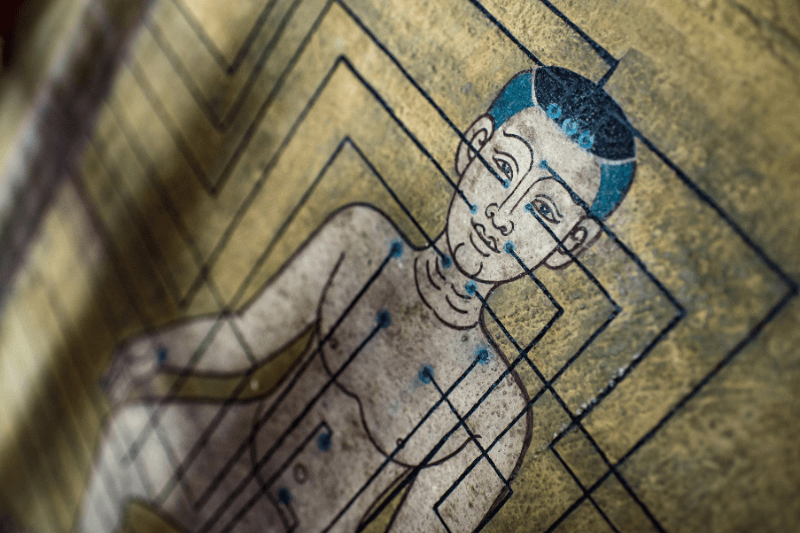
The history of acupuncture begins in ancient China, where early therapeutic piercing practices gradually developed into a structured medical system built around channels, diagnosis, needling methods, and theory. Its story is not just about age. It is about transformation: from early vessel-based body maps and classical medical texts to imperial standardisation, East Asian adaptation, Western rediscovery, and modern integration into research, policy, and clinical care.
Acupuncture is often described as a 3,000-year-old therapy, but that shorthand only tells part of the story. The deeper history is more interesting. What began as a Chinese medical tradition evolved through argument, experimentation, scholarship, state support, cross-cultural transmission, and modern scientific scrutiny. Today, acupuncture sits at the intersection of heritage and healthcare, recognised both as part of traditional Chinese medicine and as a modality that many modern health systems evaluate, regulate, teach, or selectively reimburse.
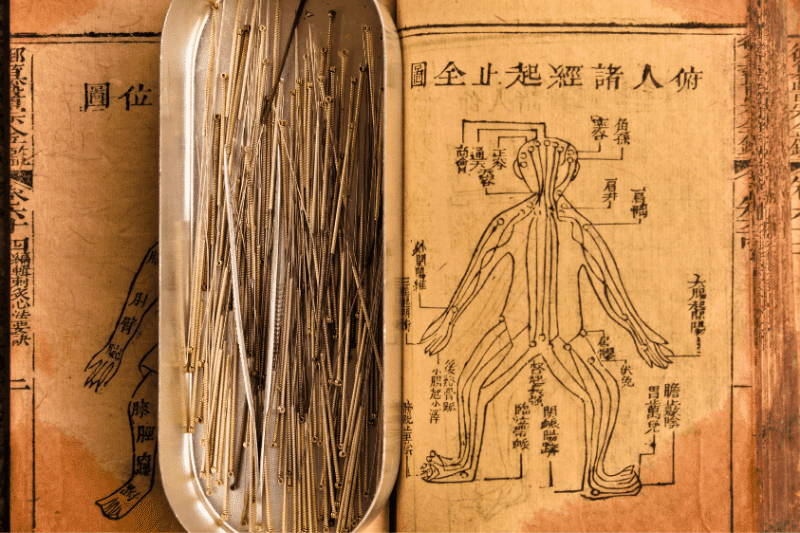
Acupuncture history is easiest to understand as six overlapping phases: prehistoric therapeutic piercing, early Chinese body-mapping traditions, classical system building, imperial standardisation, modern reconstruction, and global expansion. That progression matters because acupuncture did not appear all at once in finished form. It became acupuncture through accumulation.
Some accounts trace acupuncture’s deepest roots to Neolithic sharp stones known as bian shi, which may have been used for lancing, drainage, or surface stimulation. That possibility is important, but it should be handled carefully. Historians do not automatically treat every ancient piercing tool as evidence of formal acupuncture, because organised acupuncture depends on a theory of points, channels, diagnosis, and clinical logic that appears later in the written record.
The earliest surviving Chinese medical materials connected to acupuncture history do not present the mature meridian system in its final form. Instead, texts associated with the Mawangdui tombs describe vessels or pathways that appear to predate later channel theory. These materials matter because they show that body mapping and therapeutic localisation were already developing before the classical canon standardised them.
By the time of the Huangdi Neijing, usually dated to the late Warring States and Han period rather than to the legendary Yellow Emperor himself, acupuncture had become part of a broader medical framework. That framework linked the body to channels, qi, yin-yang balance, organ systems, climate, emotion, and diagnostic reasoning. This is the point at which acupuncture becomes recognisable as an organised medical discipline rather than a loose collection of manual interventions.
Across later dynasties, acupuncture was refined through teaching lineages, official medicine, specialist manuals, and state-sponsored standardisation. The Song period is especially important because it is associated with bronze models and more formal educational methods, while later works such as major Ming compilations helped preserve, synthesise, and transmit earlier knowledge.
Acupuncture did not move in a straight line from antiquity to global acceptance. It went through periods of prestige, competition with other medical frameworks, reform, and partial decline. In the 20th century, Chinese medicine was restructured, especially after 1949, into modern institutional forms that helped acupuncture survive, standardise, and spread through schools, hospitals, and state-backed professional systems.
Its modern global reach came through several routes at once: older transmission across East Asia, early modern European reports, 20th-century medical and cultural exchange, and later evidence-based policy efforts. In the 21st century, acupuncture’s history is no longer just cultural. It is also regulatory, educational, and clinical.
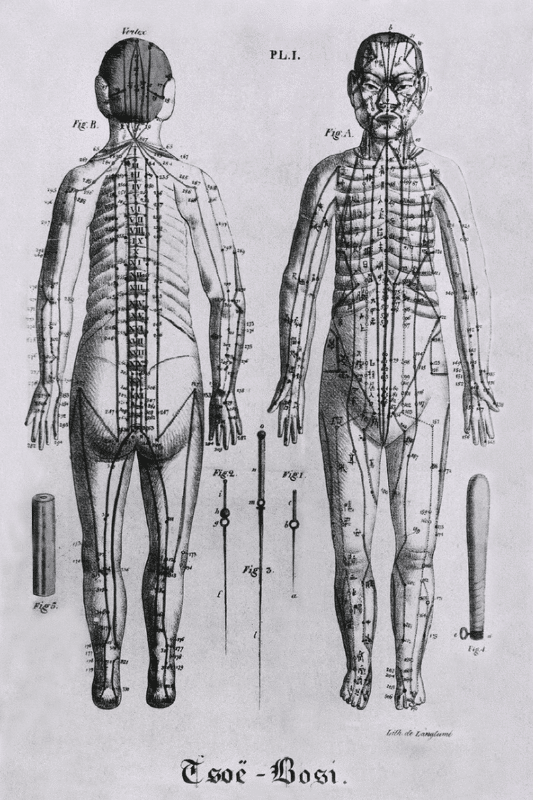
Acupuncture originated in China. That is the clearest and most historically defensible answer when the question refers to acupuncture as a structured medical practice. While some writers point to tattoo patterns on the Alpine “Ice Man” or to other ancient body-marking traditions, those examples do not establish an independent acupuncture system comparable to the Chinese one. The documented Chinese record is what gives acupuncture its historical continuity, technical vocabulary, and medical identity.
This distinction matters for SEO and for accuracy. Readers often search “where did acupuncture come from” expecting a simple place name, but the better expert answer is this: acupuncture came from China, and it became recognisable through Chinese medical texts that linked needling to channels, symptoms, diagnosis, and therapeutic theory. Origin is not just about the first sharp object. It is about the first coherent system.
Early acupuncture almost certainly did not look like a modern clinic visit with sterile, hair-thin stainless steel needles and a standard treatment table. Its earliest ancestors were rougher, more variable, and embedded in a broader healing culture that included moxibustion, palpation, diet, massage, and manual intervention.
The idea of bian stones sits at the edge of acupuncture history because these implements may have been used to stimulate or open tissue, especially in a period before metal instruments were widely available. But scholars continue to distinguish between proto-techniques and acupuncture proper. Bloodletting, drainage, cauterisation, and needling are related in medical history, yet they are not identical practices.
As Chinese medicine developed, instruments became more specialised. Archaeological discoveries, including precious metal needles from Han-era tomb contexts, support the idea that needling technology had become increasingly refined by the early imperial period. Finer instruments allowed more controlled insertion and made the practice more teachable and repeatable.
Needle evolution changed more than comfort. It changed theory. Precision makes point selection meaningful. Once clinicians can target body locations consistently, they can record outcomes, compare techniques, standardise training, and build doctrine around reproducible practice. In that sense, better needles did not just improve acupuncture. They helped create it as a formal discipline.
Acupuncture’s historical authority rests less on one discovery than on a layered textual tradition. Several stages matter, but three are especially important: pre-classical vessel texts, the Huangdi Neijing, and later specialist manuals that turned theory into teachable practice.
The Mawangdui manuscripts are significant because they preserve an earlier stage of body mapping. Rather than presenting the later fully developed meridian model, they describe vessel pathways that many scholars see as ancestral to it. This makes them historically valuable not because they prove modern acupuncture existed unchanged, but because they show the conceptual groundwork from which classical acupuncture emerged.
A particularly fresh angle for 2026 is the relevance of newer research on unearthed materials such as the Tianhui medical slips. Recent scholarship argues that these finds may help explain how the channel tradition evolved from earlier vessel-based descriptions into the later twelve-meridian framework. That does not rewrite acupuncture history from scratch, but it does refine it by showing that the classical system was built through development, not instant revelation.
The Huangdi Neijing is the most famous foundational text in acupuncture history. Although traditionally attributed to the Yellow Emperor, scholars generally treat it as a compiled work from later centuries, likely around the late Warring States to Han period. Its importance is enormous because it connects needling to a full medical worldview: channels, qi, yin and yang, the zang-fu organs, seasonal influences, pulse and symptom interpretation, and therapeutic reasoning.
This text also explains why acupuncture history cannot be reduced to “people stuck needles in the body a long time ago.” The Neijing turns scattered techniques into medicine. It gives acupuncture a language, a structure, and a system of explanation that shaped practice for centuries across China and beyond.
Later works helped clarify point locations, indications, and needling methods. Over time, manuals and educational reforms made acupuncture more standardised, more examinable, and more transmissible. The result was not a static tradition, but a cumulative one that kept editing itself while preserving a classical core.
The internal Chinese history of acupuncture is a story of movement between craft, scholarship, and state power. It changed because the institutions around it changed.
Like many enduring medical traditions, acupuncture did not belong to only one social layer. Practical healing traditions, family transmission, scholarly commentary, and official medicine all shaped its development. That mixed ancestry helps explain why acupuncture could be both highly theoretical and intensely practical. It was discussed in elite texts, but it also survived because it was clinically used.
When states begin teaching, testing, and modelling a therapy, that therapy changes. In imperial China, educational reforms and medical institutions helped codify point locations and treatment logic. Standardisation did not remove variation, but it reduced chaos. This is one reason acupuncture endured as a recognisable discipline instead of dissolving into regional improvisation.
A strong article on acupuncture history should not romanticise uninterrupted progress. Acupuncture faced criticism, competition, and restructuring, especially in the modern period. The Republican era brought powerful pressure from Western biomedicine and reformist voices that questioned older practices. After 1949, however, Chinese medicine, including acupuncture, was reassembled into a modern institutional framework that would prove crucial for its survival and export.
Acupuncture’s first major expansion happened within East Asia, not in Europe or North America. That regional spread is essential because it shows acupuncture was adaptable long before it became globally famous.
Korea adopted and developed Chinese medical ideas early, including acupuncture. Over time, Korean medicine shaped those inheritances through local theory, practice, and textual traditions. This matters because acupuncture’s history is not a single export story. It is also a story of reinterpretation.
Japan is one of the most important chapters in acupuncture history. Transmission from China is usually placed around the 6th century, but Japanese practitioners did not merely copy what they received. They refined it. Japanese acupuncture developed distinct techniques, including lighter touch approaches, guide tube use, and styles associated with palpatory sensitivity and meridian-based methods.
Across the region, acupuncture interacted with local medical systems, philosophies, and educational traditions. This wider Asian history is often under-covered in competitor articles, yet it is one of the best ways to show expertise because it demonstrates that acupuncture became global only after it had already proven portable within Asia.
Acupuncture reached Europe in reports and observations centuries before it entered Western mainstream care. Missionaries, physicians, and travellers described aspects of Chinese medicine from roughly the 16th century onward, but early European understanding was patchy and filtered through translation gaps and unfamiliar medical assumptions.
These accounts introduced acupuncture as an exotic but intriguing therapy. Yet observation did not equal adoption. Western medicine at the time lacked the conceptual framework to interpret channels, qi, and pattern-based diagnosis on their own terms, so acupuncture was often translated incompletely or treated as a curiosity.
One reason acupuncture’s Western journey was slow is that it crossed not just geography but epistemology. Chinese medicine described function, pattern, and regulation differently from anatomy-centred European medicine. When a practice travels without its explanatory language, misunderstanding is almost guaranteed.
Acupuncture existed in the United States before the 1970s, but it did not have broad mainstream recognition. Interest accelerated in the late 20th century through cultural exchange, new schools, professional regulation, clinical research, and media attention. Among those events, the most symbolically powerful was James Reston’s 1971 account from Beijing.
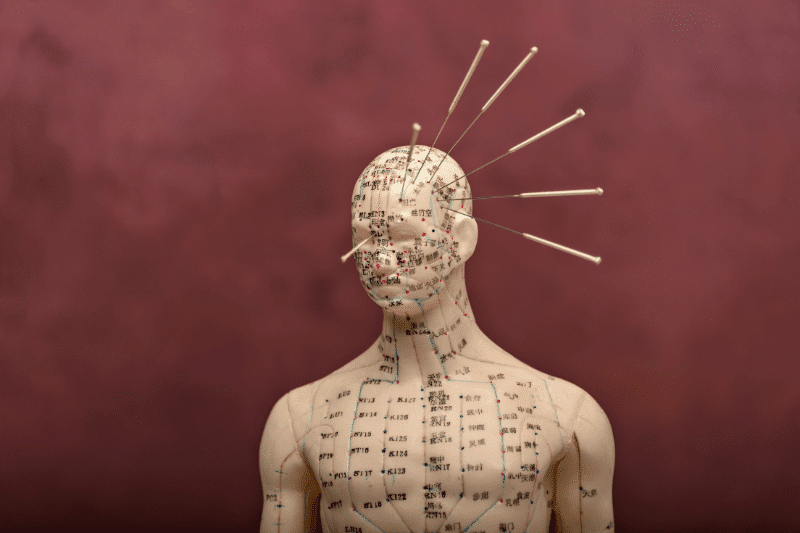
In 1971, New York Times journalist James Reston underwent emergency appendectomy-related treatment in Beijing and later wrote about receiving acupuncture for postoperative discomfort. That article helped push acupuncture into American public consciousness at a moment of unusual geopolitical attention.
The most important correction here is factual. Reston did not undergo surgery with acupuncture as the sole anaesthetic, despite how the story is often retold. The historical record cited in later reviews makes clear that acupuncture was used for postoperative pain relief, not as a magical replacement for modern surgery. That distinction matters because myths spread faster than medical nuance, and competitor articles often blur the point.
Why did this moment matter so much? Not because it instantly validated every claim about acupuncture, but because it changed visibility. It made acupuncture legible to Western readers as something real, present, and clinically used. In media history terms, 1971 was a translation event. It converted acupuncture from distant tradition into contemporary public conversation.
Modern acupuncture history includes a second transformation: movement from cultural curiosity into regulated, researched, and selectively integrated care. That transition is still ongoing.
Late 20th-century and 21st-century research focused heavily on pain, nausea, functional symptoms, and mechanism questions. Reviews from NIH-linked and PMC sources describe ongoing work on neural, local tissue, and biochemical pathways, including adenosine-related and endogenous opioid-related mechanisms, although not all proposed explanations are equally settled.
Several milestones changed acupuncture’s modern status. The 1997 NIH consensus statement concluded that acupuncture was widely practiced in the United States and identified promising or supported use in certain areas while also calling for better research. UNESCO inscribed acupuncture and moxibustion of traditional Chinese medicine on the Representative List of the Intangible Cultural Heritage of Humanity in 2010. WHO later issued benchmarks for acupuncture practice and training and established the Global Traditional Medicine Centre in 2022, while its 2025 strategy framework reflects continued international policy attention to evidence-based integration.
In the United States, institutional uptake is visible in policy and practice. Medicare covers acupuncture for chronic low back pain under defined conditions, effective from January 21, 2020, and the VA includes acupuncture within its Whole Health approach. Those are not symbolic footnotes. They show how acupuncture’s history now includes reimbursement rules, delivery models, and health-system implementation.
A credible expert article should also say what modern recognition does not mean. It does not mean every historical theory has been confirmed in biomedical terms, or that every claimed indication has equal support. Modern acupuncture lives in two languages at once: traditional East Asian medical theory and contemporary evidence-based medicine. Much of the field’s present identity comes from negotiating between those frames rather than choosing one and erasing the other.
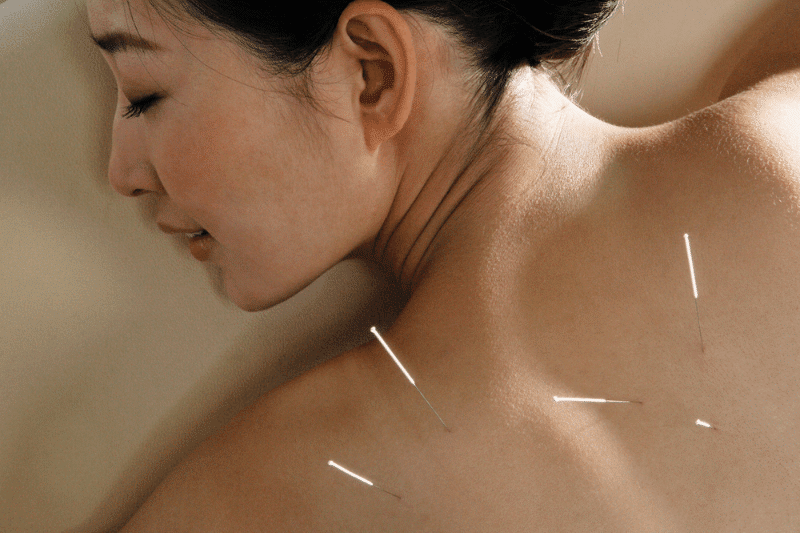
In 2026, acupuncture’s global reach means more than popularity. It means cultural legitimacy, institutional infrastructure, clinical use, training standards, and policy discussion across multiple countries. WHO’s benchmark documents, the WHO Global Traditional Medicine Centre, and the 2025 to 2034 strategy direction show that international bodies are not treating traditional medicine as a fringe historical leftover. They are treating it as a domain that requires governance, evidence work, terminology, and safety frameworks.
At the same time, acupuncture’s global reach is uneven. In some settings it is embedded in hospitals, pain clinics, rehabilitation, fertility support, oncology symptom management, and veteran care. In others it remains mainly private-pay or culturally niche. That unevenness is part of the modern story. Global reach does not mean universal agreement. It means widespread relevance.
Acupuncture’s history still matters because modern practice inherits more than techniques. It inherits vocabulary, body maps, diagnostic habits, educational structures, and patient expectations. History shapes what practitioners call points, how they organise treatment logic, how schools teach the field, and how patients interpret what acupuncture is supposed to do.
It also matters because origin stories influence trust. Some patients are drawn to acupuncture because it is ancient. Others trust it more because it is researched, regulated, and offered in respected clinical settings. The field’s continued growth depends on being able to hold both truths at once: deep historical roots and modern accountability.
The history of acupuncture is not a straight line from antiquity to modern approval. It is a long record of adaptation. Ancient Chinese medical thinkers built the earliest coherent system. Later scholars refined it. East Asian traditions transformed it. Modern institutions tested, translated, and regulated it. That is why acupuncture has endured when many older therapies have not. It kept changing without losing its core identity.
The best way to understand acupuncture today is not as a relic from the distant past, nor as a fully modern invention dressed in old language. It is a living medical tradition with ancient roots, layered histories, and global relevance. That combination is precisely what makes its story worth telling. At ACA Acupuncture and Wellness, this tradition continues to inform a thoughtful approach to care, where acupuncture, moxibustion, and related therapies are offered with respect for both classical principles and modern patient needs.
Sources:
White, A., & Ernst, E. (2004). A brief history of acupuncture. Rheumatology, 43(5), 662–663.
Hao, J. J., & Mittelman, M. (2014). Acupuncture: Past, present, and future. Global Advances in Health and Medicine, 3(4), 6–8.
Zhuang, Y., Xing, J.-J., Li, J., Zeng, B.-Y., & Liang, F.-R. (2013). History of acupuncture research. International Review of Neurobiology, 111, 1–23.
Zhu, J., Li, J., Yang, L., & Liu, S. (2021). Acupuncture, from the ancient to the current. The Anatomical Record. Advance online publication.
Zhuang, Y., Xing, J.-J., Li, J., Zeng, B.-Y., & Liang, F.-R. (2013). Chapter one – History of acupuncture research. In International review of neurobiology (Vol. 111, pp. 1–23). Elsevier.
Cheng, C.-Y., & Lin, J.-G. (2018). A brief history of acupuncture: From traditional acupuncturology to experimental acupuncturology. In J.-G. Lin (Ed.), Experimental acupuncturology (pp. 1–8). Springer.
Acupuncture does not have a single known founder. Although it is traditionally linked to the Yellow Emperor through the Huangdi Neijing, historians generally view acupuncture as a medical system that developed gradually through many generations of Chinese physicians, scholars, and clinical traditions.
Archaeological evidence suggests that early metal needles appeared in ancient China during the Han period, although earlier therapeutic tools may have existed in stone or bone forms. The exact “oldest needle” depends on how strictly acupuncture instruments are defined by historians and archaeologists.
Not in the modern institutional sense. Acupuncture developed within the broader history of Chinese medicine long before the term “Traditional Chinese Medicine” was standardised in the 20th century. Today, it is commonly grouped under TCM, but its roots are older than that label.
As acupuncture spread globally, many countries introduced licensing standards, professional boards, education requirements, and safety regulations. This helped shift acupuncture from a largely informal or alternative practice into a recognised profession in many parts of the world.
Acupuncture changed as it moved across regions. China, Japan, Korea, Vietnam, Europe, and North America each interpreted, taught, and applied it in different ways. These differences reflect local medical traditions, training systems, patient expectations, and modern clinical priorities.
Acupuncture survived because it adapted. It was preserved through classical texts, teaching lineages, institutional reform, modern schools, state support, and international research interest. Its ability to evolve while keeping a recognisable core helped it remain relevant across very different historical periods.
LOCATIONS
MANHATTAN
QUEENS
NEW JERSEY
CALIFORNIA

The over $4 billion US acupuncture market offers a great opportunity with over 10% annual growth rates and a continuing flow of new patients interested in the benefits of acupuncture.