

Ear acupuncture, particularly Soliman Auricular Allergy Treatment (SAAT), is an experimental complementary approach that may support symptom relief for some people with alpha-gal syndrome, but it has not been proven to cure the allergy or create lasting immune tolerance.
Alpha-gal syndrome can make eating, traveling, taking medications, and dining away from home feel unpredictable. The condition is a potentially life-threatening allergy associated with tick bites, and the Centers for Disease Control and Prevention (CDC) estimates that as many as 450,000 people in the United States may be affected. Interest in supportive acupuncture care is understandable, but ear acupuncture must be considered alongside established allergy care rather than in place of it.
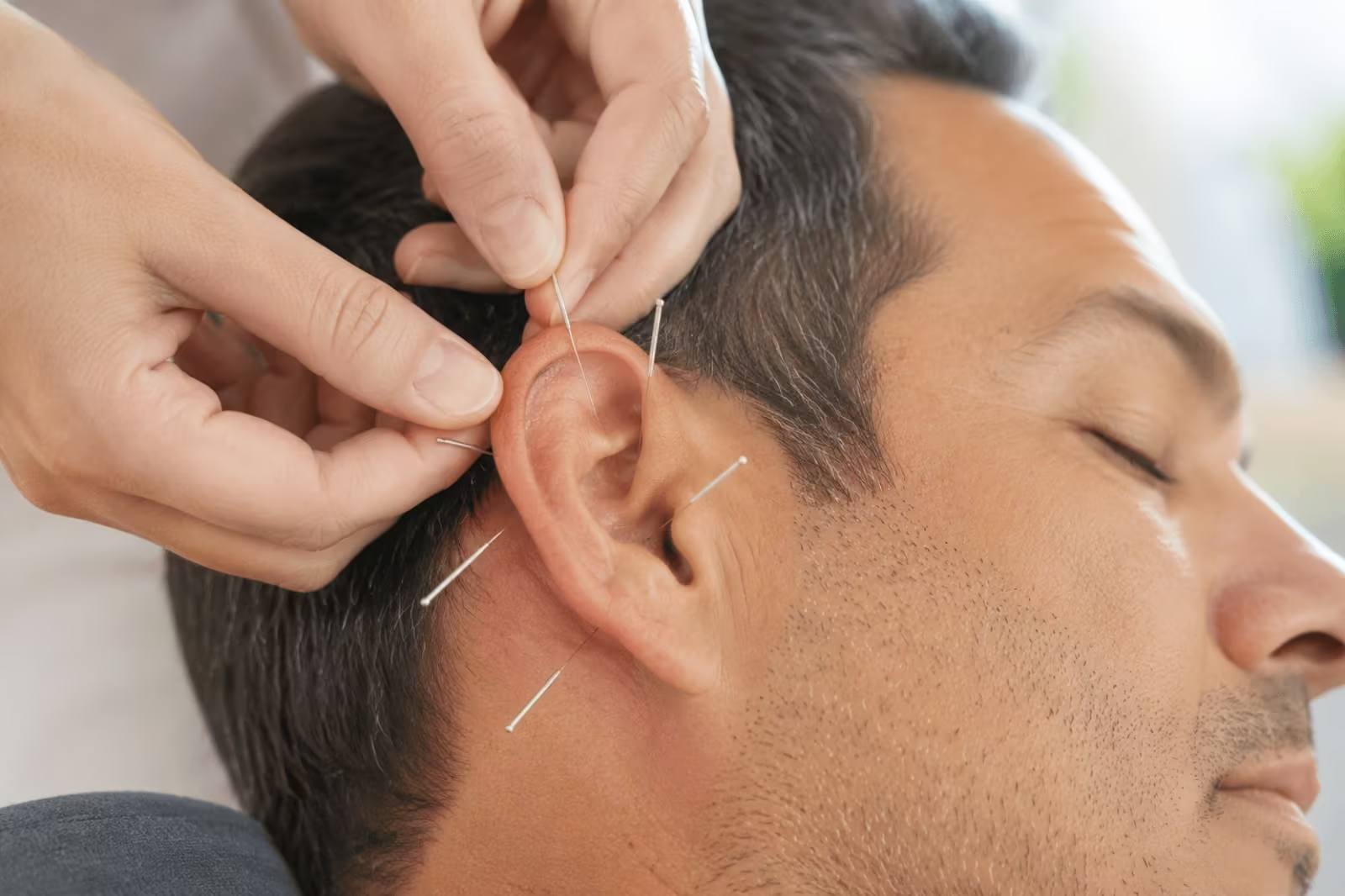
Ear acupuncture, particularly Soliman Auricular Allergy Treatment (SAAT), is an experimental complementary approach that may support symptom relief for some people with alpha-gal syndrome, but it has not been proven to cure the allergy or create lasting immune tolerance.
Alpha-gal syndrome can make eating, traveling, taking medications, and dining away from home feel unpredictable. The condition is a potentially life-threatening allergy associated with tick bites, and the Centers for Disease Control and Prevention (CDC) estimates that as many as 450,000 people in the United States may be affected. Interest in supportive acupuncture care is understandable, but ear acupuncture must be considered alongside established allergy care rather than in place of it.
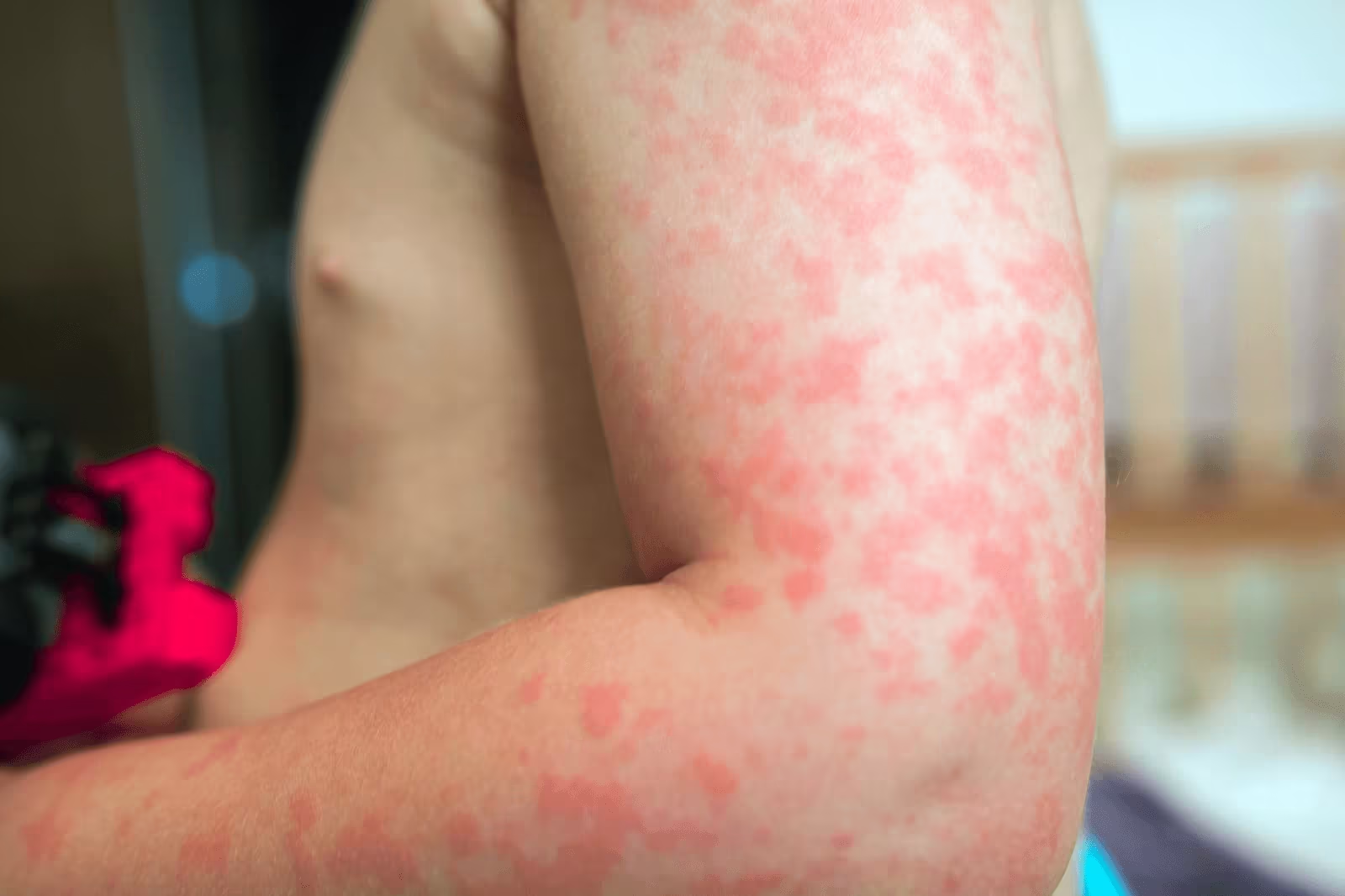
Alpha-gal syndrome is an immunoglobulin E (IgE)-mediated allergy to galactose-alpha-1,3-galactose, a carbohydrate found in most mammals and products derived from them.
In the United States, alpha-gal syndrome is most commonly associated with bites from the lone star tick, although other tick species have also been linked to cases. After sensitization, exposure to alpha-gal may trigger hives, itching, swelling, abdominal pain, diarrhea, vomiting, breathing problems, dizziness, or anaphylaxis.
Unlike many food allergies, reactions often begin several hours after eating. This delay can make it difficult to connect nighttime hives, unexplained digestive symptoms, or anaphylaxis with a meal eaten earlier.
Potential triggers include:
Not every person reacts to every alpha-gal-containing product. The same person may also experience different symptoms after separate exposures to the same food. A broader approach to acupuncture for alpha-gal syndrome may consider symptoms, dietary triggers, and complementary support alongside medical care. Diagnosis therefore requires more than a positive blood test.
Ear acupuncture stimulates selected points on the outer ear, while SAAT is a specific retained-needle protocol promoted for allergies and sensitivities.
Auricular acupuncture is a broader therapeutic category. It may use temporary needles, press needles, electrical stimulation, ear seeds, or pressure applied to points on the ear.
SAAT involves placing a small acupuncture needle at a precise point on the outer ear. The needle is secured with medical adhesive and typically remains in place for about three weeks.
SAAT is also different from electroacupuncture. Electroacupuncture applies a controlled electrical current to acupuncture needles during a treatment session. It does not necessarily involve leaving a needle in the ear for several weeks, and there is no established evidence that combining the two methods produces better alpha-gal outcomes.
Any benefit from SAAT is best described as possible symptom support, not proven immune desensitization.
Practitioners commonly describe SAAT as a way to regulate the nervous system, reduce immune hypersensitivity, or help the body stop overreacting to an allergen. Proposed explanations often focus on sensory and autonomic pathways connected with the outer ear.
These explanations remain theoretical in relation to alpha-gal syndrome. The available clinical research did not establish that auricular acupuncture reduces alpha-gal-specific IgE, changes mast cell reactivity, or creates confirmed immunologic tolerance.
Terms such as “immune reset,” “reprogramming,” and “desensitization” should therefore be interpreted as proposed treatment concepts, not demonstrated biological outcomes.
A patient may feel better after treatment without being protected from a future severe reaction. Symptom reduction and proven food tolerance are not the same clinical endpoint.
A responsible SAAT appointment begins with a detailed allergy and medical history rather than immediate needle placement.
The practitioner should review:
The practitioner then identifies the auricular point used in the selected protocol. A sterile needle is inserted and covered with medical adhesive so it can remain in place during the retention period.
Patients should receive clear instructions about bathing, exercise, sleeping positions, cleaning the area, and what to do if the needle becomes loose or falls out. Increasing pain, warmth, swelling, drainage, or spreading redness should be reported promptly.
The needle should be removed according to the practitioner’s protocol. Treatment should not conclude with instructions to test the outcome by eating beef, pork, or another known trigger without medical supervision.
The principal published SAAT study provides an encouraging signal, but its design cannot establish that the treatment works.
A retrospective case series reviewed 137 patients treated at two clinics using the same auricular acupuncture method. Outcome information was available for 126 patients. Of those patients, 121, or 96 percent, reported that their symptoms were in remission after treatment.
Gastrointestinal reactions had previously affected 59.9 percent of the group, while dermatologic reactions affected 44.5 percent. The researchers reported no adverse reactions caused by the auricular acupuncture procedure.
These results have generated understandable interest. However, several limitations prevent the findings from proving efficacy:
The appropriate conclusion is that SAAT deserves further study. The case series does not establish a cure, prove causation, or show that patients can safely resume mammalian foods.
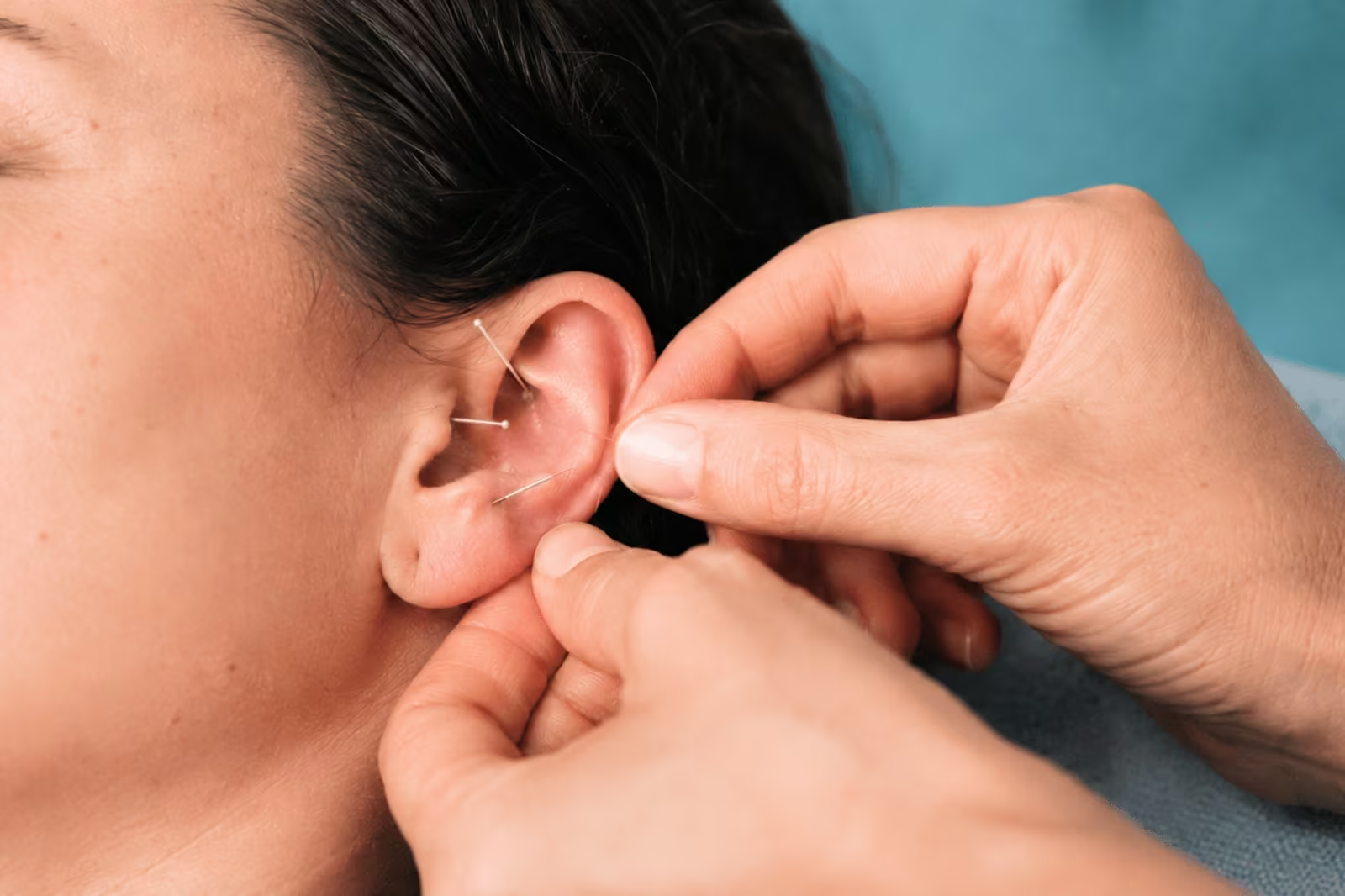
Feeling better after treatment does not confirm that the underlying allergy has disappeared.
Alpha-gal sensitivity can change over time. Some people who avoid additional tick bites experience declining antibody levels and may eventually tolerate certain alpha-gal exposures again. New tick bites can reactivate or intensify allergic reactions.
This natural variability makes uncontrolled treatment reports difficult to interpret. Improvement after SAAT could reflect the treatment, continued trigger avoidance, fewer tick bites, natural changes in sensitivity, or a combination of factors.
Reaction thresholds also vary. A person may tolerate a small or low-fat exposure and later react to a larger or fattier serving. Alcohol, exercise, illness, and certain medications may also influence the severity or likelihood of a reaction in some patients.
For these reasons, eating mammalian meat without symptoms on one occasion does not prove that alpha-gal syndrome has resolved.
SAAT should be added to a medical safety plan, not substituted for one.
Current alpha-gal management centers on avoiding personally relevant triggers, preventing additional tick bites, recognizing anaphylaxis, and obtaining urgent care when needed. Patients should also discuss new medications, vaccines, supplements, and medical products with a healthcare professional when alpha-gal-containing ingredients may be relevant.
A safe plan may include:
Epinephrine remains the first-line emergency treatment for anaphylaxis. A patient should not stop carrying prescribed epinephrine because symptoms improved after acupuncture.
Acupuncture is generally considered low risk when it is performed correctly by a qualified practitioner using sterile, single-use acupuncture needles.
Possible minor effects include brief discomfort, tenderness, bruising, light bleeding, or irritation from the adhesive. Retaining a needle for several weeks also requires careful attention to local skin changes.
Improper acupuncture can cause infection and other serious complications. The U.S. Food and Drug Administration (FDA) regulates acupuncture needles as medical devices and requires them to be sterile and labeled for single use.
Before treatment, patients should disclose:
A qualified practitioner should explain possible adverse effects, provide written aftercare instructions, and identify circumstances in which the needle should be removed early.
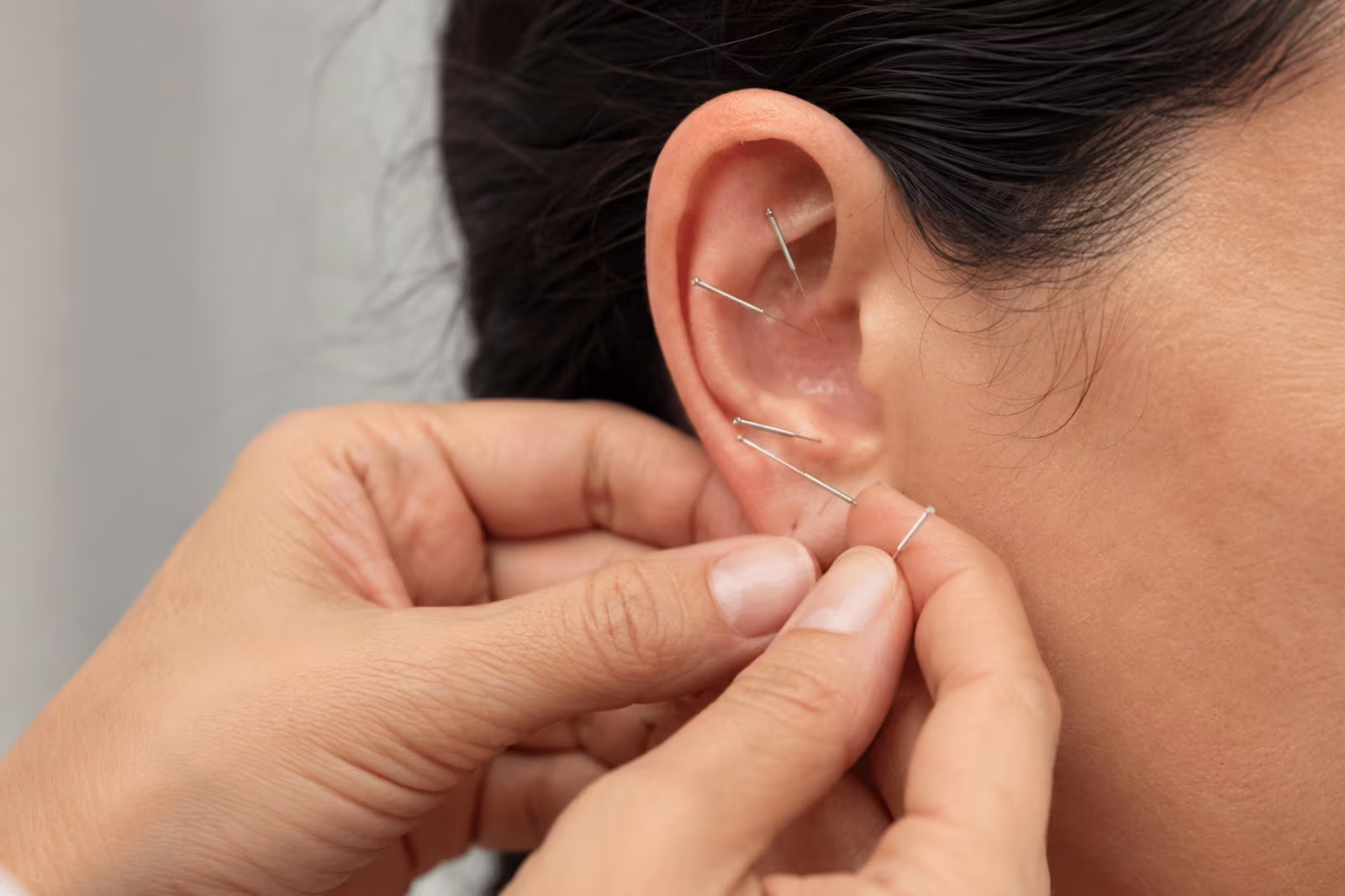
SAAT may be considered by a person who:
It is not an appropriate stand-alone treatment for someone at risk of anaphylaxis. It should also not be used to delay diagnostic testing or replace medical evaluation for unexplained allergic reactions.
A trustworthy practitioner discusses uncertainty and safety as clearly as potential benefits.
Ask prospective practitioners:
Be cautious when a practitioner guarantees remission, promises that epinephrine will no longer be necessary, or describes one successful exposure as proof that the allergy has been eliminated.
SAAT training is not the same as board certification in allergy and immunology. Both forms of expertise may have a role, but they serve different purposes.
Progress should be measured through structured observation, not deliberate exposure to a dangerous allergen.
A symptom diary can document:
Follow-up alpha-gal-specific IgE testing may provide useful information when ordered and interpreted by a clinician. However, a blood result cannot independently confirm that a patient is safe to eat mammalian meat. The CDC emphasizes that laboratory findings must be interpreted alongside symptoms, delayed reaction history, and tick exposure.
Food reintroduction should be directed by an allergist. Alpha-gal food challenges can be unpredictable, and specialist reports indicate that 15 to 20 percent of challenged patients may require epinephrine, emergency medical transportation, or both. Such challenges belong in a controlled clinical environment with appropriate monitoring and emergency treatment.
Ear acupuncture offers a promising area for further alpha-gal research, particularly for patients seeking additional support beyond dietary vigilance and trigger avoidance. The available case series suggests that SAAT may be associated with meaningful symptom improvement for some people, but current evidence does not establish it as a cure or confirm lasting immune tolerance.
The safest approach remains an integrative one. Auricular acupuncture may be considered alongside allergist-directed care, continued avoidance of known triggers, prescribed emergency epinephrine, tick-bite prevention, and medically supervised decisions about food reintroduction.
Until controlled clinical trials confirm objective immune changes and reproducible food tolerance, SAAT is best understood as a minimally invasive, complementary therapy with encouraging but still preliminary evidence.
At ACA Acupuncture & Wellness, patients can receive individualized guidance on whether auricular acupuncture may be an appropriate addition to their broader alpha-gal care plan. Schedule a consultation to discuss your symptoms, medical history, and treatment goals with an experienced practitioner.
Sources:
Bernal, M., Huecker, M., Shreffler, J., Mittel, O., Mittel, J., & Soliman, N. (2021). Successful treatment for alpha gal mammal product allergy using auricular acupuncture: A case series. Medical Acupuncture, 33(5), 343–348.
Centers for Disease Control and Prevention. (2026, January 5). About alpha-gal syndrome.
National Center for Complementary and Integrative Health. (2022, October). Acupuncture: Effectiveness and safety.
SAAT for alpha-gal typically uses a retained ear needle for approximately three weeks. Any changes in allergy-related symptoms are usually evaluated after the treatment period, but there is no clinically established timeline for improvement. Some patients report changes after one treatment cycle, while others may experience little or no benefit.
A retrospective case series reported that 121 of 126 patients with follow-up information, or 96 percent, described their alpha-gal symptoms as being in remission after SAAT. However, this figure should not be treated as a proven clinical success rate because the study had no control group, relied on patient-reported outcomes, and did not consistently confirm tolerance through laboratory testing or medically supervised food challenges.
SAAT often costs several hundred dollars per treatment, but pricing varies by practitioner, location, the number of sensitivities addressed, and whether consultation or follow-up care is included. Some providers list average fees of approximately $300 to $400, while another clinic lists a base price of $550. Patients should contact ACA Acupuncture & Wellness directly for current pricing and details about what the treatment fee includes.
Acupuncture has not been proven to cure alpha-gal syndrome. SAAT may provide complementary symptom support for some patients, but current evidence does not confirm that it eliminates alpha-gal-specific IgE antibodies or creates permanent immune tolerance. Established management still includes avoiding personal triggers, preventing additional tick bites, and seeking urgent care for severe reactions.
There is not enough evidence to conclude that SAAT consistently lowers alpha-gal-specific IgE levels. The principal published case series focused mainly on patient-reported symptom remission rather than standardized laboratory changes before and after treatment. Blood-test results should always be interpreted by an allergist alongside the patient’s symptoms and exposure history.
Mammalian meat should not be reintroduced at home solely because symptoms appear to have improved after SAAT. Alpha-gal reactions can be delayed, inconsistent, and potentially life-threatening. Any decision to reintroduce beef, pork, lamb, dairy, gelatin, or another known trigger should be made with an allergist, and prescribed epinephrine should continue to be carried unless the medical care plan is formally changed.
LOCATIONS
MANHATTAN
QUEENS
NEW JERSEY
CALIFORNIA

The over $4 billion US acupuncture market offers a great opportunity with over 10% annual growth rates and a continuing flow of new patients interested in the benefits of acupuncture.
